Potassium Carbonate → HCID 10637005, compound
Reaction equation

F[C:2]1[CH:7]=[CH:6][CH:5]=[CH:4][C:3]=1[N+:8]([O-:10])=[O:9].[OH:11][C:12]1[CH:13]=[C:14]([CH2:18][C:19]([O:21][CH3:22])=[O:20])[CH:15]=[CH:16][CH:17]=1.C(=O)([O-])[O-].[K+].[K+]>CN(C=O)C>[N+:8]([C:3]1[CH:4]=[CH:5][CH:6]=[CH:7][C:2]=1[O:11][C:12]1[CH:13]=[C:14]([CH2:18][C:19]([O:21][CH3:22])=[O:20])[CH:15]=[CH:16][CH:17]=1)([O-:10])=[O:9]Participants
Reactant 3


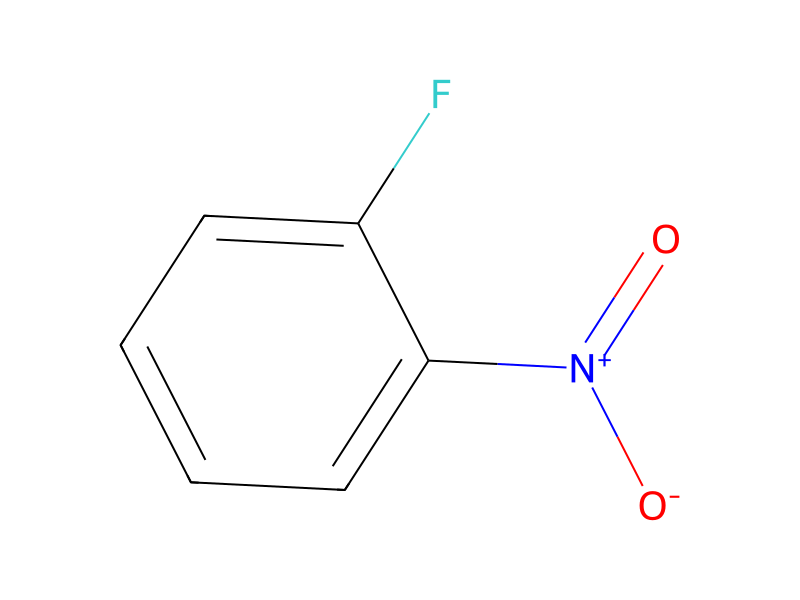
Product 1

Reagents, catalysts & solvents 1

Procedure
2-Fluoronitrobenzene (4.2 ml, 40 mmol), methyl 3-hydroxyphenylacetate (5 g, 32.5 mmol) and potassium carbonate (6.9 g, 50 mmol) were heated together in DMF (100 ml) at 100° C. for 36 hrs. After evaporation of the solvent, the residue was partitioned between water (100 ml) and dichloromethane (100 ml), and the aqueous phase further extracted with dichloromethane (2×100 ml). The combined organics were dried and evaporated, and the residue chromatographed on silica, eluting with 25% ethyl acetate/60°-80° petrol to yield methyl 3-(2-nitrophenyloxy)phenylacetate (4 g); δH (CDCl3) 3.62 (2H, s, CH2CO2Me), 3.69 (3H, s, CO2Me), 6.94 (1H, d, J 7.2 Hz, ArH), 7.00-7.04 (2H, m, ArH), 7.09 (1H, d, J 8.3 Hz, ArH), 7.19 (1H, t, J 8.3 Hz, ArH), 7.32 (1H, t, J 7.9 Hz, ArH), 7.50 (1H, t, J 7.2 Hz, ArH), 7.94 (1H, d, J 8.2 Hz, ArH).
Workup
- customAfter evaporation of the solvent
- customthe residue was partitioned between water (100 ml) and dichloromethane (100 ml)
- extractionthe aqueous phase further extracted with dichloromethane (2×100 ml)
- customThe combined organics were dried
- customevaporated
- customthe residue chromatographed on silica
- washeluting with 25% ethyl acetate/60°-80° petrol
Sources & evidence
- ORD record
- ord-3359685273d04b199afd22834dec77c7
- Source dataset
- uspto-grants-1996_09
- Patent number
- US05559125
Reaction notes
Loading…