Benzoic Acid → (3R,4S)-[1-benzyloxycarbonyl-4-hydroxypyrrolidin-3-yl]methanol
Reaction equation

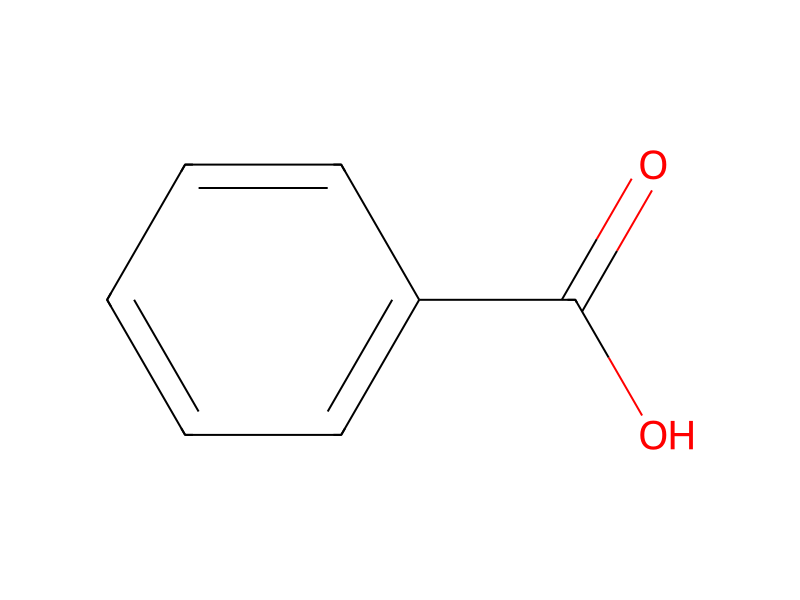
[CH2:1]([O:8][C:9]([N:11]1[CH2:15][C@H:14]([OH:16])[C@@H:13]([CH2:17][OH:18])[CH2:12]1)=[O:10])[C:2]1[CH:7]=[CH:6][CH:5]=[CH:4][CH:3]=1.C1(P(C2C=CC=CC=2)C2C=CC=CC=2)C=CC=CC=1.C(O)(=O)C1C=CC=CC=1.C(OC(N=NC(OCC)=O)=O)C>O1CCCC1>[CH2:1]([O:8][C:9]([N:11]1[CH2:15][C@@H:14]([OH:16])[C@@H:13]([CH2:17][OH:18])[CH2:12]1)=[O:10])[C:2]1[CH:7]=[CH:6][CH:5]=[CH:4][CH:3]=1Participants
Reactant 4



Product 1

Reagents, catalysts & solvents 1

Procedure
(3R,4R)-[1-Benzyloxycarbonyl-4-hydroxypyrrolidin-3-yl]methanol (2.50 g), triphenylphosphine (5.74 g), and benzoic acid (2.55 g) were dissolved in tetrahydrofuran (60 mL). While this solution was cooled on a sodium chloride/ice bath, azodicarboxylic acid diethyl ester (40% toluene solution, 9.53 mL) was added dropwise. The mixture was stirred for 1 hour at 0° C. or below and then for additional 2 hours at room temperature and was subsequently concentrated under reduced pressure. The resulting residue was purified on a silica gel column (eluant=hexane:ethyl acetate=2:1). The eluted pale brown tar-like material was dissolved in ethanol (60 mL). To this solution, potassium carbonate (4.07 g) dissolved in water (30 mL) was added and the mixture was heat-refluxed for 3 hours while being stirred. Subsequently, the reaction mixture was concentrated under reduced pressure, and the resulting residue was dissolved in dichloromethane (200 mL). The dichloromethane solution was washed with a saturated aqueous solution of sodium chloride (2×50 mL), was dried over anhydrous sodium sulfate, and was then concentrated under reduced pressure. The resulting residue was purified on a silica gel column (eluant=ethyl acetate: methanol=10:1) to give 2.04 g of (3R,4S)-[1-benzyloxycarbonyl-4-hydroxypyrrolidin-3-yl]methanol as a milky white syrup-like product.
Workup
- temperatureWhile this solution was cooled on a sodium chloride/ice bath
- waitfor additional 2 hours at room temperature
- concentrationwas subsequently concentrated under reduced pressure
- customThe resulting residue was purified on a silica gel column (eluant=hexane:ethyl acetate=2:1)
- dissolutionThe eluted pale brown tar-like material was dissolved in ethanol (60 mL)
- dissolutionTo this solution, potassium carbonate (4.07 g) dissolved in water (30 mL)
- additionwas added
- temperaturethe mixture was heat-refluxed for 3 hours
- stirringwhile being stirred
- concentrationSubsequently, the reaction mixture was concentrated under reduced pressure
- dissolutionthe resulting residue was dissolved in dichloromethane (200 mL)
- washThe dichloromethane solution was washed with a saturated aqueous solution of sodium chloride (2×50 mL)
- dry with materialwas dried over anhydrous sodium sulfate
- concentrationwas then concentrated under reduced pressure
- customThe resulting residue was purified on a silica gel column (eluant=ethyl acetate: methanol=10:1)
Sources & evidence
- ORD record
- ord-7270b6b94e4047eabc34ab8a37456d1c
- Source dataset
- uspto-grants-2006_12
- Patent number
- US07153851B2
Reaction notes
Loading…