Potassium Carbonate → HCID 178526673, compound
Reaction equation

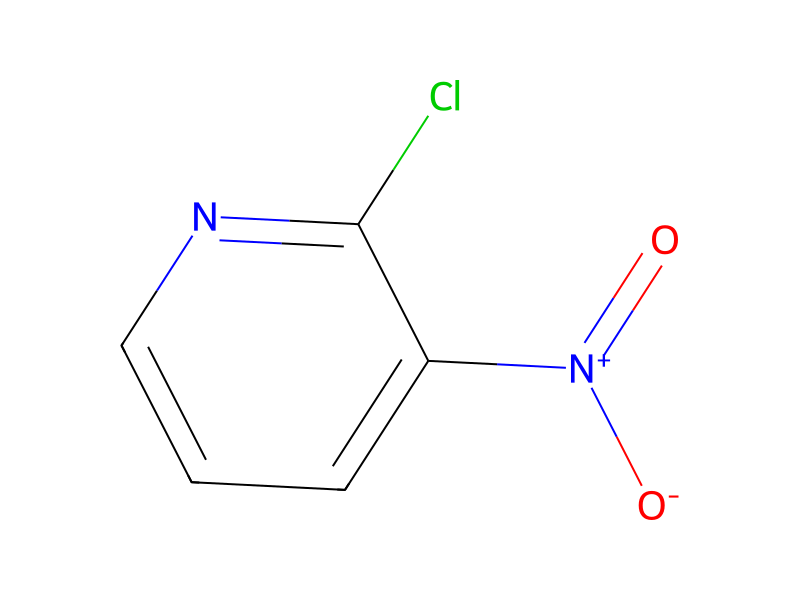
Cl.Cl.[NH:3]1[C:11]2[CH2:10][CH2:9][NH:8][CH2:7][C:6]=2[N:5]=[CH:4]1.Cl[C:13]1[C:18]([N+:19]([O-:21])=[O:20])=[CH:17][CH:16]=[CH:15][N:14]=1.C([O-])([O-])=O.[K+].[K+]>CN(C=O)C>[N+:19]([C:18]1[C:13]([N:8]2[CH2:9][CH2:10][C:11]3[NH:3][CH:4]=[N:5][C:6]=3[CH2:7]2)=[N:14][CH:15]=[CH:16][CH:17]=1)([O-:21])=[O:20]Participants




Procedure
A mixture of 4,5,6,7-tetrahydro-1H-imidazo[4,5-c]pyridine dihydrochloride (2.0 g, 12.5 mmol; prepared essentially as described by Habermehl, E., Heterocycles 5:127,133 (1976)), 2-chloro-3-nitropyridine (1.7 g, 11.25 mmol) and K2CO3 (5.2 g, 37.5 mmol) in 25 mL of DMF is heated at 50° C. for 4 hours and then allowed to cool to room temperature. The mixture is then partitioned between ethyl acetate and water and the layers are separated. The aqueous layer is then further extracted with ethyl acetate and the combined organic extracts are dried over Na2SO4, filtered and the solvents removed under reduced pressure. Column chromatography of the residue on silica gel (5% MeOH in CH2Cl2 as eluent) gives 5-(3-nitro-pyridin-2-yl)-4,5,6,7-tetrahydro-1H-imidazo[4,5-c]pyridine as a yellow solid (1.5 g). 1H NMR δ (CDCl3): 8.34 (d, 1H), 8.16 (dd, 1H), 7.53(s, 1H), 6.74 (q, 1H), 4.31 (s, 2H), 3.94(t, 2H) and 2.91(t, 2H). MS: 246.3 (m+1).
Workup
- customprepared essentially
- customThe mixture is then partitioned between ethyl acetate and water
- customthe layers are separated
- extractionThe aqueous layer is then further extracted with ethyl acetate
- dry with materialthe combined organic extracts are dried over Na2SO4
- filtrationfiltered
- customthe solvents removed under reduced pressure
Sources & evidence
- ORD record
- ord-2709eb236d904e1ea4c490b69cbe68cd
- Source dataset
- uspto-grants-2005_07
- Patent number
- US06916827B2
Reaction notes
Loading…