Methyl iodide → HCID 86623927, compound
Reaction equation

[C:1]([O:5][C:6]([C@:8]1([C:19](=[O:24])[N:20]([O:22][CH3:23])[CH3:21])[C@@H:10]([C:11]2[CH:16]=[CH:15][CH:14]=[CH:13][CH:12]=2)[C@H:9]1[CH2:17][OH:18])=[O:7])([CH3:4])([CH3:3])[CH3:2].[CH3:25]I>[Ag]=O>[C:1]([O:5][C:6]([C@:8]1([C:19](=[O:24])[N:20]([O:22][CH3:23])[CH3:21])[C@@H:10]([C:11]2[CH:16]=[CH:15][CH:14]=[CH:13][CH:12]=2)[C@H:9]1[CH2:17][O:18][CH3:25])=[O:7])([CH3:4])([CH3:3])[CH3:2]Participants
Reactant 2


Product 1

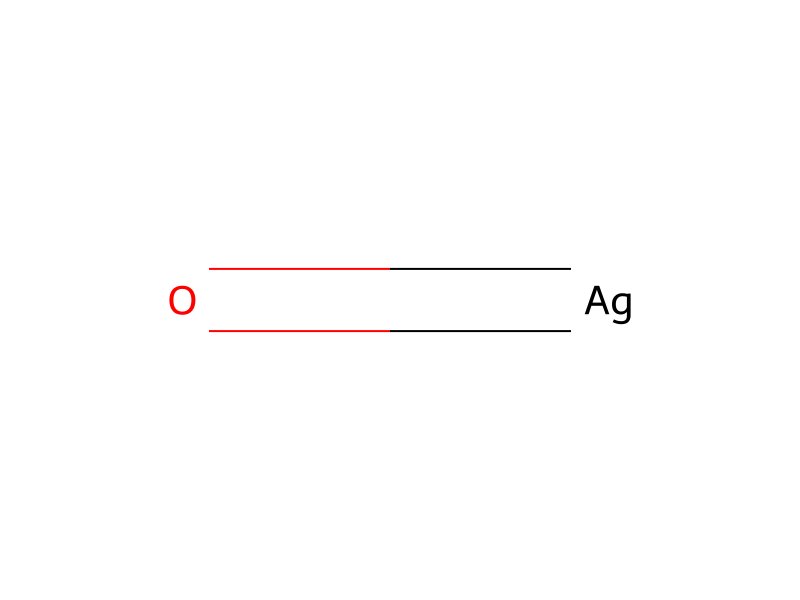
Reagents, catalysts & solvents 1
Procedure
The above (1R*,2R*,3R*)-2-hydroxymethyl-1-(methoxy-methyl-carbamoyl)-3-phenyl-cyclopropanecarboxylic acid t-butyl ester (0.050 g, 0.15 mmol) was dissolved in 1 mL of methyl iodide. To this solution was added silver oxide (0.69 g, 3.0 mmol) and the mixture was stirred overnight at room temperature under N2 (in the dark). This reaction was incomplete and additional methyl iodide and silver oxide were added. After stirring overnight, the reaction appeared stalled. The catalyst was filtered off through celite and the residue was rinsed with ether. The filtrate was concentrated to a clear oil and purified by prep-TLC using 1:1 hexanes/EtOAc to afford 30 mg of the desired product (58%). This reaction was repeated numerous times to bring up more material. Note: If a huge excess of silver oxide was not used, the reaction often led to a reversion to the lactone product.
Workup
- stirringAfter stirring overnight
- filtrationThe catalyst was filtered off through celite
- washthe residue was rinsed with ether
- concentrationThe filtrate was concentrated to a clear oil
- custompurified
Sources & evidence
- ORD record
- ord-86878cfaf261419c82c1b7f16a2ab8d7
- Source dataset
- uspto-grants-2008_04
- Patent number
- US07351825B2
Reaction notes
Loading…