Formaldehyde → 4-Ethenyl-1-cyclohexene-1-carboxaldehyde
Reaction equation

[CH:1](=[O:5])/[CH:2]=[CH:3]/[CH3:4].[CH2:6]=[O:7].[CH2:8]=[CH:9][CH:10]=[CH2:11]>CN(C=O)C.N1CCCC1.C(O)(=O)CC>[CH:3]([C:2]1([CH:1]=[O:5])[CH2:6][CH2:11][CH:10]=[CH:9][CH2:8]1)=[CH2:4].[CH:3]([CH:2]1[CH2:1][CH2:11][C:10]([CH:6]=[O:7])=[CH:9][CH2:8]1)=[CH2:4]Participants
Reactant 3



Product 2


Reagents, catalysts & solvents 3


Conditions
- Temperature
- 100 °C
Procedure
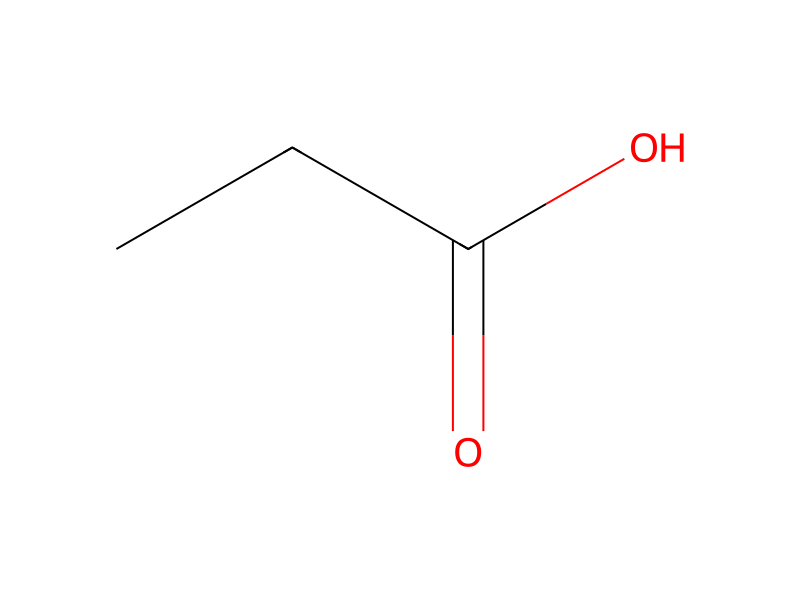
The 500 mL flask was charged with crotonaldehyde (210.3 g, 3 mol), formaldehyde (270.0 g, 3.24 mol, 36% aqueous solution) and DMF (50 g, 0.68 mol). A cooled mixture of pyrrolidine (5.33 g, 0.075 mol) and propionic acid (5.56 g, 0.075 mol) was added with stirring during 5 minutes. This combined mixture was then slowly pumped with stirring into a heated (100° C.) autoclave that had been charged with a solution of 1,3-butadiene (570.4 g, 5 mol) in DMF (250 g, 3.42 mol). (Careful: a cold autoclave has to be charged with a cooled solution of butadiene in DMF, boiling point of butadiene: −4.5° C.). At this temperature, the internal pressure was 12.0 bar. During the first 3 h of this addition, the internal pressure slowly rose to 14.5 bar, while the temperature was kept at 100° C. The pressure then slowly dropped to 11.0 bar until the addition was finished after 4.5 hours. The reaction mixture was stirred at 100° C. for another 2 hours. After that time (the pressure was less than 8.1 bar) the reaction mixture was cooled to room temperature (by means of an internal cooling device) upon which the internal pressure dropped to less than 2 bar. The mixture was transferred to a 2.0 L separation funnel and diluted with hexane (620 g) and water (300 g) (Careful: excessive butadiene evaporates during this operation: use well ventilated hood). The upper layer was separated and washed successively with aq. acetic acid (50 ml) and water (50 ml) and then with sat. aq. sodium bicarbonate solution. The organic phase was dried with MgSO4, filtered and concentrated under reduced pressure to furnish the crude product as a yellow oil (254 g) which was then distilled in vacuo over a 10 cm-Vigreux column (b.p. 47-72° C., 0.1 mbar), to yield 1-vinylcyclohex-3-ene carbaldehyde and 4-vinylcyclohex-1-ene carbaldehyde (189.9 g, 46.5%) in a ratio of about 2:1. The compounds may be separated by distillation or chromatography on silica gel under conditions known to the skilled person.
Workup
- additionwas added
- stirringwith stirring into
- custom−4.5° C.
- additionDuring the first 3 h of this addition
- customwas kept at 100° C
- additionThe pressure then slowly dropped to 11.0 bar until the addition
- waitwas finished after 4.5 hours
- stirringThe reaction mixture was stirred at 100° C. for another 2 hours
- temperaturewas cooled to room temperature (by means of an internal cooling device) upon which the internal pressure
- additiondropped to less than 2 bar
- customThe mixture was transferred to a 2.0 L separation funnel
- additiondiluted with hexane (620 g) and water (300 g) (Careful
- customexcessive butadiene evaporates during this operation
- customThe upper layer was separated
- washwashed successively with aq. acetic acid (50 ml) and water (50 ml)
- dry with materialThe organic phase was dried with MgSO4
- filtrationfiltered
- concentrationconcentrated under reduced pressure
- customto furnish the crude product as a yellow oil (254 g) which
- distillationwas then distilled in vacuo over a 10 cm-Vigreux column (b.p. 47-72° C., 0.1 mbar)
Sources & evidence
- ORD record
- ord-68934788d2534274a1395b27f3cad4a1
- Source dataset
- uspto-grants-2016_03
- Patent number
- US09283159B2
Reaction notes
Loading…