2-Bromo-6-(1,3-dioxolan-2-yl)pyridine → HCID 89853573, compound
Reaction equation

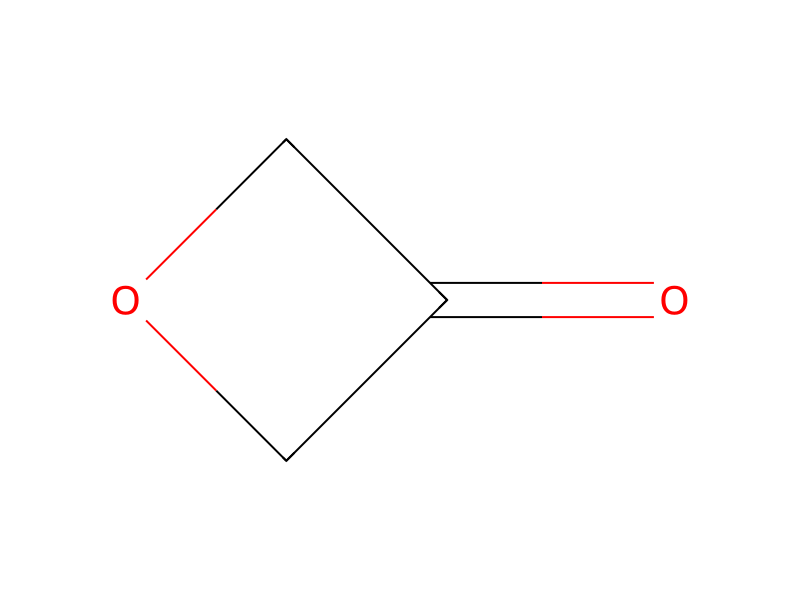
Br[C:2]1[CH:7]=[CH:6][CH:5]=[C:4]([CH:8]2[O:12][CH2:11][CH2:10][O:9]2)[N:3]=1.C([Li])CCC.[O:18]1[CH2:21][C:20](=[O:22])[CH2:19]1>O1CCCC1>[O:9]1[CH2:10][CH2:11][O:12][CH:8]1[C:4]1[N:3]=[C:2]([C:20]2([OH:22])[CH2:21][O:18][CH2:19]2)[CH:7]=[CH:6][CH:5]=1Participants
Reactant 3


Product 1

Reagents, catalysts & solvents 1

Procedure
To a solution of 2-bromo-6-(1,3-dioxolan-2-yl)pyridine (2.49 g, 10.8 mmol) in anhydrous tetrahydrofuran (40 mL) was added a solution of n-butyllithium (2.5 M, 4.3 mL, 10.8 mmol) at −78° C. After stirring for 30 min., a solution of oxetan-3-one (0.6 g, 8.32 mmol) in anhydrous tetrahydrofuran (12 mL) was added slowly and the mixture was stirred at that temperature for 1 h. The reaction mixture was quenched with water and extracted with ethyl acetate. The organic layer was washed with brine, dried over sodium sulfate, filtered and concentrated under reduced pressure to afford the crude compound. The crude material was purified via preparative TLC eluting with 35% ethyl acetate in petroleum ether to afford 3-(6-(1,3-dioxolan-2-yl)pyridin-2-yl)oxetan-3-ol (500 mg, 27%). MS (ES+) (M+H) 224.20; LCMS retention time: 2.76 minutes (Method S).
Workup
- stirringthe mixture was stirred at that temperature for 1 h
- customThe reaction mixture was quenched with water
- extractionextracted with ethyl acetate
- washThe organic layer was washed with brine
- dry with materialdried over sodium sulfate
- filtrationfiltered
- concentrationconcentrated under reduced pressure
- customto afford the crude compound
- customThe crude material was purified via preparative TLC
- washeluting with 35% ethyl acetate in petroleum ether
Sources & evidence
- ORD record
- ord-8e1ba8432d604ab0a3ab620def49ed29
- Source dataset
- uspto-grants-2016_03
- Patent number
- US09296745B2
Reaction notes
Loading…