N-acetylanthranilic acid → 2,6,7-Trimethylquinazolin-4(3H)-one
Reaction equation

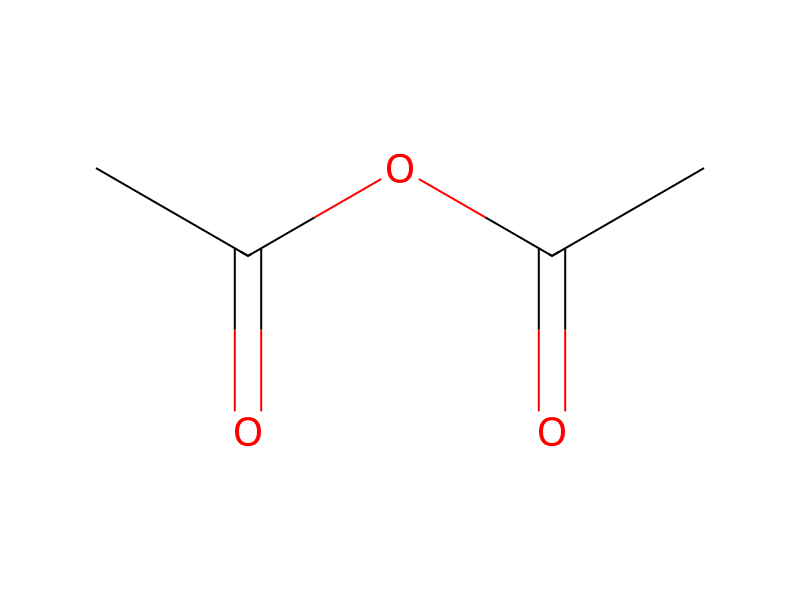
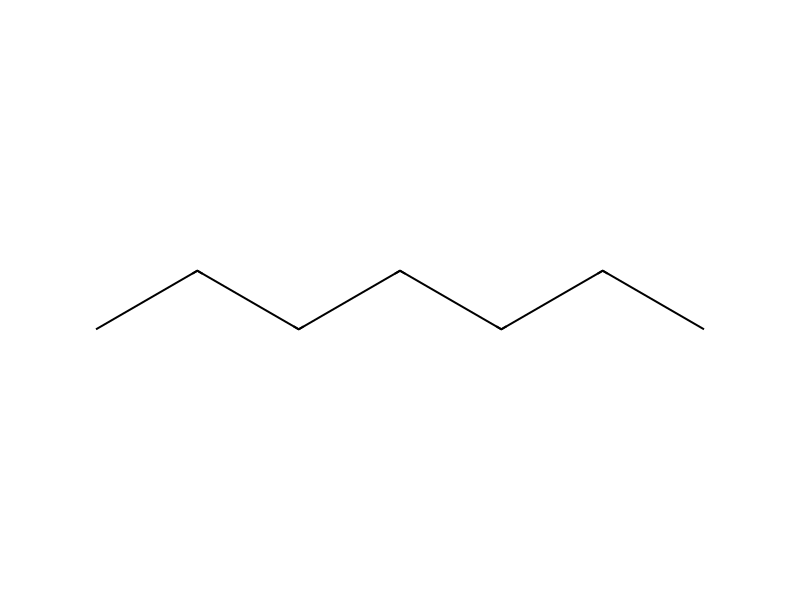
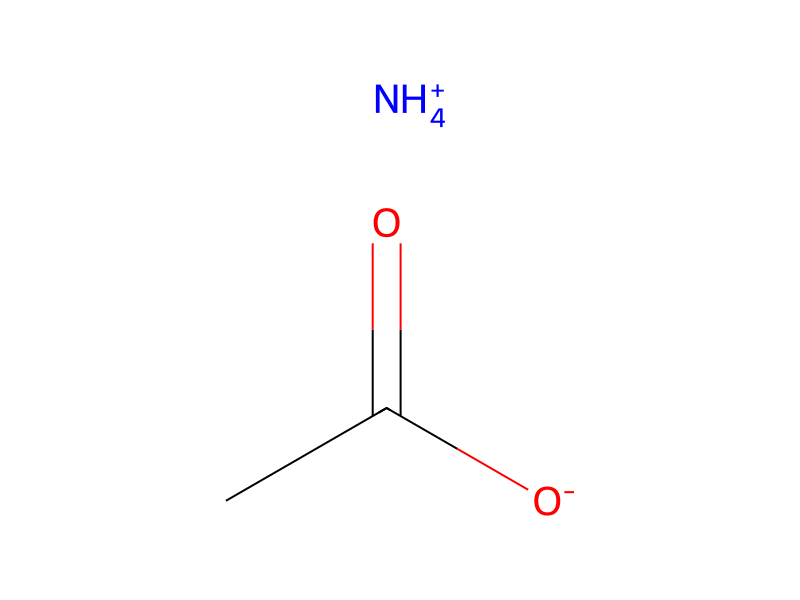
[C:1]([NH:4][C:5]1C(=CC=C[CH:13]=1)C(O)=O)(=[O:3])C.[C:14](OC(=O)C)(=O)C.C([O-])(=O)C.[NH4+:25].[CH3:26][CH2:27][CH2:28][CH2:29][CH2:30][CH2:31][CH3:32]>>[CH3:13][C:5]1[NH:4][C:1](=[O:3])[C:27]2[C:28](=[CH:29][C:30]([CH3:14])=[C:31]([CH3:32])[CH:26]=2)[N:25]=1Participants


Procedure
2,6,7-Trimethyl-3,1,4-benzoxazone was readily prepared by treating the corresponding N-acetyl anthranilic acid with acetic anhydride (1.4 eq) in heptane (reflux, 3 h). Ammonium acetate (5 eq per mol of substrate) was added to the reaction mixture and the residual acetic anhydride was removed by azeotropic distillation of heptane under atmospheric pressure. Removal of any residual acetic anhydride is crucial in order for the next step, the ammonolysis of the benzoxazone, to be successful. Acetic acid was then added to the reaction mixture and heptane was subsequently replaced by acetic acid via azeotropic distillation. (Direct displacement of acetic anhydride (bp 140° C.) to acetic acid (bp 116° C.) by distillation is not possible. Therefore, such solvent displacement becomes only feasible by azeotropic distillation with the intervention of a third solvent, e.g. heptane (bp 98° C.), which forms a binary azeotrope with both acetic anhydride and acetic acid). The mixture was refluxed for 12 hours at the end of which quinazolone formation was complete as indicated by HPLC analysis. The product 4-quinazolone (7) was isolated by adding water to the reaction mixture in consistently high yields (80%).
Workup
- customthe residual acetic anhydride was removed by azeotropic distillation of heptane under atmospheric pressure
- customRemoval of any residual acetic anhydride
- additionAcetic acid was then added to the reaction mixture and heptane
- distillationwas subsequently replaced by acetic acid via azeotropic distillation
- distillation(Direct displacement of acetic anhydride (bp 140° C.) to acetic acid (bp 116° C.) by distillation
- distillationTherefore, such solvent displacement becomes only feasible by azeotropic distillation with the intervention of a third solvent, e.g. heptane (bp 98° C.), which
- temperatureThe mixture was refluxed for 12 hours at the end of which quinazolone formation
Sources & evidence
- ORD record
- ord-28c1a08793ad46baa7f3341bc849f824
- Source dataset
- uspto-grants-1998_06
- Patent number
- US05763608
Reaction notes
Loading…