1-Octyne → 2-Nonene, (2Z)-
Reaction equation

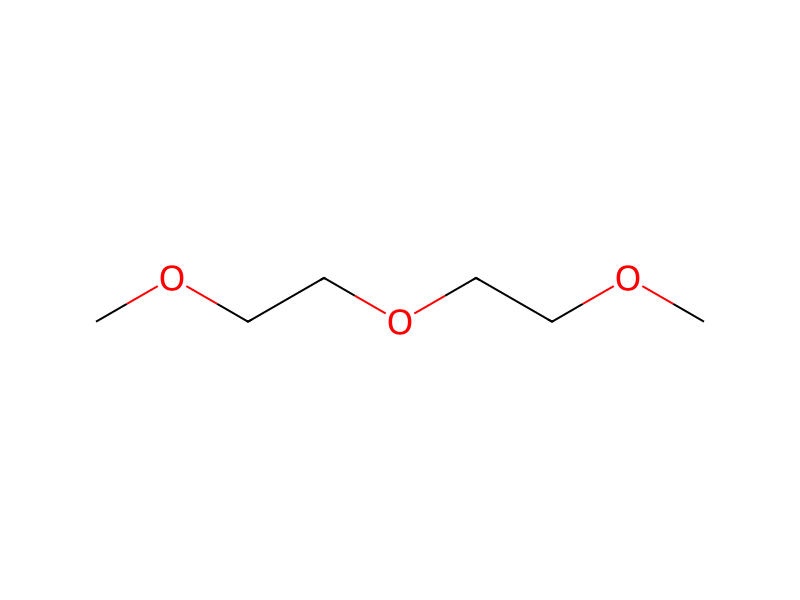
Cl[C:2]#[C:3][CH2:4][CH2:5][CH2:6][CH2:7][CH2:8][CH3:9].[H-].[CH3:11][Al](C)C.[Na+].[Cl:16]/[CH:17]=[CH:18]/[CH2:19][CH2:20][CH2:21][CH2:22][CH2:23][CH3:24].Cl/C=C\CCCCCC.C#CCCCCCC>COCCOCCOC>[CH3:9]/[CH:8]=[CH:7]\[CH2:6][CH2:5][CH2:4][CH2:3][CH2:2][CH3:11].[Cl:16]/[CH:17]=[CH:18]/[CH2:19][CH2:20][CH2:21][CH2:22][CH2:23][CH3:24]Participants
Reactant 5
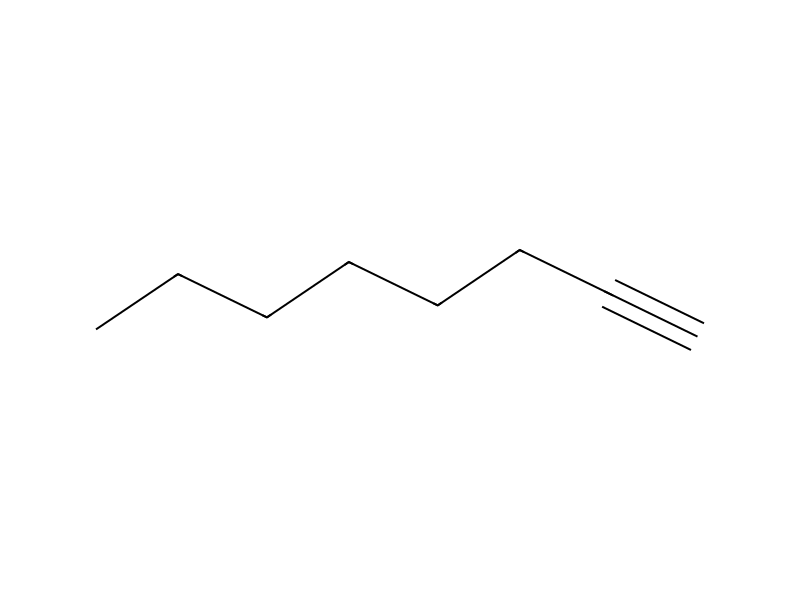


Product 2

Reagents, catalysts & solvents 1
Procedure
Addition of 1-chloro-1-octyne to 1.5 equivalents of sodium trimethylaluminum hydride in diglyme at 0° C. with stirring for one hour resulted in the regio- and stereoselective formation of the E-alpha-chloroalkenylalanate, [HexHC=C(Cl)AlMe3 ]-Na+, in 89% yield as evidenced from 1H-NMR (the vinylic proton was present as a triplet, J=8 Hz, at 5.88 ppm) and gas chromatography (GC) analysis of the trans-1-chloro-1-octene obtained upon protonolysis. None of the corresponding cis-1-chloro-1-octene was observed by a gas chromatography comparison with an authentic sample. In addition, 11% of 1-octyne was found by gas chromatography. Allowing the reaction mixture to warm to room temperature and stirring for two hours produced by gas chromatography analysis cis-2-nonene (17%) with no trans-1-chloro-1-octene remaining. Hence, the migratory insertion reaction of the foregoing alpha-chloroalkenylalanate to form the vinylalane, HexHC=C(Me)AlMe2, did occur.
Workup
- customresulted in the regio- and stereoselective formation of the E-alpha-chloroalkenylalanate, [HexHC=C(Cl)AlMe3 ]-Na+, in 89% yield
- customobtained upon protonolysis
- stirringstirring for two hours
Sources & evidence
- ORD record
- ord-178e4cceda684e30be55da41a54c5d05
- Source dataset
- uspto-grants-1991_02
- Patent number
- US04996340
Reaction notes
Loading…