10-Undecen-1-ol → Diethyl undec-10-en-1-ylphosphonate
Reaction equation

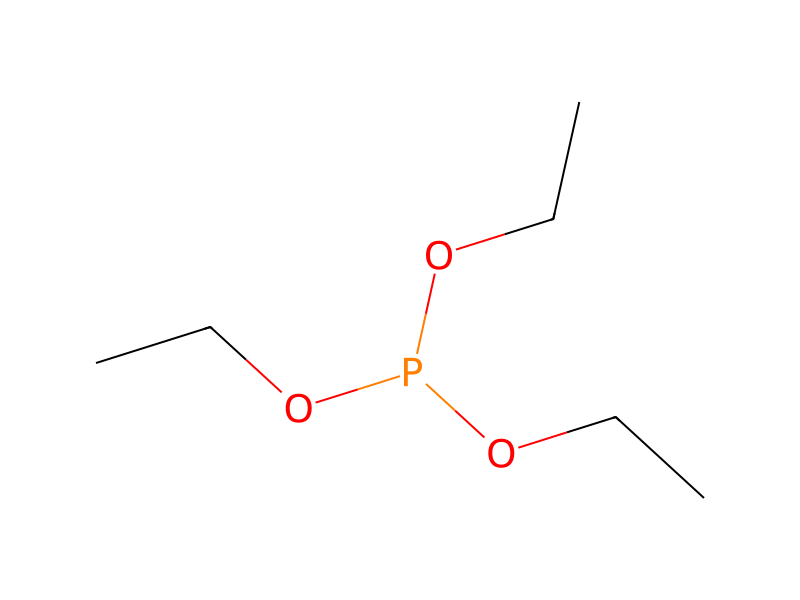
[CH2:1](O)[CH2:2][CH2:3][CH2:4][CH2:5][CH2:6][CH2:7][CH2:8][CH2:9][CH:10]=[CH2:11].ICCCCCCCCCC=C.S(C1C=CC(C)=CC=1)([O-])(=O)=O.[CH2:36]([O:38][P:39]([O:43]CC)[O:40][CH2:41][CH3:42])[CH3:37]>>[CH2:36]([O:38][P:39]([O:40][CH2:41][CH3:42])([CH2:1][CH2:2][CH2:3][CH2:4][CH2:5][CH2:6][CH2:7][CH2:8][CH2:9][CH:10]=[CH2:11])=[O:43])[CH3:37]Participants



Procedure
10-undecen-1-ol (1)(numbering from Scheme 1) was converted to iodinated compound 3 through a tosylate intermediate (2). Reaction of 3 with excess triethylphosphite under reflux conditions afforded the diethoxy phosphonate 4, which was converted to the ethoxyhydroxy phosphonate 5 by treatment with trimethylsilylbromide (TMSBr). The double bond of 6 was oxidatively cleaved with ruthenium trichloride and sodium periodate (Carlsen, et al. (1981) J. Org. Chem. 46, 3k936-3938) to yield the terminal carboxylic acid product 6. Treatment of 6 with excess diethylaminosulfur trifluoride (DAST) and N-hydoxysuccinimide (NHS) afforded an N-succinyl fluorophosphonate intermediate which was reacted with 5-(biotinamido) pentylamine (NH2-biotin) to generate FP-biotin (7). This synthetic route also allowed for the facile coupling of 6 to other reporter groups, including fluorescein cadaverine, which generated a fluorescent fluorophosphonate, FP-fluorescein [8; MALDI-FTMS (DHB) m/z 778.2671 (C38H47FN3O8PS+Na+ requires 778.2703)].
Sources & evidence
- ORD record
- ord-f7dbc048370749b2b53898930298a19d
- Source dataset
- uspto-grants-2005_03
- Patent number
- US06872574B2
Reaction notes
Loading…