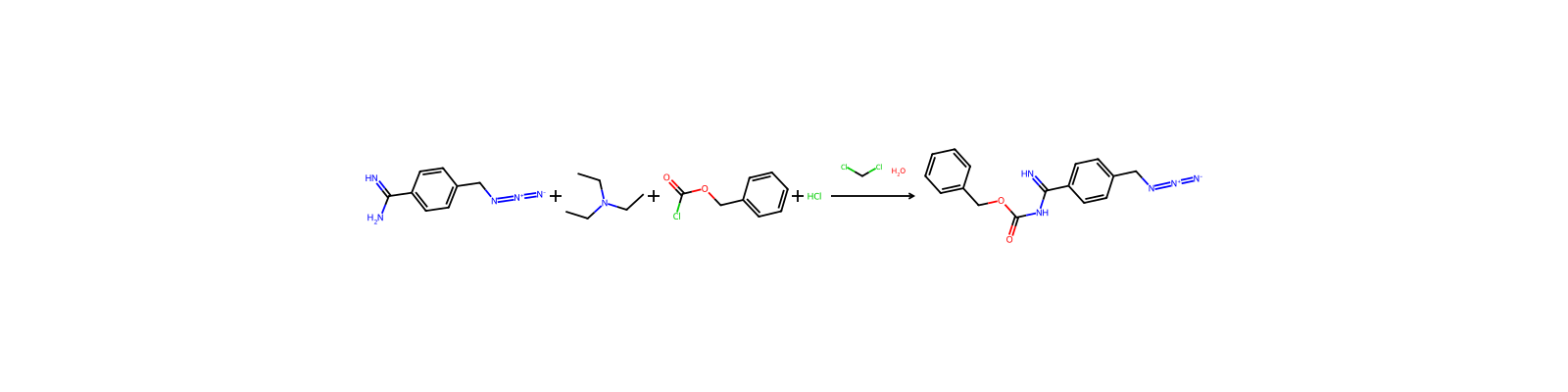

基本信息
- 标准SMILES
O=C(Cl)OCc1ccccc1- InChIKey
HSDAJNMJOMSNEV-UHFFFAOYSA-N- 分子式
- C8H7ClO2
- 平均分子量
- 170.59 g/mol
- 单同位素质量
- 170.01345714
概述
Benzyl chloroformate appears as a colorless liquid with an acrid odor. Vapors irritate eyes and mucous membranes. Corrosive to metals and tissue. Long-term inhalation of low concentrations or short-term inhalation of high concentrations can result in adverse health effects.
名称与标识
- 首选名称
- Benzyl chloroformate
- IUPAC
- benzyl carbonochloridate
- 中文名
- 氯甲酸苄酯
- 英文名
- Benzyl chloroformate
- 分子式
- C8H7ClO2
- 分子量
- 170.59
名称与别名
BENZYL CHLOROFORMATE501-53-1Benzyl carbonochloridateCarbobenzoxy chlorideBenzyl chlorocarbonateBenzylcarbonyl chlorideBenzyloxycarbonyl chlorideCarbobenzyloxy chlorideCarbonochloridic acid, phenylmethyl esterChloroformic Acid Benzyl EsterChloroformic acid, benzyl esterBenzylcarbonochloridate
展开更多名称
苄氧酰氯苄酯基氯甲酸氯苄酯苄基碳酰氯氯甲酸苄酯苄氧甲醯氯氯碳酸苄酯苄氧甲酰氯苄氧羰酰氯氯甲酸苄脂CBZBCFZ-CLBenzyl ChlorofomateCBZCIZ-CHLORIDE
Formic acid, chloro-, benzyl esterDTXSID9027158170BP0DD31NSC-83466DTXCID607158RefChem:118863207-925-0Cbz chloride
数据库标识
- CAS
501-53-1- PubChem CID
- 10387
- DTXSID
DTXSID9027158- ChEMBL
CHEMBL1581748- UNII
- 170BP0DD31
- EC Number
- 207-925-0
- Nikkaji
- J6.192A
性质
结构计算性质
- XLogP
- 3
- 极性表面积
- 26.3 Ų
- 氢键供体
- 0
- 氢键受体
- 2
- 可旋转键
- 3
- 重原子
- 11
- 形式电荷
- 0
- 复杂度
- 130
实验与物化性质
Chemical Classes
Toxic Gases & Vapors -> Acid Halides
Corrosives
SpringerMaterials PropertiesChemical shift
Odor
ACRID ODOR
ODOR OF PHOSGENE
SHARP, PENETRATING ODOR
Density
1.22 at 68 °F (USCG, 1999) - Denser than water; will sink
1.2166 20 °C/4 °C
Relative density (water = 1): 1.20
1.2166 @ 20°C
Viscosity2.57 mPa-s (cP) @ 20 °C
Color/Form
OILY LIQUID
COLORLESS TO PALE YELLOW LIQUID
Solubility
SOL IN ETHER, ACETONE, BENZENE
Solubility in water: reaction
CorrosivityCorrosive
Flash Point
227 °F Vigorous decomposition occurs at these temperatures; thus these values are anomalous due to the effect of the decomp. products (benzyl chloride and CO2). (USCG, 1999)
[HSDB] 80 °C
176 °F OC; 227 °F CC
80.0 °C c.c.
Boiling Point
306 °F at 760 mmHg (decomposes) (USCG, 1999)
152 °C AT 760 MM HG
152 °C @760 [mm Hg]
Decomposition
EMITS HIGHLY TOXIC PHOSGENE FUMES WHEN HEATED TO 100 °C.
DANGEROUS; WHEN HEATED TO DECOMP ... THEY EVOLVE HIGHLY TOXIC /HYDROGEN/ CHLORIDE FUMES. /CHLORIDES/
>100 °C
Melting Point0 °C
物理化学性质
- 熔点
- -20 °C · -20 °C
- 沸点
- 103 °C20 · 103 °C20 mm Hg(lit.)
- 密度
- 1.212 g/mL · 1.212 g/mL at 20 °C
- 蒸气密度
- 1 · 1 (vs air)
- 蒸气压
- 1.39 psi · 1.39 psi ( 20 °C)
- 折射率
- 20 · n20/D 1.519(lit.)
- 闪点
- 197 °F · 197 °F
- 储存条件
- 2 °C · Store at +2°C to +8°C.
- 溶解度
- Miscible with ether, acetone and benzene.
- 形态
- Solution
- 颜色
- slightly yellow to slightly pink
- 气味 (Odor)
- Irritating; sharp, penetrating.
- 水溶解性
- decomposes
- 敏感性
- Moisture Sensitive
- Merck
- 14 · 14,1801
- 暴露限值
- 1 ppmOSHA: · ACGIH: TWA 1 ppmOSHA: TWA 1 ppm(5 mg/m3)NIOSH: IDLH 10 ppm; Ceiling 1 ppm(5 mg/m3)
- 稳定性
- Stable. Incompatible with water, oxidizing agents. Combustible.
- InChI
- 1S/C8H7ClO2/c9-8(10)11-6-7-4-2-1-3-5-7/h1-5H,6H2
- InChIKey
- HSDAJNMJOMSNEV-UHFFFAOYSA-N
- SMILES
- ClC(=O)OCc1ccccc1
- CAS 数据库
- 501 · 501-53-1(CAS DataBase Reference)
- NIST化学物质信息
- Benzyl chloroformate(501-53-1)
- EPA化学物质信息
- Carbonochloridic acid, phenylmethyl ester (501-53-1)
化学性质
氯甲酸苄酯为无色油状液体,有腐臭气味。溶于乙醚、丙酮、苯等有机溶剂。其遇水分解,遇热分解成光气等有毒气体。
安全与法规
GHS分类
GHS Classification
Danger
H314: Causes severe skin burns and eye damage [Danger Skin corrosion/irritation]
P260, P264, P273, P280, P301+P330+P331, P302+P361+P354, P304+P340, P305+P354+P338, P316, P321, P363, P391, P405, and P501 (click each P-code to see the statement)
This chemical does not meet GHS hazard criteria for 0.6% (1 of 173) of reports.
Danger
H314 (99.4%): Causes severe skin burns and eye damage [Danger Skin corrosion/irritation]
危害信息
Regulatory Information
Chemical: Carbonochloridic acid, phenylmethyl ester
Carbonochloridic acid, phenylmethyl ester is listed on the EPA's Chemical Data Reporting (CDR) system. Manufacturers and importers of Carbonochloridic acid, phenylmethyl ester are required to report information about their production and use of this chemical to the EPA under the Toxic Substances Control Act (TSCA). (40 eCFR Part 711)
Status: Active Update: 02-03-2017 https://echa.europa.eu/registration-dossier/-/registered-dossier/12078
Benzyl chloroformate: Does not have an individual approval but may be used under an appropriate group standard
The New Jersey Worker and Community Right to Know Act requires public and private employers to provide information about hazardous substances at their workplaces. (N.J.S.A. 34:5A-1 et. seq.)
Other Safety InformationEvaluation - Chemicals that are unlikely to require further regulation to manage risks to human health
DOT LabelCorrosive
Fire Hazards
Special Hazards of Combustion Products: Toxic phosgene, hydrogen chloride, and benzyl chloride vapors may form.
· EXCEPT FOR ACETIC ANHYDRIDE (UN1715), THAT IS FLAMMABLE, some of these materials may burn, but none ignite readily.
Combustible. Gives off irritating or toxic fumes (or gases) in a fire.
Fire PotentialCOMBUSTIBLE
Health Hazards
Inhalation causes mucous membrane irritation. Eyes are irritated by excessive exposure to vapor. Liquid causes severe irritation of eyes and irritates skin. Ingestion causes irritation of mouth and stomach. (USCG, 1999)
· CORROSIVE and/or TOXIC; inhalation, ingestion or contact (skin, eyes) with vapors, dusts or substance may cause severe injury, burns or death.
Hazards SummaryCorrosive to skin; [Quick CPC] A skin, eye, and respiratory tract irritant; Lacrimator; [HSDB] A corrosive substance that causes lacrimation and may cause lung edema after inhalation of high concentrations; [ICSC] See CHLOROFORMATES.
DOT ID and Guide1739 137
Reactive GroupAcyl Halides, Sulfonyl Halides, and Chloroformates
EC ClassificationSymbol: C, N; R: 34-50/53; S: (1/2)-26-45-60-61
UN ClassificationUN Hazard Class: 8; UN Pack Group: I
Reactivity AlertsWater-Reactive
安全与防护
Fire Fighting
Excerpt from ERG Guide 137 [Substances - Water-Reactive - Corrosive]:
Use dry powder, foam, carbon dioxide.
First Aid Measures
Fresh air, rest. Half-upright position. Artificial respiration may be needed. Refer for medical attention.
Remove contaminated clothes. Rinse skin with plenty of water or shower.
First rinse with plenty of water for several minutes (remove contact lenses if easily possible), then refer for medical attention.
Do NOT induce vomiting. Give one or two glasses of water to drink. Refer for medical attention .
Accidental Release Measures
· CALL 911. Then call emergency response telephone number on shipping paper. If shipping paper not available or no answer, refer to appropriate telephone number listed on the inside back cover.
· Do not touch damaged containers or spilled material unless wearing appropriate protective clothing.
First Aid
INHALATION: remove from exposure; support respiration; call physician.
General First Aid:
Safe StorageSeparated from food and feedstuffs. Dry. Well closed.
Exposure Control and Personal Protection· Wear positive pressure self-contained breathing apparatus (SCBA).
Fire Fighting Procedures
EXTINGUISH WITH DRY CHEMICALS, FOAM OR CARBON DIOXIDE.
If material on fire or involved in fire: Use dry chemical, dry sand, or carbon dioxide. Do not use water on material itself. If large quantities of combustibles are involved, use water in flooding quantities as spray and fog. Use water spray to knock-down vapors. Cool all affected containers with flooding quantities of water. Apply water from as far a distance as possible.
Nonfire Spill ResponseExcerpt from ERG Guide 137 [Substances - Water-Reactive - Corrosive]:
Spillage Disposal
Collect leaking and spilled liquid in sealable containers as far as possible. Carefully collect remainder. Then store and dispose of according to local regulations. Personal protection: complete protective clothing including self-contained breathing apparatus.
Preventive Measures
If material not on fire and not involved in fire: Keep sparks, flames, and other sources of ignition away. Keep material out of water sources and sewers. Build dikes to contain flow as necessary. Use water spray to knock-down vapors. Do not use water on material itself. Neutralize spilled material with crushed limestone, soda ash, or lime.
Personnel protection: Avoid breathing vapors. Keep upwind. Wear positive pressure self-contained breathing apparatus. Avoid bodily contact with the material. Wear appropriate chemical protective gloves, boots and goggles. Do not handle broken packages unless wearing appropriate personal protective equipment Wash away any material which may have contacted the body with copious amounts of water or soap and water. If contact with the material anticipated, wear appropriate chemical protective clothing.
Isolation and Evacuation
Excerpt from ERG Guide 137 [Substances - Water-Reactive - Corrosive]:
Immediate precautionary measure
Eye PreventionWear face shield or eye protection in combination with breathing protection.
毒理信息
Adverse EffectsDermatotoxin - Skin burns.
Exposure RoutesThe substance can be absorbed into the body by inhalation and by ingestion.
Signs and Symptoms
Cough. Shortness of breath. Sore throat. Laboured breathing.
Skin burns.
Watering of the eyes. Severe deep burns.
Burning sensation. Abdominal pain. Shock or collapse.
Human Toxicity Excerpts
... LACRIMATOR.
INHALATION CAUSES MUCOUS MEMBRANE IRRITATION. EYES ARE IRRITATED BY EXCESSIVE EXPOSURE TO VAPOR. LIQ CAUSES IRRITATION OF EYES & IRRITATES SKIN. INGESTION CAUSES IRRITATION OF MOUTH & STOMACH.
Toxicity DataLC50 (rat) = 590 mg/m3/4h
安全数据
- F
- 19
- wgk
- 3
- tsca
- TSCA listed
- 毒性
- LD50 orally in Rabbit: 3000 mg/kg
- RTECS号
- LQ5860000
- 包装类别
- I
- 危险等级
- 8
- 存储类别
- 6.1C - Combustible, acute toxic Cat.3toxic compounds or compounds which causing chronic effects
- 安全说明
- 53-26-36/37/39-45-60-61-62-46-36/37
- 海关编码
- 2915 90 70
- 自燃温度
- 590 °C
- 危险品标志
- T,C,N,F
- 危险性类别
- Aquatic Acute 1Aquatic Chronic 1Carc. 1BEye Dam. 1Skin Corr. 1BSTOT SE 3
- 危险类别码
- 45-20-34-48/22-50/53-67-65-63-48/20-11-43-37-23
- 毒害物质数据
- 501-53-1(Hazardous Substances Data)
- 危险品运输编号
- UN 1739
毒性防护
急性毒性口服- 大鼠 LD50: 3000 毫克/ 公斤; 吸入- 大鼠 LC50: 590 毫克/立方米/4小时
包装储运
爆炸物危险特性在铁盐催化下激烈分解爆炸; 本身具有强腐蚀性和刺激性; 热不稳定
可燃性危险特性遇热分解二氧化碳和有毒的氯化物和光气蒸气; 遇水放出有毒,腐蚀性氯化氢气体
储运特性库房通风低温干燥; 与氧化剂、碱分开存放
灭火剂二氧化碳、干粉
化学与工业
用途与制造
Uses
Used to make pharmaceuticals and other chemicals; [HSDB]
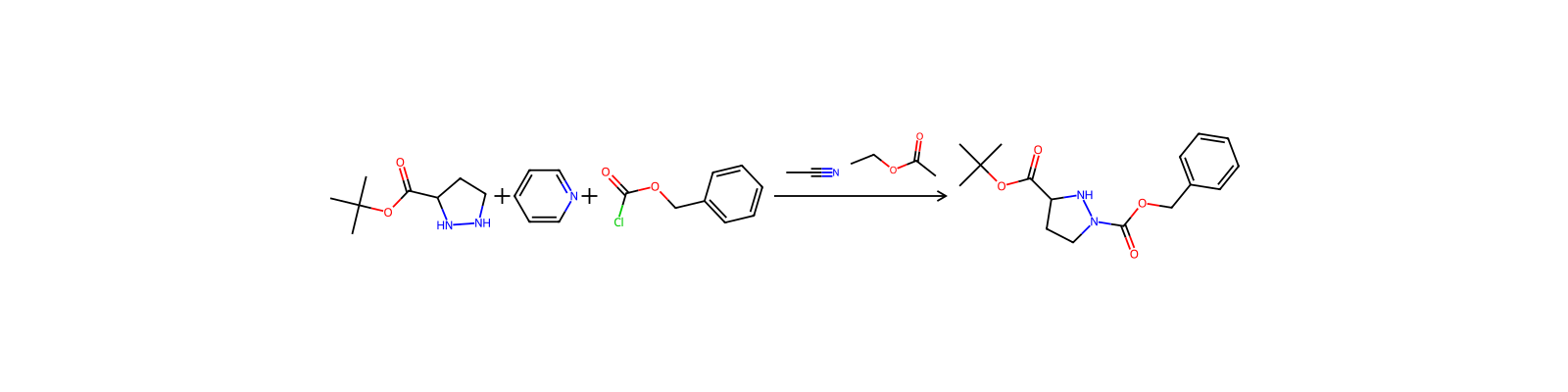
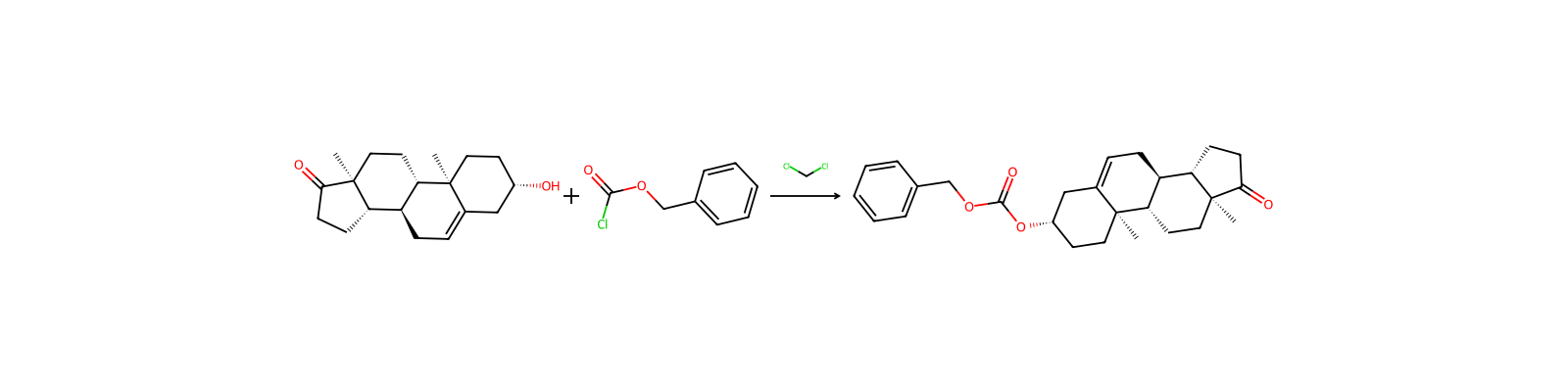
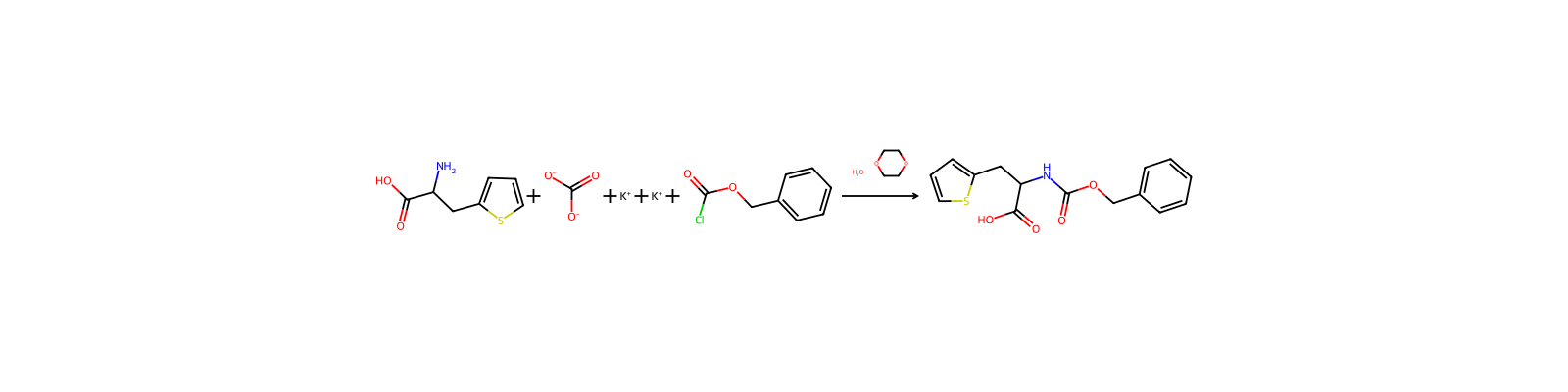
In peptide synthesis to block the amino group.
Reactive intermediate to pharmaceuticals and other chemicals.
ImpuritiesMay contain 3% or less benzyl chloride
U.S. Production2023: 631,297 lb
Consumption PatternsAPPROX 100% AS A REAGENT IN /PRC: ORGANIC/ SYNTHESIS
Consumer UsesTerminator/Blocker
Industry UsesTerminator/Blocker
Methods of Manufacturing/IT IS PREPARED/ ... BY ACTION OF PHOSGENE ABSORBED IN TOLUENE ON BENZYL ALCOHOL: CARTER ET AL, ORG SYN 23, 13 (1943); BY REACTING CARBONYL CHLORIDE & BENZYL ALCOHOL @ -20 TO -30 °C
Formulations/Preparations
GRADE OR PURITY: 97+%
Typical specifications of commercial chloroformates: purity, 98%; phosgene, <0.1%, iron, <10 ppm; acidity as HCl, <0.1%; alcohol or phenol, <2% /Chloroformic esters/
Commercial products have concentrations of 97-99 wt% /Chloroformic esters/
97%; 50 wt% in toluene
General Manufacturing Information
Pharmaceutical and Medicine Manufacturing
Carbonochloridic acid, phenylmethyl ester: ACTIVE
Most chloroformate production is used captively and production figures are not available /Chloroformic esters/
应用领域
应用氯甲酸苄酯是一种有机化合物,在有机合成中,它被用于引入苄氧羰基(Cbz),即是一种保护胺基的保护基。同时,它可用作有机合成中间体。
用途在抗生素合成中作氨基保护剂,也用于农药中间体
用途用作半合成抗菌素中间体
用途农药中间体。在抗生素合成中用作氨基保护剂。
用途多肽合成中用以保护氨基,也用于农药中间体。
用途用于有机合成的中间体。
制备方法
生产方法1.由光气和苄醇反应而得。先用甲苯(经干燥处理)在较低温度下吸收光气,用重量法确定吸收光气量。吸足光气后很快加入苄醇,在冰浴中保持0.5h,再于室温下保持2h。在60℃以下减压蒸除氯化氢、过量的光气及溶剂甲苯,再收集101-103℃(2.67kPa)的馏分,即得产品,产率91%-94%。2.苄醇和氯甲酸三氯甲酯反应法。
上下游产品信息
上游原料
下游产品
试剂价格
- B3021 · 25G
- 氯甲酸苄酯Benzyl Chloroformate — 160元
- B3021 · 250G
- 氯甲酸苄酯Benzyl Chloroformate — 350元
供应商50 家
国药集团化学试剂有限公司86-21-63210123 · [email protected]
北京华美互利生物化工010-56205725 · [email protected]
梯希爱(上海)化成工业发展有限公司021-67121386 · [email protected]
上海阿拉丁生化科技股份有限公司400-6206333 13167063860 · [email protected]
上海伟聂化工科技有限公司13046668259 · [email protected]
爱斯特(成都)生物制药股份有限公司+86-28-85122536 85324413 · [email protected]
科瑞迪化学400-821-5857 021-64326257 · [email protected]
武汉捷又顺化工科技有限公司18062118104; 18062118104
Syntechem Co.,Ltd[email protected]
上海迈瑞尔生化科技有限公司4006356688 18621169109 · [email protected]
宁波亿诺化学品有限公司86-574-27787657 · [email protected]
阿法埃莎(中国)化学有限公司400-6106006 · [email protected]
安耐吉化学&3A(安徽泽升科技股份有限公司)400-0056266 · [email protected]
上海瀚鸿科技股份有限公司021-54306202 13764082696 · [email protected]
上海格物致知医药科技有限公司21-21-54301573 13917723525 · [email protected]
南京欣丰康生物科技有限公司025-84683399 13952017251 · [email protected]
上海景颜化工科技有限公司13817811078 · [email protected]
嘉兴市艾森化工有限公司0573-85285100 18627885956 · [email protected]
池州捷峰生物科技有限公司0566-8928158 · [email protected]
玛雅试剂+86 (573) 82222445 (0)18006601000 452520369 · [email protected]
四川库利南科技有限公司400-1166-196 18981987031 · [email protected]
天津希恩思生化科技有限公司400 638 7771 · [email protected]
南京维奥化工有限公司Please Send Email 18652950785 · [email protected]
艾科试剂4008-755-333 18080918076 · [email protected]
上海思域化工科技有限公司86-21-34053660 · [email protected]
赛默飞世尔科技(中国)有限公司800-810-5118 · [email protected]
北京伊诺凯科技有限公司400-810-7969 010-59572699 · [email protected]
AdooQ BioScience, LLC+1 (866) 930-6790 · [email protected]
江苏艾康生物医药研发有限公司025-66113011 13913916777 · [email protected]
TCI AMERICA800-4238616 · [email protected]
TOKYO CHEMICAL INDUSTRY CO., LTD.03-36680489 · [email protected]
TCI Europe320-37350700 · [email protected]
上海贤鼎生物科技有限公司4009209199 · [email protected]
深圳康特腾科技有限公司86-0755-86635001 · [email protected]
越林试剂021-62960152 · [email protected]
无锡中坤生化科技有限公司+86 0510-85629785
上海倍卓生物科技有限公司021-61119791,13386096464 · [email protected]
德州佳泰化工科技有限公司17653471880 · [email protected]
上海贺康生物技术有限公司17721021104 18939837085 · [email protected]
上海将来实业股份有限公司021-61552785 · [email protected]
HBCChem, Inc.+1-510-219-6317 · [email protected]
日照力德士化工有限公司010-51268198 · [email protected]
美岚实业(上海)有限公司021-58958189 · [email protected]
上海爱蝶实业有限公司021-58957966 18930537195 · [email protected]
成都零六生物科技有限公司400-1166-196 13458535857 · [email protected]
上海麦克林生化科技股份有限公司15221275939 15221275939 · [email protected]
上海嵩爰化工科技有限公司010-1234567 18521000990 · [email protected]
上海有朋化工有限公司021-69005955 13701776567 · [email protected]
上海凯赛化工有限公司021-33516722 13701817765 · [email protected]
上海彤源化工有限公司021-021-69182866 13701855675 · [email protected]
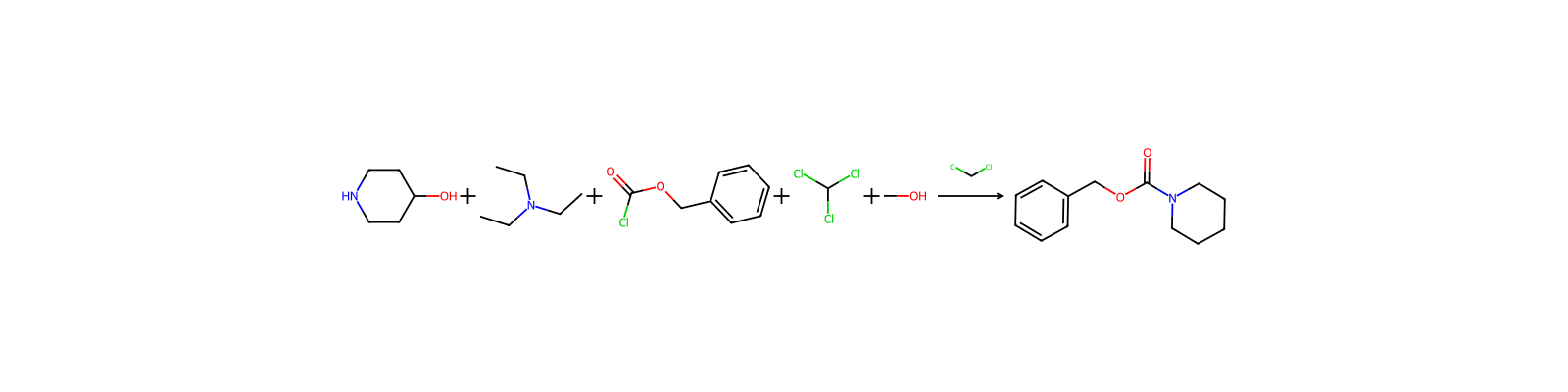
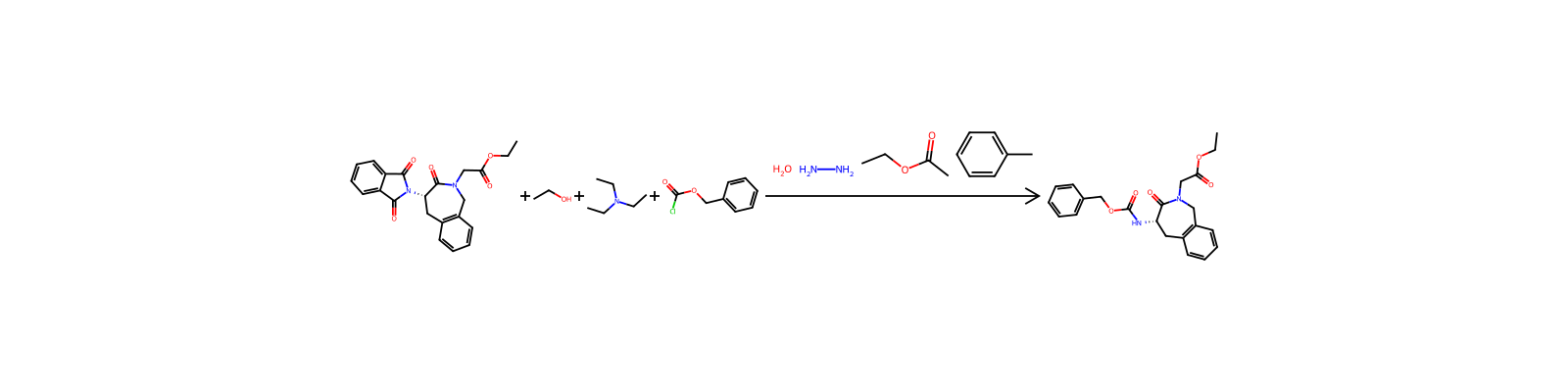
相关反应
4,213 条

关联笔记
加载中…