
基本信息
- 标准SMILES
CSSC- InChIKey
WQOXQRCZOLPYPM-UHFFFAOYSA-N- 分子式
- C2H6S2
- 平均分子量
- 94.2 g/mol
- 单同位素质量
- 93.99109219
概述
Dimethyl disulfide appears as a colorless oily liquid with a garlic-like odor. Denser than water and slightly soluble in water. Vapors heavier than air. May irritate skin and eyes. Used to make other chemicals.
名称与标识
- 首选名称
- Dimethyl Disulfide
- IUPAC
- (methyldisulfanyl)methane
- 中文名
- 二甲基二硫
- 英文名
- Dimethyl disulfide
- 分子式
- C2H6S2
- 分子量
- 94.2
名称与别名
Dimethyl disulfide624-92-0METHYL DISULFIDE(Methyldisulfanyl)methaneDimethyldisulfideDMDSDimethyl disulphide2,3-DithiabutaneDisulfide, dimethylMethyldisulfideMethyldithiomethane(Methyldithio)methane
展开更多名称
二甲基二二甲二硫甲基二硫甲基二硫醚甲基化二硫二甲基二硫二硫二甲烷二硫二甲酯二硫二甲基二甲二硫醚1,2-dimethyldisulfanemdsFEMA 3536DimethyldisulfidDisulfide,dimethyl143B(CH3S)2
Sulfa-hitechFEMA No. 3536DTXSID4025117AI3-253053P8D642K5ENSC-9370CHEBI:4608DTXCID805117
数据库标识
- CAS
624-92-0、68920-64-9- PubChem CID
- 12232
- DTXSID
DTXSID4025117- ChEMBL
CHEMBL1347061- ChEBI
CHEBI:4608- UNII
- 3P8D642K5E
- EC Number
- 210-871-0
- Nikkaji
- J1.683G
性质
结构计算性质
- XLogP
- 1.8
- 极性表面积
- 50.6 Ų
- 氢键供体
- 0
- 氢键受体
- 2
- 可旋转键
- 1
- 重原子
- 4
- 形式电荷
- 0
- 复杂度
- 6
实验与物化性质
Chemical Classes
Other Classes -> Sulfur Compounds
Flammable agents - 3rd degree
SpringerMaterials PropertiesSchoenflies notation
FragrancesFragrance Ingredient (Dimethyl disulfide) -> IFRA transparency List
Pesticides
Fungicides, Nematicides
Active substance -> EU Pesticides database: Pending
LogP
log Kow = 1.77
1.77
1.77
Odor
Garlic-like
Sulfurous
Diffuse, intense onion odor
Food AdditivesFLAVORING AGENT OR ADJUVANT -> FDA Substance added to food
Density
1.065 at 68 °F (NTP, 1992) - Denser than water; will sink
1.0625 g/cu cm at 20 °C
Relative density (water = 1): 1.06
1.058-1.065 (20 °C)
1.065
1.0625 @ 20°C
Flavoring AgentsEU Flavoring substances
Viscosity
0.62 mPa.sec at 20 °C
0.58 mm²/s at 20 °C
Color/Form
Yellow liquid
Liquid
Colorles to pale-yellow liquid
Solubility
less than 1 mg/mL at 68 °F (NTP, 1992)
Insoluble in water
Miscible with ethanol, ethyl ether
Completely miscible with most organic solvents
Very slightly soluble in water; soluble in alcohol and oils
3 mg/mL at 25 °C
物理化学性质
- 熔点
- -85 °C · -85 °C
- 沸点
- 109 °C · 109 °C(lit.)
- 密度
- 1.0625 · 1.0625
- 蒸气密度
- 3.24 · 3.24 (vs air)
- 蒸气压
- 22 mm · 22 mm Hg ( 20 °C)
- 折射率
- 20 · n20/D 1.525(lit.)
- FEMA
- 3536 · 3536 | DIMETHYL DISULFIDE
- 闪点
- 76 °F · 76 °F
- 储存条件
- Flammables area
- 溶解度
- 2.7 g/l · 2.7g/l
- 形态
- Liquid
- 颜色
- Clear yellow
- 比重
- 1.0647 · 1.0647 (20/4℃)
- 气味 (Odor)
- 0.1 % · at 0.10 % in propylene glycol. sulfurous vegetable cabbage onion
- 嗅觉阈值(Odor Threshold)
- 0.0022 ppm · 0.0022ppm
- 香型
- sulfurous
- 生物来源
- rabbit
- 爆炸极限值(explosive limit)
- 1.1 · 1.1-16.1%(V)
- 水溶解性
- 0.1 g/100 · <0.1 g/100 mL at 20 ºC
- 比热容
- 1.55 J/ · Cp(liquid): 1.55 J/(g·K), at 25℃
- JECFA Number
- 564 · 564
- BRN
- 1730824 · 1730824
- Henry's Law Constant
- 5.8 · 5.8×10-3 mol/(m3Pa) at 25℃, Burkholder et al. (2019)
- 暴露限值
- 0.5 ppm · ACGIH: TWA 0.5 ppm (Skin)
- 介电常数
- 9.77 · 9.7699999999999996
- 稳定性
- Stable. Incompatible with strong bases, strong oxidizing agents, strong reducing agents. Flammable.
- InChI
- 1S/C2H6S2/c1-3-4-2/h1-2H3
- InChIKey
- WQOXQRCZOLPYPM-UHFFFAOYSA-N
- SMILES
- CSSC
- LogP
- 1.91 at · 1.91 at 20℃
- CAS 数据库
- 624 · 624-92-0(CAS DataBase Reference)
- NIST化学物质信息
- Disulfide, dimethyl(624-92-0)
- EPA化学物质信息
- Methyl disulfide (624-92-0)
化学性质
淡黄色透明液体。有恶臭。 不溶于水,可与乙醇、乙醚、醋酸混溶。
安全与法规
GHS分类
GHS Classification
Danger
H225: Highly Flammable liquid and vapor [Danger Flammable liquids]
P210, P233, P240, P241, P242, P243, P260, P261, P264, P264+P265, P270, P271, P272, P273, P280, P301+P316, P302+P352, P303+P361+P353, P304+P340, P305+P351+P338, P308+P316, P316, P319, P321, P330, P333+P317, P337+P317, P362+P364, P370+P378, P391, P403+P233, P403+P235, P405, and P501 (click each P-code to see the statement)
This chemical does not meet GHS hazard criteria for < 0.1% (1 of 1592) of reports.
Danger
H225 (17.7%): Highly Flammable liquid and vapor [Danger Flammable liquids]
危害信息
Regulatory Information
Chemical: Disulfide, dimethyl
Regulation (EC) No 1107/2009 (amended)
Disulfide, dimethyl is listed on the EPA's Chemical Data Reporting (CDR) system. Manufacturers and importers of Disulfide, dimethyl are required to report information about their production and use of this chemical to the EPA under the Toxic Substances Control Act (TSCA). (40 eCFR Part 711)
Status: Active Update: 22-03-2023 https://echa.europa.eu/registration-dossier/-/registered-dossier/13671
Disulfide, dimethyl: HSNO Approval: HSR001134 Approved with controls
The New Jersey Worker and Community Right to Know Act requires public and private employers to provide information about hazardous substances at their workplaces. (N.J.S.A. 34:5A-1 et. seq.)
DOT LabelFlammable Liquid Poison
Fire Hazards
Excerpt from ERG Guide 131 [Flammable Liquids - Toxic]:
· HIGHLY FLAMMABLE: Will be easily ignited by heat, sparks or flames.
Highly flammable. Gives off irritating or toxic fumes (or gases) in a fire. Above 10 °C explosive vapour/air mixtures may be formed.
Fire PotentialA very dangerous fire hazard when exposed to heat, flame, or oxidizers.
Health Hazards
Excerpt from ERG Guide 131 [Flammable Liquids - Toxic]:
· TOXIC; may be fatal if inhaled, ingested or absorbed through skin.
Hazards Summary
A mild skin irritant, dimethyl disulfide is toxic by inhalation, skin absorption, and ingestion. Workers are warned by the nauseating odor, but those exposed to high concentrations may experience fatigue, dyspnea, and upper respiratory tract irritation. At lethal concentrations, animals suffer severe lung injury and paralysis of respiratory muscles. [CHEMINFO] Showed weak to moderate sensitizing potential in local lymph node assay (LLNA) of mice; [EPA - TSCATS]
DOT ID and Guide2381 131
FDA Requirements
Methyl disulfide is a food additive permitted for direct addition to food for human consumption as a synthetic flavoring substance and adjuvant in accordance with the following conditions: a) they are used in the minimum quantity required to produce their intended effect, and otherwise in accordance with all the principles of good manufacturing practice, and 2) they consist of one or more of the following, used alone or in combination with flavoring substances and adjuvants generally recognized as safe in food, prior-sanctioned for such use, or regulated by an appropriate section in this part.
Reactive GroupSulfides, Organic
EC ClassificationSymbol: F, Xn, N; R: 11-20/22-36/37-43-50/53; S: 16-26-33-36/37-60-61
UN ClassificationUN Hazard Class: 3; UN Subsidiary Risks: 6.1; UN Pack Group: II
Reactivity AlertsHighly Flammable
安全与防护
Fire Fighting
Excerpt from ERG Guide 131 [Flammable Liquids - Toxic]:
Use water spray, powder, foam, carbon dioxide. In case of fire: keep drums, etc., cool by spraying with water.
First Aid Measures
Fresh air, rest. Refer for medical attention.
Remove contaminated clothes. Rinse and then wash skin with water and soap. Refer for medical attention .
First rinse with plenty of water for several minutes (remove contact lenses if easily possible), then refer for medical attention.
Rinse mouth. Do NOT induce vomiting. Give nothing to drink. Refer for medical attention .
Accidental Release Measures
· CALL 911. Then call emergency response telephone number on shipping paper. If shipping paper not available or no answer, refer to appropriate telephone number listed on the inside back cover.
· ELIMINATE all ignition sources (no smoking, flares, sparks or flames) from immediate area.
First Aid
EYES: First check the victim for contact lenses and remove if present. Flush victim's eyes with water or normal saline solution for 20 to 30 minutes while simultaneously calling a hospital or poison control center. Do not put any ointments, oils, or medication in the victim's eyes without specific instructions from a physician. IMMEDIATELY transport the victim after flushing eyes to a hospital even if no symptoms (such as redness or irritation) develop.
General First Aid:
Safe StorageFireproof. Well closed. Separated from oxidants. Store in an area without drain or sewer access. Provision to contain effluent from fire extinguishing.
Exposure Control and Personal Protection· Wear positive pressure self-contained breathing apparatus (SCBA).
Nonfire Spill ResponseExcerpt from ERG Guide 131 [Flammable Liquids - Toxic]:
Disposal Methods
SRP: At the time of review, criteria for land treatment or burial (sanitary landfill) disposal practices are subject to significant revision. Prior to implementing land disposal of waste residue (including waste sludge), consult with environmental regulatory agencies for guidance on acceptable disposal practices.
Spillage Disposal
Evacuate danger area! Consult an expert! Remove all ignition sources. Personal protection: filter respirator for organic gases and vapours adapted to the airborne concentration of the substance. Ventilation. Do NOT wash away into sewer. Do NOT let this chemical enter the environment. Collect leaking and spilled liquid in sealable containers as far as possible. Absorb liquid in sand or inert absorbent. Carefully collect remainder in sealable containers. Store and dispose of according to local regulations.
Preventive Measures
SRP: Contaminated protective clothing should be segregated in such a manner so that there is no direct personal contact by personnel who handle, dispose, or clean the clothing. Quality assurance to ascertain the completeness of the cleaning procedures should be implemented before the decontaminated protective clothing is returned for reuse by the workers. Contaminated clothing should not be taken home at end of shift, but should remain at employee's place of work for cleaning.
Isolation and Evacuation
Excerpt from ERG Guide 131 [Flammable Liquids - Toxic]:
Immediate precautionary measure
Eye PreventionWear safety goggles.
毒理信息
Body Burden
For Fiscal Year 1982, dimethyl disulfide was detected, not quantified, in 27 of 46 composites of human adipose tissue as analyzed for EPA's National Human Adipose Tissue Survey (NHATS)(1). Dimethyl disulfide was qualitatively detected in 2 of 10 samples of expired air from humans(2); its presence was considered to be of metabolic origin(2). In an analysis of 387 expired air samples from 54 healthy, non-smoking adults, dimethyl disulfide was detected in 33.1 samples at a mean concentration of 1.94 ng/L(3). Dimethyl disulfide was qualitatively detected in 6 of 12 samples of human milk collected from volunteers in Bayonne, NJ, Jersey City, NJ, Bridgeville, PA, and Baton Rouge, LA(4). Dimethyl disulfide was identified, not quantified, in human urine samples(5).
Ecotoxicity Values
LD50; Species: Colinus virginianus (Bobwhite quail) 31 weeks old; oral via capsule 320 mg/kg (95% confidence limit: 250-410 mg/kg)
EC50; Species: Anabaena flosaquae (Blue-Green Algae); Conditions: freshwater, static; Concentration: 320 ug/L for 96 hr (95% confidence limit: 110-900 ug/L); Effect: population abundance /99.6% purity/
EC50; Species: Navicula pelliculosa (Diatom); Conditions: freshwater, static; Concentration: 22000 ug/L for 96 hr (95% confidence limit: 20000-23000 ug/L); Effect: population abundance /99.6% purity/
EC50; Species: Pseudokirchneriella subcapitata (Green Algae); Conditions: freshwater, static; Concentration: 15000 ug/L for 72 hr (95% confidence limit: 11000-20000 ug/L); Effect: population abundance /99.9% purity/
For more Ecotoxicity Values (Complete) data for Dimethyl Disulfide (13 total), please visit the HSDB record page.
Environmental Fate
TERRESTRIAL FATE: Based on a classification scheme(1), an estimated Koc value of 40(SRC), determined from a structure estimation method(2), indicates that dimethyl disulfide is expected to have very high mobility in soil(SRC). Volatilization of dimethyl disulfide from moist soil surfaces is expected to be an important fate process(SRC) given a Henry's Law constant of 1.21X10⁻³ atm-cu m/mole(3). Dimethyl disulfide is expected to volatilize from dry soil surfaces(SRC) based upon a vapor pressure of 28.7 mm Hg at 25 °C(4). Methyl disulfide had a 0% theoretical BOD using activated sludge in the Japanese MITI test(5) suggesting that biodegradation is not an important environmental fate process in soil(SRC). However, in a study using anoxic salt marsh sediments, dimethyl disulfide was rapidly reduced by 50% in 1-2 days to methanethiol(6), suggesting that biodegradation under anaerobic conditions is an important environmental fate process(SRC). Dimethyl disulfide absorbs UV light in the environmental spectrum and has been shown to photolyze rapidly, in gas phase, in sunlight(7,8); although photolysis rates on soil have not been measured, the surface half-life (for full sunlight exposure) may be similar to the several hour half-life observed for the gas phase(8). As well as releasing methyl disulfide in the gas phase, soil can also adsorb dimethyl disulfide from the gas phase and act as an environment sink(9); the relative importance of this process is not clear(SRC).
AQUATIC FATE: Based on a classification scheme(1), an estimated Koc value of 40(SRC), determined from a structure estimation method(2), indicates that dimethyl disulfide is not expected to adsorb to suspended solids and sediment(SRC). Volatilization from water surfaces is expected(3) based upon a Henry's Law constant of 1.21X10⁻³ atm-cu m/mole(4). Using this Henry's Law constant and an estimation method(3), volatilization half-lives for a model river and model lake are 3.5 hours and 4.1 days, respectively(SRC). According to a classification scheme(5), an estimated BCF of 0.3(SRC), from its log Kow of 1.77(6) and a regression-derived equation(7), suggests the potential for bioconcentration in aquatic organisms is low(SRC). Dimethyl disulfide absorbs UV light in the environmental spectrum and has been shown to photolyze rapidly, in gas phase in sunlight(8-9); although photolysis rates in water have not been measured, the near-surface half-life (for full sunlight exposure) may be similar to the several hour half-life observed in the gas phase(9). The aqueous hydrolysis of dimethyl disulfide at ambient temperatures and pHs <12 is too slow to be an important environmental fate process(10). Under anoxic conditions in salt marsh sediments, the initial concentration of methyl disulfide was reduced by 50% in 1-2 days(11). However, data for aerobic biodegradation indicate dimethyl disulfide is recalcitrant under these conditions(12).
ATMOSPHERIC FATE: According to a model of gas/particle partitioning of semivolatile organic compounds in the atmosphere(1), dimethyl disulfide, which has a vapor pressure of 28.7 mm Hg at 25 °C(2), is expected to exist solely as a vapor in the ambient atmosphere. Vapor-phase dimethyl disulfide is degraded in the atmosphere by reaction with photochemically-produced hydroxyl radicals(SRC); the half-life for this reaction in air is estimated to be 1.6 hours(SRC), calculated from its rate constant of 2.39X10⁻¹⁰ cu cm/molecule-sec at 25 °C(3). Direct photolysis (half-life of 3.2-4.6 hr at full sunlight)(4-5) and reaction with nitrate radicals (half-life of 1.1 hr during night-time hrs)(6) will also contribute to its atmospheric degradation. Physical removal from air can occur through gas phase sorption by soil(7).
Food Survey Values
Reported found in sour cherry, guava, melon, peach, pineapple, strawberry, cabbage, kohlrabi, onion, garlic, shallot, leek, peas, potato, rutabaga, tomato, parsley, breads, many cheeses, yogurt, milk, eggs, fish, meas, hop oil, beer, Scotch whiskey, cognac, wine grapes, cocoa, coffee, peanut, peanut butter, pecan, potato chips, oats, soybean, beans, mushrooms, trassi, macadamia nut, mango, cauliflower, broccoli, brussels sprouts, rice, radish, sukiyaki, sake, watercress, malt, wort, krill, southern pea, loquat, sapodilla, shrimp, oyster, crab, crayfish, clam, scallops and squid.
Dimethyl disulfide has been identified in processed cassava products(1) and in volatile components of roasted filbert nuts(2), cooked potatoes(3), coffee(4), mature kiwi fruit(5), raw chicken breast(6), Welsh onions and scallions(7), scrambled eggs(8), chickpeas(9), fresh strawberries(10), cooked mutton, chicken, beef and pork volatiles(11), frankfurters(12), and cooked peas(13). dimethyl disulfide was detected in ground and whole musty sorghum(14).
Dimethyl disulfide concentrations of 0.64-2.51 ug/g garlic bulb were detected(1). Dimethyl disulfide was present in the volatiles formed by popping popcorn at 13 to 20 ug/kg(2). Mean dimethyl disulfide concentrations in anchovy, big eyed herring, hair tail viscera, and shrimp paste were 540, 32900, 182, and 224 ng/g, respectively(3). Dimethyl disulfide composed 2.32% of the total volatiles isolated from stir-fried garlic(4). Volatiles in Italian-type dry-cured Parma ham included dimethyl disulfide; at day 3 in the production process no dimethyl disulfide was present, by 485 days dimethyl disulfide concentration was 59 ng dodecane equivalents(5). Volatiles from spoiled Parma ham contained dimethyl disulfide at 36 ng dodecane equivalents(5). Mean dimethyl disulfide concentrations were 114.1, 30.2, and 25.9 ug/kg measured in honey derived form honeydew of Holm-oak, oak and forest, respectively(6).
Adverse EffectsNeurotoxin - Other CNS neurotoxin
Exposure RoutesThe substance can be absorbed into the body by inhalation, through the skin and by ingestion.
Milk Concentrations
Dimethyl disulfide was qualitatively detected in 6 of 12 samples of human milk samples collected from volunteers in Bayonne, NJ, Jersey City, NJ, Bridgeville, PA, and Baton Rouge, LA(1). Volatiles from cold-stored cows milk contained dimethyl disulfide at unreported concentrations(2).
Plant Concentrations
Volatile organic compounds emitted from Allium ursinum, planted as ground cover, contained dimethyl disulfide; an average emission rate for this compound was measured as 0.239 ug/g-hr (per unit of ground area 14.6 ug/sq m-hr)(1).
Plants containing dimethyldusulfide(1).[Table#5961]
Signs and Symptoms
Cough. Sore throat. Headache. Nausea. Dizziness. Drowsiness.
EASILY ABSORBED! Redness. Further see Inhalation.
Redness. Pain.
See Inhalation.
Effluent Concentrations
The average dimethyl disulfide concentration of wastewater effluent collected from the Los Angeles County treatment plant between Nov 1980 and Aug 1981 was 45 ug/L(1). Effluent from a 5-yr old community septic tank contained dimethyl disulfide at 29.7 ug/L(2). Dimethyl disulfide was detected in 3 of 63 wastewater effluents (concentration <100 ppb) collected from chemical manufacturing plants across the US(3). Dimethyl disulfide was detected in 5 of 204 water samples collected from 14 heavily industrialized river basins in the US(4). A dimethyl disulfide concentration of 1.2 mg/L was detected in a leachate collected from a Minnesota municipal solid waste landfill(5). Dimethyl disulfide was detected as a volatile compound in samples of kitchen waste, kitchen waste exudate, stored food exudate, and garden waste, previously collected as municipal waste, at unreported concentrations(6-7). Dimethyl disulfide was detected by headspace analysis in 4 of 4 biodegradable waste samples and 4 of 7 mixed waste samples(8). Dimethyl disulfide was detected in the volatile emissions from laboratory compost(9).
Dimethyl disulfide concentrations in biogas were 0-1020 ppbV in 8 samples taken Nov 2000 to Jun 2002; after gasses were passed through a scrubber, levels were decreased to <1-4 ppbV(1). Atmospheric emissions rates of dimethyl disulfide from 5 wetland plant soils in Florida ranged from <0.03 to 1.5 ug (sulfur basis)/sq m/hr(2); the dimethyl disulfide emitted resulted from biogenic formation(2). The estimated emission rates of dimethyl disulfide to the atmosphere from natural sources has been reported as follows (in million tons sulfur/yr)(3): oceanic: 0-1; salt marsh: 0.13; inland swamps: 0.2; soil and plants: 1; burning of biomass: 0-1; volcanoes and fumaroles: 0.01(3).
ICSC Environmental DataIt is strongly advised not to let the chemical enter into the environment. The substance is very toxic to aquatic organisms. The substance may cause long-term effects in the aquatic environment.
Soil Adsorption/Mobility
Using a structure estimation method based on molecular connectivity indices(1), the Koc of dimethyl disulfide can be estimated to be 40(SRC). According to a classification scheme(2), this estimated Koc value suggests that dimethyl disulfide is expected to have very high mobility in soil. Gas chromatographic studies with various air-dry and moist soils have shown that soil can sorb atmospheric, gas phase dimethyl disulfide(3). In one closed-system test, 17-94% of input dimethyl disulfide was sorbed by the soil in 10 min(3); in a 15-day test, dimethyl disulfide sorption was 101-306 ug sorbed/g soil(3). Soil microbes were found to be important for the gas phase sorption of dimethyl disulfide as 15-day sorption in sterilized soil was only 9-98 ug sorbed/g soil(3).
法规信息
FDA Requirements
Methyl disulfide is a food additive permitted for direct addition to food for human consumption as a synthetic flavoring substance and adjuvant in accordance with the following conditions: a) they are used in the minimum quantity required to produce their intended effect, and otherwise in accordance with all the principles of good manufacturing practice, and 2) they consist of one or more of the following, used alone or in combination with flavoring substances and adjuvants generally recognized as safe in food, prior-sanctioned for such use, or regulated by an appropriate section in this part.
安全数据
- wgk
- 2
- tsca
- TSCA listed
- 毒性
- LD50 orally in Rabbit: 290 - 500 mg/kg
- RTECS号
- JO1927500
- 包装类别
- II
- 危险等级
- 3
- 存储类别
- 3 - Flammable liquids
- 安全说明
- 26-61-45-38-36/37/39-28A-16-60-57-39-29
- 海关编码
- 29309070
- 自燃温度
- 304 °C
- 危险品标志
- F,Xn,N,T+
- 危险性类别
- Acute Tox. 3 InhalationAcute Tox. 3 OralAquatic Acute 1Aquatic Chronic 1Eye Irrit. 2Flam. Liq. 2Skin Sens. 1STOT SE 1 InhalationSTOT SE 3
- 危险类别码
- 11-20/22-36-51/53-36/37/38-26-22-36/37
- 毒害物质数据
- 624-92-0(Hazardous Substances Data)
- 危险品运输编号
- UN 2381
毒性防护
毒性GRAS(FEMA)。
急性毒性吸入-大鼠LC50:16毫克/立方米/2时;吸入-小鼠LC50:12 毫克/立方米/2小时
包装储运
可燃性危险特性遇明火、高温、氧化剂易燃; 遇酸或高热分解有毒氧化硫气体
储运特性库房通风低温干燥; 与氧化剂、酸类分开存放
灭火剂干粉、干砂、二氧化碳、泡沫、1211灭火剂
化学与工业
药理信息
Bionecessity
Chemical analysis of Zapoteca formosa extracts show that a variety of volatile sulfur-containing components, including cyclic polysulfides, are responsible for the distinctive odor of its germinating seeds and young plants. The major sulfur-containing compounds include acetyl djenkolic acid, djenkolic acid, taurine, cystine, benzothiazole, dimethyl disulfide, 2,4-dithiapentane, 2-hydroxyethylmethylsulfide, trithiane, 1,2,4-trithiolane, and 1,2,4,6-tetrathiepane. Decreased amounts of djenkolic acid in seedlings and young plants, as compared to the seed, indicate that this is likely the metabolic precursor of the volatile sulfur components. Germination and radicle elongation assays show that germinating seeds of Zapoteca and mixtures of volatile sulfur-containing compounds are highly phytotoxic to Cucumis sativa, Lactuca sativa, Lycopersicon esculentum, and Acacria farnesiana.
Mechanism of Action
The plant-derived insecticides have introduced a new concept in insecticide research. In response to insect attacks, some plants can release volatile sulfur compounds such as dimethyl disulfide (DMDS) in the atmosphere, which are lethal for the generalist insects. /The authors/ demonstrate that DMDS induced an uncommon complex neurotoxic activity. The studies of in vivo toxicity of DMDS in three insect species and mice indicated a highest bioactivity for insects. Although DMDS did not alter the electrophysiological properties of the cockroach Periplaneta americana giant axon, it affected the synaptic transmission at the presynaptic level resulting in an inhibition of the neurotransmitter release. Whole cell patch-clamp experiments performed on cockroach cultured dorsal unpaired median (DUM) neurons revealed a dose-dependent hyperpolarization induced by DMDS associated with a decrease in the input resistance and the disappearance of action potentials. The hyperpolarization was inhibited by glibenclamide and tolbutamide, and was dependent on intracellular ATP concentration, demonstrating a neurotoxicity via the activation of KATP channels. Finally, the same effects observed with oligomycin, 2,4-dinitrophenol, and KCN together with the studies of DMDS toxicity on isolated mitochondria confirmed an unusual action occurring through an inhibition of the mitochondrial respiratory chain complex IV (cytochrome oxydase). This DMDS-induced inhibition of complex IV subsequently decreased the intracellular ATP concentration, which thereby activated neuronal KATP channels mediating membrane hyperpolarization and reduction of neuronal activity.
Dimethyl disulfide (DMDS), a plant-derived insecticide, is a promising fumigant as a substitute for methyl bromide. To further understand the mode of action of DMDS, /researchers/ examined its effect on cockroach octopaminergic neurosecretory cells, called dorsal unpaired median (DUM) neurons, using whole-cell patch-clamp technique, calcium imaging and antisense oligonucleotide strategy. At low concentration (1 microM), DMDS modified spontaneous regular spike discharge into clear bursting activity associated with a decrease of the amplitude of the afterhyperpolarization. This effect led us to suspect alterations of calcium-activated potassium currents (IKCa) and [Ca(2+)](i) changes. /Researchers/ showed that DMDS reduced amplitudes of both peak transient and sustained components of the total potassium current. IKCa was confirmed as a target of DMDS by using iberiotoxin, cadmium chloride, and pSlo antisense oligonucleotide. In addition, /they/ showed that DMDS induced [Ca(2+)](i) rise in Fura-2-loaded DUM neurons. Using calcium-free solution, and (R,S)-(3,4-dihydro-6,7-dimethoxy-isoquinoline-1-yl)-2-phenyl-N,N-di-[2-(2,3,4-trimethoxy-phenyl)ethyl]-acetamide (LOE 908) [an inhibitor of transient receptor potential (TRP)gamma], /researchers/ demonstrated that TRPgamma initiated calcium influx. By contrast, omega-conotoxin GVIA (an inhibitor of N-type high-voltage-activated calcium channels), did not affect the DMDS-induced [Ca(2+)](i) rise. Finally, the participation of the calcium-induced calcium release mechanism was investigated using thapsigargin, caffeine, and ryanodine. /This/ study revealed that DMDS-induced elevation in [Ca(2+)](i) modulated IKCa in an unexpected bell-shaped manner via intracellular calcium. In conclusion, DMDS affects multiple targets, which could be an effective way to improve pest control efficacy of fumigation.
Metabolism/Metabolites
The metabolism of methanethiol was studied in rats. The levels of volatile sulfur compounds methanethiol, dimethylsulfide and dimethyldisulfide in the air expired by rats exposed to a noncomatogenic dose of methanethiol through the colon were elevated.
Hydrogen sulfide is formed by the subgingival microbiotas of periodontal pockets. The capacity of these microbiotas to form various volatile sulfur compounds in human serum was studied. Hydrogen sulfide was the predominant volatile sulfur compound. Only traces of dimethyl sulfide and dimethyl disulfide were detected. There was an extensive degradation of the serum proteins. In most of the reaction mixtures hydrogen sulfide reached highly toxic levels.
用途与制造
Uses
Used as a chemical intermediate: [CAMEO] Released in Kraft pulping to make paper; Also used as a gas well down hole process aid; Proposed to replace methyl mercaptan as a jet fuel additive; [NTP] Occupational exposure also occurs at sewage treatment plants. It occurs naturally in many foods. [HSDB] Also used as a sulfiding agent in refineries, a solvent for sulfur, to reduce coke deposits in the petrochemical industry, an artificial flavoring agent, and a corrosion inhibitor; [CHEMINFO] Used to flavor animal feeds; [EFSA - FEEDAP] Used as a flavoring agent; [FDA]
Petroleum Production and Refining [Category: Industry]
For methyl disulfide (USEPA/OPP Pesticide Code: 029088) ACTIVE products with label matches. /SRP: Registered for use in the USA but approved pesticide uses may change periodically and so federal, state and local authorities must be consulted for currently approved uses./
Fumigant
As a sulfiding agent added to the initial feed of a hydrotreater when the hydrotreating catalyst is present in the form of oxides.
Non-confidential information in the IUR indicated that the industrial processing and uses for the chemical include all other chemical product and preparation manufacturing as intermediates; petroleum refineries as solvents (for cleaning or degreasing); natural gas distribution, oil and gas extraction, petrochemical manufacturing, and petroleum refineries as "other." Non-confidential commercial and consumer uses of this chemical include "other."
U.S. Production
2023: 10,000,000 - <50,000,000 lb
Disulfide, dimethyl is listed as a High Production Volume (HPV) chemical (65FR81686). Chemicals listed as HPV were produced in or imported into the U.S. in >1 million pounds in 1990 and or 1994. The HPV list is based on the 1990 Inventory Update Rule. (IUR ) (40 CFR part 710 subpart B; 51FR21438).
Production volumes for non-confidential chemicals reported under the Inventory Update Rule.[Table#5962]
Production volume for non-confidential chemicals reported under the 2006 Inventory Update Rule. Chemical: Disulfide, dimethyl. Aggregated National Production Volume: 1 to < 10 million pounds.
Non-confidential 2012 Chemical Data Reporting (CDR) information on the production and use of chemicals manufactured or imported into the United States. Chemical: Disulfide, dimethyl. National Production Volume: 10,000,000 - 50,000,000 lb/yr.
Consumer UsesIntermediate
Industry UsesIntermediate
Methods of ManufacturingFrom magnesium methyl iodide and S2Cl2, or from S2S2 and sodium methyl sulfate; also from methyl bromide and sodium thiosulfate, after which the resulting sodium methylthiosulfate is heated to yield dimethyl disulfide.
Formulations/Preparations
Paladin Technical (Arkema Inc.), Dimethyl disulfide 99.8%
Paladin (Arkema Inc.), Dimethyl disulfide 98.8%
Paladin EC (Arkema Inc.), Dimethyl disulfide 93.8%
Paladin MUP (Arkema Inc.), Dimethyl disulfide 98.8%
Use Classification
Fragrance Ingredients
Flavouring Agent -> FLAVOURING_AGENT -> JECFA Functional Classes
Flavoring Agents -> JECFA Flavorings Index
Flavouring Agent -> FLAVOURING_AGENT -> JECFA Functional Classes
General Manufacturing Information
All Other Basic Organic Chemical Manufacturing
Disulfide, dimethyl: ACTIVE
The typical marketed Dimethyl-disulfide is 99.5% pure.
Reported uses: alcoholic beverages, baked goods, condiments, relishes, frozen dairy, gelatins, puddings, meat products, nonalcoholic beverages, soft candy, sweet sauce
应用领域
应用二甲基二硫醚,英文缩写DMDS,是一种重要的有机试剂和合成中间体,广泛应用于有机合成、高分子等领域。它可用作石油工业中的防腐剂和防焦剂,橡胶工业中的再生剂、增塑剂和软化剂、燃料和润滑剂的添加剂、食品工业中的食品香精、有机化学反应的抑制剂、多种农药的中间体原料等。
用途用作溶剂和农药中间体、燃料和润滑油添加剂、乙烯裂解炉和炼油装置的结焦抑制剂等
用途用作溶剂和农药中间体,也是甲基磺酰氯及甲基磺酸产品的主要原料
用途GB 2760--1996规定为允许使用的食品刷香料。
用途二甲基二硫又称二甲基二硫化物,用于合成有机磷杀虫剂倍硫磷、螨胺磷的中间体对甲硫基间甲酚、硫丙磷的中间体对甲硫基苯酚,也用作溶剂、催化剂的纯化剂。
用途用作溶剂、催化剂的钝化剂、农药中间体、结焦抑制剂等。二甲二硫与甲酚反应生成2-甲基-4-羟基苯甲硫醚,然后与O,O-二甲基硫化磷酰氯在碱性介质中缩合得到倍硫磷。这是一种高效低毒有机磷杀虫剂,对水稻螟虫、大豆食心虫和牛虻幼虫的防治效果优良。还可用作兽药方面歼除牛蝇蛆和牛壁虱。
制备方法
制备甲基卤代烷烃与二硫化盐溶液混合状态下,在-10℃~100℃条件下,常压反应,制备得到混合物溶液,所得混合物通过精馏得到二甲基二硫。
生产方法由硫酸二甲酯与二硫化钠反应而得。在搅拌下将硫磺粉加入硫化钠溶液中,升温至80-90℃,反应1h,降温至30℃左右;将硫酸二甲酯滴入反应釜中,继续反应2h,然后蒸馏,静置分层,分出废碱液后,再经蒸馏而得成品。
生产方法工业上采用硫酸二甲酯法合成二甲基二硫。Na2S+S→Na2S2Na2S2+(CH3)2SO4→CH3SSCH3+Na2SO4将固体硫化钠及水投入反应釜内,加热,控制温度50~60℃,使硫化钠溶解,然后将等摩尔的硫磺分批加入,保温1h,冷却到45℃,开始滴加硫酸二甲酯,保持反应温度40~45℃之间,加完再保温1h,即可蒸出产品二甲基二硫。此外,也可用甲硫醇法合成得到二甲基二硫。
生产方法由碘代甲基镁和二氯化二硫反应产生。由二硫化二钠与甲基硫酸钠反应而成。由溴甲烷与硫代硫酸钠反应得甲基硫代硫酸钠,再加热而成。
上下游产品信息
上游原料
下游产品
试剂价格
- D0714 · 25g
- 二甲基二硫醚Dimethyl Disulfide — 190元
- D0714 · 100g
- 二甲基二硫醚Dimethyl Disulfide — 230元
供应商50 家
梯希爱(上海)化成工业发展有限公司021-67121386 · [email protected]
衢州润东化工有限公司0570-8789886 18892685668 · [email protected]
山东旭晨化工科技有限公司0533-15715337262 15715337262 · [email protected]
合肥翰刚医药科技有限公司+8618062405514 · [email protected]
河北创海生物科技有限公司+86-86-13131129325 · [email protected]
T&W GROUP021-61551611 13296011611 · [email protected]
Baoji Guokang Healthchem co.,ltd+8615604608665 15604608665 · [email protected]
Hebei Yanxi Chemical Co., Ltd.+86-17531190177 · [email protected]
淄博丽硕化工贸易有限公司13853320569
Syntechem Co.,Ltd[email protected]
山东喜玛供应链管理有限公司0533-13011607593; 13011607593
天津中信凯泰化工有限公司022-66880623 · [email protected]
阿法埃莎(中国)化学有限公司400-6106006 · [email protected]
安耐吉化学&3A(安徽泽升科技股份有限公司)400-0056266 · [email protected]
石家庄利达化学品有限公司+86 (311) 8573-7996 · [email protected]
天津万象恒远科技有限公司15722085254 · [email protected]
上海格物致知医药科技有限公司21-21-54301573 13917723525 · [email protected]
吉良化学21-62165282 · [email protected]
上海景颜化工科技有限公司13817811078 · [email protected]
池州捷峰生物科技有限公司0566-8928158 · [email protected]
上海易盛汇生物医药科技有限公司021-61453981 0316-7696480 · [email protected]
合肥天健化工有限公司551-65418679 15856988503;15837135945 · [email protected]
Beckmann-Kenko GmbH+49 4241 9308 88 · [email protected]
泰州市苏宁化工有限公司13641586663
玛雅试剂+86 (573) 82222445 (0)18006601000 452520369 · [email protected]
四川库利南科技有限公司400-1166-196 18981987031 · [email protected]
南京维奥化工有限公司Please Send Email 18652950785 · [email protected]
斯百全化学(上海)有限公司021-021-021-67601398-809-809-809 15221380277 · [email protected]
艾科试剂4008-755-333 18080918076 · [email protected]
赛默飞世尔科技(中国)有限公司800-810-5118 · [email protected]
上海特伯化学科技有限公司+86-21-60341587 · [email protected]
南京诺利斯医药科技有限公司13901585132 · [email protected]
TOKYO CHEMICAL INDUSTRY CO., LTD.03-36680489 · [email protected]
越林试剂021-62960152 · [email protected]
无锡中坤生化科技有限公司+86 0510-85629785
上海泽信化工科技有限公司021-60136491 15901897992
北京环宇世纪化学科技有限公司hysj_bj.com
上海湄水化工科技有限公司021-60549325 18616193163
上海将来实业股份有限公司021-61552785 · [email protected]
HBCChem, Inc.+1-510-219-6317 · [email protected]
成都零六生物科技有限公司400-1166-196 13458535857 · [email protected]
雷丁试剂0510-85629785 18013409632 · [email protected]
上海御略医药科技有限公司021-60345187 13671753212 · [email protected]
上海麦克林生化科技股份有限公司15221275939 15221275939 · [email protected]
上海嵩爰化工科技有限公司010-1234567 18521000990 · [email protected]
天津霖谊化工科技有限公司022-58788819 13602056505
成都润泽本土化工有限公司13096311329 028-88469284 616445927 · [email protected]
Sigma-Aldrich西格玛奥德里奇(上海)贸易有限公司021-61415566 800-8193336 · [email protected]
石家庄通洋进出口有限公司[email protected]
郑州科豫隆化工产品有限公司17319789407 17319789407 · [email protected]
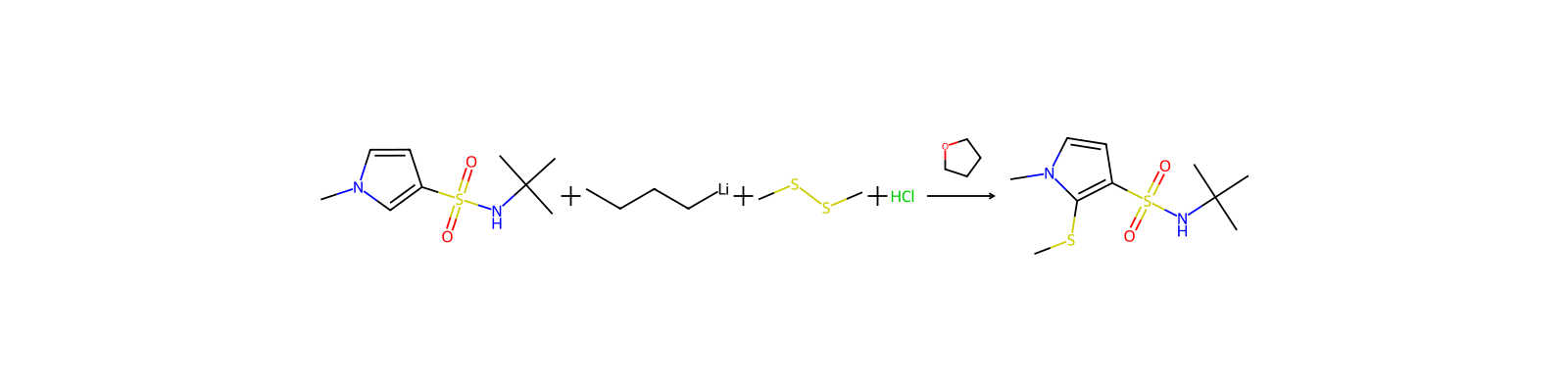
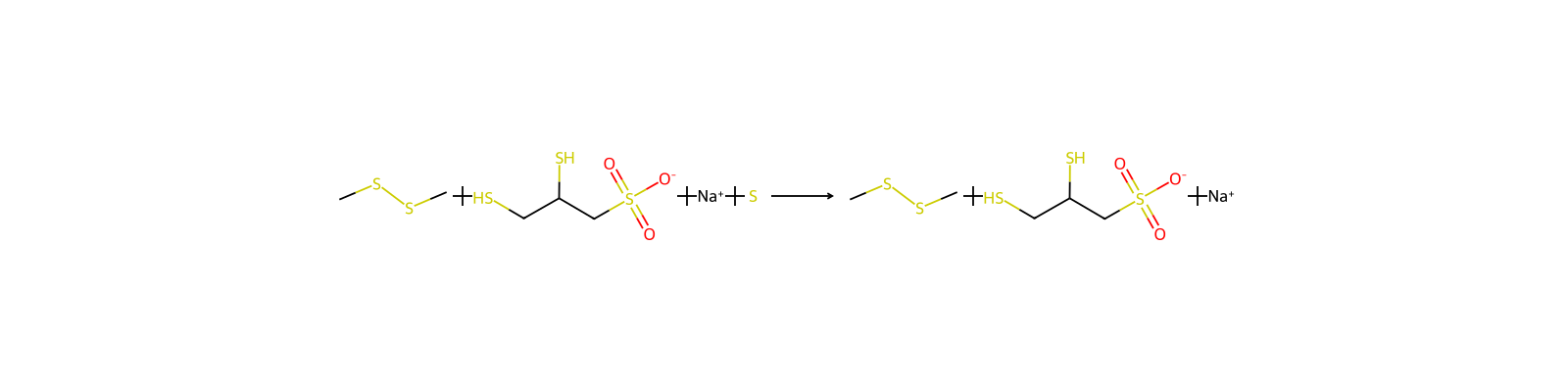
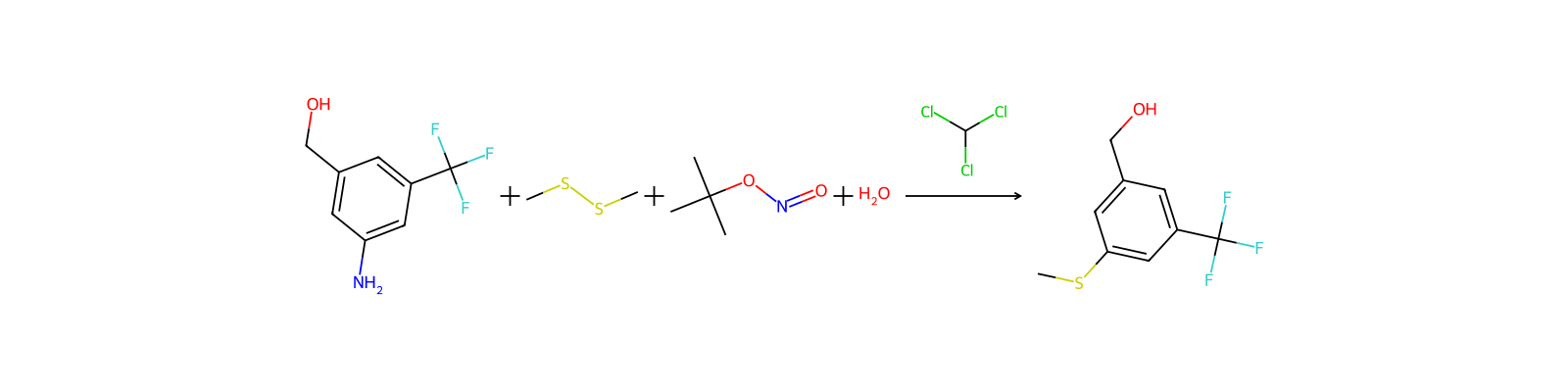
相关反应
613 条



关联笔记
加载中…