

基本信息
- 标准SMILES
CC[C@H]1OC(=O)[C@H](C)[C@@H](O[C@H]2C[C@@](C)(OC)[C@@H](O)[C@H](C)O2)[C@H](C)[C@@H](O[C@@H]2O[C@H](C)C[C@H](N(C)C)[C@H]2O)[C@](C)(O)C[C@@H](C)C(=O)[C@H](C)[C@@H](O)[C@]1(C)O- InChIKey
ULGZDMOVFRHVEP-RWJQBGPGSA-N- 分子式
- C37H67NO13
- 平均分子量
- 733.9 g/mol
- 单同位素质量
- 733.4612412
概述
Erythromycin A is an erythromycin that consists of erythronolide A having 2,6-dideoxy-3-C-methyl-3-O-methyl-alpha-L-ribo-hexopyranosyl and 3,4,6-trideoxy-3-(dimethylamino)-beta-D-xylo-hexopyranosyl residues attahced at positions 4 and 6 respectively. It is a cyclic ketone and an erythromycin. It is functionally related to an erythronolide A. It is a conjugate base of an erythromycin A(1+).
名称与标识
- 首选名称
- Erythromycin
- IUPAC
- (3R,4S,5S,6R,7R,9R,11R,12R,13S,14R)-6-[(2S,3R,4S,6R)-4-(dimethylamino)-3-hydroxy-6-methyloxan-2-yl]oxy-14-ethyl-7,12,13-trihydroxy-4-[(2R,4R,5S,6S)-5-hydroxy-4-methoxy-4,6-dimethyloxan-2-yl]oxy-3,5,7,9,11,13-hexamethyl-oxacyclotetradecane-2,10-dione
- 中文名
- 红霉素
- 英文名
- Erythromycin
- 分子式
- C37H67NO13
- 分子量
- 733.93
名称与别名
erythromycin114-07-8Erythromycin AE-MycinAbomacetinEmgelErymaxIlotycinEritromicinaErythromycineErythromycinumRobimycin
展开更多名称
红霉素紅黴素威霉素新红康福爱力红霉素碱红霉素A艾狄密新红丝菌素无水红霉素USPemErythroerytromycinerythrocin(-)-ErythromycinErythromycin A CRSERYC
ErydermErythromycin baseErycetteErygelSansacErythro-StatinErythra-DermAkne-Mycin
数据库标识
- CAS
114-07-8、215031-94-0、7540-22-9、82343-12-2- PubChem CID
- 12560
- DTXSID
DTXSID4022991- ChEMBL
CHEMBL532- ChEBI
CHEBI:42355- UNII
- 63937KV33D
- EC Number
- 204-040-1、616-217-4
性质
结构计算性质
- XLogP
- 2.7
- 极性表面积
- 194 Ų
- 氢键供体
- 5
- 氢键受体
- 14
- 可旋转键
- 7
- 重原子
- 51
- 形式电荷
- 0
- 复杂度
- 1,180
实验与物化性质
Chemical ClassesPharmaceutical
Drugs
Pharmaceuticals -> Listed in ZINC15
Pharmaceuticals -> Antibiotics (Macrolides)
Pharmaceuticals -> Antibiotics
LipidsPolyketides [PK] -> Macrolides and lactone polyketides [PK04]
pHpH (saturated solution): 8 to 10.5; pH <4 is destructive
LogP
log Kow = 3.06
3.06
OdorOdorless
TasteBitter
Color/Form
Hydrated crystals from water
Crystals from water
White or slightly yellow crystals or powder
Solubility
Soluble in water at 2mg/ml
WHITE OR SLIGHTLY YELLOW CRYSTALS OR POWDER, PRACTICALLY ODORLESS. SOLN IS ALKALINE TO LITMUS. SOL IN METHANOL, CHLOROFORM. /Erythromycin stearate/
WHITE OR SLIGHTLY YELLOW, CRYSTALLINE POWDER. ODORLESS OR PRACTICALLY SO. PRACTICALLY TASTELESS. PKA 7. FREELY SOL IN ACETONE & CHLOROFORM; SOL IN 95% ETHANOL & BENZENE; SPARINGLY SOL IN ETHER; VERY SLIGHTLY SOL IN WATER. /Erythromycin ethyl succinate/
FREELY SOLUBLE IN ALC, SOL IN POLYETHYLENE GLYCOL /Erythromycin ethyl succinate
Very soluble in acetone, ethyl ether, ethanol, chloroform
Freely soluble in alcohols, acetone, chloroform, acetonitrile, ethyl acetate; moderately soluble in ether, ethylene dichloride, amyl acetate
Human Drugs
Breast Feeding; Lactation; Milk, Human; Anti-Infective Agents; Antibacterial Agents; Dermatologic Agents; Macrolides
FDA approved drugs -> Active ingredient
FDA approved drugs -> Active ingredient
Ophthalmological preparations > Anti-infective agents
Animal Drugs
Active Ingredients (Erythromycin) -> FDA Greenbook
Pharmaceuticals -> UK Veterinary Medicines Directorate List
Pharmaceuticals -> Animal Drugs -> Approved in Taiwan
DecompositionWhen heated to decomp it emits toxic fumes of /nitric oxides./
物理化学性质
- 熔点
- 133 °C · 133 °C
- 比旋光度
- -74.5 · -74.5 º (c=2, ethanol)
- 沸点
- 719.69 °C · 719.69°C (rough estimate)
- 密度
- 1.1436 · 1.1436 (rough estimate)
- 折射率
- -74 ° · -74 ° (C=2, EtOH)
- 储存条件
- Inert atmosphere,Room Temperature
- 溶解度
- ethanol: soluble
- 酸度系数(pKa)
- 8.8 · 8.8(at 25℃)
- 形态
- powder
- 颜色
- white to faint yellow
- 生物来源
- Streptomyces erythreus
- 水溶解性
- 2 mg/ml · Soluble in water at 2mg/ml
- Merck
- 14 · 14,3681
- BRN
- 8183758 · 8183758
- 主要应用
- pharmaceutical (small molecule)
- InChIKey
- HIYRERIGRWIODP-PNFGZDISSA-N
- EPA化学物质信息
- Erythromycin (114-07-8)
化学性质
白色或类白色结晶性粉末。呈弱碱性,微溶于水(约0.2%),易溶于有机溶剂。酸性条件下不稳定。
安全与法规
GHS分类
GHS Classification
This chemical does not meet GHS hazard criteria for 34.2% (66 of 193) of reports.
Danger
H317 (18.7%): May cause an allergic skin reaction [Warning Sensitization, Skin]
P233, P260, P261, P264+P265, P271, P272, P273, P280, P284, P302+P352, P304+P340, P305+P351+P338, P321, P333+P317, P337+P317, P342+P316, P362+P364, P391, P403, and P501 (click each P-code to see the statement)
Aggregated GHS information provided per 193 reports by companies from 10 notifications to the ECHA C&L Inventory. Each notification may be associated with multiple companies.
危害信息
Regulatory Information
Status: Active Update: 27-01-2022 https://echa.europa.eu/registration-dossier/-/registered-dossier/19599
Erythromycin: Does not have an individual approval but may be used under an appropriate group standard
Other Safety InformationIMAP assessments - Erythromycin: Human health tier I assessment
Fire PotentialThis material is assumed to be combustible.
FDA Requirements
The Approved Drug Products with Therapeutic Equivalence Evaluations List identifies currently marketed prescription drug products, including erythromycin, approved on the basis of safety and effectiveness by FDA under sections 505 of the Federal Food, Drug, and Cosmetic Act.
The Approved Drug Products with Therapeutic Equivalence Evaluations List identifies currently marketed prescription drug products, including erythromycin ethyl succinate, approved on the basis of safety and effectiveness by FDA under sections 505 of the Federal Food, Drug, and Cosmetic Act. /Erythromycin ethyl succinate/
The Approved Drug Products with Therapeutic Equivalence Evaluations List identifies currently marketed prescription drug products, including erythromycin lactobionate, approved on the basis of safety and effectiveness by FDA under sections 505 of the Federal Food, Drug, and Cosmetic Act. /Erythromycin lactobionate/
The Approved Drug Products with Therapeutic Equivalence Evaluations List identifies currently marketed prescription drug products, including erythromycin stearate, approved on the basis of safety and effectiveness by FDA under sections 505 of the Federal Food, Drug, and Cosmetic Act. /Erythromycin stearate/
For more FDA Requirements (Complete) data for Erythromycin (12 total), please visit the HSDB record page.
Special Reports
THE MECHANISM OF ACTION, SPECTRUM OF ACTIVITY, PHARMACOKINETICS, ADVERSE EFFECTS, THERAPEUTIC USES & CHOICE OF ERYTHROMYCIN PREPARATION TO USE ARE REVIEWED.[MEADE RH; DRUG THERAPY REVIEWS; ANTIMICROBIAL SPECTRUM, PHARMACOLOGY AND THERAPEUTIC USE OF ERYTHROMYCIN AND ITS DERIVATIVES; AM J HOSP PHARM 36(SEPT) 1185-89 (1979)]
Hazard Classes and CategoriesSkin Sens. 1 (18.7%)
Skin, Eye, and Respiratory IrritationsPossible eye, skin, ... and/or respiratory tract irritation.
安全与防护
Firefighting HazardsThis material is assumed to be combustible. As with all dry powders, it is advisable to ground mechanical equipment in contact with dry material to dissipate the potential of static electricity.
Fire Fighting Procedures
As with all fires, evacuate personnel to a safe area. Firefighters should use self-contained breathing equipment and protective clothing.
Water spray, dry chemical, carbon dioxide, or foam as appropriate for surrounding fire and material.
Storage Conditions
Commercially available erythromycin topical solutions and gels should be stored at 15 - 30 °C; exposure to heat or open flames should be avoided. The topical ointment should be stored at a temperature less than 27 °C.
Commercially available erythromycin stearate film-coated tablets should be stored in tight, light-resistant containers at 30 °C or lower. /Erythromycin stearate/
Erythromycin lactobionate powder for injection should be stored at a temperature less than 40 °C, preferably between 15 - 30 °C. /erythromycin lactobionate/
Store in tight container as defined in the USP-NF. This material should be handled and stored per label instructions to ensure product integrity.
Cleanup Methods
Wear approved respiratory protection, chemically compatible gloves, and protective clothing. Wipe up spillage or collect spillage using a high-efficiency vacuum cleaner. Avoid breathing dust. Place spillage in appropriate labeled container for disposal. Wash spill site.
Disposal Methods
SRP: Expired or waste pharmaceuticals shall carefully take into consideration applicable DEA, EPA, and FDA regulations. It is not appropriate to dispose by flushing the pharmaceutical down the toilet or discarding to trash. If possible return the pharmaceutical to the manufacturer for proper disposal being careful to properly label and securely package the material. Alternatively, the waste pharmaceutical shall be labeled, securely packaged and transported by a state licensed medical waste contractor to dispose by burial in a licensed hazardous or toxic waste landfill or incinerator.
SRP: At the time of review, regulatory criteria for small quantity disposal are subject to significant revision, however, household quantities of waste pharmaceuticals may be managed as follows: Mix with wet cat litter or coffee grounds, double bag in plastic, discard in trash.
Preventive Measures
Airborne exposure should be controlled primarily by engineering controls such as general dilution ventilation, local exhaust ventilation, or process enclosure. Local exhaust ventilation is generally preferred to general exhaust because it can control the contaminant at its source, preventing dispersion into the work area. An industrial hygiene survey involving air monitoring may be sued to determine the effectiveness of engineering controls. Effectiveness of engineering controls intended for use with highly potent materials should be assessed by use of nontoxic surrogate materials.
As a general rule, when handling USP Reference Standards, avoid all contact and inhalation of dust, mist, and/or vapors associated with this material. Clean equipment and work surfaces with suitable detergent or solvent after use. After removing gloves, wash hands and other exposed skin thoroughly.
For handling solutions, ensure that the glove material is protective against the solvent being used. Use handling practices that minimize direct hand contact. Employees who are sensitive to natural rubber (latex) should use nitrile or other synthetic nonlatex gloves. Use of powdered latex gloves should be avoided due to the risk of latex allergy.
Maintain eyewash facilities in the work area.
For more Preventive Measures (Complete) data for Erythromycin (6 total), please visit the HSDB record page.
Allowable Tolerances
Tolerances for residues of erythromycin in food are established as follows: (a) 0.1 part per million in uncooked edible tissues of beef cattle and swine. (b) Zero in milk. (c) 0.025 part per million in uncooked eggs. (d) 0.125 part per million (negligible residue) in uncooked edible tissues of chickens and turkeys.
Personal Protective Equipment (PPE)
For handling of laboratory scale quantities, a cloth lab coat is recommended. Where significant quantities are handled, work clothing may be necessary to prevent take-home contamination.
Safety glasses with sideshields are recommended. Face shields or goggles may be required if splash potential exists or if corrosive materials are present. Approved eye protection (eg, bearing the ANSI Z87 OR CSA stamp) is preferred.
Where respirators are deemed necessary to reduce or control occupational exposures, use NIOSH-approved respiratory protection and have an effective respirator program in place.
Other Standards Regulations and GuidelinesWorkplace Environmental Exposure Level (WEEL): 8-hr Time-weighted Average (TWA) 3 mg/cu m.
毒理信息
Interactions
Erythromycin is metabolized by CYP3A and concomitant use with drugs that inhibit the CYP3A isoenzyme may result in increased erythromycin plasma concentrations. There is some evidence that concomitant use of oral erythromycin with drugs that inhibit CYP3A (i.e., fluconazole, ketoconazole, itraconazole, diltiazem, verapamil) is associated with an increased incidence of sudden death from cardiac causes, presumably because of increased plasma erythromycin concentrations resulting in an increased risk of QT prolongation (a dose-associated effect of erythromycin) and serious ventricular arrhythmias. Therefore, it has been suggested that concomitant use of erythromycin and drugs that are potent inhibitors of CYP3A should be avoided.
Erythromycin may interact with astemizole and terfenadine (both drugs no longer commercially available in the US), resulting in potentially serious adverse cardiovascular effects. Some evidence indicates that erythromycin may alter the metabolism of astemizole and terfenadine, probably via inhibition of the cytochrome P-450 microsomal enzyme system. While erythromycin has been shown to decrease markedly the clearance of the active carboxylic acid metabolite of terfenadine, the effect of the macrolide on unchanged terfenadine concentrations has not been fully elucidated, but appears to show interindividual variation. In studies in extensive metabolizers of dextromethorphan or debrisoquin, erythromycin markedly impaired clearance of the active metabolite of terfenadine in all such individuals but produced measurable effects on unchanged terfenadine in only one-third of these individuals. In addition, erythromycin is known to inhibit the enzyme system responsible for astemizole's metabolism. Prolongation of the QT interval and ventricular tachycardia, including torsades de pointes, have been reported in some patients receiving astemizole or terfenadine concomitantly with erythromycin or the structurally related macrolide troleandomycin (no longer commercially available in the US). Rarely, cardiac arrest and death have been reported in patients receiving erythromycin and terfenadine concomitantly. Therefore, when terfenadine and astemizole were commercially available in the US, these antihistamines were contraindicated in patients receiving erythromycin, clarithromycin, or troleandomycin. In addition, concomitant administration of astemizole or terfenadine and azithromycin also was not recommended, although limited data suggested that azithromycin did not alter the metabolism of terfenadine.
Although in vitro studies have shown varying degrees of additive or synergistic effects against some organisms when erythromycin was used in conjunction with penicillins, streptomycin, sulfonamides, rifampin, or chloramphenicol, the clinical importance of these reports has not been established. Antagonism of bactericidal activity has been observed between erythromycin and clindamycin in vitro. In addition, antagonism has been reported when a bacteriostatic drug was administered with a bactericidal drug, but antagonism has not been convincingly documented clinically.
Concomitant use of erythromycin in patients receiving high dosage of theophylline has resulted in decreased clearance of theophylline, elevated serum theophylline concentrations, and a prolonged serum half-life of the bronchodilator. An interaction may be most likely to occur in patients receiving an erythromycin dosage greater than 1.5 g daily for more than 5 days. Patients receiving theophylline should be closely monitored for signs of theophylline toxicity when erythromycin is administered concomitantly; serum theophylline concentrations should be monitored and dosage of the bronchodilator reduced if indicated. Although further study is needed and the clinical importance has not been determined to date, there is some evidence that concomitant administration of erythromycin and theophylline can also result in decreased serum erythromycin concentrations and subtherapeutic concentrations of erythromycin may occur.
For more Interactions (Complete) data for Erythromycin (22 total), please visit the HSDB record page.
Hepatotoxicity
Erythromycin therapy is associated with a low rate (1% to 2%) of serum enzyme elevations during therapy. The enzyme elevations are typically asymptomatic and transient, and may occur no more frequently than with placebo or other comparator anitbiotic treatments.
Ecotoxicity Values
EC50; Species: Penaeus vannamei (Whiteleg shrimp, 1st stage nauplii); Conditions: saltwater, static 25-29 °C; Concentration: 29200 ug/L for 24 hr; Effect: intoxication, immobilization /formulation/
EC50; Species: Penaeus vannamei (Whiteleg shrimp, 1st stage mysis); Conditions: saltwater, static 25-29 °C; Concentration: >50000 ug/L for 48 hr; Effect: intoxication, immobilization /formulation/
EC50; Species: Penaeus vannamei (Whiteleg shrimp, 1st stage post-larvae); Conditions: saltwater, static 25-29 °C; Concentration: >500000 ug/L for 48 hr; Effect: intoxication, immobilization /formulation/
EC50; Species: Penaeus vannamei (Whiteleg shrimp, post-larvae, post-larvaeIII-mysisI); Conditions: saltwater, static 25-29 °C; Concentration: 22700 ug/L for 48 hr; Effect: intoxication, immobilization /formulation/
For more Ecotoxicity Values (Complete) data for Erythromycin (12 total), please visit the HSDB record page.
Environmental Fate
TERRESTRIAL FATE: Based on a classification scheme(1), an estimated Koc value of 570(SRC), determined from a log Kow of 3.06(2) and a regression-derived equation(3), indicates that erythromycin is expected to have low mobility in soil(SRC). The pKa of erythromycin is 8.9(2), indicating that this compound will almost entirely exist in the cation and cations generally adsorb more strongly to soils containing organic carbon and clay than their neutral counterparts(4). Volatilization from moist soil is not expected because the base exists as an cation and cations do not volatilize. Erythromycin is not expected to volatilize from dry soil surfaces(SRC) based upon an estimated vapor pressure of 2.1X10⁻²⁵ mm Hg at 25 °C(SRC), determined from a fragment constant method(5). Erythromycin biodegradation in soil is dependent on both temperature and addition of a readily biodegradable source of organic carbon(SRC) as suggested by 0, 75, 100% biodegradation in 30 days at 4, 20, and 30 °C, respectively, in a sandy loam soil plus cattle feces(6).
AQUATIC FATE: Based on a classification scheme(1), an estimated Koc value of 570(SRC), determined from a log Kow of 3.06(2) and a regression-derived equation(3), indicates that erythromycin is expected to adsorb to suspended solids and sediment(SRC). A pKa of 8.9(2) indicates erythromycin will exist almost entirely in the cation form at pH values of 5 to 9 and therefore volatilization from water surfaces is not expected to be an important fate process(4). According to a classification scheme(5), an estimated BCF of 49(SRC), from its log Kow(2) and a regression-derived equation(6), suggests the potential for bioconcentration in aquatic organisms is moderate(SRC). Utilizing the Closed Bottle Test, -3% of the theoretical BOD was reported in 4 weeks(7), indicating that biodegradation is not an important environmental fate process in water(SRC).
ATMOSPHERIC FATE: According to a model of gas/particle partitioning of semivolatile organic compounds in the atmosphere(1), erythromycin, which has an estimated vapor pressure of 2.3X10⁻²⁵ mm Hg at 25 °C(SRC), determined from a fragment constant method(2), is expected to exist solely in the particulate phase in the ambient atmosphere. Particulate-phase erythromycin may be removed from the air by wet or dry deposition(SRC). Erythromycin contains chromophores that absorb at wavelengths >290 nm(3) and therefore may be susceptible to direct photolysis by sunlight(SRC).
Adverse Effects
It may also increase the risk of pyloric stenosis in the newborn. All antibiotics carry a significant risk of nausea, vomiting, abdominal pain, and diarrhea. Erythromycin is a motilin agonist, which increases the likelihood of gastrointestinal side effects compared to other antibiotics. All macrolide antibiotics cause QT prolongation. Azithromycin causes clinically insignificant QT prolongation. Clarithromycin causes greater QT prolongation. Erythromycin is known to cause significant prolongation of the QT interval and carries a risk of torsades de pointes. This arrhythmia may cease on its own or may degenerate into ventricular fibrillation, which can be fatal. There also exists a risk of rash, allergic reaction, and reversible deafness. Rare side effects include Stevens-Johnson syndrome and toxic epidermal necrolysis.
Exposure RoutesOrally administered erythromycin base and its salts are readily absorbed in the microbiologically active form. Topical application of the ophthalmic ointment to the eye may result in absorption into the cornea and aqueous humor.
Toxicity Summary
Macrolide antibiotics have varying levels of cardiotoxicity. Erythromycin carries the most prominent risk of cardiotoxicity among the more commonly used macrolide antibiotics. It induces QT prolongation and increases the risk of the potentially deadly heart rhythm known as torsades de pointes. Careful monitoring of the QTc interval on the EKG is recommended to minimize risk. Clinicians should monitor potassium, magnesium, and calcium levels in high-risk patients. There is no known reversal agent for erythromycin.
Erythromycin acts by penetrating the bacterial cell membrane and reversibly binding to the 50 S subunit of bacterial ribosomes or near the “P” or donor site so that binding of tRNA (transfer RNA) to the donor site is blocked. Translocation of peptides from the “A” or acceptor site to the “P” or donor site is prevented, and subsequent protein synthesis is inhibited. Erythromycin is effective only against actively dividing organisms. The exact mechanism by which erythmromycin reduces lesions of acne vulgaris is not fully known: however, the effect appears to be due in part to the antibacterial activity of the drug.
Ecotoxicity Excerpts
/AQUATIC SPECIES/ ... A systematic mixture ecotoxicity study was performed with the aquaculture antibiotics oxytetracycline, oxolinic acid, erythromycin, florfenicol, and flumequine. Test organisms were freshwater algae (Pseudokirchneriella subcapitata), activated sludge microorganisms, and luminescent bacteria (Vibrio fischeri). Design and statistical analysis of test results were based on isobolographic analysis. Synergistic effects were observed when combinations of erythromycin and oxytetracycline were tested on activated sludge microorganisms, and in these cases model predictions indicate independent action on the different bacterial species in the sludge. As predicted from the modes of action, concentration addition was evident when flumequine and oxolinic acid were mixed and tested on sludge bacteria. In the algae test, the combined toxicity of antibiotics could not be predicted based on knowledge of the modes of action of the individual compounds. Independent of the test species, our results gave examples of combined effects that were higher than predicted based on the assumption of concentration addition. This result underlines the need to consider the effects of mixtures of antibiotics on environmental organisms. The isobolographic method appears to be a suitable tool for this purpose, particularly for well-defined mixtures with few substances.
/AQUATIC SPECIES/ Recent evidence indicates that a variety of antibiotic residues may affect the integrity of streams located downstream from wastewater treatment plants. Aquatic communities comprising bacterial and fungal decomposers and invertebrate detritivores (shredders) play an important role in the decomposition of allochthonous leaf litter, which acts as a primary energy source for small running waters. The aim of the present study was to assess whether an antibiotic mixture consisting of sulfamethoxazole, trimethoprim, erythromycin-H2O, roxithromycin, and clarithromycin has an effect on such a decomposer-detritivore system. Leaf discs were exposed to these antibiotics (total concentration of 2 or 200 ug/L) for approximately 20 days before offering these discs and corresponding control discs to an amphipod shredder, Gammarus fossarum, in a food choice experiment. Gammarus preferred the leaf discs conditioned in the presence of the antibiotic mixture at 200 ug/L over the control discs (pair-wise t test; p = 0.006). A similar tendency, while not significant, was observed for leaves conditioned with antibiotics at a concentration of 2 ug/L. The number of bacteria associated with leaves did not differ between treatments at either antibiotic concentration (t test; p = 0.57). In contrast, fungal biomass (measured as ergosterol) was significantly higher in the 200 ug/L treatment (t test; p = 0.038), suggesting that the preference of Gammarus may be related to a shift in fungal communities. Overall these results indicate that mixtures of antibiotics may disrupt important ecosystem processes such as organic matter flow in stream ecosystems, although effects are likely to be weak at antibiotic concentrations typical of streams receiving wastewater treatment plant effluents.
Signs and SymptomsSymptoms of overdose include diarrhea, nausea, stomach cramps, and vomiting.
Effluent Concentrations
Median and maximum concentrations of 0.080 and 0.838 ug/L, respectively, were reported for erythromycin, which was detected in the effluent of eight of eight waste water treatment plants in five Canadian cities sampled in 2002, detection limit = 0.001 ug/L(1). Erythromycin was not detected in groundwater samples collected on September 6, 2000 downgradient of the Norman, OK Landfill Research site; reporting limit of 0.05 ug/L(2). It has been estimated that the concentration in sewage water in Germany is a maximum of 6.00 ug/L(3).
Soil Adsorption/Mobility
The Koc of erythromycin is estimated as 570(SRC), using a log Kow of 3.06(1) and a regression-derived equation(2). According to a classification scheme(3), this estimated Koc value suggests that erythromycin is expected to have low mobility in soil. Freundlich adsorption coefficients for erythromycin A of 3.1X10⁻²³, 0.86, 1.9X10⁻¹⁴, 2.0X10⁻⁵, 0.50, 2.57, 0.94 and 4.95 have been reported using HK, KK, CaK, FeK, HM, KM, CaM and FeM homoionic clays, respectively, at 25 °C(4). The pKa of erythromycin is 8.9(5), indicating that this compound will exist almost entirely in the cation form in the environment and cations generally adsorb more strongly to soils containing organic carbon and clay than their neutral counterparts(6).
Natural Pollution Sources
Antibiotic substance produced by strain of Streptomyces erythreus ... found in soil sample from Philippine Archipelago.
... produced by a strain of Saccharopolyspora erthraea (formerly Streptomyces erythraeus)
法规信息
FDA Requirements
The Approved Drug Products with Therapeutic Equivalence Evaluations List identifies currently marketed prescription drug products, including erythromycin, approved on the basis of safety and effectiveness by FDA under sections 505 of the Federal Food, Drug, and Cosmetic Act.
The Approved Drug Products with Therapeutic Equivalence Evaluations List identifies currently marketed prescription drug products, including erythromycin ethyl succinate, approved on the basis of safety and effectiveness by FDA under sections 505 of the Federal Food, Drug, and Cosmetic Act. /Erythromycin ethyl succinate/
The Approved Drug Products with Therapeutic Equivalence Evaluations List identifies currently marketed prescription drug products, including erythromycin lactobionate, approved on the basis of safety and effectiveness by FDA under sections 505 of the Federal Food, Drug, and Cosmetic Act. /Erythromycin lactobionate/
The Approved Drug Products with Therapeutic Equivalence Evaluations List identifies currently marketed prescription drug products, including erythromycin stearate, approved on the basis of safety and effectiveness by FDA under sections 505 of the Federal Food, Drug, and Cosmetic Act. /Erythromycin stearate/
For more FDA Requirements (Complete) data for Erythromycin (12 total), please visit the HSDB record page.
安全数据
- F
- 3-4.3-10
- wgk
- 2
- 毒性
- LD50 oral in rat: 4600mg/kg
- RTECS号
- KF4375000
- 危险等级
- 3
- 存储类别
- 11 - Combustible Solids
- 安全说明
- 45-37-24-36-26-24/25
- 海关编码
- 29415000
- 危险品标志
- Xn,Xi
- 危险类别码
- 42/43-36/37/38
- 毒害物质数据
- 114-07-8(Hazardous Substances Data)
化学与工业
药理信息
ATC Code
D10AF02
D - Dermatologicals
J - Antiinfectives for systemic use
S - Sensory organs
QJ - Antiinfectives for systemic use
QS - Sensory organs
Protein BindingErythromycin demonstrates 93% serum protein binding in the erythromycin propionate form. Another resource indicates that erythromycin protein binding ranges from 80 to 90%.
Pharmacodynamics
Macrolides, such as erythromycin, stop bacterial growth by inhibiting protein synthesis and translation, treating bacterial infections. Erythromycin does not exert effects on nucleic acid synthesis. This drug has been shown to be active against most strains of the following microorganisms, effectively treating both in vitro and clinical infections. Despite this, it is important to perform bacterial susceptibility testing before administering this antibiotic, as resistance is a common issue that may affect treatment. **A note on antimicrobial resistance, pseudomembranous colitis, and hepatotoxicity** Many strains of Haemophilus influenzae are resistant to erythromycin alone but are found to be susceptible to erythromycin and sulfonamides used in combination. It is important to note that Staphylococci that are resistant to erythromycin may emerge during erythromycin and/or sulfonamide therapy. Pseudomembranous colitis has been reported with most antibacterial agents, including erythromycin, and may range in severity from mild to life-threatening. Therefore, the physician should consider this diagnosis in patients with diarrhea after the administration of antibacterial agents. Erythromycin can cause hepatic dysfunction, cholestatic jaundice, and abnormal liver transaminases, particularly when erythromycin estolate is administered.
Mechanism of Action
In order to replicate, bacteria require a specific process of protein synthesis, enabled by ribosomal proteins. Erythromycin acts by inhibition of protein synthesis by binding to the 23S ribosomal RNA molecule in the 50S subunit of ribosomes in susceptible bacterial organisms. It stops bacterial protein synthesis by inhibiting the transpeptidation/translocation step of protein synthesis and by inhibiting the assembly of the 50S ribosomal subunit. This results in the control of various bacterial infections. The strong affinity of macrolides, including erythromycin, for bacterial ribosomes, supports their broad‐spectrum antibacterial activities.
Macrolide antibiotics are bacteriostatic agents that inhibit protein synthesis by binding reversibly to 50S ribosomal subunits of sensitive microorganisms, at or very near the site that binds chloramphenicol. Erythromycin does not inhibit peptide bond formation per se, but rather inhibits the translocation step wherein a newly synthesized peptidyl tRNA molecule moves from the acceptor site on the ribosome to the peptidyl donor site. Gram-positive bacteria accumulate about 100 times more erythromycin than do gram-negative bacteria. Cells are considerably more permeable to the un-ionized form of the drug, which probably explains the increased antimicrobial activity at alkaline pH.
... /Erythromycin/ inhibits the growth of susceptible organisms (principally Propionibacterium acnes) on the surface of the skin and reduces the concn of free fatty acids in sebum ... The reduction in free fatty acids in sebum may be an indirect result of the inhibition of lipase-producing organisms which convert triglycerides into free fatty acids or may be a direct result of interference with lipase production in these organisms. /In acne treatment regimens/
Although stromal-derived factor-1 (SDF-1) via its cognate receptor CXCR4 is assumed to play a critical role in migration of endothelial cells during new vessel formation after tissue injury, CXCR4 expression on endothelial cells is strictly regulated. Erythromycin (EM), a 14-membered ring macrolide, has an anti-inflammatory effect that may account for its clinical benefit in the treatment of chronic inflammatory diseases. However, the effects of EM on endothelial cells and especially their expression of CXCR4 have not been fully evaluated. In this study, we demonstrated that EM markedly induced CXCR4 surface expression on microvascular endothelial cells in vitro and lung capillary endothelial cells in vivo. This ability to induce CXCR4 surface expression on endothelial cells was restricted to 14-membered ring macrolides and was not observed in other antibiotics including a 16-membered ring macrolide, josamycin. Furthermore, this EM-induced expression of CXCR4 on endothelial cells was functionally significant as demonstrated by chemotaxis assays in vitro. These findings suggest that EM-induced CXCR4 surface expression on endothelial cells may promote migration of CXCR4-expressing endothelial cells into sites of tissue injury, which may be associated with the known anti-inflammatory activity of this macrolide.
Biological Half-Life
The elimination half-life of oral erythromycin was 3.5 hours according to one study and ranged between 2.4-3.1 hours in another study. Repetitive dosing of erythromycin leads to increased elimination half-life.
... The serum elimination half-life of erythromycin is approximately 1.6 hours.
The serum half-life in normal subjects is 2 hours and in anuric subjects, 4-6 hours.
Metabolism/Metabolites
Hepatic first-pass metabolism contributes significantly to erythromycin metabolism after an oral dose. Erythromycin is partially metabolized by CYP3A4 enzyme to N-desmethylerythromycin. Erythromycin is also hydrolyzed to _anhydro_ forms (anhydroerythromycin [AHE] and other metabolites), and this process is promoted by acidic conditions. AHE is inactive against microbes but inhibits hepatic drug oxidation and is therefore considered to be an important contributor to erythromycin drug-drug interactions.
Twenty hours after an oral administration of 10 mg erythromycin to rats, about 37-43% of the administered radioactivity was recovered in the intestinal tract plus feces, 27.2 to 36.1% in the urine, 21-29% in the expired air. It was rapidly metabolized in the liver, mainly through demethylation process, and excreted in the bile as des-N-methyl-erythromycin, the major metabolite present only in the bile and in the intestinal contents of rats. The isotropic methyl group was eliminated in the expired air as CO2.
Hepatic. Extensively metabolized - after oral administration, less than 5% of the administered dose can be recovered in the active form in the urine. Erythromycin is partially metabolized by CYP3A4 resulting in numerous drug interactions. Half Life: 0.8 - 3 hours
FDA Pharmacological Classification
63937KV33D
ERYTHROMYCIN
Physiologic Effects [PE] - Decreased Sebaceous Gland Activity
Established Pharmacologic Class [EPC] - Macrolide
Established Pharmacologic Class [EPC] - Macrolide Antimicrobial
Chemical Structure [CS] - Macrolides
MeSH Pharmacological Classification
Drugs used for their effects on the gastrointestinal system, as to control gastric acidity, regulate gastrointestinal motility and water flow, and improve digestion.
Compounds which inhibit the synthesis of proteins. They are usually ANTI-BACTERIAL AGENTS or toxins. Mechanism of the action of inhibition includes the interruption of peptide-chain elongation, the blocking the A site of ribosomes, the misreading of the genetic code or the prevention of the attachment of oligosaccharide side chains to glycoproteins.
Substances that inhibit the growth or reproduction of BACTERIA.
Absorption, Distribution and Excretion
Orally administered erythromycin is readily absorbed. Food intake does not appear to exert effects on serum concentrations of erythromycin. Some interindividual variation exists in terms of erythromycin absorption, which may impact absorption to varying degrees. The Cmax of erythromycin is 1.8 mcg/L and the Tmax is 1.2 hours. The serum AUC of erythromycin after the administration of a 500mg oral dose was 7.3±3.9 mg.h/l in one pharmacokinetic study. Erythromycin is well known for a bioavailability that is variable (18-45%) after oral administration and its susceptibility to broken down under acidic conditions.
In patients with normal liver function, erythromycin concentrates in the liver and is then excreted in the bile.Under 5% of the orally administered dose of erythromycin is found excreted in the urine. A high percentage of absorbed erythromycin is not accounted for, but is likely metabolized.
Erythromycin is found in most body fluids and accumulates in leucocytes and inflammatory liquid. Spinal fluid concentrations of erythromycin are low, however, the diffusion of erythromycin through the blood-brain barrier increases in meningitis, likely due to the presence of inflamed tissues which are easily penetrated. Erythromycin crosses the placenta.
The clearance of erythromycin in healthy subjects was 0.53 ± 0.13 l/h/kg after a 125mg intravenous dose. In a clinical study of healthy patients and patients with liver cirrhosis, clearance of erythromycin was significantly reduced in those with severe liver cirrhosis. The clearance in cirrhotic patients was 42.2 ± 10.1 l h–1 versus 113.2 ± 44.2 l h-1 in healthy patients.
Absorption of orally administered erythromycins occurs mainly in the duodenum. The bioavailability of the drugs is variable and depends on several factors including the particular erythromycin derivative, the formulation of the dosage form administered, acid stability of the derivative, presence of food in the GI tract, and gastric emptying time.
Erythromycin is rather slowly absorbed after oral administration. peak serum concentrations ranged from 0.1 to 4.8 ug/mL according to the form and the coating of erythromycin administered. The oral absorption is less that 50% and erythromycin is degraded by gastric acid. It is absorbed in the small intestine (mainly in duodenum for humans) as erythromycin base.
Cellular LocationsCytoplasm
Metabolite PathwaysErythromycin Action Pathway
用途与制造
Uses
Antibiotic
THERAPEUTIC CATEGORY: Antibacterial /Erythromycin stearate/
THERAPEUTIC CATEGORY (VETERINARY): Antibacterial /Erythromycin stearate/
MEDICATION
Use (kg) in Switzerland (2009): >100
For use in the treatment of infections caused by susceptible strains of microorganisms in the following diseases: respiratory tract infections (upper and lower) of mild to moderate degree, pertussis (whooping cough), as adjunct to antitoxin in infections due to <i>Corynebacterium diphtheriae</i>, in the treatment of infections due to <i>Corynebacterium minutissimum</i>, intestinal amebiasis caused by <i>Entamoeba histolytica</i>, acute pelvic inflammatory disease caused by <i>Neisseria gonorrhoeae</i>, skin and soft tissue infections of mild to moderate severity caused by <i>Streptococcus pyogenes</i> and <i>Staphylococcus aureus</i>, primary syphilis caused by <i>Treponema pallidum</i>, infections caused by <i>Chlamydia trachomatis</i>, nongonococcal urethritis caused by <i>Ureaplasma urealyticum</i>, and Legionnaires' disease caused by <i>Legionella pneumophila</i>.
U.S. Productionapprox 1800 metric tons (1979) (estimate)
Methods of ManufacturingElaborated during the growth of a strain of Streptomycees erythreus.
Formulations/Preparations
Table: Erythromycin Lactobionate Preparations [Table#4384]
Table: Erythromycin Preparations [Table#4385]
Table: Erythromycin Ethylsuccinate Preparations [Table#4386]
Table: Erythromycin Stearate Preparations [Table#4387]
For more Formulations/Preparations (Complete) data for Erythromycin (6 total), please visit the HSDB record page.
Use Classification
Animal Drugs -> FDA Approved Animal Drug Products (Green Book) -> Active Ingredients
Veterinary Drug -> ANTIMICROBIAL_AGENT -> JECFA Functional Classes
Pharmaceuticals -> Animal Drugs -> Approved in Taiwan
General Manufacturing Information
Isolation: McGuire et al, Antibiot & Chemother 2, 281 (1952); Bunch, McGuire, US Patent 2,653,899 (1953 to Lilly); Clark, Jr, US Patent 2,823,203 (1958 to Abbott).
There are three major erythromycins produced during fermentation, designated A, B, and C; A is the major and most important component.
Antibiotic substance produced by strain of Streptomyces erythreus (Waksman) Waksman & Henrici, found in soil sample from Philippine Archipelago.
... belongs to the macrolide group of antibiotics
应用领域
简介红霉素(Erythromycin,EM,Er)由链霉素所产生,是一种碱性抗生素。包括红霉素A(Er A)、红霉素B(Er B)、红霉素C(Er C)、红霉素D(Er D)、红霉素E(Er E)和红霉素F(Er F)。其游离碱供口服用,乳糖酸盐可供注射用,属于大环内酯类窄谱抗菌素,常用于对青霉素耐药的革兰氏阳性菌感染及对青霉素过敏的替代品,抗菌谱与青霉素类似。
用途红霉素可治疗消化系统疾病,EM对全胃肠道均有不同程度的促动力作用。主要有以下儿个方面效应:促进食管收缩及增加食管下端括约肌压力(LESP);促进胃窦收缩,改善胃窦、十二指肠功能的协调性;诱导胃肠道移行复合运动;促进结肠运动及胆囊收缩等。因此可有效治疗胃肠道疾病。
用途红霉素能影响细菌的蛋白合成,一般对革兰阳性菌有效,主要用于治疗耐青霉素G的金色葡萄球菌引起的感染。
用途红霉素是常用的大环内酯类抗生素,抗菌谱与青霉素相似,主要用于对青霉素过敏患者,或对青霉素耐药的金葡菌感染,亦可用于链球菌、肺炎球菌的感染及白喉带菌者。
用途本品为大环内酯类抗生素衍生物中间体属抑菌型抗生素,抗菌谱与青菌素相似
用途在转肽步骤抑制延长期,靠结合到核糖体上抑制细菌蛋白合成,对细菌诱发红霉素抗性。抗菌谱: 革兰氏阴性和阳性细菌。 属大环内酯抗生素(Macrolide antibiotic)
制备方法
生产方法该品是由红色链丝菌(Streptomyces erythreus)培养液中提取的一种碱性抗生素。提纯时,利用它在不同的酸碱度溶解在不同溶剂中的特性,用乙酸丁酯和水溶液反复抽提,达到浓缩提纯的目的,最后在乙酸丁酯溶液中进行冷冻结晶,得红霉素碱。
生产方法由红霉素链霉菌(Streptomyces erythreus)发酵产生。经乙酸丁酯萃取、冷却结晶而得。
上下游产品信息
上游原料
下游产品
试剂价格
- S1635 · 50mg
- 红霉素Erythromycin — 813.06元
- S1635 · 1g
- 红霉素Erythromycin — 5487.3元
供应商1 家
中国同辐股份有限公司15210618618
相关反应
44 条


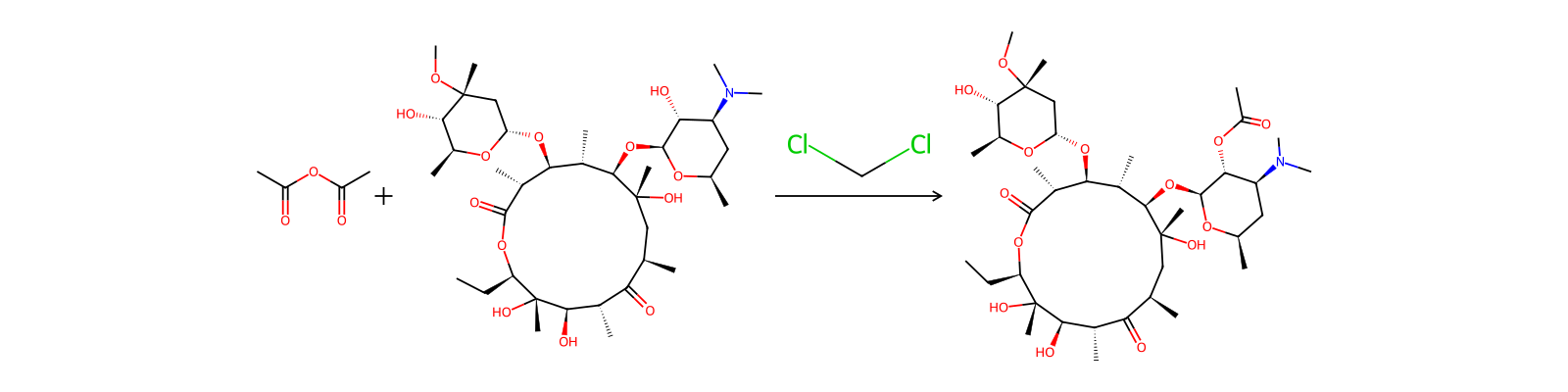
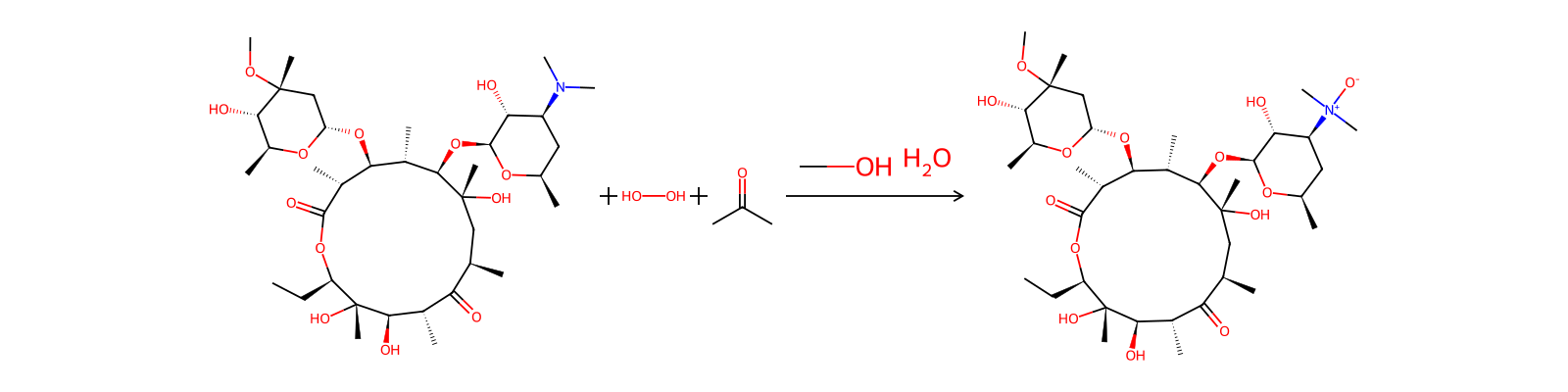

关联笔记
加载中…