
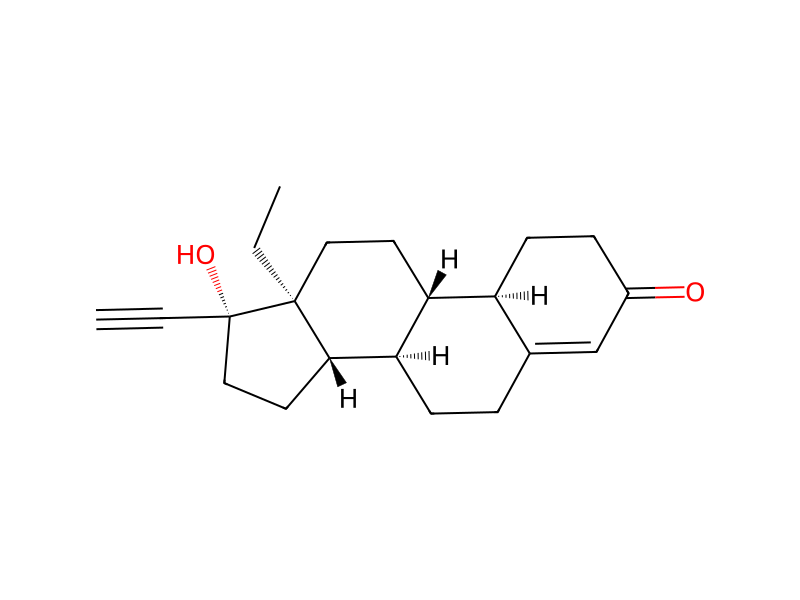
基本信息
- 标准SMILES
C#C[C@]1(O)CC[C@H]2[C@@H]3CCC4=CC(=O)CC[C@@H]4[C@H]3CC[C@@]21CC- InChIKey
WWYNJERNGUHSAO-XUDSTZEESA-N- 分子式
- C21H28O2
- 平均分子量
- 312.4 g/mol
- 单同位素质量
- 312.20893013
名称与标识
- 首选名称
- Levonorgestrel
- IUPAC
- (8R,9S,10R,13S,14S,17R)-13-ethyl-17-ethynyl-17-hydroxy-1,2,6,7,8,9,10,11,12,14,15,16-dodecahydrocyclopenta[a]phenanthren-3-one
- 中文名
- 炔诺孕酮
- 英文名
- Norgestrel
- 分子式
- C21H28O2
- 分子量
- 312.45
名称与别名
Levonorgestrel797-63-7D-NorgestrelMirenaMicrovalNORPLANTPlan B(-)-NorgestrelD-(-)-NorgestrelLevonovaJadelled(-)-Norgestrel
展开更多名称
高诺酮孕烯醇甲炔诺酮左炔孕酮炔诺孕酮药典标准品炔诺孕酮杂质18-甲炔诺酮乙腈中炔诺孕酮炔诺孕酮(甾体)Levonorgestrel-D6sh850wy3707sh70850monovarNeogestOvrettefh122-a
MicrolutLevonorgestrelum18-MethylnorethisteroneNorplant IINorLevoLevonelleLilettaFallback Solo
数据库标识
- CAS
6533-00-2、797-63-7- PubChem CID
- 13109
- ChEMBL
CHEMBL1389、CHEMBL2107797- ChEBI
CHEBI:6443- UNII
- 3J8Q1747Z2、5W7SIA7YZW
- EC Number
- 212-349-8、229-433-5
- Nikkaji
- J7.097A
性质
结构计算性质
- XLogP
- 3.3
- 极性表面积
- 37.3 Ų
- 氢键供体
- 1
- 氢键受体
- 2
- 可旋转键
- 2
- 重原子
- 23
- 形式电荷
- 0
- 复杂度
- 609
实验与物化性质
LogP
3.8
3.8
LogS-4.7
OdorOdorless
Color/Form
Crystals from methanol
Crystals from diethyl ether-hexane
Crystals from methanol
White...crystalline powder
Solubility
2.05
In water, 1.73 mg/L, temp not stated.
Soluble in ethanol (1 in 120), chloroform (1 in 15), diethyl ether (1 in 400) and dioxane.
5.83e-03 g/L
Boiling Point459.1
Decomposition
When heated to decomposition, it emits acrid smoke and irritating fumes.
When heated to decomposition it emits acrid smoke and irritating fumes.
Melting Point
232-239
205-207 °C
206 °C
240 °C
Optical Rotation
Crystals, mp 238-232 °C. Specific optical rotation: +40.7 deg at 25 °C/D (CHCl3) /Norgetrel (+)-form/
Specific optical rotation: -324 deg at 20 °C/D (c = 0.496 in CHCl3)
Physical DescriptionSolid
Dissociation Constants17.91,-1.5
Collision Cross Section
206.0 Ų [M+Na]+ [CCS Type: DT; Buffer gas: N2; Ionization: ESI+; Dataset: TOXCAST; Source Identifier: DTXSID3047477]
178.6 Ų [M+H]+ [CCS Type: TW; Method: calibrated with polyalanine and drug standards]
177.66 Ų [M+H]+ [CCS Type: TW; Method: calibrated with polyalanine and drug standards];167.85 Ų [M+H-H2O]+ [CCS Type: TW; Method: calibrated with polyalanine and drug standards];173.03 Ų [M+K]+ [CCS Type: TW; Method: calibrated with polyalanine and drug standards]
物理化学性质
- 熔点
- 239 · 239-241 °C(lit.)
- 沸点
- 392.36 °C · 392.36°C (rough estimate)
- 密度
- 1.0697 · 1.0697 (rough estimate)
- 折射率
- 1.49 · 1.4900 (estimate)
- 储存条件
- 2 · 2-8°C
- 溶解度
- Chloroform (Slightly, Sonicated), Dichloromethane (Slightly), Methanol (Slightly)
- 酸度系数(pKa)
- 13.09 · 13.09±0.40(Predicted)
- 形态
- Solid
- 颜色
- Crystals from diethyl ether-hexane
- Henry's Law Constant
- 1.3 · 1.3×104 mol/(m3Pa) at 25℃, HSDB (2015)
- 暴露限值
- 0.5 mg/m3; · PC-TWA: 0.5 mg/m3; PC-STEL: 2 mg/m3
- InChI
- InChI=1/C21H28O2/c1-3-20-11-9-17-16-8-6-15(22)13-14(16)5-7-18(17)19(20)10-12-21(20,23)4-2/h2,13,16-19,23H,3,5-12H2,1H3/t16-,17+,18+,19-,20-,21-/s3
- InChIKey
- WWYNJERNGUHSAO-XUDSTZEESA-N
- SMILES
- [C@]12(CC)CC[C@]3([H])[C@@]4([H])CCC(=O)C=C4CC[C@@]3([H])[C@]1([H])CC[C@@]2(O)C#C |&1:0,5,7,17,19,23,r|
- CAS 数据库
- 6533 · 6533-00-2(CAS DataBase Reference)
- EPA化学物质信息
- Norgestrel (6533-00-2)
化学性质
白色或类白色结晶性粉末,无臭,无味。不溶于水,溶于氯仿,微溶于甲醇。
安全与法规
GHS分类
GHS Classification
Danger
H302 (20.2%): Harmful if swallowed [Warning Acute toxicity, oral];H312 (61.8%): Harmful in contact with skin [Warning Acute toxicity, dermal];H332 (61.8%): Harmful if inhaled [Warning Acute toxicity, inhalation];H351 (97.8%): Suspected of causing cancer [Warning Carcinogenicity];H360 (94.4%): May damage fertility or the unborn child [Danger Reproductive toxicity];H362 (31.5%): May cause harm to breast-fed children [Reproductive toxicity, effects on or via lactation]
P203, P260, P261, P263, P264, P270, P271, P280, P301+P317, P302+P352, P304+P340, P317, P318, P321, P330, P362+P364, P405, and P501 (click each P-code to see the statement)
Aggregated GHS information provided per 89 reports by companies from 11 notifications to the ECHA C&L Inventory. Each notification may be associated with multiple companies.;Information may vary between notifications depending on impurities, additives, and other factors. The percentage value in parenthesis indicates the notified classification ratio from companies that provide hazard codes. Only hazard codes with percentage values above 10% are shown. For more detailed information, please visit ECHA C&L website.
危害信息
Regulatory Information
Hazard Traits - Reproductive Toxicity;Authoritative List - Prop 65;Report - regardless of intended function of ingredient in the product
Hazard Traits - Developmental Toxicity;Authoritative List - Prop 65;Report - regardless of intended function of ingredient in the product
Other Safety InformationIMAP assessments - 18,19-Dinorpregn-4-en-20-yn-3-one, 13-ethyl-17-hydroxy-, (17.alpha.)-: Environment tier I assessment;IMAP assessments - 18,19-Dinorpregn-4-en-20-yn-3-one, 13-ethyl-17-hydroxy-, (17.alpha.)-: Human health tier I assessment
FDA Requirements
The Approved Drug Products with Therapeutic Equivalence Evaluations identifies currently marketed prescription drug products, including norgestrel, approved on the basis of safety and effectiveness by FDA under sections 505 of the Federal Food, Drug, and Cosmetic Act. /In combination with Ethinylestradiol/
The Approved Drug Products with Therapeutic Equivalence Evaluations identifies currently marketed prescription drug products, including levonorgestrel, approved on the basis of safety and effectiveness by FDA under sections 505 of the Federal Food, Drug, and Cosmetic Act.
Toxic Combustion ProductsEmits toxic fumes under fire conditions.
Hazard Classes and Categories
Skin Irrit. 2 (11.1%);Eye Irrit. 2 (11.1%);Carc. 2 (92.6%);Repr. 1A (88.9%);Lact. (88.9%);Aquatic Acute 1 (88.9%);Aquatic Chronic 1 (88.9%)
Acute Tox. 4 (20.2%);Acute Tox. 4 (61.8%);Acute Tox. 4 (61.8%);Carc. 2 (97.8%);Repr. 1A (94.4%);Lact. (31.5%)
安全与防护
Fire Fighting Procedures
Water spray, dry chemical, carbon dioxide, or foam as appropriate for surrounding fire and materials. ... As with all fires, evacuate personnel to a safe area. Firefighters should use self-contained breathing equipment and protective clothing.
Storage Conditions
Store at controlled room temperature 15 °C to 25 °C (59 °F to 77 °F).
Store in tight, light-resistant container as defined in the USP-NF. This material should be handled and stored per label instructions to ensure product integrity.
Store levonorgestrel tablets at 20 to 25 °C (68 to 77 °F)
The levonorgestrel-releasing intrauterine system should be stored at a temperature of 25 °C but may be exposed to temperatures ranging from 15-30 °C. The system is supplied as a sterile device and should not be resterilized. The device should not be used if the inner package is damaged or has been opened.
Estrogen-progestin combinations generally should be stored at room temperature in a well-closed container, unless otherwise specified by the manufacturer. Commercially available oral contraceptives are provided in mnemonic (memory-aid) dispensing packages which are exempted from the child-safety packaging requirements of the US Poison Prevention Packaging Act of 1970.
Cleanup Methods
Wear approved respiratory protection, chemically compatible gloves, and protective clothing. Wipe up spillage or collect spillage using a high-efficiency vacuum cleaner. Avoid breathing dust. Wash spill site. Place spillage and all contaminated cleanup materials in a thick plastic hazardous waste disposal bag or leakproof container and label it CAUTION: HAZARDOUS CHEMICAL WASTE.
Disposal Methods
SRP: Expired or waste pharmaceuticals shall carefully take into consideration applicable DEA, EPA, and FDA regulations. It is not appropriate to dispose by flushing the pharmaceutical down the toilet or discarding to trash. If possible return the pharmaceutical to the manufacturer for proper disposal being careful to properly label and securely package the material. Alternatively, the waste pharmaceutical shall be labeled, securely packaged and transported by a state licensed medical waste contractor to dispose by burial in a licensed hazardous or toxic waste landfill or incinerator.
SRP: At the time of review, regulatory criteria for small quantity disposal are subject to significant revision, however, household quantities of waste pharmaceuticals may be managed as follows: Mix with wet cat litter or coffee grounds, double bag in plastic, discard in trash.
Preventive Measures
As a general rule, when handling USP Reference Standards, avoid all contact and inhalation of dust, mists, and/or vapors associated with the material. Wash thoroughly after handling.
This material is assumed to be combustible. As with all dry powders, it is advisable to ground mechanical equipment in contact with dry material to dissipate the potential buildup of static electricity.
Engineering controls such as exhaust ventilation are recommended.
SRP: Contaminated protective clothing should be segregated in such a manner so that there is no direct personal contact by personnel who handle, dispose, or clean the clothing. The completeness of the cleaning procedures should be considered before the decontaminated protective clothing is returned for reuse by the workers. Contaminated clothing should not be taken home at the end of shift, but should remain at employee's place of work for cleaning.
For more Preventive Measures (Complete) data for NORGESTREL (6 total), please visit the HSDB record page.
Personal Protective Equipment (PPE)
Use a NIOSH-approved respirator, if it is determined to be necessary by an industrial hygiene survey involving air monitoring. In the event a respirator is not required, an approved dust mask should be used. Gloves: Chemically compatible. Eye Protection: Safety goggles or glasses. Protective clothing: Protect exposed skin.
毒理信息
Interactions
The metabolism of estrogens and progestagens may be increased by concomitant use of substances known to induce drug-metabolising enzymes, specifically cytochrome P450 enzymes, such as anticonvulsants (eg phenobarbital, phenytoin, carbamazepine), and anti-infectives (eg rifampicin, rifabutin, nevirapine, efavirenz).
Ritonavir and nelfinavir, although known as strong inhibitors, by contrast exhibit inducing properties when used concomitantly with steroid hormones.
Herbal preparations containing St John's Wort (Hypericum Perforatum) may induce the metabolism of estrogens and progestagens.
Phenytoin and rifampin increase the serum concentrations of sex hormone-binding globulin (SHBG); this significantly decreases the serum concentration of free drug for some progestins, which is a special concern in patients using progestins for contraception. /Progestins/
Drug interaction data are not available for rifabutin, but because its structure is similar to that of rifampin, similar precautions with its use with progestins may be warranted. ... /Progestins/
Significant changes (increase or decrease) in the plasma levels of the progestin have been noted in some cases of coadministration with HIV protease inhibitors or with non-nucleoside reverse transcriptase inhibitors.
Environmental Fate
TERRESTRIAL FATE: Based on a classification scheme(1), an estimated Koc value of 8,100(SRC), determined from a structure estimation method(2), indicates that norgestrel is expected to be immobile in soil(SRC). Volatilization of norgestrel from moist soil surfaces is not expected to be an important fate process(SRC) given an estimated Henry's Law constant of 7.7X10⁻¹⁰ atm-cu m/mole(SRC), using a fragment constant estimation method(3). Norgestrel is not expected to volatilize from dry soil surfaces(SRC) based upon an estimated vapor pressure of 1.0X10⁻⁹ mm Hg at 25 °C(SRC), determined from a fragment constant method(4). Biodegradation data in soil were not available(SRC, 2011).
AQUATIC FATE: Based on a classification scheme(1), an estimated Koc value of 8100(SRC), determined from a structure estimation method(2), indicates that norgestrel is expected to adsorb to suspended solids and sediment(SRC). Volatilization from water surfaces is not expected(3) based upon an estimated Henry's Law constant of 7.7X10⁻¹⁰ atm-cu m/mole(SRC), developed using a fragment constant estimation method(4). According to a classification scheme(5), an estimated BCF of 91(SRC), from an estimated log Kow of 3.48(6) and a regression-derived equation(7), suggests the potential for bioconcentration in aquatic organisms is moderate(SRC). Biodegradation data in water were not available(SRC, 2011).
ATMOSPHERIC FATE: According to a model of gas/particle partitioning of semivolatile organic compounds in the atmosphere(1), norgestrel, which has an estimated vapor pressure of 1.0X10⁻⁹ mm Hg at 25 °C(SRC), determined from a fragment constant method(2), is expected to exist solely in the particulate phase in the ambient atmosphere. Particulate-phase norgestrel may be removed from the air by wet or dry deposition(SRC). Norgestrel contains chromophores that absorb at wavelengths >290 nm(4), and therefore may be susceptible to direct photolysis by sunlight(SRC).
TERRESTRIAL FATE: Based on a classification scheme(1), an estimated Koc value of 8,100(SRC), determined from a structure estimation method(2), indicates that levonorgestrel is expected to be immobile in soil(SRC). Volatilization of levonorgestrel from moist soil surfaces is not expected to be an important fate process(SRC) given an estimated Henry's Law constant of 7.7X10⁻¹⁰ atm-cu m/mole(SRC), using a fragment constant estimation method(3). Levonorgestrel is not expected to volatilize from dry soil surfaces(SRC) based upon an estimated vapor pressure of 3.92X10⁻¹⁰ mm Hg at 25 °C(SRC), determined from a fragment constant method(4). Biodegradation data in soil were not available(SRC, 2011).
AQUATIC FATE: Based on a classification scheme(1), an estimated Koc value of 8,100(SRC), determined from a structure estimation method(2), indicates that levonorgestrel is expected to adsorb to suspended solids and sediment(SRC). Volatilization from water surfaces is not expected(3) based upon an estimated Henry's Law constant of 7.7X10⁻¹⁰ atm-cu m/mole(SRC), developed using a fragment constant estimation method(4). According to a classification scheme(5), an estimated BCF of 92(SRC), from an estimated log Kow of 3.48(6) and a regression-derived equation(7), suggests the potential for bioconcentration in aquatic organisms is moderate(SRC). Biodegradation data in water were not available(SRC, 2011).
ATMOSPHERIC FATE: According to a model of gas/particle partitioning of semivolatile organic compounds in the atmosphere(1), levonorgestrel, which has an estimated vapor pressure of 3.9X10⁻¹⁰ mm Hg at 25 °C(SRC), determined from a fragment constant method(2), is expected to exist solely in the particulate phase in the ambient atmosphere. Particulate-phase levonorgestrel may be removed from the air by wet or dry deposition(SRC). Levonorgestrel contains chromophores that absorb light at <290 nm(3) and therefore may be susceptible to direct photolysis by sunlight(SRC).
Adverse Effects
For the emergency contraceptive, the timing of when patients ingest the drug plays a significant role in its efficacy in preventing pregnancy; this means the adverse effect of pregnancy occurring becomes greater when the patient waits over 48 to 72 hours or longer to take the drug, as well as when taking the medication during an ovulation cycle. Many studies have shown a reduction in efficacy in women with a BMI greater than 30 kg/m², but this difference is not significant enough to restrict the use of levonorgestrel in this subset of patients. This appears to be due to the lower bioavailability of a standard 1.5 mg dose of levonorgestrel, which is free plus albumin-bound, in these patients. The most common adverse effects are menstrual abnormalities, amenorrhea, dysmenorrhea, oligomenorrhea, headaches, and acne. Other adverse effects that can occur are nausea and vomiting. Importantly, this drug does not protect any patient from sexually transmitted infections and diseases, and the advice to patients is to use condoms for protection.;For the intrauterine device, 0.1% of pregnancies occur within the first year of use. The intrauterine device most commonly causes menstrual irregularities, including amenorrhea and oligomenorrhea. Other adverse effects of the intrauterine device are similar to those of the combined oral contraceptive pill route, such as ovarian cysts, weight gain, depression, acne, and low libido.;Levonorgestrel oral emergency contraception is generally well tolerated, with most adverse effects being common and non-serious. Rare serious events such as ectopic pregnancy, stroke, and anaphylaxis have been reported, although infrequently.;Subdermal implants are associated with higher risks of acne, weight gain, dissatisfaction, and removal due to adverse effects compared to levonorgestrel intrauterine systems in reproductive-aged women. These differences may influence contraceptive choice based on individual tolerance and preferences.;Drug-Drug Interactions;* The following may diminish the therapeutic effect of progestins: acitretin, anticoagulants, antidiabetic agents, barbiturates, carbamazepine, fosphenytoin, griseofulvin, mifepristone, phenytoin, primidone, retinoic acid derivatives, and St. John's wort.;* The following may decrease the serum concentration of progestins: aprepitant, artemether, bexarotene, bile acid sequestrants, bosentan, brigatinib, clobazam, CYP3A4 inducers, dabrafenib, darunavir, efavirenz, encorafenib, eslicarbazepine, exenatide, felbamate, fosaprepitant, ixazomib, lamotrigine, lesinurad, lixisenatide, lopinavir, lorlatinib, lumacaftor, metreleptin, mycophenolate, nelfinavir, nevirapine, oxcarbazepine, perampanel, rifamycin derivatives, saquinavir, sugammadex, and topiramate.;* The following may increase the serum concentration of progestins: atazanavir, cobicistat, tipranavir, and voriconazole.;* The following may enhance the thrombogenic effect of progestins: C1-inhibitors and carfilzomib.
Exposure RoutesLevonorgestrel is not subjected to a "first-pass" effect and is virtually 100% bioavailable.
Milk Concentrations
Small amounts of oral contraceptive steroids have been identified in the milk of nursing mothers and a few adverse effects on the child have been reported, including jaundice and breast enlargement. In addition, oral contraceptives given in the postpartum period may interfere with lactation by decreasing the quantity and quality of breast milk. If possible, the nursing mother should be advised not to use oral contraceptives but to use other forms of contraception until she has completely weaned her child.
EXPERIMENTAL: ... Twelve healthy exclusively breastfeeding volunteers received 1.5 mg levonorgestrel (LNG). Women refrained from nursing for 72 hr after dosing and fed their infants with milk frozen beforehand. Serial blood and milk samples were collected for 120 hr and assayed for LNG and sex hormone binding globulin. LNG concentrations peaked in plasma and in milk 1-4 hr and 2-4 hr after dosing, respectively. Concentrations in milk (M) paralleled those in plasma (P) but were consistently lower (mean M:P ratio 0.28). Estimated infant exposure to LNG is 1.6 ug on the day of dosing (1 ug in the first 8 hr), 0.3 ug on the second day and 0.2 ug on the third day. Nursing mothers may need EC. These results suggest that to limit infant exposure to the period of maximum LNG excretion in milk, mothers should discontinue nursing for at least 8 hr, but not more than 24 hr, after EC.
Toxicity Summary
Signs and Symptoms of Overdose;There is a lack of research regarding the toxic levels and effects in humans. While there could be toxicity seen in patients with liver disease, there is not enough research to support this. More human trial studies will be necessary. There have been studies that show LD50 to be over 5000 mg/kg in rats when given orally, with a significant decrease in white blood cell counts. There is a lack of human data regarding acute overdose of levonorgestrel.;Management of Overdose;The management is supportive. Poison control center should be contacted for levonorgestrel overdose for the latest recommendations.
Binds to the progesterone and estrogen receptors. Target cells include the female reproductive tract, the mammary gland, the hypothalamus, and the pituitary. Once bound to the receptor, progestins like levonorgestrel will slow the frequency of release of gonadotropin releasing hormone (GnRH) from the hypothalamus and blunt the pre-ovulatory LH (luteinizing hormone) surge.
Ecotoxicity Excerpts
/AQUATIC SPECIES/ ...The effects of two progestins currently marketed in contraceptive formulations, levonorgestrel (LNG) and drospirenone (DRSP), were investigated in adult fathead minnows (Pimephales promelas) following an OECD 21-day fish reproduction screening assay draft protocol with additional end points. Levonorgestrel was tested at measured concentrations of 0.8, 3.3, and 29.6 ng/L, and DRSP at concentrations of 0.66, 6.5, and 70 uL. Both tested progestins caused an inhibition of reproduction. For LNG, this occurred at concentrations of 2:0.8 ng/L, no no-observed-effect concentration (NOEC) could be defined. Higher concentrations resulted in masculinization of females with de novo synthesis of nuptial tubercles. Drospirenone treatment, however, affected the reproductive success of fathead minnow at concentrations of 6.5 uL and higher with a clear dose-response relationship and a NOEC of 0.66 uL, which is above environmentally relevant concentrations.
Effluent Concentrations
Levonorgestrel was detected in effluent from the Eysines Sewage Treatment Plant (northern suburbs, Bordeaux, France) at mean concentrations of <5.0, <2.0, and <2.0 ng/L in July 2003, September 2003, and February 2004, respectively (detection limit = 5.0, 2.0, and 2.0, respectively)(1). The compound was tested for but not detected (detection limit = 2-100 ng/L) in effluent samples from sewage treatment plants in the vicinity of Barcelona, Spain, sampled from April to June, 1999(2).
Soil Adsorption/Mobility
Using a structure estimation method based on molecular connectivity indices(1), the Koc of norgestrel can be estimated to be 8,100(SRC). According to a classification scheme(2), this estimated Koc value suggests that norgestrel is expected to be immobile in soil.
Using a structure estimation method based on molecular connectivity indices(1), the Koc of levonorgestrel can be estimated to be 8,100(SRC). According to a classification scheme(2), this estimated Koc value suggests that levonorgestrel is expected to be immobile in soil.
Human Toxicity Excerpts
/HUMAN EXPOSURE STUDIES/ The growth hormone, insulin, and blood glucose values were measured during a glucose tolerance test in 12 women before and after 3 months' use of a sequential contraceptive (11 pills containing .05 mg D-norgestrel and .05 mg ethinyl estradiol and 10 pills containing .05 mg D-norgestrel and .05 mg ethinyl estradiol). Neither fasting blood glucose nor glucose tolerance are altered during administration of the contraceptive steroids. Conversely, the reactive insulin level is significantly increased in comparison to the basal value, thus showing the signs of hyperinsulinemia. Both the gestagens and the estrogens appear to contribute to this disturbance of insulin secretion. Presumably the hyperinsulinemia is an expression of decreased sensitivity of the peripheral tissue to insulin. The growth hormone, a so-called insulin antagonist, is not responsible for the insulin resistance observed. The values measured after administration of the contraceptive do not significantly differ from the basal values.
/SIGNS AND SYMPTOMS/ Serious ill effects have not been reported following acute ingestion of large doses of oral contraceptives by young children. Overdosage may cause nausea, and withdrawal bleeding may occur in females.
/CASE REPORTS/ ... Presented is the case of a 45-year-old US woman with right lower quadrant pain and a 5-year history of use of a combined oral contraceptive (OC) containing 0.35 ug ethinyl estradiol and 0.35 ug norgestrel. At presentation, the uterus was enlarged to a size corresponding to 12-14 gestational weeks, with a mass at the right fundal margin. Pelvic ultrasonography revealed a large dominant leiomyoma 7.2 x 5.8 x 5.5 cm and several smaller tumors. OC use was discontinued and, 4 months later, the uterus was a size of 8-10 gestational weeks and a single serosal leiomyoma 5.9 x 4.6 x 4.4 cm remained. The leiomyoma volume had decreased by 47% after OC discontinuation, to 63 cu cm. Pelvic sonography 12 months after OC discontinuation revealed no further changes in myoma volume. In OC users with clinically significant uterine leiomyomas, discontinuation of combined OCs should be considered as a low-risk intervention with the potential to decrease uterine volume.
/CASE REPORTS/ /Investigators/ report a 41-year-old Caucasian woman with polycystic liver and kidney disease, and a 9-year history of severe cyclical urticaria related to her menses. The urticaria was not adequately controlled by antihistamines or Prempak-C (conjugated oestrogens and norgestrel). Intradermal testing with progesterone was strongly positive at 30 min and 18 hr. Buserelin, administered intranasally at doses of up to 800 ug daily, controlled the urticaria within 4 weeks, and she was completely symptom-free thereafter. She had therapy-induced amenorrhea and occasional hot flushes. Unfortunately, her liver cysts progressively enlarged, and a right hepatectomy was performed in June 1992, but she died after complications 3 weeks later. Prior to this she had been free of urticaria for 6 months after starting buserelin. Buserelin, a gonadotrophin-releasing hormone analogue, may be useful in the management of progesterone-induced urticaria, in patients in whom conjugated estrogens are contraindicated or unhelpful.
For more Human Toxicity Excerpts (Complete) data for NORGESTREL (33 total), please visit the HSDB record page.
/CASE REPORTS/ ...This case describes a 39-year-old multiparous patient who visited the gynecology outpatient department at a district general hospital with a history of heavy, prolonged periods for 1 year. Hysteroscopy and biopsy specimen revealed benign nonsecretory endometrium and a levonorgestrel-releasing IUS was inserted. The patient visited again 4 years later with an 8-month history of prolonged bleeding. Endometrial biopsy specimen confirmed well-differentiated endometrioid adenocarcinoma. This is the first case report, to our knowledge, where hysteroscopy was performed before levonorgestrel-releasing IUS insertion with conclusive evidence of initial negative malignancy followed by development of endometrial cancer 4 years after insertion. This case raises the question of the safety of levonorgestrel-releasing IUS for the prevention and treatment of endometrial hyperplasia and carcinoma.
Artificial Pollution Sources
Norgestrel's production and use as in oral contraceptive formulations(1) may result in its release to the environment through various waste streams(SRC).
Levonorgestrel's production and use as an oral contraceptive component(1) may result in its release to the environment through various waste streams(SRC).
Carcinogen ClassificationNorgestrel: Group 2B, possibly carcinogenic to humans. (L135)
法规信息
Regulatory Information
Hazard Traits - Reproductive Toxicity;Authoritative List - Prop 65;Report - regardless of intended function of ingredient in the product
Hazard Traits - Developmental Toxicity;Authoritative List - Prop 65;Report - regardless of intended function of ingredient in the product
FDA Requirements
The Approved Drug Products with Therapeutic Equivalence Evaluations identifies currently marketed prescription drug products, including norgestrel, approved on the basis of safety and effectiveness by FDA under sections 505 of the Federal Food, Drug, and Cosmetic Act. /In combination with Ethinylestradiol/
The Approved Drug Products with Therapeutic Equivalence Evaluations identifies currently marketed prescription drug products, including levonorgestrel, approved on the basis of safety and effectiveness by FDA under sections 505 of the Federal Food, Drug, and Cosmetic Act.
安全数据
- wgk
- 3
- 毒性
- LD50 oral in rat: 5010mg/kg
- RTECS号
- JF8259000
- 安全说明
- 22-36
- 海关编码
- 2937230000
- 危险品标志
- Xn
- 危险类别码
- 20/21/22-40
- 毒害物质数据
- 6533-00-2(Hazardous Substances Data)
化学与工业
药理信息
ATC Code
G03FB01
G03AD01
G - Genito urinary system and sex hormones;G03 - Sex hormones and modulators of the genital system;G03A - Hormonal contraceptives for systemic use;G03AC - Progestogens;G03AC03 - Levonorgestrel
G - Genito urinary system and sex hormones;G03 - Sex hormones and modulators of the genital system;G03A - Hormonal contraceptives for systemic use;G03AD - Emergency contraceptives;G03AD01 - Levonorgestrel
QG - Genito urinary system and sex hormones;QG03 - Sex hormones and modulators of the genital system;QG03A - Hormonal contraceptives for systemic use;QG03AC - Progestogens;QG03AC03 - Levonorgestrel
QG - Genito urinary system and sex hormones;QG03 - Sex hormones and modulators of the genital system;QG03A - Hormonal contraceptives for systemic use;QG03AD - Emergency contraceptives;QG03AD01 - Levonorgestrel
Protein Binding
The protein binding of levonorgestrel ranges from 97.5-99%, and it is mainly bound to sex hormone-binding globulin (SHBG). Levonorgestrel is also bound to albumin. The prescribing information for the implanted levonorgestrel indicates that the concentration of sex hormone-binding globulin (SHBG) is reduced in the span of a few days after levonorgestrel administration, decreasing the levels of the drug.
Pharmacodynamics
Levonorgestrel prevents pregnancy by interfering with ovulation, fertilization, and implantation. The levonorgestrel-only containing emergency contraceptive tablet is 89% effective if it is used according to prescribing information within 72 hours after intercourse. The intrauterine and implantable devices releasing levonorgestrel are more than 99% in preventing pregnancy. Levonorgestrel utilized as a component of hormonal therapy helps to prevent endometrial carcinoma associated with unopposed estrogen administration.
Mechanism of Action
**Mechanism of action on ovulation** Oral contraceptives containing levonorgestrel suppress gonadotropins, inhibiting ovulation. Specifically, levonorgestrel binds to progesterone and androgen receptors and slows the release of gonadotropin-releasing hormone (GnRH) from the hypothalamus. This process results in the suppression of the normal physiological luteinizing hormone (LH) surge that precedes ovulation. It inhibits the rupture of follicles and viable egg release from the ovaries. Levonorgestrel has been proven to be more effective when administered before ovulation. **Mechanism of action in cervical mucus changes** Similar to other levonorgestrel-containing contraceptives, the intrauterine (IUD) forms of levonorgestrel likely prevent pregnancy by increasing the thickness of cervical mucus, interfering with the movement and survival of sperm, and inducing changes in the endometrium, where a fertilized ovum is usually implanted. Levonorgestrel is reported to alter the consistency of mucus in the cervix, which interferes with sperm migration into the uterus for fertilization. Levonorgestrel is not effective after implantation has occurred. Interestingly, recent evidence has refuted the commonly believed notion that levonorgestrel changes the consistency of cervical mucus when it is taken over a short-term period, as in emergency contraception. Over a long-term period, however, levonorgestrel has been proven to thicken cervical mucus. The exact mechanism of action of levonorgestrel is not completely understood and remains a topic of controversy and ongoing investigation. *Effects on implantation** The effects of levonorgestrel on endometrial receptivity are unclear, and the relevance of this mechanism to the therapeutic efficacy of levonorgestrel is contentious. Prescribing information for levonorgestrel IUDs state that they exert local morphological changes to the endometrium (e.g. stromal pseudodecidualization, glandular atrophy) that may play a role in th
Norgestrel (and more specifically the active stereoisomer levonorgestrel) binds to the progesterone and estrogen receptors within the female reproductive tract, the mammary gland, the hypothalamus, and the pituitary. Once bound to the receptor, progestins like levonorgestrel will slow the frequency of release of gonadotropin releasing hormone (GnRH) from the hypothalamus and blunt the pre-ovulatory LH (luteinizing hormone) surge. Loss of the LH surge inhibits ovulation and thereby prevents pregnancy.
Combination oral contraceptives act by suppression of gonadotrophins. Although the primary mechanism of this action is inhibition of ovulation, other alterations include changes in the cer-vical mucus (which increase the difficulty of sperm entry into the uterus) and the endometrium (which may reduce the likelihood of implantation).
Progestins enter target cells by passive diffusion and bind to cytosolic (soluble) receptors that are loosely bound in the nucleus. The steroid receptor complex initiates transcription, resulting in an increase in protein synthesis. /Progestins/
Progestins are capable of affecting serum concentrations of other hormones, particularly estrogen. Estrogenic effects are modified by the progestins, either by reducing the availability or stability of the hormone receptor complex or by turning off specific hormone-responsive genes by direct interaction with the progestin receptor in the nucleus. In addition, estrogen priming is necessary to increase progestin effects by upregulating the number of progestin receptors and/or increasing progesterone production, causing a negative feedback mechanism that inhibits estrogen receptors. /Progestins/
There is great concern over the long-term influence of oral contraceptives on the development of breast cancer in women. Estrogens are known to stimulate the growth of human breast cancer cells, and /it/ has previously reported that the 19-norprogestin norethindrone could stimulate the proliferation of MCF-7 human breast cancer cells. /Investigators/ studied the influence of the 19-norprogestins norgestrel and gestodene compared to a 'non' 19-norprogestin medroxyprogesterone acetate (MPA) on MCF-7 cell proliferation. The 19-norprogestins stimulated proliferation at a concentration of 10(-8) M, while MPA could not stimulate proliferation at concentrations as great as 3 x 10(-6) M. The stimulatory activity of the 19-norprogestins could be blocked by the antioestrogen ICI 164,384, but not by the antiprogestin RU486. Transfection studies with the reporter plasmids containing an estrogen response element or progesterone response element (vitERE-CAT, pS2ERE-CAT, and PRE15-CAT) were performed to determine the intracellular action of norgestrel and gestodene. The 19-norprogestins stimulated the vitERE-CAT activity maximally at 10(-6) M, and this stimulation was inhibited by the addition of ICI 164,384. MPA did not stimulate vitERE-CAT activity. A single base pair alteration in the palindromic sequence of vitERE (resulting in the pS2ERE) led to a dramatic decrease in CAT expression by the 19-norprogestins, suggesting that the progestin activity required specific response element base sequencing. PRE15-CAT activity was stimulated by norgestrel, gestodene and MPA at concentrations well below growth stimulatory activity. This stimulation could be blocked by RU486. These studies suggest that the 19-norprogestins norgestrel and gestodene stimulate MCF-7 breast cancer cell growth by activating the estrogen receptor.
Biological Half-Life
The elimination half-life of a 0.75 mg dose of 1.5 mg of levonorgestrel ranges between 20-60 hours post-administration. A pharmacokinetic study of women with a normal BMI and BMI over revealed an elimination half-life of 29.7 h and 41.0-46.4 hours, respectively. Another pharmacokinetic study revealed a mean elimination half-life of 24.4 hours after a 0.75 mg dose of levonorgestrel was administered to 16 patients.
(14)C-Norgestrel was administered to seven human subjects and 43% of dose was excreted in the urine within 5 days; the biological half-life of the radioactivity was 24 hr. ...
The elimination half-life for levonorgestrel is approximately 36 +/- 13 hours at steady-state.
Mean (+/- SD) terminal half-life for levonorgestrel was determined to be 28 +/- 6.4 hours.
... The mean half-life of elimination was found to be 13.2 hr and 9.9 hr for the 0.15-mg and 0.25-mg doses of levonorgestrel, respectively, when administered intravenously. These values were similar after oral dosing.
Metabolism/Metabolites
After absorption of the oral emergency contraceptive preparation, levonorgestrel is conjugated and forms a large number of sulfate conjugates. In addition, glucuronide conjugates have been identified in the plasma. High levels of conjugated and unconjugated 3α, 5β-tetrahydrolevonorgestrel are found in the plasma. The entire metabolic pathway for levonorgestrel has not been studied, however, 16β-hydroxylation is one pathway that has been identified. Small quantities of 3α, 5α tetrahydrolevonorgestrel and 16βhydroxylevonorgestrel are also formed. No active metabolites have been identified. The rate of metabolism may be considerably different according to the patient and may explain a wide variation in levonorgestrel clearance. Liver CYP3A4 and CYP3A5 hepatic enzymes are reported to be involved in the metabolism of levonorgestrel.
(14)C-Norgestrel was administered to seven human subjects and 43% of dose was excreted in the urine within 5 days ... Enzymic hydrolysis released only 32% of the urinary radioactivity and a further 25% was excreted as sulphate conjugates. The metabolites excreted in the urine were much less polar than those following the administration of the related compounds, norethisterone or lynestrenol. The 3alphaOH,5beta and 3betaOH,5beta isomers of the tetrahydronorgestrel (13beta-ethyl-17alpha-ethynyl-5 beta-gonane-3alpha,17beta-diol) were isolated from urine and identified by mass spectrometry and thin-layer and gas-liquid chromatography. Plasma radioactivity decreased more rapidly than after the administration of norethisterone and lynestrenol. About 2% of the administered dose was converted to acidic compounds. There was no apparent difference in the rate of excretion of radioactivity or in the metabolites after either oral or intravenous administration of norgestrel.
The comparative metabolism of dl-, d-, and l-norgestrel was investigated in African Green Monkeys (Cercopithecus aethiops). Total (14)C excretion in urine after a single oral dose of (14)C-dl-norgestrel (1 mg/kg) was significantly higher (51.4 +/- 5.0%) than that observed after administration of the d-enantiomer (37.5 +/- 5.4%) but not the l-enantiomer (44.2 +/- 8.9%). In all cases, the major part of the urinary radioactivity was present in a free fraction (48-62%), while an additional 13-27% was released by beta-glucuronidase preparations. No sulfate conjugates were detected. At least one major (16beta-hydroxylation) and one minor (16alpha-hydroxylation) metabolic pathway were stereoselective, i.e., they are operative with the I-but not the d-enantiomer. Three metabolites, 16beta-hydroxynorgestrel, 16alpha-hydroxynorgestrel, and 16-hydroxytetrahydronorgestrel (believed to be 16beta) were only detected in urine samples obtained from (14)C-dland -l-norgestrel-dosed animals. Following (14)C-d-norgestrel administration, 3alpha, 5beta-tetrahydronorgestrel was found to be the major urinary metabolite. These observations are compared with those reported earlier on the urinary metabolites of dl-norgestrel in women.
The in vitro metabolism of stereo-isomers (d, l and the racemic mixture dl) of norgestrel by a microsomal fraction from rabbit liver was investigated. The metabolism of the biologically active l-norgestrel was more rapid than that of d-norgestrel (sic.) which is biologically inactive. This was mainly due to the more ready conversion of l-norgestrel to ring-A reduced metabolites. There was no difference between the two isomers in respect of the amount undergoing hydroxylation; about 40% of each isomer was converted to hydroxylated metabolites after 30 min incubation. However, there were differences between the isomers, l-norgestrel being converted mainly to the 16beta-hydroxysteroid and d-norgestrel to the 16alpha-hydroxysteroid. Similar amounts of both isomers were hydroxylated at C-6. The metabolism of the racemic mixture was intermediate between that of the d and l isomers.
The rates of metabolism of synthetic gestagens derived from 19-nortestosterone by rabbit liver tissue in vitro were compared. Over a period of 1 hr norethisterone was metabolized as rapidly as 19-nortestosterone whereas d-norgestrel and lynestrenol were metabolized at a slightly lower rate. Less than 5% of l-norgestrel was metabolized. In all cases the reaction product was the tetrahydrosteroid. Lynestrenol was metabolised through norethisterone. Skeletal muscle, lung and small intestine also metabolized norethisterone and d-norgestrel but at a slower rate than liver tissue. Small amounts of norethisterone were metabolized by adipose tissue but heart and spleen were inactive. Lynestrenol and l-norgestrel were not metabolized by any of the extra-hepatic tissues studied.
In vitro studies were conducted on the metabolism of 3 steroids used in OCs (oral contraceptives) by small pieces of human jejunal mucosa. This was done because the gastrointestinal mucosa of humans is known to metabolize a number of drugs. Almost 40% of the ethinyl estradiol, 9.8% of the levonorgestrel, and 7% of the mestranol were metabolized after incubation. All these metabolic responses were significantly different from those in the control groups. Results of the study show that the metabolism of the ethinyl estradiol was related to the weight of the tissue used. These results are consistent with the known marked 1st pass effect of ethinyl estradiol. Norgestrel, known to have little or no 1st pass effect, did not show a high rate of gut metabolism. Under the experimental conditions employed, no Phase 1 metabolism of either ethinyl estradiol or levonorgestrel was apparent.
FDA Pharmacological Classification
5W7SIA7YZW
LEVONORGESTREL
Physiologic Effects [PE] - Inhibit Ovum Fertilization
Chemical Structure [CS] - Progesterone Congeners
Chemical Structure [CS] - Progesterone Congeners
Established Pharmacologic Class [EPC] - Progestin
MeSH Pharmacological Classification
Chemical substances or agents with contraceptive activity in females. Use for female contraceptive agents in general or for which there is no specific heading.
Oral contraceptives which owe their effectiveness to synthetic preparations.
Contraceptive agents that act on the ENDOCRINE SYSTEM.
Absorption, Distribution and Excretion
Orally administered levonorgestrel is absorbed in the gastrointestinal tract while levonorgestrel administered through an IUD device is absorbed in the endometrium. Levonorgestrel is absorbed immediately in the interstitial fluids when it is inserted as a subdermal implant. After insertion of the subdermal implant, the Cmax of levonorgestrel is attained within 2-3 days.The Cmax following one dose of 0.75 mg of oral levonorgestrel is reached within the hour after administration, according to one reference. In a pharmacokinetic study of 1.5 mg of levonorgestrel in women with a normal BMI and those considered to be obese (BMI>30), mean Cmax was found to be 16.2 ng/mL and 10.5 ng/mL respectively. Tmax was found to be 2 hours for those with normal BMI and 2.5 hours for patients with increased BMI. The bioavailability of levonorgestrel approaches 100%. Mean AUC has been shown to be higher in patients with a normal BMI, measuring at 360.1 h × ng/mL versus a range of 197.28 to 208.1 h × ng/mL in an obese group of patients. Obesity may contribute to decreased efficacy of levonorgestrel in contraception.
Approximately 45% of an oral levonorgestrel dose and its conjugated or sulfate metabolites are found to be excreted in the urine. Approximately 32% of an orally ingested dose is found excreted in feces, primarily in the form of glucuronide conjugates of levonorgestrel.
One pharmacokinetic study determined a mean steady-state volume of distribution of 1.5 mg of levonorgestrel to be 162.2 L in those with normal BMI and in the range of 404.7 L to 466.4 L in obese patients with a body mass index of at least 30. Mean volume of distribution in 16 patients receiving 0.75 mg of levonorgestrel in another pharmacokinetic study was 260 L. The Plan B one-step FDA label reports an apparent volume of distribution of 1.8 L/kg.
Clearance was found to 4.8 L/h in healthy female volunteers with a normal BMI, and 7.70-8.51 L/h in obese patients after a single 1.5 mg dose. After a 0.75 mg dose of levonorgestrel in 16 patients in another pharmacokinetic study, mean clearance was calculated at 7.06 L/h. Following levonorgestrel implant removal, the serum concentration falls below 100 pg/mL within the first 96 hours and further falls below the sensitivity of detection within the range of 5 days to 2 weeks.
Norgestrel is absorbed from the gastrointestinal tract, metabolised by the liver and excreted in the urine and faeces as glucuronide and sulphate conjugates.
(14)C-Norgestrel was administered to seven human subjects and 43% of dose was excreted in the urine within 5 days; the biological half-life of the radioactivity was 24 hr. Enzymic hydrolysis released only 32% of the urinary radioactivity and a further 25% was excreted as sulphate conjugates. The metabolites excreted in the urine were much less polar than those following the administration of the related compounds, norethisterone or lynestrenol. The 3alphaOH,5beta and 3betaOH,5beta isomers of the tetrahydronorgestrel (13beta-ethyl-17alpha-ethynyl-5 beta-gonane-3alpha,17beta-diol) were isolated from urine and identified by mass spectrometry and thin-layer and gas-liquid chromatography. Plasma radioactivity decreased more rapidly than after the administration of norethisterone and lynestrenol. About 2% of the administered dose was converted to acidic compounds. There was no apparent difference in the rate of excretion of radioactivity or in the metabolites after either oral or intravenous administration of norgestrel.
Cellular LocationsCytoplasm;Extracellular;Membrane
用途与制造
Uses
MEDICATION
Used as a combined oral contraceptive with ethinylestradiol in monophasic, biphasic, and triphasic regimens. It is also used as a 'progestin-only' contraceptive pill and subdermal implant.
MEDICATION
Use (kg; approx.) in Germany (2009): >50;Consumption (g per capita; approx.) in Germany (2009): 0.000611;Calculated removal (%): 24.5
For the treatment of menopausal and postmenopausal disorders and alone or in combination with other hormones as an oral contraceptive.
Impurities
Reported impurities include: 13-ethyl-3,4-diethynyl-18,19-dinor-17alpha-pregn-5-en-20- yn-3beta,4alpha,17-triol, 13-ethyl-3,4-diethynyl-18,19-dinor-17alpha-pregn-5-en-20-yn-3alpha,4alpha,17- triol 13-ethyl-18,19-dinor-17alpha-pregn-4-en-20-yn-17-ol, 13-ethyl-3-ethynyl-18,19-dinor-17alpha-pregna-3,5-dien-20-yn-17-ol, 13-ethyl-17-hydroxy-18,19-dinor-17alpha-pregna-4,8(14)- dien-20-yn-3-one and 13-ethyl-17-hydroxy-18,19-dinor-17alpha-pregn-5(10)-en-20-yn-3-one.
Methods of Manufacturing
In a representative chemical synthesis, 6-methoxy-alpha-tetralone is reacted with vinylmagnesium bromide, and the resulting 1,2,3,4-tetrahydro-6-methoxy-1-vinyl-1-naphthol is condensed with 2-ethyl-1,3-cyclopentanedione to form initially a tricyclic intermediate (secosteroid) containing all of the gonane skeleton carbon atoms. Cyclization of the secosteroid via dehydration yields a 13-ethylgona-1,3,5(10)-8,14-pentaene structure which is then successively reduced and ethynylated.
Prepn: H. Smith, Belg. pat. 623,844 (1963), C.A. 61, 4427c (1964); G.A. Hughes, H. Smith, U.S. pat. 3,959,322 (1976 to Herchel Smith)
The activity of norgestrel is found in the levorotatory form D-l-norgestrel or levonorgestrel. Synthesis of the levorotatory form involves meta-cresol methyl ether, dimethyl malonate and trans-1,4-dibromo-2-butene as starting materials. The steroid skeleton was constructed by using an intramolecular Diels-Alder reaction of an ortho-quinodimethane derivative, preceded by photo-enolization of an appropriate methyl-substituted acetophenone derivative. Chirality was introduced at an early stage during a nucleophilic substitution reaction. It is not known if this synthesis is used commercially.
Formulations/Preparations
Mixture of levonorgestrel with ethinyl estradiol. Levlen, Logynon, Microgynon, Nordette, Ovran, Ovranette, Tetre-gynon, Tri-Levlen, Trinordiol, Triphasil. Clinical trial in acne treatment.
Mixture with ethinyl estradiol. Lo/Ovral, Ovral, Stediril. Clinical efficiacy as oral contraceptive.
Norgestrel is available commercially as a single-ingredient tablet and as a component of combination tablets with ethinylestradiol, estradiol valerate or as combined injectable solution with ethinylestradiol.
Oral: Tablets: Norgestrel and Ethinyl Estradiol 0.3 mg/0.03 mg, Low-ogestrel (Watson Pharma).
Oral: Tablets: 2 mg estradiol valerate (white tablets taken day 1-11), 500 ug norgestrel + 2 mg estradiol valerate (pale brown tablets taken day 12-21), Cyclo-Progynova (Meda Pharmaceuticals).
Levonorgestrel is available commercially as a single-ingredient tablet and in combined tablets with estradiol, estradiol valerate, estriol and ethinylestradiol ... It is also available as an intrauterine system and as a flexible, closed-capsule implant made of silicone rubber tubing.
Use ClassificationPharmaceuticals
General Manufacturing Information
A synthetic steroid hormone used as an ingredient of oral contraceptives
The activity of norgestrel is found in the levorotatory form D-l-norgestrel or levonorgestrel.
...was manufactured or formulated in Augentina, Australia, Austria, Belgium, Brazil, Canada, Finland, France, German, India, Mexico, the Netherlands, New Zealand, Portugal, South Africa, Spain, Switzerland, the United Kingdom and the U.S.
应用领域
概述左炔诺孕酮是一种速效、短期口服避孕药,避孕机制是显著抑制排卵和阻止孕卵着床,并使宫颈黏液稠度增加,精子穿透阻力增大,从而发挥速效避孕作用。单用孕激素或用孕激素与雌激素配伍,现已制成品种繁多的女性避孕药,以口服、外用和注射的方式达到避孕目的的药物,目前只用于妇女。
试剂价格
- 46573 · 1g
- 炔诺孕酮rac-Norgestrel — 3404元
- S5709 · 25mg
- 炔诺孕酮Norgestrel — 794.9元
供应商50 家
国药集团化学试剂有限公司86-21-63210123 · [email protected]
北京华美互利生物化工010-56205725 · [email protected]
湖南韵邦生物科技股份有限公司85561037 15386497078 · [email protected]
成都彼样生物科技有限公司18108052721 · [email protected]
合肥翰刚医药科技有限公司+8618062405514 · [email protected]
山东海舟生物工程有限公司130-0567-0367 13006570367 · [email protected]
广州隽沐生物科技股份有限公司020-36607679; 13502246435 · [email protected]
陕西缔都新材料有限公司029-63373950 17392216152 · [email protected]
广州隽唐科技有限公司020-36607679 13502246435 · [email protected]
南京世洲生物科技有限公司025-025-85560043 17301488900 · [email protected]
湖南瑞威尔生物科技有限公司15608648206 13297919155 · [email protected]
武汉易泰科技有限公司上海分公司18930552037 · [email protected]
上海颖心实验室设备有限公司021-59178156 17002132182 · [email protected]
梯希爱(上海)化工贸易有限公司021-61109150 · [email protected]
希瓦生物科技(广州)有限公司13268215580 · [email protected]
MedBio脉铂医药021-69568360 18916172912 · [email protected]
Pure Chemistry Scientific Inc.001-857-928-2050 or 1-888-588-9418 · [email protected]
贵州迪大科技有限责任公司0851-8475-2296 18096062265 · [email protected]
云南西力生物技术股份有限公司0871-65217109 · [email protected]
HONG KONG IPURE BIOLOGY CO.,LIMITED86 18062405514 18062405514 · [email protected]
四川库利南科技有限公司400-1166-196 18981987031 · [email protected]
天津希恩思生化科技有限公司400 638 7771 · [email protected]
湖南汇百侍生物科技有限公司0731-85526065 13308475853 · [email protected]
Wuhan Demeikai Biotechnology Co., Ltd+8618942921723 · [email protected]
深圳振强药物研发有限公司0755-66853366 13670046396 · [email protected]
Clearsynth Labs Limited+91-22-26355700 · [email protected]
广州爱纯医药科技有限公司020-39119399 18927568969 · [email protected]
南京生利德生物科技有限公司025-57798810 18652991625 · [email protected]
上海陶素生化科技有限公司021-33632979 · [email protected]
南京世洲生物科技有限公司13675144456 · [email protected]
湖北威德利化学试剂有限公司186-02735115 18602735115 · [email protected]
天津阿尔塔科技有限公司022-65378550-8551 · [email protected]
成都零六生物科技有限公司400-1166-196 13458535857 · [email protected]
雷丁试剂0510-85629785 18013409632 · [email protected]
天津普西唐生物医药科技有限公司010-60605840 · [email protected]
杭州杰恒化工有限公司0571-87396432 · [email protected]
上海孚一生物科技有限公司+86 (21) 61124340
凯试(上海)科技有限公司021-50135380 · [email protected]
湖北巨胜科技有限公司027-59599241 18871490274 · [email protected]
池州凯隆进出口贸易有限公司[email protected]
天津阿尔塔科技有限公司022-6537-8550 15522853686 · [email protected]
江苏倍达医药科技有限公司0512-63009836 18994340901 · [email protected]
武汉森威尔世纪化工有限公司027-86652399 · [email protected]
TargetMol中国(陶术生物)021-021-33632979 15002134094 · [email protected]
上海陶术生物科技股份有限公司+1-781-999-5354; +1-00000000000 · [email protected]
上海波以尔化工有限公司021-50182298 021-50180596 · [email protected]
BOC Sciences16314854226; +8616314854226 · [email protected]
上海谱振生物科技有限公司4001650900 13817534909 · [email protected]
上海珈得尔化学技术有限公司021-4007787-550 400-7787-550 · [email protected]
湖北辰心化工有限公司17362916295
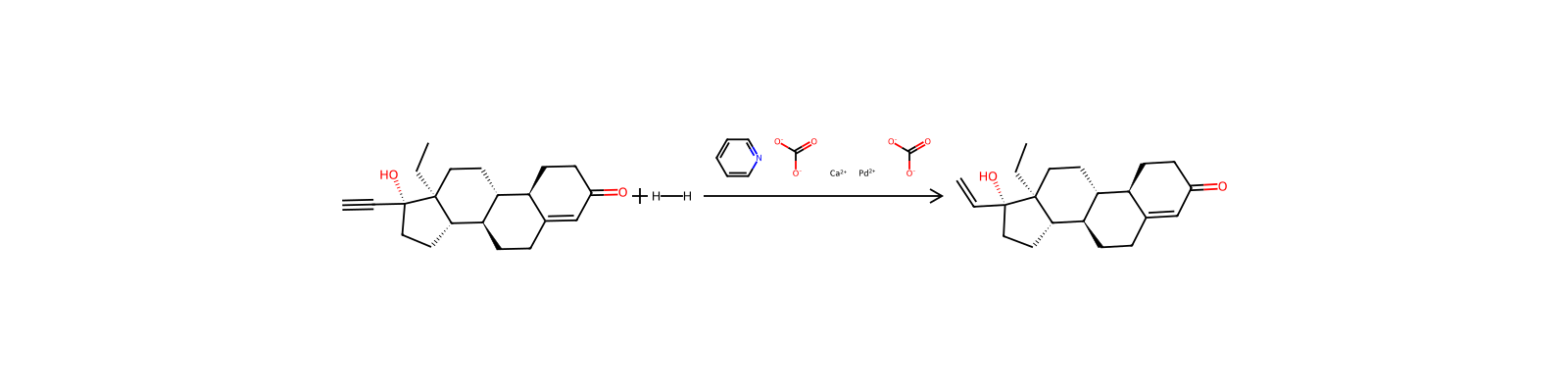
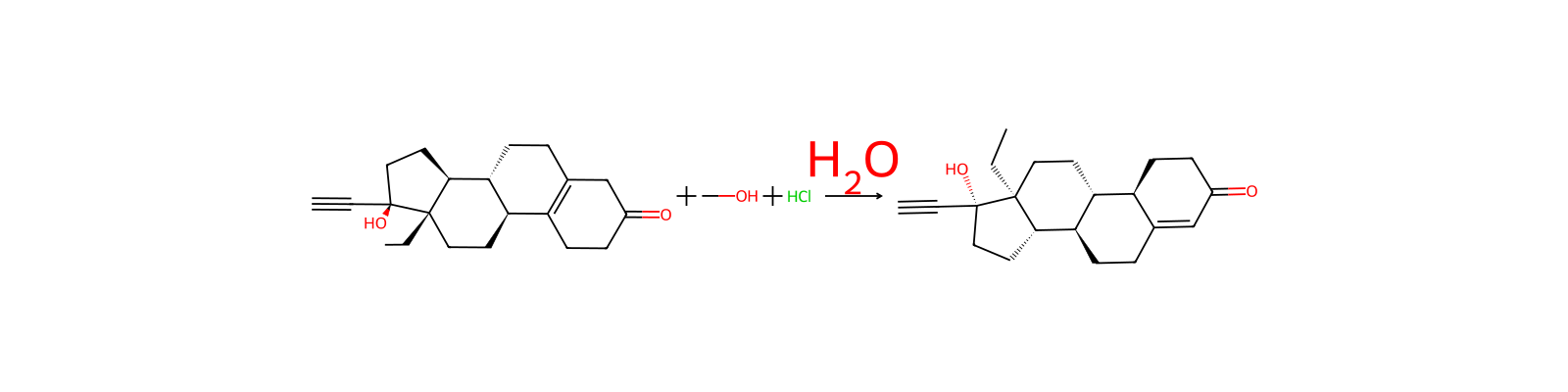
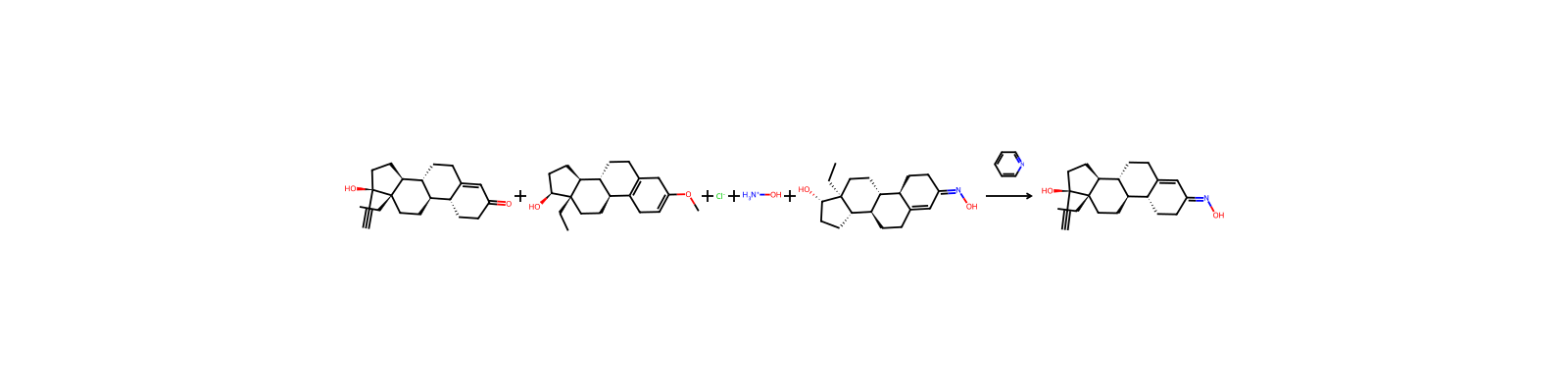
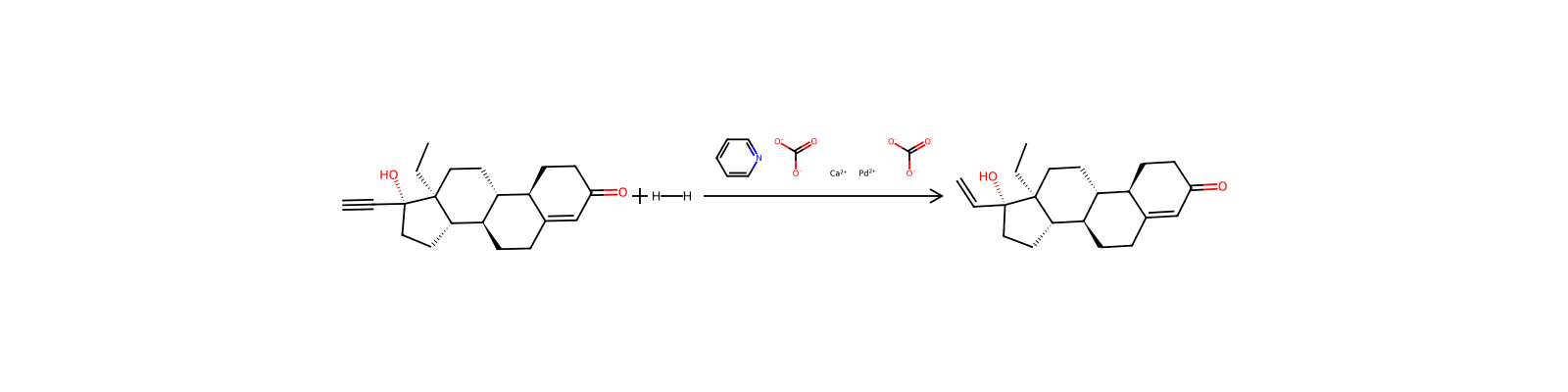
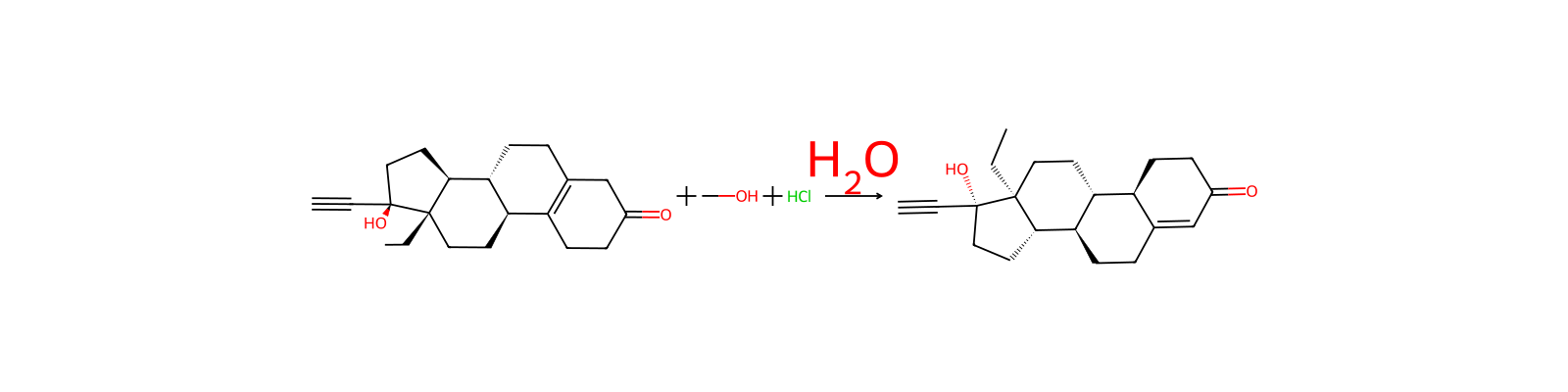
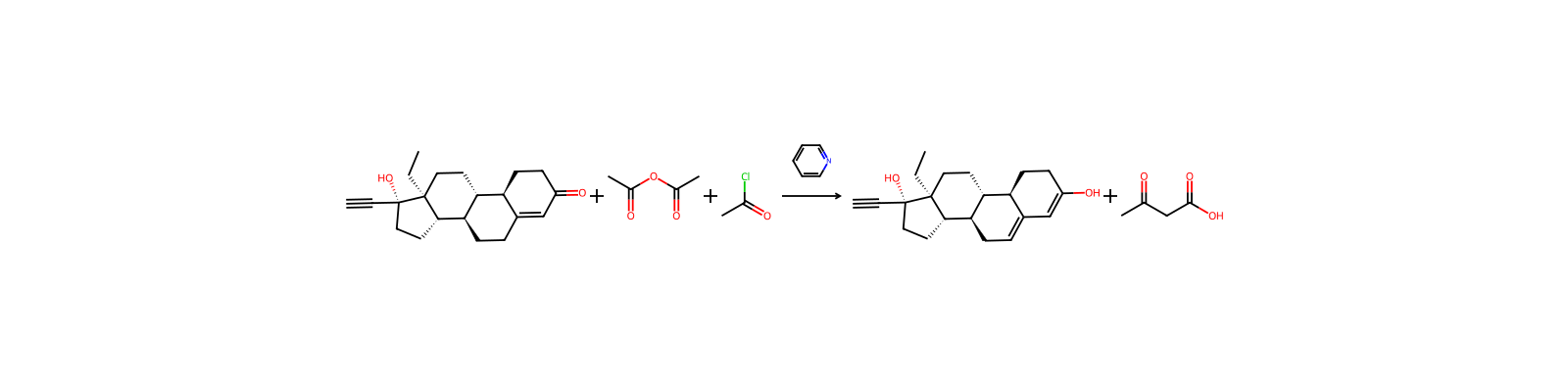
相关反应
9 条

关联笔记
加载中…