
基本信息
- 标准SMILES
[Na+].[OH-]- InChIKey
HEMHJVSKTPXQMS-UHFFFAOYSA-M- 分子式
- HNaO
- 平均分子量
- 39.997 g/mol
- 单同位素质量
- 39.99250893
名称与标识
- 首选名称
- Sodium Hydroxide
- IUPAC
- sodium hydroxide
- 中文名
- 氢氧化钠
- 英文名
- Sodium hydroxide
- 分子式
- NaOH
- 分子量
- 39.99711
名称与别名
SODIUM HYDROXIDE1310-73-2Caustic sodaSodium hydrateAetznatronSoda lyeWhite causticSoda, causticNatriumhydroxidRohrputzPlungCollo-Grillrein
展开更多名称
固碱火碱烧碱片碱液碱钠氧条碘化鉀苛性钠苛性碱哥士的NaOHCaustic Soda flakesNaOH 28 (aq)Caustic soda pearlCAUSTIC FLAKESIODINE SOLUTIONSODIUM HYDROXIDE SOLUTION, 50% W/W, REAGENT GRADESODIUM HYDROXIDE SOLUTION, 50% W/W, REAGENT GRADESODIUM HYDROXIDE SOLUTION, 50% W/W, REAGENT GRADESODIUM HYDROXIDE SOLUTION, 50% W/W, REAGENT GRADE
Collo-TapettaSodium hydroxide (Na(OH))Fuers RohrRohrreiniger RofixHydroxyde de sodiumNatriumhydroxydeSoda, hydrateSodium hydroxide dimer
数据库标识
- CAS
1310-73-2、81133-20-2- PubChem CID
- 14798
- DTXSID
DTXSID0029634- ChEMBL
CHEMBL2105794- ChEBI
CHEBI:32145- UNII
- 55X04QC32I
- EC Number
- 215-185-5、688-015-4
- Nikkaji
- J44.032I
性质
结构计算性质
- 极性表面积
- 1 Ų
- 氢键供体
- 1
- 氢键受体
- 1
- 可旋转键
- 0
- 重原子
- 2
- 形式电荷
- 0
- 复杂度
- 2
实验与物化性质
pH
Strongly alkaline (1 % solution)
pH of a 0.05% wt/wt solution about 12; 0.5% solution about 13; 5% solution about 14
Odor... Odorless ...
TasteDetection - the minimum physical intensity detection by a subject where he or she is not required to identify the stimulus but just detect the existence of the stimulus - in water: 8.00X10⁻³ mol/L.
Density
1.5 at 68 °F (USCG, 1999) - Denser than water; will sink
2.13 at 68 °F (USCG, 1999) - Denser than water; will sink
2.13 g/cu cm 25 °C
70-73 % solution: MP 62 °C; Density = 2.0 at 15.5 °C
2.1 g/cm³
2.13
Viscosity4.0 cP at 350 °C
Color/Form
White, orthogonal crystals
Colorless to white ... solid (flakes, beads, granular form).
Brittle, white, translucent crystalline solid
Solubility
111 % (NIOSH, 2024)
easily soluble in cold water, hot water
Very soluble in water. Freely soluble in ethanol
1 g dissolves in 7.2 mL absolute alcohol, 4.2 mL methanol; also soluble in glycerol
1 g dissolves in 0.9 mL water, 0.3 mL boiling water
Solubility in water, g/100ml at 20 °C: 109 (very good)
CorrosivityVery corrosive (caustic) to ... aluminum metal in presence of moisture
Boiling Point
greater than 266 °F at 760 mmHg (USCG, 1999)
Very high (USCG, 1999)
1388
1388 °C
1388 °C
2534 °F
DecompositionWhen heated to decomposition it emits toxic fumes of /sodium oxide/.
Melting Point
604 °F (USCG, 1999)
323
323 °C
318 °C
605 °F
323 °C
PolymerizationSRP4: Not polymerized
物理化学性质
- 熔点
- 681 °C · 681 °C(lit.)
- 沸点
- 1390 °C · 1390°C
- 密度
- 1.515 g/mL · 1.515 g/mL at 20 °C
- 蒸气密度
- 1 · <1 (vs air)
- 蒸气压
- 1 mm · 1 mm Hg ( 745 °C)
- 折射率
- 1 · 1,473-1,475
- 闪点
- 176 · 176-178°C
- 储存条件
- room temp
- 溶解度
- 2 O: · H2O: 1 M at 20 °C, clear, colorless
- 形态
- beads
- 比重
- 2.13 · 2.13
- 颜色
- White
- 气味 (Odor)
- Odorless
- PH值
- 10.98 · 10.98(1 mM solution);11.95(10 mM solution);12.88(100 mM solution);
- 酸碱指示剂变色ph值范围
- 13 · 13 - 14
- 水溶解性
- SOLUBLE
- 比热容
- 1.49 J/ · Cp(crystal): 1.49 J/(g·K); Cp(gas): 1.2 J/(g·K), at 25℃
- 最大波长(λmax)
- 260 nm · λ: 260 nm Amax: 0.015λ: 280 nm Amax: 0.01
- 敏感性
- Air Sensitive & Hygroscopic
- Decomposition
- 176 · 176-178 ºC
- Merck
- 14 · 14,8627
- 暴露限值
- 2 mg/m3OSHA:PEL-TWA · ACGIH:TLV-CEILING 2 mg/m3OSHA:PEL-TWA 2 mg/m3NIOSH:REL-Ceiling 2 mg/m3
- 介电常数
- 57.5 · 57.5(25℃)
- 稳定性
- hygroscopic
- 化妆品成分功效
- DENATURANTBUFFERING
- InChI
- 1S/Na.H2O/h;1H2/q+1;/p-1
- InChIKey
- HEMHJVSKTPXQMS-UHFFFAOYSA-M
- SMILES
- [OH-].[Na+]
- CAS 数据库
- 1310 · 1310-73-2(CAS DataBase Reference)
- NIST化学物质信息
- Sodium hydroxide(1310-73-2)
- EPA化学物质信息
- Sodium hydroxide (1310-73-2)
化学性质
纯品是无色透明的晶体。易溶于水,同时强烈放热。并溶于乙醇和甘油;不溶于丙酮、乙醚。露放在空气中,最后会完全溶解成溶液。
安全与法规
GHS分类
GHS Classification
Danger
H314: Causes severe skin burns and eye damage [Danger Skin corrosion/irritation]
P260, P264, P280, P301+P330+P331, P302+P361+P354, P304+P340, P305+P354+P338, P316, P321, P363, P405, and P501 (click each P-code to see the statement)
This chemical does not meet GHS hazard criteria for < 0.1% (4 of 6949) of reports.
危害信息
Regulatory Information
Chemical: Sodium hydroxide (Na(OH))
Hazard Traits - Dermatotoxicity; Ocular Toxicity; Respiratory Toxicity;Authoritative List - OEHHA RELs;Report - if used as a fragrance or flavor ingredient
Regulation (EC) No 1831/2003 (amended)
Sodium hydroxide (Na(OH)) is listed on the EPA's Chemical Data Reporting (CDR) system. Manufacturers and importers of Sodium hydroxide (Na(OH)) are required to report information about their production and use of this chemical to the EPA under the Toxic Substances Control Act (TSCA). (40 eCFR Part 711)
2004/129/EC
Status: Active Update: 11-05-2023 https://echa.europa.eu/registration-dossier/-/registered-dossier/15566;Status: Active Update: 13-07-2021 https://echa.europa.eu/registration-dossier/-/registered-dossier/24304;Status: Cease Manufacture Update: 29-05-2013 https://echa.europa.eu/registration-dossier/-/registered-dossier/7515
Other Safety InformationIMAP assessments - Sodium hydroxide (Na(OH)): Environment tier I assessment;IMAP assessments - Sodium hydroxide: Human health tier II assessment
DOT Label
Corrosive
Corrosive
Fire Hazards
Excerpt from ERG Guide 154 [Substances - Toxic and/or Corrosive (Non-Combustible)]:;Non-combustible, substance itself does not burn but may decompose upon heating to produce corrosive and/or toxic fumes. Some are oxidizers and may ignite combustibles (wood, paper, oil, clothing, etc.). Corrosives in contact with metals may evolve flammable hydrogen gas. Containers may explode when heated. For electric vehicles or equipment, ERG Guide 147 (lithium ion or sodium ion batteries) or ERG Guide 138 (sodium batteries) should also be consulted. (ERG, 2024)
Excerpt from ERG Guide 154 [Substances - Toxic and/or Corrosive (Non-Combustible)]:;Non-combustible, substance itself does not burn but may decompose upon heating to produce corrosive and/or toxic fumes. Some are oxidizers and may ignite combustibles (wood, paper, oil, clothing, etc.). Corrosives in contact with metals may evolve flammable hydrogen gas. Containers may explode when heated. For electric vehicles or equipment, ERG Guide 147 (lithium ion or sodium ion batteries) or ERG Guide 138 (sodium batteries) should also be consulted. (ERG, 2024)
· Non-combustible, substance itself does not burn but may decompose upon heating to produce corrosive and/or toxic fumes.;· Some are oxidizers and may ignite combustibles (wood, paper, oil, clothing, etc.).;· Corrosives in contact with metals may evolve flammable hydrogen gas.;· Containers may explode when heated.;· For electric vehicles or equipment, GUIDE 147 (lithium ion or sodium ion batteries) or GUIDE 138 (sodium batteries) should also be consulted.
· Non-combustible, substance itself does not burn but may decompose upon heating to produce corrosive and/or toxic fumes.;· Some are oxidizers and may ignite combustibles (wood, paper, oil, clothing, etc.).;· Corrosives in contact with metals may evolve flammable hydrogen gas.;· Containers may explode when heated.;· For electric vehicles or equipment, GUIDE 147 (lithium ion or sodium ion batteries) or GUIDE 138 (sodium batteries) should also be consulted.
· Non-combustible, substance itself does not burn but may decompose upon heating to produce corrosive and/or toxic fumes.;· Some are oxidizers and may ignite combustibles (wood, paper, oil, clothing, etc.).;· Corrosives in contact with metals may evolve flammable hydrogen gas.;· Containers may explode when heated.;· For electric vehicles or equipment, GUIDE 147 (lithium ion or sodium ion batteries) or GUIDE 138 (sodium batteries) should also be consulted.
· Non-combustible, substance itself does not burn but may decompose upon heating to produce corrosive and/or toxic fumes.;· Some are oxidizers and may ignite combustibles (wood, paper, oil, clothing, etc.).;· Corrosives in contact with metals may evolve flammable hydrogen gas.;· Containers may explode when heated.;· For electric vehicles or equipment, GUIDE 147 (lithium ion or sodium ion batteries) or GUIDE 138 (sodium batteries) should also be consulted.
Fire PotentialNot combustible.
Health Hazards
Causes severe burns of eyes, skin, and mucous membranes. (USCG, 1999)
Strong corrosive action on contacted tissues. INHALATION: dust may cause damage to upper respiratory tract and lung itself, producing from mild nose irritation to pneumonitis. INGESTION: severe damage to mucous membranes; severe scar formation or perforation may occur. EYE CONTACT: produces severe damage. (USCG, 1999)
· TOXIC and/or CORROSIVE; inhalation, ingestion or skin contact with material may cause severe injury or death.;· Contact with molten substance may cause severe burns to skin and eyes.;· Avoid any skin contact.;· Fire may produce irritating, corrosive and/or toxic gases.;· Runoff from fire control or dilution water may be corrosive and/or toxic and cause environmental contamination.
· TOXIC and/or CORROSIVE; inhalation, ingestion or skin contact with material may cause severe injury or death.;· Contact with molten substance may cause severe burns to skin and eyes.;· Avoid any skin contact.;· Fire may produce irritating, corrosive and/or toxic gases.;· Runoff from fire control or dilution water may be corrosive and/or toxic and cause environmental contamination.
· TOXIC and/or CORROSIVE; inhalation, ingestion or skin contact with material may cause severe injury or death.;· Contact with molten substance may cause severe burns to skin and eyes.;· Avoid any skin contact.;· Fire may produce irritating, corrosive and/or toxic gases.;· Runoff from fire control or dilution water may be corrosive and/or toxic and cause environmental contamination.
· TOXIC and/or CORROSIVE; inhalation, ingestion or skin contact with material may cause severe injury or death.;· Contact with molten substance may cause severe burns to skin and eyes.;· Avoid any skin contact.;· Fire may produce irritating, corrosive and/or toxic gases.;· Runoff from fire control or dilution water may be corrosive and/or toxic and cause environmental contamination.
Hazards Summary
At room temperature, sodium hydroxide is a white crystalline odorless solid that absorbs moisture from the air. It is a manufactured substance. When dissolved in water or neutralized with acid it liberates substantial heat, which may be sufficient to ignite combustible materials. Sodium hydroxide is very corrosive. It is generally used as a solid or a 50% solution. Other common names include caustic soda and lye. Sodium hydroxide is used to manufacture soaps, rayon, paper, explosives, dyestuffs, and petroleum products. It is also used in processing cotton fabric, laundering and bleaching, metal cleaning and processing, oxide coating, electroplating, and electrolytic extracting. It is commonly present in commercial drain and oven cleaners.
Liquid causes second or third degree burns after short contact; [CHRIS] In studies using rabbits, instillation by oral intubation caused within 10 seconds: erosion into the stomach muscle with 12% solutions; perforation with 28% solutions; and no damage with 1% solutions. Application to the skin of a 5% solution caused severe necrosis after 4 hours. Application of a 1% solution to the eyes caused no damage if the eyes were immediately irrigated. [ACGIH] Solutions > 30% are highly corrosive to skin. [Quick CPC] Inhalation of the aerosol can cause pulmonary edema. [ICSC]
DOT ID and Guide
1824 154
1823 154
1824 154
1823 154
1823 154(dry, solid)
1824 154(solution)
FDA Requirements
Substance added directly to human food affirmed as generally recognized as safe (GRAS).
Sodium hydroxide used as a general purpose food additive in animal drugs, feeds, and related products is generally recognized as safe when used in accordance with good manufacturing or feeding practice.
Reactive Group
Bases, Strong;Water and Aqueous Solutions
Bases, Strong
EC ClassificationSymbol: C; R: 35; S: (1/2)-26-37/39-45
UN ClassificationUN Hazard Class: 8; UN Pack Group: II
安全与防护
Fire Fighting
Excerpt from ERG Guide 154 [Substances - Toxic and/or Corrosive (Non-Combustible)]:;SMALL FIRE: Dry chemical, CO2 or water spray.;LARGE FIRE: Dry chemical, CO2, alcohol-resistant foam or water spray. If it can be done safely, move undamaged containers away from the area around the fire. Dike runoff from fire control for later disposal.;FIRE INVOLVING TANKS, RAIL TANK CARS OR HIGHWAY TANKS: Fight fire from maximum distance or use unmanned master stream devices or monitor nozzles. Do not get water inside containers. Cool containers with flooding quantities of water until well after fire is out. Withdraw immediately in case of rising sound from venting safety devices or discoloration of tank. ALWAYS stay away from tanks in direct contact with flames. (ERG, 2024)
Excerpt from ERG Guide 154 [Substances - Toxic and/or Corrosive (Non-Combustible)]:;SMALL FIRE: Dry chemical, CO2 or water spray.;LARGE FIRE: Dry chemical, CO2, alcohol-resistant foam or water spray. If it can be done safely, move undamaged containers away from the area around the fire. Dike runoff from fire control for later disposal.;FIRE INVOLVING TANKS, RAIL TANK CARS OR HIGHWAY TANKS: Fight fire from maximum distance or use unmanned master stream devices or monitor nozzles. Do not get water inside containers. Cool containers with flooding quantities of water until well after fire is out. Withdraw immediately in case of rising sound from venting safety devices or discoloration of tank. ALWAYS stay away from tanks in direct contact with flames. (ERG, 2024)
In case of fire in the surroundings, use appropriate extinguishing media.
First Aid Measures
Fresh air, rest. Refer immediately for medical attention.
Remove contaminated clothes. Rinse skin with plenty of water or shower for at least 15 minutes. Refer immediately for medical attention.
First rinse with plenty of water for several minutes (remove contact lenses if easily possible), then refer for medical attention.
Rinse mouth. Do NOT induce vomiting. If within a few minutes after ingestion, one small glass of water may be given to drink. Refer immediately for medical attention.
Accidental Release Measures
· CALL 911. Then call emergency response telephone number on shipping paper. If shipping paper not available or no answer, refer to appropriate telephone number listed on the inside back cover.;· Keep unauthorized personnel away.;· Stay upwind, uphill and/or upstream.;· Ventilate closed spaces before entering, but only if properly trained and equipped.
· ELIMINATE all ignition sources (no smoking, flares, sparks or flames) from immediate area.;· Do not touch damaged containers or spilled material unless wearing appropriate protective clothing.;· Stop leak if you can do it without risk.;· Prevent entry into waterways, sewers, basements or confined areas.;· Absorb or cover with dry earth, sand or other non-combustible material and transfer to containers.;· DO NOT GET WATER INSIDE CONTAINERS.
First Aid
(Act quickly);EYES: flush with water at once for at least 15 min.;SKIN: flush with water, then rinse with dilute vinegar (acetic acid).;INGESTION: give water and milk. Do NOT induce vomiting. Call physician at once, even when injury seems to be slight. (USCG, 1999)
Excerpt from NIOSH Pocket Guide for Sodium hydroxide:;Eye: IRRIGATE IMMEDIATELY - If this chemical contacts the eyes, immediately wash (irrigate) the eyes with large amounts of water, occasionally lifting the lower and upper lids. Get medical attention immediately.;Skin: WATER FLUSH IMMEDIATELY - If this chemical contacts the skin, immediately flush the contaminated skin with water. If this chemical penetrates the clothing, immediately remove the clothing and flush the skin with water. Get medical attention promptly.;Breathing: RESPIRATORY SUPPORT - If a person breathes large amounts of this chemical, move the exposed person to fresh air at once. If breathing has stopped, perform artificial respiration. Keep the affected person warm and at rest. Get medical attention as soon as possible.;Swallow: MEDICAL ATTENTION IMMEDIATELY - If this chemical has been swallowed, get medical attention immediately. (NIOSH, 2024)
General First Aid:;· Call 911 or emergency medical service.;· Ensure that medical personnel are aware of the material(s) involved, take precautions to protect themselves and avoid contamination.;· Move victim to fresh air if it can be done safely.;· Administer oxygen if breathing is difficult.;· If victim is not breathing:;-- DO NOT perform mouth-to-mouth resuscitation; the victim may have ingested or inhaled the substance.;-- If equipped and pulse detected, wash face and mouth, then give artificial respiration using a proper respiratory medical device (bag-valve mask, pocket mask equipped with a one-way valve or other device).;-- If no pulse detected or no respiratory medical device available, provide continuous compressions. Conduct a pulse check every two minutes or monitor for any signs of spontaneous respirations.;· Remove and isolate contaminated clothing and shoes.;· For minor skin contact, avoid spreading material on unaffected skin.;· In case of contact with substance, remove immediately by flushing skin or eyes with running water for at least 20 minutes.;· For severe burns, immediate medical attention is required.;· Effects of exposure (inhalation, ingestion, or skin contact) to substance may be delayed.;· Keep victim calm and warm.;· Keep victim under observation.;· For further assistance, contact your local Poison Control Center.;· Note: Basic Life Support (BLS) and Advanced Life Support (ALS) should be done by trained professionals.;Specific First Aid:;· For corrosives, in case of contact, immediately flush skin or eyes with running water for at least 30 minutes. Additional flushing may be required.
General First Aid:;· Call 911 or emergency medical service.;· Ensure that medical personnel are aware of the material(s) involved, take precautions to protect themselves and avoid contamination.;· Move victim to fresh air if it can be done safely.;· Administer oxygen if breathing is difficult.;· If victim is not breathing:;-- DO NOT perform mouth-to-mouth resuscitation; the victim may have ingested or inhaled the substance.;-- If equipped and pulse detected, wash face and mouth, then give artificial respiration using a proper respiratory medical device (bag-valve mask, pocket mask equipped with a one-way valve or other device).;-- If no pulse detected or no respiratory medical device available, provide continuous compressions. Conduct a pulse check every two minutes or monitor for any signs of spontaneous respirations.;· Remove and isolate contaminated clothing and shoes.;· For minor skin contact, avoid spreading material on unaffected skin.;· In case of contact with substance, remove immediately by flushing skin or eyes with running water for at least 20 minutes.;· For severe burns, immediate medical attention is required.;· Effects of exposure (inhalation, ingestion, or skin contact) to substance may be delayed.;· Keep victim calm and warm.;· Keep victim under observation.;· For further assistance, contact your local Poison Control Center.;· Note: Basic Life Support (BLS) and Advanced Life Support (ALS) should be done by trained professionals.;Specific First Aid:;· For corrosives, in case of contact, immediately flush skin or eyes with running water for at least 30 minutes. Additional flushing may be required.
General First Aid:;· Call 911 or emergency medical service.;· Ensure that medical personnel are aware of the material(s) involved, take precautions to protect themselves and avoid contamination.;· Move victim to fresh air if it can be done safely.;· Administer oxygen if breathing is difficult.;· If victim is not breathing:;-- DO NOT perform mouth-to-mouth resuscitation; the victim may have ingested or inhaled the substance.;-- If equipped and pulse detected, wash face and mouth, then give artificial respiration using a proper respiratory medical device (bag-valve mask, pocket mask equipped with a one-way valve or other device).;-- If no pulse detected or no respiratory medical device available, provide continuous compressions. Conduct a pulse check every two minutes or monitor for any signs of spontaneous respirations.;· Remove and isolate contaminated clothing and shoes.;· For minor skin contact, avoid spreading material on unaffected skin.;· In case of contact with substance, remove immediately by flushing skin or eyes with running water for at least 20 minutes.;· For severe burns, immediate medical attention is required.;· Effects of exposure (inhalation, ingestion, or skin contact) to substance may be delayed.;· Keep victim calm and warm.;· Keep victim under observation.;· For further assistance, contact your local Poison Control Center.;· Note: Basic Life Support (BLS) and Advanced Life Support (ALS) should be done by trained professionals.;Specific First Aid:;· For corrosives, in case of contact, immediately flush skin or eyes with running water for at least 30 minutes. Additional flushing may be required.
General First Aid:;· Call 911 or emergency medical service.;· Ensure that medical personnel are aware of the material(s) involved, take precautions to protect themselves and avoid contamination.;· Move victim to fresh air if it can be done safely.;· Administer oxygen if breathing is difficult.;· If victim is not breathing:;-- DO NOT perform mouth-to-mouth resuscitation; the victim may have ingested or inhaled the substance.;-- If equipped and pulse detected, wash face and mouth, then give artificial respiration using a proper respiratory medical device (bag-valve mask, pocket mask equipped with a one-way valve or other device).;-- If no pulse detected or no respiratory medical device available, provide continuous compressions. Conduct a pulse check every two minutes or monitor for any signs of spontaneous respirations.;· Remove and isolate contaminated clothing and shoes.;· For minor skin contact, avoid spreading material on unaffected skin.;· In case of contact with substance, remove immediately by flushing skin or eyes with running water for at least 20 minutes.;· For severe burns, immediate medical attention is required.;· Effects of exposure (inhalation, ingestion, or skin contact) to substance may be delayed.;· Keep victim calm and warm.;· Keep victim under observation.;· For further assistance, contact your local Poison Control Center.;· Note: Basic Life Support (BLS) and Advanced Life Support (ALS) should be done by trained professionals.;Specific First Aid:;· For corrosives, in case of contact, immediately flush skin or eyes with running water for at least 30 minutes. Additional flushing may be required.
Safe StorageSeparated from food and feedstuffs, strong acids and metals. Store only in original container. Dry. Well closed. Store in an area without drain or sewer access.
Exposure Control and Personal Protection
· Wear positive pressure self-contained breathing apparatus (SCBA).;· Wear chemical protective clothing that is specifically recommended by the manufacturer when there is NO RISK OF FIRE.;· Structural firefighters' protective clothing provides thermal protection but only limited chemical protection.
· Wear positive pressure self-contained breathing apparatus (SCBA).;· Wear chemical protective clothing that is specifically recommended by the manufacturer when there is NO RISK OF FIRE.;· Structural firefighters' protective clothing provides thermal protection but only limited chemical protection.
· Wear positive pressure self-contained breathing apparatus (SCBA).;· Wear chemical protective clothing that is specifically recommended by the manufacturer when there is NO RISK OF FIRE.;· Structural firefighters' protective clothing provides thermal protection but only limited chemical protection.
· Wear positive pressure self-contained breathing apparatus (SCBA).;· Wear chemical protective clothing that is specifically recommended by the manufacturer when there is NO RISK OF FIRE.;· Structural firefighters' protective clothing provides thermal protection but only limited chemical protection.
Fire Fighting Procedures
Extinguish fire using agent suitable for surrounding fire. Use water spray to keep fire-exposed containers cool.
If material on fire or involved in fire: Extinguish fire using agent suitable for type of surrounding fire. (Material itself does not burn or burns with difficulty.) Use "alcohol" foam, dry chemical or carbon dioxide. Keep run-off water out of sewers and water sources.
Storage Conditions
CONTAINERS SHOULD BE STORED IN ROOMS WITH TRAPPED FLOOR DRAINS TOWARDS WHICH FLOORS SHOULD BE SLANTED. WHERE FLOOR DRAINS ARE NOT PROVIDED, CURBS OR DRAINED GUTTER, COVERED WITH ... GRILL, SHOULD BE CONSTRUCTED @ DOOR OPENINGS.
Volumetric sodium hydroxide soln used in laboratory must be protected from air to avoid formation of carbonate.
Store in a cool, dry, well-ventilated location. Separate from organic and oxidizing materials, acids, metal powders. Immediately remove and properly dispose of any spilled material.
Cleanup Methods
On/in soil (solid): Construct barriers to convert or divert to impervious surface. Promptly shovel into steel containers.
Soil, Liquid: Absorb small amounts of spill with sand, vermiculite or other inert absorbant material; Shovel into steel containers. May also remove material with vacuum equipment.
Environment considerations - Land spill:: Dig a pit, pond, lagoon, or holding area to contain liquid or solid material. Dike surface flow using soil, sand bags, foamed polyurethane, or foamed concrete. Absorb bulk liquid with fly ash of cement powder.
Environmental considerations - Water spill: Use natural barriers or oil spill control booms to limit spill travel. Neutralize with dilute acid.
For more Cleanup Methods (Complete) data for SODIUM HYDROXIDE (6 total), please visit the HSDB record page.
Nonfire Spill Response
Excerpt from ERG Guide 154 [Substances - Toxic and/or Corrosive (Non-Combustible)]:;ELIMINATE all ignition sources (no smoking, flares, sparks or flames) from immediate area. Do not touch damaged containers or spilled material unless wearing appropriate protective clothing. Stop leak if you can do it without risk. Prevent entry into waterways, sewers, basements or confined areas. Absorb or cover with dry earth, sand or other non-combustible material and transfer to containers. DO NOT GET WATER INSIDE CONTAINERS. (ERG, 2024)
Excerpt from ERG Guide 154 [Substances - Toxic and/or Corrosive (Non-Combustible)]:;ELIMINATE all ignition sources (no smoking, flares, sparks or flames) from immediate area. Do not touch damaged containers or spilled material unless wearing appropriate protective clothing. Stop leak if you can do it without risk. Prevent entry into waterways, sewers, basements or confined areas. Absorb or cover with dry earth, sand or other non-combustible material and transfer to containers. DO NOT GET WATER INSIDE CONTAINERS. (ERG, 2024)
Disposal Methods
SRP: The most favorable course of action is to use an alternative chemical product with less inherent propensity for occupational harm/injury/toxicity or environmental contamination. Recycle any unused portion of the material for its approved use or return it to the manufacturer or supplier. Ultimate disposal of the chemical must consider: the material's impact on air quality; potential migration in soil or water; effects on animal and plant life; and conformance with environmental and public health regulations.
Following neutralization either at the spill site or at a waste management facility, the resultant sludge can be disposed of in a secure landfill.
SRP: Wastewater from contaminant suppression, cleaning of protective clothing/equipment, or contaminated sites should be contained and evaluated for subject chemical or decomposition product concentrations. Concentrations shall be lower than applicable environmental discharge or disposal criteria. Alternatively, pretreatment and/or discharge to a permitted wastewater treatment facility is acceptable only after review by the governing authority and assurance that "pass through" violations will not occur. Due consideration shall be given to remediation worker exposure (inhalation, dermal and ingestion) as well as fate during treatment, transfer and disposal. If it is not practicable to manage the chemical in this fashion, it must be evaluated in accordance with EPA 40 CFR Part 261, specifically Subpart B, in order to determine the appropriate local, state and federal requirements for disposal.
Put into large vessel containing water. Neutralize with HCL /hydrochloric acid/. Discharge into the sewer with sufficient water. Recommendable methods: Neutralization & discharge to sewer. Peer review: Dilute greatly (< pH 9) before discharge. (Peer-review conclusions of an IRPTC expert consultation (May 1985))
Spillage Disposal
Personal protection: chemical protection suit including self-contained breathing apparatus. Do NOT let this chemical enter the environment. Sweep spilled substance into covered plastic containers. Carefully collect remainder. Then store and dispose of according to local regulations.
毒理信息
Interactions
An experimental study was conducted to investigate the effects of erythropoietin on the acute phase of esophageal burn damage induced by sodium hydroxide. A standard esophageal alkaline burn was produced by the application of 10% sodium hydroxide to the distal esophagus in an in vivo rat model. Fifty-six female rats were allocated into three groups: Group BC (baseline control, n = 8) rats were uninjured and untreated, Group PC (positive control, n = 24) rats were injured but untreated and Group EPO (erythropoietin-treated, n = 24) rats were injured and given subcutaneous erythropoietin (1,000 IU/kg per day), 15 min, 24, and 48 hr after administration of the NaOH solution. Six animals from Group PC and six from Group EPO were killed at 4, 24, 48, and 72 hr after application of NaOH to the esophagus. All of animals in Group BC were killed 4 hr after exposure to 0.9% NaCl. Oxidative damage was assessed by measuring levels of malondialdehyde (MDA) and nitric oxide (NO), and activities of superoxide dismutase (SOD) and catalase (CAT) in homogenized samples of esophageal tissue. Histologic damage to esophageal tissue was scored by a single pathologist blind to groups. MDA levels in the BC and EPO groups were significantly lower than those in the PC group (p < 0.05). CAT and SOD activities, and NO levels in the BC and EPO groups were significantly higher than in the PC group (p < 0.05). Esophageal tissue damage measured at 4, 24, 48, and 72 hr after NaOH application was significantly less in the EPO group than in the PC group (p < 0.05). When administered early after an esophageal burn induced by 10% sodium hydroxide in this rat model, erythropoietin significantly attenuated oxidative damage, as measured by biochemical markers and histologic scoring.
SRP4: Interacts with acid salts to form bases.
... Esophageal burns were induced in male rats by the administration of 10% sodium hydroxide. Lipid peroxidation (LPO) products were then measured at the following times: 0, 1, 6, 24, 48 and 72 hr after treatment. Tissue hydroxyproline (HP) concentrations in the injured area were assessed at 14 days after the administration of sodium hydroxide. The groups received either systemic melatonin or normal saline. There were two, non-ischemic, sham control groups treated with or without melatonin. LPO products, malondialdehyde (MDA) and 4-hydroxyalkenal (4-HDA), increased immediately after the administration of sodium hydroxide; this indicates the participation of free radicals in the development of damage. Melatonin diminished the oxidative response and the amount of HP in the late phase of the lesion. Melatonin reduced oxidative damage in the early phase of the esophageal burns induced by sodium hydroxide.
/SRP: Experimental/ The gastric damaging effects of necrotizing concn of sodium hydroxide were strongly reduced by paracetamol. ... Paracetamol might be protective by stimulating the biosynthesis of prostaglandins in the stomach wall.
For more Interactions (Complete) data for SODIUM HYDROXIDE (6 total), please visit the HSDB record page.
Target OrgansEyes, skin, respiratory system
Ecotoxicity Values
EC50; Species: Ceriodaphnia dubia (Water Flea) age <24 hr neonate; Conditions: freshwater, static, 23 °C; Concentration: 40380 ug/L for 48 hr (95% confidence interval: 34590-47130 ug/L); Effect: intoxication, immobilization /100% purity/
LC50; Species: Carassius auratus (Goldfish); Conditions: freshwater, static; Concentration: 160000 ug/L for 24 hr
LC100; Species: Cyprinus carpio; Concentration: 180 ppm for 24 hr at 25 °C /Conditions of bioassay not specified in source examined/
LC50; Species: Poecilia reticulata (Guppy) age 3-4 week young organisms; Conditions: saltwater, renewal, 24 °C, pH >9.8-<10.0, salinity 2.8%, dissolved oxygen > or =70% saturated; Concentration: 209000 ug/L for 24 hr (95% confidence interval: 153000-286000 ug/L) /98.6% purity/
For more Ecotoxicity Values (Complete) data for SODIUM HYDROXIDE (6 total), please visit the HSDB record page.
Environmental Fate
AQUATIC FATE: In the case of a solid, anhydrous sodium hydroxide spill on soil, ground water pollution will occur if precipitation occurs prior to clean up. Precipitation will dissolve some of the solid (with much heat given off) and create an aqueous solution of sodium hydroxide, which then would be able to infiltrate the soil. However, prediction of the concentration and properties of the solution produced would be difficult.
Adverse EffectsDermatotoxin - Skin burns.;Toxic Pneumonitis - Inflammation of the lungs induced by inhalation of metal fumes or toxic gases and vapors.
Exposure Routes
Serious local effects by all routes of exposure.
inhalation, ingestion, skin and/or eye contact
Toxicity Summary
The CIR Expert Panel concluded that ... Sodium Hydroxide is safe in hair straighteners and depilatories under conditions of recommended use; users should minimize skin contact. These ingredients are safe for all other present practices of use and concentration described in this safety assessment when formulated to be nonirritating.
Safe for use in cosmetics, with qualifications
Ecotoxicity Excerpts
/AQUATIC SPECIES/ Concentration 20-100 mg/L in water kills some species of aquatic wildlife due to increase in pH.
/AQUATIC SPECIES/ Chronic exposure of guppies to sodium hydroxide (> or =25 mg/L) decreased their survival rate and weight gain, and caused either late or premature sexual maturity resulting in decreased fertility.
Signs and Symptoms
Cough. Sore throat. Burning sensation. Shortness of breath.
Redness. Pain. Serious skin burns. Blisters.
Redness. Pain. Blurred vision. Severe burns.
Abdominal pain. Burns in mouth and throat. Burning sensation in the throat and chest. Nausea. Vomiting. Shock or collapse.
irritation eyes, skin, mucous membrane; pneumonitis; eye, skin burns; temporary loss of hair
Effluent Concentrations
Estimated emissions of sodium hydroxide as one of the typical pollutants released from the synthetic organic chemical manufacturing industry (production/processing) may range from (unit process, product): alkylation, ethylbenzene, 1.9 to 21.5; condensation, polyethylene terephthalate, 0.065 to 23.1; dehydrogenation, isoprene, 0.5 to 19; dehydrohalogenation, vinylidene chloride, 45.5 to 605.5; polymerization, polyethylene terephthalate, 0.1 to 23.1 (all in g/kg produced)(1). The compound was spilled at an estimated 3,500 gallons into the Newark Bay on October 1991 from the Gist Brocades facility(2). Sodium hydroxide was involved in 2.6% of 6,928 chemical accidents in the US over a 5 year period up to 1985 at a reportable quantity of 2200 kg(3).
ICSC Environmental DataThis substance may be hazardous to the environment. Special attention should be given to aquatic organisms.
Medical Surveillance
The skin, eyes, and respiratory tract should receive special attention in any placement or periodic examination. NIOSH recommends that workers subject to sodium hydroxide exposure have comprehensive preplacement medical examinations. Medical examinations shall be made available promptly to all workers with signs or symptoms of skin, eye, or upper respiratory tract irritation resulting from exposure to sodium hydoxide.
法规信息
Regulatory Information
Chemical: Sodium hydroxide (Na(OH))
Hazard Traits - Dermatotoxicity; Ocular Toxicity; Respiratory Toxicity;Authoritative List - OEHHA RELs;Report - if used as a fragrance or flavor ingredient
Regulation (EC) No 1831/2003 (amended)
Sodium hydroxide (Na(OH)) is listed on the EPA's Chemical Data Reporting (CDR) system. Manufacturers and importers of Sodium hydroxide (Na(OH)) are required to report information about their production and use of this chemical to the EPA under the Toxic Substances Control Act (TSCA). (40 eCFR Part 711)
2004/129/EC
Status: Active Update: 11-05-2023 https://echa.europa.eu/registration-dossier/-/registered-dossier/15566;Status: Active Update: 13-07-2021 https://echa.europa.eu/registration-dossier/-/registered-dossier/24304;Status: Cease Manufacture Update: 29-05-2013 https://echa.europa.eu/registration-dossier/-/registered-dossier/7515
FDA Requirements
Substance added directly to human food affirmed as generally recognized as safe (GRAS).
Sodium hydroxide used as a general purpose food additive in animal drugs, feeds, and related products is generally recognized as safe when used in accordance with good manufacturing or feeding practice.
FIFRA Requirements
Residues of sodium hydroxide are exempted from the requirement of a tolerance when used in accordance with good agricultural practice as inert (or occasionally active) ingredients in pesticide formulations applied to growing crops or to raw agricultural commodities after harvest. Use: neutralizer. Limit: none.
Residues of sodium hydroxide are exempted from the requirement of a tolerance when used in accordance with good agricultural practice as inert (or occasionally active) ingredients in pesticide formulations applied to animals. Use: neutralizer. Limit: none.
The Agency has completed its review of all available information, and has determined that the data are sufficient to support reregistration of products containing sodium hydroxide. ... The Agency therefore finds that products containing sodium hydroxide as an active ingredient are eligible for reregistration. ... Although the Agency has found that certain products containing sodium hydroxide are eligible for registration, it should be understood that the Agency may take appropriate regulatory action, and/or require the submission of additional data to support the registration of products containing sodium hydroxide, if new information comes to the Agency's attention or if the data requirements for reregistration (or the guidelines for generating such data) change.
As the federal pesticide law FIFRA directs, EPA is conducting a comprehensive review of older pesticides to consider their health and environmental effects and make decisions about their continued use. Under this pesticide reregistration program, EPA examines newer health and safety data for pesticide active ingredients initially registered before November 1, 1984, and determines whether the use of the pesticide does not pose unreasonable risk in accordance to newer saftey standards, such as those described in the Food Quality Protection Act of 1996. Pesticides for which EPA had not issued Registration Standards prior to the effective date of FIFRA '88 were divided into three lists based upon their potential for human exposure and other factors, with List B containing pesticides of greater concern than those on List C, and with List C containing pesticides of greater concern than those on List D. Sodium hydroxide is found on List D. Case No: 4065; Pesticide type: fungicide, herbicide, antimicrobial; Case Status: RED Approved 09/92; OPP has made a decision that some/all uses of the pesticide are eligible for reregistration, as reflected in a Reregistration Eligibility Decision (RED) document .; Active ingredient (AI): sodium hydroxide; Data Call-in (DCI) Date(s): 09/30/92; AI Status: OPP has completed a Reregistration Eligibility Decision (RED) document for the case/AI.
CERCLA Reportable Quantities
Persons in charge of vessels or facilities are required to notify the National Response Center (NRC) immediately, when there is a release of this designated hazardous substance, in an amount equal to or greater than its reportable quantity of 1000 lb or 454 kg. The toll free number of the NRC is (800) 424-8802. The rule for determining when notification is required is stated in 40 CFR 302.4 (section IV.D.3.b).
Clean Water Act Requirements
Sodium hydroxide is designated as a hazardous substance under section 311(b)(2)(A) of the Federal Water Pollution Control Act and further regulated by the Clean Water Act Amendments of 1977 and 1978. These regulations apply to discharges of this substance. This designation includes any isomers and hydrates, as well as any solutions and mixtures containing this substance.
安全数据
- F
- 8
- wgk
- 1
- tsca
- TSCA listed
- 毒性
- LD orally in rabbits: 500 mg/kg (10% soln) (Fazekas)
- RTECS号
- TT2975000
- 包装类别
- II
- 危险等级
- 8
- 存储类别
- 8B - Non-combustible corrosive hazardous materials
- 安全说明
- 26-45-37/39-24/25-36/37/39
- 海关编码
- 2815 11 00
- 危险品标志
- C,Xi
- 危险性类别
- Eye Dam. 1Met. Corr. 1Skin Corr. 1A
- 危险类别码
- 36/38-35-34
- 毒害物质数据
- 1310-73-2(Hazardous Substances Data)
- 职业暴露限值
- Ceiling: 2 mg/m3
- 危险品运输编号
- UN 1824 8/PG II/III (SODIUM HYDROXIDE SOLUTION)
- 立即威胁生命和健康浓度
- 10 mg/m3
毒性防护
毒性LD orally in rabbits: 500 mg/kg (10% soln) (Fazekas)
急性毒性腹注- 小鼠 LD50: 40 毫克/ 公斤
刺激数据皮肤- 兔子 500 毫克/ 24小时 重度; 眼- 兔子 0.05 毫克/ 24小时 重度
职业标准TWA 2 毫克/ 立方米; STEL 2 毫克/ 立方米
包装储运
可燃性危险特性遇酸中和放热; 遇水放热
储运特性库房通风低温干燥;与易燃物、可燃物、酸类分开存放。
化学与工业
药理信息
PharmacodynamicsSodium Hydroxide 10% forms a strongly alkaline and caustic solution. As a caustic agent, it is used to destroy organic tissue by chemical action.
Mechanism of Action
Because of its high-level alkalinity, sodium hydroxide in aqueous solution directly causes bond breakage in proteins (especially disulfide bridges). Hair and fingernails are found to be dissolved after 20 hours of direct contact with sodium hydroxide at pH values higher than 9.2. Sodium hydroxide has depilatory effects which have been described after accidental contact with solutions in the workplace. The breakage of bonds in proteins may lead to severe necrosis to the application site. The level of corrosion depends on the period of contact with the tissue, and on the concentration of sodium hydroxide.
MeSH Pharmacological Classification
Strong alkaline chemicals that destroy soft body tissues resulting in a deep, penetrating type of burn, in contrast to corrosives, that result in a more superficial type of damage via chemical means or inflammation. Caustics are usually hydroxides of light metals. SODIUM HYDROXIDE and potassium hydroxide are the most widely used caustic agents in industry. Medically, they have been used externally to remove diseased or dead tissues and destroy warts and small tumors. The accidental ingestion of products (household and industrial) containing caustic ingredients results in thousands of injuries per year.
Absorption, Distribution and Excretion
There are no quantitative data for the absorption of sodium hydroxide through the skin. Solutions which contain 50 % sodium hydroxide have been shown to be corrosive and lethal when applied dermally to mice.
ALKALIS PENETRATE SKIN SLOWLY.
Ammonium hydroxide penetrates fastest, followed by sodium hydroxide, potassium hydroxide, and finally calcium hydroxide.
用途与制造
Uses
CIR ingredient: Sodium Hydroxide
Used to neutralize acids, produce sodium salts, hydrolyze fats to make soaps, and precipitate metals; large amounts are used in petroleum refining, rayon production, and rubber reclaiming; [Merck Index # 8627] Also used in metal cleaning, electroplating, processing cotton fabrics, and bleaching; [ATSDR Medical Management] Used in photography (developing bath); [www.ci.tucson.az.us/arthazards/medium.html] In semiconductor manufacturing, sodium hydroxide is used to develop the pattern in the photoresists and also as a wet echant. [CHS, p. 44-5] Caustic soda is used in hide preparation for leather production; [PMID 21938525]
Acid and Alkali Cleaning of Metals [Category: Clean];Electroplating [Category: Plate];Petroleum Production and Refining [Category: Industry];Semiconductor Manufacturing [Category: Industry];Smelting Copper or Lead [Category: Industry];Textiles (Fiber & Fabric Manufacturing) [Category: Industry];Leather Tanning and Processing [Category: Industry];Photographic Processing [Category: Other];Textiles (Printing, Dyeing, or Finishing) [Category: Industry];Metal Extraction and Refining [Category: Industry]
Textile arts [Category: Hobbies];Applying metallic patinas [Category: Hobbies]
Both oil base and water base fracturing fluids are being used in the fracturing industry. Water base, which includes alcohol-water mixtures and low strength acids, make up the majority of treating fluids. The common chemicals added to these fluids are polymers for viscosity development, crosslinkers for viscosity enhancement, pH control chemicals, gel breakers for polymer degradation following the treatment, surfactants, clay stabilizers, alcohol, bactericides, fluid loss additives and friction reducer. /Hydraulic fracturing/
Hydraulic fracturing uses a specially blended liquid which is pumped into a well under extreme pressure causing cracks in rock formations underground. These cracks in the rock then allow oil and natural gas to flow, increasing resource production. ... Chemical Name: Sodium hydroxide; Chemical Purpose: Adjusts the pH of fluid to maintain the effectiveness of other components, such as crosslinkers; Product Function: pH Adjusting agent.
ImpuritiesMajor impurities which are normally tested for are sodium chloride, sodium carbonate, sodium sulfate, sodium chlorate, iron, and nickel.
U.S. Exports
(1972) 1.1X10+12 GRAMS
(1975) 1.00X10+12 GRAMS
(1984) 1.14X10+12 g
1996: 2 million tons.
U.S. Imports
(1972) 9.53X10+10 GRAMS
(1975) 9.8X10+10 GRAMS
(1984) 4.78X10+11 g
1996: 540,000 tons
U.S. Production
2023: 20,000,000,000 - <25,000,000,000 lb;2022: 20,000,000,000 - <25,000,000,000 lb;2021: 20,000,000,000 - <25,000,000,000 lb;2020: 20,000,000,000 - <25,000,000,000 lb
(1972) 9.27X10+12 GRAMS
(1975) 8.7X10+12 GRAMS
(1985) 9.24X10+12 g
(1990) 24.06 billion lb
For more U.S. Production (Complete) data for SODIUM HYDROXIDE (12 total), please visit the HSDB record page.
Consumption Patterns
51% IS CONSUMED IN CHEMICAL PROCESSING AND METAL PROCESSING OTHER THAN ALUMINUM; 6% FOR ALUMINUM PROCESSING; 18% IS USED IN PAPER AND PULP MANUFACTURE; 13% IS USED IN THE PETROLEUM, TEXTILE, SOAP, AND FOOD INDUSTRIES; 4% IS USED IN RAYON AND CELLOPHANE PRODUCTION; 8% IS USED IN OTHER APPLICATIONS (1974).
CHEMICAL PROFILE: Caustic soda. Organic Chemicals, 30%; Inorganic Chemicals, 20%; Pulp & Paper, 20%; Exports, 10%; Soaps and Detergents, 5%; Petroleum, 5%; Textiles, 4%; Alumina, 3%; Other, 3% (1986).
CHEMICAL PROFILE: Caustic soda. Pulp and paper, 22%; organic chemicals, 20%; inorganic chemicals, 11%; soaps and detergents, 7%; petroleum, 7%; water treatment, 7%; textiles, 5%; alumina, 4%; other, 9%; exports, 8%.
Direct application, 55% (pulp & paper, 24%; soaps and detergents, 10%; alumina, 6%; petroleum, 7%; textiles, 5%; water treatment, 5%; miscellaneous, 43%); organic chemicals 36% (propylene oxide, 23%; polycarbonates, 5%; ethyleneamines, 3%; epoxy resins, 3%; miscellaneous, 66%); inorganic chemicals, 9% (sodium/calcium hypochlorite, 24%; sulfur-containing compounds, 14%; sodium cyanide, 10%; miscellaneous 52%)
Consumer Uses
Adhesion/cohesion promoter;Etching agent;Flocculating agent;Intermediate;Processing aids, specific to petroleum production;Oxidizing agent;Laboratory chemicals;Dye;Cleaning agent;Plasticizer;Stabilizing agent;Soil amendments (fertilizers);Catalyst;Ion exchange agent;Not Known or Reasonably Ascertainable;Processing aids not otherwise specified;Surfactant (surface active agent);Chemical reaction regulator;Fuel agents;pH regulating agent
Industry Uses
Soil amendments (fertilizers);Ion exchange agent;Catalyst;Diluent;Not Known or Reasonably Ascertainable;Thickening agent;Corrosion inhibitor;Stabilizing agent;Reducing agent;Cleaning agent;Dye;Softener and conditioner;Adsorbent;Defoamer;Intermediate;Anti-scaling agent;Processing aids, specific to petroleum production;Adhesion/cohesion promoter;Etching agent;Flocculating agent
Methods of Manufacturing
By reacting calcium hydroxide with sodium carbonate; from sodium chloride by electrolysis; from sodium metal and water vapor at low temperature.
Sodium hydroxide is produced industrially mainly by the electrolysis of sodium chloride. This yields sodium hydroxide solution, chlorine, and hydrogen in the mass ratios 1:0.88:0.025.
Solid sodium hydroxide (caustic soda) is obtained by evaporating sodium hydroxide solution until the water content is < 0.5 - 1.5 wt%. The most efficient utilization of energy is achieved with multistage equipment.
Causticization of sodium carbonate: A hot, ca. 12% solution of sodium carbonate is mixed with quicklime (CaO). The calcium carbonate that precipitates out is removed and the ca. 12% solution of sodium hydroxide is evaporated in several stages.
For more Methods of Manufacturing (Complete) data for SODIUM HYDROXIDE (6 total), please visit the HSDB record page.
Formulations/Preparations
Solid sodium hydroxide is supplied in the form of flakes, prills, cast blocks, and less commonly as tablets, briquettes, or granules.
Grades: commercial; ground; flake; beads; Food Chemical Codex grade; granulated (60% and 76% Na2O); rayon (low in iron, copper, and manganese); purified by alcohol (sticks, lumps, and drops); reagent; highest purity: CP, USP.
When kept in tight containers, the usual grades contain 97-98% sodium hydroxide.
Anhydrous (Rayon Grade) 99.0% minimum; Rayon Grade: 50% liquid; Regular Grade: 50% liquid, 47.7-51% purity.
For more Formulations/Preparations (Complete) data for SODIUM HYDROXIDE (8 total), please visit the HSDB record page.
Household Products
Cosmetics product ingredient: Sodium hydroxide;Reason for Listing: Identified with non-cancer endpoints and listed with an inhalation or oral Reference Exposure Level by the California Office of Environmental Health Hazard Assessment under Health and Safety Code section 44360(b)(2);Potential Health Impacts: Dermatotoxicity, Ocular Toxicity, and Respiratory Toxicity;Product count: 1292
Information on 1896 consumer products that contain Sodium hydroxide in the following categories is provided:;• Auto Products;• Commercial / Institutional;• Home Maintenance;• Inside the Home;• Landscaping/Yard;• Personal Care;• Pesticides;• Pet Care
Use Classification
EPA Safer Chemical Functional Use Classes -> Processing Aids and Additives
Safer Chemical Classes -> Green circle - The chemical has been verified to be of low concern
Food additives
Fragrance Ingredients
Food Additives -> ACIDITY_REGULATOR -> JECFA Functional Classes
Food Additives -> ACIDITY_REGULATOR -> JECFA Functional Classes
应用领域
概述氢氧化钠,又称烧碱和苛性钠,化学式为NaOH,是一种具有高腐蚀性的强碱,一般为白色片状或颗粒,能与水混溶生成碱性溶液,另也能溶解于甲醇及乙醇。此碱性物具有潮解性,会吸收空气里的水蒸气,亦会吸取二氧化碳等酸性气体。氢氧化钠为常用的化学品之一。其应用广泛,为很多工业过程的必需品:常用于制造木浆纸张、纺织品、肥皂及其他清洁剂等,另也用于家居碱性通渠用品。
用途氢氧化钠的用途十分广泛,在化学实验中,除了用做试剂以外,由于它有很强的吸湿性,还可用做碱性干燥剂。烧碱在国民经济中有广泛应用,许多工业部门都需要烧碱。使用烧碱最多的部门是化学药品的制造,其次是造纸、炼铝、炼钨、人造丝、人造棉和肥皂制造业。另外,在生产染料、塑料、药剂及有机中间体,旧橡胶的再生,制金属钠、水的电解以及无机盐生产中,制取硼砂、铬盐、锰酸盐、磷酸盐等,也要使用大量的烧碱。工业用氢氧化钠应符合国家标准 GB 209-2006;工业用离子交换膜法氢氧化钠应符合国家标准 GB/T 11199-89;化纤用氢氧化钠应符合国家标准 GB 11212-89;食用氢氧化钠应符合国家标准 GB 5175-85。在工业上,氢氧化钠通常称为烧碱,或叫火碱、苛性钠。这是因为较浓的氢氧化钠溶液溅到皮肤上,会腐蚀表皮,造成烧伤。它对蛋白质有溶解作用,有强烈刺激性和腐蚀性(由于其对蛋白质有溶解作用,与酸烧伤相比,碱烧伤更不容易愈合)。用0.02%溶液滴入兔眼,可引起角膜上皮损伤。小鼠腹腔内LD50: 40 mg/kg,兔经口LDLo: 500 mg/kg。粉尘刺激眼和呼吸道,腐蚀鼻中隔;溅到皮肤上,尤其是溅到粘膜,可产生软痂,并能渗入深层组织,灼伤后留有瘢痕;溅入眼内,不仅损伤角膜,而且可使眼睛深部组织损伤,严重者可致失明;误服可造成消化道灼伤,绞痛、粘膜糜烂、呕吐血性胃内容物、血性腹泻,有时发生声哑、吞咽困难、休克、消化道穿孔,后期可发生胃肠道狭窄。由于强碱性,对水体可造成污染,对植物和水生生物应予以注意。
用途氢氧化钠可用于造纸、纤维素浆粕的生产;用于肥皂、合成洗涤剂、合成脂肪酸的生产以及动植物油脂的精炼。纺织印染工业用作棉布退浆剂、煮炼剂和丝光剂。化学工业用于生产硼砂、氰化钠、甲酸、草酸、苯酚等。石油工业用于精炼石油制品,并用于油田钻井泥浆中。此外烧碱还用于生产氧化铝、金属锌和金属铜的表面处理以及玻璃、搪瓷、制革、医药、染料和农药方面。食品级产品在食品工业上用做酸中和剂,可作柑橘、桃子等的去皮剂,以及脱色剂、脱臭剂。
制备方法
生产方法工业上生产烧碱的方法有苛化法和电解法两种。苛化法按原料不同分为纯碱苛化法和天然碱苛化法;电解法可分为隔膜电解法和离子交换膜法。①纯碱苛化法将纯碱、石灰分别经化碱制成纯碱溶液、化灰制成石灰乳,于99~101℃进行苛化反应,苛化液经澄清、蒸发浓缩至40%以上,制得液体烧碱。将浓缩液进一步熬浓固化,制得固体烧碱成品。苛化泥用水洗涤,洗水用于化碱。其Na2CO3+Ca(OH)2→2NaOH+CaCO3②天然碱苛化法 天然碱经粉碎、溶解(或者碱卤)、澄清后加人石灰乳在95~100℃进行苛化,苛化液经澄清、蒸发浓缩至NaOH浓度46%左右、清液冷却、析盐后进一步熬浓.制得固体烧碱成品。苛化泥用水洗涤,洗水用于溶解天然碱。其Na2CO3+Ca(OH)2→2NaOH+CaCO3↓NaHCO3+Ca(OH)2→NaOH+CaCO3↓+H2O③隔膜电船法将原盐化盐后加入纯碱、烧碱、氯化钡精制剂除去钙、镁、硫酸根离子等杂质,再于澄清槽中加入聚丙烯酸钠或苛化麸皮以加速沉淀,砂滤后加入盐酸中和,盐水经预热后送去电解,电解液经预热、蒸发、分盐、冷却,制得液体烧碱,进一步熬浓即得固体烧碱成品。盐泥洗水用于化盐。其2NaCl+2H2O[电解] →2NaOH+Cl2↑+H2↑④离子交换膜法将原盐化盐后按传统的办法进行盐水精制,把一次精盐水经微孔烧结碳素管式过滤器进行过滤后,再经螫合离子交换树脂塔进行二次精制,使盐水中钙、镁含量降到0.002%以下,将二次精制盐水电解,于阳极室生成氯气,阳极室盐水中的Na+通过离子膜进入阴极室与阴极室的0H生成氢氧化钠,H+直接在阴极上放电生成氢气。电解过程中向阳极室加入适量的高纯度盐酸以中和返迁的OH-,阴极室中应加入所需纯水。在阴极室生成的高纯烧碱浓度为30%~32%(质量),可以直接作为液碱产品,也可以进一步熬浓,制得周体烧碱成品。其2NaCl+2H2O→2NaOH+H2↑+Cl2↑
上下游产品信息
上游原料
下游产品
试剂价格
- 73110767 · 25L
- 氢氧化钠溶液sodium hydroxide aqueous solution;caustic soda — 854元
- 73110764 · 25L
- 氢氧化钠溶液sodium hydroxide aqueous solution;caustic soda — 998元
供应商50 家
山东旭晨化工科技有限公司0533-15715337262 15715337262 · [email protected]
上海阿拉丁生化科技股份有限公司400-6206333 13167063860 · [email protected]
南通润丰石油化工有限公司66017690 19952660367 · [email protected]
廊坊乾耀科技有限公司0316-2617888 17301291189 · [email protected]
合肥翰刚医药科技有限公司+8618062405514 · [email protected]
杭州景优化工有限公司87211835 13957193240 · [email protected]
宁波化工原料有限公司13306607903;13306607903 · [email protected]
天津市恒兴化学试剂制造有限公司022-26772349 15822233318 · [email protected]
常州市紫东联化进出口有限公司0519-85560282 13656141470 · [email protected]
山东金悦源新材料有限公司18615186228 · [email protected]
河北创海生物科技有限公司+86-86-13131129325 · [email protected]
Baoji Guokang Healthchem co.,ltd+8615604608665 15604608665 · [email protected]
济南创世化工有限公司0531-88770911 18888332244;15154153272
上海迈瑞尔生化科技有限公司4006356688 18621169109 · [email protected]
江苏普乐司生物科技有限公司0513-66017706 18551496367 · [email protected]
安耐吉化学&3A(安徽泽升科技有限公司)021-58432009 400-005-6266 · [email protected]
安耐吉化学&3A(安徽泽升科技股份有限公司)400-0056266 · [email protected]
济南飞越化工有限公司18615221057 · [email protected]
广东云星生物技术有限公司0751-18902340975/189023400307 18902340307 · [email protected]
山东洛克化工有限公司17653113209 13065062079 · [email protected]
南京诺利斯医药科技有限公司13901585132 · [email protected]
上海沃化化工有限公司021-57681602-802 17302146015 · [email protected]
池州捷峰生物科技有限公司0566-8928158 · [email protected]
上海泰坦科技股份有限公司400-6009262 15618770481 · [email protected]
Shanghai Dumi Biotechnology Co.,LTD+8617172178822 15373897440 · [email protected]
天津金汇太亚化学试剂有限公司022-59582624 18622766592 · [email protected]
河北茹麒科技有限公司176-03256889 17603256889 · [email protected]
四川库利南科技有限公司400-1166-196 18981987031 · [email protected]
南京化学试剂股份有限公司025-58369808 17895012682 · [email protected]
Wuhan Demeikai Biotechnology Co., Ltd+8618942921723 · [email protected]
TOKYO CHEMICAL INDUSTRY CO., LTD.03-36680489 · [email protected]
TCI Europe320-37350700 · [email protected]
武汉卡诺斯科技有限公司153-37111468 15337111468 · [email protected]
南京生利德生物科技有限公司025-57798810 18652991625 · [email protected]
金瓯生物医药(南京)有限公司13000000000 · [email protected]
济南远祥化工有限公司0531-18668907577 18853181302
HBCChem, Inc.+1-510-219-6317 · [email protected]
成都零六生物科技有限公司400-1166-196 13458535857 · [email protected]
天津普西唐生物医药科技有限公司010-60605840 · [email protected]
上海御略医药科技有限公司021-60345187 13671753212 · [email protected]
上海麦克林生化科技股份有限公司15221275939 15221275939 · [email protected]
杭州杰恒化工有限公司0571-87396432 · [email protected]
上海兴鲁化工科技有限公司02120970332 · [email protected]
Sigma-Aldrich西格玛奥德里奇(上海)贸易有限公司021-61415566 800-8193336 · [email protected]
珠海安哲生物科技有限公司13169972583 · [email protected]
济南金昊化工有限公司13606374048 · [email protected]
上海博熠生物医药科技有限公司021-021-54331997 18321536537 · [email protected]
杭州鼎燕化工有限公司0571-87157530-8003 18267553885 · [email protected]
昆山中莱特贸易有限公司0512-55170668 13913095008;13770601296 · [email protected]
山东智尚新材料有限公司+8617653113209 · [email protected]
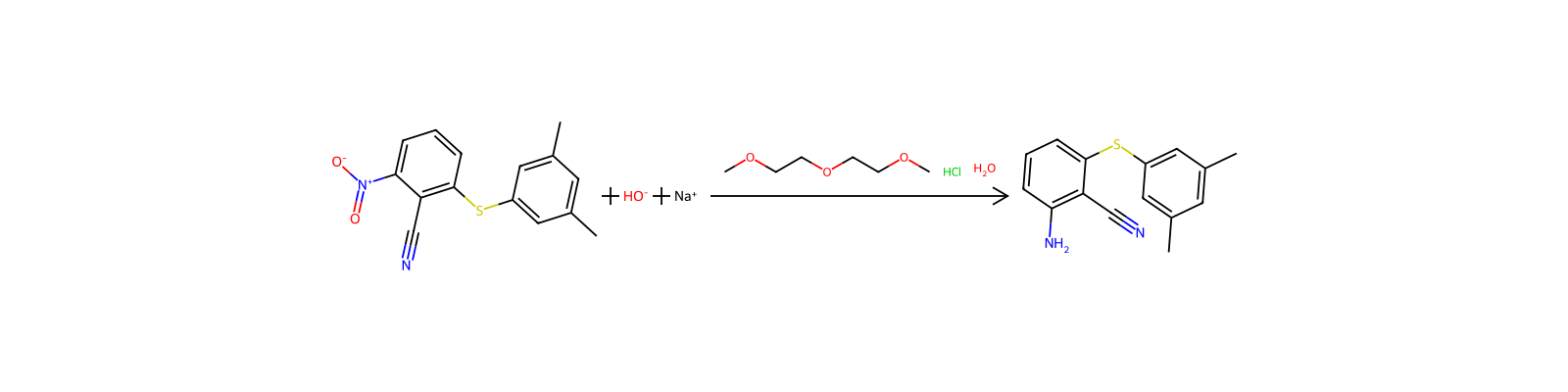
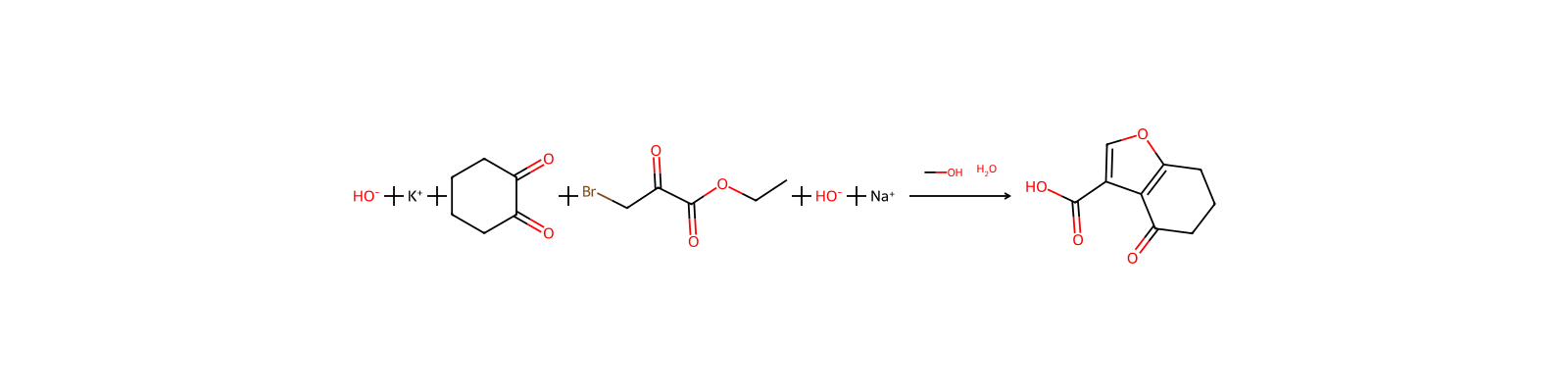
相关反应
101,726 条


关联笔记
加载中…