| GHS 分类 | DangerH314: Causes severe skin burns and eye damage [Danger Skin corrosion/irritation]P260, P261, P264, P270, P271, P280, P301+P330+P331, P302+P361+P354, P304+P340, P305+P354+P338, P308+P316, P316, P321, P363, P403+P233, P405, and P501 (click each P-code to see the statement)This chemical does not meet GHS hazard criteria for 16.2% (425 of 2617) of reports.H280 (19.3%): Contains gas under pressuremay explode if heated [Warning Gases under pressure] |
|---|
| Hazards Identification | Toxic/poison by inhalation (TIH/PIH) |
|---|
| 法规信息 | Chemical: Sulfur dioxideHazard Traits - Developmental ToxicityRespiratory ToxicityRegulation (EC) No 1107/2009 (amended)Status: Active Update: 07-04-2021 https://echa.europa.eu/registration-dossier/-/registered-dossier/15352Sulphur dioxide: HSNO Approval: HSR001068 Approved with controlsThe New Jersey Worker and Community Right to Know Act requires public and private employers to provide information about hazardous substances at their workplaces. (N.J.S.A. 34:5A-1 et. seq.) |
|---|
| 其他安全信息 | IMAP assessments - Sulfur dioxide: Human health tier II assessment |
|---|
| 运输标签(DOT) | Poison Gas Corrosive |
|---|
| 火灾危害 | Containers may explode in heat of fire or they may rupture and release irritating toxic sulfur dioxide. Sulfur dioxide has explosive properties when it comes in contact with sodium hydridepotassium chlorate at elevated temperaturesethanoletherzinc ethylsulfurinate at very cool temperatures (-15C)fluorinechlorine trifluoride and chlorates. It will react with water or steam to produce toxic and corrosive fumes. When the liquid is heated it may release irritating, toxic sulfur dioxide gas. Avoid ammonia, monocesium or monopotassium acetylidedicesium monoxideiron (II) oxidetin oxidelead (IV) oxidechromiummanganesemolten sodium, powder aluminum and rubidium. Sulfur dioxide has explosive properties when it comes in contact with sodium hydridechlorine trifluoride and chlorates. It will react with water or steam to produce toxic and corrosive fumes. Hazardous polymerization may not occur. (EPA, 1998)· Some may burn but none ignite readily.Not combustible. Heating will cause rise in pressure with risk of bursting. |
|---|
| 火灾可能性 | Not combustible. /Sulfur dioxide, liquefied/... Not flammable with air. |
|---|
| 健康危害 | It may cause death or permanent injury after very short exposure to small quantities. 1,000 ppm causes death in from 10 minutes to several hours by respiratory depression. It is an eye and respiratory tract irritant. Persons with asthma, subnormal pulmonary functions or cardiovascular disease are at a greater risk. (EPA, 1998)· TOXIC and/or CORROSIVEmay be fatal if inhaled, ingested or absorbed through skin. |
|---|
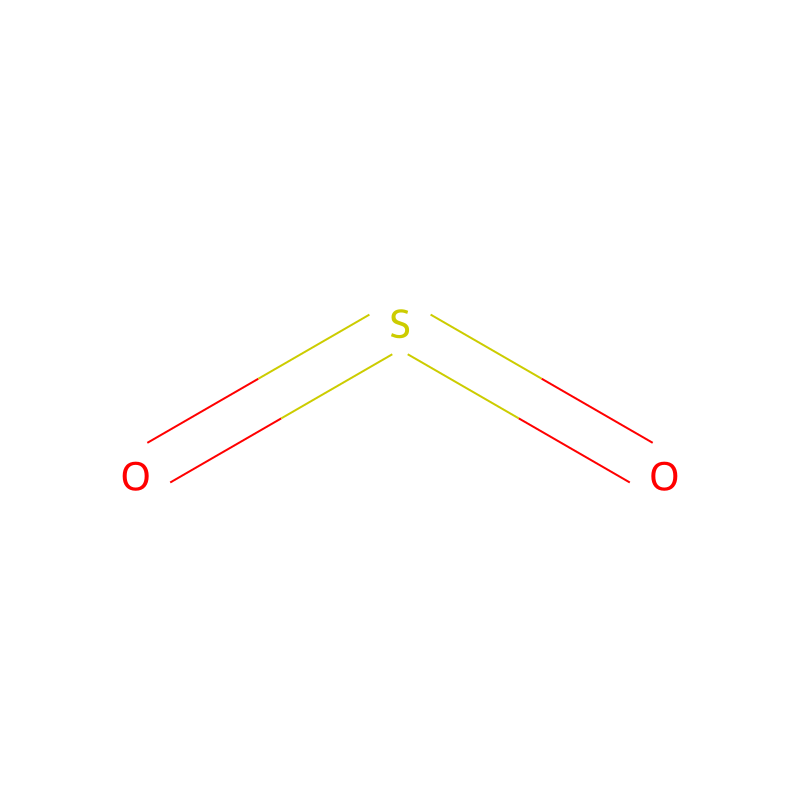
| 危害概述 | Sulfur dioxide is a colorless gas with a pungent odor. It is a liquid when under pressure, and it dissolves in water very easily. Sulfur dioxide in the air comes mainly from activities such as the burning of coal and oil at power plants or from copper smelting. In nature, sulfur dioxide can be released to the air from volcanic eruptions.Listed as one of major irritant airborne toxicants[LaDou, p. 523] Possible frostbite from contact with liquid[NIOSH] In the presence of water and acid, metabisulfite, a preservative, can generate toxic amounts of SO2. [ATSDR Med. Manage. Guidelines] The following chemicals can release SO2 when spilled in water: Sulfur chloridesSodium, Potassium, Calcium & Zinc hydrosulfiteand Thionyl chloride. [ERG 2016] See the Process, Toxic Gas from Spilling Chemical in Water. Sulfur dioxide is fibrogenic to the lungs in the context of an acute inhalation exposure complicated by bronchiolitis obliterans. [LaDou, p. 383]The major hazards encountered in the use and handling of sulfur dioxide stem from its toxicologic properties. Exposure to this strong-smelling, colorless gas or liquid (compressed gas) may occur from its use as a fumigant, as an intermediate in the manufacture of sulfuric acid and other sulfur compounds, in oil, mineral, food and paper processing, and in water treatment. Effects from exposure may include contact burns to the eyes, skin, and mucous membranes, frostbite, bronchoconstriction, and pulmonary edema. Engineering controls, including local exhaust ventilation, should be used to maintain sulfur dioxide at or below the permissible limit. In activities and situations where over-exposure may occur, wear chemical protective clothing and a self-contained breathing apparatus. If contact should occur, immediately remove contaminated clothing (to be left at worksite for cleaning), irrigate exposed eyes with copiousamounts of tepid water for at least 15 minutes, flush exposed skin with water, and treat for possible frostbite. Emergency eyewash facilities should be available in sulfur dioxide work areas. While sulfur dioxide does not ignite easily, it may burn, and cylinders of the compressed material can explode in the heat of a fire. For fires involving sulfur dioxide, extinguish with dry chemical, CO2, Halon, water spray, fog, or standard foam. If water is used, apply from as far a distance as possible because material will react with water to form toxic and corrosive fumes. Sulfur dioxide may be shipped domestically via air (cargo only), rail (cargo only), road, and water, in containers bearing the label, "Nonflammable gas." Sulfur dioxide should be stored in tightly closed containers, in cool, well-ventilated areas, and away from sources of physical damage. For spills of liquid sulfur dioxide, first evacuate area for 50 feet in all directions, use water spray to reduce vapor, and neutralize spilled material with limestone, soda ash, or lime. Keep material from entering water sources and sewers. Before implementing land disposal of sulfur dioxide waste, consult with environmental regulatory agencies for guidance. |
|---|
| 运输编号与指南(DOT) | 1079 125 |
|---|
| FDA 要求 | Sulfur dioxide ... is generally recognized as safe when used in accordance with good manufacturing practice, except that it is not used in meatsin food recognized as a source of vitamin B1on fruits or vegetables intended to be served raw to consumers or sold raw to consumers, or to be presented to consumers as fresh.Sulfur dioxide ... is generally recognized as safe when used in accordance with good manufacturing or feeding practice, except that it is not used in meats or in food recognized as source of vitamin B1. |
|---|
| 反应性基团 | Acids, Strong Non-oxidizing |
|---|
| 欧共体分类 | Symbol: TR: 23-34S: (1/2)-9-26-36/37/39-45 |
|---|
| 消防 | Wear self-contained breathing apparatus and full protective clothing. Move container from fire area. Stay away from ends of tanks. Cool containers that are exposed to flames with water from the side until well after the fire is out. Isolate area until gas has dispersed. Keep unnecessary people away.In case of fire in the surroundings, use appropriate extinguishing media. In case of fire: keep cylinder cool by spraying with water. NO direct contact with water. Combat fire from a sheltered position. |
|---|
| 急救措施 | Fresh air, rest. Artificial respiration may be needed. Refer for medical attention.ON FROSTBITE: rinse with plenty of water, do NOT remove clothes. Refer for medical attention .Rinse with plenty of water for several minutes (remove contact lenses if easily possible). Refer for medical attention. |
|---|
| 泄漏应急措施 | · CALL 911. Then call emergency response telephone number on shipping paper. If shipping paper not available or no answer, refer to appropriate telephone number listed on the inside back cover.· Do not touch or walk through spilled material. |
|---|
| 急救 | Note: Persons with asthma, subnormal pulmonary function, or cardiovascular disease are at greater risk.General First Aid:(General first aid procedures) |
|---|
| 安全储存 | Ventilation along the floor. Dry. |
|---|
| Firefighting Hazards | Sulfur oxides |
|---|
| 暴露控制与个人防护 | · Wear positive pressure self-contained breathing apparatus (SCBA).TIH (Toxic Inhalation Hazard) - Term used to describe gases and volatile liquids that are toxic when inhaled. Some are TIH materials themselves, e.g., chlorine, and some release TIH gases when spilled in water, e.g., chlorosilanes. [ERG 2016].117.0 [ppm]1.0 [ppm] |
|---|
| 灭火程序 | Use water spray, alcohol-resistant foam, dry chemical or carbon dioxide. ...Wear self-contained breathing apparatus for firefighting if necessary.Use water spray to keep fire-exposed containers cool. Extinguish fire using agent suitable for surrounding fire. /Sulfur dioxide, liquefied/ |
|---|
| 储存条件 | Storage temp: less than 130 °FCompressed gas cylinders containing sulfur dioxide should be stored in accordance with 29 CFR 1910.101.Store in a cool, dry, well-ventilated location. Outside or detached storage is preferred. Isolate from oxidizing materials and alkalies. /Sulfur dioxide, liquefied/Keep container tightly closed in a dry and well-ventilated place. Contents under pressure. Storage class (TRGS 510): Gases |
|---|
| 清理方法 | 1. Ventilate area of spill or leak to disperse gas. 2. If in gaseous form, stop flow of gas. If source of leak is cylinder and leak cannot be stopped in place, remove leaking cylinder to safe place in open air, and repair the leak or allow ... to empty. 3. If in liq form, allow to vaporize.Approach release from upwind. Stop or control the leak, if this can be done without undue risk. Use water spray to cool and disperse vapors and protect personnel. Control runoff and isolate discharged material for proper disposal. Releases may require isolation or evacuation. /Sulfur dioxide, liquefied/ACCIDENTAL RELEASE MEASURESPersonal precautions, protective equipment and emergency procedures: Wear respiratory protection. Avoid breathing vapors, mist or gas. Ensure adequate ventilation. Evacuate personnel to safe areas. Environmental precautions: Prevent further leakage or spillage if safe to do so. Do not let product enter drains. Methods and materials for containment and cleaning up: Clean up promptly by sweeping or vacuum. |
|---|
| 非火灾泄漏应对 | Excerpt from ERG Guide 125 [Gases - Toxic and/or Corrosive]: |
|---|
| 处置方法 | SRP: Recycle any unused portion of the material for its approved use or return it to the manufacturer or supplier. Ultimate disposal of the chemical must consider: the material's impact on air qualitypotential migration in air, soil or watereffects on animal, aquatic and plant lifeand conformance with environmental and public health regulations. If it is possible or reasonable use an alternative chemical product with less inherent propensity for occupational harm/injury/toxicity or environmental contamination.Product: Offer surplus and non-recyclable solutions to a licensed disposal company. Contact a licensed professional waste disposal service to dispose of this material. Contaminated packaging: Dispose of as unused product.SRP: Wastewater from contaminant suppression, cleaning of protective clothing/equipment, or contaminated sites should be contained and evaluated for subject chemical or decomposition product concentrations. Concentrations shall be lower than applicable environmental discharge or disposal criteria. Alternatively, pretreatment and/or discharge to a permitted wastewater treatment facility is acceptable only after review by the governing authority and assurance that "pass through" violations will not occur. Due consideration shall be given to remediation worker exposure (inhalation, dermal and ingestion) as well as fate during treatment, transfer and disposal. If it is not practicable to manage the chemical in this fashion, it must be evaluated in accordance with EPA 40 CFR Part 261, specifically Subpart B, in order to determine the appropriate local, state and federal requirements for disposal. |
|---|
| 毒理学资料 | CDC-ATSDR Toxicological Profile |
|---|
| 相互作用 | Cigarette smoking (CS) and air pollution can both alter autonomic cardiac function, yet little has been reported on their combined effect on cardiovascular dysfunction. Therefore, we assessed The potential effect of cigarette smoking (CS) on the association between sulfur dioxide (SO(2)) and heart rate variability (HRV) /was examined/ in community residents. ...Evidence /was found/ that SO(2) induced short but dramatic decreases in HRV indices, the standard deviation of the NN interval (SDNN), low frequency (LF), and high frequency (HF), in smokers compared with non-smokers. /Data/ suggest that CS influences the decrease in HRV directly caused by SO(2), and the effect in susceptible groups may be more serious.Wistar rats were exposed to intratracheally instilled with benzo(a)pyrene (B(a)P3 mg) or SO2 (20 ppm) inhalation alone or together. The mRNA of CYP1A1 and 1A2, c-fos, and c-jun and protein levels of c-fos and c-jun were analyzed in lungs ... and 7-ethoxyresorufin O-deethylase (EROD) and methoxyresorufin O-demethylase (MROD) activities were detected. In lungs of rats exposed to SO2 alone, the gene transcription of CYP1A1 and 1A2, the EROD and MROD activities were decreased. Meanwhile, the mRNA and protein levels of c-jun and c-fos were increased significantly. Exposure to B(a)P alone induced CYP1A1, CYP1A2 mRNA levels, the protein levels of c-jun, and the EROD and MROD activities in lungs. However, exposure to B(a)P plus inhaled SO2 neither increased nor decreased CYP1A1/2 mRNA expressions, EROD, and MROD activities in lungs, versus exposure to B(a)P alone. Nevertheless, exposure to B(a)P plus inhaled SO2 increased the mRNA and protein levels of c-jun and c-fos in lungs compared with lungs exposed to SO2 alone. Accordingly, the SO2-induced decreases of CYP1A1/2 might not influence the metabolic activation of B(a)P. However, when B(a)P and SO2 were given in the combinations, one might postulate that a synergistic effect on the expressions of c-fos and c-jun between SO2 and B(a)P, which might be one of the possible mechanisms of combination effects between B(a)P and the air pollutants.The antioxidant effects of exogenous salicylic acid (SA) and vitamin C (Vit C) on the oxidative stress induced by 56 mg/cu m of sulfur dioxide (SO2) in mouse livers and brains were investigated. The exposure of SO2 caused significant elevation of thiobarbituric acid-reactive substance (TBARS) levels and reduction of enzyme activities of superoxide dismutase (SOD), peroxidase (POD), and catalase (CAT) in brain and liver, accompanied by a decrease in relative growth rate, when compared with controls. Application of moderate concentrations of SA and Vit C markedly reduced the SO2-induced elevation of TBARS levels, with 5.5 mg/kg SA or 200 mg/kg Vit C being most effective. In contrast to the decrease of TBARS levels, the levels of SOD, POD, and CAT in liver and brain were significantly increased in comparison with controls. The polyacrylamide gel electrophoresis (PAGE) of total liver proteins showed that the SO2 inhalation caused a 30-kD protein band disappearance compared with the control. However, the band remained unchanged in the samples treated with 5.5 and 8.25 mg/kg SA or 100, 200, and 400 mg/kg Vit C. Therefore, this protein band may serve as a marker for the damage induced by SO2 and an additional basis for drug screening and selection.Aerosols that have produced ... potentiation of response to sulfur dioxide are soluble salts of such metals as manganese, ferrous iron, and vanadium. ... These aerosols potentiate response about three fold when present at concentration of 1 mg/cu m at 50% relative humidity.For more Interactions (Complete) data for Sulfur dioxide (20 total), please visit the HSDB record page. |
|---|
| 靶器官 | Respiratory (From the Nose to the Lungs)Eyes, skin, respiratory system |
|---|
| 环境归趋 | Sulfur dioxide (SO2) is an atmospheric pollutant that is moderately persistent in the atmosphere and highly water soluble. When applied as a pesticide, SO2 may be transported, deposited, or transformed in various chemical reactions. SO2 participates in the sulfur biogeochemical cycle, which involves complex reactions of sulfur-containing compounds between abiotic and biotic components of ecosystems. The main degradation route of SO2 is atmospheric oxidation, and sulfur oxides may undergo long-distance transport prior to removal from the atmosphere by wet or dry deposition. According to the Pesticide Use Reporting (PUR) database maintained by the California Department of Pesticide Regulation (DPR), SO2 use in California from 2010 to 2015 was primarily for fumigations (96%), including treatments of postharvest grape products and winery equipment sterilizations. Other site uses contributed less than 5% of reported statewide SO2 use from 2010 to 2015. A slight increasing trend in use of SO2 as a pesticide was observed from 2010 to 2015, with the highest reported uses of SO2 within California counties during the months of July-November. Although the primary sources of SO2 in the environment are anthropogenic emissions from the combustion of fossil fuels, emissions of SO2 from pesticide uses have the potential to contribute to the environmental and public welfare impacts of SO2 pollution. Oxidation of atmospheric SO2 may contribute to the negative environmental and public welfare impacts of acid rain, which include toxicity to aquatic organisms, fish, and terrestrial vegetation, and corrosion of man-made materials.TERRESTRIAL FATE: Sulfur dioxide may be absorbed by soil(1). Volatilization of sulfur dioxide from moist soil surfaces is expected to be an important fate process(SRC) given a Henry's Law constant of 8.10X10⁻⁴ atm-cu m/mole(2). However, reaction with water to sulfuric acid is expected to attenuate volatilization(SRC). Sulfur dioxide is expected to volatilize from dry soil surfaces(SRC) based upon a vapor pressure of 3.0X10+3 mm Hg at 25 °C(3). Biodegradation data in soil were not available(SRC, 2018). However, a sulfate-reducing bacteria isolated from sewage sludge was shown to biodegrade sulfur dioxide to hydrogen sulfide(1).TERRESTRIAL FATE: Although snow covered surfaces are inefficient receptors of gaseous and particulate sulfur cmpd, the spring melt of the accumulated winter snowpack can result in rapid, short term inputs of high sulfate, low pH water to freshwater systems with resulting disastrous effects on fish.AQUATIC FATE: Sulfur dioxide may be absorbed by water and snow covers. Melting snowpacks in spring can result in short-term high input of sulfate into freshwater(1). Volatilization from water surfaces is(2) based upon a Henry's Law constant of 8.10X10⁻⁴ atm-cu m/mole(3). However, reaction in water is expected to attenuate this process(SRC). Biodegradation data in water were not available(SRC, 2018). However, a sulfate-reducing bacteria isolated from sewage slduge was shown to biodegrade sulfur dioxide to hydrogen sulfide(1).For more Environmental Fate (Complete) data for Sulfur dioxide (10 total), please visit the HSDB record page. |
|---|
| 食品调查数值 | Sulfur dioxide was detected, not quantified on food samples analyzed in 1989 and 1990 as part of regulatroy monitoring of US and imported foods samples(1,2).Sulfur dioxide has been reported found in oragne juice, grapefruit juice, onion, boiled and cooked beef, starfruit and weinbrand brandy. |
|---|
| 不良影响 | Chronic Bronchitis - Chronic bronchitis is persistent coughing and production of phlegm for at least 3 months out of the year for at least two successive years. (American Thoracic Society). |
|---|
| 暴露途径 | The substance can be absorbed into the body by inhalation.inhalation, skin and/or eye contact |
|---|
| 毒性概述 | IDENTIFICATION AND USE: Sulfur dioxide (SO2) is a colorless gas or liquid with a strong suffocating odor. SO2 is used as a fungicide and preservative for grapes. It is also used for the manufacture of corn syrups and molasses, in the manufacture of wine to destroy bacteria, mold, and unwanted yeasts, and for sterilization, and prevents the formation of nitrosamines in beer. SO2 is used to manufacture hydrosulfites, to bleach wood pulp and paper, to process, disinfect, and bleach food, for waste and water treatment, in metal and ore refining, and in oil refining. HUMAN STUDIES: Exposures of less than an hour to SO2 at levels above 10 ppm in air are irritating to the nose and throat, sometimes causing a choking sensation followed by nasal discharge, sneezing, coughing, and increased mucous secretion. Severe injuries of human eyes by sulfur dioxide have been produced only by liquified form. The minimum lethal human exposure is an airborne concentration of 400 ppm for 1 minute. The odor or taste is noticeable at airborne concentrations of 3 to 5 ppm, throat and conjunctival irritation and lacrimation start at 8 to 12 ppm, and symptoms become severe at 50 ppm. Other reported minimum lethal concentrations of sulfur dioxide include 3000 ppm for 5 minutes and 1000 ppm for 10 minutes. Elderly patients with asthma may be more sensitive. A 76-year-old woman with asthma died following inhalation exposure to approximately 150 ppm over a period of minutes. The frequencies of chromosomal aberrations and sister-chromatid exchange (SCE) in peripheral blood lymphocytes of 40 workers chronically exposed to SO2 at a sulfuric acid factory were studied. It was shown that the mean frequency of chromosomal aberrations and the mean frequency of lymphocytes with chromosomal aberrations of the SO2-exposed workers were both higher than controls. In human lymphocytes SO2 caused significant increases in the frequency of sister chromatid exchange and micronuclei and also induced mitotic delays and decreased mitotic index and replication index. The potential risk of low birth-weight baby might be higher in elder women exposed to SO2 during pregnancy. ANIMAL STUDIES: SO2 has been found to be endogenously generated from metabolism of sulfur-containing amino acids in mammals through transamination by aspartate aminotransferase. SO2 has physiological effects on the cardiovascular system, including vasorelaxation and cardiac function regulation. Eye irritation occurs at 6 ppm/4 hr in rabbits. After a 120-hr exposure to SO2 concentration of 1.1 ppm, guinea pigs showed proliferative interstitial pneumonia, bronchitis, and tracheitis and an increased histamine content in the lungs, while exposure to 0.06 ppm of SO2 for one month led to interstitial changes in the respiratory tract. In rats continuously exposed to SO2 for 5 months (0.7 ppm and 7.0 ppm), it increased the activity of serum cholinesterase and aspartate aminotransferase and caused morphological changes in the upper respiratory tract. Prolonged exposure of dogs to high concentrations of SO2 (200 ppm) causes a syndrome similar to human chronic bronchitis, involving chronic airway obstruction, airway inflammation, and symptoms of cough and mucus hypersecretion. In mice, fetal weight was reduced by 5% by exposure to SO2. Ossification of the sternebrae and occipital was retarded, but the incidence of malformations was not significantly increased. In rabbits, the incidence of a few minor skeletal variants was significantly increased in group exposed to SO2. SO2 increased the frequencies of chromosome aberrations and aberrant cells in mouse bone marrow in a dose-dependent manner. SO2 inhalation caused an increase of micronuclei frequencies in the polychromatic erythrocytes. SO2 caused significant, dose-dependent increases in DNA damage by inhalation exposure of mice. ECOTOXICITY STUDIES: SO2 was acutely toxic to fish. Green plants are extremely sensitive to atmospheric sulfur dioxide. Alfalfa, barley, cotton, and wheat can be injured at levels between 0.15 and 0.20 ppm, while potatoes, onions, and corn are far more resistant. |
|---|
| 生态毒性摘录 | /BIRDS and MAMMALS/ Research investigating the effects of air contaminants on biota has been limited to date. Captive adult female American kestrels (Falco sparverius) were exposed to a mixture of benzene (0.6 ppm), toluene (1 ppm), nitrogen dioxide (NO22 ppm) and sulfur dioxide (SO25.6 ppm), in a whole-body inhalation chamber. Thyroid axis responses to meet metabolic demands were examined through thyroid histology, plasma thyroxine (T4), and triiodothyronine (T3), and hepatic outer ring deiodination (T4-ORD). Plasma free (F) T3 and T4 were measured at baseline, and at 9 days and 18 days of exposure, whereas total (T) T3 and TT4, thyroid histology and hepatic T4-ORD were determined at the final 18 day exposure. Inhalation of these contaminants significantly suppressed plasma FT4 and TT4, and depleted follicular colloid and increased epithelial cell height at 18 days, and significantly altered the temporal pattern of plasma FT4. Significant histological changes in the follicular colloid:epithelial cell height ratio indicated sustained T4 production and release by the thyroid glands. There was no effect on plasma FT3, TT3, or hepatic T4-ORD. We hypothesize that contaminant-related activation of the hypothalamus-pituitary-thyroid axis in the kestrels increased elimination of plasma T4 through Phase II enzymes./BIRDS and MAMMALS/ In the oil sands of Alberta, Canada, toxicology research has largely neglected the effects of air contaminants on biota. Captive Japanese quail (Coturnix c. japonica) and American kestrels (Falco sparverius) were exposed to mixtures of volatile organic compounds and oxidizing agents (benzene, toluene, NO2 and SO2) in a whole-body inhalation chamber, to test for toxicological responses. Hepatic biotransformation measured through 7-ethoxyresorufin-O-dealkylase (EROD) tended to be increased in exposed kestrels (p=0.06) but not in quail (p=0.15). Plasma corticosterone was increased in the low dose group for quail on the final day of exposure (p=0.0001), and midway through the exposure period in exposed kestrels (p=0.04). For both species, there was no alteration of T and B-cell responses, immune organ mass, or histology of immune organs (p>0.05)./AQUATIC SPECIES/ ... 16 to 19 ppm of sulfur dioxide killed sunfish in 1 hr. ... Concentrations of 10 ppm of sulfur dioxide in tap water caused trout to float within 10 min and also reports that 5 ppm of sulfur dioxide killed trout in 1 hr./PLANTS/ Nitrogen dioxide (NO2) and sulfur dioxide (SO2) generated by excessive coal combustion and motor vehicle emissions are major air pollutants in the large cities of China. The objective of our study was to determine the effects of the exposure of oak pollens (Quercusmongolica) to several concentrations of NO2 or SO2. Pollen grains were exposed to 0.5 ppm to 5.0 ppm NO2 or SO2 for 4 hours and assessed for morphological damage by field emission scanning electron microscopy and for viability using the trypan blue stain. Morphological changes in pollen grains were also examined after contact with acid solutions at pH 4.0 to pH 7.0. Exposure to NO2 or SO2 significantly damaged pollen grains at all concentrations investigated, compared to exposure to airwith exposure to concentrations of 0.5 ppm to 2 ppm resulting in fissures or complete breaks in the exine and a concentration of 5 ppm resulting in complete breakdown and release of pollen cytoplasmic granules. Significantly greater amounts of pollen grain were damaged after exposure to SO2 (15.5-20.4%) than after exposure to NO2 (7.1-14.7%). Similarly, exposure to NO2 or SO2 significantly decreased the viability of pollen grains, compared with exposure to airwith SO2 being slightly more detrimental than NO2. Exposure to acid solutions also induced pollen damage, which appeared to be pH-dependent (from 24.6% at pH 6.0 to 55.8% at pH 4.0compared to 3.8% at pH 7.0). Short-term exposure of oak pollen to high concentrations of SO2 or NO2 significantly increases their fragility and disruption, leading to subsequent release of pollen cytoplasmic granules into the atmosphere. These results suggest that heightened air pollution during the oak pollen season may possibly increase the incidence of allergic airway disease in sensitized individuals by facilitating the bioavailability of airborne pollen allergens.For more Ecotoxicity Excerpts (Complete) data for Sulfur dioxide (18 total), please visit the HSDB record page. |
|---|
| Plant Concentrations | Sulfur dioxide concentrations ranged from not detected to 13 ug/cu m in bryophytes from the Biosphere Reserve Wienerwald, Vienna, Austria. The reserve is characterized by a large-scale broad-leaf forest (Quercus petraea, Tilia platyphyllos, Acer platanoides, Acer campestre) and is adjacent to high traffic roadways(1).Sulfur dioxide occurrence in plants(1).[Table#872] |
|---|
| Signs and Symptoms | Cough. Shortness of breath. Sore throat. Laboured breathing.ON CONTACT WITH LIQUID: FROSTBITE.Redness. Pain.irritation eyes, nose, throatrhinorrhea (discharge of thin nasal mucus)choking, coughreflex bronchoconstrictionliquid: frostbite |
|---|
| Effluent Concentrations | Fossil fuel accounts for 75-85% of man-made sulfur dioxide emissions93.5% of these emissions originate in the Northern Hemisphere. Fuel combustion for electrical utilities accounted for the greatest portion of total sulfur dioxide emissions in the US, with Ohio and Indiana ranked the highest for emissions. Sulfur dioxide emissions have exhibited a steady decrease in the US since the 1970s(1). Sulfur dioxide was reported at 383 ppm in plume emissions from a coal-burning industrial power plant near Dayton, OH(2). Sulfur dioxide concentration of 23.61 kg/yr was reported for diesel exhaust from vehicles on a very large dairy operation in the Po Valley, northern Italy(3).Trend in world-wide sulfur dioxide emissions(1).Sulfur dioxide emissions from Connecticut sources in 2008 amounted to 20,000 tons. 3000 tons were attributed to mobile sources and 17,000 tons from stationary/area sources. 96% of stationary/area source sulfur dioxide emissions were generated by the combustion of residential and commercial heating oil and electricity generation. New York State requires the use of ultra-low sulfur heating oil (less than or equal to 15 ppm). Rhode Island adopted a sulfur rule in 2013. Maine, Massachusetts, New Jersey, Pennsylvania and Vermont have rules requiring low-sulfur fuels by 2018(1).[Table#862]This study aims to estimate the emissions of carbon dioxide (CO2), sulfur dioxide (SO2), and nitric oxide (NO) for coal combustion in thermal power plants in India using plant-specific emission factors during the period of 2001/02 to 2009/10. The mass emission factors have been theoretically calculated using the basic principles of combustion under representative prevailing operating conditions in the plants and fuel composition. The results show that from 2001/02 to 2009/10 period, total CO2 emissions have increased from 324 to 499 Mt/yearSO2 emissions have increased from 2,519 to 3,840 kt/yearand NO emissions have increased from 948 to 1,539 kt/year from the Indian coal-fired power plants. National average emissions per unit of electricity from the power plants do not show a noticeable improvement during this period. Emission efficiencies for new plants that use improved technology are found to be better than those of old plants. As per these estimates, the national average of CO2 emissions per unit of electricity varies between 0.91 and 0.95 kg/kWh while SO2 and NO emissions vary in the range of 6.9 to 7.3 and 2.8 to 2.9 g/kWh, respectively. Yamunagar plant in Haryana state showed the highest emission efficiencies with CO2 emissions as 0.58 kg/kWh, SO2 emissions as 3.87 g/kWh, and NO emissions as 1.78 g/kWh, while the Faridabad plant has the lowest emission efficiencies with CO2 emissions as 1.5 kg/kWh, SO2 emissions as 10.56 g/kWh, and NO emissions as 4.85 g/kWh. Emission values at other plants vary between the values of these two plants.For more Effluent Concentrations (Complete) data for Sulfur dioxide (8 total), please visit the HSDB record page. |
|---|
| FIFRA 要求 | A tolerance is established as follows for sulfite residues of the fungicide sulfur dioxide (determined as (SO2)) in or on the following raw agricultural commodity(ies): grapes, postharvest: 10.0 ppm.Time-limited tolerances specified in the following table are established for residues of sulfur dioxide, including its metabolites and degradates in or on the specified agricultural commodities, resulting from use of the pesticide pursuant to FFIFRA section 18 emergency exemptions. Compliance with the tolerance levels specified below is to be determined by measuring only sulfur dioxide (SO2). The tolerances expire on the date specified in the table. Commodity: fig, 10 ppm, expiration/revocation date: 12/31/14.The Agency is proposing no changes in the level or definition of the existing tolerance. Therefore, the current tolerance established at 40 CFR 180.444 for sulfur dioxide residues (expressed as sulfite) in grapes is now considered reassessed under section 408(q) of the FFDCA.As the federal pesticide law FIFRA directs, EPA is conducting a comprehensive review of older pesticides to consider their health and environmental effects and make decisions about their continued use. Under this pesticide reregistration program, EPA examines newer health and safety data for pesticide active ingredients initially registered before November 1, 1984, and determines whether the use of the pesticide does not pose unreasonable risk in accordance to newer saftey standards, such as those described in the Food Quality Protection Act of 1996. Pesticides for which EPA had not issued Registration Standards prior to the effective date of FIFRA '88 were divided into three lists based upon their potential for human exposure and other factors, with List B containing pesticides of greater concern than those on List C, and with List C containing pesticides of greater concern than those on List D. Sulfur dioxide is found on List D. Case No: 4056Pesticide type: fungicideCase Status: OPP is reviewing data from the pesticide's producers regarding its human health and/or environmental effects, or OPP is determining the pesticide's eligibility for reregistration and developing the Reregistration Eligibility Decision (RED) document.Active ingredient (AI): Sulfur dioxideData Call-in (DCI) Date(s): 09/30/93, 10/13/95AI Status: The producers of the pesticide has made commitments to conduct the studies and pay the fees required for reregistration, and are meeting those commitments in a timely manner. |
|---|
| CERCLA 应报告数量 | Releases of CERCLA hazardous substances are subject to the release reporting requirement of CERCLA section 103, codified at 40 CFR part 302, in addition to the requirements of 40 CFR part 355. Sulfur dioxide is an extremely hazardous substance (EHS) subject to reporting requirements when stored in amounts in excess of its threshold planning quantity (TPQ) of 500 lbs. |
|---|
| DHS Chemicals of Interest (COI) | Sulfur dioxide (anhydrous)1500084Toxic chemical that can be released at a facility. |
|---|