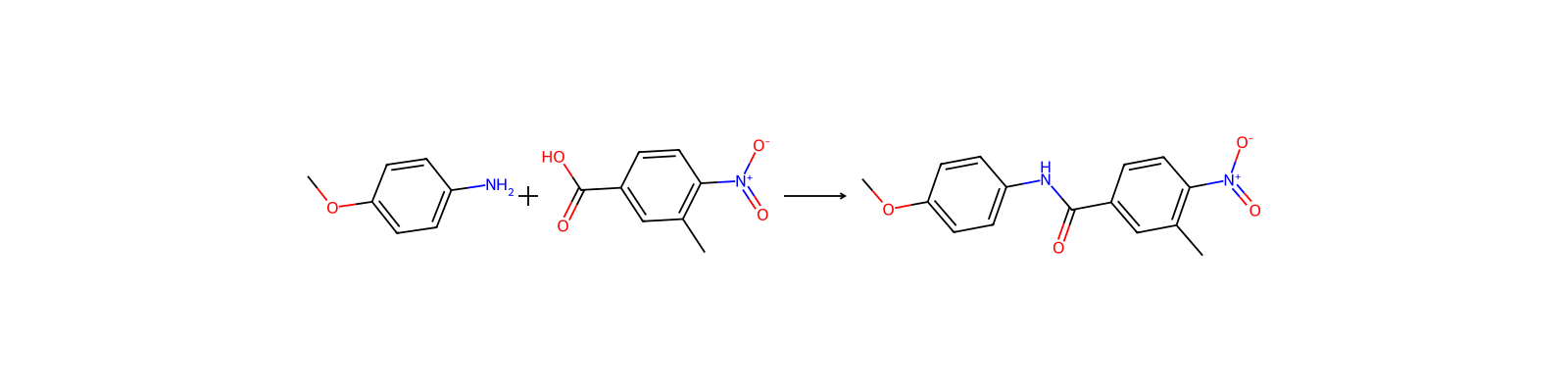
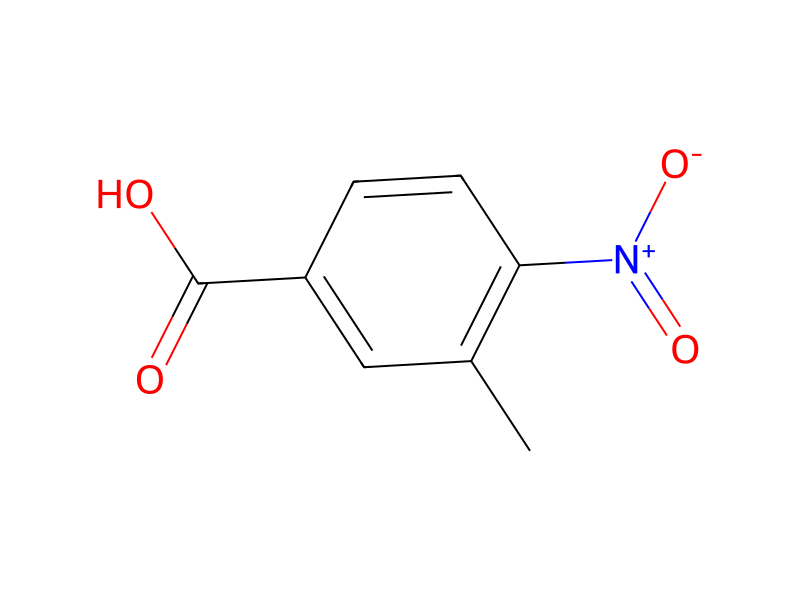
基本信息
- 标准SMILES
Cc1cc(C(=O)O)ccc1[N+](=O)[O-]- InChIKey
XDTTUTIFWDAMIX-UHFFFAOYSA-N- 分子式
- C8H7NO4
- 平均分子量
- 181.15 g/mol
- 单同位素质量
- 181.0375077
概述
3-methyl-4-nitrobenzoic acid appears as needles or off white powder. (NTP, 1992)
名称与标识
- 首选名称
- 3-Methyl-4-nitrobenzoic acid
- IUPAC
- 3-methyl-4-nitrobenzoic acid
- 中文名
- 3-甲基-4-硝基苯甲酸
- 英文名
- 3-Methyl-4-nitrobenzoic acid
- 分子式
- C8H7NO4
- 分子量
- 181.15
名称与别名
3-Methyl-4-nitrobenzoic acid4-Nitro-m-toluic acidBenzoic acid, 3-methyl-4-nitro-m-Toluic acid, 4-nitro-4-nitro-3-methylbenzoic acidNSC 28455DTXSID1025641UNII-ELP258JXH0EINECS 221-479-4ELP258JXH0NSC-28455DTXCID305641
展开更多名称
氟雷拉纳杂质48氟雷拉纳标准品0274-硝基间甲基苯甲酸3-甲基-硝基苯甲酸-甲基-4-硝基苯甲酸3-甲基-4-硝基苯甲酸3甲基4硝基苯甲酸/HPLC3-甲基-4-硝基苯甲酸/AR3-甲基-4-硝基苯甲酸,99%3-甲基-4-硝基苯甲酸(易制爆)4-Nitro-m-toluylsureMethyl-4-nitrobenzoicRMA-1094,3-NMBAFluralaner-027RARECHEM AL BO 0346-4-nitrobenzoic AcidFluralaner Impurity 48
M-METHYL-P-NITROBENZOIC ACIDMETHYL-4-NITROBENZOIC ACID, 3-RefChem:947703-methyl-4-nitrobenzoateBENZOIC ACID, 3-METHYL-4-NITROXDTTUTIFWDAMIX-UHFFFAOYSA-N3113-71-1MFCD00007168
数据库标识
- CAS
3113-71-1- PubChem CID
- 18370
- DTXSID
DTXSID1025641- ChEMBL
CHEMBL1329280- UNII
- ELP258JXH0
- EC Number
- 221-479-4
- Nikkaji
- J208.697B
性质
结构计算性质
- XLogP
- 2.4
- 极性表面积
- 83.1 Ų
- 氢键供体
- 1
- 氢键受体
- 4
- 可旋转键
- 1
- 重原子
- 13
- 形式电荷
- 0
- 复杂度
- 223
实验与物化性质
LogP2.42
Solubilityless than 1 mg/mL at 72 °F (NTP, 1992)
Melting Point421 to 424 °F (NTP, 1992)
Physical Description3-methyl-4-nitrobenzoic acid appears as needles or off white powder. (NTP, 1992)
物理化学性质
- 熔点
- 216 · 216-218 °C (lit.)
- 沸点
- 314.24 °C · 314.24°C (rough estimate)
- 密度
- 1.4283 · 1.4283 (rough estimate)
- 折射率
- 1.5468 · 1.5468 (estimate)
- 储存条件
- Sealed in dry,Room Temperature
- 溶解度
- slightly sol. in Alcohol
- 酸度系数(pKa)
- 3.49 · 3.49±0.10(Predicted)
- 形态
- Amorphous Powder
- 颜色
- Yellow
- 水溶解性
- 0.1 g/100 · <0.1 g/100 mL at 22 ºC
- BRN
- 1959154 · 1959154
- Henry's Law Constant
- 9.2 · 9.2×102 mol/(m3Pa) at 25℃, Abraham and Jr. (2019)
- InChI
- 1S/C8H7NO4/c1-5-4-6(8(10)11)2-3-7(5)9(12)13/h2-4H,1H3,(H,10,11)
- InChIKey
- XDTTUTIFWDAMIX-UHFFFAOYSA-N
- SMILES
- Cc1cc(ccc1[N+]([O-])=O)C(O)=O
- CAS 数据库
- 3113 · 3113-71-1(CAS DataBase Reference)
- NIST化学物质信息
- 3 · 3-Methyl-4-nitrobenzoic acid(3113-71-1)
- EPA化学物质信息
- 3 · 3-Methyl-4-nitrobenzoic acid (3113-71-1)
安全与法规
GHS分类
GHS Classification
Warning
H315 (100%): Causes skin irritation [Warning Skin corrosion/irritation]
P261, P264, P264+P265, P271, P280, P302+P352, P304+P340, P305+P351+P338, P319, P321, P332+P317, P337+P317, P362+P364, P403+P233, P405, and P501 (click each P-code to see the statement)
Aggregated GHS information provided per 82 reports by companies from 6 notifications to the ECHA C&L Inventory. Each notification may be associated with multiple companies.
危害信息
DOT LabelPoison
Fire HazardsFlash point data for this chemical are not available; however, it is probably combustible. (NTP, 1992)
Health HazardsExcerpt from ERG Guide 154 [Substances - Toxic and/or Corrosive (Non-Combustible)]:
Reactive GroupAcids, Carboxylic
Reactivity Profile
3-METHYL-4-NITROBENZOIC ACID is a nitrated carboxylic acid. Carboxylic acids donate hydrogen ions if a base is present to accept them. They react in this way with all bases, both organic (for example, the amines) and inorganic. Their reactions with bases, called "neutralizations", are accompanied by the evolution of substantial amounts of heat. Neutralization between an acid and a base produces water plus a salt. Carboxylic acids with six or fewer carbon atoms are freely or moderately soluble in water; those with more than six carbons are slightly soluble in water. Soluble carboxylic acid dissociate to an extent in water to yield hydrogen ions. The pH of solutions of carboxylic acids is therefore less than 7.0. Many insoluble carboxylic acids react rapidly with aqueous solutions containing a chemical base and dissolve as the neutralization generates a soluble salt. Carboxylic acids in aqueous solution and liquid or molten carboxylic acids can react with active metals to form gaseous hydrogen and a metal salt. Such reactions occur in principle for solid carboxylic acids as well, but are slow if the solid acid remains dry.
Air and Water ReactionsInsoluble in water.
Hazard Classes and CategoriesSkin Irrit. 2 (100%)
安全与防护
Fire FightingFires involving this compound can be controlled with a dry chemical, carbon dioxide, or Halon extinguisher. (NTP, 1992)
First Aid
EYES: First check the victim for contact lenses and remove if present. Flush victim's eyes with water or normal saline solution for 20 to 30 minutes while simultaneously calling a hospital or poison control center. Do not put any ointments, oils, or medication in the victim's eyes without specific instructions from a physician. IMMEDIATELY transport the victim after flushing eyes to a hospital even if no symptoms (such as redness or irritation) develop.
Nonfire Spill Response
SMALL SPILLS AND LEAKAGE: Should a spill occur while you are handling this chemical, FIRST REMOVE ALL SOURCES OF IGNITION, then you should dampen the solid spill material with 60-70% ethanol and transfer the dampened material to a suitable container. Use absorbent paper dampened with 60-70% ethanol to pick up any remaining material. Seal the absorbent paper, and any of your clothes, which may be contaminated, in a vapor-tight plastic bag for eventual disposal. Solvent wash all contaminated surfaces with 60-70% ethanol followed by washing with a soap and water solution. Do not reenter the contaminated area until the Safety Officer (or other responsible person) has verified that the area has been properly cleaned.
Isolation and EvacuationExcerpt from ERG Guide 154 [Substances - Toxic and/or Corrosive (Non-Combustible)]:
Personal Protective Equipment (PPE)
RECOMMENDED RESPIRATOR: Where the neat test chemical is weighed and diluted, wear a NIOSH-approved half face respirator equipped with an organic vapor/acid gas cartridge (specific for organic vapors, HCl, acid gas and SO2) with a dust/mist filter. (NTP, 1992)
安全数据
- wgk
- 3
- tsca
- TSCA listed
- hazard_note
- Irritant
- 存储类别
- 11 - Combustible Solids
- 安全说明
- 26-36-36/37/39-22
- 海关编码
- 29163900
- 危险品标志
- Xi,Xn
- 危险类别码
- 36/37/38-20/21/22
化学与工业
用途与制造
General Manufacturing InformationBenzoic acid, 3-methyl-4-nitro-: ACTIVE
应用领域
应用3-甲基-4-硝基苯甲酸是附加值较高的精细化工产品,以它为原料可以进一步合成得到许多重要的有机产品,如4-氯喹唑啉-6-甲酸乙酯、2-正丙基-4-甲基-6-羧基苯并咪唑、4-甲基-2-乙基-1H-苯并咪唑-6-甲酸甲酯、3,4-二氢-4-喹唑啉同-6-甲酸、4-氨基苯基-1,3-二甲酸、4-氨基-3-甲基苯甲酸甲酯、4-硝基苯基-1,3-二甲酸等等;另外3-甲基-4-硝基苯甲酸还用于医药,是合成抗高血压药物替米沙坦、艾滋病药物的重要中间体。
制备方法
制备(1)在200mL40%(wt%)H2SO4溶液中,加入20gCr2(SO4)3固体,搅拌使其溶解后作为阳极液;将80mL10%(wt%)H2SO4溶液作为阴极液。电解槽用陶瓷隔开分为阳极室与阴极室,将上述阳极液倒入阳极室、阴极液倒入阴极室中,阳极为二氧化铅板,阴极为铅棒。电解时,控制电解槽中电解液的温度为350C,槽电压4V,电流密度500Am-2。当阳极液由墨绿色变为棕红色时,停止电解。随后,将阳极液蒸发,得到三氧化铬红色固体,过滤后得到9g三氧化铬,其产率为90%,滤液(记为A)为含少量三价铬和六价铬的浓硫酸,可以循环利用,用于下一循环中阳极液的配制;(2)将电解得到的三氧化铬固体8g溶于75ml50%的硫酸溶液中,将溶液加热至500C,在不断搅拌下向溶液中缓慢滴加2.5mL2,4-二甲基硝基苯,滴加完毕,继续搅拌反应4小时;随后,将反应温度升至700C,搅拌反应6小时;再继续将温度升到900C,搅拌反应6小时。反应完成后,过滤(滤液记为B),固体用水洗,之后将固体溶于0.5MNaOH溶液中,然后过滤,滤液再用1MH2SO4酸化至PH为3,此时产生大量白色沉淀,将沉淀过滤,水洗,所得固体即为3-甲基-4-硝基苯甲酸,在800C下干燥,产率为75%;(3)将上述(2)中的滤液B与(1)中的滤液A混合后作为阳极液,代替步骤(1)中的阳极液,重复步骤(1),得到三氧化铬红色固体8.6g,其产率为85%,滤液(记为A)为含少量三价铬和六价铬的浓硫酸,可以循环利用,用于下一循环中阳极液的配制;(4)利用步骤(3)所制备的三氧化铬固体,重复步骤(2)的过程,得到3-甲基-4-硝基苯甲酸的产率为70%.
上下游产品信息
上游原料
下游产品
试剂价格
- A15523 · 500g
- 3-甲基-4-硝基苯甲酸, 99% 3-Methyl-4-nitrobenzoic acid, 99% — 1795元
- 12728 · 500g
- 3-甲基-4-硝基苯甲酸3-Methyl-4-nitrobenzoic acid, 99%, Thermo Scientific Chemicals — 1875元
供应商50 家
国药集团化学试剂有限公司86-21-63210123 · [email protected]
梯希爱(上海)化成工业发展有限公司021-67121386 · [email protected]
衢州润东化工有限公司0570-8789886 18892685668 · [email protected]
上海阿拉丁生化科技股份有限公司400-6206333 13167063860 · [email protected]
INTATRADE GmbH+49 3493/605464 · [email protected]
山东玖玥生物科技有限公司18853316981
爱斯特(成都)生物制药股份有限公司+86-28-85122536 85324413 · [email protected]
韶远科技(上海)有限公司021-50795510 4000665055 · [email protected]
科瑞迪化学400-821-5857 021-64326257 · [email protected]
Syntechem Co.,Ltd[email protected]
上海迈瑞尔生化科技有限公司4006356688 18621169109 · [email protected]
武汉易泰科技有限公司上海分公司18930552037 · [email protected]
阿法埃莎(中国)化学有限公司400-6106006 · [email protected]
南京仕浪药业有限公司86-25-87797880,81,82 -809 · [email protected]
安耐吉化学&3A(安徽泽升科技股份有限公司)400-0056266 · [email protected]
武汉凯威斯科技有限公司86-027-67849912 · [email protected]
安庆奇创药业有限公司18061456370
上海瀚鸿科技股份有限公司021-54306202 13764082696 · [email protected]
上海相辉医药科技有限公司13761987713 · [email protected]
上海景颜化工科技有限公司13817811078 · [email protected]
上海尚饮思生化医药有限公司021-021-57872719 13761402923 · [email protected]
嘉兴市艾森化工有限公司0573-85285100 18627885956 · [email protected]
Pure Chemistry Scientific Inc.001-857-928-2050 or 1-888-588-9418 · [email protected]
上海泰坦科技股份有限公司400-6009262 15618770481 · [email protected]
杭州东帆化学有限公司86-0571-85151182
孝感深远化工有限公司15527621225; 15527621225 · [email protected]
Beckmann-Kenko GmbH+49 4241 9308 88 · [email protected]
山东西亚化学有限公司13355009207 13355009207 · [email protected]
玛雅试剂+86 (573) 82222445 (0)18006601000 452520369 · [email protected]
四川库利南科技有限公司400-1166-196 18981987031 · [email protected]
天津希恩思生化科技有限公司400 638 7771 · [email protected]
上海钰康生物科技有限公司15618758386 15618758386 · [email protected]
湖南汇百侍生物科技有限公司0731-85526065 13308475853 · [email protected]
艾科试剂4008-755-333 18080918076 · [email protected]
上海思域化工科技有限公司86-21-34053660 · [email protected]
赛默飞世尔科技(中国)有限公司800-810-5118 · [email protected]
张家港保税区凯利特化工有限公司18606289633 15862625988 · [email protected]
南京诺利斯医药科技有限公司13901585132 · [email protected]
江苏艾康生物医药研发有限公司025-66113011 13913916777 · [email protected]
上海健超生物科技有限公司150-2103-5486 18017383231 · [email protected]
丹阳瑞辉化工有限公司0511-86883198 · [email protected]
TCI AMERICA800-4238616 · [email protected]
TOKYO CHEMICAL INDUSTRY CO., LTD.03-36680489 · [email protected]
TCI Europe320-37350700 · [email protected]
上海贤鼎生物科技有限公司4009209199 · [email protected]
深圳康特腾科技有限公司86-0755-86635001 · [email protected]
Shanghai Witofly Chemical Co.,Ltd[email protected]
越林试剂021-62960152 · [email protected]
上海睿升化工科技有限公司+86-021-50935922
苏州安尼康药物研发有限公司0512-69369885 · [email protected]
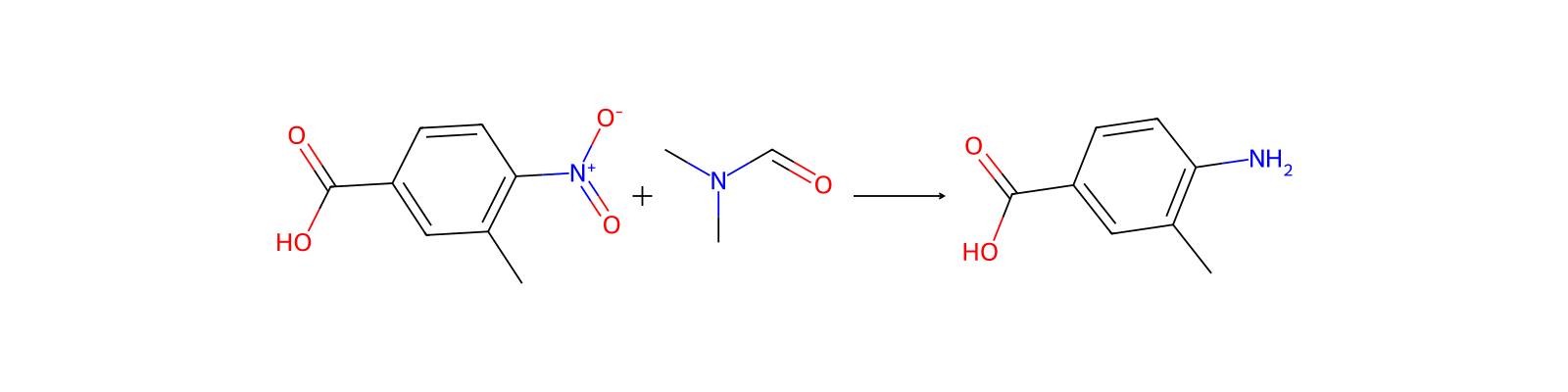
相关反应
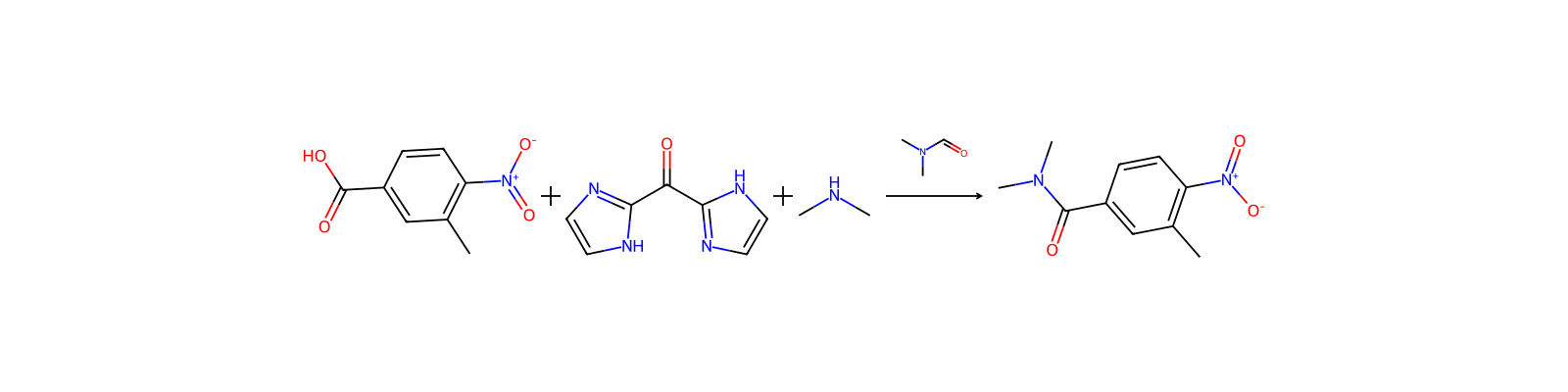
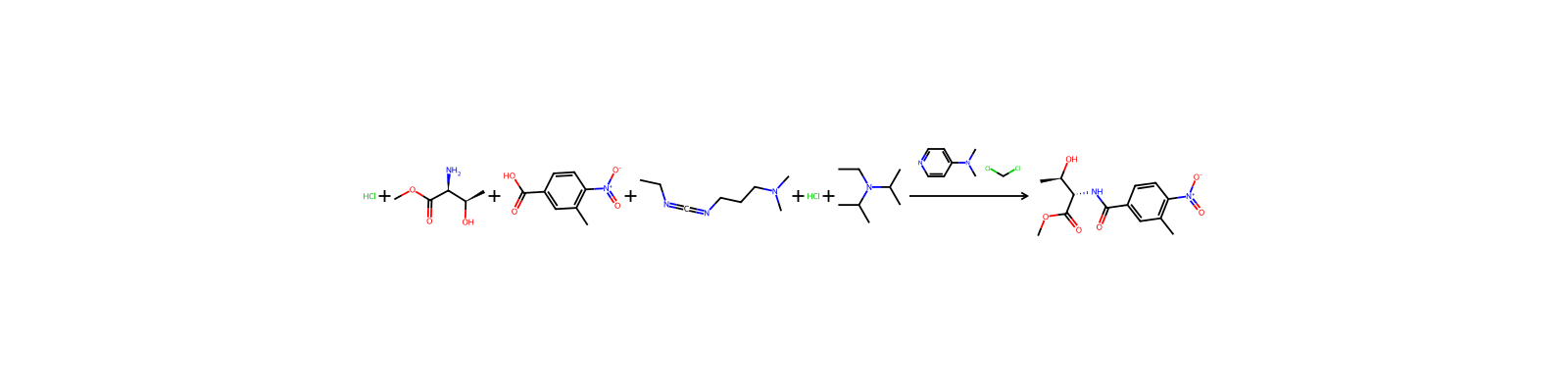
57 条
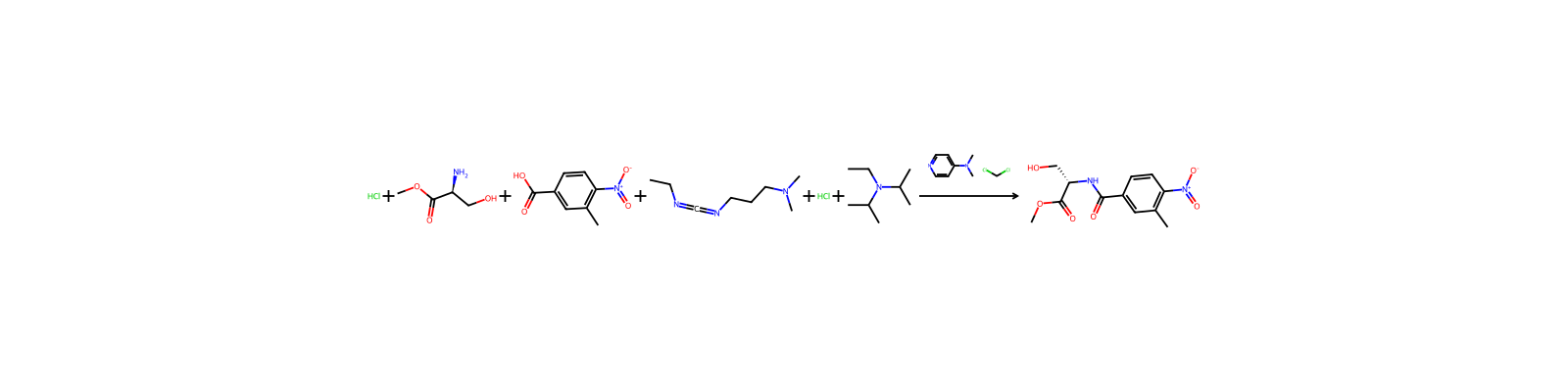
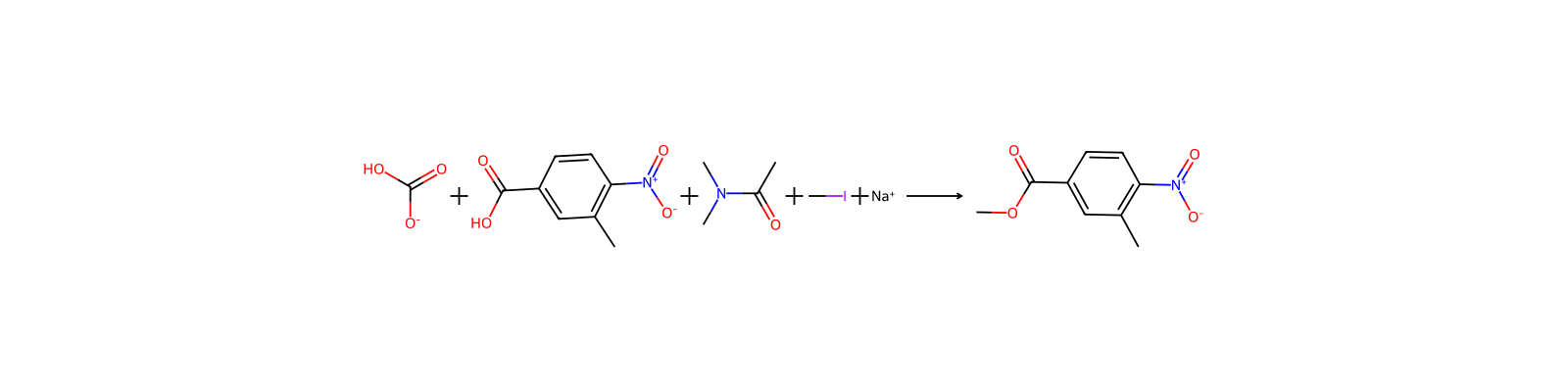
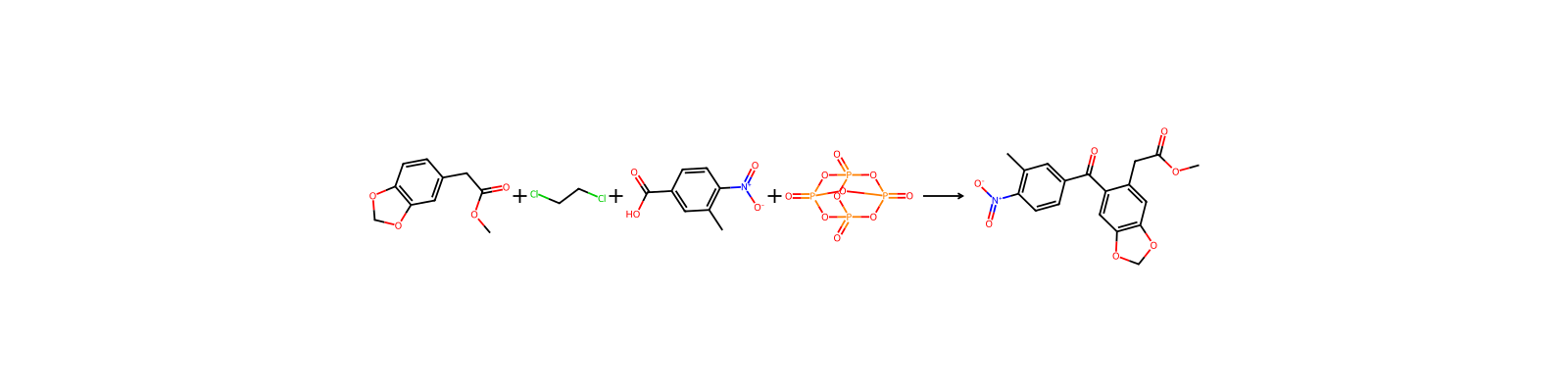
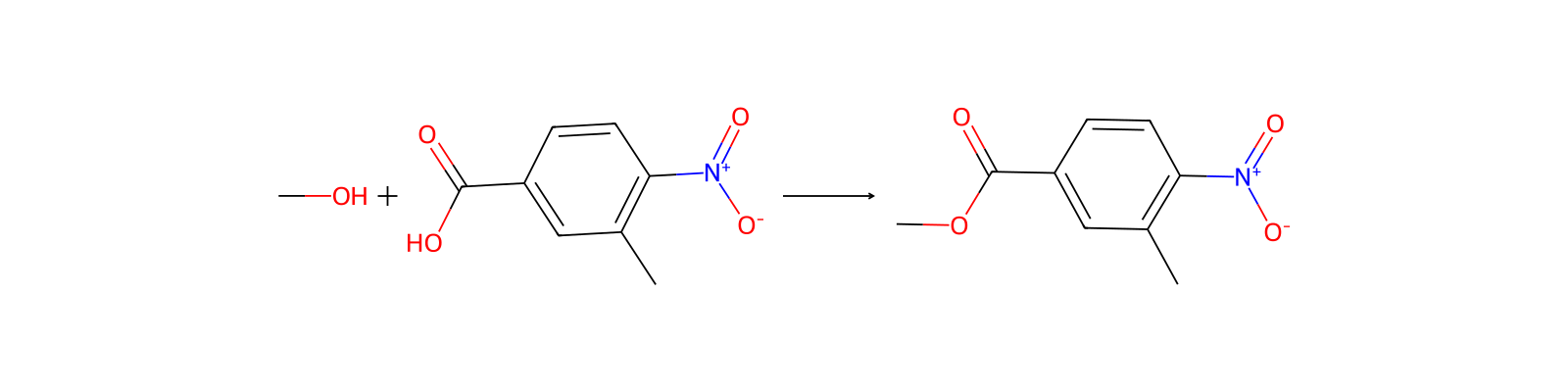
关联笔记
加载中…