
基本信息
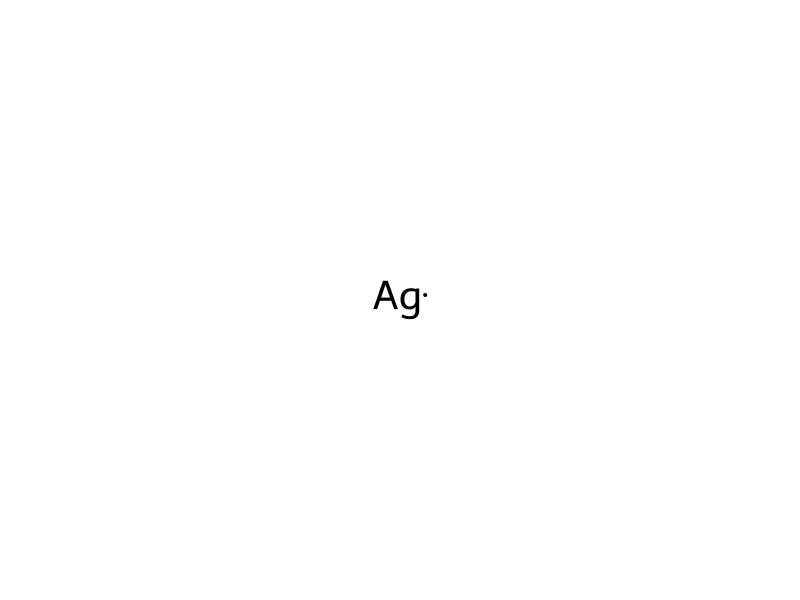
- 标准SMILES
[Ag]- InChIKey
BQCADISMDOOEFD-UHFFFAOYSA-N- 分子式
- Ag
- 平均分子量
- 107.868 g/mol
- 单同位素质量
- 106.905097
概述
Silver is a naturally occurring element. It is found in the environment combined with other elements such as sulfide, chloride, and nitrate. Pure silver is "silver" colored, but silver nitrate and silver chloride are powdery white and silver sulfide and silver oxide are dark-gray to black. Silver is often found as a by-product during the retrieval of copper, lead, zinc, and gold ores. Silver is used to make jewelry, silverware, electronic equipment, and dental fillings. It is also used to make photographs, in brazing alloys and solders, to disinfect drinking water and water in swimming pools, and as an antibacterial agent. Silver has also been used in lozenges and chewing gum to help people stop smoking.
名称与标识
- 首选名称
- Silver
- IUPAC
- silver
- 中文名
- 银(II)
- 英文名
- silver
- 分子式
- Ag+2
- 分子量
- 107.87
名称与别名
SILVER7440-22-4ArgentumSilver atomSilver metalColloidal silverSilver, colloidalAlgaedynSilberShell silverAstroflake 5Carey Lea silver
展开更多名称
银浆料银蒸发料银(II)Silver ion(2+)
Argentum metallicumDegussa 67Degussa 80Silpowder 130argentSilflake 135Jelcon SH 1KS (metal)
数据库标识
- CAS
15046-91-0、69011-54-7、7440-22-4- PubChem CID
- 23954
- DTXSID
DTXSID4024305- ChEMBL
CHEMBL1230866- ChEBI
CHEBI:9141- UNII
- 3M4G523W1G
- EC Number
- 231-131-3、628-860-8、920-159-8
- Nikkaji
- J259.455B、J264.917I、J3.730C
性质
结构计算性质
- 极性表面积
- 0 Ų
- 氢键供体
- 0
- 氢键受体
- 0
- 可旋转键
- 0
- 重原子
- 1
- 形式电荷
- 0
- 复杂度
- 0
实验与物化性质
Chemical Classes
Metals -> Metals, Inorganic Compounds
Flammable agents - 3rd degree
Trace element
Cosmetics
Cosmetics ingredient -> Colorant; Conditioning/Emollient
Cosmetic colorant
SpringerMaterials Propertiesthermal expansion coefficient
PesticidesPesticide -> EPA IRIS
Food AdditivesCosmetics -> FDA Regulatory Status of Color Additives
Density
10.5 at 68 °F (NTP, 1992) - Denser than water; will sink
10.49 @ 15 °C
Relative density (water = 1): 10.5
10.5 at 68 °F
10.5 @25 °C
10.49 (metal)
Color/Form
White metal, face-centered cubic structure
Metal: White lustrous solid.
Solubility
Insoluble (NIOSH, 2024)
Insoluble
Sol in fused alkali hydroxides in presence of air, fused peroxides, and alkali cyanides in presence of oxygen
INSOL IN HOT OR COLD WATER, ALKALI; SOL IN NITRIC ACID; HOT SULFURIC ACID, POTASSIUM CYANIDE /Aqueous/
Solubility in water, g/100ml:
Insoluble
CorrosivitySol silver cmpd will attack some forms of plastics, rubber, and coatings. /Silver metal and soluble silver compounds/
Dietary IngredientsColloidal silver
Human DrugsBreast Feeding; Lactation; Milk, Human; Elements; Metals, Heavy; Transition Elements
Endocrine DisruptorsPotential endocrine disrupting compound
安全与法规
GHS分类
GHS Classification
Warning
H361f: Suspected of damaging fertility [Warning Reproductive toxicity]
P203, P260, P280, P318, P319, P405, and P501 (click each P-code to see the statement)
Warning
H361f: Suspected of damaging fertility [Warning Reproductive toxicity]
P203, P260, P273, P280, P318, P319, P391, P405, and P501 (click each P-code to see the statement)
危害信息
Regulatory Information
Chemical: Silver
Hazard Traits - Bioaccumulation; Environmental Persistence
Regulation (EC) No 1333/2008 (amended)
Silver is listed on the EPA's Chemical Data Reporting (CDR) system. Manufacturers and importers of Silver are required to report information about their production and use of this chemical to the EPA under the Toxic Substances Control Act (TSCA). (40 eCFR Part 711)
Status: Active Update: 09-05-2023 https://echa.europa.eu/registration-dossier/-/registered-dossier/16155
Silver: Does not have an individual approval but may be used under an appropriate group standard
Other Safety InformationIMAP assessments - Silver: Human health tier I assessment
DOT LabelClass 9
Fire Hazards
Dust is flammable. (NTP, 1992)
Not combustible.
Fire Potential
NONCOMBUSTIBLE, EXCEPT AS POWDER
The dust is flammable
Health HazardsExcerpt from NIOSH Pocket Guide for Silver (metal dust and soluble compounds, as Ag):
Hazards Summary
Silver is a naturally occurring element. It is found in the environment combined with other elements such as sulfide, chloride, and nitrate. Pure silver is "silver" colored, but silver nitrate and silver chloride are powdery white and silver sulfide and silver oxide are dark-gray to black. Silver is often found as a by-product during the retrieval of copper, lead, zinc, and gold ores. Silver is used to make jewelry, silverware, electronic equipment, and dental fillings. It is also used to make photographs, in brazing alloys and solders, to disinfect drinking water and water in swimming pools, and as an antibacterial agent. Silver has also been used in lozenges and chewing gum to help people stop smoking.
Silver nitrate, used in burn therapy, is a reported inducer of methemoglobinemia. [ATSDR Case Studies, # 16] In the past, acute renal failure was reported in film developers after exposure to soluble silver compounds. [Rosenstock, p. 574] Argria is a blue-gray discoloration of the skin or mucous membranes; it has been described in humans mainly after injection or ingestion of silver-containing medications. Argyria has also been described in workers exposed to high levels of silver inhaled as dusts or mists: silver reclamation, photographic processing (silver nitrate), silver refineries, varnish spraying, and silver polishing. [ACGIH] Soluble silver compounds include nitrates, acetates, sulfates, and salts of Na, K, and ammonium; Insoluble silver compounds include chlorides, bromides, iodides, hydroxides, carbonates, and phosphates; [Nordberg, p. 19]
The major hazards encountered in the use and handling of silver stem from its toxicologic properties. Toxic by all routes (ie, inhalation, ingestion, and dermal contact), exposure to silver (as a finely divided metal, or in solution) may occur from its use in electroplating, as a component of photographic materials, in the manufacture of jewelry, mirrors, coinage, pigments, antiseptics, and in brazing and welding. Effects from exposure may include skin or eye irritation, mild bronchitis, metal fume fever, and argyria, a blue-gray discoloration of the skin, mucous membranes, and eyes. Also, hepatic damage has been implicated with soluble silver salts. The OSHA PEL is set at a TWA of 0.01 mg/cu m. Safe levels should be maintained by the use of engineering controls (eg, local exhaust ventilation, or process enclosure). In activities where over-exposure to silver may occur, workers should wear impervious clothing, gloves, face protection, and a self-contained breathing apparatus. Such clothing and equipment should be removed before leaving the worksite. Skin that becomes contaminated with silver should be promptly washed. Eating and smoking should be prohibited in silver work areas. Finely divided silver dust is flammable. Also, explosive compounds may form when silver mixes with acetylene, ammonia, or hydrogen peroxide. Before shipping silver, consult with the regulatory requirements of the US Department of Transportation. If powdered silver or solutions of silver are spilled, first ventilate the area, then collect the spilled material (solutions are first absorbed in vermiculite, dry sand, or earth) and place in sealed containers for reclamation. Before implementing land disposal of silver waste, consult with environmental regulatory agencies for guidance.
FDA Requirements
[21 CFR 73.2500 (4/1/2000)] Certification of this color additive when used for coloring fingernail polish at a level not to exceed 1 percent of the final product is not necessary for the protection of the public health, and therefore batches thereof are exempt from the certification pursuant to section 721(c) of the act.
Reactive GroupMetals, Less Reactive
UN ClassificationUN Hazard Class: 9; UN Pack Group: III
Special ReportsFinnish Institute of Occupational Health; Nanoatlas of Selected Engineered Nanoparticles, p10 (2009).[Available from, as of September 26, 2013: http://www.ttl.fi/partner/nanosh/progress/Documents/nanosh_nanoatlas.pdf]
RCRA Requirements
D011; A solid waste containing silver may or may not become characterized as a hazardous waste when subjected to the Toxicity Characteristic Leaching Procedure listed in 40 CFR 261.24, and if so characterized, must be managed as a hazardous waste. /Silver/
安全与防护
Fire Fighting
A fire in your laboratory involving this chemical should be extinguished with a dry chemical, carbon dioxide or halon extinguisher. (NTP, 1992)
In case of fire in the surroundings: all extinguishing agents allowed.
First Aid Measures
Fresh air, rest.
Rinse and then wash skin with water and soap.
Rinse with plenty of water (remove contact lenses if easily possible).
Give one or two glasses of water to drink.
First Aid
EYES: First check the victim for contact lenses and remove if present. Flush victim's eyes with water or normal saline solution for 20 to 30 minutes while simultaneously calling a hospital or poison control center. Do not put any ointments, oils, or medication in the victim's eyes without specific instructions from a physician. IMMEDIATELY transport the victim after flushing eyes to a hospital even if no symptoms (such as redness or irritation) develop.
(General first aid procedures)
Safe StorageSeparated from : see Chemical Dangers. Store only in original packaging. Store in an area without drain or sewer access.
Exposure Control and Personal Protection
TIH (Toxic Inhalation Hazard) - Term used to describe gases and volatile liquids that are toxic when inhaled. Some are TIH materials themselves, e.g., chlorine, and some release TIH gases when spilled in water, e.g., chlorosilanes. [ERG 2016].
0.1 [mg/m3], inhalable fraction (metal) (Silver, salts, as Ag, 0.01 mg/m3 inhalable fraction)[German Research Foundation (DFG)]
Cleanup Methods
If powdered silver metal or sol silver cmpd are spilled or leaked, the following steps should be taken: 1. Ventilate area of spill or leak. 2. Collect spilled material in most convenient & safe manner & deposit in sealed containers for reclamation. Liquid containing silver metal or sol silver cmpd should be absorbed in vermiculite, dry sand, earth, or similar material. /Silver metal & sol silver cmpd/
Nonfire Spill Response
SMALL SPILLS AND LEAKAGE: If you spill this chemical, you should dampen the solid spill material with 5% acetic acid, then transfer the dampened material to a suitable container. Use absorbent paper dampened with 5% acetic acid to pick up any remaining material. Your contaminated clothing and the absorbent paper should be sealed in a vapor-tight plastic bag for eventual disposal. Wash all contaminated surfaces with 5% acetic acid followed by washing with a strong soap and water solution. Do not reenter the contaminated area until the Safety Officer (or other responsible person) has verified that the area has been properly cleaned.
Disposal Methods
SRP: At the time of review, criteria for land treatment or burial (sanitary landfill) disposal practices are subject to significant revision. Prior to implementing land disposal of waste residue (including waste sludge), consult with environmental regulatory agencies for guidance on acceptable disposal practices.
SRP: Wastewater from contaminant suppression, cleaning of protective clothing/equipment, or contaminated sites should be contained and evaluated for subject chemical or decomposition product concentrations. Concentrations shall be lower than applicable environmental discharge or disposal criteria. Alternatively, pretreatment and/or discharge to a permitted wastewater treatment facility is acceptable only after review by the governing authority and assurance that "pass through" violations will not occur. Due consideration shall be given to remediation worker exposure (inhalation, dermal and ingestion) as well as fate during treatment, transfer and disposal. If it is not practicable to manage the chemical in this fashion, it must be evaluated in accordance with EPA 40 CFR Part 261, specifically Subpart B, in order to determine the appropriate local, state and federal requirements for disposal.
SRP: The most favorable course of action is to use an alternative chemical product with less inherent propensity for occupational exposure or environmental contamination. Recycle any unused portion of the material for its approved use or return it to the manufacturer or supplier. Ultimate disposal of the chemical must consider: the material's impact on air quality; potential migration in soil or water; effects on animal, aquatic, and plant life; and conformance with environmental and public health regulations.
Spillage Disposal
Personal protection: particulate filter respirator adapted to the airborne concentration of the substance. Collect the spilled substance into containers. Then store and dispose of according to local regulations. Do NOT let this chemical enter the environment.
Preventive Measures
SRP: The scientific literature for the use of contact lenses in industry is conflicting. The benefit or detrimental effects of wearing contact lenses depend not only upon the substance, but also on factors including the form of the substance, characteristics and duration of the exposure, the uses of other eye protection equipment, and the hygiene of the lenses. However, there may be individual substances whose irritating or corrosive properties are such that the wearing of contact lenses would be harmful to the eye. In those specific cases, contact lenses should not be worn. In any event, the usual eye protection equipment should be worn even when contact lenses are in place.
If employees' clothing may have become contaminated with solids or liquids containing sol silver cmpd, employees should change into uncontaminated clothing before leaving the work premises. Clothing contaminated with metallic silver or silver compounds should be placed in closed containers for storage until it can be discarded or until provision is made for the removal of substances from the clothing. If the clothing is to be laundered or otherwise cleaned to remove the substances, the person performing the operation should be informed of substances' hazardous properties. Non-impervious clothing which becomes contaminated with metallic silver or sol silver cmpd should be removed promptly and not reworn until the metallic silver or sol silver cmpd are removed from the clothing. /Silver metal or soluble silver compounds/
Skin that becomes contaminated with metallic silver or sol silver cmpd should be promptly washed or showered to remove any metallic silver or sol silver cmpd. Eating and smoking should not be permitted in areas where metallic silver or solids or liquids or liquids containing sol silver cmpd are handled, processed, or stored. Employees who handle powdered metallic silver should wash their hands thoroughly before eating, smoking, or using toilet facilities. /Silver metal & sol silver cmpd/
... Control methods which may be effective ... /include/ local exhaust ventillation, general dilution ventilation, personal protective equipment & process enclosure. /Silver metal & sol silver cmpd/
For more Preventive Measures (Complete) data for SILVER, ELEMENTAL (6 total), please visit the HSDB record page.
... The reactor cleanout operation was determined to be an uncontrolled source of engineered nanomaterial (ENM) emissions, apparently due to technicians brushing and scraping unwanted buildup from the inside of the reactor. ...By changing the existing reactor cleanout work practice (vigorously brushing and scraping in multiple directions ... to a more targeted brushing/scraping (toward the inlet of the local exhaust ventilation (LEV)), emissions (both number and mass concentrations) were dramatically reduced... /Nanoparticles/
Isolation and EvacuationExcerpt from ERG Guide 171 [Substances (Low to Moderate Hazard)]:
Eye PreventionWear safety spectacles or eye protection in combination with breathing protection if powder.
毒理信息
Toxicological InformationCDC-ATSDR Toxicological Profile
Body Burden
Urine samples collected from six males, aged 28 to 51 years, who had been employed in jewelry handicraft for 7 to 23 years, were analyzed for silver. Urinary silver ranged from 5 to 261 micrograms per 24 hours. A mean value of about 27 micrograms was found after shifts over 5 days in workers performing investment casting with oxyacetylene flame, while the mean urinary silver level in workers performing the electromagnetic induction process was about 5 micrograms after shifts.
Interactions
The binding of Ag+ to metallothionein was investigated, and a silver saturation assay was developed for the measurement of metallothionein in tissues. When samples of purified hepatic zinc metallothionein or cadmium metallothionein were titrated with Ag+ followed by RBC hemolysate-heat treatment (to remove non-MT bound Ag+), it was found that saturation of MT occurred at 17 to 18 g-atoms Ag+/mol protein. The rank order of potencies of metals to displace Ag+ from 110mAg-labelled Ag-metallothionein was Ag+ > Cu2+ > Cd(2+) > Hg(2+) > Zn(2+) at pH 8.5 in 0.5 M glycine buffer. ...
The antagonism between silver and selenium is mediated through the selenium containing enzyme glutathione perioxidase. To test the effect of selenium intake on silver toxicity, two levels of silver, 76 and 751 mg/l, and a control (no silver) were administered in drinking water for 52 days. All experimental groups consisted of ten, 21 day old Holtzman rats, fed a vitamin E deficient diet. A similar regimen was administered to vitamin E deficient rats which had selenium added to their diet. Silver, at 751 mg/l severely depressed the growth of rats on the low selenium diet. Selenium addition overcame this deficit completely in the 76 mg/l silver group but not in the 751 mg/l group. Activity of liver glutathione perioxidase in the selenium supplemented group was reduced to 30% of control at 76 mg/l silver in drinking water and to 4 % of control at 751 mg/l. This activity was not reduced at all in erthrocytes and was not detectable in the livers of rats fed the low selenium (0.02 ppm) basal diets.
Experiments to clarify the relationship between ceruloplasmin synthesis and copper (Cu) status involving metallothionein induction as modified by cadmium (Cd), silver (Ag), and lead (Pb) were described. Specific pathogen free male mice, age 5 weeks, were fed /ad libitin/ a standard diet containing 11 ppm Cu. Metals were injected subcutaneously three times every 24 hours at doses of 1.5 mg/kg Ag, 20 mg/kg Pb, 1.5 mg/kg Cd, and 3.0 mg/kg Cu. Two groups were treated with combinations of Cd plus Ag and Cu plus Ag, the metals being injected at the same time but at different sites. Mice were sacrificed at 24 hours postinjection and serum was collected to determine ceruloplasmin activity and metal content. Liver homogenates and bile were also assessed. Cd injection significantly increased serum ceruloplasmin and serum Cu, accompanied by an increase in hepatic Cu. Pb injection slightly increased serum ceruloplasmin and serum Cu. Ag injection significantly reduced ceruloplasmin activity and Cu levels in serum and slightly increased hepatic Cu. The Ag effect was evident in combination with Cd. Cu in combination with Ag negated the effect of Ag on ceruloplasmin with a concomitant loss of Ag from serum ceruloplasmin.
Intraperitoneal pretreatment with a large dose of cadmium, zinc, mercury, manganese or silver remarkably depressed the lethal effects of X-ray. Metal binding protein may not play an important role in protective effects of metal pretreatment on the lethal effects of X-ray, but quantum mechanical characters of metals may do so.
Target Organs
Dermal (Skin), Gastrointestinal (Stomach and Intestines, part of the digestive system), Respiratory (From the Nose to the Lungs)
Dermal
Nasal septum, skin, eyes
Health Effects
Silver itself is not toxic to humans, but most silver salts are. In large doses, silver and compounds containing it can be absorbed into the circulatory system and become deposited in various body tissues, leading to argyria, which results in a blue-grayish pigmentation of the skin, eyes, and mucous membranes. Argyria is rare, and although, so far as known, this condition does not otherwise harm a person's health, it is disfiguring and usually permanent. Mild forms of argyria are sometimes mistaken for cyanosis. (L809)
Environmental Fate
TERRESTRIAL FATE: Silver nanoparticles readily transform in the environment, which modifies their properties and alters their transport, fate, and toxicity(1). Sulfidation of silver nanoparticles results in a decrease in their toxicity due to the lower solubility of silver sulfide, potentially limiting their short-term environmental impact. Bare silver nanoparticles have a negative surface charge throughout the environmental pH range (5-9); however, this surface charge can be modified from approximately +30 mV to 60 mV using organic coatings. This variable surface charge may play a large role in silver nanoparticle mobility and bacterial growth inhibition. The oxidation of silver is thermodynamically favored at room temperature and the silver core of the nanoparticle can be transformed into many species in the environment (silver oxide, silver carbonate, silver chloride, silver sulfide, silver sulfate). Because of the wide variety of coatings used with silver nanoparticles the environmental fate is still largely unknown(1).
AQUATIC FATE: Silver nanoparticles readily transform in the environment, which modifies their properties and alters their transport, fate, and toxicity(1). Silver binds strongly to organic and inorganic sulfur in fresh and sea water systems as well as in waste water treatment plants, where most silver nanoparticles are expected to be concentrated and then released. Sulfidation of silver nanoparticles results in a decrease in their toxicity due to the lower solubility of silver sulfide, potentially limiting their short-term environmental impact. Bare silver nanoparticles have a negative surface charge throughout the environmental pH range (5-9); however, this surface charge can be modified from approximately +30 mV to 60 mV using organic coatings. This variable surface charge may play a large role in silver nanoparticle mobility and bacterial growth inhibition. The oxidation of silver is thermodynamically favored at room temperature and the silver core of the nanoparticle can be transformed into many species in the environment (silver oxide, silver carbonate, silver chloride, silver sulfide, silver sulfate). Because of the wide variety of coatings used with silver nanoparticles the environmental fate is still largely unknown(1). Zebra fish (Danio rerio) exposed to silver nanoparticles showed dose dependent accumulation at all experimental concentrations(2).
ATMOSPHERIC FATE: Nanoparticles can remain airborne over a long period because of their small size and light weight(1). /Nanoparticles/
Adverse EffectsNephrotoxin - The chemical is potentially toxic to the kidneys in the occupational setting.
Exposure Routes
The substance can be absorbed into the body by inhalation and by ingestion.
inhalation, ingestion, skin and/or eye contact
Oral (L808) ; inhalation (L808) ; dermal (L808)
Toxicity Summary
IDENTIFICATION AND USE: Products utilizing the antimicrobial properties of silver (Ag) nanoparticles range from surgical tool coatings, wound dressings, surface and personal sanitizing sprays, toothbrushes, home purification systems, food storage containers, socks and infant pacifiers. HUMAN EXPOSURE AND TOXICITY: A prospective, single-center, open-label study of 30 patients with relatively small burns that required skin grafting was conducted. Serum silver levels were measured before, during and at discontinuation of the use of the Acticoat dressings, and again at 3 and 6 months following completion of treatment. The median total postoperative wound size was 12% of the total body surface area. The median time to maximum silver levels was 9 days. The median maximum serum silver level was 56.8 ug/L. The median serum level at 6 months was 0.8 ug/L. There were no hematological or biochemical indicators of toxicity associated with the silver absorption observed in this study. Exposure to silver nanoparticles among the general population may be via dermal contact and ingestion by those administered this substance in nanoparticle-enhanced antimicrobial drugs. Occupational exposure to nanoparticles may occur through inhalation of dust and dermal contact with these compounds at workplaces where nanoparticles are produced or used. Nanomaterials are currently incorporated into many consumer products, Due to the consequence of widespread usage and the supposed persistence against degradation, human and environmental exposure to nanomaterials are likely to increase. ANIMAL STUDIES: A study tested the oral toxicity of silver nanoparticles (60 nm) over a period of 28 days in rats. Eight week old rats were divided into four 4 groups: vehicle control, low-dose group (30 mg/kg), middle-dose group (300 mg/kg), and high-dose group (1000 mg/kg). After 28 days of exposure, the blood biochemistry and hematology were investigated, along with a histopathological examination and silver distribution study. The male and female rats did not show any significant changes in body weight relative to the doses of silver nanoparticles during the 28-day experiment. However, some significant dose-dependent changes were found in the alkaline phosphatase and cholesterol values in either the male or female rats, seeming to indicate that exposure to over more than 300 mg of silver nanoparticles may result in slight liver damage. The tissue distribution of silver nanopaticles did show a dose-dependent accumulation of silver content in all the tissues examined. In particular, a gender-related difference in the accumulation of silver was noted in the kidneys, with a twofold increase in the female kidneys when compared with the male kidneys. A study attempted to investigate the inflammatory responses and pulmonary function changes in rats during 90 days of inhalation exposure to silver nanoparticles. The rats were exposed to silver nanoparticles (18 nm diameter) at concentrations of 0.7 x 10+6 particles/cu cm (low dose), 1.4 x 10+6 particles /cu cm (middle dose), and 2.9 x 10+6 particles /cu cm (high dose) for 6 hr/day in an inhalation chamber for 90 days. The lung function was measured every week after the daily exposure, and the animals sacrificed after the 90-day exposure period. Cellular differential counts and inflammatory measurements, such as albumin, lactate dehydrogenase (LDH), and total protein, were also monitored in the acellular bronchoalveolar lavage (BAL) fluid of the rats exposed to the silver nanoparticles for 90 days. Among the lung function test measurements, the tidal volume and minute volume showed a statistically significant decrease during the 90 days of silver nanoparticle exposure. Although no statistically significant differences were found in the cellular differential counts, the inflammation measurements increased in the high-dose female rats. Meanwhile, histopathological examinations indicated dose-dependent increases in lesions related to silver nanoparticle exposure, such as infiltrate mixed cell chronic alveolar inflammation, including thickened alveolar walls, and small granulomatous lesions. Therefore, when taken together, the decreases in the tidal volume and minute volume and other inflammatory responses after prolonged exposure to silver nanoparticles would seem to indicate that nanosized particle inhalation exposure can induce lung function changes, along with inflammation, at much lower mass dose concentrations when compared to submicrometer particles. A study was undertaken to examine the DNA damage response to polysaccharide surface functionalized (coated) and non-functionalized (uncoated) Ag NPs in two types of mammalian cells; mouse embryonic stem (mES) cells and mouse embryonic fibroblasts (MEF). Both types of Ag NPs up-regulated the cell cycle checkpoint protein p53 and DNA damage repair proteins Rad51 and phosphorylated-H2AX expression. Furthermore both of them induced cell death as measured by the annexin V protein expression and MTT assay. The observations also suggested that the different surface chemistry of Ag NPs induce different DNA damage response: coated Ag NPs exhibited more severe damage than uncoated Ag NPs. The results suggest that polysaccharide coated particles are more individually distributed while agglomeration of the uncoated particles limits the surface area availability and access to membrane bound organelles.
Metallic silver is oxidized and may deposit in the tissues, causing arygria. The silver ion is known to inhibit glutathione peroxidase and NA+,K+-ATPase activity, respectively disrupting selenium-catalyzed sulfhydryl oxidation-reduction reactions and intracellular ion concentrations. Silver nanoparticles are believed to disrupt the mitochondrial respiratory chain, causing oxidative stress, reduced ATP synthesis, and DNA damage. (L808, A243, A244, A245, A246)
Ecotoxicity Excerpts
/AQUATIC SPECIES/ ... Zebrafish, daphnids, and an algal species were used as models of various trophic levels and feeding strategies. To understand whether observed effects are caused by dissolution, particles were characterized before testing, and particle concentration and dissolution were determined during exposures. Organisms were exposed to silver, copper, aluminum, nickel, and cobalt as both nanoparticles and soluble salts as well as to titanium dioxide nanoparticles. ... Nanosilver and nanocopper cause toxicity in all organisms tested, with 48-hr median lethal concentrations as low as 40 and 60 ug/L, respectively, in Daphnia pulex adults, whereas titanium dioxide did not cause toxicity in any of the tests. Susceptibility to nanometal toxicity differed among species, with filter-feeding invertebrates being markedly more susceptible to nanometal exposure compared with larger organisms (ie, zebrafish). The role of dissolution in observed toxicity also varied, being minor for silver and copper but, apparently, accounting for most of the toxicity with nickel. Nanoparticulate forms of metals were less toxic than soluble forms based on mass added, but other dose metrics should be developed to accurately assess concentration-response relationships for nanoparticle exposures.
/AQUATIC SPECIES/ Emerging nanomaterials are of great concern to wastewater treatment utilities and the environment. The inhibitory effects of silver nanoparticles (Ag NPs) and other important Ag species on microbial growth were evaluated using extant respirometry and an automatic microtiter fluorescence assay. Using autotrophic nitrifying organisms from a well-controlled continuously operated bioreactor, Ag NPs (average size=14+/-6 nm), Ag(+) ions (AgNO(3)), and AgCl colloids (average size=0.25 um), all at 1mg/L Ag, inhibited respiration by 86+/-3%, 42+/-7%, and 46+/-4%, respectively. Based on a prolonged microtiter assay, at about 0.5mg/L Ag, the inhibitions on the growth of Escherichia coli PHL628-gfp by Ag NPs, Ag(+) ions, and AgCl colloids were 55+/-8%, 100%, and 66+/-6%, respectively. Cell membrane integrity was not compromised under the treatment of test Ag species by using a LIVE/DEAD Baclight bacterial viability assay. However, electron micrographs demonstrated that Ag NPs attached to the microbial cells, probably causing cell wall pitting. The results suggest that nitrifying bacteria are especially susceptible to inhibition by Ag NPs, and the accumulation of Ag NPs could have detrimental effects on the microorganisms in wastewater treatment.
/AQUATIC SPECIES/ Toxicities of aqueous suspensions of nanoparticles were tested in early life stages of an environmentally relevant fish species, Microgadus tomcod (Atlantic tomcod). Embryos were exposed to graded concentrations of nanoparticles which included: fullerenes, functionalized single-walled carbon nanotubes (SWNT) and metal oxides of silver, copper, iron, nickel and Zn (Ag, Cu, Fe, Ni and Zn). Also tested were manufactured nanoparticles consisting of a fullerene shell with erbium or yttrium metal catalysts derived from various stages in their production process including soot, sludge and the finished material. Particles were dispersed in 5 ppt artificial sea water or DMSO and sonicated for one hour. Exposure began at 14 days post fertilization and continued until death or hatching. Survivorship and hatching success were evaluated. Fullerene exposure resulted in 100% mortality at 500 ug/L while SWNTs did not induce significant changes in mortality or hatching. Mortality increased with graded doses of Cu, Fe and Zn while no changes in mortality or hatching were detected with Ag or Ni at concentrations up to 10 ug/mL. The finished manufactured nanoparticles caused dose responsive toxicities that were 100% lethal at 50 ug/ml. Soot and sludge particles with both erbium and yttrium resulted in dose dependent increases in mortality but erbium-containing particles were more toxic and caused 100% mortality at 10 and 50 ug/mL for soot and sludge, respectively. These results indicate that nanoparticles containing some metals (Cu, Fe, Zn) are toxic to fish embryos. Particles containing erbium and yttrium were more harmful than those containing only carbon. Fullerenes induced mortality in these embryos but SWNTs did not. Future studies will determine if these effects are modified by exposures in natural water samples of different salinities, are conserved in a second fish species, Fundulus heteroclitus, as well as attempt to elucidate mechanisms of toxicity.
/AQUATIC SPECIES/ ... The objective of the present study was to evaluate the role of silver and vanadium release in the acute toxicity of this material using Daphnia similis. ... Silver vanadate nanowires decorated with silver nanoparticles (SVSN-LQES1) are acutely toxic to D. similis. The release of silver from the nanomaterial trapped in the gut along with the silver released to the test media seems to be responsible for the observed toxicity. Although toxic to Daphnia, vanadium does not contribute to the toxicity of SVSN-LQES1. The observed increase in lipid droplets appears to be related to the exposure of the organisms to the nanomaterials, but the significance of this response needs further investigation. /Silver vanadate nanowires decorated with silver nanoparticles/
For more Ecotoxicity Excerpts (Complete) data for SILVER NANOPARTICLES (28 total), please visit the HSDB record page.
Signs and Symptoms
Cough. Sore throat.
Redness. Pain.
See Inhalation.
Blue-gray eyes, nasal septum, throat, skin; irritation, ulceration skin; gastrointestinal disturbance
Exposure to high levels of silver for a long period of time may result in a condition called arygria, a blue-gray discoloration of the skin and other body tissues. Argyria is a permanent effect but does not appear to be harmful to health. Exposure to high levels of silver in the air has resulted in breathing problems, lung and throat irritation, and stomach pains. Skin contact with silver can cause mild allergic reactions such as rash, swelling, and inflammation in some people. (L808)
Effluent ConcentrationsBased on probabilistic material flow analysis in the USA, silver nanoparticle concentrations are predicted to be on the order of 9 ug/L in wastewater treatment plants and 1550 ug/L in sewage sludge(1).
法规信息
FDA Requirements
[21 CFR 73.2500 (4/1/2000)] Certification of this color additive when used for coloring fingernail polish at a level not to exceed 1 percent of the final product is not necessary for the protection of the public health, and therefore batches thereof are exempt from the certification pursuant to section 721(c) of the act.
RCRA Requirements
D011; A solid waste containing silver may or may not become characterized as a hazardous waste when subjected to the Toxicity Characteristic Leaching Procedure listed in 40 CFR 261.24, and if so characterized, must be managed as a hazardous waste. /Silver/
FIFRA Requirements
As the federal pesticide law FIFRA directs, EPA is conducting a comprehensive review of older pesticides to consider their health and environmental effects and make decisions about their future use. Under this pesticide reregistration program, EPA examines health and safety data for pesticide active ingredients initially registered before November 1, 1984, and determines whether they are eligible for reregistration. In addition, all pesticides must meet the new safety standard of the Food Quality Protection Act of 1996. Pesticides for which EPA had not issued Registration Standards prior to the effective date of FIFRA '88 were divided into three lists based upon their potential for human exposure and other factors, with List B containing pesticides of greater concern and List D pesticides of less concern. Silver and Cmpds is found on List D. Case No: 4082; Pesticide type: fungicide, herbicide, antimicrobial; Case Status: RED Approved 06/93; OPP has made a decision that some/all uses of the pesticide are eligible for reregistration, as reflected in a Reregistration Eligibility Decision (RED) document.; Active ingredient (AI): silver; Data Call-in (DCI) Date(s): 9/30/92; AI Status: OPP has completed a Reregistration Eligibility Decision (RED) for the case/AI.
Clean Water Act Requirements
Toxic pollutant designated pursuant to section 307(a)(1) of the Federal Water Pollution Control Act and is subject to effluent limitations. /Silver and compounds/
The ambient water quality criterion for silver is recommended to be identical to the existing water standard which is 50 ug/l. /Silver and cmpd/
State Drinking Water Standards(CT) CONNECTICUT 50 ug/l
State Drinking Water Guidelines
(AZ) ARIZONA 50 ug/l
(ME) MAINE 35 ug/l
(MN) MINNESOTA 30 ug/l
(WI) WISCONSIN 50 ug/l
Federal Drinking Water GuidelinesEPA 100 ug/l
化学与工业
药理信息
ATC Code
D - Dermatologicals
QD - Dermatologicals
Protein BindingSilver absorbed in the body as Ag+ bind rapidly to various proteins including albumin and macroglobulin as inert complexes for distribution to bone and soft tissues.
Pharmacodynamics
Silver exhibits a broad-spectrum antimicrobial activity. Silver ions were shown to mediate an effective antibacterial action against _Streptococcus mutans_, one of major bacteria present in the human oral cavity and one of etiological microorganism of dental caries. A study reported a dose-dependent antimicrobial activity of silver nanoparticles against MRSA and non-MRSA bacteria. Silver nanoparticles were also shown to mediate antibacterial activity against Gram-positive _S. aureus_ and Gram-negative _E. coli_ by inhibiting the growth. In experimental dinitrochlorobenzene-induced inflammatory models in porcine or murine skin, topical application of silver nitrate and nanocrystalline silver were shown to exert anti-inflammatory effects associated with lymphocyte apoptosis, decreased expression of pro-inflammatory cytokines, and reduced gelatinase activity. In a rat model of ulcerative colitis, orally or intracolonically administered nanocrystalline silver were shown to suppress matrix metalloproteinase (MMP-9), tumour necrosis factor (TNF), and interleukin-β (IL-β) and IL-12.
Mechanism of Action
The majority of released silver ions precipitate with chloride or phosphate anions or bind to albumins, macroglobulins, or tissue debris. While bound silver ions do not exert antibacterial actions, they may potentially play a role in silver toxicity in case of chronic exposure. Silver ions mediate antibacterial effects via disrupting the bacterial, fungal, and protozoal cell membranes; they bind to disulphide in membrane proteins, readily allowing penetration through the membranes and intracellular absorption via pinocytosis. They may also bind to negatively-charged peptidoglycans in the cell wall via electrostatic interactions, leading to disruption of membrane transport function and loss of structural integrity. Silver ions also bind to and oxidize sulphydryl groups (SH) in bacterial cytoplasmic enzymes to aberrate their function in metabolic processes. Silver nanoparticles may cause an increase in reactive oxygen species (ROS) inside the microbial cells leading to metal-induced oxidative stress and cell damage. They also modulate cellular signal system via inhibition of phosphorylation of essential bacterial proteins to eventually cause cell death. It is also reported that silver ions also attach to guanine in bacterial DNA, which inhibits DNA replication. While it is not fully understood, the mode of action of silver compounds in preventing and arresting dental caries is thought to involve inhibition of the demineralization process in addition to cytoplasmic and membrane function perturbation mentioned above. Silver compounds may directly interact with hydroxyapatite, a major tooth component.
Light catalyzes the reduction of silver salts deposited in skin to metallic silver & it /is/ subsequently oxidized to silver sulfide; it is the deposition of the latter compound which accounts for the gray discoloration pathognomonic of argyria. /Silver and compounds/
Silver nanoparticles (nano-Ag) are potent and broad-spectrum antimicrobial agents. In this study, spherical nano-Ag (average diameter = 9.3 nm) particles were synthesized using a borohydride reduction method and the mode of their antibacterial action against E. coli was investigated by proteomic approaches (2-DE and MS identification), conducted in parallel to analyses involving solutions of Ag(+) ions. The proteomic data revealed that a short exposure of E. coli cells to antibacterial concentrations of nano-Ag resulted in an accumulation of envelope protein precursors, indicative of the dissipation of proton motive force. Consistent with these proteomic findings, nano-Ag were shown to destabilize the outer membrane, collapse the plasma membrane potential and deplete the levels of intracellular ATP. The mode of action of nano-Ag was also found to be similar to that of Ag(+) ions ... however, the effective concentrations of nano-Ag and Ag(+) ions were at nanomolar and micromolar levels, respectively. Nano-Ag appear to be an efficient physicochemical system conferring antimicrobial silver activities.
Biological Half-Life
The biological half-life for silver is a few days for animals and up to 50 days for human liver. In humans, the biological half-life of silver in lungs has been estimated to range from 1 to 52 days.
No reports found; [TDR, p. 1083]
The biological half-life for silver is a few days for animals and up to 50 days for human liver.
After rabbits had inhaled 4 um monodispersed silver coated Teflon particles, /it was/ found that an avg of 30% of the particles deposited were cleared from the lung in one day and another 30% during the rest of the first week of the exposure. After exposure by inhalation, dogs cleared 59% of an admin dose of radioactive silver from the lungs in 1.7 days. The liver had a somewhat slower clearance of 9 days. An apparent biological half-time of about 1 day was found by whole-body scintillation counting in mice, rats, monkeys, and dogs after oral ingestion. ... Somewhat longer half-times were observed for these species after iv injection of silver, with monkeys and dogs having half-times of 1.8 and 2.4 days, respectively.
High local concn of silver from a prosthetic cement were associated with a slowly resolving focal neuropathy. The terminal elimination half-life in this 78 year old patient was long (approx 6 months).
In rats, silver is eliminated from the lung in two or three phases. The fastest phase (0.3 to 1.7 days) removes most of the inhaled dose by mucociliary clearance. A second phase and third phase remove absorbed silver, mostly via the liver, with half-lives of about 8 to 15 and 40 to 50 days, respectively.
Metabolism/Metabolites
No pharmacokinetic data on metabolic pathways.
Silver and its compounds can be absorbed via inhalation, orally and dermally. It distributes throughout the body, particularily to the liver. Insoluble silver salts are transformed into soluble silver sulfide albuminates, bind to amino or carboxyl groups in RNA, DNA, and proteins, or are reduced to metallic silver by ascorbic acid or catecholamines. Metallic silver is oxidized and may deposit in the tissues, causing arygria. Silver is eliminated primarily in the faeces. (L808)
Absorption, Distribution and Excretion
Although metallic silver is inert in the presence of human tissues, silver and its compounds may dissociate upon contact with skin surface, body fluids, and secretions, allowing the silver ions to be absorbed into the blood circulation. Soluble silver salts are absorbed from the respiratory and gastrointestinal tracts. However, up to 90-99% of orally ingested silver is not absorbed and percutaneous absorption of silver ions through intact or damaged skin is also reported to be low. Absorbed silver ions are deposited into elastic and connective tissues throughout the body. Biologically active silver ions mainly binds to intracellular proteins as inert complexes, and readily binds and precipitates with inorganic cations like chloride and phosphate, which explains low absorption.
Silver mainly undergoes biliary elimination to be excreted as feces. Findings from a rat study demonstrates that biliary excretion accounted for between 24% and 45% of total silver administered, and animal studies indicate that fecal elimination may account for up to 99% of the ingested silver.
Following exposure to large amounts, excess silver is reported to accumulate in skin, liver, kidneys, spleen, corneas, gingival, mucous membranes and nails. In a study of rats with ligated bile ducts, deposition of silver was 48% in the liver and 2.5% in the gastrointestinal tract. Clinical and experimental studies suggest that silver is bound as inert precipitates in lysosomal vacuoles of the blood brain barrier and blood-CSF barrier without being absorbed into neurological tissue.
Excretion of silver from the body is mainly gastrointestinal. Urinary excretion (around 10 ug/day) and fecal elimination (30-80 ug/day) has been reported from two healthy subjects. ... These values might reflect a certain overestimation of true silver concn. ... Using neutron activation analysis ... 1 ug/day /was found/ in urine of normal persons.
The deposition fraction of 0.5 um spherical silver particles in the lung of dogs has been found to be about 17%. ... The intestinal absorption of silver by mice, rats, monkeys, and dogs has been recorded at about 10% or less following ingestion of radioactive silver.
Absorption upon exposure or the extent of exposure, itself, may vary considerably among normals as reflected in tissue levels. For example, the silver content of the hair of school children from 21 school districts in Selesia, Poland, ranged from 0.23 to 1.96 mg/kg (average 0.69 mg/kg; analyses by neutron activation).
用途与制造
Uses
Used in brazes, solders, coins, jewelry, tableware, photography, photochromic glass, electrical contacts, electroplating, electroless plating, magnetron sputtered reflective coatings, dental amalgams, jet engine bearings; Silver nanoparticle applications include impregnating anti-bacterial wound dressings, intraventricular catheters, surgical tools, toothbrushes, infant pacifiers, sanitizing sprays, and home purification systems; Also used in electronics, metallurgy, and catalysis; [HSDB] Nanoparticles also used in bedding, water purification, kitchen utensils, toys, and humidifiers; [PMID 21191487]
Metal Preparation and Pouring [Category: Foundry]
Jewelry making [Category: Hobbies]
For Silver (USEPA/OPP Pesticide Code: 072501) ACTIVE products with label matches. /SRP: Registered for use in the U.S. but approved pesticide uses may change periodically and so federal, state and local authorities must be consulted for currently approved uses./
For coinage, most frequently alloyed with copper or gold; for manuf tableware, mirrors, jewelry, ornaments; for electroplating; for making vessels and apparatus used in manuf medicinal chemicals, in processing foods and beverages, in handling organic acids; as catalyst in hydrogenation and oxidation processes; as ingredient of dental alloys.
Brazes and solders, coinage, jewelry, tableware, photography, photochromic glass, electrical contacts, silver thick films, electroplating, electroless plating, magnetron sputtered reflective coatings, dental amalgam, bearings in jet engines, giant magnetoresistance.
Impurities
ASTM B413 grade (Grade 99.90 Refined): 0.002 wt% Fe, 0.025 wt% Pb, 0.001 wt% Bi, 0.08 wt% Cu; MIL-S-13282b (Grade A): 0.005 wt% Fe, 0.025 wt% Pb, 0.001 wt% Bi, 0.10 wt% Cu, 0.001 wt% Se, 0.001 wt% Te; SAE/UNS P07931 (sterling silver): 0.05 wt% Fe, 0.03 wt% Pb, 0.05 wt% Ca, 0.06 wt% Zn, all others 0.06 wt%.
U.S. Exports
(1978) 6.84X10+8 G
(1982) 7.78X10+8 G
(1986) 8.71X10+8 g
(2001) 63,592 kg
U.S. Imports
(1978) 2.36X10+9 G
(1982) 3.64X10+9 G
(1986) 4.23X10+9 g
(2001) 140,052 kg
U.S. Production
2023: 10,000,000 - <25,000,000 lb
(1978) 3.79X10+9 G
(1982) 3.39X10+9 G
(1986) 2.61X10+9 g
Consumption Patterns
PHOTOGRAPHIC MATERIALS, 43%; ELECTRIC & ELECTRONIC PRODUCTS, 26%; STERLING WARE, 6%; BRAZING ALLOYS & SOLDERS, 6%; ELECTROPLATED WARE, 2%; CATALYSTS, 2%; COMMEMORATIVE MEDALS, 2%; MINTED COINAGE, 2%; OTHER, 11% (1982)
Photography, 45%; electrical and electronics products, 25%; sterlingware, electroplated ware, and jewelry, 11%; brazing alloys and solders, 5%; other, 14% (1986)
In 2000, U.S. consumption of silver, including scrap, was estimated to have been about 5,600 tons. Photography, the largest end-use category, accounted for about 2,990 tons. The second largest end-use category, batteries/electrical/electronic products, consumed about 1,060 tons. About 500 tons of silver was consumed in sterlingware, jewelry, and silverplate. Global consumption was estimated to have ben 25,000 tons, and increase of more than 435 tons from that consumed in 1999.
Consumer UsesIntermediate
Industry UsesSemiconductor and photovoltaic agent
Methods of Manufacturing
Silver is ... recovered during electrolytic refining of copper.
Cyanide process: Cyanide solution is mixed with zinc dust to precipitate the silver.
Chlorination process: roasted ore with chlorides followed by a hot brine leach and subsequent precipitation of the silver on copper.
Mercury method: Ores are ground with mercury, salt, copper sulfate, and sulfuric acid, and then steam heated to recover silver.
For more Methods of Manufacturing (Complete) data for SILVER, ELEMENTAL (7 total), please visit the HSDB record page.
Using a pulsed plasma process, nanometals, such as ... silver nanoparticles ... are being produced.
Formulations/Preparations
USEPA/OPP Pesticide Code 072501; Trade Names:Argentum, L-3, Shell Silver.
Forms avail: pure (fine), sterling (7.5% copper), various alloys, plate; ingot, bullion, moss, sheet, wire, tubing, castings; powder; high purity (impurities less than 100 ppm); single crystals; whiskers.
Available: 99.99 wt% Ag & 99.90 wt% Ag
Amalgum-70% silver, 26% tin, 3% copper, and 1% zinc is used in combination with mercury to fill cavities in teeth.
For more Formulations/Preparations (Complete) data for SILVER, ELEMENTAL (6 total), please visit the HSDB record page.
Household Products
Cosmetics product ingredient: Silver (CI 77820; Colloidal silver)
Information on 9 consumer products that contain Silver in the following categories is provided:
Use Classification
Chemical Classes -> Inorganic substances
Food additives
Food Additives -> COLOUR -> JECFA Functional Classes
Cosmetics -> Cosmetic colorant
相关反应
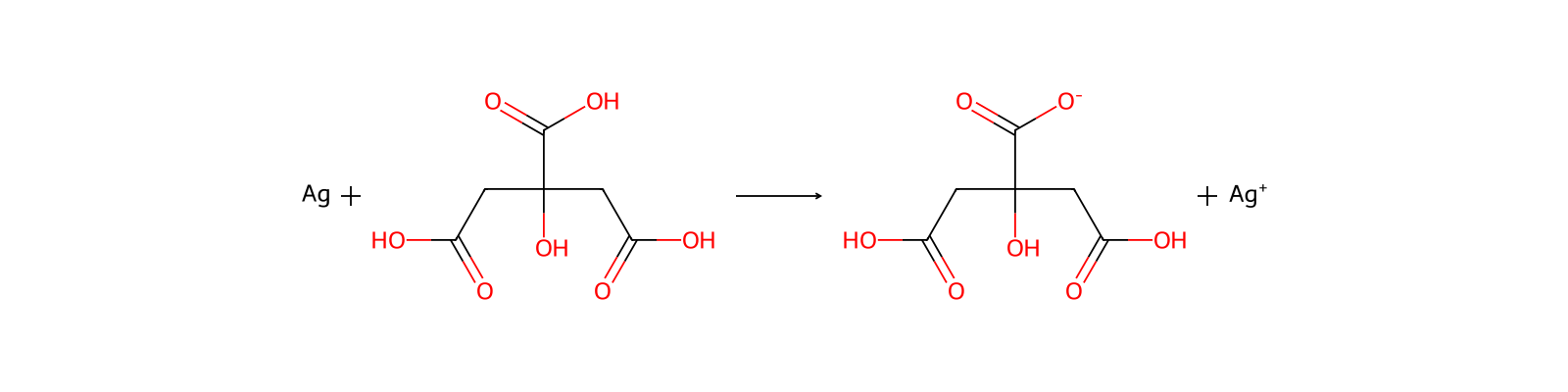
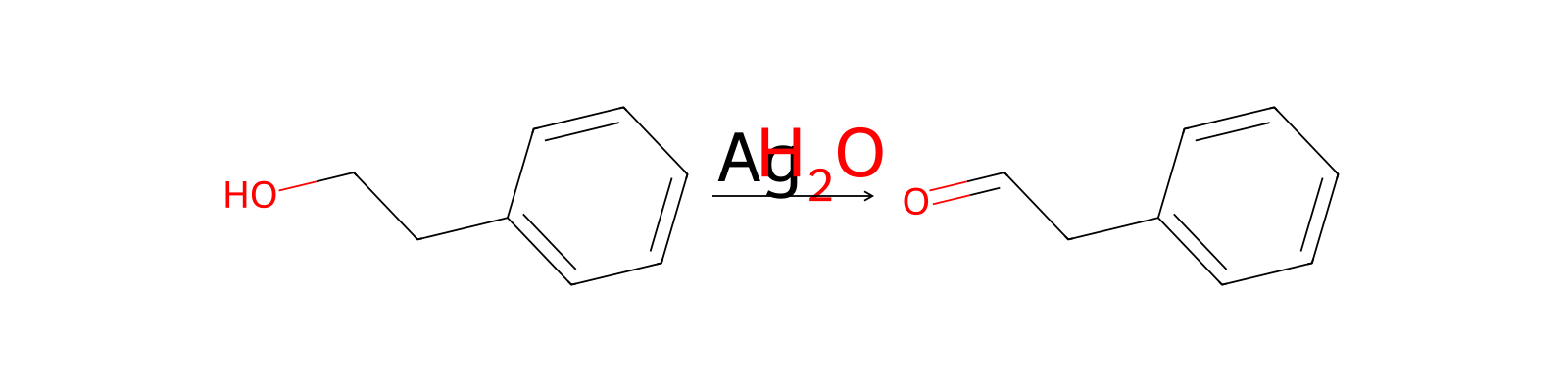
205 条



关联笔记
加载中…