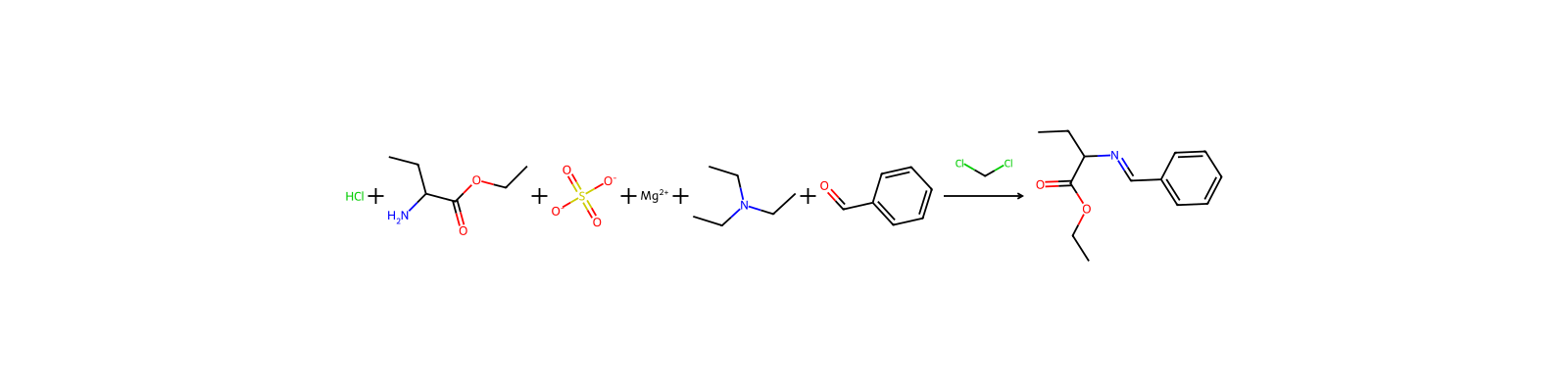

基本信息
- 标准SMILES
O=Cc1ccccc1- InChIKey
HUMNYLRZRPPJDN-UHFFFAOYSA-N- 分子式
- C7H6O
- 平均分子量
- 106.12 g/mol
- 单同位素质量
- 106.04186481
概述
Benzaldehyde appears as a clear colorless to yellow liquid with a bitter almond odor. Flash point near 145 °F. More denser than water and insoluble in water. Hence sinks in water. Vapors are heavier than air. The primary hazard is to the environment. Immediate steps should be taken to limit spread to the environment. Easily penetrates the soil to contaminate groundwater and nearby waterways. Used in flavoring and perfume making.
名称与标识
- 首选名称
- Benzaldehyde
- IUPAC
- benzaldehyde
- 中文名
- 苯甲醛
- 英文名
- Benzaldehyde
- 分子式
- C7H6O
- 分子量
- 106.12
名称与别名
benzaldehyde100-52-7Benzoic aldehydePhenylmethanalBenzenecarbonalBenzenecarboxaldehydeBenzenemethylalBenzaldehyde FFCBenzene carbaldehydeBenzene carboxaldehydebenzanoaldehydeBenzylaldehyde
展开更多名称
苯醛苄醛苯甲醛安息香醛无氯苯甲醛天然苯甲醛苯亚甲基醛国标苯甲醛苯甲醛AR苯中苯甲醛BenzaldehydBENZYL ALDEHYDEFEMA 2127BenzyaldehydeBALDBenaldehydeBenzaldehyArtificial Almond Oil
NCI-C56133Benzoic acid aldehydeFEMA No. 2127Caswell No. 076PhenylformaldehydeDTXSID8039241NSC-7917EPA Pesticide Chemical Code 008601
数据库标识
- CAS
100-52-7- PubChem CID
- 240
- DTXSID
DTXSID8039241- ChEMBL
CHEMBL15972- ChEBI
CHEBI:17169- UNII
- TA269SD04T
- EC Number
- 202-860-4
- Nikkaji
- J4.010J
性质
结构计算性质
- XLogP
- 1.5
- 极性表面积
- 17.1 Ų
- 氢键供体
- 0
- 氢键受体
- 1
- 可旋转键
- 1
- 重原子
- 8
- 形式电荷
- 0
- 复杂度
- 72.5
实验与物化性质
Chemical Classes
Other Classes -> Benzaldehydes
Flammable agents - 2nd degree
Cosmetics
Cosmetics ingredient -> Flavor; Fragrance
Cosmetic ingredients (Benzaldehyde) -> CIR (Cosmetic Ingredient Review)
Solvent
SpringerMaterials Properties13C nuclear magnetic resonance spectrum
FragrancesFragrance Ingredient (Benzaldehyde) -> IFRA transparency List
PesticidesPesticide -> EPA IRIS
LogP
log Kow = 1.48
1.48
1.48
Odor
Characteristic odor or volatile oil of almond
Odor resembling oil of bitter almond
Taste
Burning aromatic taste
Similar to bitter almond
Food AdditivesFLAVORING AGENT OR ADJUVANT -> FDA Substance added to food
Density
1.046 at 68 °F (USCG, 1999) - Denser than water; will sink
1.050 at 15 °C/4 °C
Relative density (water = 1): 1.05
1.040-1.047
1.041 @25 °C
Flavoring AgentsEU Flavoring substances
Viscosity1.321 cp at 25 °C
物理化学性质
- 熔点
- -26 °C · -26 °C (lit.)
- 沸点
- 178 · 178-179 °C (lit.)
- 密度
- 1.044 g/cm3 · 1.044 g/cm3 at 20 °C (lit.)
- 蒸气密度
- 3.7 · 3.7 (vs air)
- 蒸气压
- 4 mm · 4 mm Hg ( 45 °C)
- FEMA
- 2127 · 2127 | BENZALDEHYDE
- 折射率
- 20 · n20/D 1.545(lit.)
- 闪点
- 145 °F · 145 °F
- 储存条件
- 30 °C · Store below +30°C.
- 溶解度
- 2 O: · H2O: soluble100mg/mL
- 酸度系数(pKa)
- 14.9 · 14.90(at 25℃)
- 形态
- liquid
- 颜色
- Pale yellow
- 气味 (Odor)
- Like almonds.
- PH值
- 5.9 · 5.9 (1g/l, H2O)
- 酸碱指示剂变色ph值范围
- 5.9 · 5.9
- 香型
- fruity
- 爆炸极限值(explosive limit)
- 1.4 · 1.4-8.5%(V)
- 生物来源
- synthetic
- 水溶解性
- 0.01 g/100 · <0.01 g/100 mL at 19.5 ºC
- 凝固点
- -56 ℃ · -56℃
- 比热容
- 1.62 J/ · Cp(liquid): 1.62 J/(g·K), at 25℃
- 热导率
- 0.153 W/ · 0.153 W/(m·K) at 25 ℃
- 敏感性
- Air Sensitive
- Merck
- 14 · 14,1058
- JECFA Number
- 22 · 22
- BRN
- 471223 · 471223
- Henry's Law Constant
- 4 · 4.0×10-1 mol/(m3Pa) at 25℃, Brockbank (2013)
- 介电常数
- 17.8 · 17.8(20℃)
- 稳定性
- Stable. Combustible. Incompatible with strong oxidizing agents, strong acids, reducing agents, steam. Air, light and moisture-sensitive.
- 化妆品成分功效
- FRAGRANCEDENATURANTPERFUMINGFLAVOURING
- 化妆品成分评估
- Benzaldehyde (100-52-7)
- InChI
- 1S/C7H6O/c8-6-7-4-2-1-3-5-7/h1-6H
- InChIKey
- HUMNYLRZRPPJDN-UHFFFAOYSA-N
- SMILES
- O=Cc1ccccc1
- LogP
- 1.4 at · 1.4 at 25℃
- CAS 数据库
- 100 · 100-52-7(CAS DataBase Reference)
- NIST化学物质信息
- Benzaldehyde(100-52-7)
- EPA化学物质信息
- Benzaldehyde (100-52-7)
- CAS Number Unlabeled
- 100 · 100-52-7
化学性质
无色或浅黄色,强折射率的挥发性油状液体,具有苦杏仁味,燃烧时具有芳香气味。 与乙醇、乙醚、挥发油和不挥发油混溶,微溶于水。
安全与法规
GHS分类
GHS Classification
Warning
H302: Harmful if swallowed [Warning Acute toxicity, oral]
P264, P270, P301+P317, P330, and P501 (click each P-code to see the statement)
Warning
H302 (100%): Harmful if swallowed [Warning Acute toxicity, oral]
P261, P264, P264+P265, P270, P271, P280, P301+P317, P304+P340, P305+P351+P338, P317, P319, P330, P337+P317, P403+P233, P405, and P501 (click each P-code to see the statement)
危害信息
Regulatory Information
Chemical: Benzaldehyde
Hazard Traits - Fragrance Allergen
List I Chemical: A chemical specified by regulation that, in addition to legitimate uses, is used in manufacturing a controlled substance in violation of the Act and is important to the manufacture of a controlled substance. (21 eCFR 1310.02)
Commission Regulation (EC) No 1565/2000 (Repealed by Com. Implementing Reg. (EU) No 872/2012)
Benzaldehyde is listed on the EPA's Chemical Data Reporting (CDR) system. Manufacturers and importers of Benzaldehyde are required to report information about their production and use of this chemical to the EPA under the Toxic Substances Control Act (TSCA). (40 eCFR Part 711)
Status: Active Update: 29-09-2022 https://echa.europa.eu/registration-dossier/-/registered-dossier/15940
Other Safety InformationIMAP assessments - Benzaldehyde: Human health tier II assessment
DOT LabelClass 9
Fire Hazards
Excerpt from ERG Guide 171 [Substances (Low to Moderate Hazard)]:
· Some may burn but none ignite readily.
Combustible. Gives off irritating or toxic fumes (or gases) in a fire. Above 63 °C explosive vapour/air mixtures may be formed.
Fire PotentialCombustible liquid.
Health Hazards
Inhalation of concentrated vapor may irritate eyes, nose and throat. Liquid is irritating to the eyes. Prolonged contact with the skin may cause irritation. (USCG, 1999)
· Inhalation of material may be harmful.
Hazards Summary
An eye irritant; [ICSC] At a concentration of 2 ppm, there is a strong penetrating odor without marked irritation; [AIHA] Included in list of established contact allergens in humans; [EC: Scientific Committee on Consumer Safety: Fragrance allergens in cosmetic products (2011)] Benzaldehyde can cause contact urticaria. [Kanerva, p. 221]
DOT ID and Guide1990 171
FDA Requirements
Synthetic flavoring substances and adjuvants /for human consumption/ that are generally recognized as safe for their intended use, withn the meaning of section 409 of the Act. Benzaldehyde is included on this list.
Synthetic flavoring substances and adjuvants /for animal drugs, feeds, and related products/ that are generally recognized as safe for their intended use, within the meaning of section 409 of the Act. Benzaldehyde is included on this list.
Reactive GroupAldehydes
EC ClassificationSymbol: Xn; R: 22; S: (2)-24
UN ClassificationUN Hazard Class: 9; UN Pack Group: III
安全与防护
Fire Fighting
Excerpt from ERG Guide 171 [Substances (Low to Moderate Hazard)]:
Use water spray, foam, powder, carbon dioxide.
First Aid Measures
Fresh air, rest.
Remove contaminated clothes. Rinse skin with plenty of water or shower.
First rinse with plenty of water for several minutes (remove contact lenses if easily possible), then refer for medical attention.
Rinse mouth. Rest.
Accidental Release Measures
· CALL 911. Then call emergency response telephone number on shipping paper. If shipping paper not available or no answer, refer to appropriate telephone number listed on the inside back cover.
· Do not touch or walk through spilled material.
First Aid
EYES: First check the victim for contact lenses and remove if present. Flush victim's eyes with water or normal saline solution for 20 to 30 minutes while simultaneously calling a hospital or poison control center. Do not put any ointments, oils, or medication in the victim's eyes without specific instructions from a physician. IMMEDIATELY transport the victim after flushing eyes to a hospital even if no symptoms (such as redness or irritation) develop.
General First Aid:
Safe StorageSeparated from incompatible materials. See Chemical Dangers. Well closed. Ventilation along the floor. Cool. Store in an area without drain or sewer access. Keep in the dark.
Firefighting Hazards
Under fire conditions, material may decompose to form flammable and/or explosive mixtures in air. Use water spray to cool unopened containers.
Vapors are heavier than air and will collect in low areas. Vapors may travel long distances to ignition sources and flashback. Vapors in confined areas may explode when exposed to fire. Storage containers and parts of containers may rocket great distances, in many directions.
Exposure Control and Personal Protection· Wear positive pressure self-contained breathing apparatus (SCBA).
Fire Fighting Procedures
Suitable extinguishing media: Use water spray, alcohol-resistant foam, dry chemical or carbon dioxide.
Advice for firefighters: Wear self-contained breathing apparatus for firefighting if necessary.
To fight fire, use water (may be used as a blanket), alcohol, foam, dry chemical.
If material or contaminated runoff enters waterways, notify downstream users of potentially contaminated waters. Notify local health and fire officials and pollution control agencies. From a secure, explosion-proof location, use water spray to cool exposed containers. If cooling streams are ineffective (venting sound increases in volume and pitch, tank discolors, or shows any signs of deforming), withdraw immediately to a secure position.
For more Fire Fighting Procedures (Complete) data for BENZALDEHYDE (6 total), please visit the HSDB record page.
Storage Conditions
Store under nitrogen. Keep container tightly closed in a dry and well-ventilated place. Containers which are opened must be carefully resealed and kept upright to prevent leakage. Air, light, and moisture sensitive.
Store in cool, dry, dark, well ventilated location. Separate from oxidizing materials, reducing agents, alkalies.
Store in a flammable liquid storage area or approved cabinet away from ignition sources and corrosive and reactive materials. Store under nitrogen in an area away from steam or water ... . Keep away from strong acids and oxidizers.
Keep tightly closed and protected form light.
Cleanup Methods
ACCIDENTAL RELEASE MEASURES: Personal precautions, protective equipment and emergency procedures: Use personal protective equipment. Avoid breathing vapors, mist or gas. Ensure adequate ventilation. Remove all sources of ignition. Evacuate personnel to safe areas. Beware of vapors accumulating to form explosive concentrations. Vapors can accumulate in low areas. Environmental precautions: Prevent further leakage or spillage if safe to do so. Do not let product enter drains. Discharge into the environment must be avoided. Methods and materials for containment and cleaning up: Contain spillage, and then collect with an electrically protected vacuum cleaner or by wet-brushing and place in container for disposal according to local regulations. Keep in suitable, closed containers for disposal.
Evacuate and restrict persons not wearing protective equipment from area of spill or leak until cleanup is complete. Remove all ignition sources. Ventilate area of spill or leak. Collect powdered material in the most convenient and safe manner and deposit in sealed containers. Ventilate area of spill or leak after cleanup is complete. It may be necessary to contain and dispose of this chemical as a hazardous waste. If material or contaminated runoff enters waterways, notify downstream users of potentially contaminated waters.
Stop or control the leak, if this can be done without undue risk. Use water spray to cool and disperse vapors and protect personnel. Absorb in noncombustible material for proper disposal.
Environmental considerations - land spill: Dig a pit, pond, lagoon, holding area to contain liquid or solid material. Dike surface flow using soil, sand bags, foamed polyurethane, or foamed concrete. Absorb bulk liquid with fly ash, cement powder, or commercial sorbents.
For more Cleanup Methods (Complete) data for BENZALDEHYDE (6 total), please visit the HSDB record page.
Nonfire Spill ResponseExcerpt from ERG Guide 171 [Substances (Low to Moderate Hazard)]:
Disposal Methods
SRP: Recycle any unused portion of the material for its approved use or return it to the manufacturer or supplier. Ultimate disposal of the chemical must consider: the material's impact on air quality; potential migration in air, soil or water; effects on animal, aquatic and plant life; and conformance with environmental and public health regulations. If it is possible or reasonable use an alternative chemical product with less inherent propensity for occupational harm/injury/toxicity or environmental contamination.
SRP: Wastewater from contaminant suppression, cleaning of protective clothing/equipment, or contaminated sites should be contained and evaluated for subject chemical or decomposition product concentrations. Concentrations shall be lower than applicable environmental discharge or disposal criteria. Alternatively, pretreatment and/or discharge to a permitted wastewater treatment facility is acceptable only after review by the governing authority and assurance that "pass through" violations will not occur. Due consideration shall be given to remediation worker exposure (inhalation, dermal and ingestion) as well as fate during treatment, transfer and disposal. If it is not practicable to manage the chemical in this fashion, it must be evaluated in accordance with EPA 40 CFR Part 261, specifically Subpart B, in order to determine the appropriate local, state and federal requirements for disposal.
Product: This combustible material may be burned in a chemical incinerator equipped with an afterburner and scrubber. Offer surplus and non-recyclable solutions to a licensed disposal company. Contact a licensed professional waste disposal service to dispose of this material. Dissolve or mix the material with a combustible solvent and burn in a chemical incinerator equipped with an afterburner and scrubber. Contaminated packaging: Dispose of as unused product.
Incineration; add combustible solvent and spray into incinerator with afterburner.
毒理信息
Body Burden
Benzaldehyde was qualitatively detected in 8 of 12 samples of human milk collected from volunteers in Bayonne, NJ, Jersey City, NJ, Bridgeville, PA, and Baton Rouge, LA(1). Benzaldehyde was identified in the purge of a sample of human breast milk(2).
Interactions
Infusion of the test substance to perfused rat liver leads to an increase in hepatic ethane production. The extra ethane release upon addition of the test substance was diminished by cyanamide, pargyline is able to depress the test substance-induced ethane evolution.
In vitro toxicological studies together with atomistic molecular dynamics simulations show that occupational co-exposure with C60 fullerene may strengthen the health effects of organic industrial chemicals. The chemicals studied are acetophenone, benzaldehyde, benzyl alcohol, m-cresol, and toluene which can be used with fullerene as reagents or solvents in industrial processes. Potential co-exposure scenarios include a fullerene dust and organic chemical vapor, or a fullerene solution aerosolized in workplace air. Unfiltered and filtered mixtures of C60 and organic chemicals represent different co-exposure scenarios in in vitro studies where acute cytotoxicity and immunotoxicity of C60 and organic chemicals are tested together and alone by using human THP-1-derived macrophages. Statistically significant co-effects are observed for an unfiltered mixture of benzaldehyde and C60 that is more cytotoxic than benzaldehyde alone, and for a filtered mixture of m-cresol and C60 that is slightly less cytotoxic than m-cresol. Hydrophobicity of chemicals correlates with co-effects when secretion of pro-inflammatory cytokines IL-1beta and TNF-alpha is considered. Complementary atomistic molecular dynamics simulations reveal that C60 co-aggregates with all chemicals in aqueous environment. Stable aggregates have a fullerene-rich core and a chemical-rich surface layer, and while essentially all C60 molecules aggregate together, a portion of organic molecules remains in water.
Target OrgansGastrointestinal
Ecotoxicity Values
LC50; Species: Pimephales promelas (Fathead minnow); Concentration: 35 mg/L for 24 hr /Conditions of bioassay not specified in source examined/
LC50; Species: Pimephales promelas (Fathead minnow); Concentration: 7.6 mg/L for 96 hr /Conditions of bioassay not specified in source examined/
LC50; Species: Daphnia magna (Water flea); Concentration: 50 mg/L for 24 hr /Conditions of bioassay not specified in source examined/
LC50; Species: Poecilia reticulata (Guppy); Concentration: 1.57 umol/L for 14 day /Conditions of bioassay not specified in source examined/
For more Ecotoxicity Values (Complete) data for BENZALDEHYDE (22 total), please visit the HSDB record page.
Environmental Fate
TERRESTRIAL FATE: Based on a classification scheme(1), an estimated Koc value of 11(SRC), determined from a structure estimation method(2), indicates that benzaldehyde is expected to have very high mobility in soil(SRC). Volatilization of benzaldehyde from moist soil surfaces is expected to be an important fate process(SRC) given a Henry's Law constant of 2.67X10⁻⁵ atm-cu m/mole(3). Benzaldehyde is expected to volatilize from dry soil surfaces(SRC) based upon a vapor pressure of 1.27 mm Hg at 25 °C(4). A 66% of theoretical BOD using activated sludge in a 2-week Japanese MITI test(5) suggests that biodegradation is an important environmental fate process in soil(SRC). Other biological screening studies have also demonstrated that benzaldehyde is readily biodegradable(6-8).
AQUATIC FATE: Based on a classification scheme(1), an estimated Koc value of 11(SRC), determined from a structure estimation method(2), indicates that benzaldehyde is not expected to adsorb to suspended solids and sediment(SRC). Volatilization from water surfaces is expected(3) based upon a Henry's Law constant of 2.67X10⁻⁵ atm-cu m/mole(4). Using this Henry's Law constant and an estimation method(3), volatilization half-lives for a model river and model lake are 1.5 and 14 days, respectively(SRC). According to a classification scheme(5), an estimated BCF of 4.4(SRC), from its log Kow of 1.48(6) and a regression-derived equation(2), suggests the potential for bioconcentration in aquatic organisms is low. A 66% of theoretical BOD using activated sludge in a 2-week Japanese MITI test(7) suggests that biodegradation is an important environmental fate process in water(SRC). Other biological screening studies have also demonstrated that benzaldehyde is readily biodegradable(8-10). Hydrolysis is not expected to be an important environmental fate process since this compound lacks functional groups that hydrolyze under environmental conditions(3).
ATMOSPHERIC FATE: According to a model of gas/particle partitioning of semivolatile organic compounds in the atmosphere(1), benzaldehyde, which has a vapor pressure of 1.27 mm Hg at 25 °C(2), is expected to exist solely as a vapor in the ambient atmosphere. Vapor-phase benzaldehyde is degraded in the atmosphere by reaction with photochemically-produced hydroxyl radicals(SRC); the half-life for this reaction in air is estimated to be 30 hours(SRC), calculated from its rate constant of 1.29X10⁻¹¹ cu cm/molecule-sec at 25 °C(3). Vapor-phase benzaldehyde is also degraded in the atmosphere by reaction with nitrate radicals(SRC); the half-life for this reaction in air is estimated to be 7.5 days(SRC), calculated from its rate constant of 4.30X10⁻¹⁵ cu cm/molecule-sec at 25 °C(4). The atmospheric reaction between benzaldehyde and ozone is too slow to be important environmentally(5). Benzaldehyde absorbs UV radiation between 300 and 380 nm in the gas-phase(6,7) and, therefore, may be susceptible to direct photolysis by sunlight(SRC). Small quantities of benzaldehyde have been detected in atmospheric aerosol particulates(8,9) which can be physically removed from air via dry and wet deposition. Benzaldehyde's detection in rain, snow, fog, and cloud water(10,11) indicates that wet deposition has some environmental importance(SRC). It has been shown that benzaldehyde vapor in air can adsorb to snow(12).
Food Survey Values
Benzaldehyde has been qualitatively detected as a volatile constituent of baked potatoes(1), cassava products(2), mountain cheese(3), nectarines(4), fried bacon(5), roasted filbert nuts(6), dried legumes(7), peaches(8), clove oil(9), chickpeas(10), cooked beef(11), and fried chicken(12). Benzaldehyde is used directly as a flavoring agent in foods in quantities of approximately 0.4 million lb/yr(13).
Benzaldehyde was found in the volatiles of sweet corn products; concentrations ranged from 4 ppb for fresh kernels to 16 ppb for canned creamed corn(1). Benzaldehyde was identified in the flavor and aroma volatiles isolated from microwave oven-produced popcorn at a concentrations of 0.020 mg/kg popcorn(2). Benzaldehyde was identified in the volatile compounds in two commercial rice cakes at concentrations of 0.13 and 0.2 mg/kg of rice cake(3). Benzaldehyde was detected in the volatile components of three fermented soybean curds at concentrations ranged from 0.3064-0.451 mg/kg(4). Benzaldehyde was identified in paprika oleoresin (Spanish type) at a concentration of 1.3 mg/kg(5). Benzaldehyde was detected in the volatile components of strawberry jam at a concentration of 32.6 mg/kg of jam(6). Benzaldehyde was detected in the aroma concentrates of uncured beef, cured chicken, uncured pork, and cured pork at 0.20, 0.12, 0.11, and 0.04 mg/kg, respectively; it was not detected in aroma concentrates of cured beef or uncured chicken(7). Benzaldehyde was identified as a volatile component of raw beef(8), full-fat and reduced-fat frankfurters(9), peanut oil heated to 200 °C(10), Bisbee Delicious apples(11), whole and ground grain(12), and red wines(13). Benzaldehyde was detected at concentrations of 154.9 and 11.1 ug/kg in the skin and pulp of Queen Anne's Pocket Melon (Cucumis melo var. dudaim(L.) Naudin) respectively(14).
Adverse EffectsSkin Sensitizer - An agent that can induce an allergic reaction in the skin.
Exposure RoutesThe substance can be absorbed into the body by inhalation of its vapour, through the skin and by ingestion.
Milk Concentrations
Benzaldehyde was qualitatively detected in 8 of 12 samples of human milk collected from volunteers in Bayonne, NJ, Jersey City, NJ, Bridgeville, PA, and Baton Rouge, LA(1). Benzaldehyde was identified in the purge of a sample of human breast milk(2).
Toxicity Summary
Safe in the present practices of use and concentration. Ingredient, concentration, and use information are available in documents discoverable at https://cir-reports.cir-safety.org
IDENTIFICATION AND USE: Benzaldehyde is a strongly refractive liquid, becoming yellowish on keeping. It is used in cosmetics as a denaturant, a flavoring agent, and as a fragrance. Currently used in only seven cosmetic products, its highest reported concentration of use was 0.5% in perfumes. Substantial amounts are used in the production of derivatives that are also employed in the perfume and flavor industries. In the pharmaceutical industry benzaldehyde is used as an intermediate in the manufacture of chloramphenicol, ephedrine, ampicillin, diphenylhydantoin, and other products. HUMAN EXPOSURE AND TOXICITY: It may cause contact dermatitis. It was positive in sister chromatid exchange assay with human lymphocytes from healthy non-smoking donors. Benzaldehyde was found to induce formation of stable DNA-protein cross-links in cultured human lymphoma cells. Benzaldehyde was found to lack significant activity against most human tumor cells tested. ANIMAL STUDIES: It was was slightly irritating to the rabbit eye. Histological examination of the trachea and lungs showed a slight irritation of respiratory epithelium for nonsensitized guinea pigs. In the acute studies, benzaldehyde induced deaths and decreased body-weight gain in both sexes of rats given 800 or 1600 mg/kg/day and caused deaths in both sexes of mice given 1600 or 3200 mg/kg/day. In the 90-day studies, deaths occurred in both sexes of rats on 800 mg/kg/day and in male mice on 1200 mg/kg/day. Body-weight gain was depressed in male rats on 800 mg/kg/day, in male mice on 600 mg/kg/day and in female mice on 1200 mg/kg/day. Necrotic and degenerative lesions were seen in the cerebellar and hippocampal regions of the brain in both sexes of rats given 800 mg/kg/day, but not in mice. Renal tubular necrosis occurred in male and female rats on 800 mg/kg/day and in male mice on 1200 mg/kg/day. Mild epithelial hyperplasia or hyperkeratosis of the forestomach was seen in male and female rats on 800 mg/kg/day. In an inhalation study performed with rats, it was found that the principal histopathological change was the development of goblet cell metaplasia in the respiratory epithelium lining of the nasal septum. In 2 year studies, there was no evidence of carcinogenic activity of benzaldehyde for male or female rats receiving 200 or 400 mg/kg per day. There was some evidence of carcinogenic activity of benzaldehyde for male or female mice, as indicated by increased incidences of squamous cell papillomas and hyperplasia of the forestomach. Benzaldehyde was studied for mutagenicity using Salmonella typhimurium tester strains TA100, TA102 and TA104, with or without metabolic activation. It was non-mutagenic under all test conditions with dose ranges from 33 to 3333 ug/plate. No induction of chromosomal aberrations was observed in CHO cells treated with up to 500 ug/mL benzaldehyde without metabolic activation or with up to 1600 ug/mL with metabolic activation.
Average Daily IntakeIndividual: 0.3403 mg/kg/day(1).
Plant Concentrations
Benzaldehyde occurs naturally as a volatile plant product(1,2). Benzaldehyde has been found to occur naturally in various fruits such as peaches, black currants, strawberries, grapes, and raspberries(3). Benzaldehyde was identified in branch enclosure experiments from 66 vegetation species sampled at three US sites(4). Benzaldehyde has been reported to occur in several essential oils: hyacynth, citronella, orris, cinnamon, sassafras, labdanum, and patschoulli(5).
Benzaldehyde has been listed as a component in 134 plants. The top 15 are as follows(1):[Table#1163]
法规信息
FDA Requirements
Synthetic flavoring substances and adjuvants /for human consumption/ that are generally recognized as safe for their intended use, withn the meaning of section 409 of the Act. Benzaldehyde is included on this list.
Synthetic flavoring substances and adjuvants /for animal drugs, feeds, and related products/ that are generally recognized as safe for their intended use, within the meaning of section 409 of the Act. Benzaldehyde is included on this list.
TSCA Requirements
Section 8(a) of TSCA requires manufacturers of this chemical substance to report preliminary assessment information concerned with production, exposure, and use to EPA as cited in the preamble in 51 FR 41329. Effective date: 9/30/91; Reporting date: 11/27/91.
Pursuant to section 8(d) of TSCA, EPA promulgated a model Health and Safety Data Reporting Rule. The section 8(d) model rule requires manufacturers, importers, and processors of listed chemical substances and mixtures to submit to EPA copies and lists of unpublished health and safety studies. Benzaldehyde is included on this list. Effective date: 9/30/91; Sunset date: 6/30/98.
FIFRA Requirements
As the federal pesticide law FIFRA directs, EPA is conducting a comprehensive review of older pesticides to consider their health and environmental effects and make decisions about their continued use. Under this pesticide reregistration program, EPA examines newer health and safety data for pesticide active ingredients initially registered before November 1, 1984, and determines whether the use of the pesticide does not pose unreasonable risk in accordance to newer safety standards, such as those described in the Food Quality Protection Act of 1996. Pesticides for which EPA had not issued Registration Standards prior to the effective date of FIFRA '88 were divided into three lists based upon their potential for human exposure and other factors, with List B containing pesticides of greater concern than those on List C, and with List C containing pesticides of greater concern than those on List D. Benzaldehyde is found on List C. Case No: 3025; Pesticide type: Insecticide; Case Status: No products containing the pesticide are actively registered ... The case /is characterized/ as "cancelled." Under FIFRA, pesticide producers may voluntarily cancel their registered products. EPA also may cancel pesticide registrations if registrants fail to pay required fees or make/meet certain reregistration commitments, or if EPA reaches findings of unreasonable adverse effects.; Active ingredient (AI): Benzaldehyde; AI Status: The active ingredient is no longer contained in any registered pesticide products ... "cancelled."
Atmospheric Standards
This action promulgates standards of performance for equipment leaks of Volatile Organic Compounds (VOC) in the Synthetic Organic Chemical Manufacturing Industry (SOCMI). The intended effect of these standards is to require all newly constructed, modified, and reconstructed SOCMI process units to use the best demonstrated system of continuous emission reduction for equipment leaks of VOC, considering costs, non air quality health and environmental impact and energy requirements. Benzaldehyde is produced, as an intermediate or a final product, by process units covered under this subpart.
State Drinking Water Guidelines(FL) FLORIDA 700 ug/L
安全数据
- F
- 8
- wgk
- 1
- tsca
- TSCA listed
- 毒性
- LD50 in rats, guinea pigs (mg/kg): 1300, 1000 orally (Jenner)
- RTECS号
- CU4375000
- 包装类别
- III
- 危险等级
- 9
- 存储类别
- 6.1C - Combustible acute toxic Cat.3toxic compounds or compounds which causing chronic effects
- 安全说明
- 24
- 海关编码
- 2912 21 00
- 自燃温度
- 374 °F
- 危险品标志
- Xn
- 危险性类别
- Acute Tox. 4 InhalationAcute Tox. 4 OralAquatic Chronic 2Eye Irrit. 2Repr. 1BSkin Irrit. 2STOT SE 3
- 危险类别码
- 22
- 毒害物质数据
- 100-52-7(Hazardous Substances Data)
- 危险品运输编号
- UN 1990
毒性防护
毒性本品对眼睛、呼吸道粘膜有一定的刺激作用。由于其挥发性低,其刺激作用不足以引致严重危害。 急救措施 皮肤接触: 脱去污染的衣着,用流动清水冲洗。 眼睛接触: 提起眼睑,用流动清水或生理盐水冲洗。就医。 吸入: 脱离现场至空气新鲜处。如呼吸困难,给输氧。就医。 食入: 饮足量温水,催吐。就医密闭操作的应全面排风。 呼吸系统防护: 空气中浓度超标时,必须佩戴自吸过滤式防毒面具(半面罩)。紧急事态抢救或撤离时,应该佩戴空气呼吸器。 眼睛防护: 戴化学安全防护眼镜。 身体防护: 穿防毒物渗透工作服。 手防护: 戴橡胶耐油手套。 其他防护: 工作现场严禁吸烟。工作完毕,淋浴更衣。定期体检
毒性ADI 0~5mg/kg(FAO/WHO-1994)。LD501.3g/kg(大鼠,经口)。GRAS(FDA,§182.60,2000)。
急性毒性口服- 大鼠 LD50: 1300 毫克/ 公斤; 口服- 小鼠 LD50: 2800 毫克/ 公斤
刺激数据皮肤- 兔子 500 毫克/ 24小时 中度
职业标准TWA 5 毫克/ 立方米; STEL 10 毫克/ 立方米
包装储运
爆炸物危险特性强还原剂, 与氧化剂反应激烈; 刺激皮肤,局部接触产生皮炎
可燃性危险特性食之中枢神经压抑以至惊厥;遇明火、高温、强氧化剂可燃;燃烧排放刺激烟雾
储运特性包装完整、轻装轻放; 库房通风、远离明火、高温、与氧化剂分开存放
灭火剂泡沫、二氧化碳、干粉、雾状水
化学与工业
药理信息
Metabolism/Metabolites
... Benzaldehyde rapidly metabolizes to benzoic acid in the skin ... .
Hepatic soluble fraction contains a number of aldehyde oxidases transforming aldehydes to the corresponding carboxylic acids. For example, molybdoflavoproteins aldehyde oxidase & xanthine oxidase catalyze metab of salicylaldehyde & benzaldehyde.
... Benzaldehyde, a cleavage product of amphetaminil, was rapidly converted to hippuric acid in the blood, brain, and adipose tissue of rats and then excreted in the urine ... .
Infusion of benzaldehyde to perfused rat liver increased hepatic ethane production. Results obtained with inhibitors of hepatic aldehyde metabolism suggest that the metabolism of benzaldehyde is required for ethane production. Radical scavenging by addition of cyanidanol or by pretreatment with vitamin E abolished ethane release, in agreement with lipid peroxidation as a source of alkane production during aldehyde metabolism.
For more Metabolism/Metabolites (Complete) data for BENZALDEHYDE (8 total), please visit the HSDB record page.
Absorption, Distribution and Excretion
Benzaldehyde is absorbed through skin and by the lungs, distributes to all well-perfused organs, but does not accumulate in any specific tissue type. After being metabolized to benzoic acid, conjugates are formed with glycine or glucuronic acid, and excreted in the urine.
Infusion of the test substance to perfused rat liver leads to an increase in hepatic ethane production. The extra ethane release upon addition of the test substance was diminished by cyanamide, pargyline is able to depress the test substance-induced ethane evolution.
Daily monitoring indicated the urinary excretion of the following metabolites: hippuric acid (HA), free (FBA) and conjugated benzoic acid (benzoylglucuronic acid: BGA), benzyl glucuronide (BG) and benzyl mercapturic acid (BMA). Although the total amount of urinary metabolites excreted by the low-dose group (83.2% of the total dose) was not significantly different from that excreted by the high-dose group (82.3% of the total dose), some metabolites showed differences in their urinary output: HA, 69.9% in the low-dose group vs. 66.7% in the high-dose group; BGA, 8.8% in the low-dose group vs. 11.2% in the high-dose group; BG, 2.9% in the low-dose group vs. 3.0% in the high-dose group; FBA, 1.6% in the low-dose group vs. 1.4% in the high-dose group. In both treated groups, BMA was present in trace amounts (<0.01% of the total dose).
Overall there are signs of systemic absorption via oral and inhalation exposures, no evidence of target organs. After oral ingestion and inhalation, the test substance will be metabolized to hippuric acid. Experiments on the distribution and elimination in the rat and rabbit have shown no accumulation of the test substance in the body.
The test substance dissolved in physiological saline was administered by intraperitoneal route to female albino rats. The 24 hr-urine following injection was collected, and the amount of hippuric acid present in the rat urines was determined. It can be concluded that the test substance is converted to about 29.3% of the dose to hippuric acid in rats.
用途与制造
Uses
CIR ingredient: Benzaldehyde
Used as a chemical intermediate and a solvent for resins and oils; [HSDB] Used as a flavoring agent in food and perfume additive (FDA-approved); [AIHA]
No longer registered by EPA for use in any pesticide products; [HSDB]
For benzaldehyde (USEPA/OPP Pesticide Code: 008601) there are 0 labels match. /SRP: Not registered for current use in the U.S., but approved pesticide uses may change periodically and so federal, state and local authorities must be consulted for currently approved uses./
The active ingredient is no longer contained in any registered pesticide products ... "cancelled."
The single largest use for benzaldehyde ... is the production of benzyl alcohol via hydrogenation.
Impurities
Usually chlorides.
Traces of chlorine compounds may be detectable in benzaldehyde obtained by the hydrolysis of benzal chloride, whereas benzaldehyde obtained by oxidation may contain byproducts formed in the oxidation of toluene. Benzaldehyde can now be produced, by hydrolysis of benzal chloride and by partial oxidation of toluene, to such a high standard of purity that it is suitable for all known applications.
Specifications, especially regarding impurities, vary considerably for grades used for dye manufacture from those used in perfumery.
Benzal chloride, nitrobenzene, and benzoic acid were detected as impurities in benzaldehyde.
U.S. Imports(1983) 6.16X10+7 g
U.S. Production
2023: 25,000,000 - <40,000,000 lb
(1972) 2.09X10+9 GRAMS
(1975) 4.31X10+9 GRAMS
Non-confidential 2012 Chemical Data Reporting (CDR) information on the production and use of chemicals manufactured or imported into the United States. Chemical: Benzaldehyde. National Production Volume: 23,123,508 lb/yr.
Consumption Patterns45% is used as an odorant and flavoring chemicals; 30% as an intermediate for dyes; and 25% for the manufacture of other chemicals (1965)
Consumer UsesIntermediate
Industry UsesFlavoring and nutrient
IFRA Fragrance Standards
Benzaldehyde
Benzenecarbonal; Benzene carboxaldehyde; Benzenecarboxaldehyde; Benzenemethylal; Benzoic aldehyde; Bitter almond oil, synthetic; Phenylformaldehyde; Phenylmethanol aldehyde
IFRA_STD_007.pdf
49
IFRA 51st Amendment - Guidance for the use of IFRA Standards
Restriction: This material should be used only in the limited quantity as stated in the Standard
Methods of Manufacturing
Alkaline hydrolysis of benzal chloride.
The air oxidation of toluene is the source of the majority of the world's synthetic benzaldehyde. Both vapor- and liquid-phase air oxidation processes have been used. In the vapor-phase process, a mixture of air and toluene vapor is passed over a catalyst consisting of the oxides of uranium, molybdenum, or related metals. High temperatures and short contact times are essential to maximize yields. Small amounts of copper oxide may be added to the catalyst mixture to reduce formation of by-product maleic anhydride. Conversion per pass is reported to be low, 10-20%, with equally low yields, 30-50%. The vapor-phase oxidation of toluene was the dominant toluene oxidation process in the 1950s and early 1960s, but is no longer of industrial importance. The liquid-phase process now dominates. In the liquid-phase process, both benzaldehyde and benzoic acid are recovered. This process was introduced and developed in the late 1950s by the Dow Chemical Company, as a part of their toluene-to-phenol process, and by Snia Viscosa for their toluene-to-caprolactam process. The benzaldehyde recovered from the liquid-phase air oxidation of toluene may be purified by either batch or continuous distillation.
Benzaldehyde is produced principally by the hydrolysis of benzal chloride or the partial oxidation of toluene.
... Made synthetically from benzal chloride and lime or by oxidation of toluene.
Formulations/Preparations
Benzaldehyde is commercially available in two grades. Pure benzaldehyde, which is suitable for most uses, accounts for more than 95% of the amount sold. Double-distilled benzaldehyde is used mainly in the pharmaceutical, perfume, and flavor industries ... .
Both "pure almond extract" and "imitation almond extract" are offered for sale. Each contains 2.0-2.5 wt% benzaldehyde in an aqueous solution containing approximately one-third ethyl alcohol.
Benzaldehyde FCC /Foods Chemicals Codex/ designates a grade of benzaldehyde free from chlorine.
Grades: Technical; NF
Household Products
Cosmetics product ingredient: Benzaldehyde
Information on 78 consumer products that contain Benzaldehyde in the following categories is provided:
Use Classification
Fragrance Ingredients
Flavouring Agent -> FLAVOURING_AGENT -> JECFA Functional Classes
Flavoring Agents -> JECFA Flavorings Index
Flavouring Agent -> FLAVOURING_AGENT -> JECFA Functional Classes
Flavouring Agent -> FLAVOURING_AGENT -> JECFA Functional Classes
Flavouring Agent -> FLAVOURING_AGENT -> JECFA Functional Classes
应用领域
概述苯甲醛又称为安息香醛,为苯的氢被醛基取代后形成的有机化合物 苯甲醛为最简单的,同时也是工业上最常为使用的芳醛。在室温下其为无色液体,具有特殊的杏仁气味。苯甲醛是醛基直接与苯基相连接而生成的化合物,因为具有类似苦杏仁的香味,曾称苦杏仁油。苯甲醛广泛存在于植物界 ,特别是在蔷薇科植物中,主要以苷的形式存在于植物的茎皮、叶或种子中,例如苦杏仁中的苦杏仁苷,樱桃,月桂树叶,桃核。苯甲醛天然存在于苦杏仁油、藿香油、风信子油、依兰依兰油等精油中。该化合物也在果仁和坚果中以和糖苷结合的形式(苦杏苷,Amygdalin)存在。苯甲醛的化学性质与脂肪醛类似,但也有不同。苯甲醛不能还原费林试剂;用还原脂肪醛时所用的试剂还原苯甲醛时,除主要产物苯甲醇外,还产生一些四取代邻二醇类化合物和均二苯基乙二醇。在氰化钾存在下,两分子苯甲醛通过授受氢原子生成安息香。苯甲醛还可进行芳核上的亲电取代反应,主要生成间位取代产物,例如硝化时主要产物为间硝基苯甲醛。当今苯甲醛主要由甲苯通过不同的途径制备。
用途苯甲醛是医药、染料、香料和树脂工业的重要原料,其用途广泛:可用作溶剂、增塑剂和低温润滑剂等,在医药、染料、香料和树脂工业中有着重要作用。1. 香料行业应用:主要用于调配食用香精,少量用于日化香精和烟用香精中,可作为特殊的头香香料,在紫丁香、白兰、茉莉等花香配方中微量使用。2. 食品行业应用:被GB 2760--1996规定为暂时允许使用的食用香料,主要用于配制杏仁、樱桃、桃子等型香精,也可用作糖水樱桃罐头的赋香剂。3. 农业应用:是除草剂野燕枯、植物生长调节剂抗倒胺的中间体,用于农业领域。4. 化工原料:重要的化工原料,用于制备月桂醛、月桂酸、苯乙醛、苯甲酸苄酯等。5. 实验室用途:用于测定臭氧、酚、生物碱和位于羧基旁的亚甲基等试剂。总之,苯甲醛在多个领域中都有着重要的应用,是一种多功能化合物。
制备方法
制备苯甲醛可由多种途径制备。工业中主要由甲苯在催化剂(五氧化二钒、三氧化钨或三氧化钼)作用下以空气或氧进行气相氧化;或者在光照下将甲苯氯化成氯化苄,然后再水解、氧化;也可氯化成二氯甲基苯再水解。工业中也有以苯为原料,在加压和三氯化铝作用下与一氧化碳和氯化氢反应制取。实验室中是用催化还原苯甲酰氯的方法制备苯甲醛。当前主要的制备途径为甲苯的液态氯化或氧化。 以被淘汰的制备方法包括苯甲醇的不完全氧化,苯甲酰氯的碱解,和苯与一氧化碳的加成。
生产方法由甲苯用氧化钼为催化剂经催化氧化或由苯乙烯经臭氧氧化而成。由氯代苄或二氯代甲苯与石灰反应而得。用硫脲作还原剂,对肉桂油(内含桂醛80%)作臭氧化处理,可得苯甲醛约62%,是为天然品。
生产方法其制备方法是以甲苯为原料,在光照下进行氯化得混合氯苄(含C6H5CH2Cl,C6H5CHCl2,C6H5CCl3),将混合氯苄投入反应釜内,加入少量的氧化锌、磷酸锌混合物催化剂,于125~135℃向搪瓷釜内滴加水,反应随即开始,约10h水加完,反应完毕,在65℃加入纯碱中和,将中和液在水解锅内用纯碱进行水解,回流8h,当油层含侧链氯<0.1%时反应结束,进行水蒸气蒸馏,苯甲醛随水蒸出,进行分层、精馏得产品。
生产方法苯甲醛广泛存在于植物中,特别是在蔷薇科植物中,主要以苷的形式存在于植物的茎皮,叶或种子中,例如苦杏仁中的苦杏仁苷。苯甲醛的工业生产方法主要有两大类:分别以甲苯和苯为原料。实验室制备还可采用催化(钯/硫酸钡)还原苯甲酰氯的方法。1.甲苯氯化再水解法 以甲苯为原料,在光照下进行氯化,得混合氯苄。原料消耗定额:甲苯1700kg/t、氯气3000kg/t、纯碱1500kg/t。2.苯甲醇氧化法 氯苄水解得苯甲醇,再经氧化得苯甲醛。3.甲苯直接氧化法 苯甲醛是甲苯氧化制苯甲酸的中间产物。甲苯→苯甲醇→苯甲醛→苯甲酸。4.以苯为原料 在加压和三氯化铝作用下,苯与一氧化碳和氯化氢反应得。工业品苯甲醛的含量在98.5%以上。
上下游产品信息
上游原料
下游产品
试剂价格
- A10348 · 1000g
- 苯甲醛Benzaldehyde — 332元
- 030749 · 3kg
- 苯甲醛, 98%Benzaldehyde, 98% — 1272元
供应商50 家
国药集团化学试剂有限公司86-21-63210123 · [email protected]
梯希爱(上海)化成工业发展有限公司021-67121386 · [email protected]
衢州润东化工有限公司0570-8789886 18892685668 · [email protected]
上海阿拉丁生化科技股份有限公司400-6206333 13167063860 · [email protected]
上海迈瑞尔生化科技有限公司4006356688 18621169109 · [email protected]
阿法埃莎(中国)化学有限公司400-6106006 · [email protected]
安耐吉化学&3A(安徽泽升科技股份有限公司)400-0056266 · [email protected]
上海瀚鸿科技股份有限公司021-54306202 13764082696 · [email protected]
青岛司臣生物科技有限公司0532-85625977 13668866880 · [email protected]
吉良化学21-62165282 · [email protected]
上海景颜化工科技有限公司13817811078 · [email protected]
合肥天健化工有限公司551-65418679 15856988503;15837135945 · [email protected]
Beckmann-Kenko GmbH+49 4241 9308 88 · [email protected]
山东西亚化学有限公司13355009207 13355009207 · [email protected]
玛雅试剂+86 (573) 82222445 (0)18006601000 452520369 · [email protected]
四川库利南科技有限公司400-1166-196 18981987031 · [email protected]
天津希恩思生化科技有限公司400 638 7771 · [email protected]
湖南汇百侍生物科技有限公司0731-85526065 13308475853 · [email protected]
济南利扬化工有限公司18866405560; 18866405560 · [email protected]
武汉华邦化学新材料有限公司027-83229541 13971313286 · [email protected]
河南多贝化工有限公司0370-2785118 17550508557 · [email protected]
斯百全化学(上海)有限公司021-021-021-67601398-809-809-809 15221380277 · [email protected]
北京泰亚杰科技有限公司021-33690831-8001 13552411790;18616022633 · [email protected]
艾科试剂4008-755-333 18080918076 · [email protected]
青岛保税区鲁联国际贸易有限公司0532-83893697 18561902820 · [email protected]
上海思域化工科技有限公司86-21-34053660 · [email protected]
赛默飞世尔科技(中国)有限公司800-810-5118 · [email protected]
北京伊诺凯科技有限公司400-810-7969 010-59572699 · [email protected]
TCI AMERICA800-4238616 · [email protected]
TOKYO CHEMICAL INDUSTRY CO., LTD.03-36680489 · [email protected]
TCI Europe320-37350700 · [email protected]
Clearsynth Labs Limited+91-22-26355700 · [email protected]
陕西帕尼尔生物科技有限公司13720616393;029-84385017-8003 13720616393 · [email protected]
枣阳市赐祥医药科技有限公司0710-15671321689 15671321689 · [email protected]
深圳市石金谷科技有限公司(0086)755-61930359 (0086)18038192047 · [email protected]
上海弘邦医药科技有限公司021-021-64975436 18917636693 · [email protected]
北京环宇世纪化学科技有限公司hysj_bj.com
日照力德士化工有限公司010-51268198 · [email protected]
美岚实业(上海)有限公司021-58958189 · [email protected]
上海爱蝶实业有限公司021-58957966 18930537195 · [email protected]
成都零六生物科技有限公司400-1166-196 13458535857 · [email protected]
广拓化学(上海)有限公司021-60899189-8001 18918189673 · [email protected]
雷丁试剂0510-85629785 18013409632 · [email protected]
上海御略医药科技有限公司021-60345187 13671753212 · [email protected]
上海麦克林生化科技股份有限公司15221275939 15221275939 · [email protected]
上海永叶生物科技有限公司86-021-61559134 15921386130 · [email protected]
北京欣赛维化学科技有限公司010-56218822 13717722232 · [email protected]
成都润泽本土化工有限公司13096311329 028-88469284 616445927 · [email protected]
凯试(上海)科技有限公司021-50135380 · [email protected]
北京华扬致成科技有限公司13716033033 · [email protected]
相关反应
4,362 条

关联笔记
加载中…