
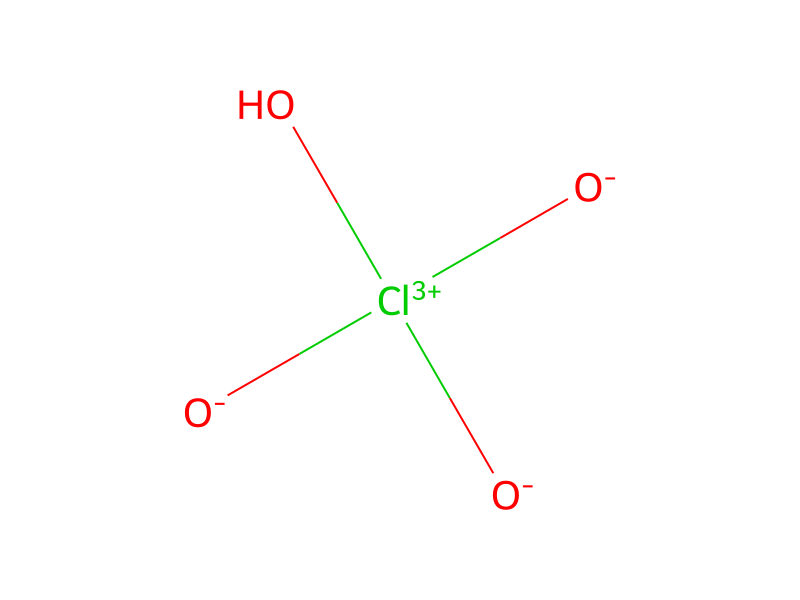
基本信息
- 标准SMILES
[O-][Cl+3]([O-])([O-])O- InChIKey
VLTRZXGMWDSKGL-UHFFFAOYSA-N- 分子式
- ClHO4
- 平均分子量
- 100.46 g/mol
- 单同位素质量
- 99.95633619
概述
Perchloric acid, with more than 50% but not more than 72% acid appears as a clear colorless odorless aqueous solution. Corrosive to metals and tissue. Closed containers may rupture violently under prolonged exposure to heat.
名称与标识
- 首选名称
- Perchloric Acid
- IUPAC
- perchloric acid
- 中文名
- 高氯酸
- 英文名
- Perchloric acid
- 分子式
- ClHO4
- 分子量
- 100.46
名称与别名
PERCHLORIC ACID7601-90-3V561V90BG2CHEBI:29221DTXSID8047004RefChem:6111Dioxonium perchlorate solutionDTXCID6027004231-512-4HSDB 1140EINECS 231-512-4UN1802
展开更多名称
高铬酸過氯酸过氯酸高氯酸高氯酸 AR高氯酸 溶液高氯酸/过氯酸高氯酸滴定溶液0.1N标准溶液高氯酸(70%)HCLO4PERCHLORIC ACID 70%Perchloric acid, ca. 70% Solution in WaterPerchloric acid, Puriss. p.a., ACS Reagent, 70% (Hg ?0.0000005%), packed in coated, shock- and leak-protected glass bottle70-72%GR,70-72%PerchlorsureFraude's reagentacideperchlorique
UNII-V561V90BG2MFCD00011325Perchloric Acid (60%)Perchloric Acid (70%)EC 231-512-4Perchloric acid, >72% acid by mass [Forbidden]Perchloric acid, >72% acid by mass0.5N Perchloric Acid
数据库标识
- CAS
7601-90-3- PubChem CID
- 24247
- DTXSID
DTXSID8047004- ChEBI
CHEBI:29221- UNII
- V561V90BG2
- EC Number
- 231-512-4
- Nikkaji
- J43.590B
性质
结构计算性质
- XLogP
- 2.3
- 极性表面积
- 71.4 Ų
- 氢键供体
- 1
- 氢键受体
- 4
- 可旋转键
- 0
- 重原子
- 5
- 形式电荷
- 0
- 复杂度
- 114
实验与物化性质
Chemical Classes
Toxic Gases & Vapors -> Oxidizers
Reactive agents - 3rd degree
Odorodorless
Density
1.6 to 1.7 at 77 °F (USCG, 1999)
1.768 @ 22 °C
VERY HYGROSCOPIC; COMBINES VIGOROUSLY WITH WATER WITH EVOLUTION OF HEAT; AQ ACID IS VERY CAUSTIC; DECOMP WHEN DISTILLED @ ATMOSPHERIC PRESSURE; DENSITY OF AQ SOLN @ 25 °C: 65.0%= 1.597; 70.0%= 1.664; 75.0%= 1.731; DENSITY OF AQ SOLN @ 15 °C: 1%= 1.0050; 10%= 1.0597; 20%= 1.1279; 30%= 1.2067; 40%= 1.2991; 50%= 1.4103; 60%= 1.5389; 70%= 1.6736
Relative density (water = 1): 1.76 (22 °C)
1.77 @25 °C
Color/FormCOLORLESS, OILY LIQUID
Solubility
MISCIBLE IN COLD WATER
Solubility in water: miscible
Boiling Point19 °C @ 11 MM HG
Decomposition19 °C
Melting Point
-170 °F (USCG, 1999)
-112 °C
-112 °C
-112 °C
Vapor DensityRelative vapor density (air = 1): 3.5
Vapor Pressure6.8 [mmHg]
Physical Description
Perchloric acid, with more than 50% but not more than 72% acid appears as a clear colorless odorless aqueous solution. Corrosive to metals and tissue. Closed containers may rupture violently under prolonged exposure to heat.
Perchloric acid, with not more than 50% acid appears as a clear colorless odorless aqueous solution. Corrosive to metals and tissue. Closed containers may rupture violently under prolonged exposure to heat.
Colorless, odorless oily liquid; [HSDB] Highly hygroscopic; [Merck Index]
COLOURLESS LIQUID WITH PUNGENT ODOUR.
Stability/Shelf Life
VOLATILE
ON STORAGE EVEN IN DARK, ANHYDROUS ACID BECOMES DISCOLORED OWING TO DECOMPOSITION PRODUCTS & MAY EXPLODE SPONTANEOUSLY
UNSTABLE IN CONCENTRATED FORM
fuming
物理化学性质
- 熔点
- -18 °C · -18 °C
- 沸点
- 203 °C · 203 °C
- 密度
- 1.664 g/mL · 1.664 g/mL at 25 °C
- 蒸气密度
- 2.1 · ~2.1 (vs air)
- 蒸气压
- 6.8 mm · 6.8 mm Hg ( 25 °C)
- 折射率
- 1.419 · 1.419
- 闪点
- 104 °F · 104 °F
- 储存条件
- Flammables area
- 溶解度
- Water (Sparingly)
- 酸度系数(pKa)
- -7 · -7[at 20 ℃]
- 形态
- Solution
- 颜色
- 10 · APHA: ≤10
- 比重
- 1.54 · approximate 1.54
- 气味 (Odor)
- Odorless
- PH值
- 0.1 · 0.1 (H2O, 20°C)
- 水溶解性
- Miscible with water.
- 热导率
- 0.192 W/ · 0.192 W/(m·K)
- Merck
- 14 · 14,7153
- Henry's Law Constant
- 9.9 · 9.9×103 mol/(m3Pa) at 25℃, Jaeglé et al. (1996)
- 稳定性
- Stable. Avoid heat. May form explosive peroxides. Incompatible with a wide variety of substances, including organic materials, alcohols, amines, strong acids, strong bases, acid anhydrides, finely powdered metals, strong reducing agents. Contact with wood, paper and other celullose products may lead to explosion, as may contact with a vari
- InChI
- 1S/ClHO4/c2-1(3,4)5/h(H,2,3,4,5)
- InChIKey
- VLTRZXGMWDSKGL-UHFFFAOYSA-N
- SMILES
- OCl(=O)(=O)=O
- LogP
- -4.62 · -4.62
- CAS 数据库
- 7601 · 7601-90-3(CAS DataBase Reference)
- NIST化学物质信息
- Perchloric acid(7601-90-3)
- EPA化学物质信息
- Perchloric acid (7601-90-3)
化学性质
高氯酸,化学式为HClO4,六大无机强酸之首,是氯的最高价氧化物的水化物。高氯酸是一种无色、不稳定、发烟、吸湿性液体。 它是一种强氧化剂,易溶于水。 冷的稀高氯酸与锌和铁等金属反应生成氢气和金属高氯酸盐。 高氯酸用于电解槽、电解抛光、炸药、分析化学和医药。
安全与法规
GHS分类
GHS Classification
Danger
H271: May cause fire or explosion; strong Oxidizer [Danger Oxidizing liquids; Oxidizing solids]
P210, P220, P260, P264, P280, P283, P301+P330+P331, P302+P361+P354, P304+P340, P305+P354+P338, P306+P360, P316, P321, P363, P370+P378, P371+P380+P375, P405, P420, and P501 (click each P-code to see the statement)
Danger
H271 (100%): May cause fire or explosion; strong Oxidizer [Danger Oxidizing liquids; Oxidizing solids]
P210, P220, P234, P260, P264, P270, P280, P283, P301+P317, P301+P330+P331, P302+P361+P354, P304+P340, P305+P354+P338, P306+P360, P316, P321, P330, P363, P370+P378, P371+P380+P375, P390, P405, P406, P420, and P501 (click each P-code to see the statement)
危害信息
Regulatory Information
Chemical: Perchloric acid
Status: Active Update: 30-05-2018 https://echa.europa.eu/registration-dossier/-/registered-dossier/8872
Perchloric acid: Does not have an individual approval but may be used under an appropriate group standard
The New Jersey Worker and Community Right to Know Act requires public and private employers to provide information about hazardous substances at their workplaces. (N.J.S.A. 34:5A-1 et. seq.)
Other Safety InformationIMAP assessments - Perchloric acid: Human health tier II assessment
DOT Label
Oxidizer Corrosive
Corrosive Oxidizer
Fire Hazards
Behavior in Fire: Above 160 °C (320 °F) will react with combustible material and increase intensity of fire. Containers may explode. (USCG, 1999)
Excerpt from ERG Guide 157 [Substances - Toxic and/or Corrosive (Non-Combustible / Water-Sensitive)]:
· May explode from friction, heat or contamination.
· Non-combustible, substance itself does not burn but may decompose upon heating to produce corrosive and/or toxic fumes.
Not combustible but enhances combustion of other substances. Many reactions may cause fire or explosion. Gives off irritating or toxic fumes (or gases) in a fire. Risk of fire and explosion on contact with metals, reducing agents or organic materials.
Fire Potential
AQ ACID...MAY DEFLAGRATE IN CONTACT WITH OXIDIZABLE SUBSTANCES. /AQUEOUS SOLN/
WILL INCREASE THE INTENSITY OF A FIRE. MAY CAUSE FIRE ON CONTACT WITH COMBUSTIBLES. /AQUEOUS SOLN/
ANHYDROUS ACID IGNITES IN CONTACT WITH SODIUM IODIDE OR HYDRIODIC ACID. ...MIXTURES OF 2-METHYLPROPENE & PERCHLORIC ACID VAPOR (5:1 MOLAR) IN NITROGEN IGNITE SPONTANEOUSLY @ 250 °C.
ANHYDROUS ACID IGNITES SULFINYL CHLORIDE.
...will ignite...by shock or heat.
Health Hazards
Inhalation of vapors or mist causes burning sensation of nose and throat, and lung irritation with coughing; prolonged or excessive exposure could cause vomiting and severe coughing. Ingestion causes blistering and burns of mouth and stomach. Contact with eyes or skin causes blistering and burns. (USCG, 1999)
Excerpt from ERG Guide 157 [Substances - Toxic and/or Corrosive (Non-Combustible / Water-Sensitive)]:
· TOXIC; inhalation, ingestion or contact (skin, eyes) with vapors, dusts or substance may cause severe injury, burns or death.
· TOXIC and/or CORROSIVE; inhalation, ingestion or contact (skin, eyes) with vapors, dusts or substance may cause severe injury, burns or death.
Hazards Summary
Highly corrosive to skin; [Quick CPC] High inhalation exposure can cause pneumonitis and pulmonary edema; Causes liver injury in high-dose animal studies; [HSDB] Evolves heat when mixed with water--may explode; [Merck Index] A strong oxidant--a fire and explosion hazard; Corrosive to skin, eyes, and respiratory tract; Inhalation may cause pulmonary edema; [ICSC]
DOT ID and Guide
1873 143
1802 157
Reactive Group
Acids, Strong Oxidizing
Acids, Strong Oxidizing
EC ClassificationSymbol: O, C; R: 5-8-35; S: (1/2)-23-26-36-45
UN ClassificationUN Hazard Class: 5.1; UN Subsidiary Risks: 8; UN Pack Group: I
Special Reports
A REVIEW OF THE TOXICITY & HEALTH HAZARD OF PERCHLORIC ACID (17 REFERENCES).[MOREL C ET AL; TOXICOLOGICAL PAPER, NO 141: PERCHLORIC ACID (HCLO4); CAH NOTES DOC 94: 173-6 (1979)]
This data sheet describes the hazards of perchloric acid and the procedures necessary to avoid physical harm. Contents: Properties; uses; containers; shipping regulations; storage; personal hazards; handling; personal protective equipment; ventilation; fire and explosion hazards; symptoms of poisoning; first aid; toxicity; medical examinations; waste disposal.[Perchloric acid; National Safety Council, 444 North Michigan Ave, Chicago, IL 60611, USA, 4 pages (1982)]
安全与防护
Fire Fighting
Excerpt from ERG Guide 143 [Oxidizers (Unstable)]:
Excerpt from ERG Guide 157 [Substances - Toxic and/or Corrosive (Non-Combustible / Water-Sensitive)]:
In case of fire in the surroundings: water in large amounts, water spray. In case of fire: keep drums, etc., cool by spraying with water. Combat fire from a sheltered position.
First Aid Measures
Fresh air, rest. Half-upright position. Artificial respiration may be needed. Refer for medical attention.
Remove contaminated clothes. Rinse skin with plenty of water or shower. Refer for medical attention .
First rinse with plenty of water for several minutes (remove contact lenses if easily possible), then refer for medical attention.
Rinse mouth. Do NOT induce vomiting. Refer for medical attention .
Accidental Release Measures
· CALL 911. Then call emergency response telephone number on shipping paper. If shipping paper not available or no answer, refer to appropriate telephone number listed on the inside back cover.
· Keep combustibles (wood, paper, oil, etc.) away from spilled material.
· CALL 911. Then call emergency response telephone number on shipping paper. If shipping paper not available or no answer, refer to appropriate telephone number listed on the inside back cover.
· ELIMINATE all ignition sources (no smoking, flares, sparks or flames) from immediate area.
First Aid
Get medical attention following all exposures to this compound.
Excerpt from ERG Guide 157 [Substances - Toxic and/or Corrosive (Non-Combustible / Water-Sensitive)]:
General First Aid:
General First Aid:
Safe StorageFireproof. See Chemical Dangers. Well closed.
Firefighting HazardsASSUME THAT ORGANIC MATERIALS ARE INVOLVED & THAT AN EXPLOSION MAY OCCUR. USE CAUTION IN APPROACHING THE FIRE.
Exposure Control and Personal Protection
· Wear positive pressure self-contained breathing apparatus (SCBA).
· Wear positive pressure self-contained breathing apparatus (SCBA).
Fire Fighting Procedures
COMBAT FIRES FROM SAFE DISTANCE OR PROTECTED LOCATION. FLOOD DISCHARGE AREA WITH WATER. COOL EXPOSED CONTAINERS WITH WATER. /AQUEOUS SOLN/
USE WATER SPRAY.
Storage Conditions
REAGENT BOTTLE--MAX 1-LB, GLASS-STOPPERED, GLASS BOTTLE; KEPT IN A HEAVY GLASS TRAY WITH LARGER CAPACITY. ADDN LAB STORAGE SHOULD BE IN ORIGINAL BOTTLES INSIDE A GLASS CONTAINER PADDED WITH GLASS WOOL & HAVING GREATER CAPACITY THAN THE CONTAINER. CARBOYS & LARGE BOTTLES SHOULD BE STORED ON ACID-RESISTING NONCOMBUSTIBLE SHELVES, IN A NONCOMBUSTIBLE STRUCTURE. ALL STORAGE MUST BE SEPARATED FROM COMBUSTIBLE MATERIALS, ORG MATERIALS, STRONG DEHYDRATING AGENTS, OXIDIZING & REDUCING AGENTS. ...MUST BE STORED WHERE IT WILL NOT FREEZE... PROTECT AGAINST PHYSICAL DAMAGE. ELECTRICAL WIRING...IN STORAGE AREAS MUST BE OF WATERTIGHT TYPE TO PROTECT AGAINST CORROSIVE ACTION OF VAPORS.
...SHOULD BE STORED & USED IN GLASS OR OTHER INERT CONTAINERS (PREFERABLY UNBREAKABLE), & CORKS & RUBBER STOPPERS SHOULD NOT BE USED.
Cleanup Methods
NEUTRALIZING AGENTS FOR ACIDS & CAUSTICS: FLUSH WITH WATER & RINSE WITH DILUTE SODIUM BICARBONATE OR SODA ASH SOLUTION.
REMOVE SPILLED PERCHLORIC ACID BY IMMEDIATE & THOROUGH WASHING WITH LARGE AMT OF WATER.
RADIOACTIVE WASTEWATER CONTAINING PERCHLORIC ACID IS TREATED BY SN, TI3+ OR MOO3, & AQ HCL. AFTER 2 HR 92.3% OF PERCHLORIC ACID WAS REDUCED.
Nonfire Spill Response
Excerpt from ERG Guide 143 [Oxidizers (Unstable)]:
Excerpt from ERG Guide 157 [Substances - Toxic and/or Corrosive (Non-Combustible / Water-Sensitive)]:
Disposal Methods
SRP: At the time of review, criteria for land treatment or burial (sanitary landfill) disposal practices are subject to significant revision. Prior to implementing land disposal of waste residue (including waste sludge), consult with environmental regulatory agencies for guidance on acceptable disposal practices.
Neutralization, landfill, & discharge to sewer: Reduce perchloric acid with weak reducing agent (hypobisulfite or ferrous salt, plus sulfuric acid as accelerator have been recommended), neutralize with sodium carbonate or calcium oxide. The reduced neutralized slurry may be flushed to the drain with high dilution; otherwise deposit in an approved landfill.
毒理信息
Ecotoxicity ValuesLC100 CYPRINUS CARPIO 180 PPM/24 HR @ 25 °C
Adverse EffectsOccupational hepatotoxin - Secondary hepatotoxins: the potential for toxic effect in the occupational setting is based on cases of poisoning by human ingestion or animal experimentation.
Exposure RoutesThe substance can be absorbed into the body by inhalation and by ingestion.
Signs and Symptoms
Sore throat. Burning sensation. Cough. Laboured breathing. Symptoms may be delayed.
Redness. Pain. Serious skin burns.
Redness. Pain. Loss of vision. Severe deep burns.
Sore throat. Abdominal pain. Burning sensation. Diarrhoea. Shock or collapse. Vomiting.
ICSC Environmental DataThe substance is harmful to aquatic organisms.
Human Toxicity Excerpts
SYMPTOMATOLOGY (...INGESTION OR SKIN CONTACT): 1. CORROSION OF MUCOUS MEMBRANES OF MOUTH, THROAT AND ESOPHAGUS, WITH IMMEDIATE PAIN AND DYSPHAGIA. NECROTIC AREAS...GRAYISH WHITE BUT SOON ACQUIRE A BLACKISH DISCOLORATION (YELLOW IN CASE OF NITRIC ACID) & SOMETIMES SHRUNKEN OR WRINKLED TEXTURE... 2. EPIGASTRIC PAIN...MAY BE ASSOC WITH NAUSEA & VOMITING... AT TIMES, GASTRIC HEMORRHAGE MAY BE INTENSE, AND VOMITUS THEN CONTAINS FRESH BLOOD. PROFOUND THIRST. 3. ULCERATION OF ALL MEMBRANES AND TISSUES WITH WHICH THE ACID COMES IN CONTACT. AFTER THE INGESTION OF CONCN MINERAL ACID, THIS CORROSION MAY LEAD WITHIN A FEW HR OR A FEW DAYS TO GASTRIC PERFORATION AND PERITONITIS. 4. CIRCULATORY COLLAPSE WITH CLAMMY SKIN, WEAK & RAPID PULSE, SHALLOW RESP, AND SCANTY URINE. CIRCULATORY SHOCK IS OFTEN IMMEDIATE CAUSE OF DEATH. /ACIDS/
Non-Human Toxicity ExcerptsPERCHLORIC ACID, GIVEN ORALLY OR SC TO RATS & MICE, SHOWED IN ADDITION TO ITS IRRITATING EFFECT A SPECIFIC ANTITHYROID ACTION, & ALSO INDUCED ABNORMALITIES IN HEPATIC, RENAL, CARDIOVASCULAR, & HEMOPOIETIC FUNCTIONS.
法规信息
State Drinking Water Standards
(CA) CALIFORNIA 6 ug/L /Perchlorate ion/
(MA) MASSACHUSETTS 2 ug/L /Perchlorate ion/
State Drinking Water Guidelines
(CA) CALIFORNIA 6 ug/L /Perchlorate ion/
(ME) MAINE 1 ug/L /Perchlorate ion/
安全数据
- F
- 3
- wgk
- 1
- tsca
- TSCA listed
- 毒性
- LD50 oral (rat) 1100 mg/kg LD50 oral (dog) 400 mg/kg
- RTECS号
- SC7500000
- 包装类别
- II
- 危险等级
- 8
- 存储类别
- 5.1A - Strongly oxidizing hazardous materials
- 安全说明
- 23-26-36-45-36/37/39
- 海关编码
- 3822 00 00
- 自燃温度
- 485 °C
- 危险品标志
- C,O,Xi
- 危险性类别
- Acute Tox. 4 OralEye Dam. 1Met. Corr. 1Ox. Liq. 1Skin Corr. 1ASTOT RE 2
- 危险类别码
- 5-8-35-10-34-36/38
- 毒害物质数据
- 7601-90-3(Hazardous Substances Data)
- 危险品运输编号
- UN 1873 5.1/PG I (PERCHLORIC ACID with more than 50 % but not more than 72 % acid, by mass)
毒性防护
毒性高氯酸烟雾对皮肤和黏膜有刺激性,尤其侵蚀眼睛和鼻腔黏膜。如不慎溅到皮肤上,应立即用大量清水和肥皂水冲洗干净;若溅入眼内,迅速用温水或稀硼酸水冲洗15min,严重者应立即送医院治疗。生产人员工作时应穿工作服,戴防护口罩、乳胶手套等劳保用品,以保护呼吸器官、眼睛和皮肤。生产设备要密闭,车间通风应良好。
急性毒性口服-大鼠 LD50:1100 毫克/公斤
职业标准TWA 1 毫克/立方米; STEL 2 毫克/立方米
包装储运
可燃性危险特性助燃; 燃烧产生有毒氯化物烟雾
储运特性轻装轻放; 库房通风、远离明火、高温、阳光; 与还原剂、易燃物分开存放
灭火剂雾状水、泡沫、二氧化碳
化学与工业
用途与制造
Uses
Used as an oxidizer in analytical chemistry; its salts are used in explosives and electroplating baths; [Merck Index] Used as a catalyst, to make various esters, and in electrolytic bathes for lead deposition; [HSDB]
Electroplating [Category: Plate]
IN ANALYTICAL CHEMISTRY AS AN OXIDIZER & FOR SEPARATION OF POTASSIUM FROM SODIUM
EXPLOSIVES & FOR PLATING OF METALS /PERCHLORATE SALTS/
TITRATION REAGENT IN DETERMINATION OF 1H-BENZOTRIAZOLE IN AIR
CATALYST; MFR OF VARIOUS ESTERS; INGREDIENT OF ELECTROLYTIC BATH IN DEPOSITION OF LEAD
U.S. Exports(1986) No Data
U.S. Imports(1986) No Data
U.S. Production(1986) No Data
Methods of Manufacturing
...FROM POTASSIUM PERCHLORATE & SULFURIC ACID: HANDBOOK OF PREPARATIVE INORGANIC CHEMISTRY VOL 1, G BRAUER, ED (ACADEMIC PRESS, NEW YORK, 2ND ED, 1963) PAGES 318-320. COMPREHENSIVE MONOGRAPH: JC SCHUMACHER, PERCHLORATES (REINHOLD, NEW YORK, 1960).
Chemical reaction of sodium perchlorate and hydrochloric acid; direct electrolytic oxidation of cold (18 °C), very dilute (0.5N) hydrochloric acid; irradiating aqueous solutions of chlorine dioxide; passing ozonized air through a solution of hydrochloric acid or sodium hypochloride; electrodialysis of perchlorate salts using ion-selective membranes
Formulations/Preparations
GRADES: TECHNICAL; CP
...MARKETED ONLY IN MIXTURE WITH WATER CONTAINING 60-70% PERCHLORIC ACID, DENSITY 1.5 & 1.6, RESPECTIVELY.
DIOXONIUM PERCHLORATE SOLUTION; PERCHLORIC ACID SOLUTION
Technical grade, CP; commercial aqueous solutions contain 65-70% HClO4
General Manufacturing Information
Perchloric acid: ACTIVE
METHOD OF PURIFICATION: RECTIFICATION
应用领域
用途高氯酸是制造金属高氯酸盐的原料。可用于电镀工业、电影胶片、人造金刚石工业、电抛光工业和医药工业。也用于生产砂轮除去碳粒杂质。用作强氧化剂、催化剂、溶剂等。还用于生产烟花和炸药。50%高氯酸用作丙烯腈聚合物的溶剂。可作化学分析试剂。
制备方法
生产方法高氯酸钠法将氯酸钠在溶解槽内加水,通入蒸汽于45~50℃下溶解,使其饱和后加入氢氧化钡除去铬酸根等杂质,经压滤,清液送去电解,制得高氯酸钠。把高氯酸钠加入反应器,再加入31%盐酸(用量为理论量的110%~120%)进行复分解反应,生成高氯酸,过滤除去氯化钠结晶,滤液经蒸发浓缩至高氯酸含量60%以上,制得工业高氯酸。其NaClO3+H2O→NaClO4+H2↑NaClO4+HCl→HclO4+NaCI
上下游产品信息
上游原料
下游产品
试剂价格
- 10015161 · 500ML
- 高氯酸perchloric acid — 2102元
- L13298 · 100ml
- 高氯酸, 70%水溶液Perchloric acid, 70% aq. soln., Thermo Scientific Chemicals — 404元
相关反应
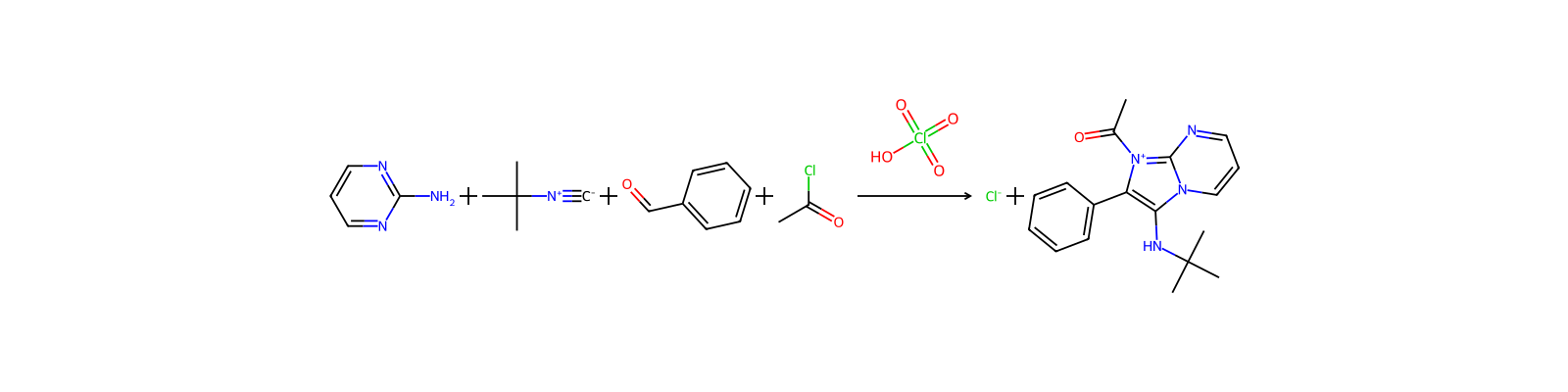
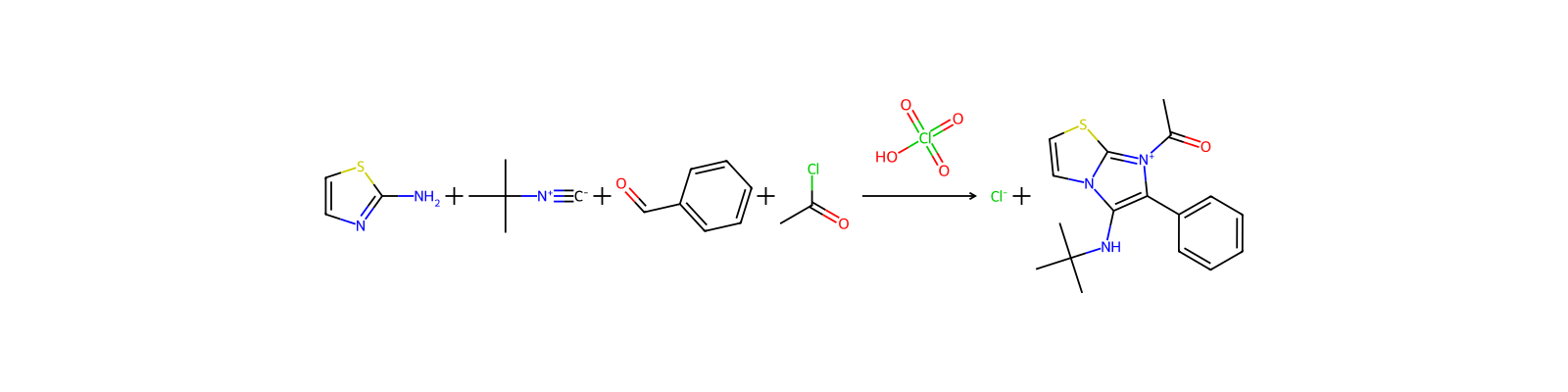
1,030 条
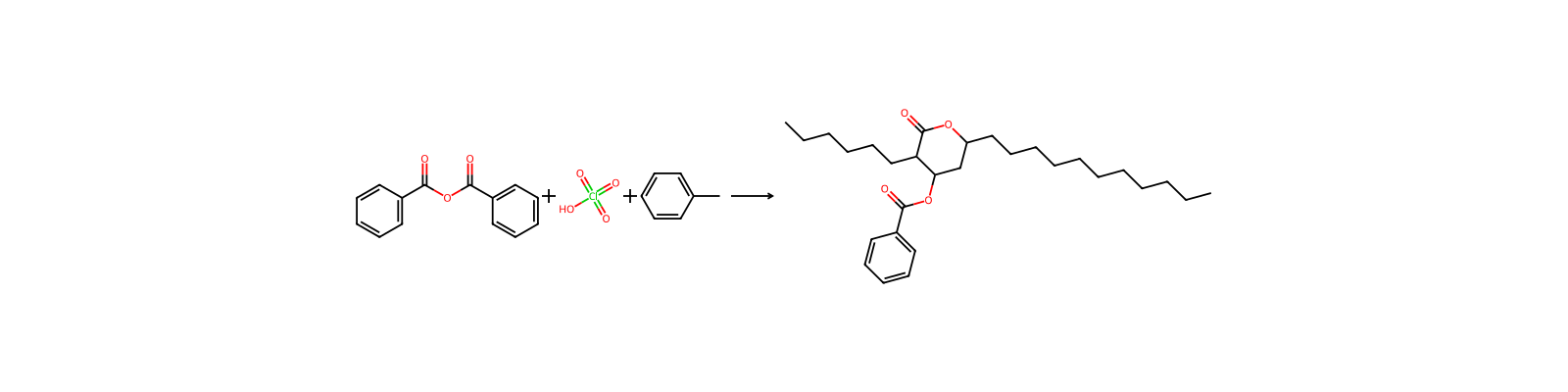
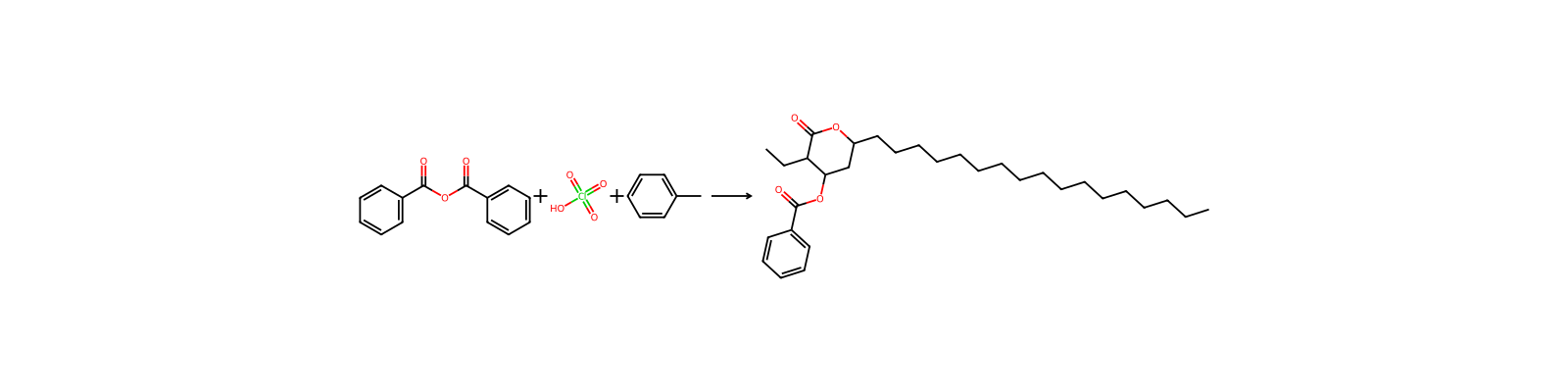

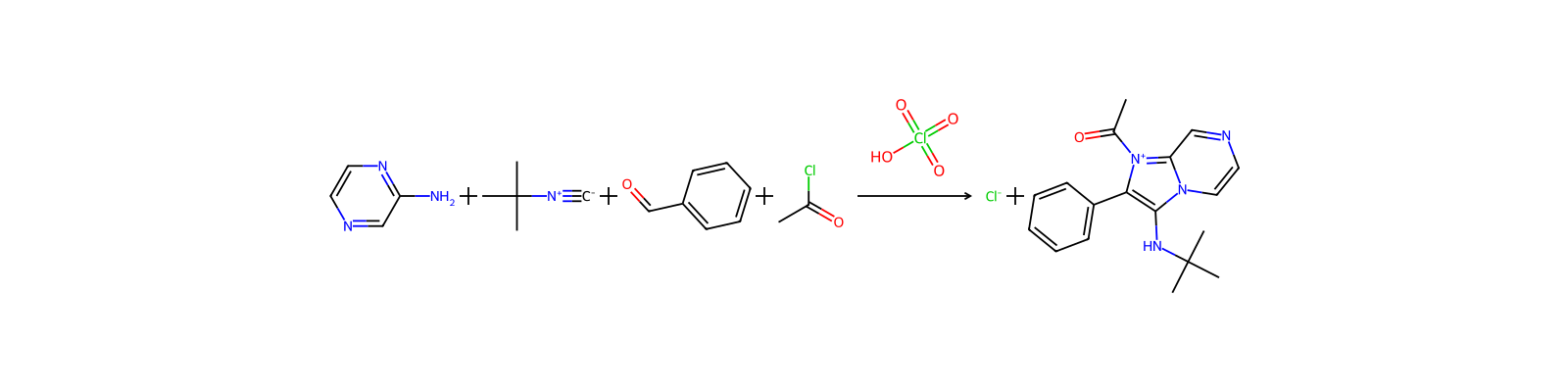

关联笔记
加载中…