

基本信息
- 标准SMILES
[Cl][Sn]([Cl])([Cl])[Cl]- InChIKey
HPGGPRDJHPYFRM-UHFFFAOYSA-J- 分子式
- Cl4Sn
- 平均分子量
- 260.5 g/mol
- 单同位素质量
- 259.77760542
概述
Stannic chloride, anhydrous is a colorless fuming liquid with a pungent odor. It is soluble in cold water and decomposed by hot water to form hydrochloric acid with the evolution of heat. It is corrosive to metals and tissue.
名称与标识
- 首选名称
- Tin tetrachloride
- IUPAC
- tetrachlorostannane
- 中文名
- 结晶氯化高锡
- 英文名
- Tin(IV) chloride
- 分子式
- Cl4H2OSn
- 分子量
- 278.53
名称与别名
Tin tetrachloride7646-78-8STANNIC CHLORIDETetrachlorotinTin perchlorideTintetrachlorideStannic tetrachlorideStannane, tetrachloro-Tin(IV) tetrachlorideZinntetrachloridTin Chloride (sncl4)SnCl4
展开更多名称
氯化錫四氯化锡结晶氯化锡结晶氯化高锡氯化锡,结晶结晶四氯化锡四氯化锡五水氧化锡 五水五水合氯化锡五水四氯化锡TIN(IV) CHLORIDETIN(IV) CHLORIDE PENTAHYDRATESTANNIC CHLORIDE PENTAHYDRATEtin chloride pentahydrateTin(IV) chloride hydrateOlovo Stanicoride pentahydrate4-(289-Butyl)phenolStannic chloride hydSTANNIC CHLORIDE 5H2O
Tin Tetrachloride, anhydrousStagno (tetracloruro di)Tin perchloride(DOT)Tin chloride (1:4)Etain (tetrachlorure d')Tin chloride, fuming (DOT)Tin chloride, fuming67H76LFL3V
数据库标识
- CAS
10026-06-9、7646-78-8- PubChem CID
- 24287
- DTXSID
DTXSID1029679- EC Number
- 231-588-9
性质
结构计算性质
- 极性表面积
- 0 Ų
- 氢键供体
- 0
- 氢键受体
- 0
- 可旋转键
- 0
- 重原子
- 5
- 形式电荷
- 0
- 复杂度
- 19.1
实验与物化性质
Chemical Classes
Metals -> Metals, Inorganic Compounds
Corrosives
OdorACRID
Food AdditivesUse unspecified -> FDA Substance added to food
Density
2.34 g/cu cm
Relative density (water = 1): 2.26
2.232 @25 °C
Color/FormColorless fuming liquid
Solubility
White or slightly yellow crystals or fused small lumps; slight hydrochloric acid odor; very sol in water; sol in alcohol /stannic chloride pentahydrate/
Soluble in acetone, ethanol, gasoline, benzene, carbon tetrachloride, toluene, kerosene, methanol
Sol in cold water (decomposes in hot water), carbon disulfide
Soluble in ethanol, carbon tetrachloride, benzene and acetone.
Solubility in water: reaction
Corrosivity
Corrosive to metals
Will attack some forms of plastics, rubber, & coatings.
Boiling Point
114.15 °C
114 °C
114.1 °C @760 [mm Hg]
DecompositionWhen heated to decomposition it emits toxic fumes of /chloride/.
Melting Point
-33 °C
-33 °C
-33 °C
-33 °C
Vapor Density
9 (air= 1)
Relative vapor density (air = 1): 9.0
Vapor Pressure
18.0 [mmHg]
18 MM HG AT 20 °C
Vapor pressure, kPa at 20 °C: 2.4
10 [mm Hg] @10 °C
物理化学性质
- 熔点
- 56 °C · 56 °C
- 密度
- 2.04 · 2.040
- 溶解度
- 2 O; · very soluble in H2O; soluble in ethanol
- 形态
- lumps
- 颜色
- Light Yellow
- 水溶解性
- soluble
- 热导率
- 0.106 W/ · 0.106 W/(m·K) at 25 ℃
- 比热容
- 0.59 J/ · Cp(liquid): 0.59 J/(g·K); Cp(gas): 0.35 J/(g·K), at 25℃
- Merck
- 14 · 14,8774
- 稳定性
- Stable, but may decompose in contact with moisture or water. Incompatible with strong acids.
- InChI
- InChI=1S/4ClH.H2O.Sn/h4*1H;1H2;/q;;;;;+4/p-4
- InChIKey
- KHMOASUYFVRATF-UHFFFAOYSA-J
- SMILES
- [Sn](Cl)(Cl)(Cl)Cl.O
- CAS 数据库
- 10026 · 10026-06-9(CAS DataBase Reference)
- EPA化学物质信息
- Stannane, tetrachloro-, pentahydrate (10026-06-9)
安全与法规
GHS分类
GHS Classification
Danger
H314: Causes severe skin burns and eye damage [Danger Skin corrosion/irritation]
P260, P264, P273, P280, P301+P330+P331, P302+P361+P354, P304+P340, P305+P354+P338, P316, P321, P363, P405, and P501 (click each P-code to see the statement)
Danger
H314 (100%): Causes severe skin burns and eye damage [Danger Skin corrosion/irritation]
P260, P261, P264, P264+P265, P271, P273, P280, P301+P330+P331, P302+P361+P354, P304+P340, P305+P354+P338, P316, P317, P319, P321, P363, P403+P233, P405, and P501 (click each P-code to see the statement)
危害信息
Regulatory Information
Chemical: Stannane, tetrachloro-
Directive (EC) No 46/2002
Stannane, tetrachloro- is listed on the EPA's Chemical Data Reporting (CDR) system. Manufacturers and importers of Stannane, tetrachloro- are required to report information about their production and use of this chemical to the EPA under the Toxic Substances Control Act (TSCA). (40 eCFR Part 711)
Status: Active Update: 14-12-2022 https://echa.europa.eu/registration-dossier/-/registered-dossier/14578
Tin (IV) chloride: Does not have an individual approval but may be used under an appropriate group standard
The New Jersey Worker and Community Right to Know Act requires public and private employers to provide information about hazardous substances at their workplaces. (N.J.S.A. 34:5A-1 et. seq.)
DOT LabelCorrosive
Fire Hazards
Excerpt from ERG Guide 137 [Substances - Water-Reactive - Corrosive]:
· EXCEPT FOR ACETIC ANHYDRIDE (UN1715), THAT IS FLAMMABLE, some of these materials may burn, but none ignite readily.
· EXCEPT FOR ACETIC ANHYDRIDE (UN1715), THAT IS FLAMMABLE, some of these materials may burn, but none ignite readily.
Not combustible. Gives off irritating or toxic fumes (or gases) in a fire.
Fire Potential
Nonflammable ... .
Combustible by chemical reaction.
Health Hazards
Excerpt from ERG Guide 137 [Substances - Water-Reactive - Corrosive]:
· CORROSIVE and/or TOXIC; inhalation, ingestion or contact (skin, eyes) with vapors, dusts or substance may cause severe injury, burns or death.
· CORROSIVE and/or TOXIC; inhalation, ingestion or contact (skin, eyes) with vapors, dusts or substance may cause severe injury, burns or death.
Hazards Summary
Respiratory symptoms were more common in hot end workers in a glass bottle manufacturing plant exposed to stannic chloride; [Reference #1] Produces substantial heat on contact with water; A strong eye and mucous membrane irritant; [Merck Index] Reacts violently with water or moist air forming hydrogen chloride; A corrosive substance that can cause injury to the skin, eyes, and respiratory tract; [ICSC] A skin, eye, and respiratory tract irritant; May cause burns on prolonged contact; [HSDB] Reacts with water producing hydrochloric acid and heat; Corrosive to tissue; [CAMEO] Forms hydrogen chloride on contact with moisture; May cause corrosive injuries to skin and eyes; [CHEMINFO] Corrosive to skin and eyes; [eChemPortal: ERMA] Can cause burns; [eChemPortal: ESIS] A corrosive substance that can cause injury to the skin, eyes, and respiratory tract; Inhalation may cause chemical pneumonitis; [MSDSonline]
DOT ID and Guide
1827 137
1827 137
Reactive GroupAcids, Strong Non-oxidizing
EC ClassificationSymbol: C; R: 34-52/53; S: (1/2)-7/8-26-45-61
UN ClassificationUN Hazard Class: 8; UN Pack Group: II
Reactivity AlertsWater-Reactive
Reactivity ProfileSTANNIC CHLORIDE readily hydrolyzes to form hydrochloric acid in aqueous solution or moist air. Combination of stannic chloride with turpentine is strongly exothermic, and may lead to ignition [Mellor, 1941, Vol. 7, 446].
安全与防护
Fire Fighting
Excerpt from ERG Guide 137 [Substances - Water-Reactive - Corrosive]:
NO hydrous agents. In case of fire in the surroundings, use appropriate extinguishing media.
First Aid Measures
Fresh air, rest. Half-upright position. Artificial respiration may be needed. Refer for medical attention.
Rinse skin with plenty of water or shower. Refer for medical attention .
First rinse with plenty of water for several minutes (remove contact lenses if easily possible), then refer for medical attention.
Do NOT induce vomiting. Refer for medical attention .
Accidental Release Measures
· CALL 911. Then call emergency response telephone number on shipping paper. If shipping paper not available or no answer, refer to appropriate telephone number listed on the inside back cover.
· Do not touch damaged containers or spilled material unless wearing appropriate protective clothing.
· CALL 911. Then call emergency response telephone number on shipping paper. If shipping paper not available or no answer, refer to appropriate telephone number listed on the inside back cover.
· Do not touch damaged containers or spilled material unless wearing appropriate protective clothing.
First Aid
Excerpt from ERG Guide 137 [Substances - Water-Reactive - Corrosive]:
General First Aid:
General First Aid:
Safe StorageSeparated from food and feedstuffs. Dry. Well closed. Keep in a well-ventilated room.
Exposure Control and Personal Protection
· Wear positive pressure self-contained breathing apparatus (SCBA).
· Wear positive pressure self-contained breathing apparatus (SCBA).
Fire Fighting Procedures
Use appropriate extinguishing agents on nearby combustible fires. Do not use water-based extinguishers on fires where this material has been released. use water spray to keep fire-exposed containers cool. Visibility can be reduced by the solid tin oxide fumes produced when reacted with moisture.
If material involved in fire: Use dry chemical, dry sand, or carbon dioxide. Do not use water on material itself. If large quantities of combustibles are involved, use water in flooding quantities as spray & fog. Use water to knock down vapors. Cool all affected containers with flooding quantities of water. Apply water from as far a distance as possible.
Storage Conditions
Store in a cool, dry, well-ventilated location. Outside or detached storage is preferred.
KEEP WELL STOPPERED
Cleanup Methods
Cover ... spills with sufficient amount of sodium bicarbonate. Remove the mixture in a container such as a fiber drum, plastic bag or carton box for easy disposal. ...
If material not involved in fire: ... Neutralize spilled material with crushed limestone, soda ash, or lime.
If tin, stannous chloride, stannic chloride, stannous sulfate, or potassium stannate are spilled or leaked, the following steps should be taken: 1. Ventilate area of spill or leak. 2. Collect spilled or leaked material in the most convenient and safe manner for reclamation or for disposal. ... Liquid containing inorganic tin compounds should be absorbed in vermiculite, dry sand, earth, or a similar material.
Use water spray to cool and disperse vapors, protect personnel, and carefully dilute spills to form nonreactive mixtures.
Nonfire Spill ResponseExcerpt from ERG Guide 137 [Substances - Water-Reactive - Corrosive]:
Disposal Methods
SRP: At the time of review, criteria for land treatment or burial (sanitary landfill) disposal practices are subject to significant revision. Prior to implementing land disposal of waste residue (including waste sludge), consult with environmental regulatory agencies for guidance on acceptable disposal practices.
Spillage Disposal
Evacuate danger area! Personal protection: chemical protection suit including self-contained breathing apparatus. Do NOT let this chemical enter the environment. Ventilation. Cautiously neutralize spilled liquid with soda ash or lime. Then store and dispose of according to local regulations.
毒理信息
Treatment
EYES: irrigate opened eyes for several minutes under running water. INGESTION: do not induce vomiting. Rinse mouth with water (never give anything by mouth to an unconscious person). Seek immediate medical advice. SKIN: should be treated immediately by rinsing the affected parts in cold running water for at least 15 minutes, followed by thorough washing with soap and water. If necessary, the person should shower and change contaminated clothing and shoes, and then must seek medical attention. INHALATION: supply fresh air. If required provide artificial respiration.
Health EffectsIngestion of large amounts of inorganic tin compounds can cause stomachache, anemia, and liver and kidney problems. (L307, L308)
Adverse EffectsDermatotoxin - Skin burns.
Exposure RoutesOral (L308) ; inhalation (L308) ; dermal (L308)
Toxicity SummaryInorganic and organic tin compounds are weak inhibitors of alcohol dehydrogenase. (A183)
Signs and Symptoms
Cough. Sore throat. Burning sensation. Laboured breathing. Shortness of breath. Wheezing.
Redness. Pain. Skin burns.
Redness. Pain. Severe deep burns.
Abdominal pain. Burning sensation. Shock or collapse.
Inorganic or organic tin compounds placed on the skin or in the eyes can produce skin and eye irritation. (L308)
ICSC Environmental DataThe substance is harmful to aquatic organisms.
Human Toxicity Excerpts
... Prolonged contact with the skin causes burns ... .
Concern about upper respiratory tract irritation and other symptoms among workers at a glass bottle manufacturing plant led to an epidemiologic and an industrial hygiene survey. Questionnaire responses from 35 hot end and 53 cold end workers indicated that the incidence of wheezing, chest pain, dyspnea on exertion, and cough was significantly elevated among hot end workers. Among smokers and nonsmokers, hot end workers reported higher, but not significantly higher rates of wheezing and chest pain. Among smokers, hot end workers reported significantly higher rates of dyspnea on exertion and cough than did cold end workers. Reported exposure to stannic chloride solution likely caused these symptoms. The industrial hygiene survey, conducted when stannic chloride use had ben reduced, cleaning had been done and ventilation improved, focused on measuring air contaminants that might have caused symptoms. Levels of HCl which apparently was formed by the combination of stannic chloride and water in the presence of heat, were elevated. The finding of increased prevalence of respiratory symptoms among hot end workers was consistent with this exposure. Recommendations were made to reduce hazardous exposures at this plant. Individuals responsible for occupational health should be aware that relatively benign substances, such as stannic chloride and water, can combine spontaneously to form hazardous substances.
Stannic chloride is a fuming caustic liquid, highly irritating to the eyes and mucous membranes. The irritating presumably is attributable t o the hydrochloric acid which is generated when stannic chloride reacts with water.
Carcinogen ClassificationNo indication of carcinogenicity to humans (not listed by IARC).
Non-Human Toxicity Excerpts
INHALATION EXPOSURE FOR 10 MIN TO TIN TETRACHLORIDE AT CONCN OF 3 MG/CU M WAS SAID TO BE WELL TOLERATED BY GUINEA PIGS. EVEN REPEATED EXPOSURES TO THIS CONCN WAS CLAIMED TO BE TOLERATED.
Microbial communities in water from Baltimore Harbor (Maryland, USA) and from the mainstem of Chesapeake Bay were examined for sensitivity to mercury chloride, monomethyl mercury, stannic chloride, and tributyltin chloride. Acute toxicity was determined by measuring the effects on (3)H-thymidine incorporation, (14)C-glutamate incorporation and respiration, and viability as compared with those of controls. Minimum inhibitory concn were low for all metals except stannic chloride (5 mg/l). The Chesapeake Bay community appeared to be slightly more sensitive to metal stress than the Baltimore Harbor community, but this was not true for all treatments or assays. For culturable bacteria, the opposite result was found. Thymidine incorporation and glutamate metabolism were much more sensitive indicators of metal toxicity than was viability. The use of thymidine incorporation method for ecotoxicology studies was at least equal in sensitivity to metabolic measurements and likely measures the effects on the greater portion of the natural community.
Twenty one different metal chlorides have been tested for mutagenicity in the presence of 9-aminoacridine in strains of Salmonella typhimurium. Stannic chloride was not mutagenic alone, exhibited mutagenicity when combined with 9-aminoacridine in strains TA1537 and TA2637.
Toxicity Data
LC50 (rat) = 2,300 mg/m3/10min
LD50: 46 mg/kg (Intraperitoneal, Mouse) (T57) LC50: 2300 mg/m3 over 10 minutes (Inhalation, Rat) (T14)
Non-Human Toxicity Values
LD50 Mouse intraperitoneal 46 mg/kg
LC50 Rat inhalation 2300 mg/cu m/10 min
法规信息
State Drinking Water Guidelines(MN) MINNESOTA 4000 ug/l /Tin/
安全数据
- wgk
- 3
- RTECS号
- XP8870000
- 包装类别
- III
- 危险等级
- 8
- 存储类别
- 8A - Combustible corrosive hazardous materials
- 安全说明
- 26-36/37/39-45-7/8-61
- 海关编码
- 28273990
- 危险品标志
- C
- 危险性类别
- Aquatic Chronic 3Skin Corr. 1B
- 危险类别码
- 34-52/53
- 危险品运输编号
- UN 2440
毒性防护
急性毒性腹注-大鼠 LD50: 41 毫克/公斤; 静注-小鼠 LD50: 32 毫克/公斤
职业标准TLV-TWA 2 毫克(锡)/立方米; STEL 4 毫克(锡)/立方米
包装储运
储运特性库房通风低温干燥; 与碱分开存放
灭火剂二氧化碳、干粉
化学与工业
药理信息
Metabolism/Metabolites
Though tin metal is very poorly absorbed, tin compounds may be absorbed via oral, inhalation, or dermal routes, with organotin compounds being much more readily absorbed than inorganic tin compounds. Tin may enter the bloodstream and bind to hemoglobin, where it is distributed and accumulates mainly in the kidney, liver, lung, and bone. Tin and its metabolites are excreted mainly in the urine and feces. (L308)
用途与制造
Uses
Used as a mordant, catalyst, stabilizer for colors and perfumes in soap, antistatic agent for synthetic fabrics, and dehydrating agent in organic syntheses; Also used for tinning vessels, making ceramic coatings, dyeing fabrics, weighting silk, curing polymers, treating glass, and producing sensitized paper; [HSDB]
Pulp and Paper Processing [Category: Industry]
Ceramics making [Category: Hobbies]
As mordant; reviving colors; dehydrating agent in organic syntheses; stabilizer for colors and perfumes in soap; in dyeing of fabrics, weighting silk, tinning vessels, in ceramics to produce abrasion resistant or light reflecting coatings.
The main uses of stannic chloride are as a raw material for the manufacture of other tine compounds, especially organotins. and in the surface treatmentof glass and other nonconductive materials, whereby stannic oxide is deposited from the stannic chloride solutions onto the surface giving it strength, abrasive resistance, and conductivity. It is also widely used as a catalyst in Friedel-Craft acylation, alkylation and cyclization reactions, esterifications, halogenations, and curing and other polymerization reactions. Minor uses are as a stabilizer for colors in soap, mordant for dyeing silks in the manufacture of blueprints and other sensitized paper, and as an antistatic agent for synthetic fabrics.
U.S. Imports(1986) 30,071 LB
U.S. Production2023: 25,000,000 - <40,000,000 lb
Consumer UsesNot Known or Reasonably Ascertainable
Industry UsesIntermediate
Methods of Manufacturing
Stannic chloride is made by direct chlorination of tin at 110-115 °C.
Treatment of tin or stannous chloride with chlorine.
The pentahydrate is prepared by dissolving stannic chloride in hot water, thereby forming the pentahydrate at a temperature above the melting point and crystallizing on cooling. /pentahydrate/
STANNIC CHLORIDE IS PREPARED BY HEATING POWDERED TIN WITH MERCURIC CHLORIDE OR BY PASSING A STREAM OF CHLORINE OVER MOLTEN TIN.
Formulations/Preparations
Grades: technical, cp (chemically pure)
Often sold in the form of the double salt with sodium chloride: disodium stannic hexachloride monohydrate.
Stannic chloride is available commercially as anhydrous stannic chloride; stannic chloride pentahydrate; and in proprietary solutions for special applications.
A stannic chloride pentahydrate-ammonium bifluoride formulation for fire proofing wool is commercially available and used in New Zealand and Australia.
99.9 & 99.999% purity grades ... .
General Manufacturing Information
Not Known or Reasonably Ascertainable
Stannane, tetrachloro-: ACTIVE
Improperly called tin bichloride.
应用领域
简介结晶氯化高锡,又叫结晶四氯化锡,氯化锡,四氯化锡,化学式SnCl4,式量260.53。无色发烟液体,呈酸性。溶于水并放出大量热,其稀水溶液因水解而产生锡酸沉淀。能与醇、二硫化碳和松节油任意混溶。对氯气的吸收量很大。密度2.23g/cm3,熔点-33℃,沸点114℃,有腐蚀性,有毒,用于有机锡制备。有机分析中有以皂化酚和醚,由铷和钯中分离钾。
用途四氯化锡用途广泛,能与有机物发生加成反应,如醇、醚、醛、酮、羧酸、酯、不饱和烃、胺等,是合成甲基锡、丁基锡等有机锡化工产品的原料;四氯化锡能被金属锡还原为氯化亚锡,也能用作生产二氧化锡、锡酸钠等无机锡化工产品的原料。
用途用作分析试剂和媒染剂
用途有机合成脱水剂,织物媒染剂。
制备方法
制备四氯化锡的生产方法,国内外都是用含Sn>99%的精锡与氯气反应而得,分为两种:一种是先将精锡熔化,再与氯气反应,反应温度300℃左右,高于精锡的熔点(精锡的熔点是232℃),反应中的精锡是液体状态,远高于四氯化锡的沸点,反应器设置保温加热系统,反应产生的四氯化锡是气态,从反应器中挥发出来,进入冷凝器中,被冷凝成液体,得到四氯化锡产品。
试剂价格
- 011570 · 100g
- 四氯化锡(IV)水合物, 98%Tin(IV) chloride hydrate, 98% — 503元
- 22369 · 500g
- 四氯化锡五水合物 500GRTin(IV) chloride pentahydrate, 98+%, extra pure, Thermo Scientific Chemicals — 2016元
供应商50 家
国药集团化学试剂有限公司86-21-63210123 · [email protected]
北京华美互利生物化工010-56205725 · [email protected]
上海阿拉丁生化科技股份有限公司400-6206333 13167063860 · [email protected]
INTATRADE GmbH+49 3493/605464 · [email protected]
Dayang Chem (Hangzhou) Co.,Ltd.+86-0571-88938639 17705817739 · [email protected]
上海迈瑞尔生化科技有限公司4006356688 18621169109 · [email protected]
武汉易泰科技有限公司上海分公司18930552037 · [email protected]
上海晶抗生物工程有限公司021-54721350 13524668266 · [email protected]
上海铭熠医药化工有限公司021-51200341 18717810934 · [email protected]
安耐吉化学&3A(安徽泽升科技股份有限公司)400-0056266 · [email protected]
广东云星生物技术有限公司0751-18902340975/189023400307 18902340307 · [email protected]
上海瀚鸿科技股份有限公司021-54306202 13764082696 · [email protected]
上海景颜化工科技有限公司13817811078 · [email protected]
山东艺鸿化工有限公司15253143303 15269100373
山东西亚化学有限公司13355009207 13355009207 · [email protected]
玛雅试剂+86 (573) 82222445 (0)18006601000 452520369 · [email protected]
四川库利南科技有限公司400-1166-196 18981987031 · [email protected]
Xiamen AmoyChem Co., Ltd+86-86-5926051114 · [email protected]
南京化学试剂股份有限公司025-58369808 17895012682 · [email protected]
斯百全化学(上海)有限公司021-021-021-67601398-809-809-809 15221380277 · [email protected]
艾科试剂4008-755-333 18080918076 · [email protected]
赛默飞世尔科技(中国)有限公司800-810-5118 · [email protected]
武汉普洛夫生物科技有限公司17612776928 · [email protected]
上海倍卓生物科技有限公司021-61119791,13386096464 · [email protected]
北京环宇世纪化学科技有限公司hysj_bj.com
日照力德士化工有限公司010-51268198 · [email protected]
美岚实业(上海)有限公司021-58958189 · [email protected]
上海爱蝶实业有限公司021-58957966 18930537195 · [email protected]
成都零六生物科技有限公司400-1166-196 13458535857 · [email protected]
广拓化学(上海)有限公司021-60899189-8001 18918189673 · [email protected]
上海麦克林生化科技股份有限公司15221275939 15221275939 · [email protected]
杭州杰恒化工有限公司0571-87396432 · [email protected]
上海有朋化工有限公司021-69005955 13701776567 · [email protected]
上海凯赛化工有限公司021-33516722 13701817765 · [email protected]
上海彤源化工有限公司021-021-69182866 13701855675 · [email protected]
成都润泽本土化工有限公司13096311329 028-88469284 616445927 · [email protected]
上海蓝润化学有限公司021-69515658 ; 69515628 13701998368 · [email protected]
上海容立化学科技有限公司021-69992220 13701886816 · [email protected]
上海康拓化工有限公司021-69185552 13701777608 · [email protected]
池州凯隆进出口贸易有限公司[email protected]
Sigma-Aldrich西格玛奥德里奇(上海)贸易有限公司021-61415566 800-8193336 · [email protected]
康迪斯化工(湖北)有限公司13343438265 · [email protected]
Alfa Chemistry1-516-6625404 · [email protected]
九鼎化学(上海)科技有限公司4009209199 · [email protected]
厦门志信化学有限公司+86-5922680277 +86-13806087780 · [email protected]
安耐吉化学&3A(安徽泽升科技股份有限公司)400-0056266 · [email protected]
广东翁江化学试剂有限公司0751-2886766 13927870850 · [email protected]
上海玻尔化学试剂有限公司19102157732 · [email protected]
上海宏瑞化工有限公司13906273813 13485185589
成都润泽本土化工有限公司028-88469284 18000562381 · [email protected]
相关反应
1,197 条

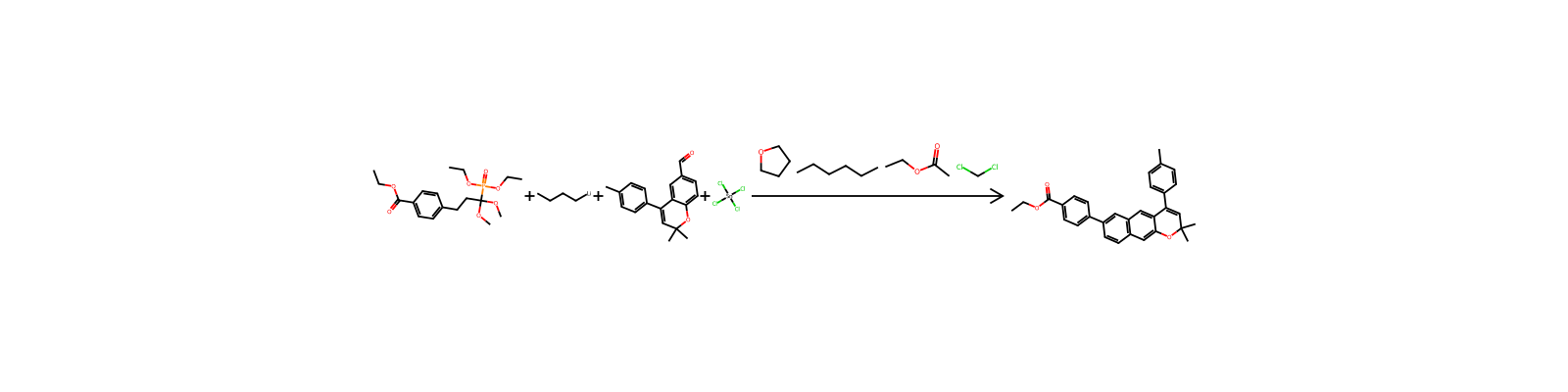

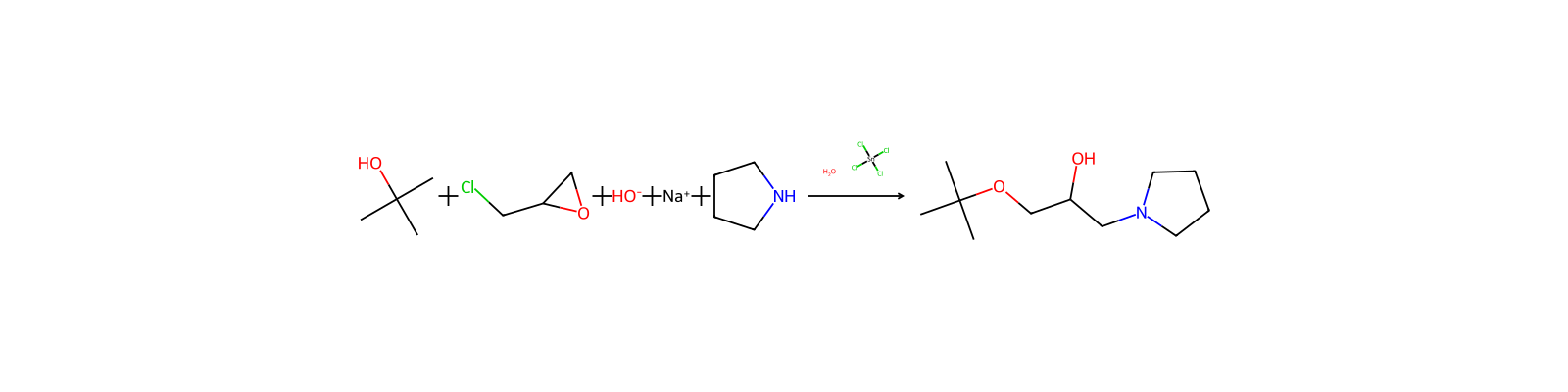
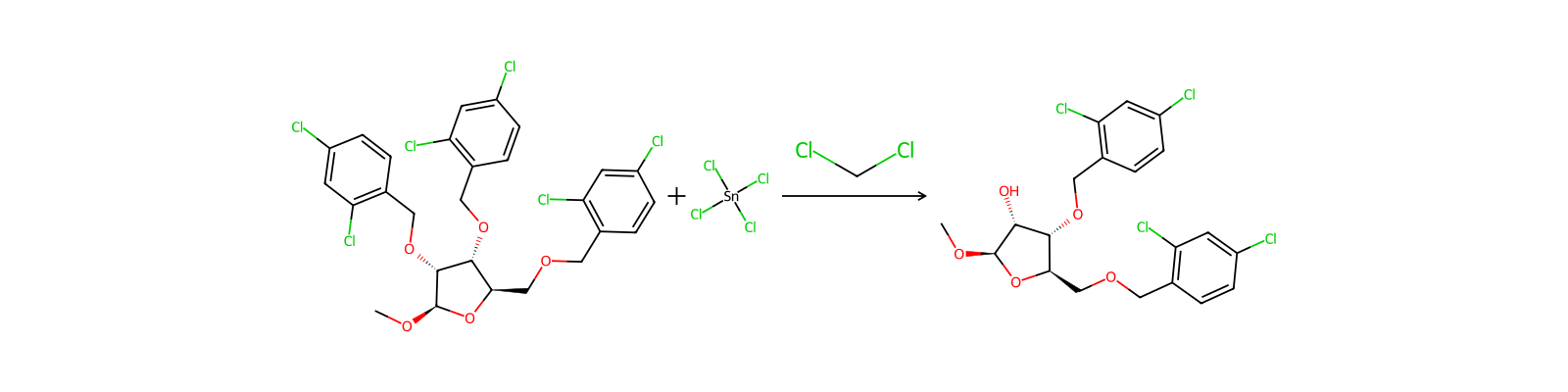


关联笔记
加载中…