
基本信息
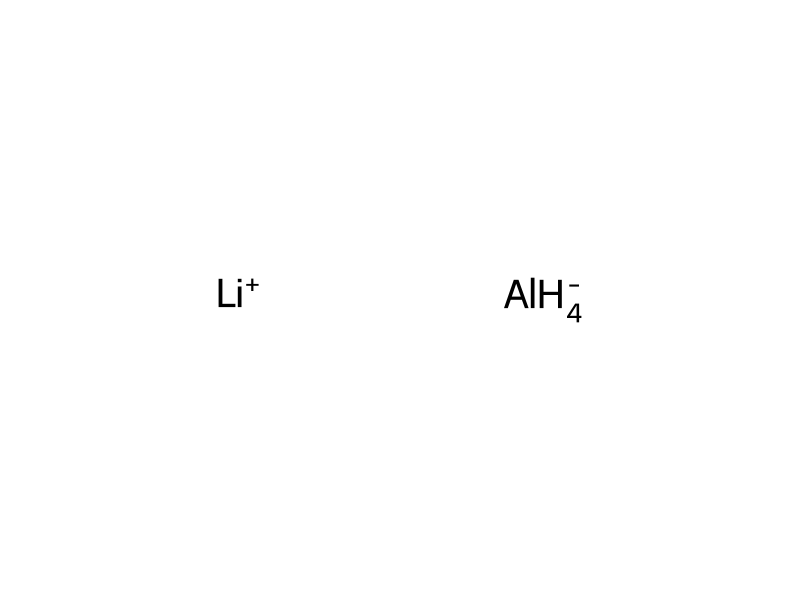
- 标准SMILES
[AlH4-].[Li+]- InChIKey
OCZDCIYGECBNKL-UHFFFAOYSA-N- 分子式
- AlH4.Li
- 平均分子量
- 38 g/mol
- 单同位素质量
- 38.02884331
概述
Lithium aluminum hydride appears as a white powder that turns gray on standing. If spread out over a large flat combustible surface, friction can cause ignition. Used to make other chemicals, as a polymerization catalyst, as a hydrogen source, and as a propellant.
名称与标识
- 首选名称
- Lithium aluminum hydride
- IUPAC
- lithium alumanuide
- 中文名
- 氢化铝锂
- 英文名
- Lithium Aluminum Hydride
- 分子式
- AlH4.Li
- 分子量
- 37.95
名称与别名
Lithium aluminohydrideLithium tetrahydroaluminateAluminum lithium hydrideLithium alanateLiAlD4LiAlH4Lithium tetrahydroaluminate(1-)Li[AlH4]CHEBI:30142DTXSID7089344177UJC875H4Li(AlH4)
展开更多名称
化铝锂铝锂氢锂铝氢氢化锂铝四氢铝锂氢化铝锂氫化鋁鋰四氢锂铝丙氨酸锂氯化铝锂LAHLITHIUM ALUMINIUM TETRAHYDRIDELITHIUM ALUMINIUM HYDRIDELiAlHLithium aluminum tetrahydrideAlH4.Li
RefChem:153695lithium(1+) ion alumanuideDTXCID901323452Lithium aluminum hydride, etherealAluminum lithium hydride (LiAlH4)Aluminate(1-), tetrahydro-, lithiumAluminate (1-), tetrahydro-, lithiumAluminate(1-), tetrahydro-, lithium, (T-4)-
数据库标识
- CAS
16853-85-3- PubChem CID
- 28112
- DTXSID
DTXSID70893441- ChEBI
CHEBI:30142- UNII
- 77UJC875H4
- EC Number
- 240-877-9
性质
结构计算性质
- 极性表面积
- 0 Ų
- 氢键供体
- 0
- 氢键受体
- 1
- 可旋转键
- 0
- 重原子
- 2
- 形式电荷
- 0
- 复杂度
- 0
实验与物化性质
Chemical Classes
Metals -> Metal Hydrides
Flammable agents - 2nd degree
OdorNone
Density
0.917 at 59 °F (USCG, 1999) - Less dense than water; will float
0.92
0.92 @25 °C
Color/Form
Microcrystalline powder when pure; gray when aluminum impurity present. Monoclinic crystals.
Gray-white monoclinic crystals
SolubilitySolubility (parts/100 parts solvent): 30 (ether); 13 (tetrahydrofuran); 10 (dimethylcellosolve); 2 (dibutyl ether); 0.1 (dioxane).
Decomposition
Decomposes to lithium hydride, aluminum metal and hydrogen above 125 °C without melting.
Decomposes above 125 °C, slowly loses hydrogen at 120 °C, decomposes in moist air.
Melting PointDecomposes >125 °C
Physical Description
Lithium aluminum hydride appears as a white powder that turns gray on standing. If spread out over a large flat combustible surface, friction can cause ignition. Used to make other chemicals, as a polymerization catalyst, as a hydrogen source, and as a propellant.
Gray to white crystals; [HSDB]
Stability/Shelf Life
Stable in dry air at room temperature.
Sometimes turns gray on standing
Low melting solids or colorless, volatile liquids. /Alkylaluminum halides/
Less sensitive than trialkylaminums to oxidation upon exposure to air. /Alkylaluminum halides/
Other Experimental Properties
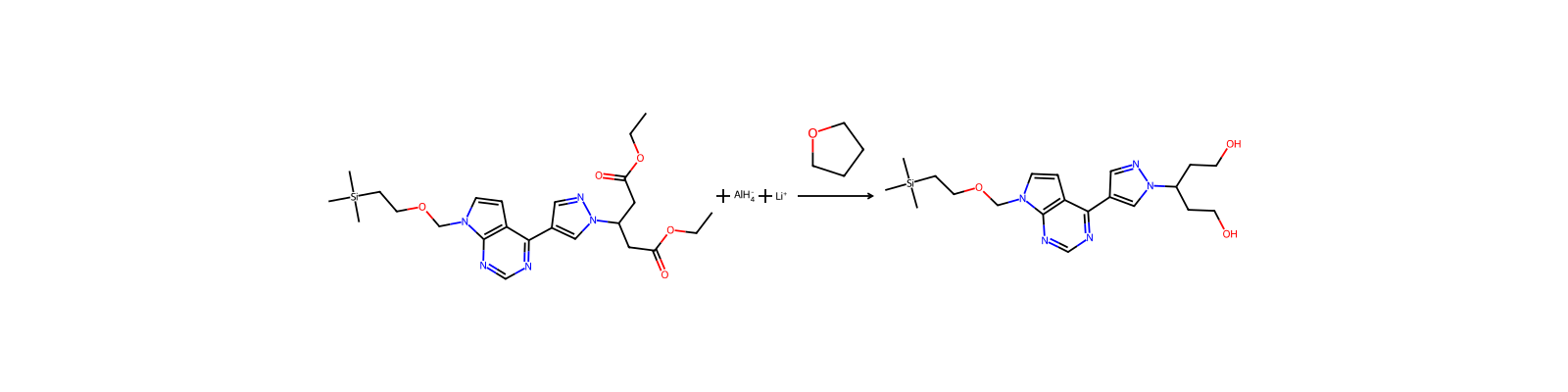
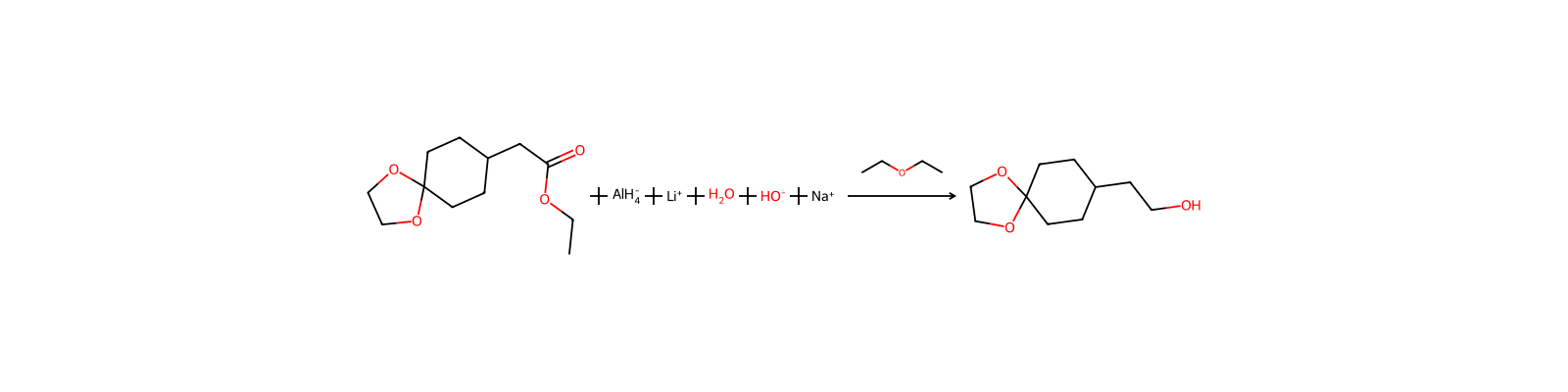
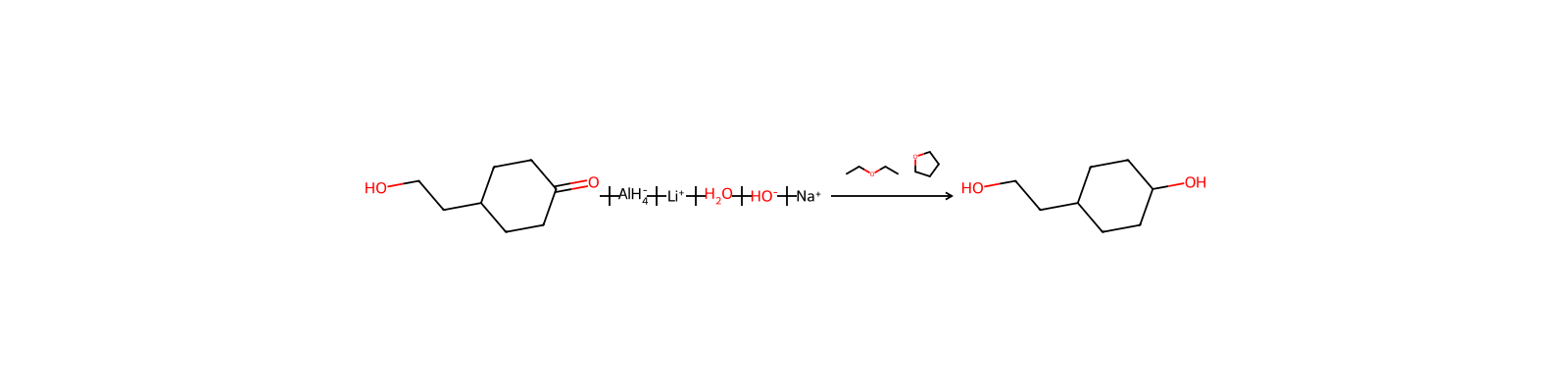
Reacts rapidly with water and alcohols; reduces aldehydes, ketones, acid chlorides and esters to alcohols; reduces nitriles to amines; aromatic nitro compounds to azo-compounds. Does not attack olefinic double bonds unless they are conjugated with a phenyl group and a carbonyl or nitrile group.
Gray when aluminum impurity present
Stable in dry air at room temperature, decomposes above 125 °C, slowly loses hydrogen at 120 °C, decomposes in moist air, may ignite on grinding in air.
Heat of formation: -116.3 (crystalline) kJ/mol @ 298.15 K; Gibbs energy of formation: -44.7(crystalline) kJ/mol @ 298.15 K; standard molar entropy: 78.7 J/mol K @ 298.15 K; molar heat capacity at constant pressure: 83.2 J/mol K @ 298.15 K
物理化学性质
- 熔点
- 125 °C · 125 °C (dec.)(lit.)
- 沸点
- 0 °C · 0°C
- 堆积密度
- 400 kg/m3 · 400kg/m3
- 密度
- 0.97 g/mL · 0.97 g/mL at 20 °C
- 闪点
- 99 °F · 99 °F
- 储存条件
- 30 °C · Store below +30°C.
- 溶解度
- 2 O, · reacts with H2O, ethanol; seth, tetrahydrofuran
- 形态
- tablets (~0.5 g each)
- 酸度系数(pKa)
- 3.86 · 3.86
- 颜色
- White to light gray
- 比重
- 0.917 · 0.917
- 气味 (Odor)
- Odorless solid
- 水溶解性
- Reacts
- 比热容
- 2.19 J/ · Cp(crystal): 2.19 J/(g·K), at 25℃
- 敏感性
- Air & Moisture Sensitive
- 水解敏感性
- 8 · 8: reacts rapidly with moisture, water, protic solvents
- Merck
- 14 · 14,350
- 暴露限值
- 2 mg · TLV-TWA 2 mg(Al)/m3 (ACGIH).
- 稳定性
- Stable. Reacts violently with water, liberating hydrogen. Incompatible with strong oxidizing agents, alcohols, acids.
- InChI
- 1S/Al.Li.4H/q-1;+1;;;;
- InChIKey
- OCZDCIYGECBNKL-UHFFFAOYSA-N
- SMILES
- [Li].[AlH3]
- CAS 数据库
- 16853 · 16853-85-3(CAS DataBase Reference)
- NIST化学物质信息
- Lithium tetrahydroaluminate(16853-85-3)
- EPA化学物质信息
- Lithium aluminum hydride (16853-85-3)
化学性质
氢化铝锂亦称“氢化锂铝”、“四氢铝锂”。化学式LiAlH4。分子量37.95。白色结晶性粉末。相对密度 0.917,熔点125℃(分解)。对湿气和含质子的溶剂极为敏感,迅速反应并放出氢气。遇水立即发生爆发性的猛烈反应并放出氢气,故对湿气需要十分小心。加氨分解。溶于乙醚、四氢呋喃和二甲基乙二醇醚,微溶于二丁醚,不溶于二噁烷。 对有机化合物具有一定空间选择性反应。具有很强的还原能力,能还原:四氯化硅、锡的有机卤化物、羰基化合物、羧酸、腈类等分别制得甲硅烷或乙硅烷、锡烷、 羟基化合物、伯醇、伯胺等。能同金属卤化物或非金属卤化物发生交换反应。
安全与法规
GHS分类
GHS Classification
Danger
H220 (13.3%): Extremely flammable gas [Danger Flammable gases]
P203, P210, P222, P223, P231+P232, P260, P264, P264+P265, P280, P301+P330+P331, P302+P335+P334, P302+P361+P354, P304+P340, P305+P354+P338, P316, P317, P321, P363, P370+P378, P377, P381, P402+P404, P403, P405, and P501 (click each P-code to see the statement)
Aggregated GHS information provided per 279 reports by companies from 4 notifications to the ECHA C&L Inventory. Each notification may be associated with multiple companies.
Danger
H260: In contact with water releases flammable gases which may ignite spontaneously [Danger Substances and mixtures which in contact with water, emit flammable gases]
危害信息
Regulatory Information
Chemical: Aluminate(1-), tetrahydro-, lithium, (T-4)-
Status: Active Update: 11-11-2013 https://echa.europa.eu/registration-dossier/-/registered-dossier/11218
Aluminate(1-), tetrahydro-, lithium, (T-4)-: HSNO Approval: HSR001279 Approved with controls
The New Jersey Worker and Community Right to Know Act requires public and private employers to provide information about hazardous substances at their workplaces. (N.J.S.A. 34:5A-1 et. seq.)
Other Safety InformationIMAP assessments - Aluminate(1-), tetrahydro-, lithium, (T-4)-: Human health tier I assessment
DOT LabelDangerous When Wet
Fire Hazards
Behavior in Fire: Decomposes at 257 °F to form hydrogen gas. The heat generated may cause ignition and/or explosion. (USCG, 1999)
· Produce flammable gases on contact with water.
· Produce flammable gases on contact with water.
Fire Potential
Evolves hydrogen & ignites on contact with water.
Decomposition begins at 257 °F (125 °C) & releases heat. Combustion may produce irritants & toxic gases.
Flammable, dangerous fire risk. May ignite spontaneously on grinding or rubbing, or from static sparks.
Lithium aluminum hydride has the additional fire hazard in that it is used in the flammable solvents diethyl ether and tetrahydrofuran.
Lithium aluminum hydride should not be used to dry methyl ethers or tetrahydrofuran; fires from this are very common.
Lithium aluminum hydride with carbon dioxide in sodium bicarbonate at high temp is a fire hazard.
Health Hazards
Contact of solid with eyes and skin causes severe burns similar to those caused by caustic soda. (USCG, 1999)
· Inhalation or contact with vapors, substance or decomposition products may cause severe injury or death.
· Inhalation or contact with vapors, substance or decomposition products may cause severe injury or death.
Hazards Summary
Contact with solid causes caustic burns to eyes and skin. [CHRIS] Inhalation of high concentrations can cause pulmonary edema; [HSDB] Reacts with moisture on the skin or in the eyes and respiratory tract to form a corrosive alkali solution (lithium hydroxide); [CHEMINFO]
DOT ID and Guide
1411 138
1410 138
Reactive GroupMetal Hydrides, Metal Alkyls, Metal Aryls, and Silanes
RCRA RequirementsD003; A solid waste containing Lithium aluminum hydride may become characterized as a hazardous waste when subjected to testing for reactivity as stipulated in 40 CFR 261.23, and if so characterized, must be managed as a hazardous waste.
Reactivity AlertsStrong Reducing Agent
Reactivity Profile
LITHIUM ALUMINUM HYDRIDE is a powerful reducing agent. React violently on contact with many oxidizing agents. Ignites by friction, especially if powdered. Reacts vigorously with hydroxy compounds such as water, alcohols, carboxylic acids [Mellor 2 Supp. 2:142. 1961]. Caused a violent explosion when used to dry diethylene glycol dimethyl ether: Ignition may have been caused by heat from reaction with impurity water or perhaps decomposition of peroxides in the ether. About 75% of the ether had been removed when the explosion occurred [MCA Case History 1494. 1968]. Reduces carbon dioxide or sodium hydrogen carbonate to methane and ethane at elevated temperatures. These flammable or explosive gases can form when CO2 extinguishers are used to fight hydride fires. Forms explosive complexes with ether, dimethylamine and various tetrazoles. Tetrazoles include, 2-methyl, 2-ethyl, 5-ethyl, 2-methyl-5-vinyl, 5-amino-2-ethyl [US Pat. 3 396 170, 1968].
安全与防护
Fire FightingExcerpt from ERG Guide 138 [Substances - Water-Reactive (Emitting Flammable Gases)]:
Accidental Release Measures
· CALL 911. Then call emergency response telephone number on shipping paper. If shipping paper not available or no answer, refer to appropriate telephone number listed on the inside back cover.
· ELIMINATE all ignition sources (no smoking, flares, sparks or flames) from immediate area.
· CALL 911. Then call emergency response telephone number on shipping paper. If shipping paper not available or no answer, refer to appropriate telephone number listed on the inside back cover.
· ELIMINATE all ignition sources (no smoking, flares, sparks or flames) from immediate area.
First Aid
In case of accidental contact with the skin, wipe off excess with a dry paper towel. Wash the affected area with a large volume of water to prevent localized heating of the skin. (USCG, 1999)
General First Aid:
General First Aid:
Firefighting Hazards
It /lithium aluminum hydride/ reacts with water to form lithium hydroxide, a corrosive material, aluminum hydroxide and hydrogen, a flammable gas. The heat of this reaction may be sufficient to ignite the hydrogen. The lithium and aluminum hydroxides are corrosive.
Exposure Control and Personal Protection
· Wear positive pressure self-contained breathing apparatus (SCBA).
· Wear positive pressure self-contained breathing apparatus (SCBA).
Fire Fighting Procedures
Fire must be extinguished with powdered limestone or dry chemical.
A fire once started cannot be extinguished by ordinary methods; smothering by dolomite powder is recommended.
Fires should be extinguished with dry chemicals; "Lith-X," the trademark for a graphite-base dry chemical extinguishing agent, is available for such fires.
Sand can be used as a fire extinguisher for lithium aluminum hydride.
For more Fire Fighting Procedures (Complete) data for LITHIUM ALUMINUM HYDRIDE (7 total), please visit the HSDB record page.
Storage Conditions
Store in a cool, dry, well-ventilated location. Separate from ketones, aldehydes, nitrogenous organic compounds.
Extremely reactive with air, moisture and compounds containing active hydrogen and therefore must be kept under a blanket of inert gas. /Aluminum alkyls/
In general, materials ... toxic as stored or which can decompose into toxic components ... Should be stored in cool ... ventilated place, out of ... sun, away from ... fire hazard ... be periodically inspected and monitored. Incompatible materials should be isolated ...
All possibility of contact with water must be avoided. Solution containing not more than 20% of these compounds in non-reactive solvents, however, can be handled without risk of spontaneous ignition. /Aluminum alkyls/
For more Storage Conditions (Complete) data for LITHIUM ALUMINUM HYDRIDE (6 total), please visit the HSDB record page.
Nonfire Spill ResponseExcerpt from ERG Guide 138 [Substances - Water-Reactive (Emitting Flammable Gases)]:
Disposal Methods
Aluminum compounds are treated under anhydrous conditions to prevent violent reactions, recover solvent, and form Al compounds suitable for landfill by reaction with anhydrous hydrolysis agent, eg calcium hydroxide. /Aluminum compounds/
SRP: The most favorable course of action is to use an alternative chemical product with less inherent propensity for occupational exposure or environmental contamination. Recycle any unused portion of the material for its approved use or return it to the manufacturer or supplier. Ultimate disposal of the chemical must consider: the material's impact on air quality; potential migration in soil or water; effects on animal, aquatic, and plant life; and conformance with environmental and public health regulations.
Preventive Measures
Burning lithium aluminum hydride is not extinguished by nitrogen; therefore, for large-scale utilization of lithium aluminum hydride, use of an inert gas such as argon is necessry to prevent a potentially hazardous situation.
The principal physical property of lithium hydrides important to their safe handling is the large amount of hydrogen contained in a relatively small volume. Two g of lithium hydride treated with water will liberate 200 cu ft of hydrogen. ... In the handling of lithium hydrides, water in any form must be eliminated. ... Chief hazards in handling are dust production, static electricity, and fire. /Lithium hydrides/
Care is necessary in handling ... . A rubber mallet is recommended for /pulverizing instead of a mortar and pestle/.
Personnel protection: Avoid breathing dusts, and fumes from burning material. ... Do not handle broken packages unless wearing appropriate personal protective equipment. Wash away any material which may have contacted the body with copious amounts of water or soap and water.
For more Preventive Measures (Complete) data for LITHIUM ALUMINUM HYDRIDE (9 total), please visit the HSDB record page.
Isolation and Evacuation
Excerpt from ERG Guide 138 [Substances - Water-Reactive (Emitting Flammable Gases)]:
Immediate precautionary measure
Immediate precautionary measure
Minimum Risk LevelIntermediate Oral: 1.0 mg/kg/day (L134)
Chronic Oral: 1.0 mg/kg/day (L134)
毒理信息
Treatment
EYES: irrigate opened eyes for several minutes under running water. INGESTION: do not induce vomiting. Rinse mouth with water (never give anything by mouth to an unconscious person). Seek immediate medical advice. SKIN: should be treated immediately by rinsing the affected parts in cold running water for at least 15 minutes, followed by thorough washing with soap and water. If necessary, the person should shower and change contaminated clothing and shoes, and then must seek medical attention. INHALATION: supply fresh air. If required provide artificial respiration.
Health Effects
Aluminum targets the nervous system and causes decreased nervous system performance and is associated with altered function of the blood-brain barrier. The accumulation of aluminum in the body may cause bone or brain diseases. High levels of aluminum have been linked to Alzheimer's disease. A small percentage of people are allergic to aluminium and experience contact dermatitis, digestive disorders, vomiting or other symptoms upon contact or ingestion of products containing aluminium. (L739, L740)
Adverse EffectsNeurotoxin - Other CNS neurotoxin
Exposure RoutesOral (L739) ; inhalation (L739)
Toxicity Summary
IDENTIFICATION AND USE: Lithium aluminum hydride is a gray-white monoclinic crystalline material which is soluble in ether, tetrahydrofuran, dimethylcellosolve; partially soluble in dibutyl ether and insoluble in dioxane. This chemical is an intermediate in the production of other hydrides. It is used as a reducing agent for over 60 different functional groups, especially for pharmaceutical, perfume, and fine organic chemicals; converts esters, aldehydes and ketones to alcohols and nitriles to amines; source of hydrogen; propellant; catalyst in polymerizations. HUMAN EXPOSURE AND TOXICITY: Causes severe eye and skin burns. It may be harmful if inhaled. This chemical is irritating to skin, eyes, and respiratory system. Symptoms of overexposure include spasms, inflammation and edema of larynx, and bronchi, pulmonary edema, coughing, wheezing, laryngitis, nausea, and vomiting. Solid will burn skin and eyes. The hydrides of aluminum can react with moisture and leave behind hydroxide. The hydrides of lithium in the presence of moisture are readily converted to hydroxides which are highly irritating to the skin by caustic and thermal action. Similar effects can occur on contact with eyes and respiratory mucous membranes. ANIMAL STUDIES: No animal studies could be located.
The main target organs of aluminum are the central nervous system and bone. Aluminum binds with dietary phosphorus and impairs gastrointestinal absorption of phosphorus. The decreased phosphate body burden results in osteomalacia (softening of the bones due to defective bone mineralization) and rickets. Aluminum's neurotoxicity is believed to involve several mechanisms. Changes in cytoskeletal protein functions as a results of altered phosphorylation, proteolysis, transport, and synthesis are believed to be one cause. Aluminum may induce neurobehavioral effects by affecting permeability of the blood-brain barrier, cholinergic activity, signal transduction pathways, lipid peroxidation, and impair neuronal glutamate nitric oxide-cyclic GMP pathway, as well as interfere with metabolism of essential trace elements because of similar coordination chemistries and consequent competitive interactions. It has been suggested that aluminum's interaction with estrogen receptors increases the expression of estrogen-related genes and thereby contributes to the progression of breast cancer (A235), but studies have not been able to establish a clear link between aluminum and increased risk of breast cancer (A15468). Certain aluminum salts induce immune responses by activating inflammasomes. (L739, A235, A236)
Signs and Symptoms
Inhalating aluminum dust causes coughing and abnormal chest X-rays. A small percentage of people are allergic to aluminium and experience contact dermatitis, digestive disorders, vomiting or other symptoms upon contact or ingestion of products containing aluminium. (L739, L740)
Human Toxicity Excerpts
/HUMAN EXPOSURE STUDIES/ Contamination of aluminum with lithium was suggested as a mechanism for encephalopathy because psychotic patients treated with lithium salts exhibit tremors, early or after several years. Lithium may be a neurotoxin alone, as suggested by the observation that volunteers given lithium carbonate in doses of 1225 +/- 300 mg/day for 7 days when tested in the company of distractors made more errors recalling words than when they received a placebo. Although lithium and aluminum may act similarly, more studies are needed to determine whether lithium contamination contributes to occupational aluminum toxicity. /Lithium contaminated aluminum/
/SIGNS AND SYMPTOMS/ Causes severe eye and skin burns. May be harmful if inhaled. Irritating to skin, eyes, and respiratory system. Symptoms of overexposure include spasms, inflammation and edema of larynx, and bronchi, pulmonary edema, coughing, wheezing, laryngitis, nausea, and vomiting.
/SIGNS AND SYMPTOMS/ From an industrial point of view lithium itself and its salts present no hazard but lithium hydride and its derivatives lithium tetrahydroaluminate and lithium tetrahydroborate are corrosive and irritant.
Carcinogen Classification
Not listed by IARC. IARC classified aluminum production as carcinogenic to humans (Group 1), but did not implicate aluminum itself as a human carcinogen. (L135) A link between use of aluminum-containing antiperspirants and increased risk of breast cancer has been proposed (A235), but studies have not been able to establish a clear link (A15468).
Toxicity DataLC50 (mammal) = 70 mg/m3
法规信息
RCRA RequirementsD003; A solid waste containing Lithium aluminum hydride may become characterized as a hazardous waste when subjected to testing for reactivity as stipulated in 40 CFR 261.23, and if so characterized, must be managed as a hazardous waste.
State Drinking Water Standards(CA) CALIFORNIA 1000 ug/l /Aluminum/
State Drinking Water Guidelines
(AZ) ARIZONA 73 ug/l /Aluminum/
(CA) CALIFORNIA 200 ug/l /Aluminum/
(ME) MAINE 1430 ug/l /Aluminum/
Federal Drinking Water GuidelinesEPA 50-200 ug/l /Aluminum/
安全数据
- F
- 10-21
- wgk
- 2
- tsca
- TSCA listed
- 毒性
- TLV-TWA (ACGIH) 2 mg (Al)/m3
- RTECS号
- BD0100000
- 包装类别
- I
- 危险等级
- 4.3
- 存储类别
- 4.3 - Hazardous materials which set free flammable gases upon contact with water
- 安全说明
- 43-7/8-6A-45-43B-36/37/39-33-26-16-24/25-27-29-62-53
- 海关编码
- 2850 00 20
- 危险品标志
- F,C,Xi,Xn,F+,T
- 危险性类别
- Eye Dam. 1Skin Corr. 1AWater-react 1
- 危险类别码
- 15-34-14/15-11-36/37-19-40-10-67-66-22-12-35-37-65-48/20-63-36/38-61-60
- 毒害物质数据
- 16853-85-3(Hazardous Substances Data)
- 危险品运输编号
- UN 1411 4.3/PG I (LITHIUM ALUMINIUM HYDRIDE, ETHEREAL)
毒性防护
职业标准TWA 2 毫克 (AL)/ 立方米
包装储运
类别遇水燃烧物品
爆炸物危险特性与氧化剂混合可爆
可燃性危险特性高温、遇水、酸、氧化剂放出氢气可燃
储运特性库房通风低温干燥; 与氧化剂、强酸分开存放
灭火剂干粉、干砂、石粉
化学与工业
药理信息
Metabolism/Metabolites
Aluminum is poorly absorbed following either oral or inhalation exposure and is essentially not absorbed dermally. The bioavailability of aluminum is strongly influenced by the aluminum compound and the presence of dietary constituents which can complex with aluminum and enhance or inhibit its absorption. Aluminum binds to various ligands in the blood and distributes to every organ, with highest concentrations found in bone and lung tissues. In living organisms, aluminum is believed to exist in four different forms: as free ions, as low-molecular-weight complexes, as physically bound macromolecular complexes, and as covalently bound macromolecular complexes. Absorbed aluminum is excreted principally in the urine and, to a lesser extent, in the bile, while unabsorbed aluminum is excreted in the faeces. (L739)
MeSH Pharmacological ClassificationMaterials that add an electron to an element or compound, that is, decrease the positiveness of its valence. (From McGraw-Hill Dictionary of Scientific and Technical Terms, 5th ed)
用途与制造
Uses
Used as a reducing agent, catalyst, and propellant; Used to produce other hydrides; [HSDB]
In preparation of other hydrides
Reducing agent for over 60 different functional groups, especially for pharmaceutical, perfume, and fine organic chemicals; converts esters, aldehydes and ketones to alcohols and nitriles to amines; source of hydrogen; propellant; catalyst in polymerizations.
In manufacture of vitamin A, ... anti-histamines and antibiotics
Methods of Manufacturing
Commercial manufacture of lithium aluminum hydride uses the original synthetic method ... addition of a diethyl ether solution of aluminum chloride to a slurry of lithium hydride. ... The stoichiometry (4 mol lithium hydride to 1 mol lithium aluminum hydride) makes this an inherently expensive process, even though high yields of pure product are obtained. For large-scale production, metathesis from sodium aluminum hydride is economically preferred.
... By treating lithium hydride with an ether solution of aluminum chloride ... .
Formulations/Preparations
98% purity grade
95-96% purity
General Manufacturing Information
Aluminate(1-), tetrahydro-, lithium (1:1), (T-4)-: ACTIVE
A plant growth nutrient stimulator is prepd by reducing a plant wax with lithium aluminum hydride in tetrahydrofuran, followed by filtering to obtain the product.
应用领域
简介氢化铝锂是有机化学中一个常用的还原试剂,能够还原多种官能团化合物;同时也能作用于双键和三键化合物实现氢铝化反应;另外氢化铝锂还能作为碱参与反应。例如:将LiAlH4与2mol的乙醇反应,即生成氢化二乙氧基铝锂[LiAlH2(OC2H5)2];与3mol的叔丁醇反应,生成三叔丁氧基铝锂LiAlH [OC (CH3)3]3。氢化铝锂具有很强的氢转移能力,能够将醛、酮、酯、内酯、羧酸、酸酐和环氧化物还原为醇,或者将酰胺、亚胺离子、腈和脂肪族硝基化合物转换为对应的胺。此外,氢化铝锂超强的还原能力使得可以作用于其它官能团,如将卤代烷烃还原为烷烃。该类反应中,卤代物的活性从大到小依次是碘代物、溴代物和氯代物。氢化铝锂的固体和溶液都具有高度可燃性,必须隔绝空气、湿气,并最好在氮气氛下保存。
应用氢化铝锂为无机金属化合物,在医药、香料、农药、染料及其他精细有机合成中用作还原剂。
用途用作聚合催化剂、还原剂、喷气发动机燃料,也用于合成药物。氢化铝锂具有极强的还原剂。可将醛、酮、酸、酸酐、酯、内酯、醌、酰氯等还原为醇,将腈还原为伯胺,将卤代烃还原为烃。但通常不能使碳-碳双键氢化。广泛应用于医药、香料、农药、染料及其他精细有机合成中的还原剂。
用途用作测定羰基的试剂、还原剂,也用于氢化物、硅烷、硼烷等的制备
制备方法
制备称取241.43g的六水氯化铝和42.41g的氯化锂,加水溶解,加入一定量的碳酸钠溶 液,待沉淀完全后,静置抽滤,固体干燥后经500-600℃的高温煅烧分解4小时后得氧化 物,氧化物在高压釜中,并加入CaH2为催化剂,在180℃和20kg/cm2氢压下固体加氢4-5 小时后得铝锂混合单质。在有机溶剂四氢呋喃中加入催化剂萘和TiCl4,通入氢气常温常 压下氢化4-5小时,可得四氢化铝锂产物。
生产方法氢化铝锂可由氢化锂与无水三氯化铝在乙醚中作用或用碱金属氢化物与铝和氢在烃或醚中相互作用而制得。
上下游产品信息
下游产品
试剂价格
- L0203 · 25G
- 氢化铝锂(粉末)Lithium Aluminum Hydride (Powder) — 720元
- L0203 · 100G
- 氢化铝锂(粉末)Lithium Aluminum Hydride (Powder) — 2650元
供应商50 家
国药集团化学试剂有限公司86-21-63210123 · [email protected]
北京华美互利生物化工010-56205725 · [email protected]
梯希爱(上海)化成工业发展有限公司021-67121386 · [email protected]
上海阿拉丁生化科技股份有限公司400-6206333 13167063860 · [email protected]
商丘市华康众邦生物科技有限公司13011705167
T&W GROUP021-61551611 13296011611 · [email protected]
爱斯特(成都)生物制药股份有限公司+86-28-85122536 85324413 · [email protected]
上海凯曼化工科技有限公司021-021-50400622 15618790390 · [email protected]
上海迈瑞尔生化科技有限公司4006356688 18621169109 · [email protected]
Wuhan EnTai Technology Development Co,.Ltd86-27-82330560 · [email protected]
阿法埃莎(中国)化学有限公司400-6106006 · [email protected]
太原市瑞和丰科贸有限公司+86 351 7031519 · [email protected]
安耐吉化学&3A(安徽泽升科技股份有限公司)400-0056266 · [email protected]
上海瀚鸿科技股份有限公司021-54306202 13764082696 · [email protected]
上海景颜化工科技有限公司13817811078 · [email protected]
嘉兴市艾森化工有限公司0573-85285100 18627885956 · [email protected]
池州捷峰生物科技有限公司0566-8928158 · [email protected]
Pure Chemistry Scientific Inc.001-857-928-2050 or 1-888-588-9418 · [email protected]
上海忆嵘生物科技有限公司18049974220 · [email protected]
河北道晖化工有限公司+86 18612009158 · [email protected]
山东西亚化学有限公司13355009207 13355009207 · [email protected]
玛雅试剂+86 (573) 82222445 (0)18006601000 452520369 · [email protected]
四川库利南科技有限公司400-1166-196 18981987031 · [email protected]
南京维奥化工有限公司Please Send Email 18652950785 · [email protected]
斯百全化学(上海)有限公司021-021-021-67601398-809-809-809 15221380277 · [email protected]
泰州志诚化工科技有限公司0523-82837785 13914525028 · [email protected]
艾科试剂4008-755-333 18080918076 · [email protected]
上海思域化工科技有限公司86-21-34053660 · [email protected]
赛默飞世尔科技(中国)有限公司800-810-5118 · [email protected]
北京伊诺凯科技有限公司400-810-7969 010-59572699 · [email protected]
上海特伯化学科技有限公司+86-21-60341587 · [email protected]
Wuhan NCE Biomedical Co.,Ltd.4000-027-021 |24 +86-13986109188 | +86-15623472865 | +81-08033611988
江苏艾康生物医药研发有限公司025-66113011 13913916777 · [email protected]
TCI AMERICA800-4238616 · [email protected]
TOKYO CHEMICAL INDUSTRY CO., LTD.03-36680489 · [email protected]
TCI Europe320-37350700 · [email protected]
深圳康特腾科技有限公司86-0755-86635001 · [email protected]
越林试剂021-62960152 · [email protected]
南京生利德生物科技有限公司025-57798810 18652991625 · [email protected]
上海汇凯化学科技有限公司021-61995394 18916691159 · [email protected]
Xunteng International Trading Co.,Limited—
上海湄水化工科技有限公司021-60549325 18616193163
上海将来实业股份有限公司021-61552785 · [email protected]
HBCChem, Inc.+1-510-219-6317 · [email protected]
福斯曼科技(北京)有限公司64646565 18210196513 · [email protected]
日照力德士化工有限公司010-51268198 · [email protected]
郑州阿尔法化工有限公司0371-53732842 15981811963 · [email protected]
美岚实业(上海)有限公司021-58958189 · [email protected]
上海爱蝶实业有限公司021-58957966 18930537195 · [email protected]
成都零六生物科技有限公司400-1166-196 13458535857 · [email protected]
相关反应
230 条


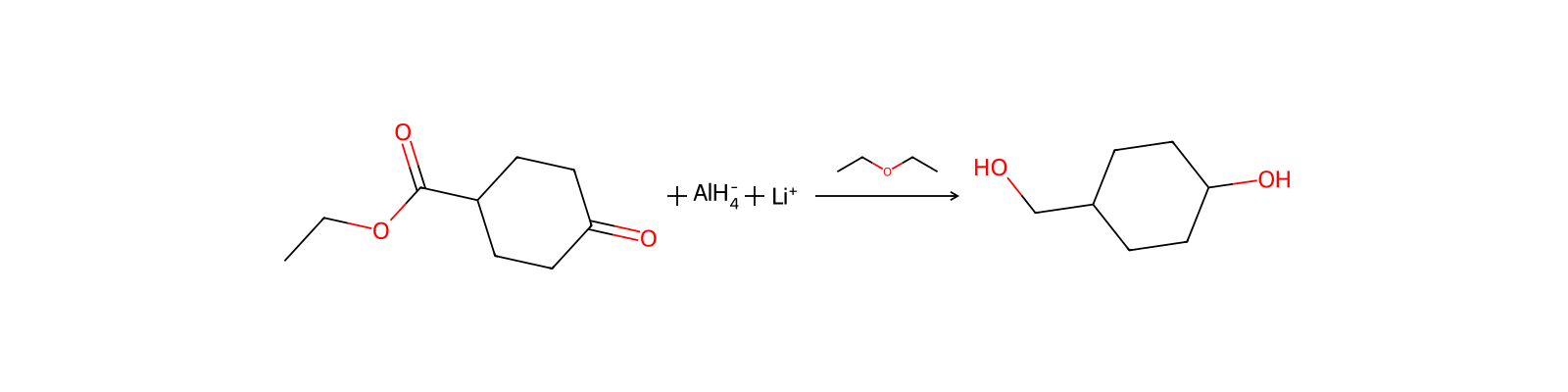
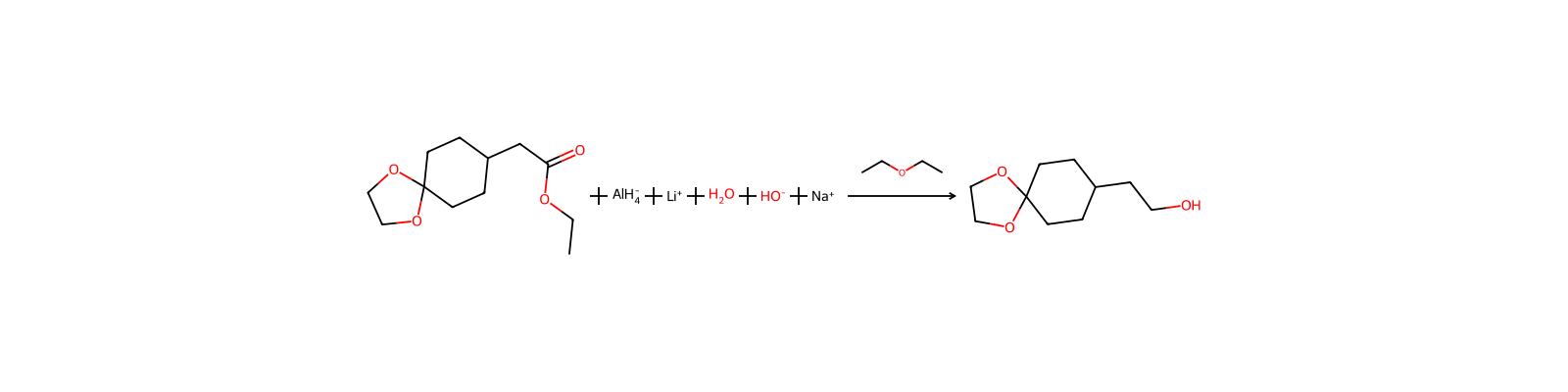
关联笔记
加载中…