

基本信息
- 标准SMILES
[F-]- InChIKey
KRHYYFGTRYWZRS-UHFFFAOYSA-M- 分子式
- F-
- 平均分子量
- 18.9984 g/mol
- 单同位素质量
- 18.9989518
概述
Fluoride is a halide anion and a monoatomic fluorine. It is a conjugate base of a hydrogen fluoride.
名称与标识
- 首选名称
- Fluoride Ion
- IUPAC
- fluoride
- 中文名
- 氟標準液
- 英文名
- FLUORIDE STANDARD
- 分子式
- F-
- 分子量
- 19
名称与别名
fluoridefluoride ion16984-48-8Fluoride ion(1-)PerfluorideFluorine ionFluoride(1-)Fluoride ion(F-)Fluorine ion(1-)Drinking water, fluoride treatedF-UNII-Q80VPU408O
展开更多名称
氟离子氟標準液氟离子(F-)水质氟化物标准溶液氟离子(F-)标准溶液标准物质/水中氟离子/保质期6个月氟离子 IC 标准液 1,000 MG/L氟离子(F-)标准溶液氟化物标准溶液 c(F-)=1.86 mg/L氟离子(F-)标准溶液(500MG/L,溶剂:水)FluorionF-FLUORIDEGELFluorine, ionfluoride fumeFluorine anion
Q80VPU408OFLURORIDE-IONFLUORINE ION(F1-)DTXSID9049617CHEBI:17051F(-)Fluorine-RefChem:5836
数据库标识
- CAS
16984-48-8、7782-41-4- PubChem CID
- 28179
- DTXSID
DTXSID9049617- ChEMBL
CHEMBL1232767、CHEMBL1362- ChEBI
CHEBI:17051- UNII
- Q80VPU408O
- Nikkaji
- J231.854G
性质
结构计算性质
- XLogP
- 0.6
- 极性表面积
- 0 Ų
- 氢键供体
- 0
- 氢键受体
- 1
- 可旋转键
- 0
- 重原子
- 1
- 形式电荷
- -1
- 复杂度
- 0
实验与物化性质
Chemical Classes
Other Classes -> Fluorides, Inorganic
Other Classes -> Fluorides, Inorganic
Major ion
Solubility0.00169 mg/mL at 25 °C
Dietary IngredientsFluoride
Human DrugsDental medicines and preparations
Melting Point-219.61 °C
Physical Description
CBI
The main fluoride minerals are fluorspar (CaF2) and cryolite (Na3AlF6). [ACGIH]
Liquid
Varies depending on specific compound
物理化学性质
- 熔点
- 135 ℃ · 135℃
- 密度
- 1 g/cm3 · 1.000 g/cm3 (20 °C)
- 折射率
- 1.3358 · 1.3358 (589.3 nm 20℃)
- 储存条件
- 2 · 2-8°C
- 形态
- Liquid
- PH值
- 6 · 6 (H2O, 20°C)
- 水溶解性
- Immiscible with water.
- 暴露限值
- 2.5 mg/m3OSHA · ACGIH TLV-TWA:2.5 mg/m3OSHA PEL-TWA:2.5 mg/m³NIOSH REL-TWA:2.5 mg/m3;REL-IDLH:250 mg/m3
- 主要应用
- environmentalfood and beverages
- CAS 数据库
- 16984 · 16984-48-8(CAS DataBase Reference)
- (IARC)致癌物分类
- 3 · 3 (Vol. 27, Sup 7) 1987
- EPA化学物质信息
- Fluoride (16984-48-8)
安全与法规
危害信息
Regulatory Information
Hazard Traits - Musculoskeletal Toxicity
Hazard Traits - Musculoskeletal Toxicity; Respiratory Toxicity
Regulation (EC) No 178/2002 (amended)
Fluoride is listed on the EPA's Chemical Data Reporting (CDR) system. Manufacturers and importers of Fluoride are required to report information about their production and use of this chemical to the EPA under the Toxic Substances Control Act (TSCA). (40 eCFR Part 711)
Fluoride: Does not have an individual approval but may be used as a component in a product covered by a group standard. It is not approved for use as a chemical in its own right.
Hazards Summary
50% of absorbed fluoride is excreted in urine within 24 hours; 99% of the remainder is taken up by bone with a 1/2 life of up to 8 years; tooth mottling is caused by 2-4 mg/day; skeletal changes are rare at 8 mg/day, but can be crippling at 20 to 80 mg/day; [Rosenstock, p. 544] Fluorides (inorganic, used in drinking water) are not classifiable as to carcinogenicity to humans. [IARC] The PEL and IDLH apply to sodium fluoride and other inorganic, solid fluorides. [NIOSH] Abnormal liver enzymes have been reported in cases of sodium fluoride toxicity. In acute poisoning cases, patients may have hyperactive reflexes and tetanic contractures from fluoride-induced hypocalcemia and cardiac arrhythmias from hyperkalemia; Ingestion can cause hemorrhagic gastroenteritis; [HSDB] The TLV applies to inorganic fluorides; [ACGIH] In the US, no skeletal fluorosis observed after exposure to 4 mg/L in drinking water, but uptake of 20 mg/day for more than 20 years can cause skeletal fluorosis; Dental caries are reduced in adults after uptake of up to 4 mg/day; BEIs are not applicable to non-metal fluorides or organic compounds containing fluorine; [ACGIH BEI]
See Fluorine. See FLUORIDES.
安全与防护
Exposure Control and Personal Protection
Biological Exposure Indices (BEI) [ACGIH] - Fluorides in urine = 2 mg/L prior to shift or 3 mg/L at end of shift; (Repeated measurements recommended.) [ACGIH]
1.0 [mg/m3], as F, inhalable fraction[German Research Foundation (DFG)]
Minimum Risk LevelAcute Inhalation: 0.01 ppm (L134)
Threshold Limit Values (TLV)
2.5 [mg/m3], as F
2.5 mg/m³ [1979]
Permissible Exposure Limit (PEL)
2.5 [mg/m3], as F
2.5 mg/m³
Protective Action Criteria (PAC)
7.5 [mg/m3]
83 [mg/m3]
500 [mg/m3]
Recommended Exposure Limit (REL)2.5 mg/m³
Immediately Dangerous to Life or Health (IDLH)
Excerpts from Documentation for IDLHs: No data on acute inhalation toxicity are available on which to base the IDLH for fluorides. The chosen IDLH, therefore, has been estimated from the human acute lethal dose of 5 grams of sodium fluoride. . . . Skin rashes and complaints of the gastric, intestinal, circulatory, respiratory, and nervous systems have been reported in workers exposed chronically to concentrations ranging from 11 to 24 mg F/m3 [NIOSH]
250 mg/m³
毒理信息
TreatmentOral exposure to fluoride compounds should be treated by giving milk, calcium carbonate, or milk of magnesia to slow absorption. Eye or skin contact should be treated by removing any contaminated clothing and flushing with water. (L969)
Health Effects
Exposure to high levels of fluoride can result in denser bones. However, if exposure is high enough, these bones may be more fragile and brittle and there may be a greater risk of fracture. Chronic exposure may also cause dental fluorosis, which alters the appearance of children's teeth during tooth development. (L963, L969)
Adverse EffectsOccupational hepatotoxin - Secondary hepatotoxins: the potential for toxic effect in the occupational setting is based on cases of poisoning by human ingestion or animal experimentation.
Exposure RoutesOral (L963) ; inhalation (L963) ; dermal (L963)
Toxicity Summary
Fluoride ions are incorporated into bone by substituting for hydroxyl groups in the carbonate-apatite structure to produce hydroxyfluorapatite, thus altering the mineral structure of the bone. Alteration in mineralization increases hardness and bone mass, but also decreases mechanical strength. A portion of the circulating inorganic fluoride acts as an enzyme inhibitor because it forms metalfluoride-phosphate complexes that interfere with the activity of those enzymes requiring a metal ion cofactor. In addition, fluoride may interact directly with the enzyme or the substrate. It is a general inhibitor of the energy production system of the cell. Fluorine may bind calcium and decrease its concentration. This is thought to indirectly inhibit amelogeninase activity, resulting in altered crystal growth and subsequently causing dental fluorosis. (L963)
Signs and Symptoms
Fluorine is very irritating to the skin, eyes, and respiratory tract. Symptoms of fluoride exposure include abdominal pain, diarrhea, dysphagia, hypersalivation, mucosal injury, nausea, vomiting. Electrolyte abnormalities including hyperkalemia, hypocalcemia, hypoglycemia, and hypomagnesemia may occur. Neurological symptoms include headache, muscle weakness, hyperactive reflexes, muscular spasms, paresthesia seizures, tetanic contractions, and tremors. In severe cases, multiorgan failure will occur. Death typically results from cardiac arrest, shock, widening of QRS, and various arrhythmias occur. (L963, L969)
Carcinogen Classification
Fluorides (inorganic, used in drinking-water)
Group 3: Not classifiable as to its carcinogenicity to humans
Volume 27: (1982) Some Aromatic Amines, Anthraquinones and Nitroso Compounds, and Inorganic Fluorides Used in Drinking-water and Dental Preparations
1987
1987
Inorganic fluorides used in drinking-water are not classifiable as to their carcinogenicity to humans (Group 3). (L135)
RAIS Toxicity Values
0.013
CALEPA
0.04
CALEPA
USGS Health-Based Screening Levels for Evaluating Water-Quality
Fluoride
00950
Major ion
4000
Fluorine (soluble)
Smith, C.D. and Nowell, L.H., 2024. Health-Based Screening Levels for evaluating water-quality data (3rd ed.). DOI:10.5066/F71C1TWP
Hazard Quotient Level 0.1 or Cancer Risk Level 1E-06
3.10e+03
4.70e+04
1.40e+01
5.70e+01
8.00e+02
4.00e+03
Hazard Quotient Level 3 or Cancer Risk Level 1E-04
9.40e+03
1.40e+05
4.10e+01
1.70e+02
2.40e+03
4.00e+03
安全数据
- wgk
- NWG not water endangering
- 毒性
- human,LDLo,oral,50mg/kg (50mg/kg),LUNGS, THORAX, OR RESPIRATION: OTHER CHANGESKIDNEY, URETER, AND BLADDER: OTHER CHANGES LIVER: OTHER CHANGES,IARC Monographs on the Evaluation of Carcinogenic Risk of Chemicals to Man. Vol. 27, Pg. 237, 1982.
- 存储类别
- 12 - Non Combustible Liquids
- 海关编码
- 2826 19 10
- 危险性类别
- Acute Tox. 4 OralEye Dam. 1
化学与工业
药理信息
ATC CodeA01AA01; A01AA04
Biological Half-LifeSerum: 3-7 hours; [TDR, p. 706] 50% of absorbed fluoride is excreted in the urine within 24 hours. Of the remainder, 99% is absorbed in bone with a half-life of up to 8 years. [Rosenstock, p. 544]
Metabolism/Metabolites
Fluorides may be absorbed following inhalation, oral, or dermal exposure. Once in the body, the fluoride ion is transported in the blood and accumulates in the bones and teeth. Fluoride is believed to replace the hydroxyl ion (OH-) and possibly the bicarbonate ion (HCO3-) associated with hydroxyapatite—a mineral phase during formation of bone. The resultant material is hydroxyfluorapatite. Once absorbed, a portion of the fluoride is deposited in the skeleton, and most of the remainder is excreted in the urine, with smaller amounts in feces, and sweat, and saliva. (L963)
Tissue LocationsBrain
Cellular LocationsCytoplasm
用途与制造
Uses
Used in the primary production of aluminum, smelting operations (flux), welding (welding rods), and water treatment; [Levy, p. 409] Fluorosis was first recognized in the 1930s in factories processing cryolite. Today, occupational fluoride exposure occurs in factories manufacturing aluminum, glass, and fertilizer. Exposure also occurs in workers mining and processing cryolite, fluorspar, and apatite. [Rosenstock, p. 544] Used mainly as hydrogen fluoride to make fluoropolymers and hydrofluorocarbons; Also used as AlF3 to make aluminum, refined petroleum, herbicides, and uranium fluorides; The main sources of fluorides are diet, drinking water, and dentifrices; [ACGIH BEI]
Aluminum Producing [Category: Industry]
Ceramics making [Category: Hobbies]
Inorganic salts of hydrofluoric acid, HF, in which the fluorine atom is in the -1 oxidation state. (McGraw-Hill Dictionary of Scientific and Technical Terms, 4th ed). [ChemIDplus]
Fluoride compounds are used in making steel, chemicals, ceramics, lubricants, dyes, plastics, and pesticides. Fluorides are often added to drinking water supplies and to a variety of dental products, including toothpaste and mouth rinses, to prevent dental cavities. (L963)
U.S. Production2023: 50,000 - <250,000 lb
Consumer UsesFiller
Industry UsesFiller
General Manufacturing InformationMachinery Manufacturing
应用领域
用途用于ICP-AES、AAS、AFS、ICP-MS、离子色谱等。滴定分析用标准溶液。校准仪器和装置;评价方法;工作标准;质量保证/质量控制;其他。
上下游产品信息
下游产品
试剂价格
- XW169844885 · 50ML
- 氟离子(F-)标准溶液fluoride standard aqueous solution — 86元
供应商24 家
上海阿拉丁生化科技股份有限公司400-6206333 13167063860 · [email protected]
广东百科试剂有限公司13532366769 13686183698 · [email protected]
北京华威锐科化工有限公司0757-86329057 18934348241 · [email protected]
广东元丰化学试剂有限公司0751-2829979 13376591640 · [email protected]
广东顺奥化学试剂有限公司19928586137 · [email protected]
上海将来实业股份有限公司021-61552785 · [email protected]
成都零六生物科技有限公司400-1166-196 13458535857 · [email protected]
上海麦克林生化科技股份有限公司15221275939 15221275939 · [email protected]
Sigma-Aldrich西格玛奥德里奇(上海)贸易有限公司021-61415566 800-8193336 · [email protected]
广州和为医药科技有限公司17612033329 17612033329
艾万拓威达优尔国际贸易(上海)有限公司400-821-8006 · [email protected]
上海源叶生物科技有限公司13636370518 · [email protected]
泰安市嘉叶生物科技有限公司15318151873;13127280945 · [email protected]
上海贤鼎生物科技有限公司021-021-52271985 17721149837 · [email protected]
Shanghai Acmec Biochemical Technology Co., Ltd.+86-18621343501 · [email protected]
上海百舜生物科技有限公司021-37581181 · [email protected]
江苏艾康生物医药研发有限公司025-58859352 19370895928 · [email protected]
上海易恩化学技术有限公司400-400-1332688 18019345275 · [email protected]
厦门盈融达化工有限公司+86-0592-6210733 · [email protected]
上海吉至生化科技有限公司021-4009004166/18616739031 18616739031 · [email protected]
Aladdin Scientific[email protected]
上海迈瑞尔生化科技有限公司18621169109 · [email protected]
SHANGHAI KEAN TECHNOLOGY CO., LTD.+8613817748580 · [email protected]
SUZHOU SENFEIDA CHEMICAL CO.,LTD+86-0512-83500002 +86-15195660023 · [email protected]
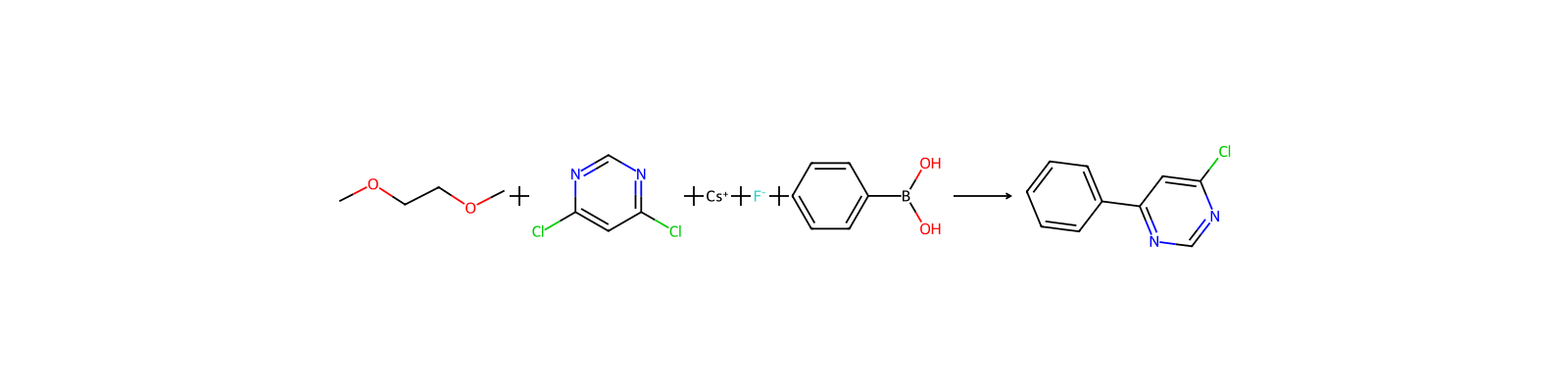
相关反应
3,334 条





关联笔记
加载中…