

基本信息
- 标准SMILES
O=CO- InChIKey
BDAGIHXWWSANSR-UHFFFAOYSA-N- 分子式
- CH2O2
- 平均分子量
- 46.025 g/mol
- 单同位素质量
- 46.0054793
概述
Formic acid appears as a colorless liquid with a pungent odor. Flash point 156 °F. Density 10.2 lb / gal. Corrosive to metals and tissue.
名称与标识
- 首选名称
- Formic Acid
- IUPAC
- formic acid
- 中文名
- 甲酸
- 英文名
- Formic acid
- 分子式
- CH2O2
- 分子量
- 46.03
名称与别名
formic acid64-18-6Methanoic acidFormylic acidAminic acidBilorinHydrogen carboxylic acidFormisotonFormiraMyrmicylCollo-bueglattCollo-didax
展开更多名称
甲甲酸蟻酸甲酸0蚁酸甲酸00甲酸01甲酸国标甲酸厂家甲酸GRHCOOHjiasuanformicMETHANONEFORMALDEHYDE SOLUTIONFORMOLFormic acid 90%
Acide formiqueAdd-FAmeisensaeureC1 acidRCRA waste number U123MierenzuurAcido formicoFormicum acidum
数据库标识
- CAS
64-18-6- PubChem CID
- 284
- DTXSID
DTXSID2024115- ChEMBL
CHEMBL116736- ChEBI
CHEBI:30751- UNII
- 0YIW783RG1
- EC Number
- 200-579-1
- Nikkaji
- J1.402H
性质
结构计算性质
- XLogP
- -0.2
- 极性表面积
- 37.3 Ų
- 氢键供体
- 1
- 氢键受体
- 2
- 可旋转键
- 0
- 重原子
- 3
- 形式电荷
- 0
- 复杂度
- 10.3
实验与物化性质
Chemical Classes
Other Classes -> Organic Acids
Corrosives
Cosmetics
Cosmetic ingredients (Formic Acid) -> CIR (Cosmetic Ingredient Review)
Preservative
FragrancesFragrance Ingredient (Formic acid) -> IFRA transparency List
Pesticides
Pesticide -> EPA IRIS
Insecticides
Active substance -> EU Pesticides database: Not approved
LogP
log Kow = -0.54
-0.54
-0.54
OdorPungent, penetrating odor
TasteSOUR
Food AdditivesFLAVOR ENHANCER, FLAVORING AGENT OR ADJUVANT, FORMULATION AID -> FDA Substance added to food
Density
1.22 at 68 °F (USCG, 1999) - Denser than water; will sink
1.220 at 20 °C/4 °C
Bulk density 10.16 lb/gal at 20 °C
Relative density of the vapor/air mixture at 20 °C (air = 1): 1.03
Relative density (water = 1): 1.2 (20 °C)
1.2
Flavoring AgentsEU Flavoring substances
Viscosity
1.607 mPas at 25 °C
1.5 mm²/s
Color/Form
Colorless fuming liquid
Colorless liquid [Note: Often used in an aqueous solution]
物理化学性质
- 熔点
- 8.2 · 8.2-8.4 °C (lit.)
- 沸点
- 100 · 100-101 °C (lit.)
- 密度
- 1.22 g/mL · 1.22 g/mL at 25 °C (lit.)
- 蒸气密度
- 1.03 · 1.03 (vs air)
- 蒸气压
- 52 mm · 52 mm Hg ( 37 °C)
- 折射率
- 20 · n20/D 1.377
- FEMA
- 2487 · 2487 | FORMIC ACID
- 闪点
- 133 °F · 133 °F
- 储存条件
- 2 · 2-8°C
- 溶解度
- 2 O: · H2O: soluble1g/10 mL, clear, colorless
- 酸度系数(pKa)
- 3.75 · 3.75(at 20℃)
- 形态
- Liquid
- 比重
- 1.216 · 1.216 (20℃/20℃)
- 颜色
- 15 · APHA: ≤15
- PH值
- 3.47 · 3.47(1 mM solution);2.91(10 mM solution);2.38(100 mM solution);
- 气味 (Odor)
- 0.1 % · at 0.10 % in water. pungent vinegar formyl
- 香型
- acetic
- 生物来源
- synthetic
- 爆炸极限值(explosive limit)
- 12 · 12-38%(V)
- 水溶解性
- MISCIBLE
- 热导率
- 0.265 W/ · 0.265 W/(m·K) at 25 ℃
- 比热容
- 2.15 J/ · Cp(liquid): 2.15 J/(g·K), at 25℃
- 敏感性
- Hygroscopic
- 最大波长(λmax)
- 260 nm · λ: 260 nm Amax: 0.03λ: 280 nm Amax: 0.01
- Merck
- 14 · 14,4241
- JECFA Number
- 79 · 79
- BRN
- 1209246 · 1209246
- Henry's Law Constant
- 25 °C: · At 25 °C: 95.2, 75.1, 39.3, 10.7, and 3.17 at pH values of 1.35, 3.09, 4.05, 4.99, and 6.21, respectively (Hakuta et al., 1977)
- 介电常数
- 58 · 58.0(16℃)
- 暴露限值
- 5 ppmOSHA:PEL-TWA · ACGIH:TLV-TWA 5 ppmOSHA:PEL-TWA 5 ppm (9 mg/m3)NIOSH:REL-TWA 5 ppm
- 稳定性
- Stable. Substances to be avoided include strong bases, strong oxidizing agents and powdered metals, furfuryl alcohol. Combustible. Hygroscopic. Pressure may build up in tightly closed bottles, so bottles should be opened carefully and vented periodically.
- 主要应用
- sample preparation
- 化妆品成分功效
- PRESERVATIVEpH ADJUSTERSFRAGRANCE
- 化妆品成分评估
- Formic acid (64-18-6)
- InChI
- 1S/CH2O2/c2-1-3/h1H,(H,2,3)
- InChIKey
- BDAGIHXWWSANSR-UHFFFAOYSA-N
- SMILES
- OC=O
- LogP
- -0.54 · -0.540
- CAS 数据库
- 64 · 64-18-6(CAS DataBase Reference)
- NIST化学物质信息
- Formic acid(64-18-6)
- EPA化学物质信息
- Formic acid (64-18-6)
化学性质
无色发烟易燃液体,具有强烈的刺激性气味。 溶于水、乙醇和乙醚,微溶于苯。
安全与法规
GHS分类
GHS Classification
Danger
H226: Flammable liquid and vapor [Warning Flammable liquids]
P210, P233, P234, P240, P241, P242, P243, P260, P261, P264, P264+P265, P270, P271, P280, P301+P317, P301+P330+P331, P302+P361+P354, P303+P361+P353, P304+P340, P305+P354+P338, P316, P317, P321, P330, P363, P370+P378, P390, P403+P233, P403+P235, P405, P406, and P501 (click each P-code to see the statement)
This chemical does not meet GHS hazard criteria for < 0.1% (1 of 3384) of reports.
Danger
H226 (21.1%): Flammable liquid and vapor [Warning Flammable liquids]
危害信息
Regulatory Information
Chemical: Formic acid
Regulation (EC) No 178/2002 (amended)
Regulation (EC) No 1831/2003 (amended)
Formic acid is listed on the EPA's Chemical Data Reporting (CDR) system. Manufacturers and importers of Formic acid are required to report information about their production and use of this chemical to the EPA under the Toxic Substances Control Act (TSCA). (40 eCFR Part 711)
Status: Active Update: 01-12-2022 https://echa.europa.eu/registration-dossier/-/registered-dossier/15127
Formic acid with more than 85% acid by mass: HSNO Approval: HSR000979 Approved with controls
Other Safety InformationIMAP assessments - Formic acid: Environment tier I assessment
DOT LabelCorrosive Flammable Liquid
Fire Hazards
Special Hazards of Combustion Products: Toxic vapor generated in fires (USCG, 1999)
· Combustible material: may burn but does not ignite readily.
· Combustible material: may burn but does not ignite readily.
Flammable. Above 45 °C explosive vapour/air mixtures may be formed. Heating will cause rise in pressure with risk of bursting. Risk of fire and explosion on contact with incompatible substances. See Chemical Dangers.
Fire PotentialCombustible liquid when wxposed to heat or flame ... .
Health Hazards
Liquid causes skin and eye burns. Vapors are irritating and painful to breath. Vapor exposure may cause nausea and vomiting. (USCG, 1999)
· TOXIC and/or CORROSIVE; inhalation, ingestion or skin contact with material may cause severe injury or death.
· TOXIC and/or CORROSIVE; inhalation, ingestion or skin contact with material may cause severe injury or death.
Hazards SummaryLiquid causes second degree burns after contact for a few minutes; [CHRIS] Highly corrosive to skin; [Quick CPC] Pulmonary edema can result from heavy inhalation exposure; [ICSC] TLV Basis is upper respiratory tract irritant;
DOT ID and Guide
1779 153
3412 153
1779 153
FDA Requirements
Formic acid is a food additive permitted for direct addition to food for human consumption as a synthetic flavoring substance and adjuvant in accordance with the following conditions: a) they are used in the minimum quantity required to produce their intended effect, and otherwise in accordance with all the principles of good manufacturing practice, and 2) they consist of one or more of the following, used alone or in combination with flavoring substances and adjuvants generally recognized as safe in food, prior-sanctioned for such use, or regulated by an appropriate section in this part.
The food additive, formic acid, may be safely used in accordance with the following conditions: (a) The additive is used as a preservative in hay crop silage in an amount not to exceed 2.25 percent of the silage on a dry weight basis or 0.45 percent when direct cut, as follows: (1) The top foot of silage stored should not contain formic acid and (2) Silage should not be fed to livestock within 4 weeks of treatment. (b) The additive is used or intended for use as a feed acidifying agent, to lower the pH, in complete swine feeds at levels not to exceed 1.2 percent of the complete feed. (1) The additive consists of not less than 85 percent formic acid (CAS 64-18-6). (2) The additive meets the following specifications: (i) Free methyl alcohol not to exceed 1,000 parts per million (ppm); (ii) Methyl formate not to exceed 1,000 ppm; and (iii) Moisture not to exceed 15 percent.
Indirect food substance additives affirmed as generally recognized as safe. (a) Formic acid (CH2O2, CAS Reg. No. 64-18-6) is also referred to as methanoic acid or hydrogen carboxylic acid. It occurs naturally in some insects and is contained in the free acid state in a number of plants. Formic acid is prepared by the reaction of sodium formate with sulfuric acid and is isolated by distillation. (b) Formic acid is used as a constituent of paper and paperboard used for food packaging. (c) The ingredient is used at levels not to exceed good manufacturing practice in accordance with part 186.1(b)(1). (d) Prior sanctions for formic acid different from the uses established in this section do not exist or have been waived.
Drug products containing certain active ingredients offered over-the-counter (OTC) for certain uses. A number of active ingredients have been present in OTC drug products for various uses, as described below. However, based on evidence currently available, there are inadequate data to establish general recognition of the safety and effectiveness of these ingredients for the specified uses: formic acid is included in pediculicide drug products.
Reactive GroupAcids, Carboxylic
UN ClassificationUN Hazard Class: 8; UN Pack Group: II
Special Reports
DHHS/NTP; NTP Technical Report on Toxicity Studies of Formic Acid Administered by Inhalation to F344/N Rats and B6C3F1 Mice NTP Tox 19 (1992)[Available from, as of April 4, 2003: http://ntp.niehs.nih.gov/ntp/htdocs/ST_rpts/tox019.pdf]
A review of the metabolism of methanol and formic acid.[Liesivuori J, Savolainen H; Pharm Toxicol 69 (3): 157-63 (1991)]
Restani P, Galli CL; CRC Crit Rev Toxicol 21 (5): 315-28 (1991). Oral toxicity of formaldehyde and its derivatives are reviewed, /including metabolic products such as formic acid/.
Schramm A et al; Anaesthesiol Reanim 16 (4): 259-65 (1991). A review of the methanol metabolites formaldehyde and formic acid concerning central nervous system and ocular symptoms.
EPA/Office of Pollution prevention and toxics; High production Volume (HPV) Challenge program's Robust summaries and Test Plans.[Availible form, as of July 12, 2005: http://www.epa.gov/hpv/pubs/hpvrstp.htm]
安全与防护
Fire Fighting
Excerpt from ERG Guide 153 [Substances - Toxic and/or Corrosive (Combustible)]:
Use water spray, powder, alcohol-resistant foam, carbon dioxide. In case of fire: keep drums, etc., cool by spraying with water.
First Aid Measures
Fresh air, rest. Half-upright position. Refer immediately for medical attention.
Wear protective gloves when administering first aid. Remove contaminated clothes. Rinse skin with plenty of water or shower. Refer immediately for medical attention.
First rinse with plenty of water for several minutes (remove contact lenses if easily possible), then refer for medical attention. Refer immediately for medical attention.
Give nothing to drink. Rinse mouth. Do NOT induce vomiting. Refer immediately for medical attention.
Accidental Release Measures
· CALL 911. Then call emergency response telephone number on shipping paper. If shipping paper not available or no answer, refer to appropriate telephone number listed on the inside back cover.
· ELIMINATE all ignition sources (no smoking, flares, sparks or flames) from immediate area.
· CALL 911. Then call emergency response telephone number on shipping paper. If shipping paper not available or no answer, refer to appropriate telephone number listed on the inside back cover.
· ELIMINATE all ignition sources (no smoking, flares, sparks or flames) from immediate area.
First Aid
EYES: First check the victim for contact lenses and remove if present. Flush victim's eyes with water or normal saline solution for 20 to 30 minutes while simultaneously calling a hospital or poison control center. Do not put any ointments, oils, or medication in the victim's eyes without specific instructions from a physician. IMMEDIATELY transport the victim after flushing eyes to a hospital even if no symptoms (such as redness or irritation) develop.
General First Aid:
General First Aid:
(General first aid procedures)
Safe Storage
Fireproof. Store only in original container. Well closed. Separated from strong oxidants, strong bases, strong acids and food and feedstuffs. See Chemical Dangers. Keep in a well-ventilated room. Store in an area without drain or sewer access.
Firefighting Hazards... Vapors may travel long distances to ignition sources and flashback. Vapors in confined areas may explode when exposed to fire. Containers my explode in fire. ...
Exposure Control and Personal Protection
· Wear positive pressure self-contained breathing apparatus (SCBA).
· Wear positive pressure self-contained breathing apparatus (SCBA).
5.0 [ppm]
Fire Fighting Procedures
Use water spray, dry chemical, "alcohol resistant" foam, or carbon dioxide. Use water spray to keep fire-exposed containers cool.
If material on fire or involved in fire: Use water in flooding quantities as fog. Solid streams of water may be ineffective. Cool all affected containers with flooding quantities of water. Apply water from as far a distance as possible. Use "alcohol" foam, carbon dioxide or dry chemical. Use water spray to knock-down vapors.
Storage Conditions
Store in a dry, well-ventilated place. Separate from oxidizing materials and alkaline substances.
Protect against physical damage. Store in a cool, dry, well-ventilated location. Outdoors or detached storage is preferred.
Separated from strong oxidants, strong bases, strong acids, and food and feedstuffs. Well closed. Keep in a well-ventilated room.
Store indoors, in original container, out of direct sunlight, in a cool, dry, and well-ventilated area away from sulphuric acid, oxidizing agents, and sources of ignition and away from the reach of children. Avoid heat, sparks, and open flames. Do not eat, drink or smoke in areas of use or storage. Use caution when opening the container, especially in warm weather, i.e.: open outdoors and stay upwind. Keep separate to prevent cross-contamination of other pesticides, fertilizer, food, or feed. /Mite-Away Quick Strips/
Cleanup Methods
Spill or leak procedures: Use water spray to cool and disperse vapors and protect personnel. Control runoff and isolate discharged material for proper disposal. Neutralize spill and washings with soda ash or lime.
Environmental considerations--land spill: Dig a pit, pond, lagoon, holding area to contain liquid or solid material /SRP: If time permits, pits, ponds, lagoons, soak holes, or holding areas should be sealed with an impermeable flexible membrane liner./. Dike surface flow using soil, sand bags, foamed polyurethane, or foamed concrete. Absorb bulk liquid with fly ash or cement powder. Neutralize with agricultural lime ... crushed limestone (CaCO3) or sodium bicarbonate (NaHCO3).
Environmental considerations--water spill: Neutralize with agricultural lime (CaO), crushed limestone (CaCO3) or sodium bicarbonate (NaHCO3). Use mechanical dredges or lifts to remove immobilized masses of pollutants and precipitates.
Environmental considerations--air spill: Apply water spray or mist to knock down vapors. Vapor knockdown water is corrosive or toxic and should be diked for containment.
Nonfire Spill ResponseExcerpt from ERG Guide 153 [Substances - Toxic and/or Corrosive (Combustible)]:
Disposal Methods
Generators of waste (equal to or greater than 100 kg/mo) containing this contaminant, EPA hazardous waste number U123, must conform with USEPA regulations in storage, transportation, treatment and disposal of waste.
A good candidate for liquid injection incineration at a temperature range of 650 to 1,600 °C and a residence time of 0.1 to 2 seconds. A good candidate for rotary kiln incineration at a temperature range of 820 to 1,600 °C and residence times of seconds for liquids and gases, and hours for solids. A good candidate for fluidized bed incineration at a temperature range of 450 to 980 °C and residence times of seconds for liquids and gases, and longer for solids.
SRP: Wastewater from contaminant suppression, cleaning of protective clothing/equipment, or contaminated sites should be contained and evaluated for subject chemical or decomposition product concentrations. Concentrations shall be lower than applicable environmental discharge or disposal criteria. Alternatively, pretreatment and/or discharge to a permitted wastewater treatment facility is acceptable only after review by the governing authority and assurance that "pass through" violations will not occur. Due consideration shall be given to remediation worker exposure (inhalation, dermal and ingestion) as well as fate during treatment, transfer and disposal. If it is not practicable to manage the chemical in this fashion, it must be evaluated in accordance with EPA 40 CFR Part 261, specifically Subpart B, in order to determine the appropriate local, state and federal requirements for disposal.
The following wastewater treatment technologies have been investigated for formic acid: biological treatment.
For more Disposal Methods (Complete) data for FORMIC ACID (7 total), please visit the HSDB record page.
毒理信息
Body Burden
After the inhalation of methanol (40-160 ppm) and formic acid (2-5.5 ppm), 10 employees in the formic acid filling plant and in the production of urea formaldehyde resin showed formic acid concentrations of 21.2-118 mg/g creatinine in the urine 16 hr after exposure.
Target OrgansEyes, skin, respiratory system
Ecotoxicity Values
LC50; Species: Daphnia magna (Water flea); Concentration: 34 mg/L for 24 hr /Conditions of bioassay not specified in source examined/
LC50; Species: Daphnia magna (Water flea); Concentration: 34 mg/L for 48 hr /Conditions of bioassay not specified in source examined/
EC50; Species: Daphnia magna (Water flea); Conditions: static, 22 °C, pH 7.0-8.2; Concentration: 151.2 mg/L for 48 hr; Effect: immobilization
LC50; Species: Lepomis macrochirus (Bluegill); Concentration: 175 mg/L for 24 hr /Conditions of bioassay not specified in source examined/
For more Ecotoxicity Values (Complete) data for FORMIC ACID (12 total), please visit the HSDB record page.
Environmental Fate
TERRESTRIAL FATE: Based on a classification scheme(1), an estimated Koc value of 1(SRC), determined from a log Kow of -0.54(2) and a regression-derived equation(3), indicates that formic acid is expected to have very high mobility in soil(SRC). The pKa of formic acid is 3.75(4), indicating that this compound will primarily exist in anion form in the environment and anions generally do not adsorb more strongly to organic carbon and clay than their neutral counterparts(5). Volatilization of formic acid from moist soil surfaces is expected to be an important fate process(SRC) given a Henry's Law constant of 1.67X10⁻⁷ atm-cu m/mole(6). Formic acid is expected to volatilize from dry soil surfaces(SRC) based upon a vapor pressure of 42.6 mm Hg(7). Theoretical BOD values ranging from 4.3% to 77.6% after 5 days using sewage and activated sludge inocula(8-13) indicate that biodegradation may be an important environmental fate process in soil(SRC).
AQUATIC FATE: Based on a classification scheme(1), an estimated Koc value of 1(SRC), determined from a log Kow of -0.54(2) and a regression-derived equation(3), indicates that formic acid is not expected to adsorb to suspended solids and sediment(SRC). Volatilization from water surfaces is expected(3) based upon a Henry's Law constant of 1.67X10⁻⁷ atm-cu m/mole(4). Using this Henry's Law constant and an estimation method(3), volatilization half-lives for a model river and model lake are 150 and 1100 days, respectively(SRC). The pKa of formic acid is 3.8(5), indicating that this compound will primarily exist in anion form in the environment and anions generally do not adsorb more strongly to organic carbon and clay than their neutral counterparts(6). According to a classification scheme(7), an estimated BCF of 3.2(SRC), from its log Kow -0.54(2) and a regression-derived equation(8), suggests the potential for bioconcentration in aquatic organisms is low(SRC). Theoretical BOD values ranging from 4.3% to 77.6% after 5 days using sewage, activated sludge, fresh water, and synthetic sea water inocula(9-15) indicate that biodegradation may be an important environmental fate process in water(SRC).
ATMOSPHERIC FATE: According to a model of gas/particle partitioning of semivolatile organic compounds in the atmosphere(1), formic acid, which has a vapor pressure of 42.6 mm Hg at 25 °C(2), is expected to exist solely as a vapor in the ambient atmosphere. Vapor-phase formic acid is degraded in the atmosphere by reaction with photochemically-produced hydroxyl radicals(SRC); the half-life for this reaction in air is estimated to be 36 days(SRC), calculated from its rate constant of 4.5X10⁻¹³ cu cm/molecule-sec at 25 °C(3). Formic acid does not absorb at wavelengths >290 nm(4) and therefore is not expected to be susceptible to direct photolysis by sunlight(SRC).
Food Survey Values
Formic acid is a natural constituent of some fruits, nuts, and dairy products(1). Fruit wine, desert wine, and brandies contain formic acid(2). Formic acid concentrations in wine and brandies produced from apples, pears, plums, and apricots ranged from 2.7-87 mg/L(2). Formic acid has been identified as a meat volatile(3).
Adverse EffectsDermatotoxin - Skin burns.
Exposure Routes
The substance can be absorbed into the body by inhalation of its vapour, through the skin and by ingestion.
inhalation, ingestion, skin and/or eye contact
Toxicity Summary
The CIR Expert Panel concluded that formic acid and sodium formate are safe in the present practices of use and concentration in cosmetics, as described in this safety assessment, when formulated to be non-irritating.
Safe for use in cosmetics, with qualifications
Ecotoxicity Excerpts
/OTHER TERRESTRIAL SPECIES/ Two formic acid autumnal treatments, gel packets (BeeVar formulation) and impregnated paperwick (Liebig-Dispenser), were tested in apiary... . The total amount of formic acid administered per hive during all the treatment period was approximately 200 g for either treatment. A significantly higher adult bee mortality was recorded in the Liebig-Dispenser-treated hives compared with the BeeVar-treated group. On the contrary, BeeVar treatment produced an interruption of brood reared, whereas the extension of the sealed brood area of the Liebig-Dispenser-treated hives was not significantly different from that of the control hives. Neither queen mortality nor robbing activity was observed due to the treatments. Formic acid residues in honey collected in the nest were 3,855 +/- 2,061 and 3,030 +/- 1,624 mg/kg for the BeeVar- and the Liebig-Dispenser-treated hives, respectively. After 21 days from the end of the treatment, the residues fell to 1,261 +/- 1,054 and 794 +/- 518 mg/kg for the honey sampled from the BeeVar and Liebig-Dispenser groups, respectively.
Plant ConcentrationsThe shrub Purging Croton (Croton tiglium L.) was reported to contain formic acid in the seed at 4000 ppm(1).
Animal ConcentrationsFormic acid is found in the red ant, Formica rufa, and has been detected in the poison or defense systems of ants, bees, and other insects(1).
Signs and Symptoms
Sore throat. Cough. Burning sensation. Shortness of breath. Laboured breathing. Unconsciousness. Symptoms may be delayed.
Pain. Blisters. Serious skin burns.
Redness. Blurred vision. Pain. Severe burns.
Burns in mouth and throat. Sore throat. Abdominal cramps. Ulceration in the mouth.
irritation eyes; skin, throat; skin burns, dermatitis; lacrimation (discharge of tears); rhinorrhea (discharge of thin nasal mucus); cough, dyspnea (breathing difficulty); nausea
法规信息
FDA Requirements
Formic acid is a food additive permitted for direct addition to food for human consumption as a synthetic flavoring substance and adjuvant in accordance with the following conditions: a) they are used in the minimum quantity required to produce their intended effect, and otherwise in accordance with all the principles of good manufacturing practice, and 2) they consist of one or more of the following, used alone or in combination with flavoring substances and adjuvants generally recognized as safe in food, prior-sanctioned for such use, or regulated by an appropriate section in this part.
The food additive, formic acid, may be safely used in accordance with the following conditions: (a) The additive is used as a preservative in hay crop silage in an amount not to exceed 2.25 percent of the silage on a dry weight basis or 0.45 percent when direct cut, as follows: (1) The top foot of silage stored should not contain formic acid and (2) Silage should not be fed to livestock within 4 weeks of treatment. (b) The additive is used or intended for use as a feed acidifying agent, to lower the pH, in complete swine feeds at levels not to exceed 1.2 percent of the complete feed. (1) The additive consists of not less than 85 percent formic acid (CAS 64-18-6). (2) The additive meets the following specifications: (i) Free methyl alcohol not to exceed 1,000 parts per million (ppm); (ii) Methyl formate not to exceed 1,000 ppm; and (iii) Moisture not to exceed 15 percent.
Indirect food substance additives affirmed as generally recognized as safe. (a) Formic acid (CH2O2, CAS Reg. No. 64-18-6) is also referred to as methanoic acid or hydrogen carboxylic acid. It occurs naturally in some insects and is contained in the free acid state in a number of plants. Formic acid is prepared by the reaction of sodium formate with sulfuric acid and is isolated by distillation. (b) Formic acid is used as a constituent of paper and paperboard used for food packaging. (c) The ingredient is used at levels not to exceed good manufacturing practice in accordance with part 186.1(b)(1). (d) Prior sanctions for formic acid different from the uses established in this section do not exist or have been waived.
Drug products containing certain active ingredients offered over-the-counter (OTC) for certain uses. A number of active ingredients have been present in OTC drug products for various uses, as described below. However, based on evidence currently available, there are inadequate data to establish general recognition of the safety and effectiveness of these ingredients for the specified uses: formic acid is included in pediculicide drug products.
RCRA Requirements
U123; As stipulated in 40 CFR 261.33, when formic acid, as a commercial chemical product or manufacturing chemical intermediate or an off-specification commercial chemical product or a manufacturing chemical intermediate, becomes a waste, it must be managed according to Federal and/or State hazardous waste regulations. Also defined as a hazardous waste is any residue, contaminated soil, water, or other debris resulting from the cleanup of a spill, into water or on dry land, of this waste. Generators of small quantities of this waste may qualify for partial exclusion from hazardous waste regulations (40 CFR 261.5).
FIFRA RequirementsThe pesticide formic acid is exempted from the requirement of a tolerance in or on honey and honeycomb when used to control tracheal mites and suppress varroa mites in bee colonies, and applied in accordance with label use directions.
Atmospheric Standards
This action promulgates standards of performance for equipment leaks of Volatile Organic Compounds (VOC) in the Synthetic Organic Chemical Manufacturing Industry (SOCMI). The intended effect of these standards is to require all newly constructed, modified, and reconstructed SOCMI process units to use the best demonstrated system of continuous emission reduction for equipment leaks of VOC, considering costs, non air quality health and environmental impact and energy requirements. Formic acid is produced, as an intermediate or final product, by process units covered under this subpart.
CERCLA Reportable Quantities
Persons in charge of vessels or facilities are required to notify the National Response Center (NRC) immediately, when there is a release of this designated hazardous substance, in an amount equal to or greater than its reportable quantity of 5000 lb or 2270 kg. The toll free number of the NRC is (800) 424-8802. The rule for determining when notification is required is stated in 40 CFR 302.4 (section IV. D.3.b).
Clean Water Act Requirements
Formic acid is designated as a hazardous substance under section 311(b)(2)(A) of the Federal Water Pollution Control Act and further regulated by the Clean Water Act Amendments of 1977 and 1978. These regulations apply to discharges of this substance. This designation includes any isomers and hydrates, as well as any solutions and mixtures containing this substance.
State Drinking Water Guidelines(FL) FLORIDA 14,000 ug/L
安全数据
- F
- 10
- wgk
- 2
- tsca
- TSCA listed
- 毒性
- LD50 in mice (mg/kg): 1100 orally; 145 i.v. (Malorny)
- RTECS号
- LP8925000
- 包装类别
- II
- 危险等级
- 8
- 存储类别
- 3 - Flammable liquids
- 安全说明
- 36/37-45-26-23-36/37/39
- 海关编码
- 29151100
- 自燃温度
- 1004 °F
- 危险品标志
- T,C,Xi
- 危险性类别
- Acute Tox. 3 InhalationAcute Tox. 4 OralEye Dam. 1Flam. Liq. 3Skin Corr. 1A
- 危险类别码
- 23/24/25-34-40-43-35-36/38-10
- 毒害物质数据
- 64-18-6(Hazardous Substances Data)
- 职业暴露等级
- B
- 职业暴露限值
- TWA: 5 ppm (9 mg/m3)
- 危险品运输编号
- UN 3412 8/PG II (FORMIC ACID with not less than 10 % but not more than 85 % acid by mass)
- 立即威胁生命和健康浓度
- 30 ppm
毒性防护
急性毒性口服- 大鼠 LD50: 1100 毫克/ 公斤; 口服- 小鼠 LD50: 700 毫克/ 公斤
刺激数据皮肤- 兔子 610 毫克 轻度; 眼- 兔子 122 毫克 重度
职业标准TLV-TWA 5 PPM (9 毫克/ 立方米); STEL 10 PPM (18 毫克/ 立方米)
包装储运
爆炸物危险特性与空气混合可爆
可燃性危险特性遇高热、明火可燃; 遇过氧化氢引起爆炸; 燃烧产生刺激烟雾
储运特性库房通风低温干燥; 与碱类、氧化剂、H发孔剂、氰化物分开存放
灭火剂砂土、雾状水、二氧化碳
化学与工业
药理信息
ATC CodeQP - Antiparasitic products, insecticides and repellents
Mechanism of Action
Formic acid is an inhibitor of the mitochondrial cytochrome oxidase causing histotoxic hypoxia. The most significant acid load results from the hypoxic metabolism. Urinary acidification is affected by formic acid.
Formic acid is a mitochondrial toxin, and exerts effects primarily in areas (such as the retina or basal ganglia) that poorly tolerate an interruption in the energy supplied by oxidative phosphorylation.
Biological Half-Life
... Mean half-life of serum formate was 2.6 hr, when methanol metabolism was assumed blocked by fomepizole and no folinic acid was given. ... /formate/
The biologic half-life /of formic acid/ is between 15 minutes and 1 hour.
Metabolism/Metabolites
Formate is a normal constituent of intermediary metabolism ... /of formic acid/. Formate is metabolized in the rat primarily via the one carbon pool, but in some circumstances the catalase-peroxidative pathway may serve as an alternative route of oxidation. Oxidation occurs in a variety of organs and tissues, including liver, lung, and erythrocytes, the end products being carbon dioxide and water.
Enzyme pathways involved in detoxification of hydrogen peroxide, formaldehyde, and formic acid, which are produced as a consequence of oxidative demethylation by the cytochrome P-450 system, were examined in isolated hepatocytes from phenobarbital pretreated rats. The formaldehyde produced during oxidative demethylation in isolated hepatocytes is rapidly oxidized to formic acid. Depletion of cellular reduced glutathione by pretreatment of rats with diethylmaleate decreases the rate of formic acid production, and therefore, it appears that formaldehyde produced by oxidative demethylation is oxidized by formaldehyde dehydrogenase, an enzyme which requires but does not consume reduced glutathione. Because of the rapid nonenzymatic reaction of formaldehyde with reduced glutathione, this enzyme system may be viewed as essential to prevent the loss of reduced glutathione due to S-hydroxymethylglutathione formation. Reduced glutathione concentration in isolated hepatocytes decreased rapidly following addition of substrates undergoing oxidative demethylation. Addition of other cytochrome P-450 substrates which do not undergo demethylation did not result in such a dramatic oxidation of reduced glutathione. Formic acid, produced during oxidative demethylation acts as a substrate for the peroxidatic mode of catalase, but also binds to catalase as an anionic ligand. This binding decreases the catalase concentration detectable by cyanide titration and therefore appears to inhibit the catalytic reaction mode.
The major part of the absorbed formic acid is metabolized in the liver, but partially also in the intestinal mucosa, lungs, kidneys and spleen. Formic acid is oxidized in relation to folate and according to a catalase-peroxidative mechanism. Formic acid is metabolized into CO2 considerably more slowly in primates than in rats. The species sensitivity to methanol intoxication (metabolic acidosis caused by formic acid) is possibly dependent on the tetrahydrofolate concentration.
Formic acid was excreted in the urine of rabbits during inhalation of methyl alcohol ... .
For more Metabolism/Metabolites (Complete) data for FORMIC ACID (8 total), please visit the HSDB record page.
Absorption, Distribution and Excretion
Formic acid is readily metabolized and eliminated by the body.
Formic acid is absorbed from the gastrointestinal tract, via the lungs and the intact skin. The absorbed substance is degraded to carbon dioxide (CO2) and water and is partially excreted unchanged in the urine.
The dose-dependent elimination of formate was investigated in the rat using both in vitro and in vivo systems. The in situ perfused liver was used to define the kinetics of hepatic metabolism and obtain initial in vitro estimates of the hepatic metabolism parameters. Formate was eliminated from the perfused rat liver following the Michaelis-Menten kinetics. Estimates of the Michaelis-Menten parameters obtained from the perfused liver studies were used in a two-compartment pharmacokinetic model of the dose-dependent elimination of formate in vivo. A good fit of the model to the observed in vivo data was obtained. Initial estimates of the Michaelis-Menten parameters, Vmax and Km, obtained from the perfused liver model, were within 40% of the final fitted values of these parameters in the in vivo model.
Some formic acid may be excreted unchanged, the amt depending on the species, dose, and route of admin.
During hemodialysis in a methanol poisoned patient, formate elimination followed first order kinetics with a plasma half-life of 165 min. The mean dialyzer (1.6 at 59 mL) clearance of formate was 148 mL/min at a blood flow of 215 mL/min. Distribution volume was 0.5 L/kg. Formate is more effectively removed by hemodialysis than methanol. /Formate/
For more Absorption, Distribution and Excretion (Complete) data for FORMIC ACID (7 total), please visit the HSDB record page.
Tissue LocationsBrain
Cellular LocationsCytoplasm
Metabolite Pathways17-Beta Hydroxysteroid Dehydrogenase III Deficiency
用途与制造
Uses
CIR ingredient: Formic Acid
Used in electroplating, brewing, and mirror silvering; also used in the dyeing and finishing of textiles, paper, and leather; [ACGIH]
Electroplating [Category: Plate]
Smoking cigarettes [Category: Food & Drugs]
Both oil base and water base fracturing fluids are being used in the fracturing industry. Water base, which includes alcohol-water mixtures and low strength acids, make up the majority of treating fluids. The common chemicals added to these fluids are polymers for viscosity development, crosslinkers for viscosity enhancement, pH control chemicals, gel breakers for polymer degradation following the treatment, surfactants, clay stabilizers, alcohol, bactericides, fluid loss additives and friction reducer. /Hydraulic fracturing/
Hydraulic fracturing uses a specially blended liquid which is pumped into a well under extreme pressure causing cracks in rock formations underground. These cracks in the rock then allow oil and natural gas to flow, increasing resource production. ... Chemical Name: Formic acid; Chemical Purpose: Prevents the corrosion of the pipe; Product Function: Corrosion inhibitor.
Impurities
Specifications of technical grade of formic acid (max): < 0.8 wt% acetic acid; < 20 ppm chlorides; < 5 ppm heavy metals; < 3 ppm iron; & < 10 ppm sulfates. Commercial grade have the same specifications but contain no acetic acid. Pharmaceutical grade: 0.4% acetic acid; 0.5% water; 5% toluene; 5% chlorides; 5% heavy metals; 3% iron; 10% sulfates. /From table/
U.S. Exports
(1984) 2.76X10+9 G
(1987) 196,921 LB
U.S. Imports
(1972) 8.59X10+7 GRAMS
(1975) 2.28X10+6 GRAMS
(1984) 1.26X10+10 G
(1986) 13,096,852 LB
U.S. Production
2023: 50,000,000 - <100,000,000 lb
(1972) 2.13X10+10 GRAMS
(1974) 2.84X10+10 GRAMS
The U.S. market for formic acid is relatively small (ca 30,000 ton/yr) by world standards.
(1986) >50 million - 100 million pounds
For more U.S. Production (Complete) data for FORMIC ACID (12 total), please visit the HSDB record page.
Consumption Patterns
55% USED IN TEXTILE DYEING AND FINISHING; 15% AS AN INT FOR FORMATES; 10% IN LEATHER TANNING; AND 20% IN MISC APPLICATIONS (1965)
TEXTILE DYEING AND FINISHING, 21 PERCENT; PHARMACEUTICALS, 20 PERCENT; RUBBER INTERMEDIATE, 16 PERCENT; LEATHER AND TANNING TREATMENT, 15 PERCENT; CATALYSTS, 12 PERCENT; MISCELLANEOUS (INCLUDING OIL WELL ACIDIZING), 18 PERCENT (1985)
Consumer UsespH regulating agent
Industry UsesEtching agent
Methods of Manufacturing
Synthesis of formic acid by hydrolysis of methyl formate is based on a two-stage process: in the first stage, methanol is carbonylated with carbon monoxide; in the second stage, methyl formate is hydrolyzed to formic acid and methanol.
Formic acid is produced as a byproduct in the liquid-phase oxidation of hydrocarbons to acetic acid. In the United States, butane is used as the hydrocarbon, and ca. 50 kg of formic acid is produced per ton of acetic acid. In Europe, the oxidation of naphtha is preferred, and up to 250 kg of formic acid is produced per ton of acetic acid in this process.
Hydrolysis of Formamide: ... Formic acid is produced this way in a threestage process. In the first stage, methanol is carbonylated to yield methyl formate. ... In the second stage, formamide is produced by ammonolysis of ethyl formate. ... In the third stage, sulfuric acid is used to hydrolyze formamide to formic acid and ammonium sulfate. ... The residual formic acid is distilled so that dry, pure ammonium sulfate is produced at the kiln end. The yield of formic acid exceeds 90%.
The reaction of sodium formate or calcium formate with strong mineral acids, such as sulfuric and nitric acids, is the oldest known process for producing formic acid commercially. If formates or sodium hydroxide are available cheaply or occur as byproducts in other processes, formic acid can still be produced economically in this manner.
(1) By treatment of sodium formate and sodium acid formate with sulfuric acid at low temperatures and distilling in vacuo; (2) by acid hydrolysis of methyl formate; (3) as a by-product in the manufacture of acetaldehyde and formaldehyde.
Formulations/Preparations
Grade: Technical: 85%; 90%; CP; FCC.
Formic acid is marketed in concentrations of 85, 90, 95, 98, and >99 wt%. The impurity content depends on the production process.
Grades: 89-91% for 90% grade; > 98% for technical grade; > 99.5% for pharmaceutical grade. /From table/
For-mite (Mann Lake Limited), Formic acid 65.9%.
Mite-away Quick Strips (Nod Apiary Products USA Inc), Formic acid 46.7%.
Household ProductsInformation on 84 consumer products that contain Formic acid in the following categories is provided:
Use Classification
EPA Safer Chemical Functional Use Classes -> Preservatives and Antioxidants;Processing Aids and Additives
Safer Chemical Classes -> Green circle - The chemical has been verified to be of low concern
Fragrance Ingredients
Flavouring Agent -> FLAVOURING_AGENTFood Additives -> PRESERVATIVE -> JECFA Functional Classes
Flavoring Agents -> JECFA Flavorings Index
Cosmetics -> Preservative
应用领域
用途还原剂,测定砷、铋、铝、铜、金、铟、铁、铅、锰、汞、钼、银和锌等,检定铈,铼和钨,检验芳香族伯胺和仲胺,测定分子量及结晶的溶剂,测定甲氧基,显微分析中用作固定剂,制造甲酸盐类。
用途甲酸是基本有机化工原料之一,广泛用于农药,皮革,纺织,印染,医药和橡胶工业等,还可制取各种溶剂,增塑剂,橡胶凝固剂,动物饲料添加剂及新工艺合成胰岛素等。我国的甲酸消费中,医药工业约占45%,化学工业约占30%,轻工,纺织等其它部门约占25%。甲酸是我国重要的出口化工产品之一。目前我国甲酸生产全部采用甲酸钠法。甲酸常用作廉价的,挥发性和腐蚀性较小的无机酸的代用品,广泛用于轻工行业。在纺织和印染工业中,甲酸用作消除印地科素亚硝酸钠法所产生的亚硝酸气用剂,弱酸性染料和中性络合染料染色助剂,活性染料染锦纶的助染剂。甲酸不会在印染过程中残留在织物上,酸性较乙酸强,能使六介铬还原,因此可在铬媒染过程中提高染料的利用率。用甲酸代替硫酸可避免纤维素降解,而且酸度适中,染色均习,因此是一种优良助染剂。甲酸作为无机酸的代用品,用于鞣革中的脱色,脱毛,中和石灰和防止湿皮革的发霉。用甲酸作凝固剂可以提出高天然橡胶的质量,降低生产成本,也可用于废旧橡胶的再生。用甲酸制作饲料添加剂,在青贮饲料方面有很大潜力。甲酸有抑制或防止霉菌生长的功能,对饲料能改变天然的发酵形式,常添加脂酸以增进抗霉效果。用甲酸处理过的青饲料喂奶牛能防止冬季牛奶减产,育肥效果也有明显提高。在食品工业中,甲酸用于酿酒行业的消毒,防腐,用作罐头的清洗消毒剂,果汁和食物的保藏剂。甲酸的大量衍生物是医药,农药,染料,香料,溶剂的中间体,用于制造冰片,氨基比林,咖啡因,维生素B1,安乃近,杀虫脒,粉锈宁,三环唑,二甲基甲酰胺等。甲酸衍生物中以取代的甲酰胺和甲酸酯类在工业上应用较多(甲酰胺的衍生物见该品条目)。甲酸的酯类在香料工业中用途很广,如:甲酸乙酯——桃,莓等果实香精;甲酸异戊酯——果实香精,皮革用香精;甲酸已酯——苹果香精;甲酸庚酯——杏,梅,桃等果实香精;甲酸正癸酯——橙花香精及鸢尾油用;甲酸苄酯——素馨等花香及皂用香精;甲酸桂酯——素馨及月下香等香精用;甲酸香茅酯——用于玫瑰,桂花,野百合等香精;甲酸丁香酯——用于康乃馨香精等;甲酸香叶酯——玫瑰,橙花,香叶等香精;甲酸芳樟酯——薰衣草,香柠檬等香精;甲酸薄荷酯——化妆品香精,喷雾用香精;甲酸苯乙酯——白玫瑰,兰花,菊花等香精;甲酸百里香酯——化妆品香料。
制备方法
生产方法(1)甲酸钠法。用20%-30%的氢氧化钠溶液于160-200℃和1.4-1.8Mpa下吸收精制的CO气体,生成甲酸钠溶液。然后将甲酸钠溶液与等量的甲酸溶液混合,假如稀硫酸反应生成甲酸和甲酸钠。蒸馏得甲酸和水的共沸物(含甲酸约75%),再精制而得成品。(2)甲酸甲酯法。在甲醇钠催化下,甲醇与CO在80℃和4Mpa下反应生成甲酸甲酯。甲酸甲酯在酸催化下,于90-140℃和0.5-1.8Mpa下水解为甲酸和甲醇。经分离可得甲酸,甲醇循环使用。(3)甲酰胺法。甲醇液氨溶液在70℃和32.5Mpa下吸收CO生成甲酰胺,分离出甲酰胺后再与等量的68%-74—的硫酸反应生成甲酸和硫酸铵。甲酸蒸出后经精制得成品。
上下游产品信息
上游原料
下游产品
试剂价格
- L17434 · 1000g
- 甲酸Formic acid — 261元
- A13285 · 500g
- 甲酸, 97%Formic acid, 97% — 361元
供应商50 家
国药集团化学试剂有限公司86-21-63210123 · [email protected]
北京华美互利生物化工010-56205725 · [email protected]
梯希爱(上海)化成工业发展有限公司021-67121386 · [email protected]
上海阿拉丁生化科技股份有限公司400-6206333 13167063860 · [email protected]
济南新晨化工有限公司15318808971 15318808971
河北创海生物科技有限公司+86-86-13131129325 · [email protected]
Hebei Yanxi Chemical Co., Ltd.+86-17531190177 · [email protected]
上海迈瑞尔生化科技有限公司4006356688 18621169109 · [email protected]
阿法埃莎(中国)化学有限公司400-6106006 · [email protected]
安耐吉化学&3A(安徽泽升科技股份有限公司)400-0056266 · [email protected]
上海柯维化学技术有限公司021-64609169 18901607656 · [email protected]
山东洛克化工有限公司17653113209 13065062079 · [email protected]
上海景颜化工科技有限公司13817811078 · [email protected]
上海泰坦科技股份有限公司400-6009262 15618770481 · [email protected]
Zhejiang J&C Biological Technology Co.,Limited+1-2135480471 · [email protected]
合肥天健化工有限公司551-65418679 15856988503;15837135945 · [email protected]
上海忆嵘生物科技有限公司18049974220 · [email protected]
山东西亚化学有限公司13355009207 13355009207 · [email protected]
玛雅试剂+86 (573) 82222445 (0)18006601000 452520369 · [email protected]
四川库利南科技有限公司400-1166-196 18981987031 · [email protected]
天津希恩思生化科技有限公司400 638 7771 · [email protected]
斯百全化学(上海)有限公司021-021-021-67601398-809-809-809 15221380277 · [email protected]
艾科试剂4008-755-333 18080918076 · [email protected]
上海思域化工科技有限公司86-21-34053660 · [email protected]
赛默飞世尔科技(中国)有限公司800-810-5118 · [email protected]
北京伊诺凯科技有限公司400-810-7969 010-59572699 · [email protected]
北京清露源科技有限公司+86 (10) 6333-0989 · [email protected]
江苏艾康生物医药研发有限公司025-66113011 13913916777 · [email protected]
TCI AMERICA800-4238616 · [email protected]
TOKYO CHEMICAL INDUSTRY CO., LTD.03-36680489 · [email protected]
TCI Europe320-37350700 · [email protected]
潍坊沃腾进出口有限公司0536-2456718
北京环宇世纪化学科技有限公司hysj_bj.com
HBCChem, Inc.+1-510-219-6317 · [email protected]
日照力德士化工有限公司010-51268198 · [email protected]
CovaChem, LLC.+1815.714.8421 (direct) · [email protected]
美岚实业(上海)有限公司021-58958189 · [email protected]
上海石洋化工有限公司021-56795766 · [email protected]
成都零六生物科技有限公司400-1166-196 13458535857 · [email protected]
雷丁试剂0510-85629785 18013409632 · [email protected]
上海御略医药科技有限公司021-60345187 13671753212 · [email protected]
上海麦克林生化科技股份有限公司15221275939 15221275939 · [email protected]
上海永叶生物科技有限公司86-021-61559134 15921386130 · [email protected]
成都润泽本土化工有限公司13096311329 028-88469284 616445927 · [email protected]
凯试(上海)科技有限公司021-50135380 · [email protected]
池州凯隆进出口贸易有限公司[email protected]
Sigma-Aldrich西格玛奥德里奇(上海)贸易有限公司021-61415566 800-8193336 · [email protected]
海南瀚海致远生物科技有限公司18171012772 · [email protected]
九鼎化学(上海)科技有限公司4009209199 · [email protected]
杭州鼎燕化工有限公司0571-87157530-8003 18267553885 · [email protected]
相关反应
8,622 条

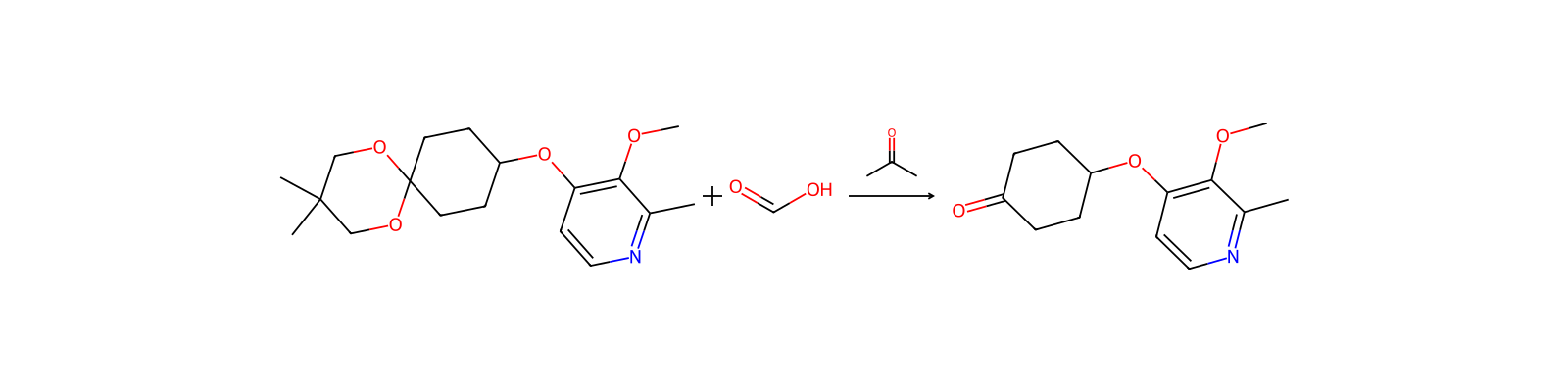
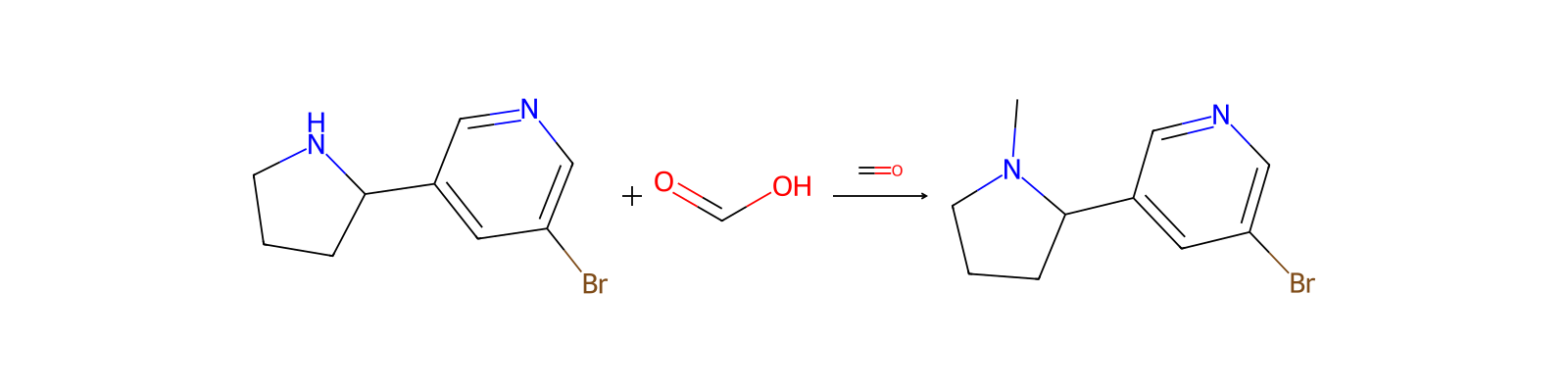
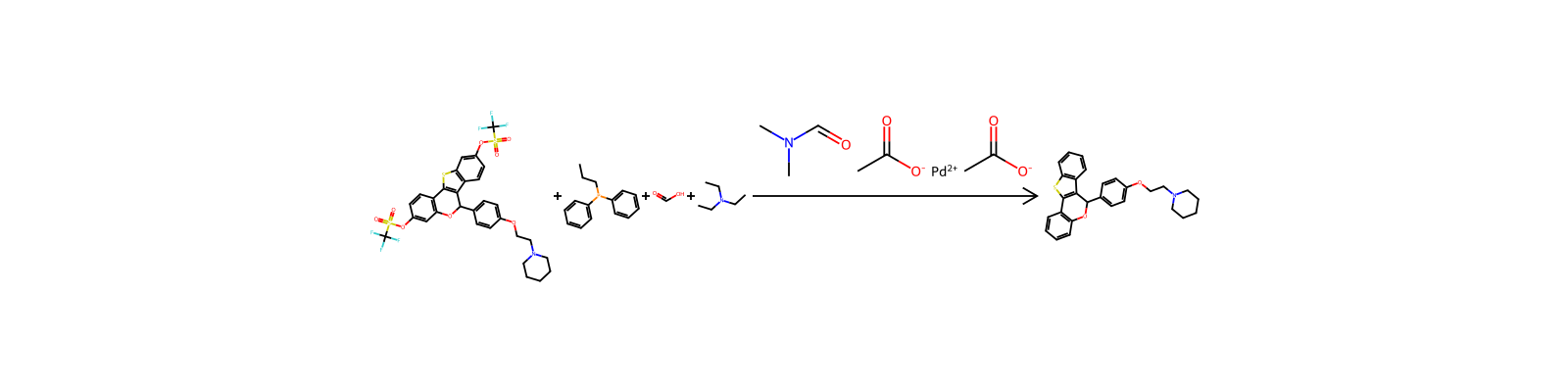

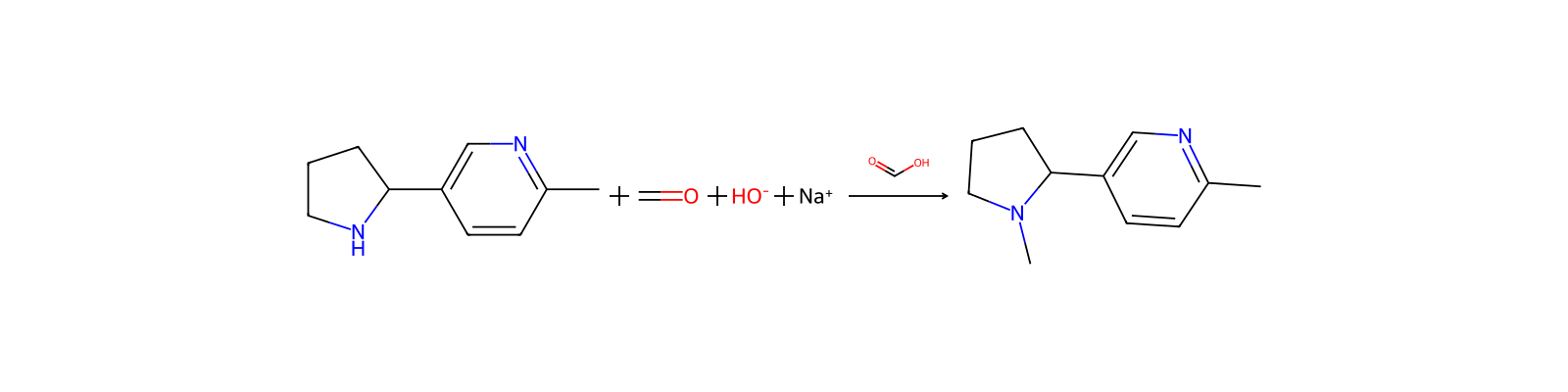
关联笔记
加载中…