

基本信息
- 标准SMILES
COc1ccccc1OCC(O)CO- InChIKey
HSRJKNPTNIJEKV-UHFFFAOYSA-N- 分子式
- C10H14O4
- 平均分子量
- 198.22 g/mol
- 单同位素质量
- 198.08920893
概述
Guaifenesin is a member of methoxybenzenes.
名称与标识
- 首选名称
- Guaifenesin
- IUPAC
- 3-(2-methoxyphenoxy)propane-1,2-diol
- 中文名
- 愈创甘油醚
- 英文名
- Guaifenesin
- 分子式
- C10H14O4
- 分子量
- 198.22
名称与别名
guaifenesin93-14-1GuaiphenesinGuaiacol glyceryl ether3-(2-methoxyphenoxy)propane-1,2-diolGlycerol guaiacolateGLYCERYL GUAIACOLATEMethphenoxydiolGuaiphenesineHustosilMucinexAeronesin
展开更多名称
愈甘醚去咳片愈创甘油醚甲甘苯二醚雷诺嗪杂质F甘油愈创木酯创木酚甘油醚愈创木酚甘油醚愈创木酚甘油酯愈创甘油醚标准品ggeGUAIFENESINARAC GUAIFENESINXL-90NeurotonGuaifenesin API
CalmipanGuaiamarGuaianesinMyocaineRobitussinAresolDilynResyl
数据库标识
- CAS
93-14-1- PubChem CID
- 3516
- DTXSID
DTXSID5023114- ChEMBL
CHEMBL980- ChEBI
CHEBI:5551- UNII
- 495W7451VQ
- EC Number
- 202-222-5
- Nikkaji
- J3.936E
性质
结构计算性质
- XLogP
- 1.4
- 极性表面积
- 58.9 Ų
- 氢键供体
- 2
- 氢键受体
- 4
- 可旋转键
- 5
- 重原子
- 14
- 形式电荷
- 0
- 复杂度
- 151
实验与物化性质
Drugs
Pharmaceuticals -> Used in Switzerland
Pharmaceuticals
Pharmaceuticals -> Metabolite of Ranolazine
LogP
log Kow = 1.39
1.39
0.24
OdorSLIGHT CHARACTERISTIC ODOR
TasteSlightly bitter aromatic taste
Color/Form
Minute rhombic prisms from ether
WHITE TO SLIGHTLY GRAY, CRYSTALLINE POWDER
Solubility
Freely sol in ethanol; sol in chloroform, glycerol, propylene glycol, n,n-dimethylformamide; moderately sol in benzene; practically insol in petroleum ether
In water, 5.00X10+4 mg/L at 25 °C ... much more in hot water
Human Drugs
Breast Feeding; Lactation; Milk, Human; Expectorants
FDA approved drugs -> Active ingredient
FDA approved drugs -> Active ingredient
Animal Drugs
FDA approved animal drugs -> Active ingredient
Pharmaceuticals -> Animal Drugs -> Approved in Taiwan
Boiling Point215 °C at 19 mm Hg
Melting Point
78.5-79
78.5-79 °C
78.5 °C
Physical DescriptionSolid
Stability/Shelf LifeStable in light and heat.
物理化学性质
- 熔点
- 77 · 77-81 °C
- 沸点
- 215 °C · 215 °C (19 mmHg)
- 密度
- 1.1825 · 1.1825 (rough estimate)
- 折射率
- 1.555 · 1.5550 (estimate)
- 闪点
- 215 °C/19mm · 215°C/19mm
- 储存条件
- 2 · 2-8°C
- 溶解度
- 50 g/l · 50g/l (experimental)
- 酸度系数(pKa)
- 13.53 · 13.53±0.20(Predicted)
- 形态
- Solid
- 颜色
- White to Off-White
- 水溶解性
- 5 g/100 · 5 g/100 mL (25 ºC)
- Merck
- 14 · 14,4555
- BRN
- 2049375 · 2049375
- Henry's Law Constant
- 2.2 · 2.2×105 mol/(m3Pa) at 25℃, HSDB (2015)
- InChI
- 1S/C10H14O4/c1-13-9-4-2-3-5-10(9)14-7-8(12)6-11/h2-5,8,11-12H,6-7H2,1H3
- InChIKey
- HSRJKNPTNIJEKV-UHFFFAOYSA-N
- SMILES
- COc1ccccc1OCC(O)CO
- LogP
- 1.39 · 1.390
- CAS 数据库
- 93 · 93-14-1(CAS DataBase Reference)
- NIST化学物质信息
- 3 · 3-(O-methoxyphenoxy)-1,2-propanediol(93-14-1)
- EPA化学物质信息
- Guaifenesin (93-14-1)
化学性质
白色结晶性粉末。熔点78.5-79℃,沸点215℃(2.53kPa)。25℃时1g该品可溶于20ml水,溶于乙醇、氯仿、甘油、二甲基甲酰胺,沿易溶于苯,不溶于石油醚。微苦,稍有特殊气味。
安全与法规
GHS分类
GHS Classification
This chemical does not meet GHS hazard criteria for 6% (44 of 731) of reports.
Warning
H302 (94%): Harmful if swallowed [Warning Acute toxicity, oral]
P264, P270, P301+P317, P330, and P501 (click each P-code to see the statement)
Aggregated GHS information provided per 731 reports by companies from 11 notifications to the ECHA C&L Inventory.
危害信息
Regulatory InformationGuaifenesin: Does not have an individual approval but may be used under an appropriate group standard
Other Safety InformationIMAP assessments - 1,2-Propanediol, 3-(2-methoxyphenoxy)-: Environment tier I assessment
FDA Requirements
The Approved Drug Products with Therapeutic Equivalence Evaluations List identifies currently marketed over-the-counter drug products, incl guaifenesin, approved on the basis of safety and effectiveness by FDA under sections 505 of the Federal Food, Drug, and Cosmetic Act.
Cold, cough, allergy, bronchodilator, and antiasthmatic drug products for over-the-counter human use. Expectorant active ingredient. The active ingredient of the product is guaifenesin when used within the dosage limits established in §341.78(d).
Implantation or injectable dosage form new animal drugs. Guaifenesin sterile powder. ... It is indicated for intravenous use as a muscle relaxant in horses. ... Not to be used in horses intended for food. ... Federal law restricts this drug to use by or on the order of a licensed veterinarian.
Implantation or injectable dosage form new animal drugs. Guaifenesin injection. ... The drug is used intravenously in horses as a skeletal muscle relaxant. ... Not to be used in horses intended for food. ... Federal law restricts this drug to use by or on the order of a licensed veterinarian.
Hazard Classes and CategoriesAcute Tox. 4 (94%)
安全与防护
Storage Conditions
Guaifenesin powder tends to become lumpy on storage. Guaifenesin preparations should be stored in tight containers.
Store at controlled room temperature, between 15 °C and 30 °C (59 °F and 86 °F).
Disposal Methods
SRP: At the time of review, criteria for land treatment or burial (sanitary landfill) disposal practices are subject to significant revision. Prior to implementing land disposal of waste residue (including waste sludge), consult with environmental regulatory agencies for guidance on acceptable disposal practices.
毒理信息
InteractionsEnzyme induction due to barbiturates has recently been shown to significantly reduce biological t/2 of...glyceryl guaiacolate ether...
Environmental Fate
TERRESTRIAL FATE: Based on a classification scheme(1), an estimated Koc value of 140(SRC), determined from a log Kow of 1.39(2) and a regression-derived equation(3), indicates that guaifenesin is expected to have high mobility in soil(SRC). Volatilization of guaifenesin from moist soil surfaces is not expected to be an important fate process(SRC) given an estimated Henry's Law constant of 4.4X10⁻¹¹ atm-cu m/mole(SRC), using a fragment constant estimation method(4). Guaifenesin is not expected to volatilize from dry soil surfaces(SRC) based upon an estimated vapor pressure of 1.52X10⁻⁶ mm Hg(SRC), determined from a fragment constant method(5). Biodegradation data were not available(SRC, 2007).
AQUATIC FATE: Based on a classification scheme(1), an estimated Koc value of 140(SRC), determined from a log Kow of 1.39(2) and a regression-derived equation(3), indicates that guaifenesin is not expected to adsorb to suspended solids and sediment(SRC). Volatilization from water surfaces is not expected(3) based upon an estimated Henry's Law constant of 4.4X10⁻¹¹ atm-cu m/mole(SRC), developed using a fragment constant estimation method(4). According to a classification scheme(5), an estimated BCF of 7.0(SRC), from its log Kow(2) and a regression-derived equation(6), suggests the potential for bioconcentration in aquatic organisms is low(SRC). Biodegradation data were not available(SRC, 2007).
ATMOSPHERIC FATE: According to a model of gas/particle partitioning of semivolatile organic compounds in the atmosphere(1), guaifenesin, which has an estimated vapor pressure of 1.5X10⁻⁶ mm Hg at 25 °C(SRC), determined from a fragment constant method(2), will exist in both the vapor and particulate phases in the ambient atmosphere. Vapor-phase guaifenesin is degraded in the atmosphere by reaction with photochemically-produced hydroxyl radicals(SRC); the half-life for this reaction in air is estimated to be 9.4 hours(SRC), calculated from its rate constant of 4.1X10⁻¹¹ cu cm/molecule-sec at 25 °C(SRC) that was derived using a structure estimation method(3). Particulate-phase guaifenesin may be removed from the air by wet or dry deposition(SRC). Guaifenesin does not contain chromophores that absorb at wavelengths >290 nm(4) and therefore is not expected to be susceptible to direct photolysis by sunlight(SRC).
Exposure RoutesRapidly absorbed from the GI tract
Toxicity Summary
Guaifenesin may act as an irritant to gastric vagal receptors, and recruit efferent parasympathetic reflexes that cause glandular exocytosis of a less viscous mucus mixture. Cough may be provoked. This combination may flush tenacious, congealed mucopurulent material from obstructed small airways and lead to a temporary improvement in dyspnea or the work of breathing.
Effluent Concentrations
Guaifenesin was detected at a concentration range of 21-52 ng/L in the waters of the Las Vegas Bay of Lake Mead, Nevada, sampled from 1997 through 1998. This study detected several pharmacteuticals and personal care products which were entering the Bay through the discharge of the Las Vegas Wash(1).
Soil Adsorption/Mobility
The Koc of guaifenesin is estimated as 140(SRC), using a log Kow of 1.39(1) and a regression-derived equation(2). According to a classification scheme(3), this estimated Koc value suggests that guaifenesin is expected to have high mobility in soil.
Human Toxicity Excerpts
/HUMAN EXPOSURE STUDIES/ ... 197 mother-child pairs exposed to guaifenesin during the first trimester /were monitored/. An increased occurrence of inguinal hernias was found in the neonates. However, congenital defects were not strongly associated with guaifenesin use during pregnancy in 2 large groups of mother-child pairs.
/SIGNS AND SYMPTOMS/ Nausea and drowsiness may occur rarely. ...May produce false positive test for urinary 5-hydroxyindoleacetic acid (5-HIAA).
/CASE REPORTS/ Guaifenesin is a commonly used expectorant whose use may lead to the occasional formation of guaifenesin urinary stones. /Investigators/ herein describe a patient who was taking 2400 mg Guaifenesin per day as part of his treatment for asthma. He had a past history of a guaifenesin stone removed ureteroscopically. His current presentation was with a 9 mm by 6 mm stone in the upper left ureter, seen on CT scan, and treated initially with a ureteral stent and hydration. After 3 weeks, the stone had disappeared, as confirmed by repeat CT scan.
/CASE REPORTS/ ...This paper reviews the reported cases of ephedrine- and guaifenesin-induced nephrolithiasis, as well as the diagnostic techniques and treatments that have been successfully used for these stones. A systematic review of the literature pertaining to nephrolithiasis and the compounds ephedrine and guaifenesin was conducted. Ephedrine and guaifenesin use results in over 35% of urinary stones that are related to pharmaceutical metabolites, and collectively are present in 0.1% of all urinary stones. These calculi are radiolucent, requiring the use of computerized tomography (CT scan) for diagnosis. Alkalinization therapy offers an alternative to surgical intervention and may have a role in prevention of recurrence. ...
For more Human Toxicity Excerpts (Complete) data for GUAIFENESIN (6 total), please visit the HSDB record page.
Artificial Pollution Sources
Guaifenesin's production and use as a veterinary and human expectorant(1) for the treatment of respiratory tract infections(2) and as a centrally acting muscle relaxant in animals(3) may result in its release to the environment through various waste streams(SRC).
Carcinogen ClassificationNo indication of carcinogenicity to humans (not listed by IARC).
Drug Induced Liver Injury
Drug Induced Liver Injury Rank (DILIrank 2.0)
Guaifenesin
vNo-DILI-concern
0
No match
DOI:10.1016/j.drudis.2016.02.015
Environmental Bioconcentration
An estimated BCF of 7.0 was calculated for guaifenesin(SRC), using a log Kow of 1.39(1) and a regression-derived equation(2). According to a classification scheme(3), this BCF suggests the potential for bioconcentration in aquatic organisms is low(SRC).
Volatilization from Water/Soil
The Henry's Law constant for guaifenesin is estimated as 4.4X10⁻¹¹ atm-cu m/mole(SRC) using a fragment constant estimation method(1). This Henry's Law constant indicates that guaifenesin is expected to be essentially nonvolatile from water surfaces(2). Guaifenesin is not expected to volatilize from dry soil surfaces(SRC) based upon an estimated vapor pressure of 1.5X10⁻⁶ mm Hg(SRC), determined from a fragment constant method(3).
法规信息
FDA Requirements
The Approved Drug Products with Therapeutic Equivalence Evaluations List identifies currently marketed over-the-counter drug products, incl guaifenesin, approved on the basis of safety and effectiveness by FDA under sections 505 of the Federal Food, Drug, and Cosmetic Act.
Cold, cough, allergy, bronchodilator, and antiasthmatic drug products for over-the-counter human use. Expectorant active ingredient. The active ingredient of the product is guaifenesin when used within the dosage limits established in §341.78(d).
Implantation or injectable dosage form new animal drugs. Guaifenesin sterile powder. ... It is indicated for intravenous use as a muscle relaxant in horses. ... Not to be used in horses intended for food. ... Federal law restricts this drug to use by or on the order of a licensed veterinarian.
Implantation or injectable dosage form new animal drugs. Guaifenesin injection. ... The drug is used intravenously in horses as a skeletal muscle relaxant. ... Not to be used in horses intended for food. ... Federal law restricts this drug to use by or on the order of a licensed veterinarian.
安全数据
- wgk
- 1
- tsca
- TSCA listed
- 毒性
- LD50 oral in rabbit: 2553mg/kg
- RTECS号
- TY8400000
- hazard_note
- Harmful
- 存储类别
- 11 - Combustible Solids
- 安全说明
- 26-36
- 海关编码
- 29093090
- 危险品标志
- Xn
- 危险性类别
- Acute Tox. 4 Oral
- 危险类别码
- 22-36/37/38
- 毒害物质数据
- 93-14-1(Hazardous Substances Data)
化学与工业
药理信息
ATC Code
R05CA03
R - Respiratory system
QR - Respiratory system
QM - Musculo-skeletal system
Protein BindingInformation regarding the protein binding of guaifenesin is not readily available or accessible.
Pharmacodynamics
Guaifenesin is categorized as an expectorant that acts by enhancing the output of phlegm (sputum) and bronchial secretions via decreasing the adhesiveness and surface tension of such material. Furthermore, guaifenesin elicits an increased flow of less viscous gastric secretions that subsequently promote ciliary action - all actions that ultimately change dry, unproductive coughing to coughs that are more productive and less frequent. Essentially, by decreasing the viscosity and adhesiveness of such secretions, guaifenesin enhances the efficacy of mucociliary activity in removing accumulated secretions from the upper and lower airway.
Mechanism of Action
Although the exact mechanism of action of guaifenesin may not yet be formally or totally elucidated, it is believed that expectorants like guaifenesin function by increasing mucus secretion. Moreover, it is also further proposed that such expectorants may also act as an irritant to gastric vagal receptors, and recruit efferent parasympathetic reflexes that can elicit glandular exocytosis that is comprised of a less viscous mucus mixture. Subsequently, these actions may provoke coughing that can ultimately flush difficult to access, congealed mucopurulent material from obstructed small airways to facilitate a temporary improvement for the individual. Consequently, while it is generally proposed that guaifenesin functions as an expectorant by helping to loosen phlegm (mucus) and thin bronchial secretions to rid the bronchial passageways of bothersome mucus and make coughs more productive, there has also been research to suggest that guaifenesin possesses and is capable of demonstrating anticonvulsant and muscle relaxant effects to some degree possibly by acting as an NMDA receptor antagonist.
Guaifenesin is thought to act as an expectorant by increasing the volume and reducing the viscosity of secretions in the trachea and bronchi. Thus it may increase the efficiency of the cough reflex and facilitate removal of the secretions; however, objective evidence for this is limited and conflicting.
By increasing respiratory tract fluid, guaifenesin reduces the viscosity of tenacious secretions and acts as an expectorant.
Guaifenesin, a commonly used agent for the treatment of cough, is termed an expectorant since it is believed to alleviate cough discomfort by increasing sputum volume and decreasing its viscosity, thereby promoting effective cough. Despite its common usage, relatively few studies, yielding contrasting results, have been performed to investigate the action and efficacy of guaifenesin. To evaluate the effect of guaifenesin on cough reflex sensitivity. Randomized, double-blind, placebo-controlled trial. Fourteen subjects with acute viral upper respiratory tract infection (URI) and 14 healthy volunteers. On 2 separate days, subjects underwent capsaicin cough challenge 1 to 2 hr after receiving a single, 400-mg dose (capsules) of guaifenesin or matched placebo. Measurements and results: The concentration of capsaicin inducing five or more coughs (C(5)) was determined. Among subjects with URI, mean (+/- SEM) log C(5) after guaifenesin and placebo were 0.92 +/- 0.17 and 0.66 +/- 0.14, respectively (p = 0.028). No effect on cough sensitivity was observed in healthy volunteers. /The/ results demonstrate that guaifenesin inhibits cough reflex sensitivity in subjects with URI, whose cough receptors are transiently hypersensitive, but not in healthy volunteers. Possible mechanisms include a central antitussive effect, or a peripheral effect by increased sputum volume serving as a barrier shielding cough receptors within the respiratory epithelium from the tussive stimulus.
Biological Half-Life
The half-life in plasma observed for guaifenesin is approximately one hour.
Guaifenesin has a plasma half-life of one hour.
Centrally acting muscle relaxant glyceryl guaiacolate ether was found to have t/2 of 56.5 min in male rats and 88.5 min in female rats following ip administration.
Metabolism/Metabolites
After the oral administration of 400 mg guaifenesin, the agent experiences rapid hydrolysis (more than 60% of the dose hydrolyzed over a range of seven hours) with β-(2-methoxyphenoxy)-lactic acid found as the major urinary metabolite but no parent drug detectable in the urine. Moreover, it has been observed that guaifenesin also experiences both oxidation and demethylation. In particular, the medication is quickly metabolized hepatically by way of oxidation to β-(2-methoxyphenoxy)-lactic acid. Furthermore, guaifenesin is also demethylated by O-demethylase in liver microsomes to the point where about 40% of an administered dose is excreted as this metabolite in the urine within 3 hours. In fact, O-demethylase appears to be the primary enzyme for the metabolism of guaifenesin and the primary metabolites of the substance are β-(2-methoxyphenoxy)-lactic acid and the demethylated hydroxyguaifenesin, both of which are themselves inactive moieties.
The major urinary metabolite is beta-(2-methoxyphenoxy) lactic acid.
It is excreted in urine principally as glucuronates & sulfates.
Oxidative o-demethylation of glyceryl guaiacolate ether occurred much more rapidly in ip injected male rats than in females. This sex difference in metabolism was paralleled by corresponding difference in o-demethylase activity between male & female animals.
Rapidly hydrolyzed (60% within seven hours) and then excreted in the urine, with beta-(2-methoxyphenoxy)-lactic acid as its major urinary metabolite. Half Life: 1 hour
FDA Pharmacological Classification
495W7451VQ
GUAIFENESIN
Established Pharmacologic Class [EPC] - Expectorant
Physiologic Effects [PE] - Decreased Respiratory Secretion Viscosity
Physiologic Effects [PE] - Increased Respiratory Secretions
Guaifenesin is an Expectorant. The physiologic effect of guaifenesin is by means of Decreased Respiratory Secretion Viscosity and Increased Respiratory Secretions.
MeSH Pharmacological ClassificationAgents that increase mucous excretion. Mucolytic agents, that is drugs that liquefy mucous secretions, are also included here.
Absorption, Distribution and Excretion
Studies have shown that guaifenesin is well absorbed from and along the gastrointestinal tract after oral administration.
After administration, guaifenesin is metabolized and then largely excreted in the urine.
The geometric mean apparent volume of distribution of guaifenesin determined in healthy adult subjects is 116L (CV=45.7%).
The mean clearance recorded for guaifenesin is about 94.8 L/hr (CV=51.4%).
Readily absorbed from the gastrointestinal tract.
It is not known whether guaifenesin is distributed into breast milk.
用途与制造
Uses
MEDICATION
THERAP CAT: Expectorant
THERAP CAT (VET): Expectorant; muscle relaxant
Use (kg; approx.) in Germany (2009): >1000
Used to assist the expectoration of phlegm from the airways in acute respiratory tract infections.
Impurities2-methoxyphenol (guaiacol); 2-(2-methoxyphenoxy)propane-1,3-diol (beta-isomer); 1,1'-oxybis[3-(2-methoxyphenoxy)propan-2-ol] (bisether); 1,3-bis(2-methoxyphenoxy)propan-2-ol
U.S. Exports
(1972) No Data
(1975) No Data
U.S. Imports
(1972) 9.0X10+6 GRAMS (PRINCPL CUSTMS DISTS)
(1975) 4.14X10+7 GRAMS
U.S. Production
(1972) 6.0X10+8 G (GUAIACOL & DERIVS)
(1975) GREATER THAN 9.08X10+5 GRAMS
Production volumes for non-confidential chemicals reported under the Inventory Update Rule. [Table#4417]
Consumption PatternsEssentally 100% in human and veterinary medicine (1976)
Methods of Manufacturing
Reaction of guaiacol and 3-chloro-1,2-propanediol by warming a mixture of the reactants with a base
Prepn: Marle, J. Chem Soc 101, 305(1912); Yale et al, J Am Chem Soc, 72, 3710 (1950); Roviralta, Astoul, ES 212920 (1954), CA 49, 8332b (1955). Prepn from 2-methoxyphenol and glycidol; W Merck et al, DE 3106995; eidem US 4390732 (1982, 1983 to Degussa AG).
Production: guaiacol and chlorohydrin (epoxidation)
... Made by the reaction of guaiacol with oxiranylmethanol or with 3-chloro-1,2-propanediol in the presence of sodium hydroxide.
Guaifenesin may be prepared by the coupling of sodium guaiacolate and glyceryl monochlorohydrin.
Formulations/Preparations
Oral /formulations/: Capsules 200 mg Hytuss-2X,(Hyrex); Capsules, extended-release 300 mg Humibid Pediatric, (Celltech); Solution 100 mg/5 mL Phanasin Diabetic Choice ( with parabens and propylene glycol), (Pharmakon); 200 mg/5 mL Naldecon Senior EX, (Bristol-Myers Squibb); Tablets 100 mg Hytuss (scored), (Hyrex); 200 mg guaifenesin Tablets, (United Research); Tablets, extended-release 600, 1200 mg Mucinex, (Adams).
Capsules: 100 & 200 mg; syrup NF: 100 mg/5 mL; tablets: 100 & 200 mg.
Use ClassificationPharmaceuticals -> Animal Drugs -> Approved in Taiwan
General Manufacturing Information1,2-Propanediol, 3-(2-methoxyphenoxy)-: ACTIVE
应用领域
用途愈创甘油醚为祛痰镇咳药,适用于多痰咳慢性支气管炎、支气管扩张等病症。
制备方法
生产方法由愈创木酚钠与3-氯丙二醇缩合而得。将氢氧化钠溶液和愈创木酚在40℃配制成酚钠,加入3-氯-1,2-丙二醇,自然升温至95℃,于92-98℃反应3h,静置,分去盐水层,加盐酸酸化至pH为3-5,冷却结晶,甩滤。滤饼用乙醇重结晶,得愈创甘油醚。收率约60%。
上下游产品信息
上游原料
下游产品
试剂价格
- A16827 · 50g
- 3-(2-甲氧基苯氧基)-1,2-丙烷二醇, erythro + threo, 99+% 3-(2-Methoxyphenoxy)-1,2-propanediol, 99+% — 248元
- S1740 · 10mg
- 愈创甘油醚Guaifenesin — 780.59元
供应商50 家
国药集团化学试剂有限公司86-21-63210123 · [email protected]
梯希爱(上海)化成工业发展有限公司021-67121386 · [email protected]
上海阿拉丁生化科技股份有限公司400-6206333 13167063860 · [email protected]
Jai Radhe Sales+(91)-(79)-26431096/65255722 · [email protected]
LGM Pharma1-(800)-881-8210 · [email protected]
Syntechem Co.,Ltd[email protected]
上海迈瑞尔生化科技有限公司4006356688 18621169109 · [email protected]
武汉易泰科技有限公司上海分公司18930552037 · [email protected]
阿法埃莎(中国)化学有限公司400-6106006 · [email protected]
太原市瑞和丰科贸有限公司+86 351 7031519 · [email protected]
安耐吉化学&3A(安徽泽升科技股份有限公司)400-0056266 · [email protected]
浙江海洲制药有限公司0576-88221739 · [email protected]
成都普思生物科技股份有限公司028-85370565-229 18080489829 · [email protected]
Pure Chemistry Scientific Inc.001-857-928-2050 or 1-888-588-9418 · [email protected]
上海泰坦科技股份有限公司400-6009262 15618770481 · [email protected]
MedChemexpress LLC021-58955995 · [email protected]
武汉丰泰威远科技有限公司027-87465837 19945049750 · [email protected]
BOC Sciences1-631-485-4226; 16314854226 · [email protected]
孝感深远化工有限公司15527621225; 15527621225 · [email protected]
山东西亚化学有限公司13355009207 13355009207 · [email protected]
玛雅试剂+86 (573) 82222445 (0)18006601000 452520369 · [email protected]
四川库利南科技有限公司400-1166-196 18981987031 · [email protected]
天津希恩思生化科技有限公司400 638 7771 · [email protected]
斯百全化学(上海)有限公司021-021-021-67601398-809-809-809 15221380277 · [email protected]
上海源叶生物科技有限公司13636370518 · [email protected]
山东铭枫医药科技有限公司053155551677 15315114555 · [email protected]
深圳菲斯生物科技有限公司0755-83725681-603
上海思域化工科技有限公司86-21-34053660 · [email protected]
AdooQ BioScience, LLC+1 (866) 930-6790 · [email protected]
TCI AMERICA800-4238616 · [email protected]
TOKYO CHEMICAL INDUSTRY CO., LTD.03-36680489 · [email protected]
TCI Europe320-37350700 · [email protected]
深圳振强药物研发有限公司0755-66853366 13670046396 · [email protected]
上海诺宝化工有限公司+86(0)21 60484900
Clearsynth Labs Limited+91-22-26355700 · [email protected]
广州爱纯医药科技有限公司020-39119399 18927568969 · [email protected]
南京生利德生物科技有限公司025-57798810 18652991625 · [email protected]
湖北威德利化学试剂有限公司186-02735115 18602735115 · [email protected]
上海将来实业股份有限公司400-0066400 13621662912 · [email protected]
上海石洋化工有限公司021-56795766 · [email protected]
成都零六生物科技有限公司400-1166-196 13458535857 · [email protected]
上海永叶生物科技有限公司86-021-61559134 15921386130 · [email protected]
上海有朋化工有限公司021-69005955 13701776567 · [email protected]
北京海力扬化学科技有限公司13718199399 · [email protected]
四川海诺威科技有限公司13708085536 13708085536 · [email protected]
江苏艾康生物医药研发有限公司025-66028182 17714375163 · [email protected]
南京百鑫德诺生物科技有限公司025-58849295 · [email protected]
上海凯赛化工有限公司021-33516722 13701817765 · [email protected]
上海彤源化工有限公司021-021-69182866 13701855675 · [email protected]
凯试(上海)科技有限公司021-50135380 · [email protected]
相关反应
11 条
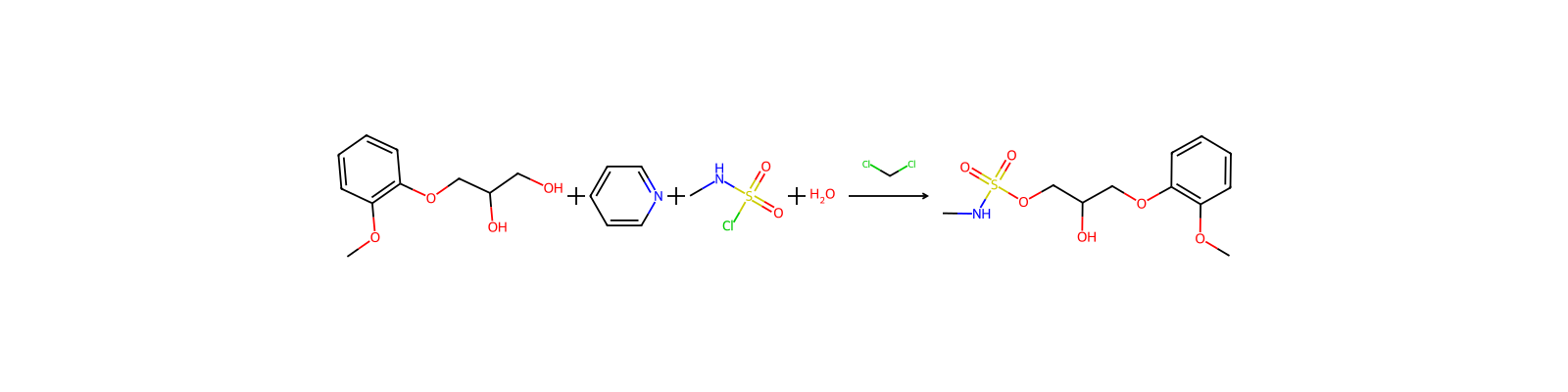


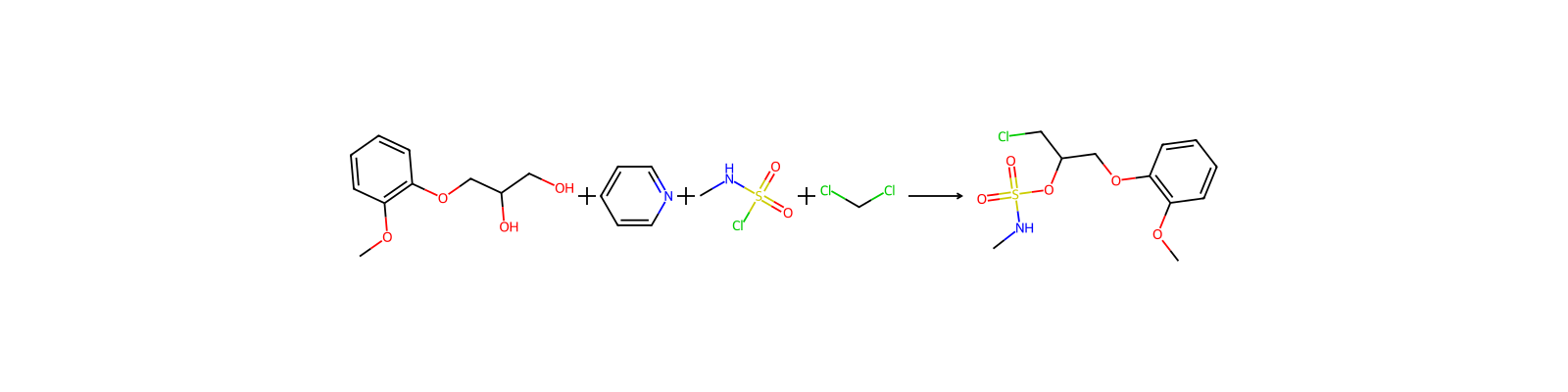
关联笔记
加载中…