

概述
Hydroxylamine hydrochloride appears as colorless or off-white crystalline solid. pH (0.1 molar aqueous solution) 3.4. pH (0.2 molar aqueous solution) 3.2. (NTP, 1992)
名称与标识
- 首选名称
- Hydroxyamine hydrochloride
- IUPAC
- hydroxylamine;hydrochloride
- 中文名
- 盐酸羟胺
- 英文名
- Hydroxylamine hydrochloride
- 分子式
- NH2OH·HCl
- 分子量
- 69.49
名称与别名
Hydroxylamine hydrochloride5470-11-1Hydroxylammonium chlorideOxammonium hydrochlorideHydroxyamine hydrochlorideHydroxylamine chloride (1:1)NSC-262505X4ZA62Z4QHYDROXYLAMINE CHLOROHYDRATERefChem:5895226-798-2DTXCID501476239
展开更多名称
羟胺酸盐酸胲氯化羟胺盐酸羟胺氢氯羟胺氯化羟铵胲鹽酸鹽氯化羥胺羟胺盐酸盐酸羧胺HYDROXYLAMINE HCLHYDROXYLAMINE HYDROCHLORIDhydroxyaminehydrochlorideHydroxylamine hydrocOXAMMONIUM HCLHA HCLOxammionium
DTXSID7025425Hydroxyammonium chlorideHydroxylamine chlorideHYDROXYLAMINE, HYDROCHLORIDEhydroxylamine;hydrochlorideMFCD00051089hydroxyl amine hydrochlorideHydroxyamine (hydrochloride)
数据库标识
- CAS
5470-11-1- PubChem CID
- 443297
- ChEMBL
CHEMBL542448- ChEBI
CHEBI:5807- UNII
- 5X4ZA62Z4Q
- EC Number
- 226-798-2
性质
结构计算性质
- 极性表面积
- 46.3 Ų
- 氢键供体
- 3
- 氢键受体
- 2
- 可旋转键
- 0
- 重原子
- 3
- 形式电荷
- 0
- 复杂度
- 2
实验与物化性质
Chemical ClassesNitrogen Compounds -> Hydroxylamines
Density
1.67 at 63 °F (NTP, 1992) - Denser than water; will sink
1.7 g/cm³
1.6717 @25 °C
Solubility
greater than or equal to 100 mg/mL at 66 °F (NTP, 1992)
Solubility in water, g/100ml at 25 °C: 94 (freely soluble)
Boiling PointDecomposes (NTP, 1992)
Melting Point
304 °F (Decomposes) (NTP, 1992)
304 °F (decomposes)
154 °C
Physical Description
Hydroxylamine hydrochloride appears as colorless or off-white crystalline solid. pH (0.1 molar aqueous solution) 3.4. pH (0.2 molar aqueous solution) 3.2. (NTP, 1992)
Colorless to off-white crystals that are hygroscopic and water soluble; [CAMEO]
COLOURLESS HYGROSCOPIC CRYSTALS.
物理化学性质
- 熔点
- 155 · 155-157 °C (dec.)(lit.)
- 密度
- 1.67 g/mL · 1.67 g/mL at 25 °C(lit.)
- 堆积密度
- 900 kg/m3 · 900kg/m3
- 蒸气压
- 0.054 Pa · 0.054 Pa (50 °C)
- 储存条件
- 15 °C · Store at +15°C to +25°C.
- 溶解度
- 470 g/l · 470g/l
- 形态
- Liquid
- 颜色
- White to off-white
- PH值
- 2.5 · 2.5-3.5 (25℃, 50mg/mL in H2O)
- 水溶解性
- 560 g/L · 560 g/L (20 ºC)
- 敏感性
- Hygroscopic
- Merck
- 14 · 14,4828
- BRN
- 3539763 · 3539763
- 稳定性
- 115 C · Substances to be avoided include strong oxidizing agents. Heating above 115 C may cause explosion; do not store above 65C. Moisture and air sensitive.
- 化妆品成分功效
- ANTIOXIDANT
- InChI
- 1S/ClH.H3NO/c;1-2/h1H;2H,1H2
- InChIKey
- WTDHULULXKLSOZ-UHFFFAOYSA-N
- SMILES
- Cl.NO
- LogP
- -0.81 · -0.810 (est)
- CAS 数据库
- 5470 · 5470-11-1(CAS DataBase Reference)
- EPA化学物质信息
- Hydroxylamine hydrochloride (5470-11-1)
化学性质
白色针状结晶,易潮解。 溶于水、乙醇和甘油,不溶于乙醚。
安全与法规
GHS分类
GHS Classification
Warning
H290: May be corrosive to metals [Warning Corrosive to Metals]
P203, P234, P260, P261, P264, P264+P265, P270, P272, P273, P280, P301+P317, P302+P352, P305+P351+P338, P317, P318, P319, P321, P330, P332+P317, P333+P317, P337+P317, P362+P364, P390, P391, P405, P406, and P501 (click each P-code to see the statement)
Warning
H290 (99.8%): May be corrosive to metals [Warning Corrosive to Metals]
P203, P234, P260, P261, P264, P264+P265, P270, P272, P273, P280, P301+P317, P302+P352, P305+P351+P338, P317, P318, P319, P321, P330, P332+P317, P333+P317, P337+P317, P362+P364, P390, P391, P405, P406, and P501 (click each P-code to see the statement)
危害信息
Regulatory Information
Chemical: Hydroxylamine, hydrochloride
Status: Active Update: 18-11-2021 https://echa.europa.eu/registration-dossier/-/registered-dossier/24099
Hydroxylammonium chloride: Does not have an individual approval but may be used under an appropriate group standard
Other Safety InformationIMAP assessments - Hydroxylamine and its salts: Human health tier II assessment
DOT LabelCorrosive Poison
Fire Hazards
Flash point data for this chemical are not available; however, it is probably combustible. (NTP, 1992)
Not combustible. Gives off irritating or toxic fumes (or gases) in a fire. Risk of explosion as a result of decomposition when heated.
Health Hazards
SYMPTOMS: Symptoms of exposure to this chemical include eye, skin and mucous membrane irritation; burning sensation, coughing, wheezing, laryngitis, shortness of breath, headache, nausea, vomiting and methemoglobinemia. Inhalation may be fatal as a result of spasm, inflammation and edema of the larynx and bronchi; chemical pneumonitis and pulmonary edema.
Hazards Summary
A powerful reducing agent and a strong irritant of the skin and eyes; Can cause methemoglobinemia; Inhalation of high concentrations can induce toxic pneumonitis; [CAMEO] Negligible evaporation at room temperature; Harmful if dispersed particles are inhaled; A skin sensitizer; [ICSC] Causes skin burns; [MSDSonline] See Hydroxylamine.
Reactive GroupSalts, Acidic
EC ClassificationH290; H302; H312; H315; H319; H317; H351; H373; H400
UN ClassificationUN Hazard Class: 8; UN Subsidiary Risks: 6.1; UN Pack Group: III
Reactivity ProfileA reducing agent. Reacts with bases and oxidizing agents. (NTP, 1992)
Chemical DangersDecomposes slowly on contact with moisture. Upon heating, toxic fumes are formed. Decomposes on heating. This generates explosion hazard. The solution in water is a weak acid. Attacks many metals.
Packaging and LabellingDo not transport with food and feedstuffs. Marine pollutant.
安全与防护
Fire Fighting
Fires involving this material can be controlled using a dry chemical, carbon dioxide or Halon extinguisher. (NTP, 1992)
In case of fire in the surroundings, use appropriate extinguishing media.
First Aid Measures
Fresh air, rest. Refer for medical attention.
Remove contaminated clothes. Rinse skin with plenty of water or shower. Refer for medical attention .
First rinse with plenty of water for several minutes (remove contact lenses if easily possible), then refer for medical attention.
Rinse mouth. Give a slurry of activated charcoal in water to drink. Refer for medical attention .
First Aid
EYES: First check the victim for contact lenses and remove if present. Flush victim's eyes with water or normal saline solution for 20 to 30 minutes while simultaneously calling a hospital or poison control center. Do not put any ointments, oils, or medication in the victim's eyes without specific instructions from a physician. IMMEDIATELY transport the victim after flushing eyes to a hospital even if no symptoms (such as redness or irritation) develop.
Safe StorageDry. Cool. Store in an area without drain or sewer access. Provision to contain effluent from fire extinguishing.
Nonfire Spill Response
SMALL SPILLS AND LEAKAGE: If you spill this chemical, you should dampen the solid spill material with water, then transfer the dampened material to a suitable container. Use absorbent paper dampened with water to pick up any remaining material. Seal your contaminated clothing and the absorbent paper in a vapor-tight plastic bag for eventual disposal. Wash all contaminated surfaces with a soap and water solution. Do not reenter the contaminated area until the Safety Officer (or other responsible person) has verified that the area has been properly cleaned.
Spillage Disposal
Personal protection: particulate filter respirator adapted to the airborne concentration of the substance. Do NOT let this chemical enter the environment. Sweep spilled substance into covered non-metallic containers. If appropriate, moisten first to prevent dusting. Carefully collect remainder. Then store and dispose of according to local regulations.
Isolation and EvacuationExcerpt from ERG Guide 154 [Substances - Toxic and/or Corrosive (Non-Combustible)]:
Eye PreventionWear safety goggles or eye protection in combination with breathing protection if powder.
Inhalation RiskEvaporation at 20 °C is negligible; a harmful concentration of airborne particles can, however, be reached quickly when dispersed.
Skin PreventionProtective gloves.
Exposure PreventionAVOID ALL CONTACT! IN ALL CASES CONSULT A DOCTOR!
Ingestion PreventionDo not eat, drink, or smoke during work.
毒理信息
Adverse EffectsMethemoglobinemia - The presence of increased methemoglobin in the blood; the compound is classified as secondary toxic effect
Exposure RoutesThe substance can be absorbed into the body by inhalation of its aerosol, through the skin and by ingestion.
Signs and Symptoms
Blue lips, fingernails and skin. Headache. Dizziness. Nausea. Confusion. Convulsions. Unconsciousness.
MAY BE ABSORBED! Redness. Pain. Further see Inhalation.
Redness. Pain.
See Inhalation.
ICSC Environmental DataThe substance is very toxic to aquatic organisms.
安全数据
- F
- 21
- wgk
- 3
- tsca
- TSCA listed
- 毒性
- LD50 orally in mice: 408 mg/kg (Riemann)
- RTECS号
- NC3675000
- 包装类别
- III
- 危险等级
- 8
- 存储类别
- 4.1A - Other explosive hazardous materials
- 安全说明
- 22-24-37-61-36/37
- 海关编码
- 28251000
- 危险品标志
- Xn,N,E
- 危险性类别
- Acute Tox. 4 DermalAcute Tox. 4 OralAquatic Acute 1Aquatic Chronic 2Carc. 2Eye Irrit. 2Met. Corr. 1Skin Irrit. 2Skin Sens. 1STOT RE 2 Oral
- 危险类别码
- 22-36/38-43-48/22-50-40-21/22-2
- 危险品运输编号
- UN 2923 8/PG 2
化学与工业
用途与制造
Uses
Hydroxylamine is used in organic synthesis; in photographic developers; in the production of rubber, plastics, and steel; and in the separation of uranium and plutonium; [Ullmann]
Steel Producing [Category: Industry]
General Manufacturing InformationHydroxylamine, hydrochloride (1:1): ACTIVE
应用领域
简介盐酸羟胺呈无色单斜结晶状,易溶于水,溶于乙醇、甘油,不溶于乙醚。吸湿性强,受潮后逐渐分解。加热至151°C以上亦分解。
用途盐酸羟胺可用作合成抗癌药(羟基脲)、磺胺药(新诺明)和农药(灭多威)的原料。
用途羟胺盐酸盐是氨基甲酸肟酯类杀虫剂如灭多威、涕灭威、硫双灭多威等的中间体,也是制备2,6-二氯苯腈、邻氯苯肟等的原料。有机合成工业中作为还原剂,制备肟类,还用于生产医药、染料,用于彩色照相和影片的洗印。在合成橡胶工业中用作不着色的短期中止剂,分析化学中用于醛类和酮类有机化合物的检验及磺酸的微量分析,电分析中用作去极剂,在医药方面用于生产新诺明、达那唑、炔雌醇、炔诺酮、甲基睾丸素、羟基脲、利眠宁等。
用途盐酸羟胺可用作还原剂和显像剂,用于彩色照相和影片的洗印。有机合成工业中作还原剂,制备肟类及抗癌药和磺胺药。在医药方面还用于生产新诺明、达那唑、炔雌醇、炔诺酮、甲基睾丸素、羟基脲、利眠宁等。在合成橡胶工业中,用作不着色的短期中止剂。分析化学中,用于醛类和酮类有机化合物的检验及磺酸的微量分析,钢铁中镁成分测定,电分析中用作去极剂。还用于生产染料。
制备方法
制备把丁酮肟、盐酸投入带精馏塔的高压釜,密闭系统,升温到一定的温度和压力,回收反应生成的丁酮,余料降温结晶抽滤得盐酸羟胺。2
生产方法1.亚硝酸钠合成法(肟化法)将水加入反应釜,搅拌下加入亚硝酸钠,分次加入焦亚硫酸钠,然后用硫酸酸化。将酸化后的物料送入水解釜,加入丙酮,再用液碱中和,将中和液蒸馏,得丙酮肟。将丙酮肟和盐酸加入成盐釜中反应,生成盐酸羟胺和丙酮。丙酮回收使用;盐酸羟胺经浓缩、冷却结晶、离心分离、干燥,即得成品。原料消耗定额:亚硝酸钠(95%)1970kg/t、焦亚硫酸钠(以SO2计64%)5418kg/t、丙酮(98%)1175kg/t。2.硝基甲烷法硝基甲烷与盐酸、水作用以制得盐酸羟胺。按HGB3044-76,盐酸羟胺产品为白色结晶,二级品含量≥98.5,三级品含量≥97%。原料消耗定额:硝基甲烷1200kg/t、盐酸(30%)1500kg/t。
生产方法其制备方法是将水加入反应釜,搅拌下加入亚硝酸钠,分次加入焦亚硫酸钠,然后用硫酸酸化。将酸化后的物料送入水解釜,加入丙酮,再用液碱中和,将中和液蒸馏,得丙酮肟。将丙酮肟和盐酸加入成盐釜中反应,生成盐酸羟胺和丙酮。丙酮回收使用;盐酸羟胺经浓缩、冷却结晶、离心分离、干燥,即得成品。反应方程式:NaNO2[NaHSO3]→[H2SO4]HON(SO3Na)2[(CH3)2CH]→HON=C(CH3)2[HCl]→NH2OH·HCl另一种生产方法是硝基甲烷法。由硝基甲烷与盐酸反应制得盐酸羟胺。反应方程式:CH3NO2[HCl]→[H2O]NH2OH·HCl
生产方法肟化法首先在合成釜中加入一定量的水,在搅拌下加入一定量的亚硝酸钠,分次加入一定量的焦亚硫酸钠,然后用硫酸酸化。酸化后的料液送入水解釜,加入一定量的丙酮,然后加入液碱中和。把中和液吸入蒸馏釜,蒸馏出丙酮肟。将丙酮肟和一定配比的盐酸加入成盐浓缩釜中进行反应,生成盐酸羟胺和丙酮。丙酮回收供水解用。盐酸羟胺经浓缩、冷却结晶、离心分离、干燥,制得盐酸羟胺成品。其Na2S2O5+H2O→2NaHSO3NaNO2+2NaHS3→HON(SO3Na)2+NaOHNaOH+H2SO4→NaHSO4+H2OHON(SO3Na)2+(CH3)2CO+H2O→(CH3)2CNOH+2NaHSO4(CH3)2CNOH+HCl+H2O→NH2OH·HCl+(CH3)2CO
上下游产品信息
上游原料
下游产品
试剂价格
- A15398 · 500g
- 盐酸羟胺, 99% Hydroxylamine hydrochloride, 99% — 977元
- 036416 · 500g
- 盐酸羟胺, ACS, 96+%Hydroxylamine hydrochloride, ACS, 96+%, Thermo Scientific Chemicals — 507元
供应商50 家
国药集团化学试剂有限公司86-21-63210123 · [email protected]
梯希爱(上海)化成工业发展有限公司021-67121386 · [email protected]
衢州润东化工有限公司0570-8789886 18892685668 · [email protected]
上海阿拉丁生化科技股份有限公司400-6206333 13167063860 · [email protected]
山东隆汇化工有限公司531-88613858 15562516958 · [email protected]
爱斯特(成都)生物制药股份有限公司+86-28-85122536 85324413 · [email protected]
韶远科技(上海)有限公司021-50795510 4000665055 · [email protected]
科瑞迪化学400-821-5857 021-64326257 · [email protected]
上海迈瑞尔生化科技有限公司4006356688 18621169109 · [email protected]
阿法埃莎(中国)化学有限公司400-6106006 · [email protected]
太原市瑞和丰科贸有限公司+86 351 7031519 · [email protected]
上海德默医药科技有限公司400-021-7337 2355568890 · [email protected]
安耐吉化学&3A(安徽泽升科技股份有限公司)400-0056266 · [email protected]
上海瀚鸿科技股份有限公司021-54306202 13764082696 · [email protected]
上海景颜化工科技有限公司13817811078 · [email protected]
上海尚饮思生化医药有限公司021-021-57872719 13761402923 · [email protected]
嘉兴市艾森化工有限公司0573-85285100 18627885956 · [email protected]
池州捷峰生物科技有限公司0566-8928158 · [email protected]
Pure Chemistry Scientific Inc.001-857-928-2050 or 1-888-588-9418 · [email protected]
上海泰坦科技股份有限公司400-6009262 15618770481 · [email protected]
合肥天健化工有限公司551-65418679 15856988503;15837135945 · [email protected]
天津金汇太亚化学试剂有限公司022-59582624 18622766592 · [email protected]
孝感深远化工有限公司15527621225; 15527621225 · [email protected]
山东西亚化学有限公司13355009207 13355009207 · [email protected]
玛雅试剂+86 (573) 82222445 (0)18006601000 452520369 · [email protected]
四川库利南科技有限公司400-1166-196 18981987031 · [email protected]
天津希恩思生化科技有限公司400 638 7771 · [email protected]
衡水昊业科技有限公司0318-2012300 +86-18632882519 · [email protected]
河南多贝化工有限公司0370-2785118 17550508557 · [email protected]
斯百全化学(上海)有限公司021-021-021-67601398-809-809-809 15221380277 · [email protected]
上海源叶生物科技有限公司13636370518 · [email protected]
艾科试剂4008-755-333 18080918076 · [email protected]
上海思域化工科技有限公司86-21-34053660 · [email protected]
赛默飞世尔科技(中国)有限公司800-810-5118 · [email protected]
北京伊诺凯科技有限公司400-810-7969 010-59572699 · [email protected]
上海特伯化学科技有限公司+86-21-60341587 · [email protected]
上海遐瑞医药科技有限公司+86 21 61551611
江苏艾康生物医药研发有限公司025-66113011 13913916777 · [email protected]
上海健超生物科技有限公司150-2103-5486 18017383231 · [email protected]
TCI AMERICA800-4238616 · [email protected]
TOKYO CHEMICAL INDUSTRY CO., LTD.03-36680489 · [email protected]
TCI Europe320-37350700 · [email protected]
上海贤鼎生物科技有限公司4009209199 · [email protected]
上海卓锐化工有限公司021-69180038
深圳康特腾科技有限公司86-0755-86635001 · [email protected]
上海睿升化工科技有限公司+86-021-50935922
南京杜莱生物技术有限公司025-84699383-8003;025-846993838003-8003 18013301590 · [email protected]
上海洪创医药科技有限公司18151128828 · [email protected]
北京环宇世纪化学科技有限公司hysj_bj.com
上海湄水化工科技有限公司021-60549325 18616193163
相关反应
7,871 条
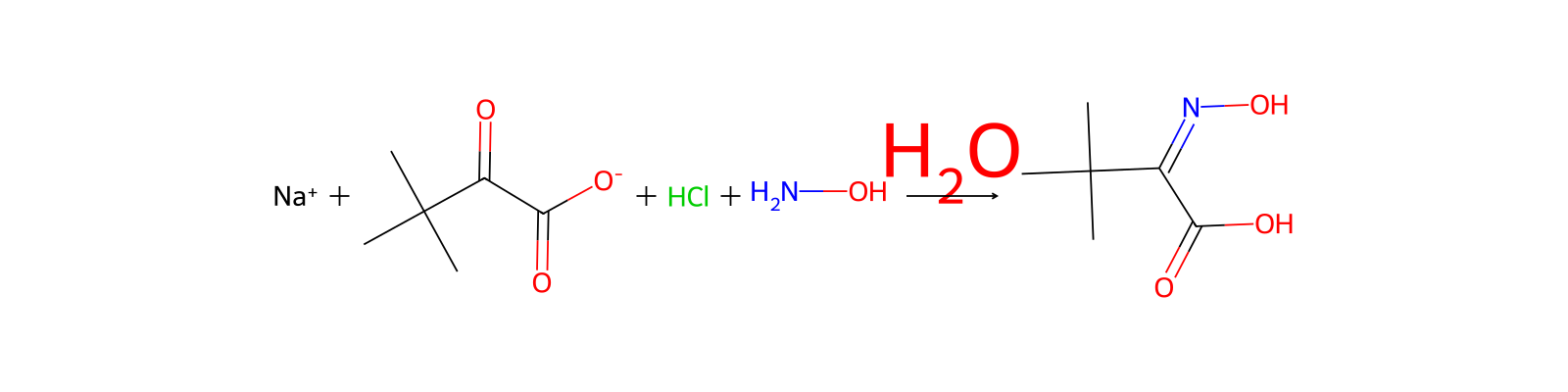

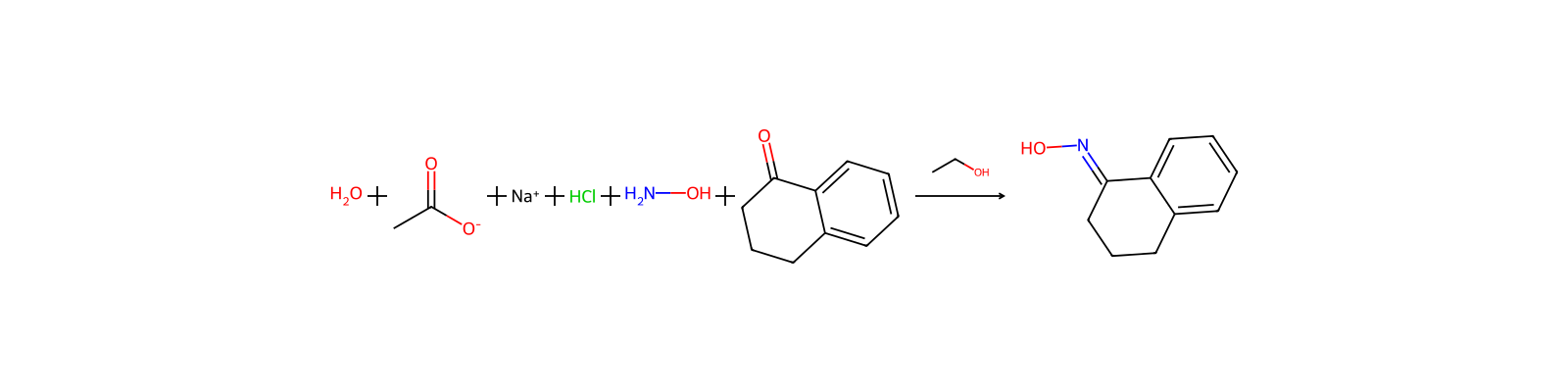




关联笔记
加载中…