

基本信息
- 标准SMILES
Oc1ccc(/C=C/c2cc(O)cc(O)c2)cc1- InChIKey
LUKBXSAWLPMMSZ-OWOJBTEDSA-N- 分子式
- C14H12O3
- 平均分子量
- 228.24 g/mol
- 单同位素质量
- 228.07864424
概述
Resveratrol is a stilbenol that is stilbene in which the phenyl groups are substituted at positions 3, 5, and 4' by hydroxy groups. It has a role as a glioma-associated oncogene inhibitor, a geroprotector, an antioxidant and a phytoalexin. It is a polyphenol, a member of resorcinols and a stilbenol.
名称与标识
- 首选名称
- Resveratrol
- IUPAC
- 5-[(E)-2-(4-hydroxyphenyl)ethenyl]benzene-1,3-diol
- 中文名
- 白藜芦醇
- 英文名
- Resveratrol
- 分子式
- C14H12O3
- 分子量
- 228.24
名称与别名
resveratrol501-36-0trans-resveratrol3,4',5-Trihydroxystilbene(E)-resveratrolResvida3,4',5-Stilbenetriol5-[(E)-2-(4-hydroxyphenyl)ethenyl]benzene-1,3-diol3,4',5-Trihydroxy-trans-stilbeneBiofortCuspidatin5-[(1E)-2-(4-Hydroxyphenyl)ethenyl]-1,3-benzenediol
展开更多名称
芪三酚水溶性茋三酚白藜芦醇淫羊藿素白黎芦醇白芦藜醇虎杖甙元白芦黎醇白藜蘆醇Resveratrol PowderTRANS-3,4,5-TRIHYDROXYSTILBENEbaililuchunGrape peel ExtractRESVERTROLTRANS-3,5,4'-TRIHYDROXYSTILBENE5-[(E)-2-(4-Hydroxyphenyl)vinyl]benzene-1,3-diolLGB-RES
JotrolSRT-501(E)-5-(p-Hydroxystyryl)resorcinolResveratrol p 5SRT501Melinjo resveratrol 20DTXSID4031980Srt 501m
数据库标识
- CAS
501-36-0- PubChem CID
- 445154
- DTXSID
DTXSID4031980- ChEMBL
CHEMBL165- ChEBI
CHEBI:27881- UNII
- Q369O8926L
- EC Number
- 610-504-8
- Nikkaji
- J11.775G、J524.694F
性质
结构计算性质
- XLogP
- 3.1
- 极性表面积
- 60.7 Ų
- 氢键供体
- 3
- 氢键受体
- 3
- 可旋转键
- 2
- 重原子
- 17
- 形式电荷
- 0
- 复杂度
- 246
实验与物化性质
DrugsPharmaceuticals -> Listed in ZINC15
LipidsPolyketides [PK] -> Aromatic polyketides [PK13] -> Diphenyl ethers, biphenyls, dibenzyls and stilbenes [PK1309]
LogP
log Kow = 3.10
2.56
Color/FormOff-white powder from methanol
Solubility
In water, 3 mg/100 mL
Soluble in organic solvents such as ethanol, DMSO and dimethyl formamide at approximately 65 mg/mL; solubility in PBS (phosphate buffered saline) at pH 7.2 is approximately 100 ug/mL
Dietary IngredientsResveratrol
Human DrugsBreast Feeding; Lactation; Complementary Therapies
Endocrine DisruptorsPotential endocrine disrupting compound
DecompositionWhen heated to decomposition it emits acrid smoke and irritating vapors.
Melting Point
253-255 °C
MP: 261 °C (decomposes)
254 °C
Physical DescriptionSolid
Collision Cross Section
159.3 Ų [M-H]- [CCS Type: DT; Buffer gas: N2; Ionization: ESI-; Dataset: TOXCAST; Source Identifier: DTXSID4031980]
152.09 Ų [M+H]+ [CCS Type: TW; Method: calibrated with polyalanine and drug standards]
物理化学性质
- 熔点
- 253 · 253-255°C
- 沸点
- 449.1 · 449.1±14.0 °C(Predicted)
- 密度
- 1.359 · 1.359±0.06 g/cm3(Predicted)
- 储存条件
- -20 °C · -20°C
- 溶解度
- Soluble in DMSO (up to 25 mg/ml) or in Ethanol (up to 20 mg/ml).
- 酸度系数(pKa)
- 9.22 · 9.22±0.10(Predicted)
- 形态
- Powder
- 颜色
- Off-white
- 生物来源
- plant root (bushy knotweed)
- 水溶解性
- Soluble in water (3 mg/100mL), ethanol (50 mg/mL), DMSO (16 mg/mL), DMF (~65 mg/mL), PBS (pH 7.2) (~100µg/mL), methanol, and acetone (50 mg/mL).
- Merck
- 14 · 14,8158
- Henry's Law Constant
- 7 · 7.0×1010 mol/(m3Pa) at 25℃, HSDB (2015)
- 稳定性
- 2 years · Stable for 2 years as supplied. Solutions in DMSO or ethanol may be stored at -20°C for up to 1 month.
- 化妆品成分功效
- SKIN PROTECTINGANTIOXIDANT
- InChI
- InChI=1S/C14H12O3/c15-12-5-3-10(4-6-12)1-2-11-7-13(16)9-14(17)8-11/h1-9,15-17H/b2-1+
- InChIKey
- LUKBXSAWLPMMSZ-OWOJBTEDSA-N
- SMILES
- C1(O)=CC(/C=C/C2=CC=C(O)C=C2)=CC(O)=C1
- LogP
- 3.139 · 3.139 (est)
- CAS 数据库
- 501 · 501-36-0(CAS DataBase Reference)
- EPA化学物质信息
- 1 · 1,3-Benzenediol, 5-[(1E)-2-(4-hydroxyphenyl)ethenyl]- (501-36-0)
化学性质
无味、白色粉末,完全溶解于乙醇。
安全与法规
GHS分类
GHS Classification
This chemical does not meet GHS hazard criteria for 0.6% (1 of 160) of reports.
Danger
H315 (13.8%): Causes skin irritation [Warning Skin corrosion/irritation]
P261, P264, P264+P265, P271, P280, P302+P352, P304+P340, P305+P351+P338, P305+P354+P338, P317, P319, P321, P332+P317, P337+P317, P362+P364, P403+P233, P405, and P501 (click each P-code to see the statement)
Aggregated GHS information provided per 160 reports by companies from 14 notifications to the ECHA C&L Inventory. Each notification may be associated with multiple companies.
危害信息
Regulatory Information
Regulation (EC) No 258/1997
Resveratrol: Does not have an individual approval but may be used as a component in a product covered by a group standard. It is not approved for use as a chemical in its own right.
Special Reports
Athar M et al; Resveratrol: A Review of Pre-clinical Studies for Human Cancer Prevention; Toxicol Appl Pharmacol 224(3): 274-283 (2007). A review with 117 references.[Available from, as of August 20, 2014: http://www.pubmedcentral.nih.gov/articlerender.fcgi?artid=2083123]
History and Incidents
Resveratrol as well as the other polyphenols in wine, is thought to account in large part for so-called French Paradox. The French Paradox - the finding that the rate of coronary heart disease mortality in France is lower than observed in other industrialized countries with a similar risk factor profile - has been attributed to frequent consumption of red wine.
Hazard Classes and CategoriesSkin Irrit. 2 (13.8%)
安全与防护
Disposal Methods
SRP: Criteria for land treatment or burial (sanitary landfill) disposal practices are subject to significant revision. Prior to implementing land disposal of waste residue (including waste sludge), consult with environmental regulatory agencies for guidance on acceptable disposal practices.
毒理信息
Interactions
... /Resveratrol exhibited/ dose-dependent inhibition of the mutagenic response induced by treatment of Salmonella typhimurium strain TM 677 with 7,12-dimethyl-benzanthracene (DMBA) ...
... Resveratrol ... enhanced the anti-tumor effect of 5-FU ...
In neuronal-like cells, such as the human neuroblastoma SH-SY5Y resveratrol was shown to inhibit caspase 7 activation, as well as degradation of poly-(ADP-ribose)-polymerase, which occur in cells exposed to paclitaxel, an anti-cancer drug ... Resveratrol was shown to induce S-phase arrest, preventing SH-SY5Y from entering mitosis, the phase of the cell cycle in which paclitaxel exerts its activity ... Phosphorylation of Bcl-2 and JNK/SAPK, which specifically occurs after paclitaxel exposure, was reversed by resveratrol ...
The combined effects of resveratrol have been tested with Ara-C or tiazofurin, both antimetabolites, and showed synergistic growth inhibition and apoptosis induction in HL-60 cells ...
For more Interactions (Complete) data for RESVERATROL (22 total), please visit the HSDB record page.
Hepatotoxicity
There have been multiple trials of resveratrol in human subjects, but the dose regimen and duration of therapy has varied greatly and many trials lacked information on adverse events, ALT elevations, and hepatotoxicity. Nevertheless, in most studies there was no mention of serum ALT elevations or only rare and mild-to-moderate increases that were asymptomatic and resolved rapidly upon stopping therapy. However, in studies using high doses of resveratrol (1.5 to 3.0 grams daily), average serum ALT and AST levels rose slightly during therapy and promptly fell into the normal range with stopping. There were, however, no instances of serum ALT elevations with jaundice or symptoms. Furthermore, despite widespread clinical use, there have been no published reports of clinically apparent liver injury attributed to resveratrol. In large case series and nationwide registries on herbal induced liver injury, resveratrol is not listed as a cause. Thus, hepatotoxicity due to resveratrol must be rare, if it occurs at all.
Environmental Fate
TERRESTRIAL FATE: Based on a classification scheme(1), an estimated Koc value of 3.5X10+4(SRC), determined from a structure estimation method(2), indicates that resveratrol is expected to be immobile in soil(SRC). Resveratrol has estimated pKa values of 8.99, 9.63 and 10.64(3) indicating that this compound will exist primarily in the neutral form in the environment with the anion form partially existing in alkaline soils and anions generally do not adsorb more strongly to soils containing organic carbon and clay than their neutral counterparts(4). Volatilization of resveratrol from moist soil surfaces is not expected to be an important fate process(SRC) given an estimated Henry's Law constant of 1.4X10⁻¹⁶ atm-cu m/mole(SRC), using a fragment constant estimation method(2). Resveratrol is not expected to volatilize from dry soil surfaces(SRC) based upon an estimated vapor pressure of 1.2X10⁻⁹ mm Hg(SRC), determined from a fragment constant method(2). Resveratrol has UV absorption maxima at 307 and 321 nm(5) and, therefore, may be susceptible to direct photolysis on soil surfaces exposed to sunlight(SRC). Biodegradation data in soil were not available(SRC, 2014).[(1) Swann RL et al; Res Rev 85: 17-28 (1983) (2) US EPA; Estimation Program Interface (EPI) Suite. Ver. 4.11. Nov, 2012. Available from, as of Feb 11, 2014: http://www.epa.gov/oppt/exposure/pubs/episuitedl.htm (3) Royal Soc Chem; ChemSpider. 5-
AQUATIC FATE: Based on a classification scheme(1), an estimated Koc value of 3.5X10+4(SRC), determined from a structure estimation method(2), indicates that resveratrol is expected to adsorb to suspended solids and sediment(SRC). Volatilization from water surfaces is not expected(3) based upon an estimated Henry's Law constant of 1.4X10⁻¹⁶ atm-cu m/mole(SRC), developed using a fragment constant estimation method(2). According to a classification scheme(4), an estimated BCF of 50(SRC), from its log Kow of 3.10(5) and a regression-derived equation(7), suggests the potential for bioconcentration in aquatic organisms is moderate(SRC). Resveratrol is not expected to undergo hydrolysis in the environment due to the lack of functional groups that hydrolyze under environmental conditions(3). Resveratrol has UV absorption maxima at 307 and 321 nm(6) and, therefore, may be susceptible to direct photolysis by sunlight(SRC). Resveratrol contains both phenol and olefin functions, and phenols and olefins are susceptible to photo-oxidation via peroxy, hydroxyl and singlet oxygen radicals in natural waters exposed to sunlight with combined half-lives on the order of one to three weeks at the water's surface(7). Biodegradation data in water were not available(SRC, 2014).
ATMOSPHERIC FATE: According to a model of gas/particle partitioning of semivolatile organic compounds in the atmosphere(1), resveratrol, which has an estimated vapor pressure of 1.2X10⁻⁹ mm Hg at 25 °C(SRC), determined from a fragment constant method(2), will exist in both the vapor and particulate phases in the ambient atmosphere. Vapor-phase resveratrol is degraded in the atmosphere by reaction with photochemically-produced hydroxyl radicals(SRC); the half-life for this reaction in air is estimated to be 1.5 hours(SRC), calculated from its rate constant of 2.6X10⁻¹⁰ cu cm/molecule-sec at 25 °C(SRC) that was derived using a structure estimation method(2). Vapor-phase resveratrol is also degraded in the atmosphere by reaction with ozone(SRC); the half-life for this reaction in air is estimated to be 1.1 hours(SRC), calculated from its rate constant of 2.5X10⁻¹⁶ cu cm/molecule-sec at 25 °C(SRC) that was derived using a structure estimation method(2). Particulate-phase resveratrol may be removed from the air by wet and dry deposition(SRC). Resveratrol has UV absorption maxima at 307 and 321 nm(3) and, therefore, may be susceptible to direct photolysis by sunlight(SRC).
Food Survey Values
Concentrations of resveratrol in California varietal wines from the 1989 vintage year were: Napa Valley Cabernet Sauvignon, <0.05 to 0.09 mg/L; Napa Valley Zinfandel, not detected to 0.11 mg/L; Carneros Pinot Noir, 0.23 and 0.68 mg/L; Russian River Pinot Noir, 0.21 mg/L; Sauternes white Bordeaux, <0.05 mg/L; Santa Cruz Chardonnay (1990), not detected(1). The resveratrol concentration in hop cones has been observed to depend on harvest year; representative varieties contained 0.32 to 1.00 mg/kg in 2004, 0.03 to 0.81 mg/kg in 2005, and 0.23 to 2.28 mg/kg in 2006(2). The resveratrol concentration in selected foods is as follows: 0.01-0.26 mg in 1 cup (146 g) raw peanuts; 0.32-1.28 mg in 1 cup (180 g) boiled peanuts; 0.04-0.13 mg in 1 cup (258 g) peanut butter; 0.24-1.25 mg in 1 cup (160 g) red grapes(3). Total resveratrol in a 5-oz glass of various red and white wines ranged from 0.01-0.27 mg in the white wines to 0.29-1.89 mg in red wines(3). Total resveratrol in Spanish red grape juices ranged from 1.14 to 8.69 mg/L(3). Total resveratrol in 1 cup cocoa powder (200 g) ranged from 0.28 to 0.46 mg(4). Normal consumption quantities of cocoa powder, baking chocolate, and dark chocolate contain low levels of resveratrol at 1.85, 1.24 and 0.35 mg/kg, respectively(4). Resveratrol is found in peanuts and berries of Vaccinum species, including blueberries, bilberries, and cranberries(3). Most resveratrol supplements available in the US contain extracts of the root of Polygonum cuspidatum, also known as Hu Zhang or kojo-kon(3).
Measured resveratrol content of several representative commercial wines(1). [Table#7263]
Red wine extracts and red grape extracts containing resveratrol and other polyphenols are also available in the US as dietary supplements. Resveratrol supplements may contain anywhere from 10-50 mg of resveratrol(1).
Resveratrol has been measured in roasted peanuts at a concentration of 0.055 ug/g, in peanut butter at 0.324 ug/g, and in boiled peanuts at 5.138 ug/g(1). The Chinese medicinal herb Hu Zhang, a variety of Polygonium cuspidatum, was found to contain 3.77 mg/g dry weight resveratrol in the root(2). The concentration of resveratrol in red wine can vary from 0.2 to 5.8 mg/L depending upon grape variety(3). In peanuts before sprouting, resveratrol was detected in the range of 2.3 to 4.5 ug/g, and after sprouting, in the range of 11.7 to 25.7 ug/g depending upon peanut cultivar(4). The fruit of the mulberry /genus: Vaccinium/, especially the skin, is a source of resveratrol(5). Resveratrol was detected in grape, cranberry, and wine samples at concentrations ranging from 1.56 to 1042 nmol/g in Concord grape products, and from 8.63 to 24.84 mol/L in Italian red wine(6); the concentrations of resveratrol were similar in cranberry and grape juice at 1.07 and 1.56 nmol/g, respectively(6).
Resveratrol was measured in pulp of the strawberry cultivar Fragaria x ananassa var. Allstar at a mean concentration of 830.5 ng/g dry weight, and in F. achenes at 1.64 ug/g dry weight. High-temperature growing conditions (25 and 30 °C) enhanced total resveratrol content, as did fruit maturation, addition of compost or fertilizer, treatment with methyl jasmonate, and elevated ambient carbon dioxide(1). The commercial tomato varieties MicroTom, UglyRipe, Heirloom /Lycopersicon esculentum/, and PlumTom contained respective resveratrol concentrations of 15.30 ug/g, 0.38 ug/g, 1.75 ug/g, and 0.34 ug/g in the skin. In comparison, a commercial seedless red table grape contained 2680 ug/g resveratrol(2).
Plant Concentrations
Phytoalexin found in a variety of plants. It has been isolated from white hellebore /Veratrum album/ and from fescue grass /Festuca sp/(1). Resveratrol is found in grapevines (Vitis vinifera L). It occurs in the wines, roots, seeds and stalks, but its highest concentration is in grape skins(2). Resveratrol is produced by grape vines in response to fungal infection and is known to occur in grapes(3).
Fungal infection(1), stress, injury, and ultraviolet irradiation(2) induce resveratrol production in grapevines. Resveratrol was detected in Vitis vinifera and Vitis labrusca grapes, but not in the seeds(3). Resveratrol concentrations of 0.00925 to 4.63 mg/L were detectable in various grape seeds(4). Eurpean grape leaves (Vitis vinifera) were found to contain 90,400 ppm resveratrol(5). Resveratrol has been qualitatively observed in the bark of Yucca schidigera(6), the red dock, Rumex bucephalophorus(7), and Gnetum klossi(8). The root of Mexican Bamboo, a variety of Polygonium cuspidatum, was found to contain 2.96 mg/g dry weight resveratrol(9).
Ongoing Test Status
The following link will take the user to the National Toxicology Program (NTP) Test Agent Search Results page, which tabulates all of the "Standard Toxicology & Carcinogenesis Studies", "Developmental Studies", and "Genetic Toxicity Studies" performed with this chemical. Clicking on the "Testing Status" link will take the user to the status (i.e., in review, in progress, in preparation, on test, completed, etc.) and results of all the studies that the NTP has done on this chemical.[Available from, as of March 19, 2014: http://ntp-apps.niehs.nih.gov/ntp_tox/index.cfm?fuseaction=ntpsearch.searchresults&searchterm=501-36-0]
Soil Adsorption/Mobility
Using a structure estimation method based on molecular connectivity indices(1), the Koc of resveratrol can be estimated to be 3.5X10+4(SRC). According to a classification scheme(2), this estimated Koc value suggests that resveratrol is expected to be immobile in soil. Resveratrol has estimated pKa values of 8.99, 9.63 and 10.64(3) indicating that this compound will exist primarily in the neutral form in the environment with the anion form partially existing in alkaline soils and anions generally do not adsorb more strongly to soils containing organic carbon and clay than their neutral counterparts(4).[(1) US EPA; Estimation Program Interface (EPI) Suite. Ver. 4.11. Nov, 2012. Available from, as of Feb 11, 2014: http://www.epa.gov/oppt/exposure/pubs/episuitedl.htm (2) Swann RL et al; Res Rev 85: 17-28 (1983) (3) Royal Soc Chem; ChemSpider. 5-
Natural Pollution Sources
Resveratrol is a plant-specific enzyme that exists in 72 plant species, such as grapes, peanuts, and pine trees. Grapes are the most abundant source(1). It is produced by grape vines in response to fungal infection(2), stress, injury or ultraviolet irradiation(1). The Chinese medicinal herb Hu Zhang, a variety of Polygonium cuspidatum, contains resveratrol in the root(3). Resveratrol is found in berries of Vaccinum species, including blueberries, bilberries, and cranberries(4).
Resveratrol is produced by plants in response to infection by the pathogen Botrytis cinerea ... It is also induced in response to a variety of stress conditions, such as vicissitudes in climate, exposure to ozone, sunlight and heavy metals
Human Toxicity Excerpts
/HUMAN EXPOSURE STUDIES/ Voluntary runners are subjected to a massive increase in reactive oxygen/nitrogen species production, which can promote different oxidative stress-related diseases such as premature aging, neurodegenerative disorders, and cancer. The aims of this work were to evaluate the following in peripheral blood cells of voluntary runners: (i) DNA status; (ii) susceptibility to the in vitro insult induced by hydrogen peroxide (H(2)O(2)) as a breaking agent; (iii) capabilities of 3,5,4'-trihydroxystilbene (RESV) in counteracting DNA damage. Twenty-five male voluntary runners were compared with 20 sedentary men, as age-matched controls, and DNA status was evaluated with different versions of comet assay: alkaline, neutral, and Fpg enzyme-modified version to measure 8-OH-deoxyguanosine (8-oxo-dG) levels. The H(2)O(2) and/or RESV treatments were performed directly on agarose-embedded cells (atypical comet assay). The results evidenced DNA damage and levels of 8-oxo-dG higher in runners than in sedentary control subjects. The runners' DNA was more prone to the in vitro-induced oxidative insult (200 uM H(2)O(2)) than that of the control group. Resveratrol (100 uM), depending on the individual basal DNA status, was able to switch from antioxidant to pro-oxidant. /These/ results, on the one hand, validated the proposed in vitro experimental protocol in order to measure individual DNA status. On the other hand, /the/ data point out the importance of monitoring the athletes' redox status before subjecting them to dietary supplementation treatment.
/EPIDEMIOLOGY STUDIES/ Chronic obstructive pulmonary disease (COPD) therapy is complicated by corticosteroid resistance of the interleukin 8 (IL-8)-dependent and granulocyte macrophage-colony stimulating factor (GM-CSF)-dependent chronic airway inflammation, for whose establishment human airway smooth muscle cells (HASMCs) might be crucial. It is unclear whether the release of inflammatory mediators from HASMCs is modulated by cigarette smoking and is refractory to corticosteroids in COPD. Resveratrol, an antiaging drug with protective effects against lung cancer, might be an alternative to corticosteroids in COPD therapy. Vascular endothelial growth factor (VEGF) might offer protection from developing emphysema. /The author/ tested the following hypotheses for HASMCs: 1) smoking with or without airway obstruction modulates /Interleukin 8/ (IL-8), GM-CSF, and VEGF release; and 2) corticosteroids, but not resveratrol, fail to inhibit cytokine release in COPD. Cytokine release from HASMCs exposed to tumor necrosis factor alpha (TNFalpha), dexamethasone, and/or resveratrol was measured via enzyme-linked immunosorbent assay and compared between nonsmokers (NS), smokers without COPD (S), and smokers with COPD (all n = 10). In response to TNFalpha, IL-8 release was increased, but GM-CSF and VEGF release was decreased in S and COPD compared with NS. Dexamethasone and resveratrol inhibited concentration-dependently TNFalpha-induced IL-8, GM-CSF, and VEGF release. For IL-8 and GM-CSF efficiency of dexamethasone was NS > S > COPD. That of resveratrol was NS = S = COPD for IL-8 and NS = S < COPD for GM-CSF. For VEGF the efficiency of dexamethasone was NS = S = COPD, and that of resveratrol was NS = S > COPD. All resveratrol effects were partially based on p38 mitogen-activated protein kinase blockade. In conclusion, smoking modulates cytokine release from HASMCs. Corticosteroid refractoriness of HASMCs in COPD is cytokine-dependent. Resveratrol might be superior to corticosteroids in COPD therapy, because it more efficiently reduces the release of inflammatory mediators and has limited effects on VEGF in COPD.
/GENOTOXICITY/ Resveratrol ( trans-3,4',5-trihydroxystilbene) is a natural phytoalexin with various biological activities including inhibition of lipid peroxidation and free radical scavenging properties. In addition to its beneficial effects, resveratrol also has significant genotoxicity that leads to a high frequency of chromosome aberration together with micronucleus and sister chromatid exchanges. To enhance the radical scavenging activities and to reduce the genotoxicity of resveratrol, /the authors/ designed 4'-methyl resveratrol analogues where a methyl group was introduced at the ortho position relative to the 4'-hydroxy group, which is responsible for both antioxidative activities and genotoxicity of resveratrol. These synthesized methyl analogues of resveratrol showed increased antioxidative activities against galvinoxyl radical as an oxyl radical species. Furthermore, the methyl analogues also surprisingly showed reduced in vitro genotoxicities, suggesting that methyl substitution may improve resveratrol efficacy.
/ALTERNATIVE and IN VITRO TESTS/ ... In vitro data generated in human squamous cell carcinoma cells demonstrate that resveratrol induces G1-phase cell cycle arrest, accompanied by p21WAF1/CIP1 induction, and it decreases the cell cycle regulators, cyclins D1/D2/E and Cdks, hyperphosphorylated pRb proteins, MEK1 > ERK1/2, and AP-1 signaling ...
For more Human Toxicity Excerpts (Complete) data for RESVERATROL (28 total), please visit the HSDB record page.
Artificial Pollution SourcesResveratrol's production and use as a dietary supplement(1,2) and anti-aging cosmetic ingredient(3) may result in its release to the environment through various waste streams(SRC).
Environmental Bioconcentration
An estimated BCF of 50 was calculated in fish for resveratrol(SRC), using a log Kow of 3.10(1) and a regression-derived equation(2). According to a classification scheme(3), this BCF suggests the potential for bioconcentration in aquatic organisms is moderate(SRC).
Volatilization from Water/Soil
The Henry's Law constant for resveratrol is estimated as 1.4X10⁻¹⁶ atm-cu m/mole(SRC) using a fragment constant estimation method(1). This Henry's Law constant indicates that resveratrol is expected to be essentially nonvolatile from water surfaces(2). Resveratrol's Henry's Law constant indicates that volatilization from moist soil surfaces is not expected to occur(SRC). Resveratrol is not expected to volatilize from dry soil surfaces(SRC) based upon an estimated vapor pressure of 1.2X10⁻⁹ mm Hg(SRC), determined from a fragment constant method(1).
安全数据
- wgk
- 3
- RTECS号
- CZ8987000
- 存储类别
- 11 - Combustible Solids
- 安全说明
- 26-39-37/39-36/37/39
- 海关编码
- 29072990
- 危险品标志
- Xi
- 危险性类别
- Eye Irrit. 2
- 危险类别码
- 37/38-41-36/38-36-43-22
- 毒害物质数据
- 501-36-0(Hazardous Substances Data)
化学与工业
药理信息
Protein BindingStrong affinity towards protein binding.
Pharmacodynamics
Resveratrol, a phytoalexin, has been found to inhibit herpes simplex virus types 1 and 2 (HSV-1 and HSV-2) replication in a dose-dependent, reversible manner, although this is only one of its many pharmaceutical properties. In some countries where there is higher consumption of red wine, there appears to be a lower incidence of heart disease. Other benefits of resveratrol include its anti-inflammatory and antioxidant effects. In preclinical studies, Resveratrol has been found to have potential anticancer properties.
Mechanism of Action
Resveratrol suppresses NF-kappaB (NF-kappaB) activation in HSV infected cells. Reports have indicated that HSV activates NF-kappaB during productive infection and this may be an essential aspect of its replication scheme [PMID: 9705914].
... Resveratrol appears to act as a mixed agonist/antagonist for estrogen receptors alpha and beta. It has been found to bind estrogen receptor beta and estrogen receptor alpha with comparable affinity but with 7000-fold lower affinity than estradiol. Resveratrol differs from other phytoestrogens, which bind estrogen receptor beta with higher affinity than they bind estrogen receptor alpha. Resveratrol also shows estradiol antagonistic behavior for estrogen receptor alpha with some estrogen receptors. It does not show estradiol antagonistic activity with estrogen receptor beta ...
The anti-proliferative effects of resveratrol were shown to be modulated by cell cycle regulatory proteins ... Resveratrol decreased the expression of cyclins D1 and D2, Cdk 2, 4 and 6, and proliferating cell nuclear antigen (PCNA) whereas p21WAF1/CIP1 was increased. Furthermore there was inhibited expression of anti-apoptotic proteins, such as survivin, and markers of tumor promotion, cyclooxygenase (COX)-2, and ornithine decarboxylase (ODC) were observed ...
... In addition to its antioxidant scavenging of free radicals and modulating estrogen receptor (ER) activity ... resveratrol can interfere with an ERalpha-associated PI3K pathway, following a process that could be independent of the nuclear functions of the ERalpha ... and acts as an agonist for the cAMP/kinase-A system ... It also promotes the accumulation of growth inhibitory/pro-apoptotic ceramide ... and induction of quinone reductase (QR, a phase II detoxification enzyme) ... and induces caspase-independent apoptosis through Bcl-2 downregulation ... It has been shown to suppress Src tyrosine kinase activity ... nitric oxide generation, and the NFkappaB pathway ...
Biological Half-Life
Pharmacokinetics of trans-resveratrol in its aglycone (RES(AGL)) and glucuronide (RES(GLU)) forms were studied following intravenous (15 mg/kg i.v.) and oral (50 mg/kg p.o.) administration of trans-resveratrol in a solution of beta-cyclodextrin to intact rats ... After i.v. administration, plasma concentrations of RES(AGL) declined with a rapid elimination half-life (T(1/2), 0.13 hr), followed by sudden increases in plasma concentrations 4 to 8 hr after drug administration. These plasma concentrations resulted in a significant prolongation of the terminal elimination half-life of RES(AGL) (T(1/2TER), 1.31 hr). RES(AGL) and RES(GLU) also displayed sudden increases in plasma concentrations 4 to 8 hr after oral administration, with T(1/2TER) of 1.48 and 1.58 hr, respectively ...
Resveratrol ... has a plasma half-life of 8 to 14 min; the metabolites /(trans-resveratrol-3-O-glucuronide and trans-resveratrol-3-O-sulfate)/ have a plasma half-life of about 9.2 hours ...
... A dietary relevant 25-mg oral dose /of (14)C-resveratrol in six human volunteers resulted in/ ... a plasma half-life of 9.2 + or - 0.6 hr ...
A 25-mg oral dose /of (14)C-resveratrol had/ a plasma half-life of 9.2 + or - 0.6 hr. ...
Trans-resveratrol half-life /in human plasma/ was 1-3 hr following single-doses and 2-5 hr following repeated dosing.
Metabolism/Metabolites
Hepatic. Rapidly metabolized and excreted.
... This study ... examined the absorption, bioavailability, and metabolism of (14)C-resveratrol after oral and iv doses in six human volunteers. The absorption of a dietary relevant 25-mg oral dose was at least 70%, with peak plasma levels of resveratrol and metabolites of 491 + or - 90 ng/mL (about 2 uM) and a plasma half-life of 9.2 + or - 0.6 hr. However, only trace amounts of unchanged resveratrol (<5 ng/mL) could be detected in plasma. Most of the oral dose was recovered in urine, and liquid chromatography/mass spectrometry analysis identified three metabolic pathways, ie, sulfate and glucuronic acid conjugation of the phenolic groups and, interestingly, hydrogenation of the aliphatic double bond, the latter likely produced by the intestinal microflora. Extremely rapid sulfate conjugation by the intestine/liver appears to be the rate-limiting step in resveratrol's bioavailability.
In plants, it mostly exists in glycosylated piceid forms (3-O-B-D-glucosides). Other minor conjugated forms containing 1 to 2 methyl groups (pterostilbene), a sulfate group (trans-resveratrol-3-sulfate) or a fatty acid have also been identified. Glycosylation is known to protect resveratrol from oxidative degradation, and glycosylated resveratrol is more stable ... In humans, following its absorption, it is readily metabolized in the liver by Phase-2 drug-metabolizing enzymes to water-soluble trans-resveratrol-3-O-glucuronide and trans-resveratrol-3-O-sulfate, accounting for its predominant urine excretion ...
... Resveratrol was metabolized in humans into two metabolites, which were characterized as resveratrol-3-O- and 4'-O-glucuronides ...
... In two 8-week long feeding experiments with rats, a low-resveratrol diet containing 50 mg resveratrol per kg body weight (bw) and day and a high-resveratrol diet with 300 mg per kg bw and day were administered. ... The level of resveratrol and its metabolites in the feces, urine, plasma, liver, and kidneys was identified and quantitated by high-performance liquid chromatography-diode array detection (HPLC-DAD) using synthesized resveratrol conjugate standards. ... The formation of trans-resveratrol-3-sulfate, trans-resveratrol-4'-sulfate, trans-resveratrol-3,5-disulfate, trans-resveratrol-3,4'-disulfate, trans-resveratrol-3,4',5-trisulfate, trans-resveratrol-3-O-beta-D-glucuronide, and resveratrol aglycone was detected by HPLC analysis, depending on the biological material. ...
Resveratrol has known human metabolites that include Resveratrol 3-O-glucuronide.
MeSH Pharmacological Classification
Naturally occurring or synthetic substances that inhibit or retard oxidation reactions. They counteract the damaging effects of oxidation in animal tissues.
Compounds or agents that combine with an enzyme in such a manner as to prevent the normal substrate-enzyme combination and the catalytic reaction.
Drugs or agents which antagonize or impair any mechanism leading to blood platelet aggregation, whether during the phases of activation and shape change or following the dense-granule release reaction and stimulation of the prostaglandin-thromboxane system.
Absorption, Distribution and Excretion
High absorption but very low bioavailability.
... Glycosylated resveratrol is more stable and more soluble and readily absorbed in the human gastrointestinal tract ... In humans, following its absorption, it is readily metabolized in the liver ... to water-soluble trans-resveratrol-3-O-glucuronide and trans-resveratrol-3-O-sulfate, accounting for its predominant urine excretion ... Compared to other known polyphenols, such as quercetin and catechin, trans-resveratrol is well absorbed much more efficiently following oral administration to humans ...
... Resveratrol is absorbed from the gastrointestinal tract following its ingestion ...
... Preclinical studies in rats, using HPLC methods, have suggested that intragastric administration of 20 mg/kg trans-resveratrol generated peak values of 1.2 uM in plasma ... In a separate study, male rats treated with 300, 1000, and 3000 mg/kg body weight per day were reported to achieve plasma concentrations of 576, 991, and 2728 ng/mL, respectively, and whereas in females, it was 333, 704, and 1137 ng/mL ... A plasma concentration of approximately 1.1 ug/mL was determined to be approximately 5 uM ... A single oral administration of (14)C-trans-resveratrol to male Balb/c mice showed preferential binding of radio-labeled resveratrol in the stomach, liver, kidney, intestine, bile, and urine, and penetrated the tissues of the liver and kidney ... Both the parent compound and the Phase-II metabolites were also detected in these tissues ... In humans, 24.6% of the oral dose administered appeared in the urine, including metabolites ... whereas after intragastric administration to rodents, only 1.5% of resveratrol reached the plasma compartment ...
In a human melanoma xenograft model ... The resveratrol content in the skin of these mice, measured 5 min after a bolus of 75 mg/kg introduced, was found to be 21 nmol/g and 4.67 nmol/g in glucuronide-conjugate forms. A measurable amount of resveratrol was found in the tumors, although it was less than the amount found in the skin ...
For more Absorption, Distribution and Excretion (Complete) data for RESVERATROL (12 total), please visit the HSDB record page.
Tissue LocationsBrain
Cellular LocationsMembrane
用途与制造
Uses
Nutritional supplement
Resveratrol is a pigment from red wine that ... inhibits LDL /low-density lipoprotein/ oxidation
Resveratrol is found in red wine, red grape skins, purple grape juice, mulberries, and in smaller amounts in peanuts. It is used as a medicine.
Resveratrol dietary supplements available in the U.S. contain extracts of the root of Polygonum cuspidatum, also known as Hu Zhang or kojo-kon. Red wine extracts and red grape extracts containing resveratrol and other polyphenols are also available in the US as dietary supplements. Resveratrol supplements may contain anywhere from 10-50 mg of resveratrol.
For more Uses (Complete) data for RESVERATROL (8 total), please visit the HSDB record page.
Methods of Manufacturing
Isolated from white hellebore; ... from fescue grass; ... Isolation of monomers, oligomers, isomers and glucosides from wine.
Isolation from fresh root of Polygonum cuspidatum. /3-beta-mono-D-glucoside/
Resveratrol is produced by grape vines in response to fungal infection and is known to occur in grapes(1). Its presence is also induced by stress, injury or ultraviolet irradiation(2).
Formulations/Preparations
Resveratrol marketed as a nutritional supplements, is typically an extract of Polygonum cuspidatum ... Such an extract contains both cis- and trans-resveratrol. The extracts are usually standardized to deliver ca 8% resveratrol in its various forms. Many of the products currently marketed have resveratrol in combination with other phytonutrients and vitamins. Some supplements deliver 16 milligrams per serving or higher.
General Manufacturing Information
Phytoalexin found in a variety of plants; active ingredient of Asian folk medicine "Kojo-Kan" which is the powdered root of the Japanese knotweed.
Anti-aging property ... in skin-care formulation, with 17 times greater antioxidant activity than idebenone
Resveratrol occurs in wine(1). When red wine is made, the "must" is used - skins, seeds, and stems. The must is left in the mixture for a long periods of time as the wine ferments and the oliogomeric proanthocyanidins (OPCs) such as resveratrol emerge, giving red wine its characteristic flavor and color. With white wine, the must is taken out early so it neither darkens nor absorbs as many OPCs. Grape juice also contains OPCs but does not confer the same health benefits as red wine(2). The injury to the grape skin, produced during the process of making wine, increases resveratrol levels(1).
Resveratrol is found in grapevines (Vitis vinifera L). It occurs in the wines, roots, seeds and stalks, but its highest concentration is in grape skins. Wine also contains resveratrol. The concentration of resveratrol in red wine is much higher than that of white wine. The main difference between red and white wine production, besides the grapes used, is that for the red wine the skins and seeds are involved in the process, while white wine is mainly prepared from the juice, essentially avoiding the use of grape skins and seeds. During the wine making process, resveratrol, as well as other polyphenols, including quercetin, catechins, gallocatechins, procyanidins and prodelphidins (condensed tannis), are extracted from the grape skins via a process called maceration.
In addition to grapes and wine, dietary sources of resveratrol include peanuts and mulberries. Resveratrol is also found in significant amounts in the dried roots and stems of the plant Polygonium cuspidatum Sieb. Et Zucc., also known as the Japanese knotweed... Most of the resveratrol-containing supplements which are marketed in the U.S. contain extracts of the root of Polygonium cuspidatum.
应用领域
概述白藜芦醇是一种天然抗氧化剂,可降低血液粘稠度,抑制血小板凝结和血管舒张,保持血液畅通,可预防癌症的发生及发展,具有抗动脉粥样硬化和冠心病,缺血性心脏病,高血脂的防治作用。抑制肿瘤的作用还具有雌激素样作用,可用于治疗乳腺癌等疾病。可以延缓衰老,预防癌症,在红葡萄皮、红葡萄酒和葡萄汁中含量很高。有研究表明,染色体的完整性会随着人类的衰老而遭到破坏,而白藜芦醇可以激活一种修复染色体健康的蛋白质sirtuin,从而起到延缓衰老的作用。[3]
用途心血管类药物,能降血脂,并能预防心脏病,还具有抗艾滋病的作用
用途抗氧化剂、具有抗炎、抗血栓、防癌、抗癌、抗高血脂症、抗菌等多方面的活性
用途延缓衰老、调节血脂、保护心脑血管、抗肝炎
用途COX−1选择性抑制剂。 白藜芦醇是一种酚类植物抗毒素,发现于葡萄皮和其他植物中。它具有细胞内抗氧化活性激活去乙酰化酶SIRT1。白藜芦醇的抗糖尿病、神经保护和抗脂特性都可能是去乙酰化酶SIRT1激活所致。
用途它能够阻止低密度脂蛋白的氧化,具有潜在的防治心血管疾病、防癌、抗病毒及免疫调节作用,其作用主要表现为它的抗氧化特性。
用途作为COX1选择性抑制剂;一种发现于葡萄皮以及其他植物中的酚类植物抗毒素,具有细胞内抗氧化活性以及激活SIRT1;一种NAD+依赖性组蛋白脱乙酰基酶,包含在线粒体的生物起源中以及增强过氧化物酶体γ激活增殖体受体共激活物-1α (PGC-1α)以及FOXO活性;白藜芦醇的抗糖尿病的、保护神经的以及抑制脂肪行为可能是通过SIRT1活化作用促成
上下游产品信息
上游原料
下游产品
试剂价格
- HY-16561R · 10 mg
- 白藜芦醇Resveratrol (Standard) — 240元
- HY-16561R · 25 mg
- 白藜芦醇Resveratrol (Standard) — 470元
供应商50 家
国药集团化学试剂有限公司86-21-63210123 · [email protected]
北京华美互利生物化工010-56205725 · [email protected]
梯希爱(上海)化成工业发展有限公司021-67121386 · [email protected]
上海阿拉丁生化科技股份有限公司400-6206333 13167063860 · [email protected]
成都健腾生物技术有限公司028-85159085 · [email protected]
深圳健远生物科技有限公司13278899432 13278899432
INTATRADE GmbH+49 3493/605464 · [email protected]
T&W GROUP021-61551611 13296011611 · [email protected]
上海如吉生物科技发展有限公司+86-21-65211385-8001 36031160 · [email protected]
Shaanxi Huike Botanical Development Co., Ltd+86-29-62663046 · [email protected]
北京安司莫森技术有限公司010-82954736 13391601435 · [email protected]
韶远科技(上海)有限公司021-50795510 4000665055 · [email protected]
陕西昊辰生物科技有限公司18710685966 18710685966 · [email protected]
科瑞迪化学400-821-5857 021-64326257 · [email protected]
上海将来实业股份有限公司400-0066400 13621662912 · [email protected]
上海迈瑞尔生化科技有限公司4006356688 18621169109 · [email protected]
武汉易泰科技有限公司上海分公司18930552037 · [email protected]
上海波以尔化工有限公司[email protected]
大连美仑生物技术有限公司0411-62910999 13889544652 · [email protected]
安耐吉化学&3A(安徽泽升科技股份有限公司)400-0056266 · [email protected]
武汉凯威斯科技有限公司86-027-67849912 · [email protected]
上海瀚鸿科技股份有限公司021-54306202 13764082696 · [email protected]
China Kouting Group Limited+86 (21) 5811-6473 5811-6475 · [email protected]
天津万象恒远科技有限公司15722085254 · [email protected]
成都普菲德生物技术有限公司028-82610909 13388174823 · [email protected]
上海融禾医药科技发展有限公司17301719108 13341702378 · [email protected]
上海景颜化工科技有限公司13817811078 · [email protected]
嘉兴市艾森化工有限公司0573-85285100 18627885956 · [email protected]
TransMIT GmbH PlantMetaChem+49-172-1024293 · [email protected]
Pure Chemistry Scientific Inc.001-857-928-2050 or 1-888-588-9418 · [email protected]
武汉威顺达科技发展有限公司86-027-88774375 · [email protected]
深圳虹彩祥根生物科技有限公司+86-0755-89668383 · [email protected]
MedChemexpress LLC021-58955995 · [email protected]
武汉丰泰威远科技有限公司027-87465837 19945049750 · [email protected]
杭州东帆化学有限公司86-0571-85151182
孝感深远化工有限公司15527621225; 15527621225 · [email protected]
济南精合医药科技有限公司0531-88811783 · [email protected]
云南西力生物技术股份有限公司0871-65217109 · [email protected]
山东西亚化学有限公司13355009207 13355009207 · [email protected]
四川库利南科技有限公司400-1166-196 18981987031 · [email protected]
湖南汇百侍生物科技有限公司0731-85526065 13308475853 · [email protected]
成都健腾生物技术有限公司86-28-85159085 · [email protected]
斯百全化学(上海)有限公司021-021-021-67601398-809-809-809 15221380277 · [email protected]
上海源叶生物科技有限公司13636370518 · [email protected]
艾科试剂4008-755-333 18080918076 · [email protected]
成都锦然生物科技有限公司028-83311324 1278112614 · [email protected]
烟台恒诺新材料有限公司0535-6397790 18653519533 · [email protected]
上海思域化工科技有限公司86-21-34053660 · [email protected]
西安康培基生物科技有限公司86-029-85456576 · [email protected]
赛默飞世尔科技(中国)有限公司800-810-5118 · [email protected]
相关反应
10 条

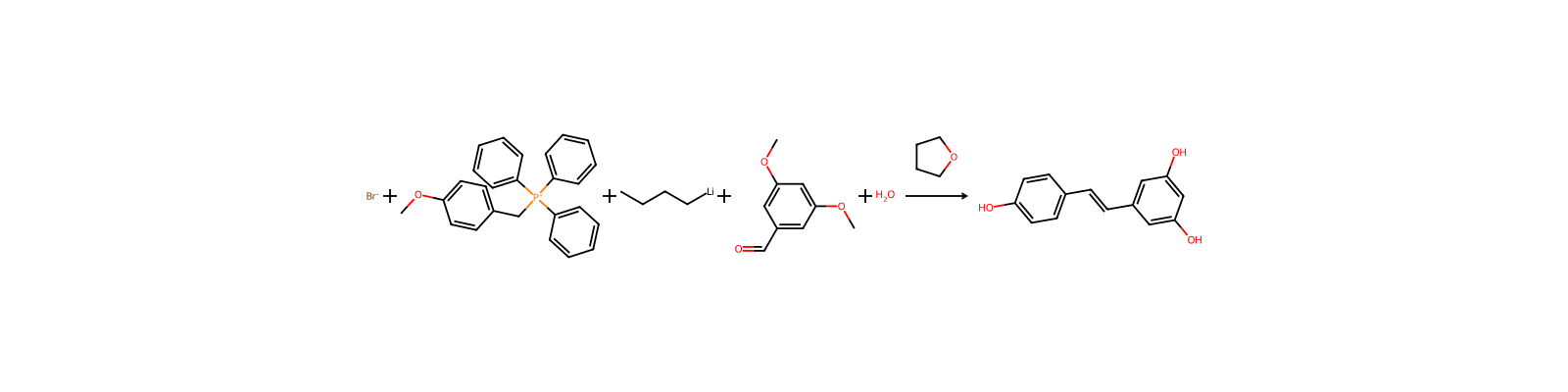





关联笔记
加载中…