

基本信息
- 标准SMILES
CC(=O)[O-].[NH4+]- InChIKey
USFZMSVCRYTOJT-UHFFFAOYSA-N- 分子式
- C2H7NO2
- 平均分子量
- 77.08 g/mol
- 单同位素质量
- 77.04767847
名称与标识
- 首选名称
- Ammonium Acetate
- IUPAC
- azanium acetate
- 中文名
- 乙酸铵
- 英文名
- Ammonium acetate
- 分子式
- C2H7NO2
- 分子量
- 77.08
名称与别名
AMMONIUM ACETATE631-61-8Acetic acid, ammonium saltacetic acid ammonium saltDTXSID5023873RRE756S6Q2CHEBI:62947RefChem:5546DTXCID203873211-162-9azanium;acetateammonium ethanoate
展开更多名称
酸铔醋酸氨醋酸铵乙酸铵乙酸銨乙酸胺乙酸铵盐乙酸铵溶液无水乙酸铵色谱乙酸铵NH4OACNH AcAmmoniumacetatAmmonium aletateacetated’ammoniumAMMONIUM ACETATE SOLUTIONKH2PO44MARKER DNA 1KBP
AcONH4CH3COONH4CH3CO2NH4ammoniumacetateAzanium AcetateMFCD00013066Hexschloroplatinic(IV) acid hexahydrateAcetic Acid Ammonium Salt; Mindererus's Spirit; 1BEEM;
数据库标识
- CAS
631-61-8- PubChem CID
- 517165
- DTXSID
DTXSID5023873- ChEBI
CHEBI:62947- UNII
- RRE756S6Q2
- EC Number
- 211-162-9
性质
结构计算性质
- 极性表面积
- 41.1 Ų
- 氢键供体
- 1
- 氢键受体
- 2
- 可旋转键
- 0
- 重原子
- 5
- 形式电荷
- 0
- 复杂度
- 25
实验与物化性质
pHVERY CONCENTRATED SOLN IS SLIGHTLY ACID & 0.5 MOLAR AQ SOLN HAS PH 7.0.
OdorSLIGHT ACETOUS ODOR
Density
1.17 at 68 °F (USCG, 1999) - Denser than water; will sink
SP GR: 1.17 AT 20 °C/4 °C
1.073 @25 °C
Color/Form
CRYSTALS OR CRYSTALLINE MASSES
WHITE CRYSTALS
Solubility
SOL IN LESS THAN 1 PART WATER; FREELY SOL IN ALCOHOL; SLIGHTLY SOL IN ACETONE.
148 G/100 CC WATER AT 4 °C; 7.89 G/100 CC METHANOL AT 15 °C
Melting Point
237.2 °F (USCG, 1999)
114 °C
114 °C
Vapor Pressure0.00014 [mmHg]
Physical Description
Ammonium acetate appears as a white crystalline solid. The primary hazard is the threat to the environment. Immediate steps should be taken to limit its spread to the environment. It is used in chemical analysis, in pharmaceuticals, in preserving foods, and for other uses.
CBI; Dry Powder; Liquid; Other Solid; Liquid
White deliquescent solid; [Hawley] White crystalline solid; [MSDSonline]
Stability/Shelf LifeDELIQUESCENT; TENDS TO LOSE AMMONIA.
物理化学性质
- 熔点
- 110 · 110-112 °C (dec.) (lit.)
- 沸点
- 138.46 °C · 138.46°C (rough estimate)
- 堆积密度
- 410 kg/m3 · 410kg/m3
- 密度
- 1.07 g/mL · 1.07 g/mL at 20 °C
- 蒸气压
- 0.017 · 0.017-0.02Pa at 25℃
- 折射率
- 1.435 · 1.4350 (estimate)
- 闪点
- 136 °C · 136 °C
- 储存条件
- 15 °C · Store at +15°C to +25°C.
- 溶解度
- 2 O: · H2O: 1 M at 20 °C, clear, colorless
- 形态
- Solid
- 酸度系数(pKa)
- 4.6 · 4.6(Acetic Acid), 9.3(Ammonium Hydroxide)(at 25℃)
- 颜色
- White
- 气味 (Odor)
- Slight acetic acid odor
- PH值
- 7 · 7(1 mM solution);7(10 mM solution);7(100 mM solution);6.95(1000 mM solution)
- 酸碱指示剂变色ph值范围
- 6.7 · 6.7 - 7.3
- 水溶解性
- 1480 g/L · 1480 g/L (20 ºC)
- 最大波长(λmax)
- 260 nm · λ: 260 nm Amax: 0.015λ: 280 nm Amax: 0.01
- 敏感性
- Hygroscopic
- Merck
- 14 · 14,495
- BRN
- 4186741 · 4186741
- 稳定性
- Hygroscopic
- 化妆品成分功效
- BUFFERING
- InChI
- 1S/C2H4O2.H3N/c1-2(3)4;/h1H3,(H,3,4);1H3
- InChIKey
- USFZMSVCRYTOJT-UHFFFAOYSA-N
- SMILES
- N.CC(O)=O
- LogP
- -2.79 · -2.79
- CAS 数据库
- 631 · 631-61-8(CAS DataBase Reference)
- NIST化学物质信息
- Ammonium acetate, anhydrous(631-61-8)
- EPA化学物质信息
- Ammonium acetate (631-61-8)
化学性质
无色或白色粒状晶体,微有醋酸气味,易潮解。加热则分解。溶于水和乙醇,微溶于丙酮。用氨中和醋酸并将溶液蒸发、结晶而制得。
安全与法规
GHS分类
GHS Classification
This chemical does not meet GHS hazard criteria for 96.3% (2441 of 2536) of all reports.
Not Classified;Reported as not meeting GHS hazard criteria by 2441 of 2536 companies (only 3.7% companies provided GHS information). For more detailed information, please visit ECHA C&L website.
Aggregated GHS information provided per 2536 reports by companies from 9 notifications to the ECHA C&L Inventory.;Reported as not meeting GHS hazard criteria per 2441 of 2536 reports by companies.;There are 7 notifications provided by 95 of 2536 reports by companies with hazard statement code(s).;Information may vary between notifications depending on impurities, additives, and other factors. The percentage value in parenthesis indicates the notified classification ratio from companies that provide hazard codes. Only hazard codes with percentage values above 10% are shown. For more detailed information, please visit ECHA C&L website.
危害信息
Regulatory Information
Chemical: Acetic acid, ammonium salt
Commission Regulation (EC) No 2229/2004
Acetic acid, ammonium salt (1:1) is listed on the EPA's Chemical Data Reporting (CDR) system. Manufacturers and importers of Acetic acid, ammonium salt (1:1) are required to report information about their production and use of this chemical to the EPA under the Toxic Substances Control Act (TSCA). (40 eCFR Part 711)
2008/127, Reg. (EU) 2022/801, Reg. (EU) No 540/2011
Status: Active Update: 21-04-2023 https://echa.europa.eu/registration-dossier/-/registered-dossier/16046
Ammonium acetate: Does not have an individual approval but may be used under an appropriate group standard
Other Safety InformationIMAP assessments - Acetic acid, ammonium salt: Human health tier I assessment
Fire HazardsSpecial Hazards of Combustion Products: Irritating vapors of ammonia acetic acid, and nitrogen oxides may form in fires. (USCG, 1999)
Health HazardsInhalation of dust irritates nose and mouth. Ingestion irritates mouth and stomach. Contact with dust causes irritation of eyes and mild irritation of skin. (USCG, 1999)
Hazards Summary
An eye, nose, and mouth irritant; A mild skin irritant; Emergency treatment: Ammonia; [HSDB] Intraperitoneal LD50 (rat) = 632 mg/kg; Effects on rats at lethal doses include convulsions; [RTECS] May cause irritation; [MSDSonline] See Ammonia.
Reactive GroupSalts, Acidic
Reactivity ProfileAMMONIUM ACETATE causes the decomposition of sodium hypochlorite within a few seconds [Mellor 2 Supp. 1:550 1956].
Air and Water ReactionsWater soluble.
CERCLA Reportable Quantities
Persons in charge of vessels or facilities are required to notify the National Response Center (NRC) immediately, when there is a release of this designated hazardous substance, in an amount equal to or greater than its reportable quantity of 5000 lb or 2270 kg. The toll free number of the NRC is (800) 424-8802; In the Washington D.C. metropolitan area (202) 426-2675. The rule for determining when notification is required is stated in 40 CFR 302.4 (section IV. D.3.b).
Clean Water Act RequirementsDesignated as a hazardous substance under section 311(b)(2)(A) of the Federal Water Pollution Control Act and further regulated by the Clean Water Act Amendments of 1977 and 1978. These regulations apply to discharges of this substance.
Hazard Classes and CategoriesNot Classified
Standard Transportation Number49 667 08; Ammonium acetate
安全与防护
First Aid
INHALATION: remove victim to fresh air; rinse nose and mouth with water. If not breathing, give artificial respiration. If breathing is difficult, give oxygen.;INGESTION: induce vomiting immediately. Give large amounts of water.;EYES: flush with water for at least 15 min.;SKIN: flush with soap and water. (USCG, 1999)
Storage ConditionsKEEP COOL & TIGHTLY CLOSED.
Preventive Measures
SRP: The scientific literature for the use of contact lenses in industry is conflicting. The benefit or detrimental effects of wearing contact lenses depend not only upon the substance, but also on factors including the form of the substance, characteristics and duration of the exposure, the uses of other eye protection equipment, and the hygiene of the lenses. However, there may be individual substances whose irritating or corrosive properties are such that the wearing of contact lenses would be harmful to the eye. In those specific cases, contact lenses should not be worn. In any event, the usual eye protection equipment should be worn even when contact lenses are in place.
Protective Action Criteria (PAC)
3.8 [mg/m3]
42 [mg/m3]
250 [mg/m3]
Personal Protective Equipment (PPE)
Dust mask; goggles or face shield (do not wear contact lenses); rubber gloves; impervious protectiveclothing. (USCG, 1999)
DUST MASK; GOGGLES OR FACE SHIELD; RUBBER GLOVES.
毒理信息
Interactions
AN EQUIMOLAR MIXTURE OF ORNITHINE & ASPARTIC ACID (1 MMOLE/KG) WAS EFFECTIVE IN PREVENTING TOXIC BLOOD LEVELS OF AMMONIA FROM OCCURRING IN ECK FISTULA DOGS WHEN ADMINISTERED 1 HR PRIOR TO AMMONIUM ACETATE ADMINISTRATION.
ADDITION OF OTHER AMINO ACIDS IN DIFFERENT COMBINATIONS WITH ARGININE HYDROCHLORIDE GREATLY ENHANCED THE PROTECTIVE ACTION OF ARGININE HYDROCHLORIDE AGAINST AMMONIUM ACETATE POISONING IN RATS.
CARBAMYLASPARTATE PROTECTED RATS AGAINST INTOXICATING EFFECTS BY DECR BLOOD AMMONIA LEVEL & INCR BLOOD UREA LEVEL SEEN AFTER THE INJECTION OF AMMONIUM ACETATE ALONE.
THE INJECTION OF A COMBINATION OF 1 MMOLE N-CARBAMOYL-L-GLUTAMATE/KG & 1 MMOLE L-ARGININE/KG GAVE 100% PROTECTION AGAINST HYPERAMMONEMIA TO RATS WHICH WERE SUBSEQUENTLY GIVEN LD99.9 DOSE (10.8 MMOLE/KG) AMMONIUM ACETATE.
For more Interactions (Complete) data for AMMONIUM ACETATE (7 total), please visit the HSDB record page.
Ecotoxicity ValuesTLm Mosquito fish 238 ppm/24 hr fresh water. /Conditions of bioassay not specified/
EPA IRIS InformationAmmonium acetate
Medical SurveillancePROTECT FROM EXPOSURE INDIVIDUALS WITH LIVER DAMAGE. /AMMONIUM SALTS/
Human Toxicity Excerpts
NORMAL HUMAN SUBJECTS INFUSED WITH AMMONIUM ACETATE EXHIBIT FLACCIDITY OF FACIAL MUSCLES, TREMOR, GENERALIZED DISCOMFORT, ANXIETY, & IMPAIRMENT OF MOTOR PERFORMANCE, OF RECOGNITION & OF CRITICAL FLICKER FUSION.
... WITH LARGE DOSES OF AMMONIUM ... ACETATE ... THERE ARISES POSSIBILITY OF SUFFICIENT ABSORPTION TO PRODUCE DIURESIS & SYSTEMIC AMMONIA POISONING, PARTICULARLY IF ... ADMIN PARENTERALLY.
Non-Human Toxicity Excerpts
... RATS INJECTED INTRAPERITONEALLY ... DEVELOPED SPASTICITY & CONVULSIONS COINCIDENT WITH HIGH CONCN OF AMMONIA IN BLOOD & BRAIN.
WHEN AMMONIUM ACETATE WAS INFUSED INTRARUMINALLY (300 AND 400 MG AMMONIA/KG BODY WT), ACUTE TOXICITY WAS OBSERVED IN 3 HOLSTEIN STEERS.
AN IV GLUCOSE TOLERANCE TEST WAS PERFORMED IN 3 GROUPS OF 15 RATS 60 MIN AFTER THE BEGINNING OF A 95 MIN INFUSION OF EITHER 2 ML ISOTONIC SODIUM CHLORIDE SOLN (CONTROL GROUP) OR AMMONIUM ACETATE SOLN AT LOW (0.50 UMOL AMMONIUM ION/KG/MIN) OR HIGH DOSES (1.70 UMOL AMMONIUM ION/KG/MIN). HIGH AMMONIUM ION INFUSION PRODUCED INCR OF BLOOD AMMONIUM LEVELS NEAR 1000 UG/100 ML, SIGNIFICANT DECR IN POTASSIUM COEFFICIENT FOR GLUCOSE DISAPPEARANCE (2.53X10⁻² COMPARED TO 4.92X10⁻² IN CONTROL), & A SUPPRESSION OF RADIOIMMUNOL PLASMA, INSULIN (IRI) RESPONSE TO GLUCOSE. GLUCOSE INTOLERANCE INDUCED BY AMMONIUM ACETATE INFUSIONS MAY BE DUE TO DIRECT EFFECT OF AMMONIUM ION ON PANCREAS. THESE ABNORMALITIES IN GLUCOSE METABOLISM DEPEND OF INFUSED AMMONIUM.
Ammonia toxicity was induced by ip admin of ammonium acetate to frogs (Rana hexadactyla). The liver & brain ornithine transcarbamylase, argininosuccinate synthetase, & arginase showed different responses to ammonia. Brain had an elevated arginase activity after 5 min of ammonium acetate admin, while liver restored to urogenesis 120 min after admin.
For more Non-Human Toxicity Excerpts (Complete) data for AMMONIUM ACETATE (13 total), please visit the HSDB record page.
Populations at Special Risk
... A DISTINCT SYNDROME OF SYSTEMIC AMMONIA INTOXICATION IS RECOGNIZED IN ... MAN ... IN AN EXPERIMENTAL CONTEXT. ONLY A REMOTE POSSIBILITY EXISTS ... THAT IT MIGHT OCCUR IN MAN AS RESULT OF INGESTING ... AMMONIUM SALTS, EXCEPT IN THE PERSON WITH PREEXISTING LIVER DISEASE. /AMMONIUM SALTS/
Evidence for CarcinogenicityCLASSIFICATION: D; not classifiable as to human carcinogenicity. BASIS FOR CLASSIFICATION: No human data and no animal data. HUMAN CARCINOGENICITY DATA: None. ANIMAL CARCINOGENICITY DATA: None.
法规信息
Regulatory Information
Chemical: Acetic acid, ammonium salt
Commission Regulation (EC) No 2229/2004
Acetic acid, ammonium salt (1:1) is listed on the EPA's Chemical Data Reporting (CDR) system. Manufacturers and importers of Acetic acid, ammonium salt (1:1) are required to report information about their production and use of this chemical to the EPA under the Toxic Substances Control Act (TSCA). (40 eCFR Part 711)
2008/127, Reg. (EU) 2022/801, Reg. (EU) No 540/2011
Status: Active Update: 21-04-2023 https://echa.europa.eu/registration-dossier/-/registered-dossier/16046
Ammonium acetate: Does not have an individual approval but may be used under an appropriate group standard
CERCLA Reportable Quantities
Persons in charge of vessels or facilities are required to notify the National Response Center (NRC) immediately, when there is a release of this designated hazardous substance, in an amount equal to or greater than its reportable quantity of 5000 lb or 2270 kg. The toll free number of the NRC is (800) 424-8802; In the Washington D.C. metropolitan area (202) 426-2675. The rule for determining when notification is required is stated in 40 CFR 302.4 (section IV. D.3.b).
Clean Water Act RequirementsDesignated as a hazardous substance under section 311(b)(2)(A) of the Federal Water Pollution Control Act and further regulated by the Clean Water Act Amendments of 1977 and 1978. These regulations apply to discharges of this substance.
安全数据
- F
- 3
- wgk
- 3
- tsca
- TSCA listed
- 毒性
- LD i.v. in mice: 1.8 mg (NH4+)/20g (Welch)
- RTECS号
- AF3675000
- 危险等级
- 9
- 存储类别
- 11 - Combustible Solids
- 安全说明
- 24/25
- 海关编码
- 29152900
- 毒害物质数据
- 631-61-8(Hazardous Substances Data)
- 危险品运输编号
- UN 9079
毒性防护
急性毒性腹腔-大鼠 LD50: 632 毫克/公斤; 静脉-小鼠LD50: 386 毫克/公斤
包装储运
可燃性危险特性可燃;燃烧产生有毒氮氧化物和氨烟雾
储运特性库房通风低温干燥
灭火剂干粉、泡沫、砂土、二氧化碳, 雾状水
化学与工业
药理信息
Mechanism of Action
ALTHOUGH PRECISE MECHANISM OF SYSTEMIC AMMONIA INTOXICATION REMAINS TO BE ELUCIDATED, EVIDENCE EXISTS TO SUGGEST THAT AN INTERFERENCE WITH CEREBRAL OXIDATIVE ENERGY METABOLISM IS INVOLVED. IN RATS MADE COMATOSE WITH AMMONIUM ACETATE, SAMPLES OF BASILAR BRAIN STRUCTURES SHOWED SIGNIFICANT DECR IN GLYCOGEN, GLUCOSE, ATP, & ESPECIALLY IN PHOSPHOCREATINE.
The effects of ammonium ions on the release of glutamic acid from the rat cerebral cortex were measured in vivo using cortical cups & multiple ion detection technique. The results indicate that ammonium ions increase the release & the formation of glutamic acid in the brain. The resulting increased concn of this amino acid in extracellular spaces may be one of the mechanisms of ammonia toxicity in vivo. /Ammonium ions/
用途与制造
Uses
Used in explosives, foam rubbers, vinyl plastics, and drugs; Also used for preserving meats, dyeing and stripping, determining lead and iron, and separating lead sulfate from other sulfates; [HSDB]
EXPLOSIVES, FOAM RUBBERS, VINYL PLASTICS, & DRUGS.
Preserving meats, dyeing, stripping; as a reagent in analytical chemistry, eg for determining lead and iron; separating lead sulfate from other sulfates.
MEDICATION (VET)
MEDICATION
U.S. Production
2023: 1,000,000 - <2,500,000 lb;2022: 1,000,000 - <2,500,000 lb;2021: 2,500,000 - <4,000,000 lb;2020: 1,000,000 - <2,500,000 lb
(1972) PROBABLY GREATER THAN 4.54X10+5 GRAMS
(1975) GREATER THAN 1.36X10+6 GRAMS
Consumer UsesSoil amendments (fertilizers);Semiconductor and photovoltaic agent
Industry UsespH regulating agent;Plating agent;Other;Chelating agent;Etching agent;Catalyst;Soil amendments (fertilizers);Flame retardant
Methods of ManufacturingFrom acetic acid and ammonia.
Formulations/Preparations
COMMERCIAL PRODUCT CONTAINS 95-97% SALT WITH ACETIC ACID & SOME WATER.
GRADES OR PURITY: REAGENT; CP; TECHNICAL, 97+%
The acid salt is a double compound of the neutral salt with acetic acid.
/Available as/ crystal; reagent, purified; 65% solution, purified grades
/Available as/ 8 mesh particle size, 99.9 & 99.999% purity grades
Household ProductsInformation on 42 consumer products that contain Ammonium acetate in the following categories is provided:;• Inside the Home;• Personal Care
Use Classification
Food Additives -> ACIDITY_REGULATOR -> JECFA Functional Classes
Cosmetics -> Buffering
General Manufacturing Information
Pesticide, Fertilizer, and Other Agricultural Chemical Manufacturing;Utilities;Wholesale and Retail Trade;Agriculture, Forestry, Fishing and Hunting;All Other Chemical Product and Preparation Manufacturing
Acetic acid, ammonium salt (1:1): ACTIVE
应用领域
概述乙酸铵亦称“醋酸铵”。化学式NH4C2H3O2。分子量77.08。白色晶体。熔点114℃,相对密度1.17。高温及热水中分解。可溶于乙醇,易溶于水,微溶于丙酮。在空气中易失去氨。由冰乙酸与氨作用而得。这些年来,随着医药行业的发展,高纯度、低水的乙酸铵的需求量巨增。目前的乙酸铵有分析纯、优级纯、医药级以及工业级,远远达不到医药行业的要求。原因是含量低(97%-98%),pH范围不合要求,含水量高,极易潮解化水,储存困难。在储存过程中一旦吸潮化水,产品根本无法二次处理,因无法继续使用被丢弃,造成大量的浪费,给环境带来严重污染。根据分析,乙酸铵极易吸潮的原因在于乙酸铵成品中含有一定的水份,即使是分析纯、优级纯以及试剂级的含水量也在2%-3%左右,因此在储存和使用过程中极易吸潮,所以研究制备高纯度、低水乙酸铵迫在眉睫。
应用乙酸铵(醋酸铵)作分析试剂、利尿剂、缓冲剂及用于印染业中。1)提纯糜蛋白酶,其特征是糜蛋白酶粗品(有效成分低于10%)在5-15℃条件下,用乙酸铵溶液提取,再用有机溶剂乙醇沉淀,最后用丙酮脱水得糜蛋白酶中间品。2)提纯尿促性素,其特征是尿促性素粗品(有效成分低于10%)在低温条件下,用乙酸铵溶液提取,乙醇沉淀,最后用丙酮脱水得尿促性素提纯物。
用途乙酸铵用以配制缓冲液,测定铝和铁,也用于从其他硫酸盐分离硫酸铅。
用途用作分析试剂、色层分析试剂和缓冲剂。也用于肉类防腐、电镀、水处理、制药等。
制备方法
制备一种高纯低水乙酸铵(醋酸铵)的合成新工艺,包括如下步骤:(1) 将240-250KG高纯冰乙酸(纯度99.6%)放入反应釜中,加入脱水剂(脱水剂为含有羰基的化合物)10-100g,搅拌加热50±5℃;(2) 在搅拌下,缓缓加入100-110kg高纯碳酸铵(纯度99.9%),溶解,热滤;(3) 滤液降温至35±5℃,保持4h;(4) 结晶甩干;(5) 甩干的结晶,在翻动下,喷淋加入10-30kg脱水剂(脱水剂为含有羰基的化合物),甩干;(6) 再次甩干的结晶,真空旋转干燥45±5℃,0.5-1h。
上下游产品信息
上游原料
下游产品
试剂价格
- A2269 · 25G
- 乙酸铵Ammonium Acetate — 50元
- 10001228 · 500G
- 乙酸铵ammonium acetate — 29元
供应商50 家
国药集团化学试剂有限公司86-21-63210123 · [email protected]
梯希爱(上海)化成工业发展有限公司021-67121386 · [email protected]
上海阿拉丁生化科技股份有限公司400-6206333 13167063860 · [email protected]
上海炎泽化工有限公司15345144255 19975051755 · [email protected]
爱斯特(成都)生物制药股份有限公司+86-28-85122536 85324413 · [email protected]
韶远科技(上海)有限公司021-50795510 4000665055 · [email protected]
上海迈瑞尔生化科技有限公司4006356688 18621169109 · [email protected]
大连美仑生物技术有限公司0411-62910999 13889544652 · [email protected]
阿法埃莎(中国)化学有限公司400-6106006 · [email protected]
太原市瑞和丰科贸有限公司+86 351 7031519 · [email protected]
安耐吉化学&3A(安徽泽升科技股份有限公司)400-0056266 · [email protected]
北京绿百草科技发展有限公司010-61136123 · [email protected]
上海瀚鸿科技股份有限公司021-54306202 13764082696 · [email protected]
上海景颜化工科技有限公司13817811078 · [email protected]
上海泰坦科技股份有限公司400-6009262 15618770481 · [email protected]
合肥天健化工有限公司551-65418679 15856988503;15837135945 · [email protected]
天津金汇太亚化学试剂有限公司022-59582624 18622766592 · [email protected]
山东西亚化学有限公司13355009207 13355009207 · [email protected]
玛雅试剂+86 (573) 82222445 (0)18006601000 452520369 · [email protected]
四川库利南科技有限公司400-1166-196 18981987031 · [email protected]
天津希恩思生化科技有限公司400 638 7771 · [email protected]
河南多贝化工有限公司0370-2785118 17550508557 · [email protected]
斯百全化学(上海)有限公司021-021-021-67601398-809-809-809 15221380277 · [email protected]
北京泰亚杰科技有限公司021-33690831-8001 13552411790;18616022633 · [email protected]
上海源叶生物科技有限公司13636370518 · [email protected]
艾科试剂4008-755-333 18080918076 · [email protected]
上海思域化工科技有限公司86-21-34053660 · [email protected]
赛默飞世尔科技(中国)有限公司800-810-5118 · [email protected]
北京伊诺凯科技有限公司400-810-7969 010-59572699 · [email protected]
上海健超生物科技有限公司150-2103-5486 18017383231 · [email protected]
TCI AMERICA800-4238616 · [email protected]
TOKYO CHEMICAL INDUSTRY CO., LTD.03-36680489 · [email protected]
TCI Europe320-37350700 · [email protected]
南京杜莱生物技术有限公司025-84699383-8003;025-846993838003-8003 18013301590 · [email protected]
上海倍卓生物科技有限公司021-61119791,13386096464 · [email protected]
北京环宇世纪化学科技有限公司hysj_bj.com
上海将来实业股份有限公司400-0066400 13621662912 · [email protected]
上海将来实业股份有限公司021-61552785 · [email protected]
郑州鸿晟医药科技有限公司0371-0371-13526885213 15637198702 · [email protected]
成都零六生物科技有限公司400-1166-196 13458535857 · [email protected]
上海德榜化工有限公司021-61531158 · [email protected]
上海麦克林生化科技股份有限公司15221275939 15221275939 · [email protected]
杭州杰恒化工有限公司0571-87396432 · [email protected]
上海有朋化工有限公司021-69005955 13701776567 · [email protected]
北京海力扬化学科技有限公司13718199399 · [email protected]
四川海诺威科技有限公司13708085536 13708085536 · [email protected]
上海凯赛化工有限公司021-33516722 13701817765 · [email protected]
上海彤源化工有限公司021-021-69182866 13701855675 · [email protected]
上海孚一生物科技有限公司+86 (21) 61124340
成都润泽本土化工有限公司13096311329 028-88469284 616445927 · [email protected]
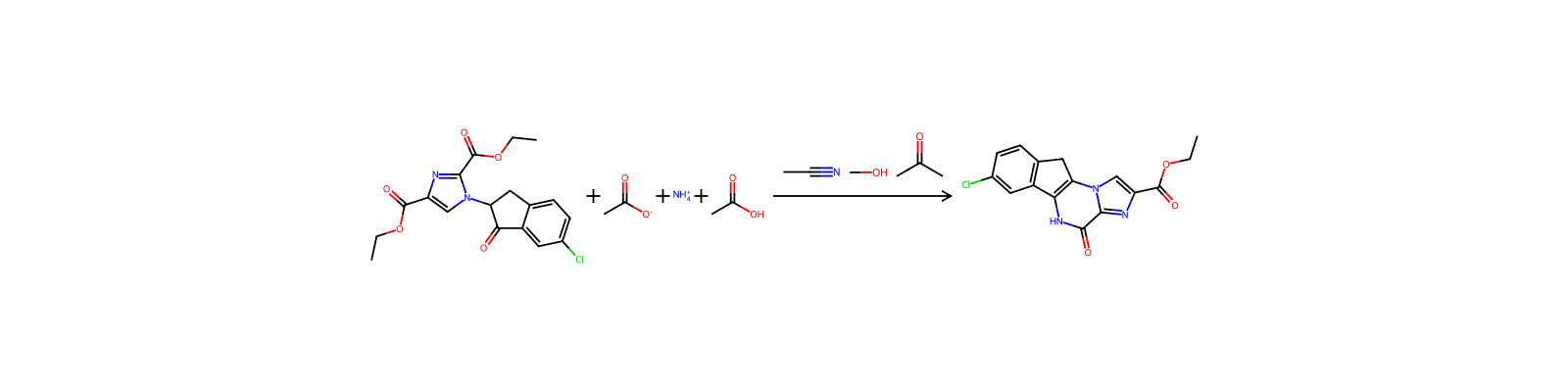
相关反应
3,809 条

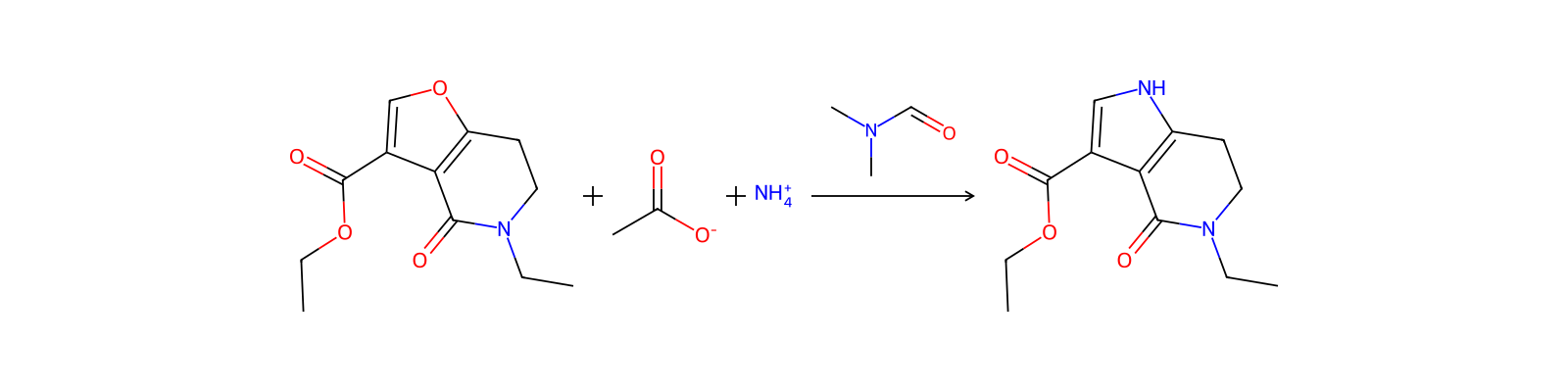

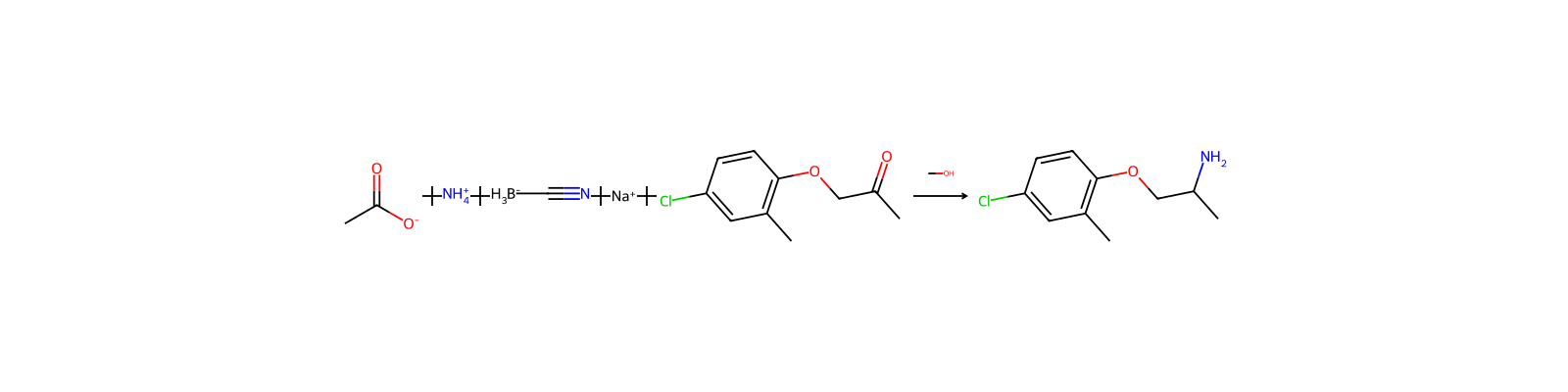
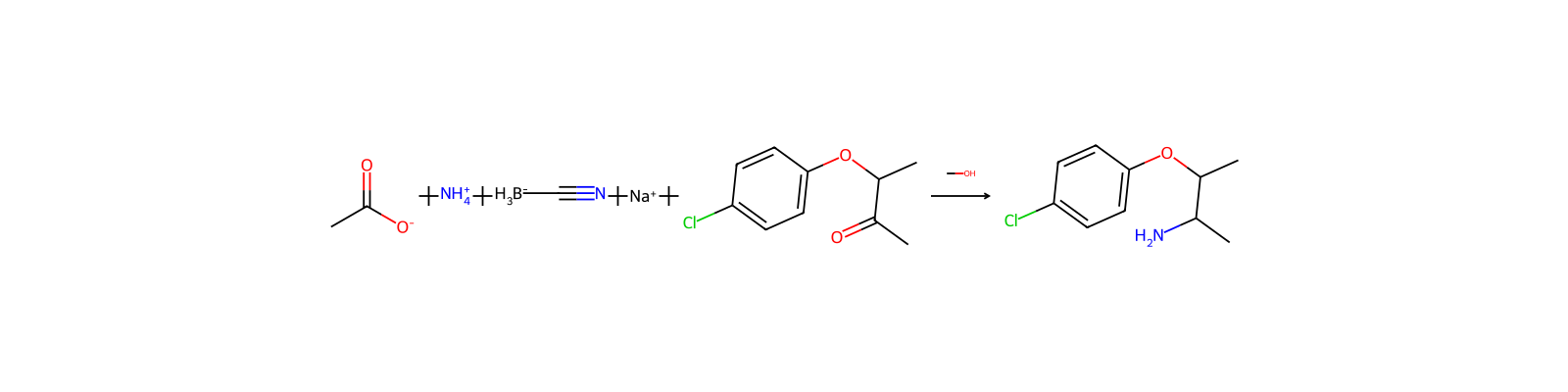
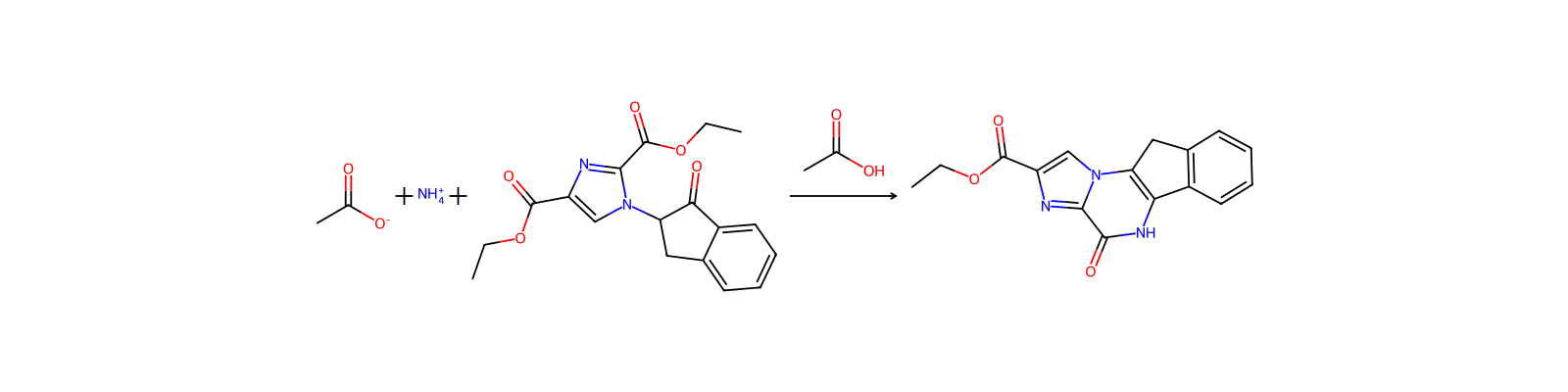
关联笔记
加载中…