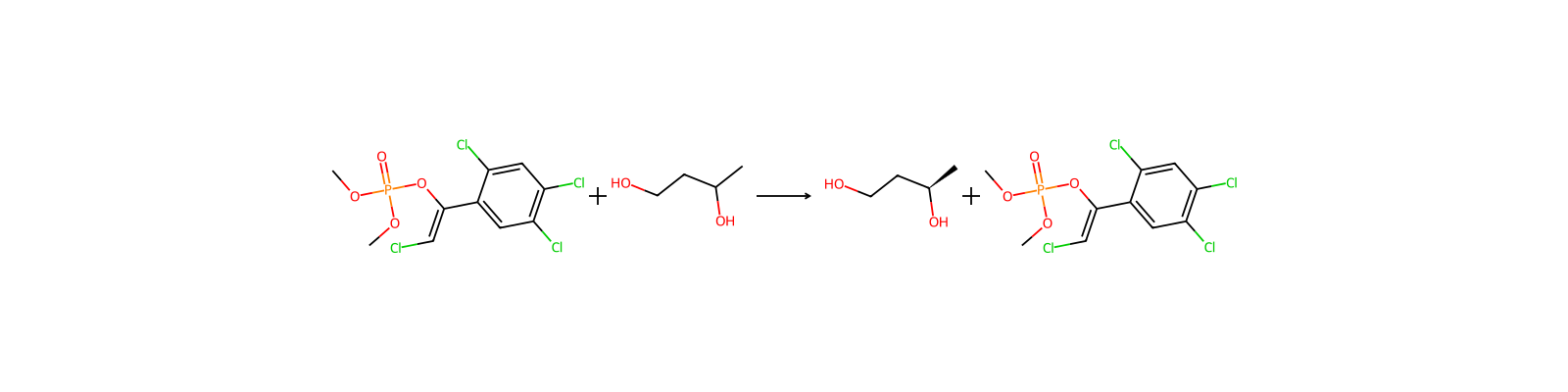
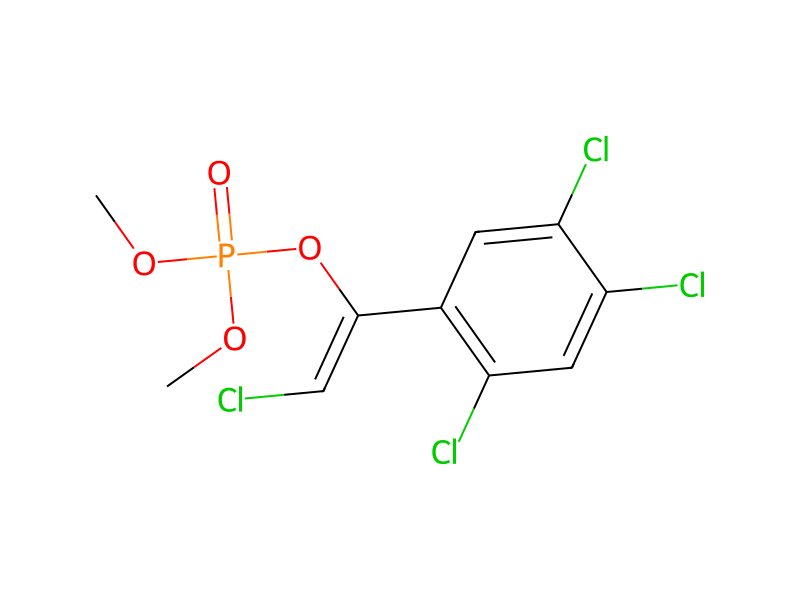
基本信息
- 标准SMILES
COP(=O)(OC)O/C(=C\Cl)c1cc(Cl)c(Cl)cc1Cl- InChIKey
UBCKGWBNUIFUST-YHYXMXQVSA-N- 分子式
- C10H9Cl4O4P
- 平均分子量
- 366 g/mol
- 单同位素质量
- 363.89925612
概述
Tetrachlorvinphos can cause cancer according to California Labor Code.
名称与标识
- 首选名称
- Tetrachlorvinphos
- IUPAC
- [(Z)-2-chloro-1-(2,4,5-trichlorophenyl)ethenyl] dimethyl phosphate
- 中文名
- 杀虫畏
- 英文名
- Tetrachlorvinphos
- 分子式
- C10H9Cl4O4P
- 分子量
- 365.96
名称与别名
Tetrachlorvinphos22248-79-9STIROFOSGardonaStirophosRabonDietreenGardcideRabondVinfosCVMPDebantic
展开更多名称
杀虫杀虫威杀虫畏甲基杀螟威Z-杀虫畏杀虫畏溶液杀虫畏标准品丙酮中杀虫畏甲醇中杀虫畏乙腈中杀虫畏ROLipo8RavapGardon
StitifosAppexTetrachlorvinfosDust M(Z)-2-Chloro-1-(2,4,5-trichlorophenyl)vinyl dimethyl phosphateShell SD 8447DM33MW89QUENT 25,841
数据库标识
- CAS
22248-79-9、961-11-5- PubChem CID
- 5284462
- DTXSID
DTXSID1032648- ChEMBL
CHEMBL1452359- ChEBI
CHEBI:35005- UNII
- DM33MW89QU
- EC Number
- 213-506-3、244-865-4
- Nikkaji
- J87.299G
性质
结构计算性质
- XLogP
- 3.5
- 极性表面积
- 44.8 Ų
- 氢键供体
- 0
- 氢键受体
- 4
- 可旋转键
- 5
- 重原子
- 19
- 形式电荷
- 0
- 复杂度
- 371
实验与物化性质
Pesticides
Insecticides
Active substance -> EU Pesticides database: Not approved
Pesticides -> Organophosphate Insecticides
Pesticide (Tetrachlorvinphos) -> USDA PDB
LogPlog Kow = 3.53
Odor... Mild chemical odor. /Gardona/
DensityBulk density 50-55 lb/cu ft
Color/Form
Tan to brown crystalline solid
Powder
Off-white crystalline solid
Solubility
less than 1 mg/mL at 73 °F (NTP, 1992)
SOLUBILITY IS LOW IN HYDROCARBON SOLVENTS; TECHNICAL RABON NOT LESS THAN 94% BY WT ACTIVE INGREDIENT. /TECHNICAL PRODUCT/
Solubility in acetone <200, dichloromethane 400, xylene <150 (all in g/kg, 20 °C)
Partially soluble in chloroform
Limited solubility in most aromatic hydrocarbons.
In water, 11 mg/L at 20 °C
DecompositionWhen heated to decomposition it emits toxic fumes of /hydrogen chloride and phosphorous oxides/.
Melting Point
203 to 207 °F (NTP, 1992)
97-98 °C
Melting point = 94-97 °C
Vapor Pressure
4.2e-08 mmHg at 68 °F (NTP, 1992)
0.00000004 [mmHg]
4.20X10⁻⁸ mm Hg at 20 °C
Physical Description
Tetrachlorvinphos appears as colorless crystals or white powder. Somewhat corrosive. (NTP, 1992)
Colorless or off-white solid with a mild chemical odor; [HSDB]
Stability/Shelf Life
STABLE TO LESS THAN 100 °C; SLOWLY HYDROLYZED IN WATER, 50% LOSS OCCURRING @ 50 °C IN 1300 HR @ PH 3, IN 1060 HR @ PH 7, IN 80 HR @ PH 10.5 /TECHNICAL PRODUCT/
Hydrolyzes in an alkaline environment, & is slowly hydrolyzed in acid & neutral environments.
Collision Cross Section177.9 Ų [M+Na]+ [CCS Type: DT; Buffer gas: N2; Ionization: ESI+; Dataset: TOXCAST; Source Identifier: DTXSID1032648]
物理化学性质
- 熔点
- 97 · 97-98 °C(lit.)
- 沸点
- 399.5 · 399.5±42.0 °C(Predicted)
- 密度
- 1.52 · 1.520±0.06 g/cm3(Predicted)
- 蒸气压
- 6 · 6.0×10-6 Pa (20 °C)
- 储存条件
- 0 · 0-6°C
- 溶解度
- Acetonitrile (Slightly), Methanol (Slightly)
- 水溶解性
- 11 mg · 11mg l-1(20°C)
- 形态
- solid
- Merck
- 13 · 13,9267
- Henry's Law Constant
- 5.5 · 5.5×103 mol/(m3Pa) at 25℃, HSDB (2015)
- 暴露限值
- 0.5 mg/m3, · TLV-TWA: 0.5 mg/m3, Inhalable particulate matter
- InChI
- InChI=1S/C10H9Cl4O4P/c1-16-19(15,17-2)18-10(5-11)6-3-8(13)9(14)4-7(6)12/h3-5H,1-2H3/b10-5-
- InChIKey
- UBCKGWBNUIFUST-YHYXMXQVSA-N
- SMILES
- P(OC)(OC)(O/C(/C1=CC(Cl)=C(Cl)C=C1Cl)=C\Cl)=O
- CAS 数据库
- 22248 · 22248-79-9(CAS DataBase Reference)
- (IARC)致癌物分类
- 2 B · 2B (Vol. 30, Sup 7, 112) 2017
- NIST化学物质信息
- Tetrachlorvinphos(22248-79-9)
- EPA化学物质信息
- Tetrachlorvinphos (22248-79-9)
化学性质
本品为白色结晶。m.p. 97~98℃,蒸气压1.999×10⁻⁴Pa (25℃)。在有机溶剂中溶钐主:氯仿40%, 丙酮<20%, 二甲苯<15%;在水中溶解度为11mg/L。50℃时,水解半衰期为1300h (pH值3)、1060h (pH值7)、80h(pH值10.5)。工业品为纯度98%顺式异构体。
安全与法规
GHS分类
GHS Classification
This chemical does not meet GHS hazard criteria for 1.3% (1 of 79) of reports.
Warning
H302 (98.7%): Harmful if swallowed [Warning Acute toxicity, oral]
P203, P261, P264, P270, P271, P273, P280, P301+P317, P302+P352, P304+P340, P317, P318, P321, P330, P362+P364, P391, P405, and P501 (click each P-code to see the statement)
Aggregated GHS information provided per 79 reports by companies from 5 notifications to the ECHA C&L Inventory. Each notification may be associated with multiple companies.
Warning
危害信息
Regulatory Information
Hazard Traits - Carcinogenicity; Environmental tox
Hazard Traits - Developmental Toxicity; Neurotoxicity
Gardona is listed in the dataset of EPA Human Health Benchmarks for Pesticides under the Safe Drinking Water Act (40 eCFR 141)
Tetrachlorvinphos is listed in the dataset of EPA Human Health Benchmarks for Pesticides under the Safe Drinking Water Act (40 eCFR 141)
2002/2076
Tetrachlorvinphos: Does not have an individual approval but may be used under an appropriate group standard
Other Safety InformationIMAP assessments - Phosphoric acid, 2-chloro-1-(2,4,5-trichlorophenyl)ethenyl dimethyl ester, (Z)-: Environment tier I assessment
Fire HazardsFlash point data are not available for this chemical; however, it is probably combustible. (NTP, 1992)
Health HazardsSYMPTOMS: Symptoms of exposure to this material include increased perspiration, nausea, lachrymation, salivation, blurred vision, diarrhea, pulmonary edema, respiratory embarrassment and convulsions.
Hazards Summary
May cause irritation; A cholinesterase inhibitor; Effects in high-dose animal studies include convulsions; [MSDSonline] The average of two baseline respective cholinesterase activity determinations three days apart, with no exposures to enzyme inhibiting pesticides for at least 30 days, is recommended for each worker prior to exposure to cholinesterase inhibitors because of large inter-individual differences in published baseline values. To be established at least once a year. Removal from workplace exposures is recommended until the cholinesterase activity returns to within 20% of baseline. Causes allergic contact dermatitis (DSEN); TLV Basis = liver, kidney and thyroid effects; [ACGIH TLVs and BEIs]
Reactive GroupEsters, Sulfate Esters, Phosphate Esters, Thiophosphate Esters, and Borate Esters
Special Reports
USEPA/OPPTS; Reregistration Eligibility Decision (RED) Tetrachlorvinphos. EPA 738-R-95-041 159 pp. (September 1995). This document provides a thorough review of the scientific data underlying this pesticide's registration and fulfills the EPA's requirement to determine whether pesticides containing this active ingredient are eligible for reregistration before calling in data on products.
USEPA Office of Pesticide Programs; Tolerance Reassessment Eligibility Decision and Reregistration Eligibility Decision Addenda for Tetrachlorvinphos Case No. 032 184 pp. (2006) describes additional actions taken by EPA on the basis of a review of common mechanisms for organophosphate pesticides.
DHEW/NCI; Bioassay of Tetrachlorvinphos for Possible Carcinogenicity (1978) Technical Rpt Series No. 33 DHEW Pub No. (NIH) 78-833
FIFRA Requirements
Tolerances are established for residues of the insecticide tetrachlorvinphos (2-chloro-1-(2,4,5-trichlorophenyl) vinyl dimethyl phosphate) in or on the following food commodities: [Table#4789]
Tetrachlorvinphos may be safely used in accordance with the following prescribed conditions: (i) It is used in the feed of beef, dairy cattle, and horse at a rate of 0.00015 pound (0.07 gram) and swine at the rate of 0.00011 pound (0.05 gram) per 100 pounds of body weight per day. (ii) It is used for control of fecal flies in manure of treated cattle, horse, and swine. (iii) To assure safe use of the pesticide, the label and labeling of the pesticide formulation shall conform to the label and labeling registered by the United States Environmental Protection Agency.
The Agency has completed its assessment of the occupational and residential risks associated with the use of pesticides containing the active ingredient tetrachlorvinphos, as well as a dietary risk assessment that has not yet considered the cumulative effects of organophosphates as a class. Based on a review of these data and public comments on the Agency's assessments for the active ingredient tetrachlorvinphos, EPA has sufficient information on the human health effects of tetrachlorvinphos to make interim decisions as part of the tolerance reassessment process under FFDCA and reregistration under FIFRA, as amended by FQPA. The Agency has determined that tetrachlorvinphos is eligible for tolerance reassessment provided that: (i) current data gaps and additional data needs are addressed; (ii) the risk mitigation measures outlined in this document are adopted, and label amendments are made to reflect these measures; and (iii) cumulative risks considered for the organophosphates support a final reregistration eligibility decision. Label changes are described in Section IV. Appendix B identifies the generic data requirements that the Agency reviewed and lists the submitted studies that the Agency found acceptable. Although the Agency has not yet considered cumulative risks for the organophosphates, the Agency is issuing this interim assessment now in order to identify risk reduction measures that are necessary to support the continued use of tetrachlorvinphos. Based on its current evaluation of tetrachlorvinphos alone, the Agency has determined that tetrachlorvinphos products, unless labeled and used as specified in this document, would present risks inconsistent with FIFRA and/or FQPA. Accordingly, should a registrant fail to implement any of the risk mitigation measures identified in this document, the Agency may take regulatory action to address the risk concerns from use of tetrachlorvinphos.
As the federal pesticide law FIFRA directs, EPA is conducting a comprehensive review of older pesticides to consider their health and environmental effects and make decisions about their future use. Under this pesticide reregistration program, EPA examines health and safety data for pesticide active ingredients initially registered before November 1, 1984, and determines whether they are eligible for reregistration. In addition, all pesticides must meet the new safety standard of the Food Quality Protection Act of 1996. Tetrachlorvinphos is found on List A, which contains most food use pesticides and consists of the 194 chemical cases (or 350 individual active ingredients) for which EPA issued registration standards prior to FIFRA, as amended in 1988. Case No: 0321; Pesticide type: insecticide; Registration Standard Date: 10/01/88; Case Status: RED Approved 09/95; OPP has made a decision that some/all uses of the pesticide are eligible for reregistration, as reflected in a Reregistration Eligibility Decision (RED) document.; Active ingredient (AI): Tetrachlorvinphos; Data Call-in (DCI) Date(s): 06/24/92; AI Status: OPP has completed a Reregistration Eligibility Decision (RED) document for the case/AI.
Reactivity ProfileTETRACHLORVINPHOS is slowly hydrolyzed in neutral and aqueous acidic media. Is rapidly hydrolyzed in alkaline media.
Air and Water ReactionsInsoluble in water.
Other Hazardous Reactions
A portion of even the most flammable materials is likely to be lost by vaporization. ... The smoke from an open fire used to destroy pesticides will contain some of the poison. Burning should be attempted only in an isolated place. Inhalation of smoke must be avoided. /Pesticides/
Hazard Classes and Categories
Acute Tox. 4 (98.2%)
Acute Tox. 4 (98.7%)
Acute toxicity (Oral) - Category 4
Serious eye damage/eye irritation - Category 2B
安全与防护
Fire FightingFires involving this compound should be controlled with a dry chemical, carbon dioxide or Halon extinguisher. (NTP, 1992)
First Aid
EYES: First check the victim for contact lenses and remove if present. Flush victim's eyes with water or normal saline solution for 20 to 30 minutes while simultaneously calling a hospital or poison control center. Do not put any ointments, oils, or medication in the victim's eyes without specific instructions from a physician. IMMEDIATELY transport the victim after flushing eyes to a hospital even if no symptoms (such as redness or irritation) develop.
Exposure Control and Personal Protection
Biological Exposure Indices (BEI) [ACGIH] - Acetylcholinesterase activity in red blood cells = 70% of individual's baseline; Butylcholinesterase activity in serum or plasma = 60% of individual's baseline; Sample at end of shift; [TLVs and BEIs]
Storage Conditions
... Must be stored in its sealed original containers, in well-aired, fresh & dry storehouses or in shaded and possibly well-aired places. It is recommended that the product's temp ... not exceed 25-30 °C, and kept ... away from sources of heat, free flames or spark-generating equipment. Containers must be stacked in such a way as to permit free circulation of air ... at bottom and inside of piles. Storage areas must be located at suitable distance from inhabited buildings, animal shelters, and food stores; moreover, they must be inaccessible to unauthorized persons, children, and domestic animals.
Nonfire Spill Response
SMALL SPILLS AND LEAKAGE: Should a spill occur while you are handling this chemical, FIRST REMOVE ALL SOURCES OF IGNITION, then you should dampen the solid spill material with 60-70% ethanol and transfer the dampened material to a suitable container. Use absorbent paper dampened with 60-70% ethanol to pick up any remaining material. Seal the absorbent paper, and any of your clothes, which may be contaminated, in a vapor-tight plastic bag for eventual disposal. Solvent wash all contaminated surfaces with 60-70% ethanol followed by washing with a soap and water solution. Do not reenter the contaminated area until the Safety Officer (or other responsible person) has verified that the area has been properly cleaned.
Disposal Methods
SRP: The most favorable course of action is to use an alternative chemical product with less inherent propensity for occupational exposure or environmental contamination. Recycle any unused portion of the material for its approved use or return it to the manufacturer or supplier. Ultimate disposal of the chemical must consider: the material's impact on air quality; potential migration in soil or water; effects on animal, aquatic, and plant life; and conformance with environmental and public health regulations.
Tetrachlorvinphos stable < 100 °C can be slowly hydrolyzed in water with a 50% loss occurring @ 50 °C in 1300 hr at pH 3, in 1060 hr @ pH 7, in 80 hr @ pH 10.5. Recommendable method: Incineration. Peer review: Incineration @ high temp in a unit with effluent gas scrubbing is recommendable. (Peer-review conclusions of an IRPTC expert consultation (May 1985))
Manufacturers or formulators of very large amounts of pesticides may find it advantageous to build incinerators adequate to destroy all organic pesticides and equipped with scrubbers to remove acid wastes. /Organic pesticides/
Preventive Measures
Products Intended Primarily for Occupational Use: Application Restrictions: Do not apply this product in a way that will contact workers or other persons, either directly or through drift. Only protected handlers may be in the area during application.
Products Primarily for Occupational Use: Follow manufacturer's instructions for cleaning/maintaining PPE. If no such instructions for washables, use detergent and hot water. Keep and wash PPE separately from other laundry.
Products Primarily for Occupational Use: Users should wash hands before eating, drinking, chewing gum, using tobacco, or using the toilet.
Products Primarily for Occupational Use: Users should remove clothing immediately if pesticide gets inside. Then wash thoroughly and put on clean clothing.
For more Preventive Measures (Complete) data for TETRACHLORVINPHOS (13 total), please visit the HSDB record page.
Allowable Tolerances
Tolerances are established for residues of the insecticide tetrachlorvinphos (2-chloro-1-(2,4,5-trichlorophenyl) vinyl dimethyl phosphate) in or on the following food commodities: [Table#4788]
Tetrachlorvinphos may be safely used in accordance with the following prescribed conditions: (i) It is used in the feed of beef, dairy cattle, and horse at a rate of 0.00015 pound (0.07 gram) and swine at the rate of 0.00011 pound (0.05 gram) per 100 pounds of body weight per day. (ii) It is used for control of fecal flies in manure of treated cattle, horse, and swine. (iii) To assure safe use of the pesticide, the label and labeling of the pesticide formulation shall conform to the label and labeling registered by the United States Environmental Protection Agency.
Threshold Limit Values (TLV)0.5 [mg/m3], inhalable particulate matter
Personal Protective Equipment (PPE)
MINIMUM PROTECTIVE CLOTHING: If Tyvek-type disposable protective clothing is not worn during handling of this chemical, wear disposable Tyvek-type sleeves taped to your gloves.
Worker risks are of concern with the maximum level of protection for mixers, loaders, and applicators in poultry egg production operations applying wettable powder formulations with a low-pressure handwand and paint-on application of the EC formulation. ... The following mitigation measures are required: Restrict the use of low pressure handwands for wettable powder (WP) applications to spot treatment in poultry facilities and require double layer clothing, gloves, and dust/mist respirator for mixers, loaders, and applicators engaging in low pressure handwand activities using the WP formulations in egg and broiler facilities. ... Double layer clothing, gloves, and dust/mist respirator for mixers, loaders, and applicators using dusting equipment to apply WP formulation as dusts. Double layer clothing, gloves, and dust/mist respirator for mixers, loaders, and applicators engaging in paint-on activities using WP formulations.
In addition, worker risks exceeded the /EPA's/ level of concern with baseline PPE for handlers engaging in backpack, dusting, groundboom, and low pressure handwand activities. The following mitigation measures are required: ... Double layer clothing and gloves for workers when handling backrubber devices. Single layer and gloves for loaders and others handling dust bags.. Single layer clothing and gloves for mixers, loaders, and applicators engaging in groundboom activities using the EC and WP formulations. Single layer clothing and gloves for mixers, loaders, and applicators engaging in low pressure handwand activities using the EC formulations in poultry facilities. Single layer clothing and gloves for mixers, loaders, and applicators engaging in backpack spraying activities. Single layer clothing and gloves for workers when handling ear tags, mineral blocks, and pellets (oral larvicide feed-through products).
Other Standards Regulations and GuidelinesIn 1977, the USSR established ... that occupational exposure to tetrachlorvinphos not exceed 1 mg/cu m in workplace air.
毒理信息
Interactions
... Tetrachlorvinphos was ... monodealkylated by ... glutathione alkyl transferase. ... in mice ... pretreatment with diethyl maleate & methyl iodide, which reduce liver glutathione levels, potentiated toxicity of organophosphorus insecticides that are demethylated by glutathione transferase.
The effect of tetrachlorvinphos (TCVP) on liver procaine esterase (PROCase) and procaine toxicity was studied in rats. A single oral dose of 500 mg/kg of TCVP caused a remarkable decrease in PROCase (40% of control) 24 hr later and increased the mortality after injection of procaine (250 mg/kg, ip) from 54 to 87%. Conversely, PROCase was elevated to 140% of the control and mortality decreased from 54 to 25% on day 3. With repeated administration of TCVP (500 mg/kg/day) for 5 days, the PROCase activity that was inhibited on day 1 was gradually restored to normal levels by 5 days and the mortality altered to 25%. The inducible effect on PROCase was examined using desmethyl tetrachlorvinphos, a metabolite of TCVP without inhibitory effect on the enzyme; PROCase activity was enhanced to 1.6-fold of the control and procaine concentration in the brain was reduced to 30% of the control, accompanied with no death of rats after procaine injection. Electrophoresis of the solubilized liver microsomal fraction confirmed the inducible effect of TCVP on PROCase; microsomal protein from the TCVP-treated rate was more deeply stained than that from the control, and the PROCase activity of 2 anodic bands increased in the TCVP-treated microsomes. Thus, TCVP has a dual action on PROCase, inducible and inhibitory, and the direct inhibitory effect of TCVP might mask the increased amt of the enzyme induced by repeated administration of TCVP. The dual effect of TCVP on PROCase would cause the change in procaine toxicity.
Ecotoxicity Values
LD50 Anas platyrhynchos (Mallard duck) oral much greater than 2000 mg/kg /technical product/
LC50 Colinus virginianus (northern bobwhite) diet >5000 ppm for 8 days
LD50 Phasianus colchicus (Pheasant) oral /> or =/ 2000 mg/kg /technical product/
LC50 Cyanocitta cristata (Blue jay, juvenile) diet 995 ppm for 8 days (95% confidence interval: 870-1140 ppm)
For more Ecotoxicity Values (Complete) data for TETRACHLORVINPHOS (18 total), please visit the HSDB record page.
Environmental Fate
TERRESTRIAL FATE: Based on a classification scheme(1), an estimated Koc value of 2,000(SRC), determined from a log Kow of 3.53(2) and a regression-derived equation(3), indicates that tetrachlorvinphos is expected to have low mobility in soil(SRC). Volatilization of tetrachlorvinphos from moist soil surfaces is not expected to be an important fate process(SRC) given an estimated Henry's Law constant of 1.8X10⁻⁹ atm-cu m/mole(SRC), derived from its vapor pressure, 4.2X10⁻⁸ mm Hg(4), and water solubility, 11 mg/L(5). Tetrachlorvinphos is not expected to volatilize from dry soil surfaces(SRC) based upon its vapor pressure(4). A biodegradation half-life of <8 days in soil(6) suggest that biodegradation may be an important fate process in soil(SRC).
TERRESTRIAL FATE: The half-life of tetrachlorvinphos in soil has been reported to range from approximately 15-22 days(1). When tetrachlorvinphos granules were applied at 1.5 kg/ha, residues persisted for 60 days(2). Within 7 days of application residues were detected to a depth of 22.5 cm(2). In another study, when tetrachlorvinphos was sprayed on peas, small amounts of the insecticide penetrated to 15 cm depth(3). The transformation rate of tetrachlorvinphos in four soils at 15 °C was determined from the residue remaining after 30 days of incubation in the laboratory in subdued daylight(4). The rates are approximately first order, corresponding to half-lives (soil, half-life): of medium loam (pH 8.0, water content 19% on dry weight), 9 days; clay loam (pH 8.0, water content 20% on dry weight), 6 days; sandy loam (pH 7.9, water content 16% on dry weight), 6 days; peat (pH 6.4, water content 100% on dry weight), 11 days, respectively(4,5). The degradation rate was greater than would be expected on the basis of in vitro hydrolysis studies, and the reaction in soil is probably mostly microbial(6). Taking into account the adsorption and transformation rates, there should be negligible leaching of tetrachlorvinphos from the root zone(5).
TERRESTRIAL FATE: Granules of tetrachlorvinphos were applied to soil (sandy loam illite clay, pH 8.2, organic carbon 0.32%) in bands at 1.5 kg/ha in a field study. The compound was applied in September and rainfall was 7, 12, 0, 4, 32, and 0 mm in Sept, Oct, Nov, Dec, Jan, and Feb, respectively. Residues of tetrachlorvinphos reached beyond the 15 cm depth. Tetrachlovinphos concentrations in the 1-15 cm layer were 5.0, 3.5, 2.5, 1.25, 0.3, and not detected after 0, 7, 15, 30, 45, and 60 days respectively(1). Concentrations in the 15-30 cm layer were 0.55, 0.50, 0.30, and not detected after 7, 15, 30, and 45 days respectively(1). A field half-life of 14 days was calculated(1).
TERRESTRIAL FATE: After application to soil, the initial degradation product is 2,4,5-trichlorophenacyl chloride; after 30 days, the major metabolites are 1-(2',4',5'-trichlorophenyl)ethan-1-ol, 1-(2',4',5'-trichlorophenyl)-2-chloroethan-1-ol, and 2,4,5-trichloroacetophenone(1). The main metabolites in soil are also plant metabolites and therefore plants would not be exposed to residues in the soil that were not also present in the crops as a result of foliar application(2). In laboratory studies there was no evidence of isomerization(2). However, since the pesticide was mixed into the soil, there was no opportunity for photochemical reactions as would be possible under field conditions when tetrachlorvinphos is applied to the soil surface(2).
For more Environmental Fate (Complete) data for TETRACHLORVINPHOS (6 total), please visit the HSDB record page.
Food Survey Values
In a 1992-1993 FDA statistically-based study, tetrachlorvinphos was not found in domestic (n=710) and imported (n=949) pears or domestic (n=1,219) and imported (n=144) tomatoes at a 0.03 ppm level of quantitation(1). In a 10-year FDA study of ready-to-eat foods (230 food items, 17,050 samples), tetrachlorvinphos was only found in 1 sample of raw peaches at 0.0050 ppm(2). No tetrachlorvinphos (detection limit 2.0 ppm) was found on 6,970 samples of produce surveyed between 1989 and 1991(3). Of 19,851 samples of domestic and imported food and feed surveyed by the FDA Los Angeles District Laboratory between 1981 and 1986, only two contained tetrachlorvinphos, one in the range 0.05-0.1 ppm and the other in the range 0.1-0.5 ppm(4).
Tetrachlorvinphos residues were found in FDA's Total Adult Diet Study (3744 samples) in FY83-86(1). The number of positive samples was not reported, indicating an incidence level of <2%(1). During FDA's regulatory monitoring of domestic and imported adult food eaten by infants and children between FY85 and FY91 (>10,000 surveillance samples), tetrachlorvinphos was only found in 2 of 2,464 samples of domestic apples with a maximum residue 0.26 ppm; a trace was found in 1 of 351 samples of imported apple juice(2). Tetrachlorvinphos was not detected in any of the 27 market baskets of infant and adult foods eaten by infants and children during this time period(2).
Adverse EffectsOccupational hepatotoxin - Secondary hepatotoxins: the potential for toxic effect in the occupational setting is based on cases of poisoning by human ingestion or animal experimentation.
Milk ConcentrationsEXPERIMENTAL: No residues of tetrachlorvinphos or 2,4,5-tetrachloroacetophenone, a metabolite, were detected in milk of a cow given dietary concns of 5 mg/kg of tetrachlorvinphos(1).
Average Daily IntakeThe average daily intake of tetrachlorvinphos in the US from 1989-1991 was estimated as <0.0001 ug/kg body weight/day, based on an FDA Total Diet Study(1).
Ecotoxicity Excerpts
/BIRDS and MAMMALS/ Pheasants showed convulsions, tremors and prostration during 2nd and 3rd day following treatment. /Oral; technical product/
/BIRDS and MAMMALS/ The /EPA/ relied on studies using three avian test species. From its review of these data, the Agency concludes that tetrachlorvinphos is practically non-toxic to birds. Mallard duck LD50 >2000 mg/kg; ring-necked pheasant LD50 >2000 mg/kg. and chukar LD50 >2000 mg/kg /From table/. On a subacute dietary basis, tetrachlorvinphos is practically nontoxic to birds. Two studies, one on the mallard duck and one on the bobwhite quail produced LC50s > 5000 ppm.
/AQUATIC SPECIES/ The results of the two 96-hour acute toxicity studies indicate that tetrachlorvinphos is highly toxic to both cold- and warmwater fish. (Test material 94% a.i; Bluegill sunfish 96 hr LC50 of 0.53 ppm and Channel catfish 96 hr LC50 of 0.53 ppm). Formulated product testing on fish has been required because the LC values of the technical pesticide is less than the 50 EEC in the aquatic environment. The results of the 96-hour acute toxicity study with rainbow trout as the test species and with a 75% formulated product (LC50 of 0.43 ppm) indicate that tetrachlorvinphos is highly toxic to freshwater fish
/AQUATIC SPECIES/ The chronic effect of an exposure to a sublethal concentration of commercial formulation of 4 organophosphorus insecticides such as ..., gardona (tetrachlorvinphos) ... on midvitellogenic ovaries of Mystus vittatus was investigated using several histological and histochemical techniques. The loss of stage II and III oocytes accompanied by a significant decline in gonadosomatic index was recorded. The vitellogenesis in treated fishes was ceased as the oocytes did not advance to further stages as evidence by the absence of lipid yolks and the lack of a PAS positive follicular layer. The RNA content of remaining stage I oocytes of exposed fishes resembled that of the stage I oocytes of the control fishes. The absence of delta 5-3 beta-hydroxysteroid dehydrogenase suggested the lack of steroidogenesis. Reduced glucose-6-phosphate dehydrogenase activity was also observed.
For more Ecotoxicity Excerpts (Complete) data for TETRACHLORVINPHOS (7 total), please visit the HSDB record page.
Plant Concentrations
Tetrachlorvinphos readily degrades on plants under laboratory and field conditions(3). When tetrachlorvinphos was sprayed on peas, 62-94% was found in the upper parts of the plants and 5-24% on the bottom parts of the plants(1). Its initial half-life on apple foliage, cabbage, and rice was 1 day(2). Under conditions in the U.K., the initial half-lives were 2 days on cabbage and 7 days on potato foliage(3). On apple foliage and fruit, the major breakdown products are conjugates of 1-(2,4,5)-trichlorophenyl)ethan-1-ol with sugars, other than beta-D-glucose(2).
Animal Concentrations
No residues of tetrachlorvinphos or 2,4,5-tetrachloroacetophenone, a metabolite, were detected in tissue of a cow given dietary concns of 5 mg/kg of tetrachlorvinphos(1). The USDA reported in 1980 that tetrachlorvinphos was not present in 9 samples of liver and 1 sample of fat from food-producing animals(1). In chickens that were fed tetrachlorvinphos for 52 weeks, tetrachlorvinphos could not be detected (<0.02 ppm) in the eggs and were only infrequently found in the meat (maximum 0.07 ppm)(2).
Acute Toxicity LinkChemical: TETRACHLORVINPHOS
Ongoing Test Status
The following link will take the user to the National Toxicology Program (NTP) Test Agent Search Results page, which tabulates all of the "Standard Toxicology & Carcinogenesis Studies", "Developmental Studies", and "Genetic Toxicity Studies" performed with this chemical. Clicking on the "Testing Status" link will take the user to the status (i.e., in review, in progress, in preparation, on test, completed, etc.) and results of all the studies that the NTP has done on this chemical. /Tetrachlorvinphos (961-11-5)/ [http://ntp-apps.niehs.nih.gov/ntp_tox/index.cfm?fuseaction=ntpsearch.searchresults&searchterm=961-11-5]
法规信息
FIFRA Requirements
Tolerances are established for residues of the insecticide tetrachlorvinphos (2-chloro-1-(2,4,5-trichlorophenyl) vinyl dimethyl phosphate) in or on the following food commodities: [Table#4789]
Tetrachlorvinphos may be safely used in accordance with the following prescribed conditions: (i) It is used in the feed of beef, dairy cattle, and horse at a rate of 0.00015 pound (0.07 gram) and swine at the rate of 0.00011 pound (0.05 gram) per 100 pounds of body weight per day. (ii) It is used for control of fecal flies in manure of treated cattle, horse, and swine. (iii) To assure safe use of the pesticide, the label and labeling of the pesticide formulation shall conform to the label and labeling registered by the United States Environmental Protection Agency.
The Agency has completed its assessment of the occupational and residential risks associated with the use of pesticides containing the active ingredient tetrachlorvinphos, as well as a dietary risk assessment that has not yet considered the cumulative effects of organophosphates as a class. Based on a review of these data and public comments on the Agency's assessments for the active ingredient tetrachlorvinphos, EPA has sufficient information on the human health effects of tetrachlorvinphos to make interim decisions as part of the tolerance reassessment process under FFDCA and reregistration under FIFRA, as amended by FQPA. The Agency has determined that tetrachlorvinphos is eligible for tolerance reassessment provided that: (i) current data gaps and additional data needs are addressed; (ii) the risk mitigation measures outlined in this document are adopted, and label amendments are made to reflect these measures; and (iii) cumulative risks considered for the organophosphates support a final reregistration eligibility decision. Label changes are described in Section IV. Appendix B identifies the generic data requirements that the Agency reviewed and lists the submitted studies that the Agency found acceptable. Although the Agency has not yet considered cumulative risks for the organophosphates, the Agency is issuing this interim assessment now in order to identify risk reduction measures that are necessary to support the continued use of tetrachlorvinphos. Based on its current evaluation of tetrachlorvinphos alone, the Agency has determined that tetrachlorvinphos products, unless labeled and used as specified in this document, would present risks inconsistent with FIFRA and/or FQPA. Accordingly, should a registrant fail to implement any of the risk mitigation measures identified in this document, the Agency may take regulatory action to address the risk concerns from use of tetrachlorvinphos.
As the federal pesticide law FIFRA directs, EPA is conducting a comprehensive review of older pesticides to consider their health and environmental effects and make decisions about their future use. Under this pesticide reregistration program, EPA examines health and safety data for pesticide active ingredients initially registered before November 1, 1984, and determines whether they are eligible for reregistration. In addition, all pesticides must meet the new safety standard of the Food Quality Protection Act of 1996. Tetrachlorvinphos is found on List A, which contains most food use pesticides and consists of the 194 chemical cases (or 350 individual active ingredients) for which EPA issued registration standards prior to FIFRA, as amended in 1988. Case No: 0321; Pesticide type: insecticide; Registration Standard Date: 10/01/88; Case Status: RED Approved 09/95; OPP has made a decision that some/all uses of the pesticide are eligible for reregistration, as reflected in a Reregistration Eligibility Decision (RED) document.; Active ingredient (AI): Tetrachlorvinphos; Data Call-in (DCI) Date(s): 06/24/92; AI Status: OPP has completed a Reregistration Eligibility Decision (RED) document for the case/AI.
State Drinking Water Guidelines(FL) FLORIDA 1.5 ug/L
安全数据
- wgk
- WGK 3
- 毒性
- LD50 in male, female rats (mg/kg): 1100, 1125 orally (Gaines)
- RTECS号
- TB9100000
- 存储类别
- 11 - Combustible Solids
- 安全说明
- 36-60-61-36/37-16
- 海关编码
- 29199000
- 危险品标志
- Xn,N,F
- 危险性类别
- Acute Tox. 4 OralAquatic Acute 1Aquatic Chronic 1
- 危险类别码
- 21/22-50/53-36-20/21/22-11-22
- 毒害物质数据
- 22248-79-9(Hazardous Substances Data)
- 危险品运输编号
- UN 3077 9/PG 3
毒性防护
毒性大鼠急性经口LD50为4000~5000mg/kg;小鼠急性经口LD50>5000mg/kg;兔急性经皮LD50>2500mg/kg。2年饲喂试验表明,大鼠无用用剂量为125mg/kg,狗为200mg/kg饲料。鲤鱼LC50为1~4mg/L,野鸭急性经口LD50>2000mg/kg。
急性毒性口服-大鼠 LD50: 480 毫克/公斤; 口服-小鼠 LD50: 1379 毫克/公斤
职业标准STEL 1 毫克/立方米
包装储运
可燃性危险特性明火可燃; 受热分解有毒氧化磷、氯化物气体
储运特性库房通风低温干燥; 与食品原料分开储运
灭火剂砂土、干粉、泡沫
化学与工业
药理信息
ATC Code
QP - Antiparasitic products, insecticides and repellents
QP - Antiparasitic products, insecticides and repellents
Mechanism of Action
The cardiovascular actions of anticholinesterase agents are complex, since they reflect both ganglionic and postganglionic effects of accumulated ACh on the heart and blood vessels. The predominant effect on the heart from the peripheral action of accumulated ACh is bradycardia, resulting in a fall in cardiac output. Higher doses usually cause a fall in blood pressure, often as a consequence of effects of anticholinesterase agents on the medullary vasomotor centers of the CNS. /Anticholinesterase agents/
Organophosphorus derivatives act by combining with and inactivating the enzyme acetylcholinesterase. ... The inactivation of cholinesterase by cholinesterase inhibitor pesticides allows the accumulation of large amounts of acetylcholine, with resultant widespread effects that may be ... separated into 4 categories: (1) Potentiation of postganglionic parasympathetic activity. ... (2) Persistent depolarization of skeletal muscle ... (3) Initial stimulation following depression of cells of central nervous system ... (4) Variable ganglionic stimulation or blockade ... /Cholinesterase inhibitor pesticides/
Cholinesterase activity of plasma is significantly higher in men than in women, and this is true no matter which of several choline esters are used as substrate in measuring the enzyme activity. According to some, the difference is confined to young people. There is no sex difference in the red cell enzyme activity. Serum cholinesterase activity of blacks tends to be lower than whites of the same sex. /Organic phosphorus pesticides/
Metabolism/Metabolites
Radiolabelled tetrachlorvinphos was given orally to CD rats as a single low dose (5 mg/kg), as a single high dose (250 mg/kg), and in a series of doses (5 mg/kg). It was almost completely metabolized and most of the label was excreted in urine (46-60%) and feces (38-56%) within 48 hours of dosing. Only minor amounts were found in the tissues. Very little unmetabolized parent compound was recovered. The metabolic processes produced a number of different metabolites which were not all identified. The major metabolite observed in feces was trichlorophenylethanol with females eliminating more of this metabolite (18-34% total administered C) than males (13-23%) at all three dosing levels. Trichlorophenylethandiol was also found in feces ranging from 4-7 % in males and 3-6 % in females. A major metabolite in urine, trichloromandelic acid, was excreted in males at 19-26% but only 10-12% in females. At the high dose, females excreted more (25%) desmethyl tetrachlorvinphos than males (11%). However, there was essentially no difference for the low dose group with males (8%) and females (7%.)
The qualitative nature of the residue in ruminants following oral dosing is adequately understood. In a goat metabolism study the major metabolites identified were free 1-(2,4,5- trichlorophenyl)ethanol, conjugated 1-(2,4,5- trichlorophenyl)ethanol, and 2,4,5-trichloroacetophenone. The proposed metabolic pathway in ruminants following oral administration involves conversion of tetrachlorvinphos to trichlorophenylethanol, which is conjugated to glucuronide or further metabolized to trichloroacetophenone.
Also, the qualitative nature of the residue in ruminants following dermal application is adequately understood. The major residues identified were the parent tetrachlorvinphos, free 1-(2,4,5- trichlorophenyl)-ethanol, conjugated 1-(2,4,5- trichlorophenyl)ethanol, and 2,4,5-trichloroacetophenone.
Tetrachlorvinphos was poorly absorbed through the skin, and most residues adjacent to the application site were not metabolized. Residues that entered the general circulation were extensively metabolized in tissues distal to the application site. In the proposed metabolic pathway in ruminants following dermal application, tetrachlorvinphos was metabolized to either 1-(2,4,5- trichlorophenyl)ethanol, which is conjugated to glucuronic acid, or to 2,4,5-trichloroacetophenone, which is converted to 2,4,5- trichlorobenzoic acid.
For more Metabolism/Metabolites (Complete) data for TETRACHLORVINPHOS (11 total), please visit the HSDB record page.
MeSH Pharmacological Classification
Drugs that inhibit cholinesterases. The neurotransmitter ACETYLCHOLINE is rapidly hydrolyzed, and thereby inactivated, by cholinesterases. When cholinesterases are inhibited, the action of endogenously released acetylcholine at cholinergic synapses is potentiated. Cholinesterase inhibitors are widely used clinically for their potentiation of cholinergic inputs to the gastrointestinal tract and urinary bladder, the eye, and skeletal muscles; they are also used for their effects on the heart and the central nervous system.
Pesticides designed to control insects that are harmful to man. The insects may be directly harmful, as those acting as disease vectors, or indirectly harmful, as destroyers of crops, food products, or textile fabrics.
Absorption, Distribution and Excretion
A study was conducted with male CD rats using doses of 0.01, 0.1, 1, or 5 mg/sq cm radiolabeled tetrachlorvinphos, with some of each dose group sacrificed at 0.5, 1, 2, 4, or 10 hours. Additionally, there was a group of animals, sacrificed at 72 hours, in which the skin was washed at 10 hours. The area of the dermal application was washed to recover unabsorbed tetrachlorvinphos. Then, the skin, urine, feces, and carcass were analyzed for percent of total tetrachlorvinphos applied. For the group sacrificed at 10 hours, 84% of the total applied (0.1 mg/sq cm ) tetrachlorvinphos was recovered in the wash, and 9.57% remained in the skin, urine, feces, and carcass. This absorption value, 9.57%, is used for assessing human risk following dermal exposure. The percent absorption increased with the duration of exposure and generally decreased with increasing dose. The actual quantity of tetrachlorvinphos absorbed increased with increasing dose.
Laying hens were treated with a wettable powder formulation of stirofos (Rabon, 2-chloro-1-(2,4,5-trichlorophenyl) vinyl dimethylphosphate) by dipping in a 0.5 or 1.0% actual ingredient (AI) water suspension of a 50% wettable powder (WP) stirfos formulation. Stirofos residues were detected in eggs within 1 day after treatment and reached maximum levels 3 days after dipping (0.021 and .035 ppm in the low- and high-dose birds, respectively). After that time, levels of residues in eggs declined rapidly and no sample contained detectable quantities (less than .004 ppm) of stirofos after 21 days...
Single oral dose to rats of (14)C-labelled tetrachlorvinphos ... almost completely eliminated in the urine in 4 days (44-78% during the first 24 hr and 4-15% during the second 24 hr). 78% of the radioactive material was excreted in urine, 16.5% in the feces and 0.5% in the expired air, probably as (14)CO2.
用途与制造
Uses
Used against flies in dairies and livestock barns, ectoparasites on poultry, pests of stored products, and other insects that damage forests, crops, and pastures; [HSDB]
Farming (Pesticides) [Category: Industry]
For tetrachlorvinphos (USEPA/OPP Pesticide Code: 083702) ACTIVE products with label matches. /SRP: Registered for use in the U.S. but approved pesticide uses may change periodically and so federal, state and local authorities must be consulted for currently approved uses./
Organophosphate insecticide. It is currently used as a dermal and feed-through (oral) larvicide in cattle, hogs, goats, and horses; in cattle ear tags to control flies in cattle feedlots; in poultry dust boxes to control poultry mites. It is used to control nuisance and public health pests (flies) in and around refuse sites, recreational areas, and for general outdoor treatment.
... control of ticks and fleas on pets and pet sleeping areas and in collars and shampoos for direct treatment of pets
The additive 2-chloro-1-(2,4,5-trichlorophenyl) vinyl dimethylphosphate may be safely used in accordance with the following prescribed conditions: (a) ... used as a feed additive in feed of beef, dairy cattle, and horses at 0.00015 lb (0.07 g) and swine at 0.00011 lb (0.05 g)/100 lb/ of bw/day; (b) ... used for control of fecal flies on manure of treated cattle, horses, and swine. (c) to assure safe use of the additive, the label and labeling of pesticide formulation containing the feed additive shall conform to the label and labeling registered by the US EPA.
U.S. Production
(1975) 4.54X10+7 G (CONSUMPTION)
(1978) 4.54X10+7 G (CONSUMPTION)
Total US usage in 1978 estimated to be 45,000 kg.
Consumption Patterns
Essentially all US usage in 1978 went for controlling insects on livestock and poultry.
Approximately 900,000 lbs active ingredient of tetrachlorvinphos are used annually
Methods of Manufacturing
REACTION OF 2,2,2',4',5'-PENTACHLOROACETOPHENONE WITH TRIMETHYL PHOSPHITE
Prepn of active Z-isomer: Philips, Ward, Ramsey, US Patents 3,102,842 & 3,553,279 (1963,1971 both to Shell)
Formulations/Preparations
Formulation Types Registered: Technical: 98.7% a.i., Manufacturing use: 97.3% a.i., Wettable powder: 50% a.i., Dust: 1%, 3% a.i,. Granular: 0.18% to 7.76% a.i,. one product 97.3% a.i., Pelleted/Tableted 0.3% to 1.25% a.i. primarily mineral blocks for cattle/livestock. Impregnated material: 3%, 13.7% a.i. pet collars, cattle ear tags. Liquid, ready-to-use: 1% to 2% a.i. spray on/wipe on/backrub materials for pets, horses, cattle. Pressurized liquid: 1% a.i. flea and tick spray for cats. Emulsifiable concentrate: 23%, 24% a.i.
TECHNICAL GARDONA CONTAINS 98% CIS-ISOMER. ... TECHNICAL RABON NOT LESS THAN 94% BY WT AI ... WETTABLE POWDER--50% & 75% ACTIVE. EMULSIFIABLE CONCENTRATES--24% ACTIVE INGREDIENT. GRANULES--5% ACTIVE INGREDIENT. EXPTL FORMULATIONS: DUST CONCENTRATE--50% ACTIVE, SPECIAL ULV SUSPENSIONS.
Revap
Technical grade is typically 98% pure.
For more Formulations/Preparations (Complete) data for TETRACHLORVINPHOS (78 total), please visit the HSDB record page.
Household ProductsInformation on 21 consumer products that contain Tetrachlorvinphos in the following categories is provided:
Use ClassificationINSECTICIDES
General Manufacturing Information
The WHO Recommended Classification of Pesticides by Hazard identifies Tetrachlorvinphos (technical grade) as unlikely to present an acute hazard in normal use; Main Use: insecticide.
BECAUSE OF RAPID BREAKDOWN, IS NOT EFFECTIVE AGAINST SOIL INSECTS.
... crop uses were voluntarily canceled from product registrations in 1987.
应用领域
用途高效、低毒有机磷杀虫剂。以触杀为主,对鳞翅目、双翅目和多种鞘翅目害虫有高效,而对温血动物毒性低。在有机磷杀虫剂出现抗性问题时,国外已将杀虫畏作为一个重要的替换品种。可用于粮、棉、果、茶、蔬菜和林业上,也要引入防治仓贮粮、织物害虫。如防治水稻二化螟,以15g有效成分/100 m2施药2次,杀虫效果达90%。以0。05%药液防治蓟马,效果达97%。用0。04%质量分数药液防治棉蚜,效果达98%,用0。025%药液喷雾防治棉红蜘蛛,效果达94%。
用途可用于防治鳞翅目和双翅目害虫,牛奶棚和家畜笼中的蝇,仓库、牧场和森林害虫,也可用来做防蛾剂
制备方法
生产方法五氯苯乙酮的制备 将三氯乙烯和少量偶氮二异丁腈(催化剂)于100℃通入干燥氧气,在6.5×10⁵Pa 压力下,于110℃反应10h得二氯乙酰氯。然后将二氯乙酰氯滴入1, 2, 4-三氯苯和无水三氯化铝浆状物中,升温至90℃,维持4h,制得五氯苯乙酮。收率可达79.87%。n15D1.5854~1。5930。亚磷酸三甲酯的制备 苯酚与三氯化磷的作用容易收到较好的收率,先生成亚磷酸三苯酯,然后与过量的无水甲醇在甲醇钠的存在下,于一个乳化反应塔内进行酯交换反应,温度130~150℃,用过量的甲醇蒸气把三甲酯从塔顶带出,再经蒸馏后分离甲醇和三甲酯,塔底出来的苯酚循环使用。杀虫畏的合成 五氯苯乙酮投入反应锅中,于30~50℃滴入亚磷酸三甲酯,再升温至110℃,保温反应0.5h,用乙醇(或乙醚和戊烷)处理得杀虫畏,收率达77.13%。
上下游产品信息
上游原料
下游产品
供应商50 家
阿诺西(上海)生物技术有限公司400-1107768 15058188853 · [email protected]
湖北永阔科技有限公司027-59223108 15972152991 · [email protected]
上海阿拉丁生化科技股份有限公司400-6206333 13167063860 · [email protected]
湖北万得化工有限公司15377098680 15377098680 · [email protected]
Career Henan Chemica Co+86-0371-86658258 +86-13203830695 · [email protected]
湖北威德利化学试剂有限公司181-6332-1995 18062128043 · [email protected]
毕佳索(上海毕得医药科技股份有限公司)400-6005915 · [email protected]
广州佳途科技股份有限公司81960175 18933936954 · [email protected]
陕西缔都新材料有限公司029-63373950 17392216152 · [email protected]
Dayang Chem (Hangzhou) Co.,Ltd.+86-0571-88938639 17705817739 · [email protected]
梯希爱(上海)化工贸易有限公司021-61109150 · [email protected]
广东云星生物技术有限公司0751-18902340975/189023400307 18902340307 · [email protected]
湖北成海化工有限公司027-59220433 18327245847 · [email protected]
上海毕楷科技有限公司18516304666
四川库利南科技有限公司400-1166-196 18981987031 · [email protected]
TargetMol 中国(陶术生物)400-821-0310 15002144251 · [email protected]
艾科试剂4008-755-333 18080918076 · [email protected]
南京生利德生物科技有限公司025-57798810 18652991625 · [email protected]
重庆福腾医药有限公司18696571988 · [email protected]
PT CHEM GROUP LIMITED+86-85511178; +86-85511178 · [email protected]
天津阿尔塔科技有限公司022-65378550-8551 · [email protected]
天津阿尔塔科技有限公司022-6537-8550 15522853686 · [email protected]
上海陶术生物科技股份有限公司+1-781-999-5354; +1-00000000000 · [email protected]
安耐吉化学&3A(安徽泽升科技股份有限公司)400-0056266 · [email protected]
广州和为医药科技有限公司17612033329 17612033329
艾吉析科技(上海)有限公司17721401538;17717235263 17721401538 · [email protected]
湖北万业众诚化学试剂有限责任公司18671296875 · [email protected]
上海源叶生物科技有限公司13636370518 · [email protected]
河北贞佳新材料有限公司0319-5925599 13315915972
山东小野化学股份有限公司0539-6362799 20)
杭州摩库生物医药科技有限公司400-711-5280 86-571-81025280 · [email protected]
上海贤鼎生物科技有限公司021-021-52271985 17721149837 · [email protected]
Shanghai Acmec Biochemical Technology Co., Ltd.+86-18621343501 · [email protected]
Shaanxi Didu New Materials Co. Ltd+86-86-17392712779 +86-13289823923 · [email protected]
杭州洁汉化工有限公司+86-571-86217390; +8618058761490 · [email protected]
上海百舜生物科技有限公司021-37581181 · [email protected]
深圳市丽晶生化科技有限公司0755-85201366 18938635012 · [email protected]
Capot Chemical Co.,Ltd.+86-(0)57185586718 +86-13336195806 · [email protected]
江苏艾康生物医药研发有限公司025-58859352 19370895928 · [email protected]
厦门盈融达化工有限公司+86-0592-6210733 · [email protected]
医恩医疗系统研发(上海)有限公司021-58958002 18930822973 · [email protected]
北京坛墨质检科技有限公司010-52889049 · [email protected]
深圳聚合生化科技有限公司+86-400-002-6226 · [email protected]
Aladdin Scientific[email protected]
爆牛贸易重庆有限公司+86-023-6139-8061 +86-86-13650506873 · [email protected]
SHANGHAI KEAN TECHNOLOGY CO., LTD.+8613817748580 · [email protected]
SUZHOU SENFEIDA CHEMICAL CO.,LTD+86-0512-83500002 +86-15195660023 · [email protected]
BOC Sciences+1-631-485-4226 · [email protected]
上海安谱实验科技股份有限公司18502138905 · [email protected]
上海杰股生物科技有限公司021-51698675 · [email protected]
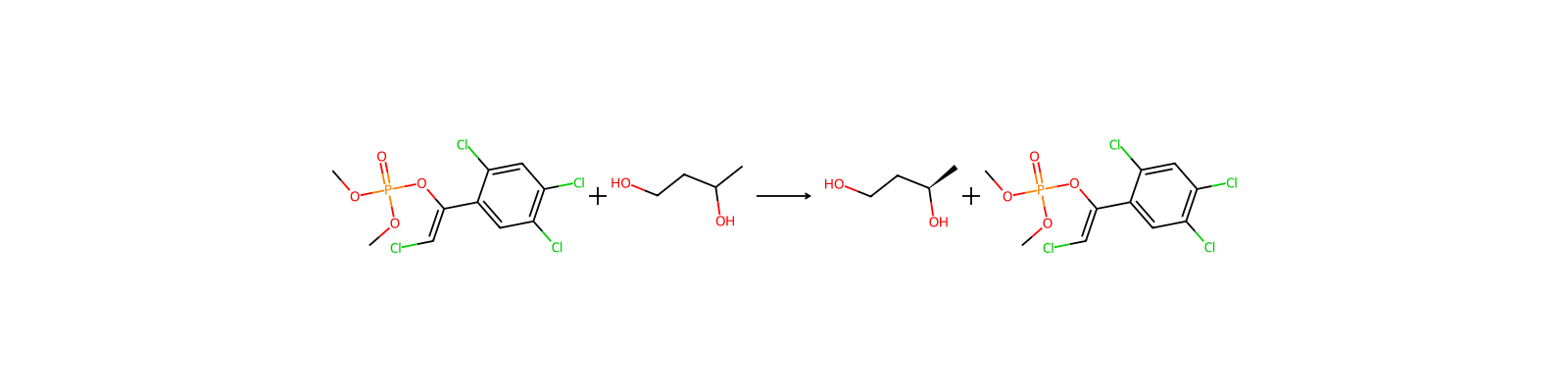
相关反应
2 条
关联笔记
加载中…