
基本信息
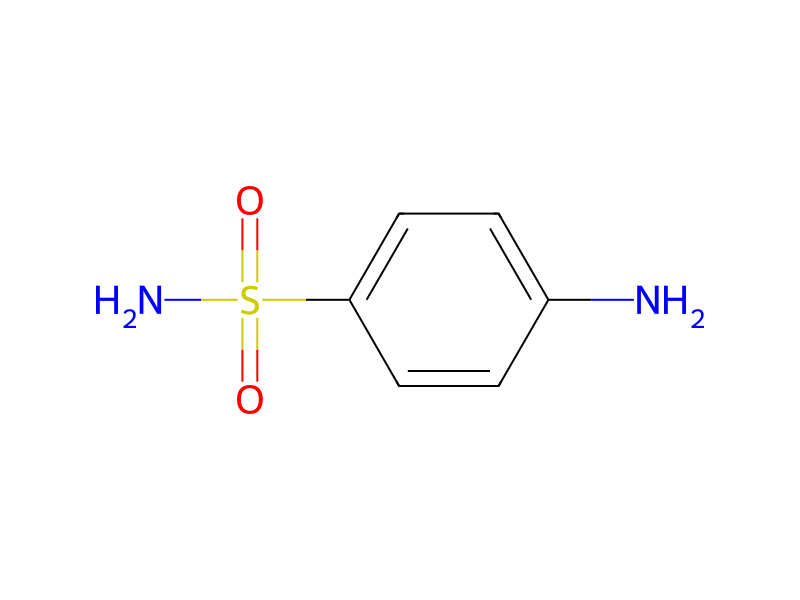
- 标准SMILES
Nc1ccc(S(N)(=O)=O)cc1- InChIKey
FDDDEECHVMSUSB-UHFFFAOYSA-N- 分子式
- C6H8N2O2S
- 平均分子量
- 172.21 g/mol
- 单同位素质量
- 172.03064868
名称与标识
- 首选名称
- Sulfanilamide
- IUPAC
- 4-aminobenzenesulfonamide
- 中文名
- 结晶磺胺
- 英文名
- Sulfanilamide
- 分子式
- C6H8N2O2S
- 分子量
- 172.21
名称与别名
sulfanilamide4-Aminobenzenesulfonamide63-74-1SulphanilamideSulfaminep-AminobenzenesulfonamideSulfonamideSulphonamideProntylinSulfonylamideBacteramidProntosil Album
展开更多名称
磺胺磺酰胺消炎粉氨基磺胺结晶磺胺氨苯磺胺普隆托西胺苯磺胺磺胺试液磺胺ARSNPRONTOSILAVCSTREPTOCIDE
Prontosil IEstreptocidap-AminobenzenesulfamideStreptasolStreptocidp-Sulfamoylaniline4-SulfamoylanilineSulfonamide P
数据库标识
- CAS
63-74-1- PubChem CID
- 5333
- DTXSID
DTXSID4023622- ChEMBL
CHEMBL21- ChEBI
CHEBI:45373- UNII
- 21240MF57M
- EC Number
- 200-563-4
- Nikkaji
- J4.829A
性质
结构计算性质
- XLogP
- -0.6
- 极性表面积
- 94.6 Ų
- 氢键供体
- 2
- 氢键受体
- 4
- 可旋转键
- 1
- 重原子
- 11
- 形式电荷
- 0
- 复杂度
- 211
实验与物化性质
pHNEUTRAL TO LITMUS; PH OF 0.5% AQ SOLN: 5.8-6.1
LogP
-0.62
log Kow = -0.62
-0.8
LogS-1.36
Density
1.08 at 68 °F (NTP, 1992) - Denser than water; will sink
1.08 @ 25 °C
1.08 @25 °C
Color/Form
LEAFLETS FROM AQ ALCOHOL
CRYSTALS
Solubility
0.1 to 1.0 mg/mL at 72 °F (NTP, 1992)
7500
IN WATER: 7.5 G/L AT 25 °C & 477 G/L AT 100 °C
1 G DISSOLVES IN ABOUT 37 ML OF ALC & ABOUT 5 ML ACETONE
INSOL IN CHLOROFORM, ETHER, BENZENE & PETROLEUM ETHER; SOL IN GLYCEROL, PROPYLENE GLYCOL, HYDROCHLORIC ACID, SOLN OF POTASSIUM AND SODIUM HYDROXIDE
SOL IN ETHANOL
Melting Point
329 to 331 °F (NTP, 1992)
165.5
165.5 °C
165.5 °C
165.5 °C
Vapor Pressure0.0000073 [mmHg]
Physical Description
Sulfanilamide is a white powder. pH of 0.5% aqueous solution: 5.8-6.1. (NTP, 1992)
Solid; [Merck Index]
Solid
Stability/Shelf LifeSENSITIVE TO LIGHT
Ionization Efficiency
Positive
2.76
2.7
Agilent XCT
Electrospray ionization
formic acid (5.3nM)
Dissociation Constants
10.6 (at 20 °C)
pKa = 10.43, pKb = 11.63
pKa = 10.58
物理化学性质
- 熔点
- 164 · 164-166 °C(lit.)
- 沸点
- 400.5 · 400.5±47.0 °C(Predicted)
- 堆积密度
- 500 kg/m3 · 500kg/m3
- 密度
- 1.08 · 1.08
- 蒸气压
- 0.00001 hPa · 0.00001 hPa (70 °C)
- 折射率
- 1.649 · 1.6490 (estimate)
- 储存条件
- 2 · 2-8°C
- 溶解度
- 5.37 g/l · 5.37g/l
- 酸度系数(pKa)
- 10.65 · pKa 10.65(H2O t = 25.0±0.5 I = 0.2) (Uncertain)
- 形态
- powder
- 颜色
- white to faintly beige
- 气味 (Odor)
- Odorless
- PH值
- 5.8 · 5.8-6.1 (5g/l, H2O, 20℃)
- 酸碱指示剂变色ph值范围
- 5.8 · 5.8 - 6.1 (0.5% aq.sol.)
- 水溶解性
- 7.5 g/L · 7.5 g/L at 25 ºC
- 最大波长(λmax)
- 257 nm · 257nm(H2O)(lit.)
- Merck
- 14 · 14,8925
- BRN
- 511852 · 511852
- Henry's Law Constant
- 6.6 · 6.6×104 mol/(m3Pa) at 25℃, HSDB (2015)
- InChI
- 1S/C6H8N2O2S/c7-5-1-3-6(4-2-5)11(8,9)10/h1-4H,7H2,(H2,8,9,10)
- InChIKey
- FDDDEECHVMSUSB-UHFFFAOYSA-N
- SMILES
- Nc1ccc(cc1)S(N)(=O)=O
- LogP
- -0.62 · -0.620
- CAS 数据库
- 63 · 63-74-1(CAS DataBase Reference)
- NIST化学物质信息
- 4 · Benzenesulfonamide, 4-amino-(63-74-1)
- EPA化学物质信息
- Sulfanilamide (63-74-1)
化学性质
白色颗粒或粉末状结晶,无臭。味微苦。 微溶于冷水、乙醇、甲醇、乙醚和丙酮,易溶于沸水、甘油、盐酸、氢氧化钾及氢氧化钠溶液,不溶于氯仿、乙醚、苯、石油醚。
安全与法规
GHS分类
GHS Classification
This chemical does not meet GHS hazard criteria for 41.6% (121 of 291) of reports.
Warning
H315 (58.4%): Causes skin irritation [Warning Skin corrosion/irritation];H319 (58.4%): Causes serious eye irritation [Warning Serious eye damage/eye irritation];H335 (57%): May cause respiratory irritation [Warning Specific target organ toxicity, single exposure; Respiratory tract irritation]
P261, P264, P264+P265, P271, P280, P302+P352, P304+P340, P305+P351+P338, P319, P321, P332+P317, P337+P317, P362+P364, P403+P233, P405, and P501 (click each P-code to see the statement)
Aggregated GHS information provided per 291 reports by companies from 14 notifications to the ECHA C&L Inventory. Each notification may be associated with multiple companies.;Reported as not meeting GHS hazard criteria per 121 of 291 reports by companies.;There are 12 notifications provided by 170 of 291 reports by companies with hazard statement code(s).;Information may vary between notifications depending on impurities, additives, and other factors. The percentage value in parenthesis indicates the notified classification ratio from companies that provide hazard codes. Only hazard codes with percentage values above 10% are shown. For more detailed information, please visit ECHA C&L website.
危害信息
Regulatory Information
Chemical: Benzenesulfonamide, 4-amino-
Regulation (EC) No 1107/2009 (amended)
Status: Active Update: 11-07-2019 https://echa.europa.eu/registration-dossier/-/registered-dossier/24237
Sulphanilamide: Does not have an individual approval but may be used under an appropriate group standard
DOT LabelCorrosive
Fire HazardsFlash point data for this chemical are not available but it is probably combustible. (NTP, 1992)
Health Hazards
SYMPTOMS: Symptoms of exposure to this compound may include irritation of the skin, eyes and mucous membranes, nausea, vomiting, fever, diarrhea, jaundice, headache, crystalluria, acidosis, ataxia, convulsions, cyanosis, dizziness, dermatitis, paralysis and respiratory failure. It has been implicated in aplastic anemia.;ACUTE/CHRONIC HAZARDS: This material may cause irritation of the skin on contact. (NTP, 1992)
Hazards Summary
Photoallergic contact dermatitis reported; Sulfanilamide may induce photosensitivity in patients taking sulfanilamide systemically (photodrug reaction). [Marks, p. 201-3] In a 1946 report, occupational asthma was induced by sulfathiazole (72-14-0). [Malo] See Sulfathiazole.
FDA Requirements
Manufacturers, packers, and distributors of drug and drug products for human use are responsible for complying with the labeling, certification, and usage requirements as prescribed by the Federal Food, Drug, and Cosmetic Act, as amended (secs 201-902, 52 Stat. 1040 et seq., as amended; 21 U.S.C. 321-392).
Reactive GroupSulfonates, Phosphonates, and Thiophosphonates, Organic;Amines, Aromatic
Reactivity ProfileSULFANILAMIDE is an amino acid. May be incompatible with isocyanates, halogenated organics, peroxides, phenols (acidic), epoxides, anhydrides, and acid halides. May react with azo and diazo compounds to generate toxic gases.
Air and Water ReactionsMay be unstable if exposed for long periods air and light (NTP, 1992). Slightly water soluble.
Hazard Classes and CategoriesSkin Irrit. 2 (58.4%);Eye Irrit. 2 (58.4%);STOT SE 3 (57%)
安全与防护
Fire FightingFires involving this compound can be controlled with a dry chemical, carbon dioxide or Halon extinguisher. (NTP, 1992)
First Aid
EYES: First check the victim for contact lenses and remove if present. Flush victim's eyes with water or normal saline solution for 20 to 30 minutes while simultaneously calling a hospital or poison control center. Do not put any ointments, oils, or medication in the victim's eyes without specific instructions from a physician. IMMEDIATELY transport the victim after flushing eyes to a hospital even if no symptoms (such as redness or irritation) develop.;SKIN: IMMEDIATELY flood affected skin with water while removing and isolating all contaminated clothing. Gently wash all affected skin areas thoroughly with soap and water. If symptoms such as redness or irritation develop, IMMEDIATELY call a physician and be prepared to transport the victim to a hospital for treatment.;INHALATION: IMMEDIATELY leave the contaminated area; take deep breaths of fresh air. If symptoms (such as wheezing, coughing, shortness of breath, or burning in the mouth, throat, or chest) develop, call a physician and be prepared to transport the victim to a hospital. Provide proper respiratory protection to rescuers entering an unknown atmosphere. Whenever possible, Self-Contained Breathing Apparatus (SCBA) should be used; if not available, use a level of protection greater than or equal to that advised under Protective Clothing.;INGESTION: DO NOT INDUCE VOMITING. If the victim is conscious and not convulsing, give 1 or 2 glasses of water to dilute the chemical and IMMEDIATELY call a hospital or poison control center. Be prepared to transport the victim to a hospital if advised by a physician. If the victim is convulsing or unconscious, do not give anything by mouth, ensure that the victim's airway is open and lay the victim on his/her side with the head lower than the body. DO NOT INDUCE VOMITING. IMMEDIATELY transport the victim to a hospital. (NTP, 1992)
Nonfire Spill Response
SMALL SPILLS AND LEAKAGE: Should a spill occur while you are handling this chemical, you should dampen the solid spill material with acetone, then transfer the dampened material to a suitable container. Use absorbent paper dampened with acetone to pick up any remaining material. Seal the absorbent paper, and any of your clothes, which may be contaminated, in a vapor-tight plastic bag for eventual disposal. Solvent wash all contaminated surfaces with acetone followed by washing with a strong soap and water solution. Do not reenter the contaminate area until the Safety Officer (or other responsible person) has verified that the area has been properly cleaned.;STORAGE PRECAUTIONS: You should protect this container from exposure to light. Keep the container tightly closed under an inert atmosphere and store under refrigerated temperatures. (NTP, 1992)
Disposal Methods
SRP: At the time of review, criteria for land treatment or burial (sanitary landfill) disposal practices are subject to significant revision. Prior to implementing land disposal of waste residue (including waste sludge), consult with environmental regulatory agencies for guidance on acceptable disposal practices.
Isolation and Evacuation
Excerpt from ERG Guide 154 [Substances - Toxic and/or Corrosive (Non-Combustible)]:;IMMEDIATE PRECAUTIONARY MEASURE: Isolate spill or leak area in all directions for at least 50 meters (150 feet) for liquids and at least 25 meters (75 feet) for solids.;SPILL: Increase the immediate precautionary measure distance, in the downwind direction, as necessary.;FIRE: If tank, rail tank car or highway tank is involved in a fire, ISOLATE for 800 meters (1/2 mile) in all directions; also, consider initial evacuation for 800 meters (1/2 mile) in all directions. (ERG, 2024)
Protective Action Criteria (PAC)
3.0 [mg/m3]
140 [mg/m3]
830 [mg/m3]
Personal Protective Equipment (PPE)
RECOMMENDED RESPIRATOR: Where the neat test chemical is weighed and diluted, wear a NIOSH-approved half face respirator equipped with an organic vapor/acid gas cartridge (specific for organic vapors, HCl, acid gas and SO2) with a dust/mist filter. (NTP, 1992)
毒理信息
Interactions
The most important interactions of the sulfonamides involve those with oral anticoagulants, the sulfonylurea hypoglycemic agents, and the hydantoin anticonvulsants. In each case sulfonamides can potentiate the effects of the other drug by mechanisms that appear to involve primarily inhibition of metabolism and, possibly, displacement /from/ albumin.
PENTOBARBITAL /SRP: CNS DEPRESSION/ IN MICE WAS ENHANCED AFTER PRE-TREATMENT WITH... SULFANILAMIDE... INCR /SRP: CNS DEPRESSION/ APPEARED TO BE DUE TO RELEASE OF PENTOBARBITAL FROM SERUM-PROTEIN BINDING, RESULTING IN HIGHER CEREBRAL CONCN, RATHER THAN DUE TO INHIBITION OF METABOLISM.
INTRAGASTRIC FORMATION OF /A/ TRIAZENE OCCURRED IN SYRIAN GOLDEN HAMSTERS BY CONCURRENT ADMIN OF SULFANILAMIDE AND SODIUM NITRITE/.
Environmental Fate
TERRESTRIAL FATE: Based on a recommended classification scheme(1), an estimated Koc value of 11(SRC), determined from an experimental log Kow(2) and a recommended regression-derived equation(3), indicates that sulfanilamide should have very high mobility in soil(SRC). The adsorptivity of sulfanilamide is expected to be sensitive to pH since sulfanilamide has a pKa of 10.58(7). Also, studies have shown that covalent binding of ring-substituted anilines, such as sulfanilamide(SRC), to humates involves a reversible equilibrium which is followed by a very slow and relatively irreversible reaction(9) which may reduce sulfanilamide's mobility in soil(SRC). Volatilization of sulfanilamide should not be important from moist soil surfaces(SRC) given an estimated Henry's Law constant of 1.5X10⁻¹⁰ atm-cu m/mole(4,SRC), or from dry soil surfaces(SRC) based on an estimated vapor pressure of 7.3X10⁻⁶ mm Hg(5,SRC). Sulfanilamide may be susceptible to direct photolysis on soil surfaces based on its absorption of light at wavelengths >290 nm(6,SRC). Although aniline was able to degrade quickly, sulfanilamide degraded very slowly by aniline-acclimated activated sludge in a 200 hour Warburg Run(8), suggesting that biodegradation in soil will be slow(SRC).
AQUATIC FATE: An estimated Koc value of 11(SRC), determined from an experimental log Kow(1) and a recommended regression-derived equation(2), indicates that sulfanilamide should not adsorb to suspended solids and sediment(SRC) in the water(2,SRC). Sulfanilamide will be essentially non-volatile from water surfaces based on an estimated Henry's Law constant of 1.5X10⁻¹⁰ atm-cu m/mole(SRC), developed using a fragment constant estimation method(3). An estimated BCF value of 0.2(2,SRC), from an experimental log Kow(1), suggests that sulfanilamide will not bioconcentrate in aquatic organisms(SRC) according to a recommended classification scheme(4). Although aniline was able to degrade quickly, sulfanilamide degraded very slowly by aniline-acclimated activated sludge in a 200 hour Warburg Run(5), suggesting that biodegradation in water will be slow(SRC).
ATMOSPHERIC FATE: According to a model of gas/particle partitioning of semivolatile organic compounds in the atmosphere(1), sulfanilamide, which has an estimated vapor pressure of 7.3X10⁻⁶ mm Hg at 25 °C(2,SRC) will exist as both a vapor and particulate in the ambient atmosphere. Vapor-phase sulfanilamide is degraded in the atmosphere by reaction with photochemically produced hydroxyl radicals(SRC); the half-life for this reaction in air is estimated to be about 17 hours(3,SRC). Particulate-phase sulfanilamide may be physically removed from the air by wet deposition(SRC).
Adverse EffectsDermatotoxin - PACD (photoallergic contact dermatitis).
Soil Adsorption/Mobility
The Koc of sulfanilamide is estimated as approximately 11(SRC), using an experimental log Kow of -0.62(1,SRC) and a regression-derived equation(2,SRC). According to a recommended classification scheme(3), this estimated Koc value suggests that sulfanilamide should have high mobility in soil(SRC). The adsorptivity of sulfanilamide is expected to be sensitive to pH since sulfanilamide has a pKa of 10.58(4). Also, studies have shown that covalent binding of ring-substituted anilines, such as sulfanilamide(SRC), to humates involves a reversible equilibrium which is followed by a very slow and relatively irreversible reaction(5) which may reduce sulfanilamide's mobility in soil(5).
Human Toxicity Excerpts
Retinal and preretinal hemorrhages have in very rare instances been observed following administration of sulfanilamide ... .
Visual distrubances have in a few cases been attributed to effects of sulfonamides on the optic nerve or retina. /Sulfonamide drugs/
Sulfonamide drugs have been held responsible for several types of ocular disturbance, including acute transient myopia, conjunctivitis, and keratitis associated with skin reactions, rarely disturbances of the optic nerve and retina, and temporary impairment of depth perception. /Sulfonamide drugs/
Artificial Pollution SourcesSulfanilamide's production and use as an antibacterial and an antimicrobial agent(1) may result in its release to the environment through various waste streams(SRC).
Environmental BiodegradationAlthough aniline was able to degrade quickly, sulfanilamide degraded very slowly by aniline-acclimated activated sludge in a 200 hour Warburg Run(1), suggesting that biodegradation in water will be slow(SRC).
Drug Induced Liver Injury
Drug-Induced Liver Injury Severity and Toxicity (DILIst)
sulfanilamide
DILI Positive
Vaginal
DOI:10.1016/j.drudis.2019.09.022
Environmental Bioconcentration
An estimated BCF value of 0.2 was calculated for sulfanilamide(SRC), using an experimental log Kow of -0.62(1) and a recommended regression-derived equation(2). According to a recommended classification scheme(3), this BCF value suggests that bioconcentration in aquatic organisms will not be an important fate process(SRC).
Volatilization from Water/Soil
The Henry's Law constant for sulfanilamide is estimated as 1.5X10⁻¹⁰ atm-cu m/mole(SRC) using a fragment constant estimation method(1). This value indicates that sulfanilamide will be essentially nonvolatile from water surfaces(2,SRC). Sulfanilamide's vapor pressure, 7.3X10⁻⁶ mm Hg(3,SRC) and Henry's Law constant(1,SRC) indicate that volatilization from dry or moist soil surfaces should not occur(SRC).
Non-Human Toxicity Excerpts
LETHAL DOSES IN ANIMALS PRODUCE ATAXIA, CLONIC CONVULSIONS, PARALYSIS AND DEATH FROM RESPIRATORY FAILURE.
COWS SHOWED...VARIABLE SUSCEPTIBILITY...IN SOME ANIMALS SINGLE DOSES OF 220 MG/KG PRODUCED DIARRHEA. LARGER DOSES 440 MG/KG BROUGHT ABOUT DROP IN MILK YIELD, INAPPETENCE, SLEEPINESS & SOME INCOORDINATION OF MOVEMENT; DIARRHEA WAS ALSO SOMETIMES SEEN.
DAILY DOSING...TO HORSES AT RATE OF 0.44 G/KG (0.2 G/LB) PRODUCED...ANOREXIA, WEAK PULSE & GENERAL DEBILITY... AT LOWER DOSE RATE OF 0.17 G/KG DAILY... GENERAL DEPRESSION, MUSCLE RIGIDITY & EDEMA /WERE OBSERVED/; IF ADMIN WAS CONTINUED ANIMALS DIED.
IN HORSE A SINGLE DOSE /ORALLY ADMIN/ AT RATE OF 440 MG/KG CAUSED SOME LISTLESSNESS & DISINCLINATION TO FEED.
For more Non-Human Toxicity Excerpts (Complete) data for SULFANILAMIDE (9 total), please visit the HSDB record page.
Environmental Abiotic Degradation
The rate constant for the vapor-phase reaction of sulfanilamide with photochemically produced hydroxyl radicals has been estimated as 2.3X10⁻¹¹ cu cm/molecule-sec at 25 °C(SRC) using a structure estimation method(1,SRC). This corresponds to an atmospheric half-life of about 17 hours at an atmospheric concentration of 5X10+5 hydroxyl radicals per cu cm(1,SRC). Sulfanilamide may be susceptible to direct photolysis on soil surfaces based on its absorption of light at wavelengths >290 nm(2,SRC). UV photolysis of an aqueous solution of sulfanilamide, with a 1 kw Xe Arc lamp equipped with an infrared filter (intensity of 1.22 kw/sq-m), yielded the following radicals: C6H4SO2NH2, C6H5SO2, SO2NH2, and SO3.-(3).
法规信息
Regulatory Information
Chemical: Benzenesulfonamide, 4-amino-
Regulation (EC) No 1107/2009 (amended)
Status: Active Update: 11-07-2019 https://echa.europa.eu/registration-dossier/-/registered-dossier/24237
Sulphanilamide: Does not have an individual approval but may be used under an appropriate group standard
FDA Requirements
Manufacturers, packers, and distributors of drug and drug products for human use are responsible for complying with the labeling, certification, and usage requirements as prescribed by the Federal Food, Drug, and Cosmetic Act, as amended (secs 201-902, 52 Stat. 1040 et seq., as amended; 21 U.S.C. 321-392).
安全数据
- F
- 10
- wgk
- 3
- tsca
- TSCA listed
- 毒性
- LD50 orally in mice: 3.8 g/kg (Marshall)
- RTECS号
- WO8400000
- 危险等级
- 8
- 存储类别
- 11 - Combustible Solids
- 安全说明
- 24/25-36-22
- 海关编码
- 29350090
- 危险品标志
- Xn
- 危险类别码
- 40
- 毒害物质数据
- 63-74-1(Hazardous Substances Data)
毒性防护
急性毒性口服- 大鼠 LD50: 3900 毫克/ 公斤; 口服-小鼠 LD50: 3000 毫克/公斤
包装储运
可燃性危险特性遇明火、高温、强氧化剂可燃;燃烧排放氮氧化物和硫氧化物刺激烟雾
储运特性包装完整、轻装轻放; 库房通风、远离明火、高温、与氧化剂分开存放
灭火剂泡沫、二氧化碳、干粉、砂土、1211
化学与工业
药理信息
ATC Code
J - Antiinfectives for systemic use;J01 - Antibacterials for systemic use;J01E - Sulfonamides and trimethoprim;J01EB - Short-acting sulfonamides;J01EB06 - Sulfanilamide
D - Dermatologicals;D06 - Antibiotics and chemotherapeutics for dermatological use;D06B - Chemotherapeutics for topical use;D06BA - Sulfonamides;D06BA05 - Sulfanilamide
QJ - Antiinfectives for systemic use;QJ01 - Antibacterials for systemic use;QJ01E - Sulfonamides and trimethoprim;QJ01EQ - Sulfonamides (atc human differently classified, see guidelines);QJ01EQ06 - Sulfanilamide
QD - Dermatologicals;QD06 - Antibiotics and chemotherapeutics for dermatological use;QD06B - Chemotherapeutics for topical use;QD06BA - Sulfonamides;QD06BA05 - Sulfanilamide
Pharmacodynamics
Sulfanilamide is a sulfonamide antibiotic. The sulfonamides are synthetic bacteriostatic antibiotics with a wide spectrum against most gram-positive and many gram-negative organisms. However, many strains of an individual species may be resistant. Sulfonamides inhibit multiplication of bacteria by acting as competitive inhibitors of <i>p</i>-aminobenzoic acid in the folic acid metabolism cycle. Bacterial sensitivity is the same for the various sulfonamides, and resistance to one sulfonamide indicates resistance to all. Most sulfonamides are readily absorbed orally. However, parenteral administration is difficult, since the soluble sulfonamide salts are highly alkaline and irritating to the tissues. The sulfonamides are widely distributed throughout all tissues. High levels are achieved in pleural, peritoneal, synovial, and ocular fluids. Although these drugs are no longer used to treat meningitis, CSF levels are high in meningeal infections. Their antibacterial action is inhibited by pus.
Mechanism of Action
Sulfanilamide is a competitive inhibitor of bacterial enzyme dihydropteroate synthetase. This enzyme normally uses para-aminobenzoic acid (PABA) for synthesizing the necessary folic acid. The inhibited reaction is normally necessary in these organisms for the synthesis of folic acid. Without it, bacteria cannot replicate.
Sulfonamides are structural analogs and competitive antagonist of para-aminobenzoic acid ... and thus prevent normal bacterial utilization of para-aminobenzoic acid for the synthesis of folic acid (pteroylglutamic acid). ... More specifically, sulfonamides are competitive inhibitors of dihydropteroate synthase, the bacterial enzyme responsible for the incorporation of para-aminobenzoic acid into dihydropteroic acid, the immediate precursor of folic acid. /Sulfonamides/
Metabolism/Metabolites
...DOGS...ACETYLATE SULFAMOYL GROUP & EXCRETE...N1-ACETYLSULFANILAMIDE...
When sulfanilamide, p-aminobenzoic acid, 4-aminobiphenyl, 2-aminofluorene or 1-aminopyrene was given orally to dogs, the corresponding N-acetyl and N-formyl derivatives were isolated from urine or feces. ... Dog intestinal flora and several bacterial strains exhibited both N-acetylating and N-formylating activities, in varying degrees, toward all of the arylamines tested. ... The results /show/ that the intestinal microflora plays an important role in the formation of N-acyl derivatives from arylamines in dogs.
MeSH Pharmacological ClassificationSubstances that inhibit the growth or reproduction of BACTERIA.
Absorption, Distribution and Excretion
Sulfonamides are absorbed through the vaginal mucosa. There are no pharmacokinetic data available describing how much of an intravaginal dose reaches the systemic circulation.
SULFANILAMIDE DIFFUSES INTO ALL TISSUES & SECRETIONS OF BODY, INCL MILK & FETAL PRODUCTS, & CEREBROSPINAL FLUID, IN CONCN APPROX THOSE FOUND IN BLOOD.
ABSORPTION /OF SULFONAMIDES/ FROM SKIN & VAGINA IS ERRATIC. ONCE INTO BLOODSTREAM, SULFONAMIDES BIND TO SERUM ALBUMIN TO VARYING DEGREES... PROTEIN-BINDING LIMITS PENETRANCE INTO TISSUES & GLOMERULAR FILTRATION &...IS DETERMINANT OF DISTRIBUTION & RATE OF EXCRETION. /SULFONAMIDES/
Sulfonamides are eliminated from the body partly as the unchanged drug and partly as metabolic products. The largest fraction is excreted in the urine, and the half life of sulfonamides in the body is thus dependent on renal function. Small amounts are eliminated in the feces and in bile, milk, and other secretions. /Sulfonamides/
Except for sulfonamides especially designed for their local effects in the bowel, this class of drugs is rapidly absorbed from the gastrointestinal tract. Approximately 70 to 100% of an oral dose is absorbed, and sulfonamide can be found in the urine within 30 minutes of ingestion. The small intestine is the major site of absorption, but some of the drug is absorbed from the stomach. Absorption from other sites, such as the vagina, respiratory tract, or abraded skin, is variable and unreliable, but a sufficient amount may enter the body to cause toxic reactions in susceptible persons or to produce sensitization. /Sulfonamides/
For more Absorption, Distribution and Excretion (Complete) data for SULFANILAMIDE (8 total), please visit the HSDB record page.
Cellular LocationsMembrane
用途与制造
Uses
Used as human and veterinary antibacterial; [Merck Index]
MEDICATION
Antibacterial and antimicrobial.
MEDICATION (VET):
U.S. Imports
(1972) 1.28X10+8 GRAMS
(1975) 3.75X10+7 GRAMS
(1983) 6.03X10+7 g
U.S. Production
(1972) PROBABLY GREATER THAN 4.54X10+5 GRAMS
(1975) PROBABLY GREATER THAN 4.54X10+5 GRAMS
Methods of ManufacturingACTION OF AMMONIA ON ACETYLSULFANILYL CHLORIDE, FOLLOWED BY HYDROLYZING THE RESULTING N-ACETYLSULFANILAMIDE TO SULFANILAMIDE BY BOILING WITH DILUTE HYDROCHLORIC ACID OR ALKALI
Formulations/Preparations
Marketed in combination with aminacrine hydrochloride and allantoin
AVC Cream contains Sulfanilamide 15.0%, Aminacrine hydrochloride 0.2% and Allantoin 2.0% /per tube/
AVC/Dienestrol Cream contains /constituents of AVC cream with/ 0.01% Dienestrol in a water miscible base /each 4 oz tube/
AVC Suppositories contain sulfanilamide 1.05 g, Aminacrine hydrochloride 0.014 g and Allantoin 0.14 g /per suppository/
AVC/Dienestrol suppositories contain /constituents of AVC suppositories with/ 0.70 mg Dienestrol
Use Classification
Environmental transformation -> Pesticide transformation products (metabolite, successor)
Pharmaceuticals -> Animal Drugs -> Approved in Taiwan
General Manufacturing Information
Benzenesulfonamide, 4-amino-: ACTIVE
VET: ...IN PRESURGICAL PREPN OF DEBRIS FILLED WOUNDS & ABRASIONS, & IN DEBRIDING DEEP PUNCTURES OR FISTULAS.
LAB PROCEDURES: LF FIESER, EXPT IN ORG CHEM (BOSTON, 3RD ED, 1955) P 147; HURDIS, YANG, J CHEM ED 46, 697 (1969). ... US PATENTS 2,132,178 (1938); 2,276,664 (1942)...2,237,372 (1941)
One of the first sulfonamides introduced into US medicine in 1936, now largely replaced by more effective and less toxic congeners. It is now only of historic interest and cannot be recommended for systemic therapy
应用领域
用途用于医药工业,是合成磺胺类药物的主要原料
用途用作测定亚硝酸盐的试剂,也用于制药工业
用途用于合成其他磺胺药的中间体,偶用于创伤消毒杀菌
用途对氨基苯磺酰胺是除草剂磺草灵的中间体,也是医药磺胺的中间体。
用途该品是磺胺类药物的重要中间体。
用途兽药,外用消炎药,用于分析检测。
用途抗菌谱较广,对溶血性链球菌、脑膜炎奈瑟菌、葡萄球菌等革兰阳性及阴性菌均具抗菌作用。本品为局部用药,可自创面部分吸收。用于溶血性链球菌及葡萄球菌等的外伤感染。也可用于伤口迅速止血。
制备方法
生产方法由乙酰苯胺经氯磺化、胺化、水解、中和制得。原料消耗定额:乙酰苯胺(99%)1032kg/t、氯磺酸(96%)4521kg/t、液氨(99.8%)535kg/t、液碱(30%)863kg/t。
生产方法其制备方法有以下几种。(1)以乙酰苯胺为原料由乙酰苯胺与氯磺酸在40~50℃反应,然后冷却,慢慢加入水中进行酸分解,同时沉析,干燥过滤得对乙酰氨基苯磺酰氯,然后进行氨化,氨化温度控制在40~45℃,再水解、酸化而得。(2)混合二苯脲法由苯胺、尿素缩合得单苯脲和二苯脲(称混合脲),再经氯磺化、胺化、水解,酸析而得。反应过程如下。①缩合 先将盐酸苯胺与尿素缩合,在温度101~110℃反应3~4h,得混合二苯脲。②氯磺化 将氯磺酸压入磺化锅,冷却搅拌,当温度降至10℃以下,在搅拌情况下均匀加入混合苯脲,使反应温度逐渐上升,加料毕,在46~50℃保温搅拌2h,冷却至10℃以下,加水进行酸分解。控制分解温度不超过15℃,加完水后继续搅拌20min,再经沉析、水洗,得混合苯脲磺酰氯。③氨化 2%氨水投入氨化锅,冷却至25℃,搅拌下投入混合苯脲磺酰氯,控制温度40℃,保温反应3h,得氨化液。④水解、中和 将氨化液升温至90℃以上,加入3%碱液,继续升温108~112℃,进行水解5h,移入中和结晶锅,加盐酸中和结晶,结晶液冷却到20℃,结晶、过滤、水洗、干燥得成品。
上下游产品信息
上游原料
下游产品
试剂价格
- A13001 · 2500g
- 磺胺Sulfanilamide — 3107元
- 13285 · 2.5kg
- 磺胺(98%)Sulfanilamide, 98% — 6937元
供应商50 家
国药集团化学试剂有限公司86-21-63210123 · [email protected]
北京华美互利生物化工010-56205725 · [email protected]
梯希爱(上海)化成工业发展有限公司021-67121386 · [email protected]
衢州润东化工有限公司0570-8789886 18892685668 · [email protected]
上海阿拉丁生化科技股份有限公司400-6206333 13167063860 · [email protected]
杭州品高化工有限公司0571-87658025 · [email protected]
韶远科技(上海)有限公司021-50795510 4000665055 · [email protected]
上海将来实业股份有限公司400-0066400 13621662912 · [email protected]
Syntechem Co.,Ltd[email protected]
上海迈瑞尔生化科技有限公司4006356688 18621169109 · [email protected]
大连美仑生物技术有限公司0411-62910999 13889544652 · [email protected]
阿法埃莎(中国)化学有限公司400-6106006 · [email protected]
上海瀚鸿科技股份有限公司021-54306202 13764082696 · [email protected]
上海柯维化学技术有限公司021-64609169 18901607656 · [email protected]
天津万象恒远科技有限公司15722085254 · [email protected]
上海景颜化工科技有限公司13817811078 · [email protected]
上海泰坦科技股份有限公司400-6009262 15618770481 · [email protected]
医恩医疗系统研发(上海)有限公司021-58958002 18930822973 · [email protected]
合肥天健化工有限公司551-65418679 15856988503;15837135945 · [email protected]
山东西亚化学有限公司13355009207 13355009207 · [email protected]
玛雅试剂+86 (573) 82222445 (0)18006601000 452520369 · [email protected]
四川库利南科技有限公司400-1166-196 18981987031 · [email protected]
天津希恩思生化科技有限公司400 638 7771 · [email protected]
湖南汇百侍生物科技有限公司0731-85526065 13308475853 · [email protected]
斯百全化学(上海)有限公司021-021-021-67601398-809-809-809 15221380277 · [email protected]
北京泰亚杰科技有限公司021-33690831-8001 13552411790;18616022633 · [email protected]
上海源叶生物科技有限公司13636370518 · [email protected]
艾科试剂4008-755-333 18080918076 · [email protected]
上海思域化工科技有限公司86-21-34053660 · [email protected]
赛默飞世尔科技(中国)有限公司800-810-5118 · [email protected]
北京伊诺凯科技有限公司400-810-7969 010-59572699 · [email protected]
TOKYO CHEMICAL INDUSTRY CO., LTD.03-36680489 · [email protected]
深圳振强药物研发有限公司0755-66853366 13670046396 · [email protected]
南京杜莱生物技术有限公司025-84699383-8003;025-846993838003-8003 18013301590 · [email protected]
广州爱纯医药科技有限公司020-39119399 18927568969 · [email protected]
南京生利德生物科技有限公司025-57798810 18652991625 · [email protected]
北京环宇世纪化学科技有限公司hysj_bj.com
湖北鑫源顺医药化工有限公司13971561712, 13995564702, 027-50664929 · [email protected]
上海将来实业股份有限公司021-61552785 · [email protected]
安徽科迪达化工有限公司0554-2106669 · [email protected]
HBCChem, Inc.+1-510-219-6317 · [email protected]
郑州鸿晟医药科技有限公司0371-0371-13526885213 15637198702 · [email protected]
成都零六生物科技有限公司400-1166-196 13458535857 · [email protected]
上海麦克林生化科技股份有限公司15221275939 15221275939 · [email protected]
杭州杰恒化工有限公司0571-87396432 · [email protected]
上海嵩爰化工科技有限公司010-1234567 18521000990 · [email protected]
上海有朋化工有限公司021-69005955 13701776567 · [email protected]
北京海力扬化学科技有限公司13718199399 · [email protected]
北京欣赛维化学科技有限公司010-56218822 13717722232 · [email protected]
四川海诺威科技有限公司13708085536 13708085536 · [email protected]
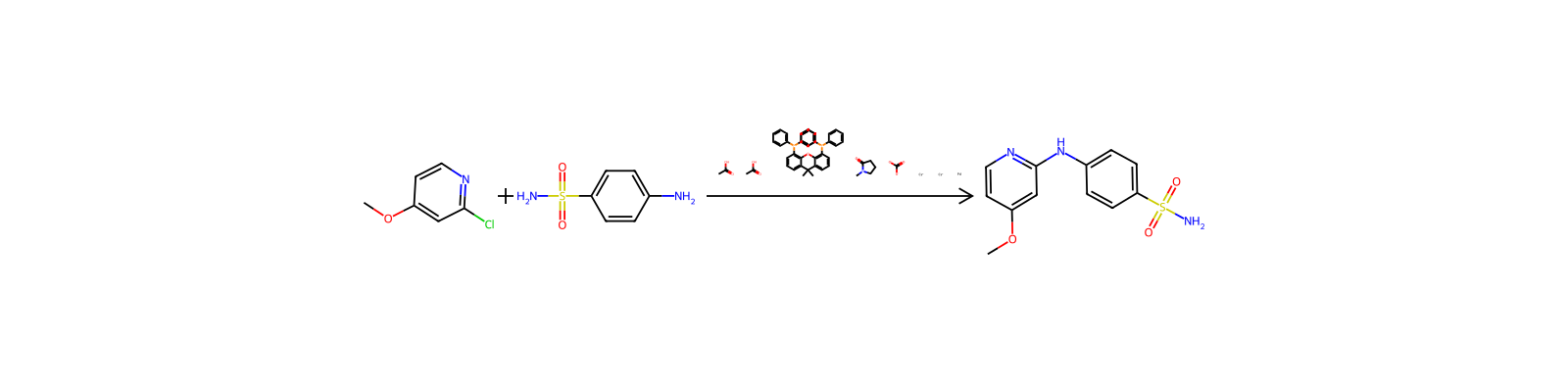
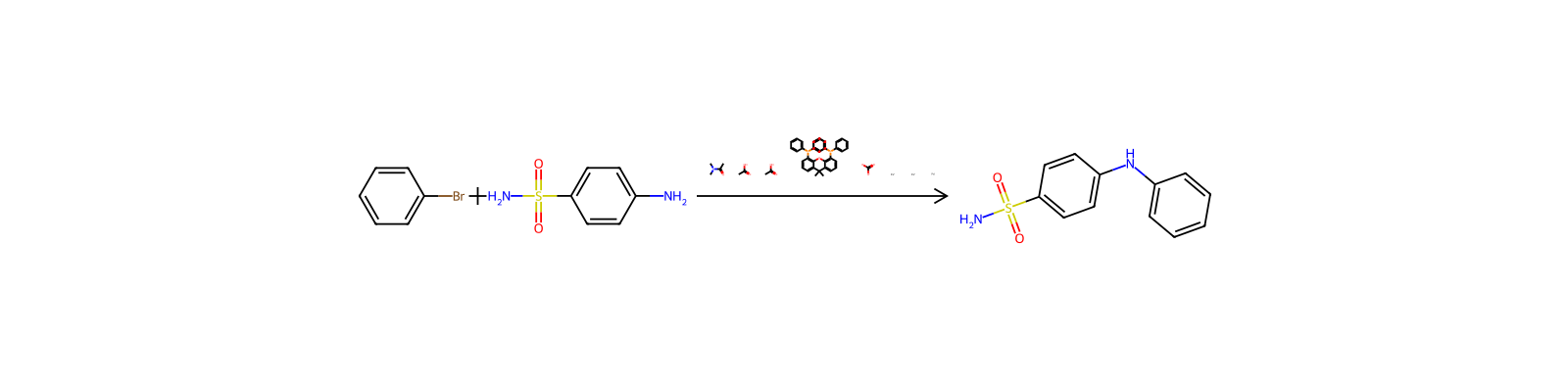
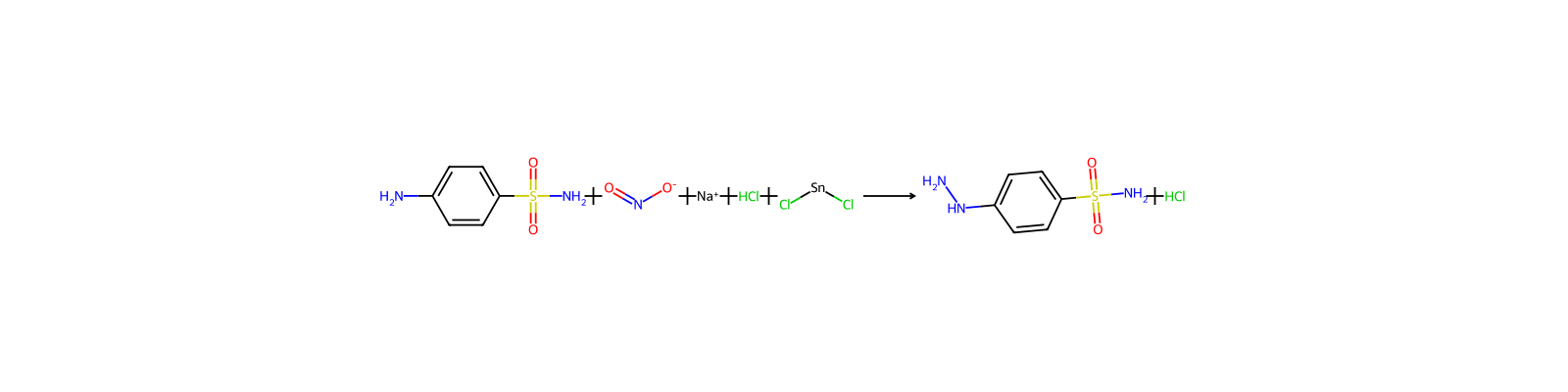
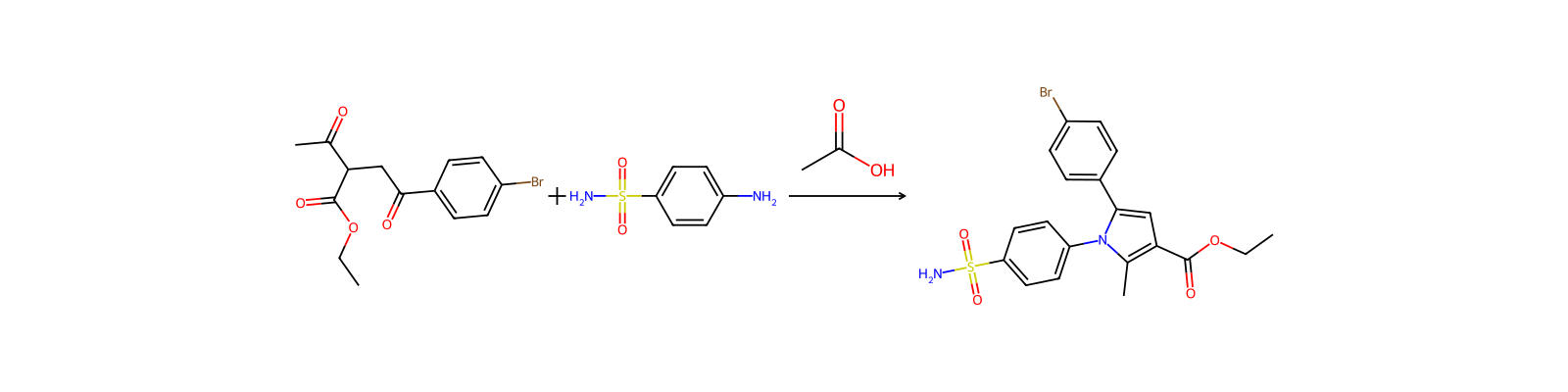
相关反应
310 条



关联笔记
加载中…