

基本信息
- 标准SMILES
[Al]- InChIKey
XAGFODPZIPBFFR-UHFFFAOYSA-N- 分子式
- Al
- 平均分子量
- 26.9815 g/mol
- 单同位素质量
- 26.9815384
名称与标识
- 首选名称
- Aluminum
- IUPAC
- aluminum
- 中文名
- 铝
- 英文名
- Aluminum
- 分子式
- Al
- 分子量
- 26.98
名称与别名
ALUMINUMAluminium7429-90-5Aluminum metalAluminum powderMetallic aluminumAlAluminium metallicumAluminium 27Aluminium bronzeAluminum 27CHEBI:33629
展开更多名称
铝鋁铝丝铝屑铝球铝线铝芯铝块铝片铝粉AEAluminium powderAluminum foilADOAluminium foilALUMINUM ALLOY
MetanaAluminium flakeAdomAlumina fibreNoral aluminumAluminum dehydratedAluminum A00Metana aluminum paste
数据库标识
- CAS
7429-90-5、91728-14-2- PubChem CID
- 5359268
- DTXSID
DTXSID3040273- ChEBI
CHEBI:33629- UNII
- CPD4NFA903
- EC Number
- 231-072-3、618-785-9、640-421-2
性质
结构计算性质
- 极性表面积
- 0 Ų
- 氢键供体
- 0
- 氢键受体
- 0
- 可旋转键
- 0
- 重原子
- 1
- 形式电荷
- 0
- 复杂度
- 0
实验与物化性质
OdorOdorless
Density
2.7 (NIOSH, 2024) - Denser than water; will sink
2.7 (NIOSH, 2024) - Denser than water; will sink
2.7 (NIOSH, 2024) - Denser than water; will sink
2.70
2.7 g/cm³
2.70
Color/Form
Tin-white, malleable, ductile metal, with somewhat bluish tint
Silver white ductile metal, cubic
Crystalline solid
Silvery-white, malleable, ductile ... metal.
Solubility
Insoluble (NIOSH, 2024)
Insoluble (NIOSH, 2024)
Insoluble (NIOSH, 2024)
Insoluble in water and in organic solvents. Soluble in dilute hydrochloric acid.
Soluble in HCl, H2SO4, hot water, and alkalies.
Insoluble in water.
Boiling Point
4221 °F at 760 mmHg (NIOSH, 2024)
4221 °F at 760 mmHg (NIOSH, 2024)
4221 °F at 760 mmHg (NIOSH, 2024)
2327 °C
2327 °C
4221 °F
Melting Point
1220 °F (NIOSH, 2024)
1220 °F (NIOSH, 2024)
1220 °F (NIOSH, 2024)
660
1220 ° F
660 °C
Vapor Pressure
0 mmHg (approx) (NIOSH, 2024)
0 mmHg (approx) (NIOSH, 2024)
0 mmHg (approx) (NIOSH, 2024)
1 mm Hg at 1284 °C
0 mmHg (approx)
0 mmHg (approx)
Physical Description
Aluminum powder, coated appears as a light gray or silver powdered metal. Easily ignited; burns with an intense flame.
Aluminum powder, pyrophoric appears as a light gray or silvery colored powdered metal.
Aluminum powder, uncoated appears as a light gray solid. Denser than water. Contact may burn skin, eyes, and mucous membranes. May be toxic by ingestion, inhalation and skin absorption. Used to make other chemicals.
Aluminum metal held above melting point of 1220 °F (660 °C) for ease in handling. Cools and solidifies if released. Contact causes thermal burns. Plastic or rubber may melt or lose strength upon contact. Protective equipment designed for chemical exposure only is not effective against direct contact. Take care walking on the surface of a spill to avoid stepping into a pocket of molten aluminum below the crust. Do not attempt to remove aluminum impregnated clothing because of the danger of tearing flesh if there has been a burn.
Liquid; Wet Solid; Other Solid; Liquid; Dry Powder; Large Crystals; Liquid; Wet Solid; Dry Powder; Other Solid; Dry Powder; Other Solid; Wet Solid; Large Crystals; Dry Powder; Wet Solid; Other Solid; Dry Powder; Wet Solid; CBI
A silvery-grey powder or tiny sheets
Stability/Shelf Life
In moist air, oxide film forms which protects metal from corrosion.
Low melting solids or colorless, volatile liquids. /Alkylaluminum halides/
Less sensitive than trialkylaminums to oxidation upon exposure to air. /Alkylaluminum halides/
Autoignition Temperature400 °C (powder)
Other Experimental Properties
...Capable of taking brilliant polish which is retained in dry air. In moist air, oxide film forms which protects metal from corrosion. ...Does not vaporize even at high temperatures, but finely divided aluminum dust is easily ignited, and may cause explosions. Reacts with dilute HCl, H2SO4, KOH and NaOH with evolution of hydrogen. Reduces the cations of many heavy metals to the metallic state E(o)(aq) Al+3/Al -1.66V.
Good conductor of heat and electricity
Tensile strength (annealed) 6800 psi, cold rolled 16,000 psi; rapidly oxidized by water at 180 °C. ... Electrical conductivity approximately two-thirds that of copper. Aluminum qualifies as both a light metal and a heavy metal, according to their definitions.
Ionic radius = 57 pm. In combination with its high oxidation potential +1.66V and the +3 oxidation state, the ionic radius accounts for the stability of aluminum compounds.
For more Other Experimental Properties (Complete) data for ALUMINUM, ELEMENTAL (7 total), please visit the HSDB record page.
物理化学性质
- 熔点
- 660.37 °C · 660.37 °C (lit.)
- 沸点
- 2460 °C · 2460 °C (lit.)
- 密度
- 2.7 g/mL · 2.7 g/mL at 25 °C (lit.)
- 堆积密度
- 0.77 g/cm3 · 0.77g/cm3
- 蒸气压
- 0.13 · 0.13-1300Pa at 974℃
- 闪点
- 400 °C · 400°C
- 储存条件
- Flammables area
- 溶解度
- 2 O; · insoluble in H2O; soluble in acid solutions, alkaline solutions
- 形态
- wire
- 比重
- 2.702 · 2.702 (Water=1)
- 颜色
- Yellow
- 气味 (Odor)
- Odorless
- Flame Color
- Silvery-white
- PH值
- 0.5 · 0.5 (H2O, 20°C)
- 生物来源
- goat
- 电阻率 (resistivity)
- 2.6548 μΩ-cm · 2.6548 μΩ-cm
- 水溶解性
- Insoluble in water.
- 电导率
- 3.8 · 3.8× 107S/m
- 热导率
- 235 W/ · 235 W/(m·K)
- 比热容
- 0.9 J/ · Cp(crystal): 0.9 J/(g·K); Cp(gas): 0.79 J/(g·K), at 25℃
- 敏感性
- Moisture Sensitive
- Merck
- 13 · 13,321 / 13,321
- 介电常数
- 1.6 · 1.6-1.8(0.0℃)
- 暴露限值
- 10 mg/m3 · ACGIH TLV-TWA:10 mg/m3 (Al dust),5 mg/m3 (pyrophoric Al powder and welding fumes),2 mg/m3 (soluble Al salts and alkyls)OSHA PEL-TWA:15 mg/m³ (total dust),5 mg/m³ (respirable fraction)NIOSH REL-TWA:10 mg/m³ (total dust),5 mg/m³ (respirable fracti
- 稳定性
- Stable. Powder is flammable. Reacts very exothermically with halogens. Moisture and air sensitive. Incompatible with strong acids, caustics, strong oxidizing agents, halogenated hydrocarbons.
- 主要应用
- battery manufacturing
- 化妆品成分功效
- COLORANT
- InChI
- 1S/Al
- InChIKey
- XAGFODPZIPBFFR-UHFFFAOYSA-N
- SMILES
- [Al]
- Hardness, Vickers
- 15 · 15, Annealed
- Modulus of Elasticity
- 68 GPa · 68.0 GPa
- Poissons Ratio
- 0.36 · 0.36, calculated
- Shear Modulus
- 25 GPa · 25.0 GPa
- CAS 数据库
- 7429 · 7429-90-5(CAS DataBase Reference)
- NIST化学物质信息
- Aluminum(7429-90-5)
- EPA化学物质信息
- Aluminum (7429-90-5)
化学性质
银白色鳞片状粉末。相对密度2.55。熔点685℃。沸点2065℃。由于有脂肪酸吸附在铝粉表面,故铝粉易在液体中漂浮。鳞片状的铝粉粒子,其片径与厚度的比例大约为100:1,而且铝粉分散于载体后具有与低材平行的特性,许多粒子联结,大小粒子相互填补形成连续金属膜,反射外来光线,具有极好遮盖力。铝粉形成的连续金属膜在载体膜内可呈多层次的平行排列,切断了成膜物的毛细孔,从而起到良好的屏蔽作用。对紫外线、红外线、可见光具有反射能力,对太阳光照射具有散热作用。铝粉颜料具有很好的“双色效应”特性。耐气候性良好。可溶于酸或碱,与酸作用发生反应会产生氢气。
安全与法规
GHS分类
GHS Classification
Danger
H250: Catches fire spontaneously if exposed to air [Danger Pyrophoric liquids];H261: In contact with water releases flammable gas [Danger Substances and mixtures which in contact with water, emit flammable gases]
P210, P222, P231, P231+P232, P233, P280, P302+P335+P334, P370+P378, P402+P404, and P501 (click each P-code to see the statement)
Danger
危害信息
Regulatory Information
Chemical: Aluminium
Hazard Traits - Hematotoxicity; Neurotoxicity;Authoritative List - ATSDR Neurotoxicants; CA MCLs; CWA 303(d);Report - if used as a fragrance or flavor ingredient
Aluminum is listed on the EPA's Chemical Data Reporting (CDR) system. Manufacturers and importers of Aluminum are required to report information about their production and use of this chemical to the EPA under the Toxic Substances Control Act (TSCA). (40 eCFR Part 711)
Status: Active Update: 07-05-2023 https://echa.europa.eu/registration-dossier/-/registered-dossier/15572;Status: Cease Manufacture Update: 07-06-2018 https://echa.europa.eu/registration-dossier/-/registered-dossier/23237
Aluminium, solid: Does not have an individual approval but may be used under an appropriate group standard
The New Jersey Worker and Community Right to Know Act requires public and private employers to provide information about hazardous substances at their workplaces. (N.J.S.A. 34:5A-1 et. seq.)
Other Safety InformationIMAP assessments - Aluminium: Human health tier I assessment;IMAP assessments - Aluminium: Environment tier I assessment
DOT Label
Flammable Solid
Spontaneously Combustible
Dangerous When Wet
Class 9
Fire Hazards
Excerpt from ERG Guide 170 [Metals (Powders, Dusts, Shavings, Borings, Turnings, or Cuttings, etc.)]:;May react violently or explosively on contact with water. Some are transported in flammable liquids. May be ignited by friction, heat, sparks or flames. Some of these materials will burn with intense heat. Dusts or fumes may form explosive mixtures in air. Containers may explode when heated. May re-ignite after fire is extinguished. (ERG, 2024)
Excerpt from ERG Guide 135 [Substances - Spontaneously Combustible]:;Flammable/combustible material. May ignite on contact with moist air or moisture. May burn rapidly with flare-burning effect. Some react vigorously or explosively on contact with water. Some may decompose explosively when heated or involved in a fire. May re-ignite after fire is extinguished. Runoff may create fire or explosion hazard. Containers may explode when heated. (ERG, 2024)
Excerpt from ERG Guide 138 [Substances - Water-Reactive (Emitting Flammable Gases)]:;Produce flammable gases on contact with water. May ignite on contact with water or moist air. Some react vigorously or explosively on contact with water. May be ignited by heat, sparks or flames. May re-ignite after fire is extinguished. Some are transported in highly flammable liquids. Runoff may create fire or explosion hazard. (ERG, 2024)
Excerpt from ERG Guide 169 [Aluminum (Molten)]:;Substance is transported in molten form at a temperature above 705 °C (1300 °F). Violent reaction with water; contact may cause an explosion or may produce a flammable gas. Will ignite combustible materials (wood, paper, oil, debris, etc.). Contact with nitrates or other oxidizers may cause an explosion. Contact with containers or other materials, including cold, wet or dirty tools, may cause an explosion. Contact with concrete will cause spalling and small pops. (ERG, 2024)
· May react violently or explosively on contact with water.;· Some are transported in flammable liquids.;· May be ignited by friction, heat, sparks or flames.;· Some of these materials will burn with intense heat.;· Dusts or fumes may form explosive mixtures in air.;· Containers may explode when heated.;· May re-ignite after fire is extinguished.
· Produce flammable gases on contact with water.;· May ignite on contact with water or moist air.;· Some react vigorously or explosively on contact with water.;· May be ignited by heat, sparks or flames.;· May re-ignite after fire is extinguished.;· Some are transported in highly flammable liquids.;· Runoff may create fire or explosion hazard.
Fire Potential
...Finely divided aluminum dust is easily ignited... .
Certain polymerization catalysts, such as aluminum alkyls, react & burn violently on contact with water. /Aluminum alkyls/
Aluminum alkyls are organic aluminum compounds that are highly reactive and dangerous because of spontaneous burning in air. /Aluminum alkyls/
Prophoric material in flammable solvent. Vapors are heavier than air & may travel to a source of ignition & flash back. /Aluminum alkyls/
Health Hazards
Excerpt from ERG Guide 170 [Metals (Powders, Dusts, Shavings, Borings, Turnings, or Cuttings, etc.)]:;Oxides from metallic fires are a severe health hazard. Inhalation or contact with substance or decomposition products may cause severe injury or death. Fire may produce irritating, corrosive and/or toxic gases. Runoff from fire control or dilution water may cause environmental contamination. (ERG, 2024)
Excerpt from ERG Guide 135 [Substances - Spontaneously Combustible]:;Fire will produce irritating, corrosive and/or toxic gases. Inhalation of decomposition products may cause severe injury or death. Contact with substance may cause severe burns to skin and eyes. Runoff from fire control or dilution water may cause environmental contamination. CAUTION: Pentaborane (UN1380) is highly toxic and may be fatal if inhaled, ingested or absorbed through skin. (ERG, 2024)
Excerpt from ERG Guide 138 [Substances - Water-Reactive (Emitting Flammable Gases)]:;Inhalation or contact with vapors, substance or decomposition products may cause severe injury or death. May produce corrosive solutions on contact with water. Fire will produce irritating, corrosive and/or toxic gases. Runoff from fire control or dilution water may cause environmental contamination. (ERG, 2024)
Excerpt from ERG Guide 169 [Aluminum (Molten)]:;Contact causes severe burns to skin and eyes. Fire may produce irritating and/or toxic gases. (ERG, 2024)
· Oxides from metallic fires are a severe health hazard.;· Inhalation or contact with substance or decomposition products may cause severe injury or death.;· Fire may produce irritating, corrosive and/or toxic gases.;· Runoff from fire control or dilution water may cause environmental contamination.
· Inhalation or contact with vapors, substance or decomposition products may cause severe injury or death.;· May produce corrosive solutions on contact with water.;· Fire will produce irritating, corrosive and/or toxic gases.;· Runoff from fire control or dilution water may cause environmental contamination.
Hazards Summary
Aluminum is the most abundant metal in the earth's crust. It is always found combined with other elements such as oxygen, silicon, and fluorine. Aluminum as the metal is obtained from aluminum-containing minerals. Small amounts of aluminum can be found dissolved in water. Aluminum metal is light in weight and silvery-white in appearance. Aluminum is used for beverage cans, pots and pans, airplanes, siding and roofing, and foil. Aluminum is often mixed with small amounts of other metals to form aluminum alloys, which are stronger and harder. Aluminum compounds have many different uses, for example, as alums in water-treatment and alumina in abrasives and furnace linings. They are also found in consumer products such as antacids, astringents, buffered aspirin, food additives, and antiperspirants.
One of the difficulties in studying the adverse effects of aluminum is the frequent contamination of biological specimens with aluminum from the environment, e.g., improperly cleaned glassware. More than 95% of aluminum is excreted in the urine. The occupational lung disease Shaver's disease was thought to be caused by chronic inhalation of dusts containing aluminum minerals such as bauxite and corundum, often contaminated with silica. Studies of workers in Europe confirmed that stamped aluminum powder, even in the absence of silica, caused lung fibrosis (aluminosis) in past decades. Stamped aluminum powder is mainly used to make pyrotechnics; it commonly contains lubricating agents such as stearin or mineral oils. A study of a group of 64 aluminum welders for 1-24 years found no evidence of pulmonary fibrosis. Evidence of neurotoxicity was found in welders with urine aluminum levels >100 ug/L compared with welders with lower levels. Whether or not the neurobehavioral effects are reversible is not known. High levels of aluminum e.g., in dialysis patients or after chronic use of antacids, can interfere with bone remodeling and contribute to osteomalacia. Total parenteral nutrition solutions containing more that 4-5 ug/day can cause increased aluminum levels associated with CNS and bone toxicity. [Nordberg, p. 549-62] The TLV applies to insoluble aluminum compounds (metal, aluminum oxide, stamped aluminum, aluminum in bauxite ore dust, emery). Workers exposed to high levels of aluminum dust (40 years of exposure at 2.5 mg/m3) have x-ray and mild pulmonary function changes. In studies of animals chronically inhaling aluminum oxide, 2.45 mg Al/m3 is the NOAEL. The cases of aluminosis in Germany were related to the mineral oil used as a lubricant. Levels measured in patients with dialysis encephalopathy (59 ug/L in serum and 330 ug/L in urine) are estimated to be equivalent to workers being exposed for 40 years to 1.6 mg/m3. Klatzo et al. in 1965 suggested that aluminum
DOT ID and Guide
1309 170
1396 138
1309 170(powder, coated)
1396 138(powder, uncoated)
9260 169(molten)
FDA Requirements
Aluminum is an indirect food additive for use only as a component of adhesives.
Certification of this color additive when used in externally applied drugs, including those intended for use in the area of the eye, in amounts consistent with good manufacturing practice is not necessary for the protection of the public health, and therefore batches thereof are exempt from the certification pursuant to section 721(c) of the act. /Aluminum powder/
Certification of this color additive when used in coloring externally applied cosmetics, including cosmetics intended for use in the area of the eye, in amounts consistent with good manufacturing practice is not necessary for the protection of the public health, and therefore batches thereof are exempt from the certification pursuant to section 721(c) of the act. /Aluminum powder/
Reactive Group
Metals, Elemental and Powder, Active
Metals, Elemental and Powder, Active
Metals, Elemental and Powder, Active
Metals, Elemental and Powder, Active
EC ClassificationH250; H261 / H228; H261
UN ClassificationUN Hazard Class: 4.3; UN Pack Group: II
安全与防护
Fire Fighting
Excerpt from ERG Guide 170 [Metals (Powders, Dusts, Shavings, Borings, Turnings, or Cuttings, etc.)]:;DO NOT USE WATER, FOAM OR CO2. Dousing metallic fires with water will generate hydrogen gas, an extremely dangerous explosion hazard, particularly if fire is in a confined environment (i.e., building, cargo hold, etc.). Use DRY sand, graphite powder, dry sodium chloride-based extinguishers, or class D extinguishers. Confining and smothering metal fires is preferable rather than applying water. If it can be done safely, move undamaged containers away from the area around the fire.;FIRE INVOLVING TANKS, RAIL TANK CARS OR HIGHWAY TANKS: If impossible to extinguish, protect surroundings and allow fire to burn itself out. (ERG, 2024)
Excerpt from ERG Guide 135 [Substances - Spontaneously Combustible]:;DO NOT USE WATER, CO2 OR FOAM ON MATERIAL ITSELF. Some of these materials may react violently with water. CAUTION: For Xanthates, UN3342 and for Dithionite (Hydrosulfite/Hydrosulphite) UN1384, UN1923 and UN1929, USE FLOODING AMOUNTS OF WATER for SMALL AND LARGE fires to stop the reaction. Smothering will not work for these materials, they do not need air to burn.;SMALL FIRE: Dry chemical, soda ash, lime or DRY sand, EXCEPT for UN1384, UN1923, UN1929 and UN3342.;LARGE FIRE: DRY sand, dry chemical, soda ash or lime EXCEPT for UN1384, UN1923, UN1929 and UN3342, or withdraw from area and let fire burn. CAUTION: UN3342 when flooded with water will continue to evolve flammable Carbon disulfide/Carbon disulphide vapors. If it can be done safely, move undamaged containers away from the area around the fire.;FIRE INVOLVING TANKS, RAIL TANK CARS OR HIGHWAY TANKS: Fight fire from maximum distance or use unmanned master stream devices or monitor nozzles. Do not get water inside containers or in contact with substance. Cool containers with flooding quantities of water until well after fire is out. Withdraw immediately in case of rising sound from venting safety devices or discoloration of tank. ALWAYS stay away from tanks in direct contact with flames. (ERG, 2024)
Excerpt from ERG Guide 138 [Substances - Water-Reactive (Emitting Flammable Gases)]:;DO NOT USE WATER OR FOAM.;SMALL FIRE: Dry chemical, soda ash, lime or sand.;LARGE FIRE: DRY sand, dry chemical, soda ash or lime or withdraw from area and let fire burn. If it can be done safely, move undamaged containers away from the area around the fire.;FIRE INVOLVING METALS OR POWDERS (ALUMINUM, LITHIUM, MAGNESIUM, ETC.): Use dry chemical, DRY sand, sodium chloride powder, graphite powder or class D extinguishers; in addition, for Lithium you may use Lith-X® powder or copper powder. Also, see ERG Guide 170.;FIRE INVOLVING TANKS, RAIL TANK CARS OR HIGHWAY TANKS: Fight fire from maximum distance or use unmanned master stream devices or monitor nozzles. Do not get water inside containers. Cool containers with flooding quantities of water until well after fire is out. Withdraw immediately in case of rising sound from venting safety devices or discoloration of tank. ALWAYS stay away from tanks in direct contact with flames. (ERG, 2024)
Excerpt from ERG Guide 169 [Aluminum (Molten)]:;Do not use water, except in life-threatening situations and then only in a fine spray. Do not use halogenated extinguishing agents or foam. Move combustibles out of path of advancing pool if you can do so without risk. Extinguish fires started by molten material by using appropriate method for the burning material; keep water, halogenated extinguishing agents and foam away from the molten material. (ERG, 2024)
Use dry sand, special powder. NO water. NO carbon dioxide, foam.
First Aid Measures
Fresh air, rest.
Rinse skin with plenty of water or shower.
First rinse with plenty of water for several minutes (remove contact lenses if easily possible), then refer for medical attention.
Rinse mouth.
Accidental Release Measures
· CALL 911. Then call emergency response telephone number on shipping paper. If shipping paper not available or no answer, refer to appropriate telephone number listed on the inside back cover.;· Stay upwind, uphill and/or upstream.;· Keep unauthorized personnel away.
· ELIMINATE all ignition sources (no smoking, flares, sparks or flames) from immediate area.;· Do not touch or walk through spilled material.;· Stop leak if you can do it without risk.;· Prevent entry into waterways, sewers, basements or confined areas.
· CALL 911. Then call emergency response telephone number on shipping paper. If shipping paper not available or no answer, refer to appropriate telephone number listed on the inside back cover.;· Keep unauthorized personnel away.;· Stay upwind, uphill and/or upstream.;· Ventilate closed spaces before entering, but only if properly trained and equipped.
· ELIMINATE all ignition sources (no smoking, flares, sparks or flames) from immediate area.;· Do not touch or walk through spilled material.;· Stop leak if you can do it without risk.;· Use water spray to reduce vapors or divert vapor cloud drift. Avoid allowing water runoff to contact spilled material.;· DO NOT GET WATER on spilled substance or inside containers.;Small Spill;· Cover with DRY earth, DRY sand or other non-combustible material followed with plastic sheet to minimize spreading or contact with rain.;· Dike for later disposal; do not apply water unless directed to do so.;Powder Spill;· Cover powder spill with plastic sheet or tarp to minimize spreading and keep powder dry.;· DO NOT CLEAN-UP OR DISPOSE OF, EXCEPT UNDER SUPERVISION OF A SPECIALIST.
First Aid
Excerpt from NIOSH Pocket Guide for Aluminum:;Eye: IRRIGATE IMMEDIATELY - If this chemical contacts the eyes, immediately wash (irrigate) the eyes with large amounts of water, occasionally lifting the lower and upper lids. Get medical attention immediately.;Breathing: FRESH AIR - If a person breathes large amounts of this chemical, move the exposed person to fresh air at once. Other measures are usually unnecessary. (NIOSH, 2024)
Excerpt from ERG Guide 135 [Substances - Spontaneously Combustible]:;Refer to the "General First Aid" section. (ERG, 2024)
Excerpt from NIOSH Pocket Guide for Aluminum:;Eye: IRRIGATE IMMEDIATELY - If this chemical contacts the eyes, immediately wash (irrigate) the eyes with large amounts of water, occasionally lifting the lower and upper lids. Get medical attention immediately.;Breathing: FRESH AIR - If a person breathes large amounts of this chemical, move the exposed person to fresh air at once. Other measures are usually unnecessary. (NIOSH, 2024)
Excerpt from NIOSH Pocket Guide for Aluminum:;Eye: IRRIGATE IMMEDIATELY - If this chemical contacts the eyes, immediately wash (irrigate) the eyes with large amounts of water, occasionally lifting the lower and upper lids. Get medical attention immediately.;Breathing: FRESH AIR - If a person breathes large amounts of this chemical, move the exposed person to fresh air at once. Other measures are usually unnecessary. (NIOSH, 2024)
General First Aid:;· Call 911 or emergency medical service.;· Ensure that medical personnel are aware of the material(s) involved, take precautions to protect themselves and avoid contamination.;· Move victim to fresh air if it can be done safely.;· Administer oxygen if breathing is difficult.;· If victim is not breathing:;-- DO NOT perform mouth-to-mouth resuscitation; the victim may have ingested or inhaled the substance.;-- If equipped and pulse detected, wash face and mouth, then give artificial respiration using a proper respiratory medical device (bag-valve mask, pocket mask equipped with a one-way valve or other device).;-- If no pulse detected or no respiratory medical device available, provide continuous compressions. Conduct a pulse check every two minutes or monitor for any signs of spontaneous respirations.;· Remove and isolate contaminated clothing and shoes.;· For minor skin contact, avoid spreading material on unaffected skin.;· In case of contact with substance, remove immediately by flushing skin or eyes with running water for at least 20 minutes.;· For severe burns, immediate medical attention is required.;· Effects of exposure (inhalation, ingestion, or skin contact) to substance may be delayed.;· Keep victim calm and warm.;· Keep victim under observation.;· For further assistance, contact your local Poison Control Center.;· Note: Basic Life Support (BLS) and Advanced Life Support (ALS) should be done by trained professionals.;In Canada, an Emergency Response Assistance Plan (ERAP) may be required for this product. Please consult the shipping paper and/or the "ERAP" section.
General First Aid:;· Call 911 or emergency medical service.;· Ensure that medical personnel are aware of the material(s) involved, take precautions to protect themselves and avoid contamination.;· Move victim to fresh air if it can be done safely.;· Administer oxygen if breathing is difficult.;· If victim is not breathing:;-- DO NOT perform mouth-to-mouth resuscitation; the victim may have ingested or inhaled the substance.;-- If equipped and pulse detected, wash face and mouth, then give artificial respiration using a proper respiratory medical device (bag-valve mask, pocket mask equipped with a one-way valve or other device).;-- If no pulse detected or no respiratory medical device available, provide continuous compressions. Conduct a pulse check every two minutes or monitor for any signs of spontaneous respirations.;· Remove and isolate contaminated clothing and shoes.;· For minor skin contact, avoid spreading material on unaffected skin.;· In case of contact with substance, remove immediately by flushing skin or eyes with running water for at least 20 minutes.;· For severe burns, immediate medical attention is required.;· Effects of exposure (inhalation, ingestion, or skin contact) to substance may be delayed.;· Keep victim calm and warm.;· Keep victim under observation.;· For further assistance, contact your local Poison Control Center.;· Note: Basic Life Support (BLS) and Advanced Life Support (ALS) should be done by trained professionals.;Specific First Aid:;· In case of contact with substance, wipe from skin immediately; flush skin or eyes with running water for at least 20 minutes.
Safe StorageSeparated from strong oxidants, strong bases, strong acids, water and halogens. See Chemical Dangers. Dry. Well closed.
Firefighting HazardsDO NOT use carbon dioxide or halogenated extinguishing agents. DO NOT use water.
Exposure Control and Personal Protection
· Wear positive pressure self-contained breathing apparatus (SCBA).;· Structural firefighters' protective clothing provides thermal protection but only limited chemical protection.
· Wear positive pressure self-contained breathing apparatus (SCBA).;· Wear chemical protective clothing that is specifically recommended by the manufacturer when there is NO RISK OF FIRE.;· Structural firefighters' protective clothing provides thermal protection but only limited chemical protection.
TIH (Toxic Inhalation Hazard) - Term used to describe gases and volatile liquids that are toxic when inhaled. Some are TIH materials themselves, e.g., chlorine, and some release TIH gases when spilled in water, e.g., chlorosilanes. [ERG 2016].
1.5 [mg/m3] (respirable fraction), 4 mg/m3 (inhalable fraction)[German Research Foundation (DFG)]
Fire Fighting Procedures
Large fires must be isolated and allowed to burn out, but small ones can be controlled by sand, talc, or sodium chloride.
Smother with dry sand, dry clay, dry ground limestone, or use approved Class D extinguishers. DO NOT use carbon dioxide or halogenated extinguishing agents. DO NOT use water.
If material on fire or involved in fire: Do not use water. Use suitable dry powder.
Stop flow of liquid before extinguishing fire. Use dry chemical or carbon dioxide. DO NOT use water as straight stream directly on spilled material. Water fog can be used to control fire. DO NOT use halogenated extinguishing agents on spilled material. Violent reaction may result. Use water spray to keep fire-exposed containers cool. Fight fire from protected location or maximum possible distance. /Aluminum Alkyls/
Storage Conditions
Store in cool, dry, well-ventilated location. Separate from acids, alkalies, halogenated compounds, oxidizers, combustible materials.
Extremely reactive with air, moisture and compounds containing active hydrogen and therefore must be kept under a blanket of inert gas. /Aluminum alkyls/
In general, materials ... toxic as stored or which can decompose into toxic components ... Should be stored in cool ... ventilated place, out of ... sun, away from ... fire hazard ... be periodically inspected and monitored. Incompatible materials should be isolated ...
All possibility of contact with water must be avoided. Solution containing not more than 20% of these compounds in non-reactive solvents, however, can be handled without risk of spontaneous ignition. /Aluminum alkyls/
For more Storage Conditions (Complete) data for ALUMINUM, ELEMENTAL (6 total), please visit the HSDB record page.
Cleanup Methods
Environmental considerations: Water spill: Use natural barriers or oil spill control booms to limit spill travel. Use natural deep water pockets, excavated lagoons, or sand bag barriers to trap material at bottom. Remove trapped material with suction hoses.
Environmental considerations: Land spill: Dig a pit, pond, lagoon, holding area to contain liquid or solid material. /SRP: If time permits, pits, ponds, lagoons, soak holes, or holding areas should be sealed with an impermeable flexible membrane liner./ Cover solids with a plastic sheet to prevent dissolving in rain or fire fighting water. Dike surface flow using soil, sand bags, foamed polyurethane, or foamed concrete.
Nonfire Spill Response
Excerpt from ERG Guide 170 [Metals (Powders, Dusts, Shavings, Borings, Turnings, or Cuttings, etc.)]:;ELIMINATE all ignition sources (no smoking, flares, sparks or flames) from immediate area. Do not touch or walk through spilled material. Stop leak if you can do it without risk. Prevent entry into waterways, sewers, basements or confined areas. (ERG, 2024)
Excerpt from ERG Guide 135 [Substances - Spontaneously Combustible]:;ELIMINATE all ignition sources (no smoking, flares, sparks or flames) from immediate area. Do not touch or walk through spilled material. Stop leak if you can do it without risk.;SMALL SPILL: CAUTION: For spills of Xanthates, UN3342 and for Dithionite (Hydrosulfite/Hydrosulphite), UN1384, UN1923 and UN1929, dissolve in 5 parts water and collect for proper disposal. CAUTION: UN3342 when flooded with water will continue to evolve flammable Carbon disulfide/Carbon disulphide vapors. Cover with DRY earth, DRY sand or other non-combustible material followed with plastic sheet to minimize spreading or contact with rain. Use clean, non-sparking tools to collect material and place it into loosely covered plastic containers for later disposal. Prevent entry into waterways, sewers, basements or confined areas. (ERG, 2024)
Excerpt from ERG Guide 138 [Substances - Water-Reactive (Emitting Flammable Gases)]:;ELIMINATE all ignition sources (no smoking, flares, sparks or flames) from immediate area. Do not touch or walk through spilled material. Stop leak if you can do it without risk. Use water spray to reduce vapors or divert vapor cloud drift. Avoid allowing water runoff to contact spilled material. DO NOT GET WATER on spilled substance or inside containers.;SMALL SPILL: Cover with DRY earth, DRY sand or other non-combustible material followed with plastic sheet to minimize spreading or contact with rain. Dike for later disposal; do not apply water unless directed to do so.;POWDER SPILL: Cover powder spill with plastic sheet or tarp to minimize spreading and keep powder dry. DO NOT CLEAN-UP OR DISPOSE OF, EXCEPT UNDER SUPERVISION OF A SPECIALIST. (ERG, 2024)
Excerpt from ERG Guide 169 [Aluminum (Molten)]:;Do not touch or walk through spilled material. Do not attempt to stop leak, due to danger of explosion. Keep combustibles (wood, paper, oil, etc.) away from spilled material. Substance is very fluid, spreads quickly, and may splash. Do not try to stop it with shovels or other objects. Dike far ahead of spill; use dry sand to contain the flow of material. Where possible allow molten material to solidify naturally. Avoid contact even after material solidifies. Molten, heated and cold aluminum look alike; do not touch unless you know it is cold. Clean up under the supervision of an expert after material has solidified. (ERG, 2024)
Disposal Methods
Aluminum compounds are treated under anhydrous conditions to prevent violent reactions, recover solvent, and form Al compounds suitable for landfill by reaction with anhydrous hydrolysis agent, eg calcium hydroxide. /Aluminum compounds/
SRP: The most favorable course of action is to use an alternative chemical product with less inherent propensity for occupational exposure or environmental contamination. Recycle any unused portion of the material for its approved use or return it to the manufacturer or supplier. Ultimate disposal of the chemical must consider: the material's impact on air quality; potential migration in soil or water; effects on animal, aquatic, and plant life; and conformance with environmental and public health regulations.
Recycling: Sort, classify and put in a box properly labelled. Salvage profitably for reuse by local shop or sell as scrap metal.
毒理信息
Toxicological InformationCDC-ATSDR Toxicological Profile
Interactions
Groups of 120 Atlantic salmon fry (Salmo salar, 1 g mass) were kept in through-flow tanks of water (pH 5) containing various concn of aluminum and silicic acid. The aluminum concn in all but the control tank (0.85 umol aluminum/l) were 6-7 umol/l, at acutely toxic levels. Silicon levels were 0.66 umol/l (control), 93.06, 24.89, 5.46, and 0.60 umol/l, corresponding to silicon:aluminum ratios of 13.0, 3.7, 0.9, and 0.1. Exchangeable aluminum, ie, aluminum retained on Amberlite, was 6.00, 5.00, 4.11, and 1.52 umol/l in test tanks, respectively. Fish were exposed for 96 hr, and the proportion of dead fish was recorded at 12-hr intervals. The whole experiment was run three times; data are from all runs combined. At a silicon:aluminum ratio of 13, acute toxicity of aluminum was eliminated and gill structures of the fish were normal. Percent survival versus time was higher for the higher silicon:aluminum ratio groups. Accumulation of aluminum by fish fell sharply as the exchangeable aluminum increased. Aluminum and silicon levels in fish were 0.44 and 0.01 (control), 0.40 and 0.54 (silicon:aluminum ratio of 13), 2.04 and 0.35 (silicon:aluminum ratio of 3.7), 2.49 and 0.33 (silicon :aluminum ratio of 0.9), 2.38 and 0.08 (silicon:aluminum ratio of 0.1) umol per g dry mass, respectively.
To elucidate the interaction between aluminum and certain essential trace metals, an experiment was performed on rats fed diets with suboptimal or optimal levels of zinc or copper. Half of each group of animals were fed the same diet but with 1000 ppm aluminum added. Changes were noted after 120 days. Severe testicular damage was seen in rats fed either the low zinc or the low copper diet. The lesions included a wide range of spermatogenic cell degeneration and tubular atropy. When aluminum was added to the diet, the testicular destruction of zinc deficient rats was significantly reduced. This indicated that the presence of aluminum in the diet protected the testis against the damage caused by zinc deficiency. Pituitary glands were examined. Hypertrophy of basophils was more pronounced in rats fed the suboptimal zinc or copper diet. When aluminum was added to their diet, the changes were reversed. The mechanisms by which aluminum protects male gonadal functions against zinc deficiency are discussed. This study is the first to demonstrate the preventive effect of aluminum against testicular damage caused by zinc deficiency.
Adult, male New Zealand rabbits (three per group) were administered drinking water containing aluminum chloride (0, 100, or 500 mg aluminum/liter) together with citrate (0.11 M) ascorbate (0.11 M), or no added ligand and libitum for 12 weeks. They were fed ad libitum regular rabbit chow analyzed to contain 297 mg aluminum/kg. Treatment had no effect upon food and water intake or weight gain during the experimental period. No effect of aluminum was observed on tissue levels of the essential metals zinc, copper, and iron, or on hemoglobin and hematocrit values. Aluminum levels were fund to increase in a dose-dependent manner in stomach and intestinal mucosa, kidney, bone, urine, and fece. There was only a slight accumulation in liver, and no accumulation in brain (cerebral cortex or hippocampus). Although plasma aluminum was directly related to aluminum intake, whole blood aluminum bore no relation to aluminum dose. Citrate had no efefct on aluminum accumulation in the stomach or intestine, but significantly enhanced plasma and bone aluminum levels. Ascorbate did not enhance aluminum accumulation in any tissue studied and even prevented accumulation in bone. Both citrate and ascorbate enhanced excretion of aluminum. Ascorbate therapy may be of potential clinical use to enhance aluminum excretion.
Examined 25 dialysis patients that experienced accidental exposure to aluminum and parathyroid hormone (PTH). At the same time as parathyroid hormone decreased, serum calcium increased. Based on this observation it has been suggested that aluminum is incorporated, instead of calcium, into the bone and that this leads to the osteomalacia characteristic of aluminum-induced bone disease. Instead of being incorporated into osteoid bone tissue, calcium returns to the circulation which in turn inhibits the parathyroid hormone release from the parathyroid. In support of this hypothesis, ... found a strong correlation between bone aluminum content and the amount of bone occupied by unmineralized osteoid in humans. Experimental support for the hypothesis of calcium-aluminum interactions has also been provided in studies on chicks. /Aluminum/
For more Interactions (Complete) data for ALUMINUM, ELEMENTAL (6 total), please visit the HSDB record page.
Target Organs
Neurological (Nervous System), Respiratory (From the Nose to the Lungs)
Eyes, skin, respiratory system
Health Effects
Aluminum targets the nervous system and causes decreased nervous system performance and is associated with altered function of the blood-brain barrier. The accumulation of aluminum in the body may cause bone or brain diseases. High levels of aluminum have been linked to Alzheimer’s disease. A small percentage of people are allergic to aluminium and experience contact dermatitis, digestive disorders, vomiting or other symptoms upon contact or ingestion of products containing aluminium. (L739, L740)
Ecotoxicity Values
LC50 Pisidium casertanum >1.0 mg/L/96 hr; static, 20-25 °C, pH 3.5
LC50 Pisidium casertanum >0.4 mg/L/96 hr; static, 20-25 °C, pH 4.5
LC50 Pisidium compressum >0.4 mg/L/96 hr; static, 20-25 °C, pH 4.5
LC50 Pisidium compressum >1.0 mg/L/96 hr; static, 20-25 °C, pH 3.5
For more Ecotoxicity Values (Complete) data for ALUMINUM, ELEMENTAL (20 total), please visit the HSDB record page.
Adverse Effects
Neurotoxin - Other CNS neurotoxin;Asthma - Reversible bronchoconstriction (narrowing of bronchioles) initiated by the inhalation of irritating or allergenic agents.;Fibrogenic - Inducing tissue injury and fibrosis (scarring).;ACGIH Carcinogen - Not Classifiable.
Exposure Routes
The substance can be absorbed into the body by inhalation.
inhalation, skin and/or eye contact
Oral (L739) ; inhalation (L739)
Toxicity Summary
IDENTIFICATION: Aluminum is a silvery-white, ductile and malleable metal. It is released to the environment both by natural processes and from anthropogenic sources. It is highly concentrated in soil-derived dusts from such activities as mining and agriculture, and in particulate matter from coal combustion. Aluminum occurs ubiquitously in the environment in the form of silicates, oxides and hydroxides, combined with other elements such as sodium and fluorine and as complexes with organic matter. It is not found as a free metal because of its reactivity. Aluminum metal has a wide variety of uses, including structural materials in construction, automobiles and aircraft, and the production of metal alloys. Aluminum compounds and materials also have a wide variety of uses, including production of glass, ceramics, rubber, wood preservatives, pharmaceuticals and waterproofing textiles. Natural aluminum minerals, especially bentonite and zeolite, are used in water purification, sugar refining, brewing and paper industries. HUMAN EXPOSURE: Non-occupational human exposure to aluminum in the environment is primarily through ingestion of food and water. No acute pathogenic effects in the general population have been described after exposure to aluminum. Although it has been hypothesized that aluminum is a risk factor for Alzheimer's disease, present epidemiological evidence does not support a causal association between Alzheimer's disease and aluminum in drinking-water. Neurological syndromes including impairment of cognitive function, motor dysfunction and peripheral neuropathy have been reported in limited studies of workers exposed to aluminum fume. Iatrogenic exposure in patients with chronic renal failure, exposed to aluminum-containing dialysis fluids and pharmaceutical products, may cause encephalopathy, vitamin-D-resistant osteomalacia and microcytic anemia. Premature infants may develop increased tissue loading of aluminum, particularly in bone, when exposed to iatro
The main targets of aluminum are the central nervous system and bones. Aluminum binds to dietary phosphorus and impairs gastrointestinal absorption of phosphorus. The decreased phosphate body burden results in osteomalacia and rickets. Aluminum's neurotoxicity is believed to involve different mechanisms. Changes in cytoskeletal protein functions as a result of altered phosphorylation, proteolysis, transport, and synthesis are believed to be one cause. Aluminum may induce neurobehavioral effects by affecting permeability of the blood-brain barrier, cholinergic activity, signal transduction pathways, lipid peroxidation, and impair neuronal glutamate nitric oxide-cyclic GMP pathway, as well as interfere with metabolism of essential trace elements because of similar coordination chemistries and consequent competitive interactions. It has been suggested that aluminum's interaction with estrogen receptors increases the expression of estrogen-related genes and thereby contributes to the progression of breast cancer (A235), but studies have not been able to establish a clear link between aluminum and increased risk of breast cancer (A15468). Certain aluminum salts induce immune responses by activating inflammasomes. (L739, A235, A236) Aluminum Acetate is an astringent. An astrignent is a chemical that tends to shrink or constrict body tissues, usually locally after topical medicinal application. The shrinkage or constriction is through osmotic flow of water (or other fluids) away from the area where the astringent was applied. Astringent medicines cause shrinkage of mucous membranes or exposed tissues and are often used internally to check discharge of blood serum or mucous secretions. This can happen with a sore throat, hemorrhages, diarrhea, or with peptic ulcers. Externally applied astringents, which cause mild coagulation of skin proteins, dry, harden, and protect the skin. Acne sufferers are often advised to use astringents if they have oily skin. Astringents also h
Ecotoxicity Excerpts
/AQUATIC SPECIES/ The toxicity of aluminum has been studied extensively in fish, less so in invertebrates, amphibians, and birds, and not at all in reptiles and free-ranging mammals. For aquatic organisms, Al bioavailability and toxicity are intimately related to ambient pH; changes in ambient acidity may affect Al solubility, dissolved Al speciation, and organism sensitivity to Al. At moderate acidity (pH 5.5 to 7.0), fish and invertebrates may be stressed due to Al adsorption onto gill surfaces and subsequent asphyxiation. At pH 4.5 to 5.5, Al can impair ion regulation and augment the toxicity of H+. At lower pH, elevated Al can temporarily ameliorate the toxic effects of acidity by competing for binding sites with H+. Aluminum toxicity in aquatic environments is further affected by the concentration of ligands such as dissolved organic matter, fluoride, or sulfate, and of other cations such as Ca and Mg which compete for cellular binding sites. Although risk of Al toxicity is often based on a model of free-ion (Al3+) activity, recent evidence suggests that factors determining Al toxicity may be more complex. In general, aquatic invertebrates are less sensitive to Al toxicity and acidity than fish; thus acidified, Al-rich waters may actually reduce predation pressure. Fish may be affected by asphyxiation at moderate acidic conditions or electrolyte imbalances at lower pH. In amphibians, embryos and young larvae are typically more sensitive than older larvae. Early breeding amphibians, which lay eggs in ephemeral ponds and streams subject to spring runoff, are most at risk from Al and acidification; those that breed later in the year in lakes or rivers are least vulnerable. Birds and mammals are most likely exposed through dietary ingestion of soil or Al-contaminated foods. Concentrations >1000 mg/kg in food may be toxic to young birds and mammals. Clinical signs in these animals are consistent with rickets because Al precipitates with P in the gut.
Signs and Symptoms
Redness.
irritation eyes, skin, respiratory system
Inhalating aluminum dust causes coughing and abnormal chest X-rays. A small percentage of people are allergic to aluminium and experience contact dermatitis, digestive disorders, vomiting or other symptoms upon contact or ingestion of products containing aluminium. (L739, L740)
Medical SurveillanceEmployment and periodic physical examinations should give special consideration to the skin, eyes and lungs. Lung function should be followed.
Natural Pollution SourcesDoes not occur free in nature.
法规信息
Regulatory Information
Chemical: Aluminium
Hazard Traits - Hematotoxicity; Neurotoxicity;Authoritative List - ATSDR Neurotoxicants; CA MCLs; CWA 303(d);Report - if used as a fragrance or flavor ingredient
Aluminum is listed on the EPA's Chemical Data Reporting (CDR) system. Manufacturers and importers of Aluminum are required to report information about their production and use of this chemical to the EPA under the Toxic Substances Control Act (TSCA). (40 eCFR Part 711)
Status: Active Update: 07-05-2023 https://echa.europa.eu/registration-dossier/-/registered-dossier/15572;Status: Cease Manufacture Update: 07-06-2018 https://echa.europa.eu/registration-dossier/-/registered-dossier/23237
Aluminium, solid: Does not have an individual approval but may be used under an appropriate group standard
The New Jersey Worker and Community Right to Know Act requires public and private employers to provide information about hazardous substances at their workplaces. (N.J.S.A. 34:5A-1 et. seq.)
FDA Requirements
Aluminum is an indirect food additive for use only as a component of adhesives.
Certification of this color additive when used in externally applied drugs, including those intended for use in the area of the eye, in amounts consistent with good manufacturing practice is not necessary for the protection of the public health, and therefore batches thereof are exempt from the certification pursuant to section 721(c) of the act. /Aluminum powder/
Certification of this color additive when used in coloring externally applied cosmetics, including cosmetics intended for use in the area of the eye, in amounts consistent with good manufacturing practice is not necessary for the protection of the public health, and therefore batches thereof are exempt from the certification pursuant to section 721(c) of the act. /Aluminum powder/
FIFRA Requirements
As the federal pesticide law FIFRA directs, EPA is conducting a comprehensive review of older pesticides to consider their health and environmental effects and make decisions about their future use. Under this pesticide reregistration program, EPA examines health and safety data for pesticide active ingredients initially registered before November 1, 1984, and determines whether they are eligible for reregistration. In addition, all pesticides must meet the new safety standard of the Food Quality Protection Act of 1996. Pesticides for which EPA had not issued Registration Standards prior to the effective date of FIFRA '88 were divided into three lists based upon their potential for human exposure and other factors, with List B containing pesticides of greater concern and List D pesticides of less concern. Aluminum powder is found on List D. Case No: 4007; Pesticide type: herbicide, antimicrobial; Case Status: No products containing the pesticide are actively registered. Therefore ... "cancelled." Under FIFRA, pesticide producers may voluntarily cancel their registered products. EPA also may cancel pesticide registrations if registrants fail to pay required fees or make/meet certain reregistration commitments, or if EPA reaches findings of unreasonable adverse effects.; Active ingredient (AI): aluminum powder; AI Status: The active ingredient is no longer contained in any registered products ... "cancelled."
State Drinking Water Standards(CA) CALIFORNIA 1000 ug/L
DHS Chemicals of Interest (COI)
Aluminum (powder)
A Commercial Grade
100
Explosive/Improvised Explosive Device Precursor material that, if stolen or diverted, can be converted into weapons using simple chemistry, equipment, or techniques.
State Drinking Water Guidelines
(AZ) ARIZONA 73 ug/L
(CA) CALIFORNIA 200 ug/L
(ME) MAINE 1430 ug/L
Federal Drinking Water GuidelinesEPA 50-200 ug/L
安全数据
- wgk
- 3
- tsca
- TSCA listed
- 毒性
- An element that is abundant (about 8%) in the crust of the earth. Aluminum appears to have no biological function and, from the point of view of acute toxicity, is essentially non-toxic. Because it is primarily eliminated by excretion, people with compromised kidney function may accumulate the metal. In kidney dialysis patients, this is a particular problem because the dialyzing solution may contain high concentrations of aluminum. This condition (dialysis encephalopathy or dialysis dementia) has symptoms that include impaired memory, EEG changes, dementia, aphasia, ataxia, and convulsions.One possible mechanism of toxicity may be inhibition of hexokinases in the brain. The chelating agent deferoxamine has been used successfully in treating this condition.Aluminum is one of the primary toxicants leached into surface water (and, therefore, water supplies) by acid deposition. The connection between aluminum and Alzheimers disease is controversial and many investigators believe there is no connection.
- RTECS号
- BD0330000
- 包装类别
- III
- 危险等级
- 8
- 存储类别
- 11 - Combustible Solids
- 安全说明
- 7/8-43A-43-26-62-61-36/37-33-29-16-9
- 海关编码
- 76032000
- 自燃温度
- 400 °C
- 危险品标志
- F,Xi,Xn,N
- 危险类别码
- 17-15-36/38-10-67-65-62-51/53-48/20-38-11-50
- 毒害物质数据
- 7429-90-5(Hazardous Substances Data)
- 职业暴露等级
- B
- 职业暴露限值
- TWA: 10 mg/m3 (total)
- 危险品运输编号
- UN 1396 4.3/PG II/III (ALUMINIUM POWDER, UNCOATED)
毒性防护
毒性ADI总铝量7mg/kg(FAO/WHO,1998).
职业标准TWA 5 毫克/立方米 (尘)
包装储运
类别遇水易燃物品
爆炸物危险特性遇水产生氢气易爆
可燃性危险特性遇明火、高温、氧化剂易燃
储运特性库房通风低温干燥; 与氧化剂、酸类、碱类分开存放
灭火剂干砂、干土
化学与工业
药理信息
Mechanism of Action
Aluminum Acetate is an astringent. An astrignent is a chemical that tends to shrink or constrict body tissues, usually locally after topical medicinal application. The shrinkage or constriction is through osmotic flow of water (or other fluids) away from the area where the astringent was applied. Astringent medicines cause shrinkage of mucous membranes or exposed tissues and are often used internally to check discharge of blood serum or mucous secretions. This can happen with a sore throat, hemorrhages, diarrhea, or with peptic ulcers. Externally applied astringents, which cause mild coagulation of skin proteins, dry, harden, and protect the skin. Acne sufferers are often advised to use astringents if they have oily skin. Astringents also help heal stretch marks and other scars. Mild astringent solutions are used in the relief of such minor skin irritations as those resulting from superficial cuts, allergies, insect bites, or fungal infections such as athlete's foot.
Excessive dietary aluminum has been proposed to be a factor contributing to several neurological disorders in humans. Six 8-week-old female Swiss Webster mice were fed for 10 wk purified diets containing 100 (control), 500 or 1000 ug aluminum/g diet. Brain and liver lipid peroxidation was determined by evaluating the production of 2-thiobarbituric acid reactive substances in brain and liver homogenates in the presence or absence of 50 uM ferrous iron. 2-Thiobarbituric acid reactive substances production in the absence of iron in brain homogenates from mice fed the 1000 ug/g diet was higher (30%) than that in the 100 ug/g control group (3.1 vs 2.4 nmol 2-thiobarbituric acid reactive substances/mg protein). The addition of ferrous iron increased 2-thiobarbituric acid reactive substances production in brain homogenates from all 3 dietary groups. The iron induced 2-thiobarbituric acid reactive substances production was 26% higher in the 1000 ug/g brain homogenates than in the 100 ug/g group (4.9 vs 3.9 nmol 2-thiobarbituric acid reactive substances/mg protein). Brain 2-thiobarbituric acid reactive substances production in the presence and absence of iron was similar between the 100 and 500 ug/g aluminum groups. 2-Thiobarbituric acid reactive substances production in liver homogenates measured either with or without iron was similar for the 3 groups. These results show that, in mice, dietary aluminum intoxication leads to increased brain 2-thiobarbituric acid reactive substance production, suggesting that enhanced lipid peroxidation may be one possible mechanism underlying the neurological damage associated with increased tissue aluminum.
Evidence is presented indicating that dementias are associated with a relative insufficiency of magnesium in the brain. Such insufficiency may be attributable to low intake or retention of magnesium; high intake of a neurotoxic metal, such as aluminum, which inhibits activity of magnesium requiring enzymes; or impaired transport of magnesium and/or enhanced transport of the neurotoxic metal into brain tissue. It is proposed that Alzheimer's disease involves a defective transport process, characterized by both an abnormally high incorporation of aluminum and an abnormally low incorporation that an altered serum protein contributes to the progression of Alzheimer's disease by having a greater affinity for aluminum than for magnesium, in contrast to the normal protein, which binds magnesium better than aluminum. The altered protein crosses the blood-brain barrier more efficiently than the normal protein and competes with the normal protein in binding to brain neurons. Binding of the altered protein to the target neurons would both facilitate aluminum uptake and impede magnesium uptake. Evidence suggests that albumin is the serum protein that is altered.
Aluminum is established as a neurotoxin, although the basis for its toxicity is unknown. It recently has been shown to alter the function of the blood-brain barrier, which regulates exchanges between the central nervous system and peripheral circulation. The blood-brain barrier owes its unique properties to the integrity of cell membranes that comprise it. Aluminum affects some of the membrane-like functions of the blood-brain barrier. It increases the rate of transmembrane diffusion and selectively changes saturable transport systems without disrupting the integrity of the membranes or altering CNS hemodynamics. Such alterations in the access to the brain of nutrients, hormones, toxins, and drugs could be the basis of CNS dysfunction. Aluminum is capable of altering membrane function at the blood-brain barrier; many of its effects on the CNS a well a peripheral tissues can be explained by its actions as a membrane toxin.
The endocrine response of porcine parathyroid gland tissue slices in vitro to aluminum was studied by electron microscopy and radioimmunoassay of parathyroid hormone. Medium aluminum concentrations were 20 to 500 ng/ml covering the range corresponding to concentrations reported in the plasma of aluminum intoxicated hemodialyzed patients. Aluminum inhibited iPTH release and caused severe cell alterations. This inhibition was incomplete and there was an aluminum insensitive iPTH capacity. This phenomenon seemed to be due to heterogeneous parathyroid cell population as regards to aluminum sensitivity, perhaps linked to the spontaneous aynchronous cyclic parathyroid cell changes. Sensitivity to aluminum was modulated by the extracellular calcium concentration. Sensitivity to extracellular calcium concentration variations persisted in aluminum intoxicated tissues. The severity of the observed cell lesions induced by high concentrations of aluminum suggested that that the recovery of an iPTH release capacity when parathyroid tissue was withdrawn from a toxic environment and switched to aluminum free media is more likely to be due to activation of a "less sensitive to aluminum" cell pool than to a true reversibility of the toxic effect.
For more Mechanism of Action (Complete) data for ALUMINUM, ELEMENTAL (11 total), please visit the HSDB record page.
Biological Half-Life
Depends on duration of exposure; if over 10 years, then urinary: 6 months; if under 1 year, then urinary: 9 days;; [TDR, p. 75]
The mean plasma half-life of aluminum after iv admin in dogs is approx 4.5 hr.
...Workers exposed to aluminum containing welding fume had cleared 50% of their dose within 8 hr after exposure.
The short-term biological half-time after heavy exposure is estimated to be about 8 hrs.
A relationship between the duration of aluminum exposure and urinary concentrations has been found in humans. Welders exposed to 0.2-5.3 mg/cu m (8-hour workshift) for more than 10 years had a urinary aluminum half-time of at least 6 months compared to 9 days for individuals exposed for less than 1 year.
Metabolism/Metabolites
Aluminum is poorly absorbed following oral or inhalation exposure and is essentially not absorbed dermally. The bioavailability of aluminum is strongly influenced by the aluminum compound and the presence of dietary constituents which can complex with aluminum and enhance or inhibit its absorption. Aluminum binds to various ligands in the blood and distributes to every organ, with highest concentrations found in bone and lung tissues. In living organisms, aluminum is believed to exist in four different forms: as free ions, as low-molecular-weight complexes, as physically bound macromolecular complexes, and as covalently bound macromolecular complexes. Absorbed aluminum is excreted principally in the urine and, to a lesser extent, in the bile, while unabsorbed aluminum is excreted in the faeces. (L739)
用途与制造
Uses
Used in metal/alloys (electrical wires, construction, automobiles, aircraft, appliances, cooking utensils, and foil), compounds (cosmetics, deodorants, catalysts, flocculating agents for water treatment, and drugs), finely divided dusts and flakes (thermite welding and pyrotechnics), and aluminum alkyls (mainly catalysts); [ACGIH] Foods containing relatively large amounts of aluminum include spices, baking powder, processed cheese, pancake mixes, pickled vegetables, and tea; Highest occupational exposures are in aluminum powder production and welding (often >100 ug/L in urine), followed by electrolytic production and corundum production (sometimes >100 ug/L in urine), and then other industries in which workers' urine concentrations of Al are seldom >100 ug/L (electrolytic production with new technology, aluminum sulfate production, grinding, melting and foundry, and optoelectronic manufacturing; [Nordberg, p. 551-2]
Aluminum Producing [Category: Industry];Welding [Category: Weld];Metal Thermal Spraying [Category: Plate];Semiconductor Manufacturing [Category: Industry]
The active ingredient is no longer contained in any registered products ... "cancelled."
For aluminum powder (USEPA/OPP Pesticide Code: 000111) there are 0 labels match. /SRP: Not registered for current use in the U.S., but approved pesticide uses may change periodically and so federal, state and local authorities must be consulted for currently approved uses./
In manufacture of printing inks; in the aircraft industry
For absorbing occluded gases in manufacture of steel; ...dental alloys
Impurities
Impurities: Silicon, iron, titanium, and vanadium
Other impurities: carbides of aluminum and iron, and the nitrides of aluminum and iron
Aluminas in general commerce that are used for smelting of metal presently contain over 99% aluminum oxides. The generally accepted levels of chemical impurities are under 0.005% of iron, titanium, zinc and sodium oxides, titanium dioxide, and vanadium and phosphorous pentoxides; crystalline silica dioxide content generally ranges between 0.01 and 0.02%.
U.S. Exports
(1972) 2.39X10+11 GRAMS
(1975) 3.39X10+11 GRAMS
(1985) 9.80X10+11 g
(1999) 1,650 thousand metric tons
For more U.S. Exports (Complete) data for ALUMINUM, ELEMENTAL (8 total), please visit the HSDB record page.
U.S. Imports
(1972) 6.73X10+11 GRAMS
(1975) 4.49X10+11 GRAMS
(1985) 1.40X10+12 g
(1999) 4,000 thousand metric tons
For more U.S. Imports (Complete) data for ALUMINUM, ELEMENTAL (8 total), please visit the HSDB record page.
U.S. Production
2023: 15,000,000,000 - <20,000,000,000 lb;2022: 15,000,000,000 - <20,000,000,000 lb;2021: 15,000,000,000 - <20,000,000,000 lb;2020: 10,000,000,000 - <15,000,000,000 lb
(1972) 4.6X10+12 GRAMS (PRIMARY & SECONDARY)
(1975) 4.41X10+12 GRAMS
(1985) 4.28X10+12 g
(1991) 4.02x10+6 metric tons
For more U.S. Production (Complete) data for ALUMINUM, ELEMENTAL (10 total), please visit the HSDB record page.
Consumption Patterns
24% used in manufacture of construction materials; 23% for cans, containers, and flexible packaging; 20% for transportation material and equipment; 12% for electrical equipment; 8% for appliances and durable equipment; 7% for fabricated machinery and parts; and 6% in other miscellaneous applications (1975)
Packaging, 38%; Transportation, 21%; Building, 16%; Electrical, 8%; Consumer Durables, 7%; and other uses, 10% (1985)
(2003) Aluminum consumption was centered in the east central United States. Transportation accounted for an estimated 35% of domestic consumption; the remainder was used in packaging, 24%; building, 16% consumer durables, 8%; electrical, 7% and other, 10%.
Recycling: In 2003, aluminum recovered from purchased scrap was about 2.8 million tons, of which about 60% came from new (manufacturing) scrap and 40% from old scrap (discarded aluminum products). Aluminum recovered from old scrap was equivalent to about 17% of apparent consumption.
Consumer UsesAlloys;Other;Solvent;Catalyst;Not Known or Reasonably Ascertainable;Corrosion inhibitor;Filler;Sealant (barrier);Flame retardant;Cleaning agent;Other (specify);Surface modifier;Intermediate;Flocculating agent;Pigment
Industry Uses
Intermediate;Pigment;Solids separation (precipitating) agent, not otherwise specified;Flocculating agent;Hardener;Surface modifier;Flame retardant;Catalyst;Corrosion inhibitor;Filler;Not Known or Reasonably Ascertainable;Stabilizing agent;Reducing agent;Monomers;Semiconductor and photovoltaic agent;Processing aids not otherwise specified;Fuel agents;Abrasives;Energy Releasers (explosives, motive propellant);Conductive agent
Methods of Manufacturing
The principal method used in producing aluminum metal involves three major steps: refining of bauxite by the Bayer process to produce alumina, electrolytic reduction of alumina by the Hall-Heroult process to produce aluminum and casting of aluminumin to ingots.
Reduction of alumina to virgin aluminum metal by the Hall-Heroult electrolytic process using carbon electrodes and cryolite flux.
... Processes for obtaining ultra-pure aluminum: (a) electrolytic (three layer); (b) zone refining; and (c) chemical refining
Fractional crystallization is used in refining lower grade aluminum
Formulations/Preparations
Aluminum with 65-70% purity is available as well as super purity aluminum with a purity of 99.94+%
/Available/ Anode grades; as low micron powder; 99.0-99.999% purity; and as 99.99% purity pellets
...Most aluminum metal is used in single- and double-alloy systems, such as when it is alloyed with silicon or manganese, or as a double alloy with silicon, manganese, copper, magnesium, nickel, lead, bismuth, lithium, or zinc.
Household Products
Cosmetics product ingredient: Aluminum (Aluminum powder; CI 77000);Aluminum is the most abundant metal in the earth's crust. It is always found combined with other elements such as oxygen, silicon, and fluorine. Small amounts of aluminum can be found dissolved in water. Aluminum metal is light in weight and silvery-white in appearance. Aluminum is used for beverage cans, pots and pans, airplanes, siding and roofing, and foil. Aluminum compounds have many different uses, for example, they are found in consumer products such as antacids, astringents, buffered aspirin, food additives, and antiperspirants.;Reason for Listing:;- Identified in the Agency for Toxic Substances and Disease Registry’s Toxic Substances Health Effects of Toxic Substances and Carcinogens, Nervous System;- Primary Maximum Contaminant Levels have been established and adopted under section 64431 or section 64444 of chapter 15 of title 22 of the California Code of Regulations;- Identified as a pollutant by California or the United States Environmental Protection Agency for one or more water bodies in California under section 303(d) of the federal Clean Water Act and section 130.7 of title 40 of the Code of Federal Regulations;Potential Health Impacts: Hematotoxicity and Neurotoxicity;Product count: 183
Information on 88 consumer products that contain Aluminum in the following categories is provided:;• Auto Products;• Commercial / Institutional;• Hobby/Craft;• Home Maintenance;• Inside the Home;• Personal Care
Use Classification
Food additives
Food Contaminant -> METALS -> JECFA Functional Classes
Food Additives -> COLOUR -> JECFA Functional Classes
Food Additives -> COLOUR -> JECFA Functional Classes
Cosmetics -> Cosmetic colorant
应用领域
用途无机颜料。主要用于制造防锈铝粉漆。广泛用于化工设备表面的防锈涂装。另外,也可用于制造各种焰火、大小爆竹及农药等。
用途用于制造防腐、防锈涂料、耐高温涂料、装饰性涂料,由于这些涂料有较好的发射光和散热的能力,耐气候性好,广泛用于石油槽车、贮槽、船底、取暖设备的表面涂装。
用途供电子工业、高纯合金和激光材料等用。
用途用于油漆、油墨、焰火、炸药等工业,还用作多孔混凝土的加气剂
用途用作冷冻水果、肉类、糕点等的包装材料
用途用作脱氧剂、还原剂,也用于合金制造
用途用于配制锤纹漆、底面两用漆及美术漆等
用途用作热氢发生器、凝胶推进剂、燃烧活性剂、催化剂、水清洁吸附剂、烧结活性剂等
用途主要用作铝合金,还用于铝热法制取纯金属和碳铁合金
用途用作还原剂及脱氧剂
用途用于合金的制造
用途食用色素;表面装饰色素。
用途用于油漆、油墨、耐火材料等工业,还用作多孔混凝土的加气剂
用途1、高效催化剂 将铝纳米粉体添加到火箭的固体燃料推进剂中可大幅度提高燃料的燃烧速度、燃烧热,改善燃烧的稳定性。 2、金属和非金属的表面导电涂层处理 由于纳米铝、铜、镍有高活化表面,在无氧条件下可以在低于粉体熔点的温度实施涂层。此技术可以应用于微电子器件的生产。 3、活化烧结添加剂 纳米粉末由于表面积和表面原子所占比例都很大,所以具有高的能量状态,在较低温度下便有强的烧结能力,是一种有效的烧结添加剂。AlN/Al纳米粉约在300℃便有烧结行为发生,有明显的烧结产生。在ALN粉体中混入5~10%ALN纳米粉末,可改善此高导热陶瓷的烧结工艺,提高烧结体密度和导热率。如果用它作集成元件的基板,导热率将提高10倍左右,可解决集成元件的集成度问题。
制备方法
生产方法由铝粒在食用植物油或食用级脂肪酸存在下磨粉而成。
生产方法三层式电解法阳极为粗铝与铜的合金,阴极用高纯铝,在含有铝离子的电解浴中进行电解时,在阴极析出99.99%以上的高纯铝。具有代表性的电解浴组成为:BaCl,,60%、NaF17%、A1F323%或 AIF348%、:NaF、18%、BaF218%、NaF216%,电解温度约750℃。定向凝固提纯法 用优质精铝为原料,通过定向凝固提纯,制得高纯铝成品。
生产方法将铝锭熔化喷雾成粉或用铝箔在球磨机内同煤油和硬酯酸一起研磨,用煤油冲洗、吸干,再加入适量的200号煤焦溶剂搅和而成。
生产方法将铝锭熔化,喷雾成粉;或用铝箔经球磨机研磨中入煤油和硬酯酸进行研磨,用煤油冲冼、烘干而得。
上下游产品信息
上游原料
下游产品
试剂价格
- 80003260 · 100G
- 铝粉100-200目aluminum powder — 713元
- 80003160 · 500G
- 铝粉100-200目aluminum powder — 408元
相关反应
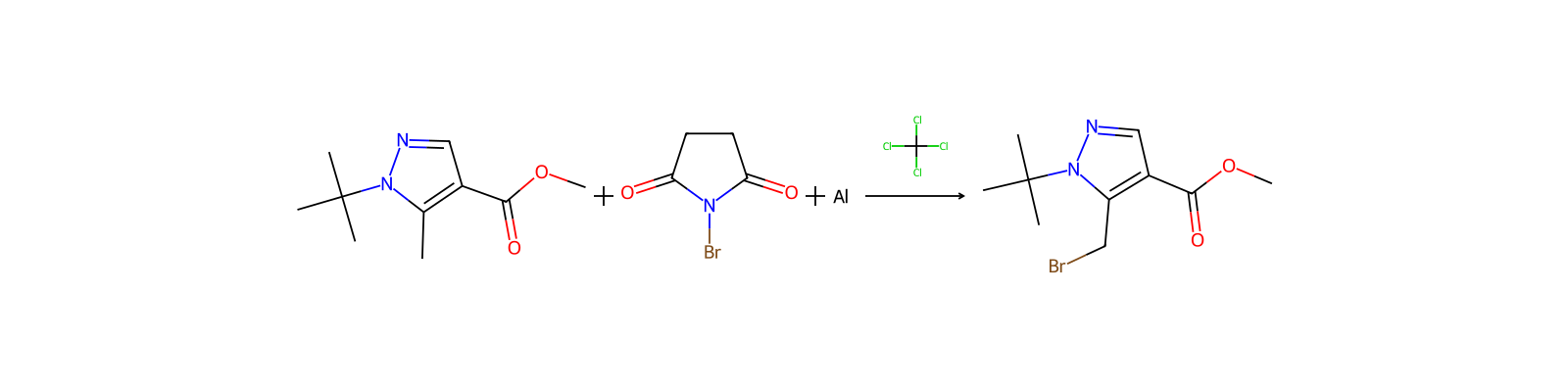
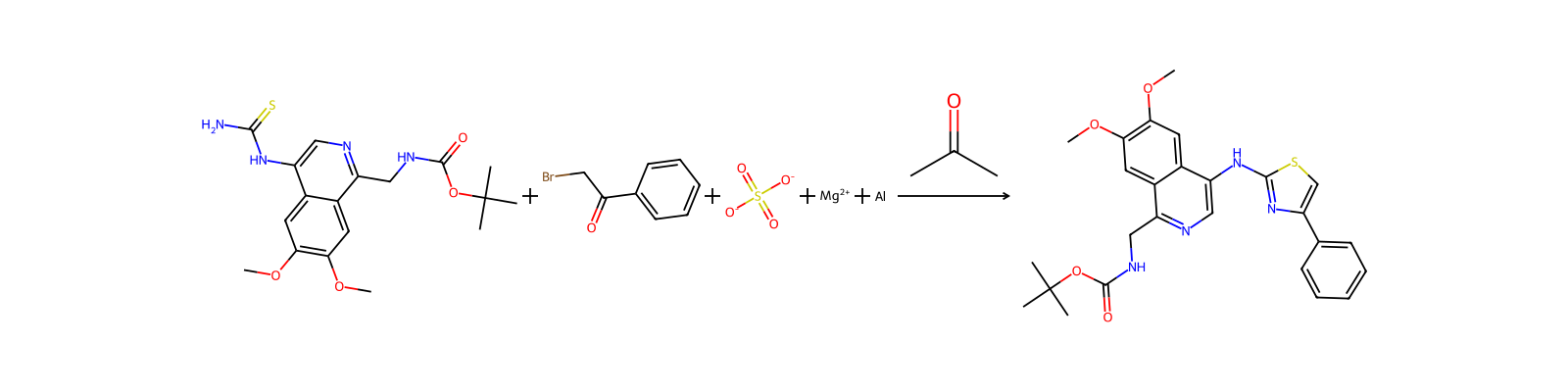
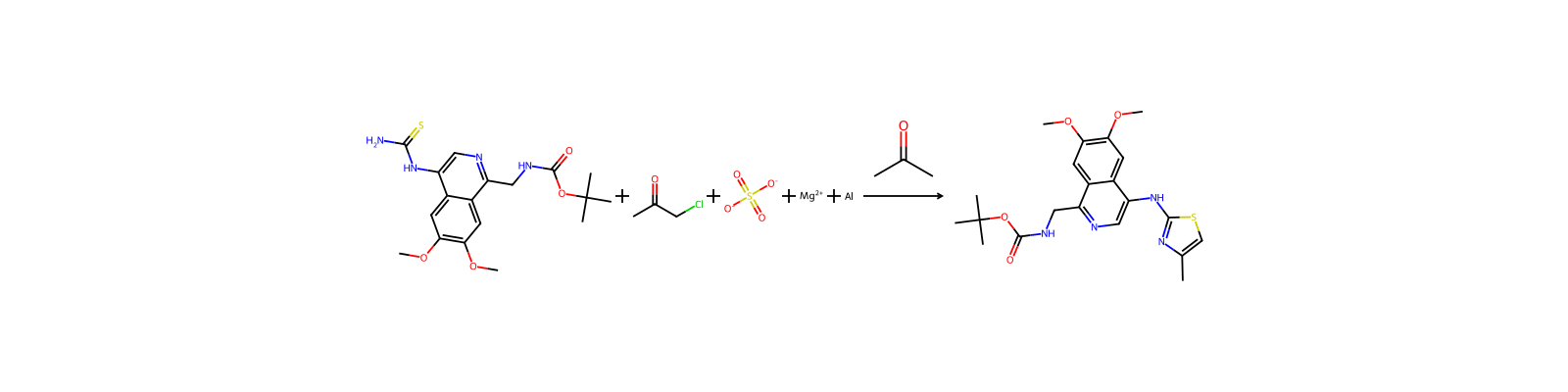
886 条




关联笔记
加载中…