

基本信息
- 标准SMILES
NCCCCCC(=O)O- InChIKey
SLXKOJJOQWFEFD-UHFFFAOYSA-N- 分子式
- C6H13NO2
- 平均分子量
- 131.17 g/mol
- 单同位素质量
- 131.09462866
概述
6-aminohexanoic acid is an -amino acid comprising hexanoic acid carrying an amino substituent at position C-6. Used to control postoperative bleeding, and to treat overdose effects of the thrombolytic agents streptokinase and tissue plasminogen activator. It has a role as a metabolite, an antifibrinolytic drug and a hematologic agent. It is an epsilon-amino acid and an omega-amino fatty acid. It is functionally related to a hexanoic acid. It is a conjugate acid of a 6-aminohexanoate. It is a tautomer of a 6-aminohexanoic acid zwitterion.
名称与标识
- 首选名称
- 6-Aminohexanoic Acid
- IUPAC
- 6-aminohexanoic acid
- 中文名
- 氨基己酸
- 英文名
- Aminocaproic Acid
- 分子式
- C6H13NO2
- 分子量
- 0
名称与别名
6-aminohexanoic acid6-Aminocaproic acidaminocaproic acid60-32-2Hexanoic acid, 6-amino-AcepramineEpsicapronEpsilcapraminCapramolCaprolisinAcepraminHemopar
展开更多名称
氨基己酸3,3-二甲基环辛烷-1,2-二酮Aminohexanoic acidAcido aminocaproicoAcidum aminocaproicumHexanoic acid, amino-Aminohexanoic acid USP/EP/BPAcidum aminocaproicum [inn-latin]Acido aminocaproico [inn-spanish]Acide aminocaproique [inn-french]
IpsilonRespraminAmikarEACAAminokapronAfibrinCaplaminAtsemin
数据库标识
- CAS
1319-82-0、60-32-2- PubChem CID
- 564
- DTXSID
DTXSID0020070- ChEMBL
CHEMBL1046- ChEBI
CHEBI:16586- UNII
- U6F3787206
- EC Number
- 200-469-3
- Nikkaji
- J1.398F
性质
结构计算性质
- XLogP
- -3
- 极性表面积
- 63.3 Ų
- 氢键供体
- 2
- 氢键受体
- 3
- 可旋转键
- 5
- 重原子
- 9
- 形式电荷
- 0
- 复杂度
- 83.1
实验与物化性质
Chemical ClassesNitrogen Compounds -> Amino Carboxylic Acids
DrugsPharmaceuticals -> Listed in ZINC15
LipidsFatty Acyls [FA] -> Fatty Acids and Conjugates [FA01] -> Amino fatty acids [FA0110]
LogP-2.95
OdorODORLESS, OR NEARLY SO
TasteTASTELESS
Color/Form
FINE, WHITE, CRYSTALLINE POWDER
LEAVES FROM ETHER
Solubility
1 G IN 3 ML OF WATER; SLIGHTLY SOL IN ALCOHOL; PRACTICALLY INSOL IN CHLOROFORM & ETHER
505.0 mg/mL at 25 °C
0.9 [ug/mL] (The mean of the results at pH 7.4)
Human Drugs
FDA approved drugs -> Active ingredient
FDA approved drugs -> Active ingredient
Animal DrugsPharmaceuticals -> Animal Drugs -> Approved in Taiwan
Melting Point
202-203 °C
205 °C
Physical Description
Wet Solid
White solid; [HSDB] White crystalline solid; [MSDSonline]
Solid
物理化学性质
- 熔点
- 205 · 205-207 °C
安全与法规
GHS分类
GHS Classification
This chemical does not meet GHS hazard criteria for 78.6% (206 of 262) of all reports.
Warning
H315 (20.6%): Causes skin irritation [Warning Skin corrosion/irritation]
P261, P264, P264+P265, P271, P280, P302+P352, P304+P340, P305+P351+P338, P319, P321, P332+P317, P337+P317, P362+P364, P403+P233, P405, and P501 (click each P-code to see the statement)
Aggregated GHS information provided per 262 reports by companies from 11 notifications to the ECHA C&L Inventory. Each notification may be associated with multiple companies.
危害信息
Regulatory Information
Chemical: Hexanoic acid, 6-amino-
Hexanoic acid, 6-amino- is listed on the EPA's Chemical Data Reporting (CDR) system. Manufacturers and importers of Hexanoic acid, 6-amino- are required to report information about their production and use of this chemical to the EPA under the Toxic Substances Control Act (TSCA). (40 eCFR Part 711)
Status: Active Update: 24-10-2022 https://echa.europa.eu/registration-dossier/-/registered-dossier/22890
Hexanoic acid, 6-amino-: Does not have an individual approval but may be used under an appropriate group standard
Other Safety InformationIMAP assessments - Hexanoic acid, 6-amino-: Environment tier I assessment
Hazards Summary
Possible side effects in long-term therapy greater than 2 weeks include seizures, myopathy, renal failure, and kidney failure; [HSDB] May cause irritation; Effects in high-dose animal studies include convulsions or effect on seizure threshold and changes in the renal tubules; [MSDSonline] Not teratogenic in rabbits; [REPROTOX]
Special Reports
REVIEW: A PROFILE OF THE PHARMACOLOGY, THERAPEUTIC INDICATIONS, THE PREPARATIONS AND STRENGTHS AVAILABLE, THE DOSAGE, CONTRAINDICATIONS, TOXICITY, INTERACTIONS, PHARMACOKINETICS AND OTHER PHYSICAL PROPERTIES OF EPSILON-AMINOCAPROIC ACID.[PROFILE ON EPSILON AMINOCAPROIC ACID; AUST J PHARM 62(JUN) 403 (1981)]
Hazard Classes and CategoriesSkin Irrit. 2 (20.6%)
毒理信息
InteractionsPLASMINOGEN ACTIVATORS SUCH AS STREPTOKINASE & UROKINASE ARE USED TO TREAT THROMBOEMBOLIC DISORDERS. ...AMINOCAPROIC ACID COUNTERACTS THE THROMBOLYTIC EFFECT OF THESE DRUGS...
Adverse Effects
Neurotoxin - Other CNS neurotoxin
Although aminocaproic acid is generally well tolerated in patients, reported adverse effects of the drug include malaise, myalgias, renal impairment, seizures, hypotension, bradycardia, thrombosis, edemas, and injection site reactions. Less frequently, aminocaproic acid may also lead to gastrointestinal symptoms, such as nausea and diarrhea. In addition, there have been reports of nasal congestion and conjunctival suffusion with the usage of aminocaproic acid.
Toxicity Summary
Aminocaproic acid is associated with a low acute toxicity risk. Research on teratogenic in vitro studies has revealed no fetal abnormalities when administering aminocaproic acid dosages up to 5000 mcg/kg/d. Retinal changes have been reported in dogs after receiving aminocaproic acid orally over 1 year at doses approximately 7 times higher than the maximum recommended dose for in vivo use. A significant concern regarding aminocaproic acid treatment is whether this drug can increase patients' risk of thrombosis and intravascular coagulation. Although there are isolated reports of arterial or venous thrombosis, it is noteworthy that the underlying thrombotic comorbidity is present in each reported case.
Human Toxicity Excerpts
CARDIAC & HEPATIC NECROSES WERE FOUND @ POSTMORTEM EXAMINATION IN ONE PT WHO HAD RECEIVED THERAPEUTIC DOSES OF THE DRUG.
AMINOCAPROIC ACID MAY CAUSE ITCHING, ERYTHEMA, SKIN RASH, DIURESIS, HEARTBURN, NAUSEA, & DIARRHEA. ...HAS ANTIADRENERGIC EFFECT SIMILAR TO GUANETHIDINE, SO THAT NASAL STUFFINESS, CONJUNCTIVAL SUFFUSION, & HYPOTENSION MAY OCCUR. ...MAY ENHANCE THROMBOTIC PROCESSES BY SUPPRESSION OF REACTIVE FIBRINOLYSIS...
AMICAR HAS BEEN USED IN SUBARACHNOID HEMORRHAGE TO PROMOTE CLOTTING, BUT CEREBRAL THROMBOSIS HAS BEEN REPORTED IN VARIOUS VASCULAR COMPARTMENTS FOLLOWING ITS USE. TWO PATIENTS ARE DESCRIBED WHO HAD CEREBRAL ANGIOGRAPHY AFTER AMICAR THERAPY WHICH DEMONSTRATED THROMBOSIS UNRELATED TO VASCULAR SPASM OR TO TECHNICAL COMPLICATIONS OF ANGIOGRAPHY.
Drug Induced Liver Injury
Drug Induced Liver Injury Rank (DILIrank 2.0)
Aminocaproic acid
vNo-DILI-concern
0
No match
DOI:10.1016/j.drudis.2016.02.015
Non-Human Toxicity Excerpts
/AMINOCAPROIC ACID/...IS TERATOGENIC IN ANIMALS...
SUBENDOCARDIAL HEMORRHAGES & MYOCARDIAL DEPRESSION HAVE BEEN ASSOCIATED WITH ADMIN OF AMINOCAPROIC ACID IN SEVERAL ANIMAL SPECIES. DRUG MAY TRANSIENTLY ALTER PROTEIN METABOLISM BY INHIBITING UTILIZATION OF LYSINE.
...WHEN GIVEN IV TO CATS HAS SYMPATHOMIMETIC EFFECTS, INCL DILATED PUPILS & EXOPHTHALMOS ATTRIBUTABLE PARTLY TO RELEASE OF CATECHOLAMINES. ...CHRONICALLY BY MOUTH IT OCCASIONALLY CAUSES NASAL CONGESTION & CONJUNCTIVAL HYPEREMIA.
化学与工业
药理信息
ATC CodeB - Blood and blood forming organs
Pharmacodynamics
Aminocaproic acid works as an antifibrinolytic. It is a derivative of the amino acid lysine. The fibrinolysis-inhibitory effects of aminocaproic acid appear to be exerted principally via inhibition of plasminogen activators and to a lesser degree through antiplasmin activity. Aminocaproic acid may be a possible prophylactic for vascular disease, as it may prevent formation of lipoprotein (a), a risk factor for vascular disease.
Mechanism of Action
Aminocaproic acid binds reversibly to the kringle domain of plasminogen and blocks the binding of plasminogen to fibrin and its activation to plasmin. With NO activation of plasmin, there is a reduction in fibrinolysis. This consequently will reduce the amount of bleeding post surgery. Elevated plasma levels of lipoprotein(a) have been shown to increase the risk of vascular disease. Lipoprotein 9a)a has two components, apolipoprotein B-100, linked to apolipoprotein (a). Aminocaproic acid may change the conformation of apoliprotein (a), changing its binding properties and potentially preventing the formation of lipoprotein (a).
A COMPETITIVE INHIBITOR OF ACTIVATORS OF PROFIBRINOLYSIN &, TO LESSER EXTENT, OF FIBRINOLYSIN. AS A CONSEQUENCE, IT SUPPRESSES FORMATION OF FIBRINOLYSIN, AN ENZYME WHICH DESTROYS FIBRINOGEN, FIBRIN, & OTHER CLOTTING COMPONENTS.
MICROCALORIMETRY AND UV AND IR SPECTROSCOPY WERE USED TO STUDY THE INTERMOLECULAR INTERACTIONS OF PLASMINOGEN AND PLASMIN WITH EPSILON-AMINOCAPROIC ACID (I) TO DETERMINE THE MECHANISM OF FIBRINOLYSIS INHIBITION. AT LOW DOSES, THE INHIBITORY EFFECT WAS DUE MAINLY TO BLOCKADE OF THE STAGE OF ACTIVATION OF PLASMINOGEN, WHEREAS THE EFFECTIVENESS OF HIGH CONCENTRATIONS OF I WAS ACHIEVED ALSO BY INACTIVATION OF THE ENZYMIC ACTIVITY OF PLASMIN.
Biological Half-LifeThe terminal elimination half-life is approximately 2 hours.
Metabolism/MetabolitesSixty-five percent of the dose is recovered in the urine as unchanged drug and 11% of the dose appears as the metabolite adipic acid.
FDA Pharmacological Classification
U6F3787206
AMINOCAPROIC ACID
Established Pharmacologic Class [EPC] - Antifibrinolytic Agent
Physiologic Effects [PE] - Decreased Fibrinolysis
Aminocaproic acid is an Antifibrinolytic Agent. The physiologic effect of aminocaproic acid is by means of Decreased Fibrinolysis.
AMINOCAPROIC ACID
MeSH Pharmacological ClassificationAgents that prevent fibrinolysis or lysis of a blood clot or thrombus. Several endogenous antiplasmins are known. The drugs are used to control massive hemorrhage and in other coagulation disorders.
Absorption, Distribution and Excretion
Absorbed rapidly following oral administration. In adults, oral absorption appears to be a zero-order process with an absorption rate of 5.2 g/hr. The mean lag time in absorption is 10 minutes. After a single oral dose of 5 g, absorption was complete (F=1).
Renal excretion is the primary route of elimination, whether aminocaproic acid is administered orally or intravenously.
23.1 ± 6.6 L
169 mL/min
AMINOCAPROIC ACID IS WELL ABSORBED ORALLY... THIS DRUG IS EXCRETED RAPIDLY IN URINE, LARGELY UNCHANGED, & PEAK PLASMA LEVELS ARE OBTAINED ABOUT 2 HR AFTER A SINGLE ORAL DOSE.
Tissue LocationsEpidermis
Cellular LocationsExtracellular
Metabolite PathwaysAminocaproic Acid Action Pathway
用途与制造
Uses
Used as a captive chemical intermediate in the production of nylon 6; [HSDB] Used as a hemostatic; [Merck Index] An inhibitor of fibrinolysis and sold as Amicar; [REPROTOX]
ANTIDOTE FOR OVERDOSAGE IN FIBRINOLYTIC THERAPY; CAPTIVE CHEM INT IN PRODUCTION OF NYLON 6
MEDICATION
MEDICATION (VET):
U.S. Exports
(1972) No Data
(1975) No Data
U.S. Imports
(1975) 3.8X10+6 GRAMS (PRINCPL CUSTMS DISTS)
(1976) 5.50X10+6 GRAMS (PRINCPL CUSTMS DISTS)
U.S. Production
2023: 50,000 - <250,000 lb
(1974) GREATER THAN 4.54X10+5 GRAMS
(1975) No Data
Consumption PatternsEXCLUDING CAPTIVE USE IN NYLON 6 PRODUCTION FROM CAPROLACTAM, PROBABLY 100% IS USED AS A FIBRINOLYTIC INHIBITOR (1976)
Industry UsesOther
Methods of Manufacturing
HEATING OF AN AQUEOUS SOLUTION OF CAPROLACTAM WITH CALCIUM HYDROXIDE TO GIVE CALCIUM AMINOCAPROATE, FOLLOWED BY REACTION WITH SULFURIC ACID
...FROM EPSILON-BENZOYLAMINOCAPRONITRILE: RUZICKA, HUGOSON, HELV CHIM ACTA 4, 472 (1921); FROM EPSILON CAPROLACTAM...SULZBACHER, MFR CHEMIST 33, 463 (1963); FROM 1-HYDROXYCYCLOHEXYLHYDROPEROXIDE: MINISCI, PORTOLANI; GAZZ CHIM ITAL 89, 1941 (1959).
Formulations/Preparations...AVAILABLE AS INJECTION (250 MG/ML), SYRUP (250 MG/ML) & TABLETS (500 MG).
Use ClassificationPharmaceuticals -> Animal Drugs -> Approved in Taiwan
General Manufacturing Information
All Other Basic Organic Chemical Manufacturing
Hexanoic acid, 6-amino-: ACTIVE
应用领域
简介氨基己酸(也即6-氨基己酸)是抗纤维蛋白溶解药。纤维蛋白原通过其分子结构中的赖氨酸结合部位特异性地与纤维蛋白结合,然后在激活物作用下变为纤溶酶,该酶能裂解纤维蛋白中精氨酸和赖氨酸肽链,形成纤维蛋白降解产物,使血凝块溶解。氨基己酸能定性阻抑纤溶酶原与纤维蛋白结合,防止其激活,从而抑制纤维蛋白溶解,高浓度(100mg/L)则直接抑制纤溶酶活力,达到止血效果。
供应商24 家
山西锦洋药用辅料有限公司18234787927
陕西缔都新材料有限公司81124267 17392282731 · [email protected]
湖北海克斯生化有限公司17362916295; 17362916295 · [email protected]
陕西缔都新材料有限公司029-63373950 17392216152 · [email protected]
苏州市森菲达化工有限公司18796480002 18796480002 · [email protected]
武汉灵灵九生物科技有限公司15623309010
江苏艾康生物医药研发有限公司025-025-66113011 15955137747 · [email protected]
Dayang Chem (Hangzhou) Co.,Ltd.+86-0571-88938639 17705817739 · [email protected]
湖南瑞威尔生物科技有限公司15608648206 13297919155 · [email protected]
湖北长耀生物科技有限公司17683887209 17683887209 · [email protected]
重庆瑞泊莱制药有限公司023-68509220
南京生利德生物科技有限公司025-57798810 18652991625 · [email protected]
嘉兴凯瑞生物科技有限公司18258318278 · [email protected]
青岛海智微元生物科技有限公司18317699790 18317699790 · [email protected]
武汉贝乐叶生物医药科技有限公司18086118078 · [email protected]
深圳振强药物研发有限公司+86-0755-66853366 +86-13670046396 · [email protected]
山东盛之源生物科技有限公司13969162569
杭州洁汉化工有限公司+86-571-86217390; +8618058761490 · [email protected]
深圳博泰尔生物技术有限公司13316949107 13316968096 · [email protected]
深圳市创鑫生物科技有限公司13417589054 · [email protected]
陕西衡瀚新材料有限公司15719109892 · [email protected]
广州市禄涞医药科技有限公司13660253774 · [email protected]
榆林润天畅化工有限责任公司15890142075 15890142075 · [email protected]
Shaanxi Dideu Medichem Co. Ltd+86-17392712779 · [email protected]
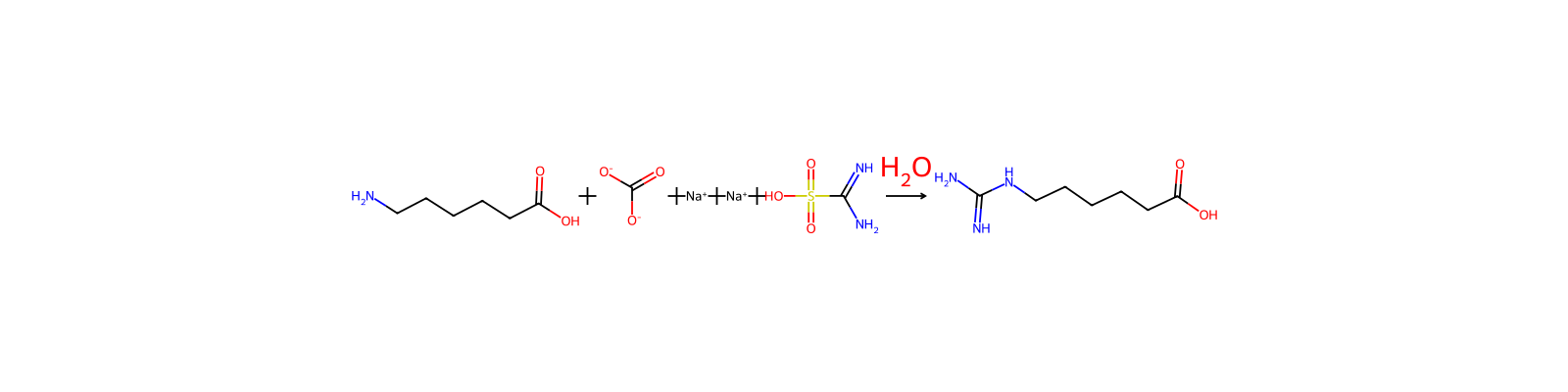
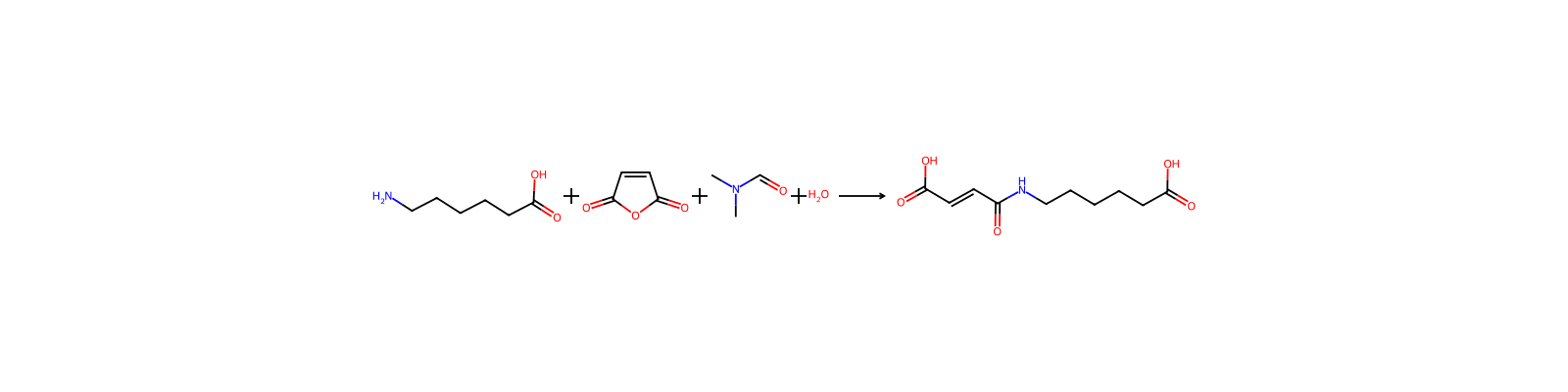
相关反应
228 条



关联笔记
加载中…