
基本信息
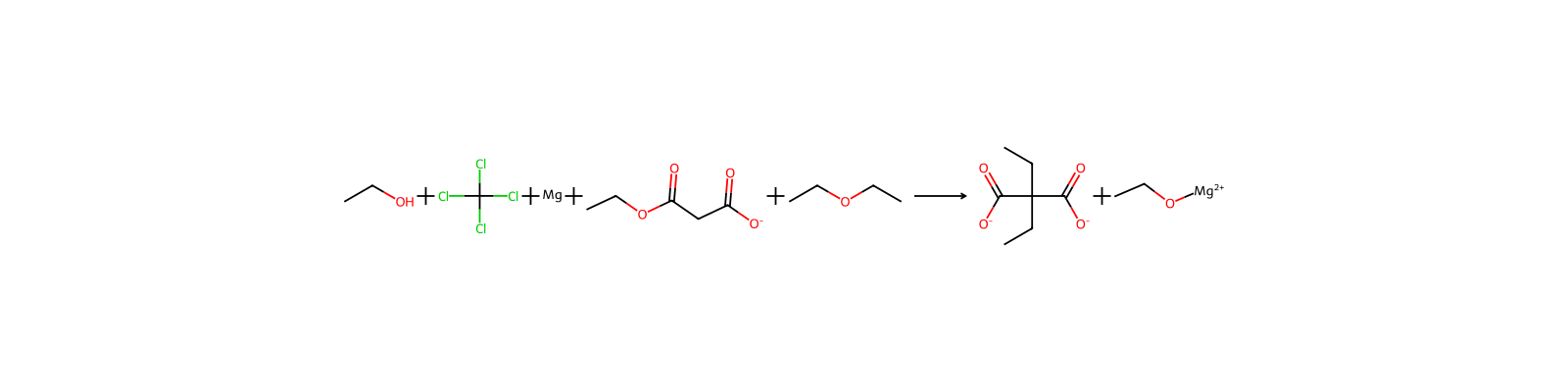
- 标准SMILES
ClC(Cl)(Cl)Cl- InChIKey
VZGDMQKNWNREIO-UHFFFAOYSA-N- 分子式
- CCl4
- 平均分子量
- 153.8 g/mol
- 单同位素质量
- 151.87541072
概述
Carbon tetrachloride is a manufactured chemical that does not occur naturally. It is a clear liquid with a sweet smell that can be detected at low levels. It is also called carbon chloride, methane tetrachloride, perchloromethane, tetrachloroethane, or benziform. Carbon tetrachloride is most often found in the air as a colorless gas. It is not flammable and does not dissolve in water very easily. It was used in the production of refrigeration fluid and propellants for aerosol cans, as a pesticide, as a cleaning fluid and degreasing agent, in fire extinguishers, and in spot removers. Because of its harmful effects, these uses are now banned and it is only used in some industrial applications.
名称与标识
- 首选名称
- Carbon Tetrachloride
- IUPAC
- tetrachloromethane
- 中文名
- 四氯化碳
- 英文名
- Carbon tetrachloride
- 分子式
- CCl4
- 分子量
- 153.82
名称与别名
CARBON TETRACHLORIDETetrachloromethane56-23-5PerchloromethaneTetrasolBenzinoformNecatorineTetrafinolVermoestricidCarbonaUnivermCarbon tet
展开更多名称
四氯甲烷四氯化碳五氯花碳四氨化碳全氯甲烷四氯化甲酰N四氯化碳*2环保四氯化碳四氯化碳标样无水四氯化碳CCl4r10R-10MAGNACIDECCm0R 10
Methane, tetrachloro-Methane tetrachlorideFlukoidsNecatorinaTetraformCarbon chlorideTetrachlormethanTetrachloormetaan
数据库标识
- CAS
56-23-5- PubChem CID
- 5943
- DTXSID
DTXSID8020250- ChEMBL
CHEMBL44814- ChEBI
CHEBI:27385- UNII
- CL2T97X0V0
- EC Number
- 200-262-8
- Nikkaji
- J2.317E
性质
结构计算性质
- XLogP
- 2.8
- 极性表面积
- 0 Ų
- 氢键供体
- 0
- 氢键受体
- 0
- 可旋转键
- 0
- 重原子
- 5
- 形式电荷
- 0
- 复杂度
- 19.1
实验与物化性质
Chemical Classes
Hazardous Air Pollutants (HAPs)
Carcinogens
SolventsSolvents -> Chlorinated Aliphatics
SpringerMaterials PropertiesGibbs energy
Pesticides
Pesticide -> EPA IRIS
Agrochemicals -> Pesticide active substances
Active substance -> EU Pesticides database: Not approved
Volatile Organic Compound (VOC) (Pesticide/Volatile Organic Compound (VOC))
LogP
log Kow = 2.83
2.83
2.64
Odor
Sweet
Characteristic, ether-like odor
Sweetish, distinctive odor
Characteristic non-irritant odor
Density
1.59 at 68 °F (USCG, 1999) - Denser than water; will sink
1.5940 g/cu cm at 20 °C
Saturated liquid density: 99.080 lb/cu ft; liquid heat capacity: 0.219 Btu/lb °F; liquid viscosity: 0.922 centipoise; ideal gas heat capacity: 0.130 Btu/lb °F (all at 75 °F)
Liquid thermal conductivity: 0.690 Btu-inch/hr-sq ft °F; saturated vapor pressure: 1.874 lb/sq in; saturated vapor density: 0.05069 lb/cu ft (all at 70 °F)
Relative density (water = 1): 1.59 (20 °C)
1.59
Viscosity
2.03X10⁻³ Pa.s at 250.00 K
2.03 mPa*s at -23 °C
Color/Form
Liquid
Colorless, clear, heavy liquid
Colorless liquid
Solubility
less than 1 mg/mL at 70 °F (NTP, 1992)
In water, 793 mg/L at 25 °C
In water, 1160 mg/L at 25 °C, 800 mg/L at 20 °C
Miscible with alcohol, benzene, chloroform, ether, carbon disulfide, petroleum ether, oils
Soluble in ethanol, acetone; miscible with ethyl ether, benzene, chloroform
Soluble in naphtha
CorrosivityLiquid carbon tetrachloride attacks some forms of plastics, rubber, and coatings.
Endocrine DisruptorsPotential endocrine disrupting compound
物理化学性质
- 熔点
- -23 °C · -23 °C
- 沸点
- 76 · 76-77 °C(lit.)
- 密度
- 1.594 g/mL · 1.594 g/mL at 25 °C(lit.)
- 蒸气密度
- 5.32 · 5.32 (vs air)
- 蒸气压
- 4.05 psi · 4.05 psi ( 20 °C)
- 折射率
- 20 · n20/D 1.460(lit.)
- 闪点
- 2 °F · −2 °F
- 储存条件
- 2 · 2-8°C
- 溶解度
- Miscible with ethanol, benzene, chloroform, ether, carbon disulfide (U.S. EPA, 1985), petroleum ether, solvent naphtha, and volatile oils (Yoshida et al., 1983a).
- 形态
- Liquid
- 颜色
- Clear colorless
- 气味 (Odor)
- 140 to · Ethereal, sweet, pungent odor detectable at 140 to 584 ppm (mean = 252 ppm)
- 相对极性
- 0.052 · 0.052
- 嗅觉阈值(Odor Threshold)
- 4.6 ppm · 4.6ppm
- 生物来源
- rat
- 水溶解性
- 0.8 g/L · 0.8 g/L (20 ºC)
- 比热容
- 0.85 J/ · Cp(liquid): 0.85 J/(g·K); Cp(gas): 0.54 J/(g·K), at 25℃
- 热导率
- 0.096 W/ · 0.096 W/(m·K) at 25 ℃
- 最大波长(λmax)
- 265 nm · λ: 265 nm Amax: 1.0λ: 270 nm Amax: 0.30λ: 280 nm Amax: 0.07λ: 290 nm Amax: 0.02λ: 300-400 nm Amax: 0.01
- Merck
- 13 · 13,1826
- BRN
- 1098295 · 1098295
- Henry's Law Constant
- 2.15 at · 2.15 at 30 °C (headspace-GC, Sanz et al., 1997)
- 暴露限值
- 5 ppm · ACGIH TLV-TWA:5 ppm (31 mg/m3);TLV-STEL:10 ppm (63 mg/m3)OSHA PEL-TWA:10 ppm;PEL-Ceiling:25 ppm,5-minute/4-hour;PEL-peak:200 ppmNIOSH REL-STEL:1 hour 2 ppm;IDLH:200 ppm
- 介电常数
- 2.2 · 2.2(20℃)
- InChIKey
- VZGDMQKNWNREIO-UHFFFAOYSA-N
- LogP
- 2.83 · 2.830
- 表面张力
- 26.95 mN/m · 26.95mN/m at 20°C
- CAS 数据库
- 56 · 56-23-5(CAS DataBase Reference)
- (IARC)致癌物分类
- 2 B · 2B (Vol. 20, Sup 7, 71) 1999
- NIST化学物质信息
- Carbon tetrachloride(56-23-5)
- EPA化学物质信息
- Carbon tetrachloride (56-23-5)
化学性质
无色透明挥发液体,具有特殊的芳香气味。味甜。 1ml溶于2000ml水,与乙醇、乙醚、氯仿、苯、二硫化碳、石油醚和多数挥发油等混溶。
安全与法规
GHS分类
GHS Classification
Danger
H301: Toxic if swallowed [Danger Acute toxicity, oral]
P203, P260, P261, P262, P264, P270, P271, P273, P280, P301+P316, P302+P352, P304+P340, P316, P318, P319, P321, P330, P361+P364, P403+P233, P405, P501, and P502 (click each P-code to see the statement)
Danger
H301+H311+H331 (34.4%): Toxic if swallowed, in contact with skin or if inhaled [Danger Acute toxicity, oral; acute toxicity, dermal; acute toxicity, inhalation]
P203, P260, P261, P262, P264, P270, P271, P272, P273, P280, P301+P316, P302+P352, P304+P340, P316, P318, P319, P321, P330, P333+P317, P361+P364, P362+P364, P403+P233, P405, P501, and P502 (click each P-code to see the statement)
危害信息
Regulatory Information
Chemical: Methane, tetrachloro-
Hazard Traits - Carcinogenicity; Cardiovascular Toxicity; Developmental Toxicity; Hepatotoxicity and Digestive System Toxicity; Nephrotoxicity and Other Toxicity to the Urinary System; Neurotoxicity; Reproductive Toxicity
Methane, tetrachloro- is listed on the EPA's Chemical Data Reporting (CDR) system. Manufacturers and importers of Methane, tetrachloro- are required to report information about their production and use of this chemical to the EPA under the Toxic Substances Control Act (TSCA). (40 eCFR Part 711)
Status: Active Update: 02-02-2023 https://echa.europa.eu/registration-dossier/-/registered-dossier/14940
Carbon tetrachloride: HSNO Approval: HSR002930 Approved with controls
The New Jersey Worker and Community Right to Know Act requires public and private employers to provide information about hazardous substances at their workplaces. (N.J.S.A. 34:5A-1 et. seq.)
Other Safety InformationIMAP assessments - Methane, tetrachloro-: Environment tier II assessment
DOT LabelPoison
Fire Hazards
Special Hazards of Combustion Products: Forms poisonous phosgene gas when exposed to open flames.
· Non-combustible, substance itself does not burn but may decompose upon heating to produce corrosive and/or toxic fumes.
Not combustible. Gives off irritating or toxic fumes (or gases) in a fire.
Fire PotentialNot combustible, but reacts under fire conditions producing hydrochloric acid and phosgene.
Health Hazards
Dizziness, incoordination, anesthesia; may be accompanied by nausea and liver damage. Kidney damage also occurs, often producing decrease or stopping of urinary output. (USCG, 1999)
· Highly toxic, may be fatal if inhaled, ingested or absorbed through skin.
Hazards Summary
Carbon tetrachloride is a manufactured chemical that does not occur naturally. It is a clear liquid with a sweet smell that can be detected at low levels. It is also called carbon chloride, methane tetrachloride, perchloromethane, tetrachloroethane, or benziform. Carbon tetrachloride is most often found in the air as a colorless gas. It is not flammable and does not dissolve in water very easily. It was used in the production of refrigeration fluid and propellants for aerosol cans, as a pesticide, as a cleaning fluid and degreasing agent, in fire extinguishers, and in spot removers. Because of its harmful effects, these uses are now banned and it is only used in some industrial applications.
Carbon tetrachloride may be found in both ambient outdoor and indoor air. The primary effects of carbon tetrachloride in humans are on the liver, kidneys, and central nervous system (CNS). Human symptoms of acute (short-term) inhalation and oral exposures to carbon tetrachloride include headache, weakness, lethargy, nausea, and vomiting. Acute exposures to higher levels and chronic (long-term) inhalation or oral exposure to carbon tetrachloride produces liver and kidney damage in humans. Human data on the carcinogenic effects of carbon tetrachloride are limited. Studies in animals have shown that ingestion of carbon tetrachloride increases the risk of liver cancer. EPA has classified carbon tetrachloride as a Group B2, probable human carcinogen.
May cause severe hepatic injury and secondary renal tubular necrosis. [LaDou, p. 553] Carbon tetrachloride is in the list of Some volatile substances which may be abused by inhalation published on the web site of the U.N. International Drug Control Programme, indicating its potential to cause narcosis in workers.
DOT ID and Guide
1846 151
1846 151
FDA RequirementsCarbon tetrachloride is an indirect food additive for use only as a component of adhesives.
Reactive GroupHalogenated Organic Compounds
UN ClassificationUN Hazard Class: 6.1; UN Pack Group: II
Special Reports
DHHS/National Toxicology Program; Report on Carcinogens, Fourteenth Edition: Carbon tetrachloride (November 2016). The Report on Carcinogens is an informational scientific and public health document that identifies and discusses substances (including agents, mixtures, or exposure circumstances) that may pose a carcinogenic hazard to human health. Carbon tetrachloride (56-23-5) is listed as reasonably anticipated to be a human carcinogen.[Available from, as of March 13, 2018: http://ntp.niehs.nih.gov/pubhealth/roc/index-1.html]
HHS/ATSDR; Toxicological Profile for Carbon tetrachloride (August 2005)[Available from, as of March 13, 2018: https://www.atsdr.cdc.gov/toxprofiles/index.asp]
USEPA/ECAO; Atlas Document for: Carbon Tetrachloride (1981)
NIOSH; Criteria Document: Carbon Tetrachloride (1975) DHEW Pub No. NIOSH 76-133
For more Special Reports (Complete) data for Carbon tetrachloride (12 total), please visit the HSDB record page.
安全与防护
Fire Fighting
Excerpt from ERG Guide 151 [Substances - Toxic (Non-Combustible)]:
In case of fire in the surroundings, use appropriate extinguishing media. In case of fire: keep drums, etc., cool by spraying with water.
First Aid Measures
Remove immediately from exposure. Fresh air, rest. Artificial respiration may be needed. Refer immediately for medical attention.
Remove contaminated clothes. Rinse and then wash skin with water and soap. Refer immediately for medical attention.
First rinse with plenty of water for several minutes (remove contact lenses if easily possible), then refer for medical attention.
Rinse mouth. Refer immediately for medical attention.
Accidental Release Measures
· CALL 911. Then call emergency response telephone number on shipping paper. If shipping paper not available or no answer, refer to appropriate telephone number listed on the inside back cover.
· Do not touch damaged containers or spilled material unless wearing appropriate protective clothing.
First Aid
EYES: First check the victim for contact lenses and remove if present. Flush victim's eyes with water or normal saline solution for 20 to 30 minutes while simultaneously calling a hospital or poison control center. Do not put any ointments, oils, or medication in the victim's eyes without specific instructions from a physician. IMMEDIATELY transport the victim after flushing eyes to a hospital even if no symptoms (such as redness or irritation) develop.
General First Aid:
(General first aid procedures)
Safe StorageWell closed. Cool. Separated from food and feedstuffs and metals. See Chemical Dangers. Ventilation along the floor. Store in an area without drain or sewer access.
Exposure Control and Personal Protection
· Wear positive pressure self-contained breathing apparatus (SCBA).
0.5 [ppm]
Fire Fighting Procedures
Suitable extinguishing media: Use water spray, alcohol-resistant foam, dry chemical or carbon dioxide.
Advice for firefighters: Wear self-contained breathing apparatus for firefighting if necessary.
Use water spray to keep fire-exposed containers cool. Extinguish fire using agent suitable for surrounding fire.
If material involved in fire: Extinguish fire using agent suitable for type of surrounding fire (Material itself does not burn or burns with difficulty.)
Storage Conditions
Keep container tightly closed in a dry and well-ventilated place. Containers which are opened must be carefully resealed and kept upright to prevent leakage.
Store in a cool, dry, well-ventilated location. Separate from alkali metals.
Store in a secure poison location. Prior to working with carbon tetrachloride you should be trained on its proper handling and storage. Store in tightly closed containers in a cool, well-ventilated area. Carbon tetrachloride must be stored to avoid contact with chemically active metals, such as sodium, potassium, and magnesium, since violent reactions occur. ... A regulated, marked area should be established where this chemical is handled, used, or stored in compliance with OSHA Standard 1910.1045.
PRECAUTIONS FOR "CARCINOGENS": Storage site should be as close as practical to lab in which carcinogens are to be used, so that only small quantities required for ... expt need to be carried. Carcinogens should be kept in only one section of cupboard, an explosion-proof refrigerator or freezer (depending on chemicophysical properties ...) that bears appropriate label. An inventory ... should be kept, showing quantity of carcinogen & date it was acquired ... Facilities for dispensing ... should be contiguous to storage area. /Chemical Carcinogens/
Cleanup Methods
ACCIDENTAL RELEASE MEASURES: Personal precautions, protective equipment and emergency procedures: Wear respiratory protection. Avoid breathing vapors, mist or gas. Ensure adequate ventilation. Evacuate personnel to safe areas. Environmental precautions: Prevent further leakage or spillage if safe to do so. Do not let product enter drains. Discharge into the environment must be avoided. Methods and materials for containment and cleaning up: Soak up with inert absorbent material and dispose of as hazardous waste. Keep in suitable, closed containers for disposal.
1. Ventilate area of spill or leak. 2. Collect for reclamation or absorb in vermiculite, dry sand, earth, or a similar material.
PRECAUTIONS FOR "CARCINOGENS": A high-efficiency particulate arrestor (HEPA) or charcoal filters can be used to minimize amt of carcinogen in exhausted air ventilated safety cabinets, lab hoods, glove boxes or animal rooms ... Filter housing that is designed so that used filters can be transferred into plastic bag without contaminating maintenance staff is avail commercially. Filters should be placed in plastic bags immediately after removal ... The plastic bag should be sealed immediately ... The sealed bag should be labelled properly ... Waste liquids ... should be placed or collected in proper containers for disposal. The lid should be secured & the bottles properly labelled. Once filled, bottles should be placed in plastic bag, so that outer surface ... is not contaminated ... The plastic bag should also be sealed & labelled. ... Broken glassware ... should be decontaminated by solvent extraction, by chemical destruction, or in specially designed incinerators. /Chemical Carcinogens/
Environmental considerations - Air spill: Apply water spray or mist to knock down vapors. Combustion products included corrosive or toxic vapors.
For more Cleanup Methods (Complete) data for Carbon tetrachloride (7 total), please visit the HSDB record page.
Nonfire Spill ResponseExcerpt from ERG Guide 151 [Substances - Toxic (Non-Combustible)]:
Disposal Methods
Generators of waste (equal to or greater than 100 kg/mo) containing this contaminant, EPA hazardous waste number U211 and D019, must conform with USEPA regulations in storage, transportation, treatment and disposal of waste.
Product: Offer surplus and non-recyclable solutions to a licensed disposal company. Contact a licensed professional waste disposal service to dispose of this material. Dissolve or mix the material with a combustible solvent and burn in a chemical incinerator equipped with an afterburner and scrubber; Contaminated packaging: Dispose of as unused product.
SRP: Wastewater from contaminant suppression, cleaning of protective clothing/equipment, or contaminated sites should be contained and evaluated for subject chemical or decomposition product concentrations. Concentrations shall be lower than applicable environmental discharge or disposal criteria. Alternatively, pretreatment and/or discharge to a permitted wastewater treatment facility is acceptable only after review by the governing authority and assurance that "pass through" violations will not occur. Due consideration shall be given to remediation worker exposure (inhalation, dermal and ingestion) as well as fate during treatment, transfer and disposal. If it is not practicable to manage the chemical in this fashion, it must be evaluated in accordance with EPA 40 CFR Part 261, specifically Subpart B, in order to determine the appropriate local, state and federal requirements for disposal.
Carbon tetrachloride is a waste chemical stream constituent which may be subjected to ultimate disposal by controlled incineration. Preferably after mixing with another combustible fuel; care must be exercised to assure complete combustion to prevent the formation of phosgene; an acid scrubber is necessary to remove the halo acids produced.
For more Disposal Methods (Complete) data for Carbon tetrachloride (12 total), please visit the HSDB record page.
Spillage Disposal
Personal protection: complete protective clothing including self-contained breathing apparatus. Do NOT let this chemical enter the environment. Collect leaking and spilled liquid in covered containers as far as possible. Absorb remaining liquid in sand or inert absorbent. Then store and dispose of according to local regulations.
毒理信息
Toxicological InformationCDC-ATSDR Toxicological Profile
Body Burden
Carbon tetrachloride was detected, not quantified, in 5 of 6 samples of mother's milk in 4 urban sites - Pennsylvania - 1, New Jersey - 2, Louisiana - 1(1). Blood collected from workers exposed to carbon tetrachloride during the production of chlorinated rubbers for road paint in Italy contained a mean concentration of 3.3-6.5 ug/L carbon tetrachloride(2). 29.7% of 387 samples of expired air from 54 normal, healthy, non-smoking human subjects were found to be positive for carbon tetrachloride with a mean concentration of 1.4 ng/L(3). A USEPA TEAM study conducted in New Jersey in the fall of 1981 found a weighted median of 0.69 ug/cu m from 322 breath samples tested and found a weighted median of 0.17 ug/cu m in the summer of 1982 from 148 breath samples tested(4). Analysis of 55 breath samples, 23 blood samples, and 55 urine samples from workers exposed to carbon tetrachloride resulted in a mean concentration of 11.4 mg/cu m, 10.6 ug/L, and 1476 ng/L, respectively(5). A median personal concentration of 0.67 ug/cu m was reported for non-smoking teachers and non-manufacturing office workers as part of the Boston Exposure Assessment in Microenvironments (BEAM) study(6). Carbon tetrachloride was present at a mean concentration of 0.67 and 0.59 ug/cu m in 36 personal air winter and summer samples, respectively, from the West Central Harlem borough and in Palisades, NY (13 miles NW of Manhattan) of New York City sampled in winter and summer, 1999(7).
Cancer Sites
Endocrine
[in animals: liver cancer]
Interactions
Concurrent treatment of mammals with carbon tetrachloride and ... DDT ... increases susceptibility (approx 10 fold) to carbon tetrachloride toxicity.
Susceptibility to carbon tetrachloride poisoning is enhanced by ... /simultaneous/ use of alcohol ... poor nutritional status and perhaps ... calcium deficiency ...
Substances, such as ethanol, that increase the activity of microsomal oxidative metabolism also increase carbon tetrachloride metabolism and thus cause increased carbon tetrachloride toxicity, as shown histologically and by biochemical changes in liver function.
We examined the effects of isopropanol (ISOP) pretreatment on the metabolism of (14)CCl4 to (14)CO2 and CHCl3 exhaled in the breath, to (14)C metabolite excreted in 24 hr urine and feces from 0 to 24 hr, and to (14)C metabolite bound to liver at 24 hr. Fasted male rats were given 0.1 or 2.0 mmoles (14)CCl4/kg. ISOP pretreatment, which markedly enhanced the hepatotoxicity of CCl4, selectively enhanced the rate and total extent of (14)CO2 and CHCl3 metabolite exhalation. The pathways of CCl4 metabolism leading to CO2 and CHCl3 metabolite formation may be more relevant to the hepatotoxicity of CCl4 than the pathways leading to urinary, fecal or covalently bound metabolites.
For more Interactions (Complete) data for Carbon tetrachloride (51 total), please visit the HSDB record page.
Target Organs
Cancer, Hepatic (Liver), Neurological (Nervous System), Renal (Urinary System or Kidneys)
Hepatic
central nervous system, eyes, lungs, liver, kidneys, skin
Health Effects
High exposure to carbon tetrachloride can cause liver, kidney, and central nervous system damage. Single cell necrosis, which is evident after 5h to 6h after dosing, progresses to maximal centrilobular necrosis within 24h to 48h. Cellular regeneration is maximal 36h to 48h after dosing. The rate and extent of tissue repair are important determinants of the ultimate outcome of liver injury. In severe cases, coma and even death may occur. (T10, L129)
Ecotoxicity Values
LC50; Species: Lepomis macrochirus (Bluegill); Conditions: static (unmeasured); Concentration: 125,000 ug/L for 96 hr
LC50; Species: /Lepomis macrochirus/ (Bluegill); Concentration: 27 mg/L for 96 hr (95% confidence limit: 23-33 mg/L) and 38 mg/L for 24 hr at 21-23 °C /Conditions of bioassay not specified in source examined/
LC50; Species: Menidia beryllina (tidewater silverside); Conditions: /static, unmeasured bioassay/; Concentration: 150,000 ug/L for 96 hr
EC50; Species: Pseudokirchneriella subcapitata (Green Algae) 15000 cells/mL; Conditions: freshwater, static, 24 °C; Concentration: 23590 ug/L for 48 hr; Effect: decreased population growth rate
For more Ecotoxicity Values (Complete) data for Carbon tetrachloride (19 total), please visit the HSDB record page.
Environmental Fate
TERRESTRIAL FATE: Based on a classification scheme(1), a Koc value of 71(2) indicates that carbon tetrachloride is expected to have high mobility in soil(SRC). Volatilization of carbon tetrachloride from moist soil surfaces is expected to be an important fate process(SRC) given a Henry's Law constant of 2.76X10⁻² atm-cu m/mole(3). The potential for volatilization of carbon tetrachloride from dry soil surfaces may exist based upon a vapor pressure of 115 mm Hg(4). Utilizing the Japanese MITI test, 0% of the Theoretical BOD was reached in 2 weeks(5) indicating that aerobic biodegradation is not an important environmental fate process in soil(SRC). However, under methanogenic conditions, incubation of carbon tetrachloride in leachate samples from eight full scale landfills resulted in >90 to 100% degradation within 50 days(6) indicating that anaerobic biodegradation may be an important environmental fate process in soil(SRC). However, under methanogenic conditions, incubation of carbon tetrachloride in leachate samples from eight full scale landfills resulted in >90 to 100% degradation within 50 days. A field experiment conducted in a sand aquifer resulted in carbon tetrachloride degradation, with a half-life of 3-7 days via sulfate reduction(7).
AQUATIC FATE: Based on a classification scheme(1), a Koc value of 71(2) indicates that carbon tetrachloride is not expected to adsorb to suspended solids and sediment(SRC). Volatilization from water surfaces is expected(3) based upon a Henry's Law constant of 2.76X10⁻² atm-cu m/mole(4). Using this Henry's Law constant and an estimation method(3), volatilization half-lives for a model river and model lake are 4 hrs and 5 days, respectively(SRC). According to a classification scheme(5), a BCF of 3.2-7.4(6), suggests the potential for bioconcentration in aquatic organisms is low. Utilizing the Japanese MITI test, 0% of the Theoretical BOD was reached in 2 weeks(6) indicating that aerobic biodegradation is not an important environmental fate process in water(SRC).
ATMOSPHERIC FATE: According to a model of gas/particle partitioning of semivolatile organic compounds in the atmosphere(1), carbon tetrachloride, which has a vapor pressure of 115 mm Hg at 25 °C(2), is expected to exist solely as a vapor in the ambient atmosphere. Vapor-phase carbon tetrachloride is degraded in the atmosphere by reaction with photochemically-produced hydroxyl radicals(SRC); a reaction rate constant of 1.20X10⁻¹⁶ cu cm/molecule-sec at 25 °C(3) and half-life of >330 years(4) have been reported. Carbon tetrachloride does not contain chromophores that absorb at wavelengths >290 nm(5) and, therefore, is not expected to be susceptible to direct photolysis by sunlight(SRC). Carbon tetrachloride is very stable in the troposphere with residence times of 30-50 years. Its main loss mechanism is diffusion to the stratosphere where it photolyzes. It is estimated that <1% of the carbon tetrachloride released to the air is partitioned into the oceans(6).
Food Survey Values
Carbon tetrachloride was detected at a range of 3-18 ng/g in fats, fruits and vegetables, meat, tea and bread with oils and fats being at the high end of range (16-18 ng/g)(1). Possible residues in grain products measured at 50 ppm (raw cereals), 10 ppm (milled cereals), and 0.05 ppm (cooked cereal products)(2). 7 samples of grains had a residual range of 2.9-20.1 ppm(3). Residues detected in grains (wheat, corn, oats) ranged between 0.003-49 ppm and intermediate grain-based foods (corn muffin mix, cake mix, flour, etc) ranged between 0.0-100 ppb(4). A variety of table ready food items detected for carbon tetrachloride are as follows: chocolate chip cookies - 1.3 ppb; plain granola - 3.4 ppb; butter - 6 ppb; cheddar cheese - 1.1 ppb; peanut butter - 0.44 ppb; evaporated milk - 0.10 ppb; boiled green peas - 0.18 ppb; fried, breaded shrimp - 0.88 ppb; cooked pork sausage - 0.44 ppb; and frozen fried chicken dinner - 0.76 ppb(5).
Carbon tetrachloride was detected in the following foods(1):[Table#117]
Adverse EffectsNeurotoxin - Acute solvent syndrome
Exposure Routes
The substance can be absorbed into the body by inhalation, through the skin and by ingestion.
inhalation, skin absorption, ingestion, skin and/or eye contact
Oral (L129) ; inhalation (L129) ; dermal (L129)
Milk Concentrations
Carbon tetrachloride was detected, not quantified, in 5 of 6 samples of mother's milk in 4 urban sites - Pennsylvania - 1, New Jersey - 2, Louisiana - 1(1).
The compound was detected at a concentration of 3 ppm in milk from cows treated with veterinary medication containing carbon tetrachloride(1).
法规信息
FDA RequirementsCarbon tetrachloride is an indirect food additive for use only as a component of adhesives.
RCRA Requirements
D019; A solid waste containing carbon tetrachloride may or may not become characterized as a hazardous waste when subjected to the Toxicity Characteristic Leaching Procedure listed in 40 CFR 261.24, and if so characterized, must be managed as a hazardous waste.
U211; As stipulated in 40 CFR 261.33, when carbon tetrachloride, as a commercial chemical product or manufacturing chemical intermediate or an off-specification commercial chemical product or a manufacturing chemical intermediate, becomes a waste, it must be managed according to Federal and/or State hazardous waste regulations. Also defined as a hazardous waste is any residue, contaminated soil, water, or other debris resulting from the cleanup of a spill, into water or on dry land, of this waste. Generators of small quantities of this waste may qualify for partial exclusion from hazardous waste regulations (40 CFR 261.5).
FIFRA RequirementsCancelled, all products. Criteria of Concern; oncogenicity, toxic effect on liver and kidneys. Reference: 51 FR 4104 Nov 12, 1986. FIFRA Sec. 3 registration cancelled for nonpayment of 1989 maintenance fee, October 12, 1989.
Atmospheric Standards
This action promulgates standards of performance for equipment leaks of Volatile Organic Compounds (VOC) in the Synthetic Organic Chemical Manufacturing Industry (SOCMI). The intended effect of these standards is to require all newly constructed, modified, and reconstructed SOCMI process units to use the best demonstrated system of continuous emission reduction for equipment leaks of VOC, considering costs, non air quality health and environmental impact and energy requirements. Carbon tetrachloride is produced, as an intermediate or a final product, by process units covered under this subpart.
Listed as a hazardous air pollutant (HAP) generally known or suspected to cause serious health problems. The Clean Air Act, as amended in 1990, directs EPA to set standards requiring major sources to sharply reduce routine emissions of toxic pollutants. EPA is required to establish and phase in specific performance based standards for all air emission sources that emit one or more of the listed pollutants. Carbon tetrachloride is included on this list.
Carbon tetrachloride has been designated as a hazardous air pollutant under section 112 of the Clean Air Act.
CERCLA Reportable Quantities
Persons in charge of vessels or facilities are required to notify the National Response Center (NRC) immediately, when there is a release of this designated hazardous substance, in an amount equal to or greater than its reportable quantity of 10 lb or 4.54 kg. The toll free number of the NRC is (800) 424-8802. The rule for determining when notification is required is stated in 40 CFR 302.4 (section IV. D.3.b).
Clean Water Act Requirements
Carbon tetrachloride is designated as a hazardous substance under section 311(b)(2)(A) of the Federal Water Pollution Control Act and further regulated by the Clean Water Act Amendments of 1977 and 1978. These regulations apply to discharges of this substance. This designation includes any isomers and hydrates, as well as any solutions and mixtures containing this substance.
Toxic pollutant designated pursuant to section 307(a)(1) of the Federal Water Pollution Control Act and is subject to effluent limitations.
State Drinking Water Standards
(CA) CALIFORNIA 0.5 ug/L
(FL) FLORIDA 3 ug/L
(NJ) NEW JERSEY 2 ug/L
State Drinking Water Guidelines
(AZ) ARIZONA 0.27 ug/L
(CT) CONNECTICUT 5 ug/L
(ME) MAINE 3.0 ug/L
(MN) MINNESOTA 3 ug/L
Federal Drinking Water Standards
Maximum contaminant levels (MCL) for organic contaminants apply to community and non-transient, non-community water systems: carbon tetrachloride, MCL 0.005 mg/L.
EPA 5 ug/L
Federal Drinking Water GuidelinesThe maximum contaminant level goal (MCLG) for the following organic contaminant is zero mg/L: carbon tetrachloride.
安全数据
- F
- 8-9
- wgk
- 3
- tsca
- TSCA listed
- 毒性
- LC50 for mice: 9528 ppm (Svirbely); LD50 in rats, mice, dogs (g/kg): 2.92, 12.1-14.4, 2.3 orally; LD50 in mice (g/kg): 4.1 i.p., 30.4 s.c. (IARC, 1979)
- RTECS号
- FG4900000
- 包装类别
- II
- 危险等级
- 6.1
- 存储类别
- 11 - Combustible Solids
- 安全说明
- 23-36/37-45-59-61-16-7
- 海关编码
- 29031400
- 危险品标志
- T,N,F
- 危险类别码
- 23/24/25-40-48/23-52/53-59-39/23/24/25-11-43
- 毒害物质数据
- 56-23-5(Hazardous Substances Data)
- 职业暴露限值
- STEL: 2 ppm (12.6 mg/m3) [60-minute]
- 危险品运输编号
- UN 1846
- 立即威胁生命和健康浓度
- 200 ppm
毒性防护
急性毒性口服-大鼠 LD50: 2350 毫克/公斤;口服-小鼠 LD50:8263 毫克/公斤
刺激数据皮肤-兔子 500 毫克/24小时 轻度; 眼睛-兔子500 毫克/24小时 轻度
职业标准TWA 13 毫克/立方米STEL 25 毫克/立方米
包装储运
可燃性危险特性不燃; 遇湿空气及光照下分解成盐酸;高热分解释放有毒氯化物烟雾
储运特性库房通风低温干燥; 与食品添加剂分开存放
灭火剂本身就是灭火剂
化学与工业
药理信息
Mechanism of Action
The effects of carbon tetrachloride ... in primary cultured rat hepatocytes were investigated in relation to the level of cellular cytochrome p450. ... Carbon tetrachloride was able to cause the accumulation of cellular triacetylglycerols in the hepatocytes when the content of cytochrome p450 was retained at the level equivalent to that in the liver in vivo.
Biological Half-Life
No reports found; [TDR, p. 293]
... To evaluate the effects of exposure duration and repeated exposure on the elimination of carbon tetrachloride (CCl4), rats were repeatedly exposed to 100 ppm (14)CCl4 for either 8 or 11.5 hr/day. Pharmacokinetic equations which describe the plasma concentration and pulmonary elimination during and following single and repeated inhalation exposures were developed. ... The alpha and beta half-lives (X +/- SE) of pulmonary elimination for the 8 hr/day group were 84 +/- 9 min and 400 +/- 32 min, respectively. The half-lives for the 11.5 hr group were 91 +/- 6 min and 496 +/- 32 min, indicating that the beta phase half-life was significantly longer than that of the 8-hr group. ...
Metabolism/Metabolites
Fasted male rats were given six doses of (14)CCl4 ranging from non-hepatotoxic (0.1 mmole/kg) to severely hepatotoxic (26 mmoles/kg). Time-course and pharmacokinetics of CCl4, (14)CO2 and CHCl3 elimination by exhalation were monitored by measuring amounts recovered in breath during discrete 15-min intervals for 8-12 hr. Amounts of (14)C-labeled metabolite recovered bound to liver macromolecules at 24 hr and excreted in urine or feces for 24 hr were also determined. Comparison pharmacokinetic studies were done with (14)CHCl3 and Na(2)14CO3. After all doses of (14)CCl4, the major metabolite was CO2, twenty to thirty times less metabolite was recovered bound to liver macromolecules, and intermediate amounts of metabolite were excreted in urine and feces. CHCl3 was the least abundant metabolite at low CCl4 doses, but the second most abundant at high doses. Stronger associations were found between the magnitude of liver injury at 24 hr (quantitated as serum glutamate-pyruvate transaminase activity) and the extent or rate of CCl4 metabolism by pathways leading to CO2 and CHCl3 than by pathways leading to (14)C-metabolites bound in liver or excreted in urine. Time-course and pharmacokinetic data indicated that a major pathway of CCl4 metabolism leading to CO2 became impaired within 2 hr after administration of hepatotoxic doses of CCl4.
No study has comprehensively compared the rate of metabolism of carbon tetrachloride (CCl4) across species. Therefore, the in vivo metabolism of CCl4 was evaluated using groups of male animals (F344 rats, B6C3F1 mice, and Syrian hamsters) exposed to 40-1800 ppm CCl4 in a closed, recirculating gas-uptake system. For each species, an optimal fit of the family of uptake curves was obtained by adjusting Michaelis-Menten metabolic constants Km (affinity) and Vmax (capacity) using a physiologically based pharmacokinetic (PBPK) model. The results show that the mouse has a slightly higher capacity and lower affinity for metabolizing CCl4 compared to the rat, while the hamster has a higher capacity and lower affinity than either rat or mouse. A comparison of the Vmax to Km ratio, normalized for milligrams of liver protein (L/hr/mg) across species, indicates that hamsters metabolize more CCl4 than either rats or mice, and should be more susceptible to CCl4-induced hepatotoxicity. These species comparisons were evaluated against toxicokinetic studies conducted in animals exposed by nose-only inhalation to 20 ppm (14)C-labeled CCl4 for 4 hr. The toxicokinetic study results are consistent with the in vivo rates of metabolism, with rats eliminating less radioactivity associated with metabolism ((14)CO2 and urine/feces) and more radioactivity associated with the parent compound (radioactivity trapped on charcoal) compared to either hamsters or mice. The in vivo metabolic constants determined here, together with in vitro constants determined using rat, mouse, hamster, and human liver microsomes, were used to estimate human in vivo metabolic rates of 1.49 mg/hr/kg body weight and 0.25 mg/L for Vmax and Km, respectively. Normalizing the rate of metabolism (Vmax/Km) by milligrams liver protein, the rate of metabolism of CCl4 differs across species, with hamster > mouse > rat > human.
To estimate the rate of CCl4 metabolism in vivo by using an inhalation pharmacokinetic approach based on arterial blood:air concentration ratios, the blood CCl4 concentrations (Cart) at the end of 5-hr exposure to varying concentrations of CCl4 in inhaled air (Cinh) were determined in male, naive rats and in rats pretreated with po administration of 100 or 200 microliters CCl4/100 g body weight 24 hr before exposure. Hepatic cytochrome P-450 content during and at the end of exposure was also determined. The biphasic nature of the Cart-Cinh curve for naive rats, with a transition at Cinh of about 100 ppm, indicated that CCl4 metabolism is perfusion-limited below 100 ppm and is saturated above 100 ppm. In 100 microliters CCl4-pretreated rats, Cinh at the transition point decreased from 100 to 50 ppm; this percentage decrease was consistent with the decreased cytochrome P-450 content induced by administration of 100 microliters CCl4. In 200 microliters CCl4-pretreated rats, where CCl4 metabolizing enzyme activity was completely inhibited, the Cart-Cinh curve gave a single line with a shallower slope than that of the steeper part of the curve for naive rats, reflecting a loss of cytochrome P-450 content during exposure. The curves of calculated uptake rate showed continued uptake in completely inhibited rats, representing the contribution of fat loading only. The rate of metabolism was approximated by the uptake rate for naive rats minus that for 200 microliters CCl4-pretreated rats, and decreased gradually with increasing Cinh over the range of saturable metabolism. From this rate curve, Vmax and Km for naive rats were 2.7 mg/kg/hr and of the order of 0.3 mg/liter, respectively. The gradual decrease in the rate of metabolism could be interpreted in terms of the rapid loss of cytochrome P-450 content. The Vmax for 100 microliters CCl4-pretreated rats decreased by about 57%, which was in good agreement with the decrease of cytochrome P-450 content. These experiments suggest the usefulness and validity of this approach for studying metabolism of a volatile compound.
Liver tissue reduces carbon tetrachloride to chloroform, and it was suggested that homolytic cleavage of carbon-chlorine bond yields free radicals which can then alkylate the sulfhydryl groups of enzymes.
For more Metabolism/Metabolites (Complete) data for Carbon tetrachloride (10 total), please visit the HSDB record page.
Carbon tetrachloride is absorbed readily from the gastrointestinal and respiratory tracts, and more slowly through the skin. It is distributed to all major organs, with highest concentrations in the fat, liver, bone marrow, adrenals, blood, brain, spinal cord, and kidney. Once carbon tetrachloride is absorbed, it is metabolized by cytochrome P-450 enzymes, with the production of the trichloromethyl radical. Aerobically, metabolism of the trichloromethyl radical can eventually form phosgene. Anaerobically, the radical can undergo reactions to form chloroform, hexachloroethane, or carbon monoxide. Carbon tetrachloride is excreted primarily in exhaled air and in the feces, with relatively minimal amounts in the urine. (L129)
Absorption, Distribution and Excretion
This paper reports a fatality involving a 75-year-old white male, who ingested an unknown quantity of carbon tetrachloride (CCl4) - a toxic agent able to induce central nervous system depression and severe renal and hepatic damage - and who died after two days of intensive care. The analytical assessment of CCl4 concentration was performed on several biological fluids and tissues employing gas chromatography-flame ionization detection (GC-FID) head space method. Both urine (328.5 mg/L) and bile (169.8 mg/L) had high concentrations of CCl4, proving that the chemical undergoes extensive urinary and biliary excretion. In accordance with the high clearance power of lungs, systemic venous blood, (143.4 mg/L) had a concentration of CCl4 almost two and half times greater than in arterial blood (57.5 mg/L), representing the best specimen to correlate CCl4 blood concentration with the deep of narcosis. Vitreous humor, (170.5 mg/L) concentration of CCl4 proves the capability of the chemical to enter eyes and its relatively slow release into the systemic blood. Pancreas (657.9 mg/kg), brain (243 mg/kg) and testis (237.3 mg/kg) have great affinity for CCl4. The concentrations of the chemical in brain are cortex: 243.2 mg/kg, basal ganglia: 216.1 mg/kg, medulla oblongata: 243.3 mg/kg and cerebellum: 175.3 mg/kg. As the depth of narcosis is correlated with CCl4 concentration, brain represents the most suitable tissue for toxicologic analysis. Lower concentrations of the chemical are found in lungs (127.3 mg/kg), kidneys (150.5 mg/kg), muscle (71.1 mg/kg), myocardium (78.5 mg/kg) and spleen (68.3 mg/kg). Liver (58.6 mg/Kg), a frequently analyzed tissue in forensic toxicology, shows the lowest concentration.
The target organ toxicity, mechanisms of toxicity, and metabolism of carbon tetrachloride (CCl4) have been studied extensively. However, there is a paucity of information concerning its elimination. Previous inhalation studies showed that a significant amount of (14)C appeared in the feces of rats and monkeys exposed to (14)CCl4. The nature of the compound(s) excreted in the feces has not been well characterized. Fecal excretion is a major route of elimination for many lipophilic compounds that are resistant to metabolism. A mechanism of excretion for these compounds is the direct exsorption from the blood to the lumen of the intestinal tract. The primary purpose of this study was to determine if fecal elimination contributes significantly to the elimination of CCl4. The secondary purpose was to determine the mechanism (biliary and/or nonbiliary, i.e., direct exsorption) of fecal elimination of CCl4 and/or its metabolite(s) in Sprague-Dawley rats. The results indicate that both biliary and nonbiliary mechanisms contribute to the fecal elimination of CCl4 following a single iv dose (1 mmol/kg), but this route accounts for less than 1% of the administered dose. The results also indicate that CCl4 is not eliminated unchanged in the feces following either acute treatment (iv or ip) or repeated inhalation exposures. Fecal elimination of CCl4 does not significantly contribute to the overall elimination of CCl4.
Carbon tetrachloride (CCl4) has been studied extensively for its hepatotoxic effects. There is a paucity of information, however, about its tissue deposition following administration by different routes and patterns of exposure. The specific objective of this study was to delineate the uptake, distribution, and elimination of CCl4 in tissues of rats subjected to equivalent oral and inhalation exposures. Male Sprague-Dawley rats (325-375 g) were exposed to 1000 ppm CCl4 for 2 hr. The total absorbed dose (179 mg CCl4/kg bw) was administered to other groups of rats as a single oral bolus or by constant gastric infusion over a period of 2 hr. Animals were terminated at selected time intervals during and post-exposure and tissues (liver, kidney, lung, brain, fat, skeletal muscle, spleen, heart, and GI tract) removed for measurement of their CCl4 content by headspace gas chromatography. CCl4 levels in all tissues were much lower in the gastric infusion group than in the oral bolus and inhalation groups. Inhalation resulted in relatively high tissue CCl4 concentrations, because inhaled chemicals enter the arterial circulation and are transported directly to organs throughout the body. It seems logical that the liver should accumulate more CCl4 following ingestion than following inhalation. This did not prove to be the case when comparing liver AUC values for the gastric infusion and inhalation groups. Substantially lower CCl4 concentrations in the liver of animals in the gastric infusion group appeared to be due to very rapid metabolic clearance of the relatively small amounts of CCl4 entering the liver over the 2-hr infusion period. It was hypothesized that the capacity of first-pass hepatic and pulmonary elimination could be exceeded, if CCl4 were given as a single, large oral bolus. Indeed, deposition of CCl4 in all tissues was greater in the oral bolus group than in the gastric infusion group. The time courses of uptake and elimination of CCl4 appeared to be governed largely by a tissue's rate of blood perfusion and lipid content. CCl4 was rapidly taken up, for example, by the brain and liver. These organs' CCl4 content then diminished, as CCl4 was metabolized and redistributed to adipose tissue. CCl4 accumulated slowly, but to very high concentrations, in fat and remained elevated for a prolonged period. Thus, concentrations of CCl4 in some tissues may not be reflective of blood levels. The most appropriate measure of internal dose for CCl4 acute hepatotoxicity appears to be the area under tissue concentrations versus time curve from 0 to 30 min. Tissue time-course data sets are essential for the refinement and validation of physiological models for CCl4 and other volatile organic chemicals.
[(14)C]-Carbon tetrachloride (CCl4) entered extensively into the liver and, to the small extent, into the brain 3 hr following the intragastric administration of the hepatotoxic dose. Although thiobarbituric acid (TBA) in the liver homogenates increased 12 hr after CCl4 administration, the brain showed little TBA values probably due to very low levels of chytochromes P-450 and b5 in the brain. These results suggest that CCl4 have no direct toxic effect upon the brain.
For more Absorption, Distribution and Excretion (Complete) data for Carbon tetrachloride (13 total), please visit the HSDB record page.
Cellular LocationsMembrane
用途与制造
Uses
Carbon tetrachloride was produced in large quantities to make refrigerants and propellants for aerosol cans, as a solvent for oils, fats, lacquers, varnishes, rubber waxes, and resins, and as a grain fumigant and a dry cleaning agent. Consumer and fumigant uses have been discontinued and only industrial uses remain.
Used in the past as dry-cleaning agent and fumigant; Currently used as a chemical intermediate and in small amounts as a spot cleaner; [ACGIH; LaDou, p. 552] Has been used as a metal degreaser, cleaning agent in the semiconductor industry, and a solvent for lacquers, oils, and resins; [HSDB]
EPA banned use as a pesticide except on encased museum specimens; [ATSDR Case Studies # 18]
Metal Degreasing [Category: Clean]
Preparing and mounting animal skins (taxidermy) [Category: Hobbies]
For carbon tetrachloride (USEPA/OPP Pesticide Code: 016501) there are 0 labels match. /SRP: Not registered for current use in the U.S., but approved pesticide uses may change periodically and so federal, state and local authorities must be consulted for currently approved uses./
U.S. Exports
(1976) 7.1 X 10+9 grams
(1978) 1.64X10+10 GRAMS
(1983) 1.09X10+10 GRAMS
(1985) 1.62X10+10 g
(1993) 6X10+7 lbs
U.S. Imports
(1976) 3.2 X 10+9 grams
(1978) 4.00X10+9 GRAMS
(1983) 3.02X10+9 GRAMS
(1985) 2.61X10+10 g
(1993) 9.2X10+7 lbs
U.S. Production
2023: 100,000,000 - <250,000,000 lb
(1980) 3.21X10+11 GRAMS
(1982) 587,437x10+3 lb
(1978) 3.34X10+11 GRAMS
(1983) 2.60X10+11 GRAMS
For more U.S. Production (Complete) data for Carbon tetrachloride (9 total), please visit the HSDB record page.
Consumption Patterns
Demand: (1982): 586 million lb; (1983): 586 million lb
CHEM INT FOR FLUOROCARBON 12, 62.3%; CHEM INT FOR FLUOROCARBON 11, 29.1%; OTHER, 8.6% (1980)
Intermediate, 87%; miscellaneous solvent uses and other applications, 8%; grain fumigant, 4%; identified solvent uses, 1%; miscellaneous/other uses, < 1% (1978). /From table/
Fluorocarbons 11 and 12, 91%; export, 6%; other, mainly chemical intermediate, 3% (1986)
For more Consumption Patterns (Complete) data for Carbon tetrachloride (7 total), please visit the HSDB record page.
Industry UsesLaboratory chemicals
Methods of Manufacturing
Obtained from carbon disulfide and chlorine in presence of a catalyst ... or by the chlorination of hydrocarbons.
(1) Interaction of carbon disulfide and chlorine in the presence of iron; (2) chlorination of methane or higher hydrocarbons at 250-400 °C. Method of purification: Treatment with caustic alkali solution to remove sulfur chloride, followed by rectification.
Tetrachloromethane is produced on an industrial scale by one of two general approaches. The first is the methane chlorination process, using methane or mono-chloromethane as starting materials. The other involves either perchlorination or chlorinolysis. Starting materials in this case include C1 to C3 hydrocarbons and their chlorinated derivatives as well as Cl-containing residues obtained in other chlorination processes (vinyl chloride, propylene oxide, etc.).
Methyl chloride + chlorine (thermal chlorination; coproduced with chloroform/methylene chloride)
For more Methods of Manufacturing (Complete) data for Carbon tetrachloride (6 total), please visit the HSDB record page.
Formulations/Preparations
Grades: Technical; CP /chemically pure/; electronic.
Carbon tetrachloride + carbon disulfide; carbon tetrachloride + ethylene dibromide + ethylene dichloride ...
A good technical grade of carbon tetrachloride contains not more than the following amounts of impurities: 1 ppm acidity as HCl, 1 ppm carbon disulfide if manufactured by carbon disulfide chlorination, 20 ppm bromine, 200 ppm water, and 150 ppm chloroform. The residue should not exceed 10 ppm on total evaporation. The product should give no acid reaction with bromophenol blue, and the starch iodine test should indicate the absence of free chlorine.
Liquid form, reagent, ACS and spectrophotometric grades.
Household ProductsInformation on 6 consumer products that contain Carbon tetrachloride in the following categories is provided:
Use ClassificationChemical Classes -> Volatile organic compounds
General Manufacturing Information
All Other Basic Organic Chemical Manufacturing
Methane, tetrachloro-: ACTIVE
Not permitted in products intended for home use.
应用领域
用途主要用作生产氟利昂F11和F12的原料,用作灭火剂、有机物氯化剂、香料浸出剂、干洗去污剂、谷物熏蒸剂等
用途用作灭火剂、有机溶剂、制冷剂及生产氟里昂的原料 用作清洗剂、溶剂、萃取剂、杀虫剂、灭火剂、分析试剂等
用途用作溶剂、灭火剂、有机物的氯化剂、香料的浸出剂、纤维的脱脂剂、粮食的蒸煮剂、药物的萃取剂、织物的干洗剂。也可用来合成氟里昂、尼龙7、尼龙9的单体;还可制三氯甲烷和药物;金属切削中用作润滑剂。美国1981年消费四氯化碳28.9万t,其中用于氟里昂-12为18万t,用于氟里昂-11为8.4万t。
用途分析中用作脂肪、树脂、树胶等不燃性溶剂。提取带色的各种金属和某些络合物的二苯硫代偶氮肼羰化合物。检定硼、溴、钙、铜、碘和镍。测定硼、溴、氯、钼、磷、银、钨和钒。香花和种子的油质浸出剂。有机微量分析测定氯的标准。电子工业清洗剂。
用途检定硼、溴、钙、铜、碘和镍。测定硼、溴、氯、钼、磷、银、钨和钒。分析中用作脂肪、树脂、树胶等不燃性溶剂。提取带色的各种金属和某些络合物的二苯硫代偶氮肼羰化合物。香花和种子的油质浸出剂。有机微量分析测定氯的标准。电子工业清洗剂。 标准溶液用于ICP-AES、AAS、AFS、ICP-MS、离子色谱等。滴定分析用标准溶液。校准仪器和装置;评价方法;工作标准;质量保证/质量控制;其他。
制备方法
生产方法四氯化碳的生产方法较多,有甲烷热氯化法、二硫化碳氯化法、联产四氯乙烯法、光气催化法、甲烷氧氯化法、高压氯解法、甲醇氢氯化法。1.甲烷热氯化法 甲烷与氯气混合,在400-430℃下发生热氯化反应,制得粗品和副产盐酸,粗品经中和、干燥、蒸馏提纯,得成品。原料消耗定额:天然气(含甲烷98%)210m3、液氯2850kg/t。2.二硫化碳法 氯气和二硫化碳以铁作催化剂在90-100℃下反应,反应产物经分馏、中和、精馏,得成品。该法投资少,产品易提纯,但成本高,设备腐蚀严重。3.甲烷氧氯化法 氯利用率高,无氯化氢及废卤代烃污染。4.高压氯解法 避免生成四氯乙烯。5.甲醇氢氯化法 产品质量好,经济效益高。此外,二氯甲烷和三氯甲烷生产均可联产四氯甲烷。
上下游产品信息
上游原料
下游产品
试剂价格
- XW00562352 · 500mL
- 四氯化碳Carbon tetrachloride — 777元
- 40006864 · 5mL
- 四氯化碳carbon tetrachloride;tetrachloromethane — 225元
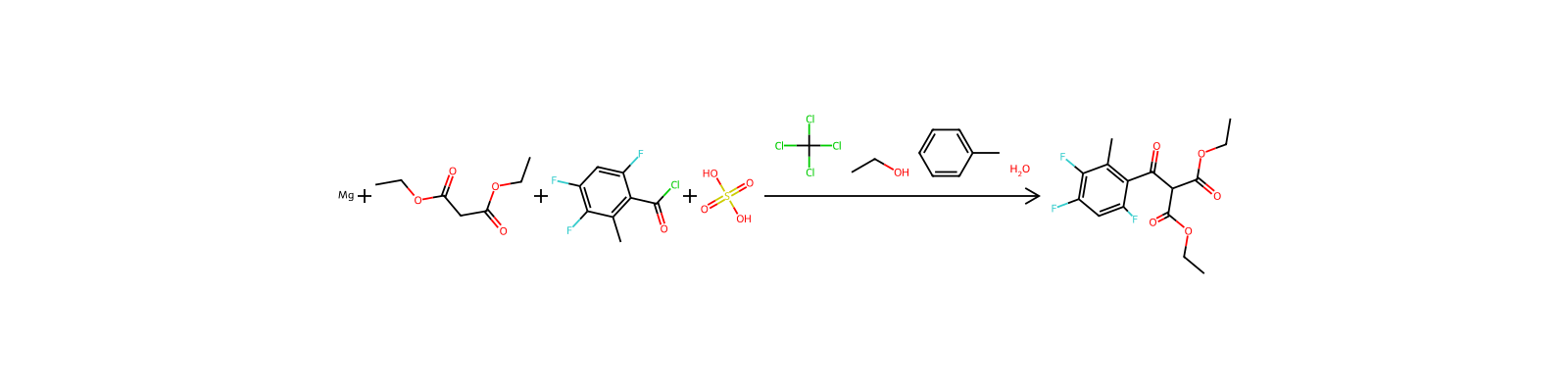
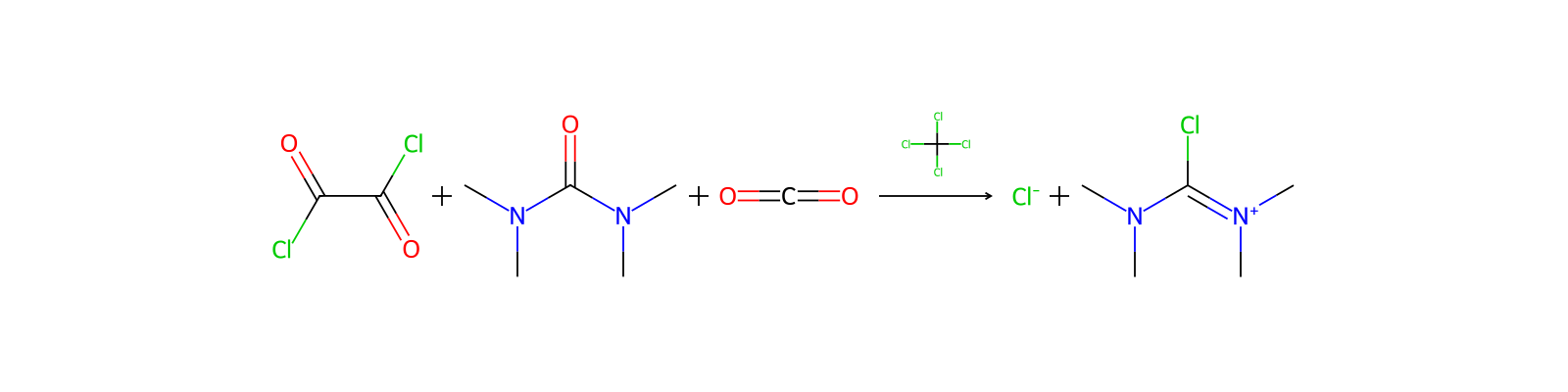
相关反应
9,799 条





关联笔记
加载中…