

基本信息
- 标准SMILES
C#C[C@]1(O)CC[C@H]2[C@@H]3CCC4=C(CCC(=O)C4)[C@H]3CC[C@@]21C- InChIKey
ICTXHFFSOAJUMG-SLHNCBLASA-N- 分子式
- C20H26O2
- 平均分子量
- 298.4 g/mol
- 单同位素质量
- 298.19328007
名称与标识
- 首选名称
- Norethynodrel
- IUPAC
- (8R,9S,13S,14S,17R)-17-ethynyl-17-hydroxy-13-methyl-1,2,4,6,7,8,9,11,12,14,15,16-dodecahydrocyclopenta[a]phenanthren-3-one
- 中文名
- 异炔诺酮
- 英文名
- NORETHYNODREL
- 分子式
- C20H26O2
- 分子量
- 298.42
名称与别名
norethynodrel68-23-5NoretynodrelEnidrelNorethinodrelLynestrol19-NorethynodrelSC-4642NoretinodrelNSC-15432NoretynodrelumDTXSID3021069
展开更多名称
异炔诺酮異降雄甾炔酮炔诺酮杂质D炔诺酮EP杂质D炔诺酮杂质D(EP)去甲脱氢羟孕酮EP杂质D异炔诺酮Norethynodrel异炔诺酮NorethynodrelEnavidEnovidInfecundinNORETHYNDREL
19-Nor-ethinyl-5,10-testosterone88181ACA0M17-alpha-Ethynyl-5(10)-estren-17-ol-3-one19-Norpregn-5(10)-en-20-yn-3-one, 17-hydroxy-, (17alpha)-17-alpha-Ethynyl-estr-5(10)-en-3-on-17-beta-olDTXCID6056317-beta-Hydroxy-17-alpha-ethinyl-5(10)-estren-3-one(8R,9S,13S,14S,17R)-17-ethynyl-17-hydroxy-13-methyl-1,2,4,6,7,8,9,11,12,14,15,16-dodecahydrocyclopenta[a]phenanthren-3-one
数据库标识
- CAS
68-23-5- PubChem CID
- 6231
- DTXSID
DTXSID3021069- ChEMBL
CHEMBL1387- ChEBI
CHEBI:34895- UNII
- 88181ACA0M
- EC Number
- 200-682-1
- Nikkaji
- J4.857G
性质
结构计算性质
- XLogP
- 2.1
- 极性表面积
- 37.3 Ų
- 氢键供体
- 1
- 氢键受体
- 2
- 可旋转键
- 1
- 重原子
- 22
- 形式电荷
- 0
- 复杂度
- 606
实验与物化性质
OdorOdorless
Color/Form
Crystals from aqueous methanol
White, crystalline
Solubility
Very slightly soluble in water; freely soluble in chloroform; soluble in acetone; sparingly soluble in ethanol.
VERY SLIGHTLY SOL IN SOLVENT HEXANE
In double-distilled water, 0.65 mg/L
DecompositionWhen heated to decomposition it emits acrid smoke and irritating fumes.
Melting Point170 °C
Optical RotationSpecific optical rotation: +108 deg (chloroform, 1%)
Stability/Shelf LifeStable in air.
Collision Cross Section
173.3 Ų [M+H]+ [CCS Type: TW; Method: calibrated with polyalanine and drug standards];164.75 Ų [M+H-H2O]+ [CCS Type: TW; Method: calibrated with polyalanine and drug standards]
174.6 Ų [M+H]+ [CCS Type: TW; Method: calibrated with polyalanine and drug standards]
物理化学性质
- 熔点
- 169 · 169-170°
- 比旋光度
- 108 ° · D +108° (1% chloroform)
- 沸点
- 379.83 °C · 379.83°C (rough estimate)
- 密度
- 1.0766 · 1.0766 (rough estimate)
- 折射率
- 1.48 · 1.4800 (estimate)
- 储存条件
- Refrigerator
- 溶解度
- Chloroform (Slightly), DMSO (Slightly), Methanol (Slightly)
- 酸度系数(pKa)
- 13.1 · 13.10±0.40(Predicted)
- 形态
- Solid
- 颜色
- White to Off-White
- Henry's Law Constant
- 7.6 · 7.6×103 mol/(m3Pa) at 25℃, HSDB (2015)
- EPA化学物质信息
- Norethynodrel (68-23-5)
安全与法规
GHS分类
GHS Classification
Danger
H350 (100%): May cause cancer [Danger Carcinogenicity];H360 (100%): May damage fertility or the unborn child [Danger Reproductive toxicity]
P203, P280, P318, P405, and P501 (click each P-code to see the statement)
Aggregated GHS information provided per 38 reports by companies from 1 notifications to the ECHA C&L Inventory. Each notification may be associated with multiple companies.;Information may vary between notifications depending on impurities, additives, and other factors. The percentage value in parenthesis indicates the notified classification ratio from companies that provide hazard codes. Only hazard codes with percentage values above 10% are shown. For more detailed information, please visit ECHA C&L website.
危害信息
Regulatory Information
Hazard Traits - Carcinogenicity;Authoritative List - Prop 65;Report - regardless of intended function of ingredient in the product
19-Norpregn-5(10)-en-20-yn-3-one, 17-hydroxy-, (17.alpha.)-: Does not have an individual approval but may be used under an appropriate group standard
Other Safety InformationIMAP assessments - 19-Norpregn-5(10)-en-20-yn-3-one, 17-hydroxy-, (17.alpha.)-: Environment tier I assessment;IMAP assessments - 19-Norpregn-5(10)-en-20-yn-3-one, 17-hydroxy-, (17.alpha.)-: Human health tier I assessment
FDA RequirementsThe Approved Drug Products with Therapeutic Equivalence Evaluations identifies discontinued drug products. Norethynodrel is included on this list.
Hazard Classes and CategoriesCarc. 1B (100%);Repr. 1B (100%)
安全与防护
Disposal Methods
SRP: Expired or waste pharmaceuticals shall carefully take into consideration applicable DEA, EPA, and FDA regulations. It is not appropriate to dispose by flushing the pharmaceutical down the toilet or discarding to trash. If possible return the pharmaceutical to the manufacturer for proper disposal being careful to properly label and securely package the material. Alternatively, the waste pharmaceutical shall be labeled, securely packaged and transported by a state licensed medical waste contractor to dispose by burial in a licensed hazardous or toxic waste landfill or incinerator.
SRP: At the time of review, regulatory criteria for small quantity disposal are subject to significant revision, however, household quantities of waste pharmaceuticals may be managed as follows: Mix with wet cat litter or coffee grounds, double bag in plastic, discard in trash.
毒理信息
Environmental Fate
TERRESTRIAL FATE: Based on a classification scheme(1), an estimated Koc value of 4,100(SRC), determined from a structure estimation method(2), indicates that norethynodrel is expected to be immobile in soil(SRC). Volatilization of norethynodrel from moist soil surfaces is not expected to be an important fate process(SRC) given an estimated Henry's Law constant of 1.3X10⁻⁹ atm-cu m/mole(SRC), using a fragment constant estimation method(3). Norethynodrel is not expected to volatilize from dry soil surfaces(SRC) based upon an estimated vapor pressure of 5.0X10⁻⁹ mm Hg at 25 °C((SRC), determined from a fragment constant method(4). Biodegradation data in soil were not available(SRC, 2011).
AQUATIC FATE: Based on a classification scheme(1), an estimated Koc value of 4,100(SRC), determined from a structure estimation method(2), indicates that norethynodrel is expected to adsorb to suspended solids and sediment(SRC). Volatilization from water surfaces is not expected(3) based upon an estimated Henry's Law constant of 1.3X10⁻⁹ atm-cu m/mole(SRC), developed using a fragment constant estimation method(4). According to a classification scheme(5), an estimated BCF of 97(SRC), from an estimated log Kow of 3.51(6) and a regression-derived equation(7), suggests the potential for bioconcentration in aquatic organisms is moderate(SRC). Biodegradation data in water were not available(SRC, 2011).
ATMOSPHERIC FATE: According to a model of gas/particle partitioning of semivolatile organic compounds in the atmosphere(1), norethynodrel, which has an estimated vapor pressure of 5.0X10⁻⁶ mm Hg at 25 °C(SRC), determined from a fragment constant method(2), is expected to exist solely in the particulate phase in the ambient atmosphere. Particulate-phase norethynodrel may be removed from the air by wet or dry deposition(SRC). Norethynodrel does not contain chromophores that absorb at wavelengths >290 nm(3), and therefore is not expected to be susceptible to direct photolysis by sunlight(SRC).
Effluent Concentrations
For norethynodrel, a concentration range of 0.35 to 0.80 ug/L was reported as a result of analysis of raw sewage entering 14 representative sewage plants within a 50-mile radius of Cincinnati, OH; the average concentration was 0.54 ug/L. The treated effluent concentration range was 0.21 to 0.66 ug/L, average 0.38 ug/L(1).
Soil Adsorption/Mobility
Using a structure estimation method based on molecular connectivity indices(1), the Koc of norethynodrel can be estimated to be 4,100(SRC). According to a classification scheme(2), this estimated Koc value suggests that norethynodrel is expected to be immobile in soil.
Human Toxicity Excerpts
/CASE REPORTS/ A 48-yr-old woman with chronic intestinal ischemia and a long history of oral contraceptive use is reported. She presented with a 6-month history of severe diarrhea, abdominal pain, and weight loss. Abdominal arteriography revealed occlusion of the celiac axis at its origin and 90% stenosis of the superior mesenteric artery. This chronic arterial lesion has not been previously noted in association with the use of oral contraceptive agents in otherwise healthy women. The patient's isolated arterial lesions proved amenable to successful surgical bypass. Postoperatively she became completely asymptomatic and has remained so on long-term follow-up.
/CASE REPORTS/ The case report of a 27-year-old woman who had been normotensive before her 1st pregnancy 6 years earlier is presented. At 2 months postdelivery she began taking estro-progesterone. She was given Enidrel R (norethynodrel 4.925 mg, mestranol .075 mg) for 18 months and then Ovariostat (lynestrenol 2.5 mg, mestranol .075 mg). Her blood pressure was not recorded until 2 years later when it was 180 mm Hg systolic. Contraceptive therapy was then stopped. A month later pregnancy occurred. At that time her blood pressure was 120 mm Hg. The delivery was normal. 4 months later she began taking Ovariostat again. Headaches soon developed and her blood pressure was found to be 270/150 mm Hg. On admission to the hospital 3 weeks later her blood pressure was 250/100 mm Hg. Renal failure was present. Creatinine clearance was 12 mL/minute. No cause for this hypertension was found. 1 month later hypertension was 210/160 mm Hg. Retinal hemorrhaging had lessened but azotemia persisted. Heart failure and oliguria followed. Dialysis was done weekly. A bilateral nephrectomy was done. Microscopic study of renal tissue showed malignant nephroangiosclerosis. After 10 days her blood pressure was 150/100 mm Hg. Her general condition improved. A salt-free diet was prescribed. Blood pressure subsided to 140/80 mm Hg before dialysis. A renal graft was done and 10 months later blood pressure was normal. These hypertensions are usually benign and subside when the contraceptive therapy is discontinued. When estrogen-progesterones are prescribed, blood pressures should be recorded frequently and therapy stopped if hypertension arises.
/CASE REPORTS/ Presented is a case of bilateral retinal edema in a patient with a ventricular septal defect. The edema absorbed after cessation of Enovid and treatment with ACTH. ...
/CASE REPORTS/ ... During a 14-month period thromboembolic disease occurred in 6 women who had been taking norethynodrel (Enovid). Thrombophlebitis was observed in 3 and pulmonary infarction in 2. An arterial occlusion in 1 patient resulted in the loss of a leg below the knee. Mild diabetes also existed in this patient. Another patient has worn a cast for fracture until 3 weeks prior to admission. Although no local signs of thrombophlebitis were elicited, x-ray of the chest showed a pleural effusion considered typical of pulmonary infarction. During a pregnancy 6 months previously 1 patient may have had a thrombophlebitis. In the other 3 cases no predisposing cause was detected. Although statistical and experimental evidence is lacking, clinical experience suggests that a possible etologic relationship exists in susceptible individuals.
For more Human Toxicity Excerpts (Complete) data for NORETHYNODREL (23 total), please visit the HSDB record page.
Artificial Pollution SourcesNorethynodrel's former production and use as a component in oral contraceptives(1) may have resulted in its release to the environment through various waste streams(SRC).
Environmental Bioconcentration
An estimated BCF of 97 was calculated in fish for norethynodrel(SRC), using an estimated log Kow of 3.51(1) and a regression-derived equation(2). According to a classification scheme(3), this BCF suggests the potential for bioconcentration in aquatic organisms is moderate(SRC).
Volatilization from Water/Soil
The Henry's Law constant for norethynodrel is estimated as 1.3X10⁻⁹ atm-cu m/mole(SRC) using a fragment constant estimation method(1). This Henry's Law constant indicates that norethynodrel is expected to be essentially nonvolatile from water surfaces(2). Norethynodrel's Henry's Law constant indicates that volatilization from moist soil surfaces may not occur(SRC). Norethynodrel is not expected to volatilize from dry soil surfaces(SRC) based upon an estimated vapor pressure of 5.0X10⁻⁹ mm Hg(SRC), determined from a fragment constant method(3).
Non-Human Toxicity Excerpts
/LABORATORY ANIMALS: Subchronic or Prechronic Exposure/ Several months after norethynodrel had been given & then stopped, 2 out of 12 rabbits were found to develop retinal vein occlusions.
/LABORATORY ANIMALS: Chronic Exposure or Carcinogenicity/ ...The appearance of pituitary tumors /has been reported in/ female C57L mice given 7 or 70 ug of a mixture of norethynodrel plus mestranol (50:1) in oil 5 times per week by gavage. At the higher dose level, 7/7 mice had pituitary tumors after 84 weeks, as did 6/11 on the lower dose, compared with 2/15 controls. Heptomas were found in 10/96 of the intial group of the C57L mice used in this and in a concurrent experiment with norethisterone and ethinylestradiol, but there is no indication in the report in which group they arose. No hepatomas in 48 control animals.
/LABORATORY ANIMALS: Chronic Exposure or Carcinogenicity/ /Investigators/ fed a liquid diet (Metrecal) containing Enovid (98.5% norethynodrel and 1.5% mestranol) to female BALB/c mice and estimated that each mouse consumed 10-12.5 ug of the drug each day. All of the 8 mice surviving more than 74 weeks of treatment had early or infiltrating carcinomas of the cervix. No carcinomas of uterus, cervix or vagina were found in 44 untreated females surviving 103-129weeks or in 8 females on Metrecal for 79-102 weeks.
/LABORATORY ANIMALS: Chronic Exposure or Carcinogenicity/ Norethynodrel when fed in diet at 13.5 ppm (intake, 25-35 ug/mouse/day), altered neither the incidence nor the latent period of breast tumors in intact female RIII mice, CH3 or (C3Hx RIII)F1 mice, nor in ovariectomized (C3Hx RIII)F1 females. In castrated males the breast tumor incidence was increased from 16 to 100%, and the latent period was reduced from an average of 82-37 weeks.
For more Non-Human Toxicity Excerpts (Complete) data for NORETHYNODREL (13 total), please visit the HSDB record page.
Populations at Special Risk
Mental depression may occur in women receiving oral contraceptives. In a few cases, mental depression has been severe and has led to suicidal behavior. Mental depression appears to occur most frequently in patients with a history of depression, including premenstrual depression; however, relief of premenstrual tension occurs in some women. Patients with a history of mental depression should be observed carefully and the estrogen-progestin contraceptive discontinued if severe depression recurs during use. /Estrogen-Progestin Combination/
An increased risk of cerebrovascular disorders, including stroke and subarachnoid hemorrhage, also is associated with oral contraceptive use, although the risk generally is greatest in older (ie, older than 35 years of age), hypertensive women who also smoke. Hypertension is a risk factor in both users and nonusers of oral contraceptives for both thrombotic and hemorrhagic stroke, while smoking appears to increase the risk for hemorrhagic stroke. Although cigarette smoking alone has been associated with an increased risk of cerebrovascular disorders, concomitant cigarette smoking and oral contraceptive use is associated with a greater risk of these disorders than either alone. The relative risk of thrombotic stroke has been shown to range from 3 for normotensive users of oral contraceptives to 14 for users with hypertension. The relative risk of hemorrhagic stroke is reported to be 1.2 in nonsmoking women who use oral contraceptives, 2.6 in nonusers who do not smoke, 7.6 in users who smoke, 1.8 in normotensive users, and 25.7 in users with severe hypertension. The risk also appears to be greater in older women. /Estrogen-Progestin Combination/
Environmental Abiotic Degradation
Norethynodrel is not expected to undergo hydrolysis in the environment due to the lack of functional groups that hydrolyze under environmental conditions(1). Norethynodrel does not contain chromophores that absorb at wavelengths >290 nm(1), and therefore is not expect to be susceptible to direct photolysis by sunlight(SRC).
Probable Routes of Human Exposure
Occupational exposure to norethynodrel may occur through inhalation and dermal contact with this compound at workplaces where norethynodrel is produced or used. Exposure to norethynodrel via ingestion will occur when administered drugs containing this compound. Monitoring data indicate that the general population may be exposed to norethynodrel at well below the therapeutic dose via ingestion of drinking water. (SRC)
Environmental Fate/Exposure Summary
Norethynodrel's former production and use as a component in oral contraceptives may have resulted in its release to the environment through various waste streams. If released to air, an estimated vapor pressure of 5.0X10⁻⁹ mm Hg at 25 °C indicates norethynodrel will exist solely in the particulate phase in the atmosphere. Particulate-phase norethynodrel will be removed from the atmosphere by wet or dry deposition. Norethynodrel does not contain chromophores that absorb at wavelengths >290 nm, and therefore is not expected to be susceptible to direct photolysis by sunlight. If released to soil, norethynodrel is expected to have no mobility based upon an estimated Koc of 4,100. Volatilization from moist soil surfaces is not expected to be an important fate process based upon an estimated Henry's Law constant of 1.3X10⁻⁹ atm-cu m/mole. Norethynodrel may not volatilize from dry soil surfaces based upon its vapor pressure. Biodegradation data were not available. If released into water, norethynodrel is expected to adsorb to suspended solids and sediment based upon the estimated Koc. Volatilization from water surfaces is not expected to be an important fate process based upon this compound's estimated Henry's Law constant. An estimated BCF of 97 suggests the potential for bioconcentration in aquatic organisms is moderate. Hydrolysis is not expected to be an important environmental fate process since this compound lacks functional groups that hydrolyze under environmental conditions.Occupational exposure to norethynodrel may occur through inhalation and dermal contact with this compound at workplaces where norethynodrel is produced or used. Exposure to norethynodrel via ingestion will occur when administered drugs containing this compound. Monitoring data indicate that the general population may be exposed to norethynodrel at well below the therapeutic dose via ingestion of drinking water. (SRC)
法规信息
Regulatory Information
Hazard Traits - Carcinogenicity;Authoritative List - Prop 65;Report - regardless of intended function of ingredient in the product
19-Norpregn-5(10)-en-20-yn-3-one, 17-hydroxy-, (17.alpha.)-: Does not have an individual approval but may be used under an appropriate group standard
FDA RequirementsThe Approved Drug Products with Therapeutic Equivalence Evaluations identifies discontinued drug products. Norethynodrel is included on this list.
安全数据
- wgk
- 3
- RTECS号
- RC8980000
- 安全说明
- 53-22-36/37/39-45
- 危险品标志
- T
- 危险类别码
- 45-61
- 毒害物质数据
- 68-23-5(Hazardous Substances Data)
化学与工业
药理信息
Mechanism of Action
Estrogen-progestin combinations produce a contraceptive effect mainly by suppressing the hypothalamic-pituitary system resulting in prevention of ovulation. The estrogen acts mainly by suppressing secretion of follicle-stimulating hormone (FSH), resulting in prevention of follicular development and the rise of plasma estradiol concentration which is thought to be the stimulus for release of luteinizing hormone (LH). In combination products, the progestin appears to act mainly by inhibiting the preovulatory rise of LH. Long-term administration of these combination products results in inhibition of both FSH and LH secretion. It has been suggested that oral contraceptives may also produce a direct effect on ovarian steroidogenesis or the response of the ovary to gonadotropins. In addition, changes in the cervical mucus may prevent sperm penetration; however, further studies are required to determine the precise effects of estrogen-progestin combinations on sperm activity.
The cellular action of steroid hormones is mediated by specific receptors. ... Two different estrogen receptors (ER), alpha and beta, have been cloned with a specific tissue distribution. Active estrogen as well as active progestin are compounds of oral hormonal contraceptives and hormone replacement therapy. To examine the regulation of ER-alpha and -beta activities after treatment with synthetic progestins and synthetic and natural estrogens, COS 7 cells were transfected with the vector expressing ER-alpha and -beta in combination with a luciferase reporter vector. ER-alpha activity was upregulated in the presence of synthetic progestins in a dose-dependent manner. Norethisterone, norethynodrel and desogestrel proved to be the most potent stimulatory agents of ER-alpha expression. On the other hand, not all progestins exhibited a stimulatory action on ER-beta activity. Only norgestrel, levonorgestrel, norethynodrel and norethisterone induced ER-beta-activating functions in a dose-dependent manner. Luciferase activity due to estrogen stimulation served as a positive control. These results indicate that progestins have different effects on the activities of ER-alpha and -beta.
Vascular endothelial growth factor (VEGF) is a potent angiogenic factor associated with the degree of vascularity, progression, and metastasis of breast cancer, and cases of this disease with increased vascular density have a poor prognosis. We show that in T47-D human breast cancer cells, progesterone induces a dose-dependent increase of 3-4-fold in media VEGF levels, with a maximum response occurring at a concentration of 10 nM. This effect is blocked by the antiprogestin RU 486. In addition to progesterone, a number of synthetic progestins used in oral contraceptives (eg, norethindrone, norgestrel, and norethynodrel), hormone replacement therapy (medroxyprogesterone acetate), and high-dose progestin treatment of breast cancer (megestrol acetate) also increase VEGF in the media of cultured T47-D cells. This effect is hormone specific and is not produced by estrogens, androgens, or glucocorticoids. Collectively, these observations suggest that the increase in VEGF caused by progestins is mediated by progesterone receptors present in T47-D cells. The induction of VEGF by progestins is also cell type specific and does not occur in human breast cancer cell lines MCF-7, ZR-75, or MDA-MB-231, nor in Ishikawa cells derived from a human endometrial carcinoma. ...
Platelet-activating factor acetylhydrolase (PAF-AH), the enzyme that inactivates PAF, is regulated by steroid hormones including progestin. It has been reported that 17alpha-ethynylestradiol decreases plasma PAF-AH activity and medroxyprogesterone increases the enzyme activity. In this study, /investigators/ elucidated the effects of various progestins on plasma PAF-AH activity and lipoprotein cholesterol levels. Plasma PAF-AH activity in female adult rats treated with either progesterone or 17alpha-hydroxyprogesterone (50 mg/kg, 3 days) did not change significantly. Both medroxyprogesterone and megestrol acetate (50 mg/kg, 3 days) significantly increased plasma PAF-AH activity, but both norethindrone acetate and norethynodrel (50 mg/kg, 3 days) significantly decreased the enzyme activity. In addition, not only did medroxyprogesterone increase plasma PAF-AH activity but plasma lipoprotein cholesterol and norethindrone acetate decreased both of them. A significant correlation between plasma PAF-AH activity and the lipoprotein level was found (r = 0.974, p < 0.01). When PAF (10 nmol/kg) was administered to female adult rats pretreated with progestins, the mortality of the rats that had low plasma PAF-AH activity due to norethindrone acetate was increased in the same manner as observed in the 17alpha-ethynylestradiol-pretreated group. These findings indicate that progestins have various effects on plasma PAF-AH activity and the lipoprotein level. In addition, some progestins, which have an estrogenic effect on enzyme activity, may be related to the thrombotic episodes observed in oral contraceptive users.
For more Mechanism of Action (Complete) data for NORETHYNODREL (6 total), please visit the HSDB record page.
Metabolism/Metabolites
It is generally considered that progestogens that are structurally related to norethisterone are pro-drugs and that their progestational activity is due to their conversion to norethisterone. After oral administration, norethisterone acetate and ethynodiol diacetate are rapidly converted to norethisterone by esterases during hepatic first-pass metabolism. Although less is known about the transformation of lynestrenol and norethynodrel, it appears that lynestrenol first undergoes hydroxylation at carbon 3 and then oxidation of the hydroxyl group to form norethisterone. Although there is no convincing evidence for the in-vivo transformation of norethynodrel to norethisterone, data from receptor binding tests and bioassays suggest that norethynodrel is also a pro-drug.
The /metabolic/ products /of norethynodrel/ are eliminated as glucuronides and sulfates...
...Metabolic studies of norethynodrel in women have revealed the presence of the two 3-hydroxy epimers. The recovery of the two...was not large due to extensive further metabolism by routes such as hydroxylation, but keto reduction appears as the major initial pathway.
Double-bond reduction is an important pathway for ... norethynodrel ... /gives/ rise to stereoisomers of 17alpha-ethynyl-5-estrane-3,17beta-diol as significant metabolites in women.
From less polar fractions, there were isolated 17alpha- ethynylestr-5(10)-ene-3alpha,17beta-diol, 17alpha-ethynylestr-5 (10)-ene-3beta,17beta-diol, 17 alpha-ethynyl-5beta-estrane-3alpha,17beta-diol, and 17alpha-ethynyl-5 alpha-estrane-3beta, 17 beta-diol.
MeSH Pharmacological Classification
Oral contraceptives which owe their effectiveness to hormonal preparations.
Oral contraceptives which owe their effectiveness to synthetic preparations.
Absorption, Distribution and Excretion...Metabolized in women; 75% of an acute oral dose was excreted in 7-day urine and feces, with complex pattern of urinary metabolites.
用途与制造
Uses
MEDICATION
THERAPEUTIC CATEGORY: Progestogen. In combination with estrogen as contraceptive (oral) /Former/
U.S. Production
(1972) NOT PRODUCED COMMERCIALLY IN US
(1975) NOT PRODUCED COMMERCIALLY IN US
Methods of Manufacturing
PROBABLY BY CONVERSION OF OESTRONE TO ITS METHYL ETHER, REDUCTION TO THE 1,4-DIHYDROAROMATIC COMPD, OPPENAUER OXIDATION TO THE 17-KETONE, REACTION WITH ACETYLENE TO PRODUCE THE 17-ETHYNYL CARBINOL, AND THEN HYDROLYSIS WITH A WEAK ACID
Synthesis of norethynodrel...addition of hypochloric acid to androstenolone acetate gives the corresponding chlorohydrin. On reaction with lead tetraacetate and iodine, the chlorohydrin is converted to a cyclic ether, which in turn is saponified and oxidized to give a diketone. Reductive opening of the cyclic ether ring with zinc in glacial acetic acid produces a 19-hydroxy derivative, and subsequent oxidation with chromic acid gives the 10beta-carboxylic acid, which is decarboxylated to the diketone by heating with pyridine. Partial ketalization yields the acetal, and ethynylation with sodium acetylide followed by treatment with either a weak acid (malonic acid)... finally yields norethynodrel...
... Prepared by simultaneously saponifying and oxidizing dehydroepiandrosterone acetate by a series of reactions to 19-hydroxyandrost-6(6)-ene-3,17-dione. The hydroxymethyl group at the 10-position is then oxidized to carboxyl. The resulting acid is decarboxylated with simultaneous shifting of the double bond to give oestr-5(10)-ene-3,17-dione. Selective addition of acetylene at the expense of the 17-keto group yields norethynodrel.
Formulations/Preparations
ENOVID 5 MG CONTAINS 5 MG NORETHYNODREL & 0.075 MG MESTRANOL; ENOVID-E CONTAINS 2.5 MG NORETHYNODREL & 0.10 MG MESTRANOL.
CONOVID E; ENAVID, ENAVID E; ENOVID; NORETYNODREL; NOROLEN; ORGAMETRIL; PREVISON; SINGESTOL.
Norethynodrel was available commercially as a component of a combination tablet with mestranol. Information available in 2005 indicated that there is no usage of norethynodrel at any dose in any form of drug.
Mixture with mestranol...
Use ClassificationPharmaceuticals
General Manufacturing Information
NOT PRODUCED COMMERCIALLY IN US
TM for norethynodrel with mestranol. Oral contraceptive approved by FDA /"Enovid"/
Norethynodrel is available in the United States in the form of tablets containing only norethynodrel and of tablets containing combinations norethynodrel with mestranol. Norethynodrel as normally manufactured has been reported to contain up to 1.5% of mestranol. ... Norethynodrel is not produced in US. /Former/
应用领域
概述异炔诺酮 是一种 19- 去甲睾酮衍生物,可用作孕激素。Norethynodrel 可用于抑制排卵的研究。Norethynodrel 是一种点击化学试剂。它含有 Alkyne 基团,可以和含有 Azide 基团的分子发生铜催化的叠氮-炔环加成反应 (CuAAc)。
上下游产品信息
上游原料
供应商34 家
艾吉析科技(上海)有限公司17717235263 · [email protected]
广州隽沐生物科技股份有限公司020-36607679; 13502246435 · [email protected]
广州佳途科技股份有限公司81960175 18933936954 · [email protected]
廊坊市恒福源医药科技有限公司0316-2883537 19333636468 · [email protected]
孟成科技(上海)有限公司400-820-6829 · [email protected]
銳迪國際科技有限公司18024082417 · [email protected]
上海维亦特生物科技有限公司15317051735 · [email protected]
廊坊市泽康医药科技有限公司0316-2883536 19333636468 · [email protected]
深圳振强药物研发有限公司0755-66853366 13670046396 · [email protected]
陕西缔都医药化工有限公司+86-29-87569262 +86-15003564040 · [email protected]
Chongqing jooe co., ltd+86-15223382610 · [email protected]
凯试(上海)科技有限公司021-50135380 · [email protected]
池州凯隆进出口贸易有限公司[email protected]
坛墨质检科技股份有限公司19850211281 · [email protected]
珠海安哲生物科技有限公司13169972583 · [email protected]
上海陶术生物科技股份有限公司+1-781-999-5354; +1-00000000000 · [email protected]
合肥孚亚生物技术有限公司18096409024 · [email protected]
Standardpharm Co. Ltd.86-714-3992388 · [email protected]
陕西缔都医药化工有限公司029-029-81120477 17792793610 · [email protected]
上海陶术生物科技股份有限公司13564774135 · [email protected]
深圳市祥根生物医药有限公司0755-28967200 13631290199 · [email protected]
爱必信(上海)生物科技有限公司13761418683 · [email protected]
美化生物科技有限公司15175972705
深圳聚合生化科技有限公司+86-400-002-6226 · [email protected]
TargetMol中国(陶术生物)4008200310 15002144251 · [email protected]
BOC Sciences+1-631-485-4226 · [email protected]
ChemeGen 中国18818260767 · [email protected]
北京百灵威科技有限公司18210857532 18210857532 · [email protected]
DAYANG CHEM (HANGZHOU) CO.,LTD+86-88938639 +86-17705817739 · [email protected]
上海陶术生物科技股份有限公司+1-781-999-5354 · [email protected]
梯尔希(南京)药物研发有限公司18012923235 · [email protected]
Hefei TNJ Chemical Industry Co.,Ltd.+86-0551-65418671 +86-189 4982 3763 · [email protected]
南京世洲生物科技有限公司025-85560043 15850508050 · [email protected]
武汉创合化学有限公司15907120073 · [email protected]
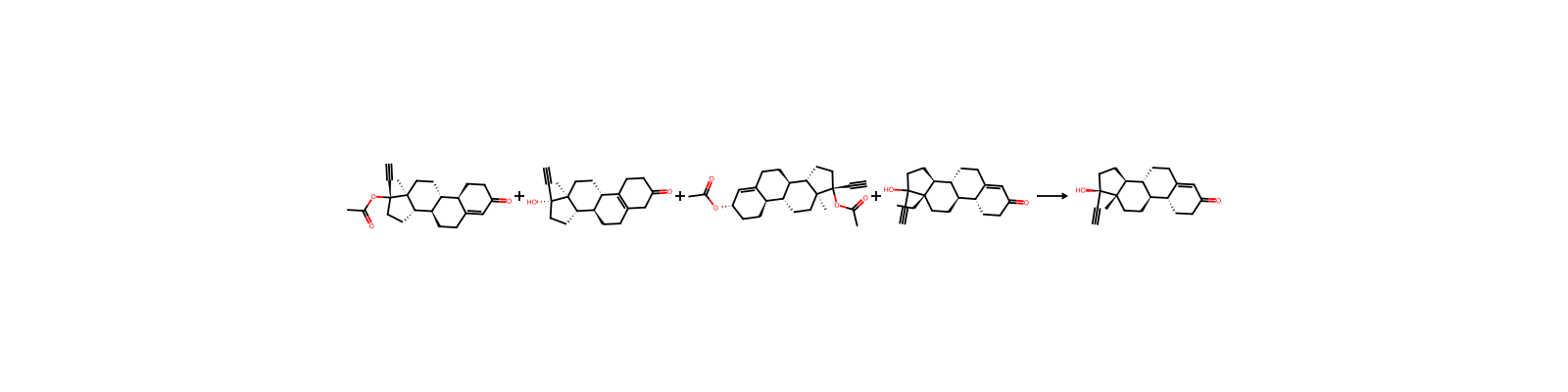
相关反应
2 条
关联笔记
加载中…