

基本信息
- 标准SMILES
C=CC(N)=O- InChIKey
HRPVXLWXLXDGHG-UHFFFAOYSA-N- 分子式
- C3H5NO
- 平均分子量
- 71.08 g/mol
- 单同位素质量
- 71.03711378
概述
Acrylamide is a colorless, odorless, crystalline solid that can react violently when melted. When it is heated, sharp fumes may be released.Acrylamide is used to make polyacrylamide, which is mainly used in treating waste water discharge from water treatment plants and industrial processes.In addition, acrylamide and polyacrylamides are used in the production of dyes and organic chemicals, contact lenses, cosmetics and toiletries, permanent-press fabrics, paper and textile production, pulp and paper production, ore processing, sugar refining, and as a chemical grouting agent and soil stabilizer for the construction of tunnels, sewers, wells and reservoirs.Acrylamide is formed in foods that are rich in carbohydrates when they are fried, grilled, or baked.
名称与标识
- 首选名称
- Acrylamide
- IUPAC
- prop-2-enamide
- 中文名
- 丙烯酰胺
- 英文名
- Acrylamide
- 分子式
- C3H5NO
- 分子量
- 71.08
名称与别名
ACRYLAMIDE79-06-12-Propenamideprop-2-enamidePropenamideAcrylic acid amideAcrylic amideEthylenecarboxamideVinyl amideAkrylamidAcrylagelPropeneamide
展开更多名称
ACYLAMIDE丙烯酸胺丙烯酰胺BXXA丙烯酸酰胺2-丙烯酰胺丙烯酰胺单体丙烯酰胺CP水中丙烯酰胺丙烯酰胺 限售aamAcrylamidAcylamide
OptimumAmresco Acryl-40Propenoic acid amideEthylene CarboxamideAmid kyseliny akryloveRCRA waste number U007Acrylamide MonomerDTXSID5020027
数据库标识
- CAS
79-06-1、9003-05-8、9082-06-8、91079-40-2- PubChem CID
- 6579
- DTXSID
DTXSID5020027- ChEMBL
CHEMBL348107- ChEBI
CHEBI:28619- UNII
- 20R035KLCI
- EC Number
- 201-173-7、293-428-4、618-657-2
- Nikkaji
- J2.408B
性质
结构计算性质
- XLogP
- -0.7
- 极性表面积
- 43.1 Ų
- 氢键供体
- 1
- 氢键受体
- 1
- 可旋转键
- 1
- 重原子
- 5
- 形式电荷
- 0
- 复杂度
- 57.9
实验与物化性质
Chemical Classes
Hazardous Air Pollutants (HAPs)
Carcinogens
PolymersPlastics & Rubber -> Other Monomers
CosmeticsCosmetic ingredients (Acrylamide) -> CIR (Cosmetic Ingredient Review)
pHpH = 5.0-6.5 /50% aqueous solution/
SpringerMaterials PropertiesSchoenflies notation
PesticidesPesticide -> EPA IRIS
LogP
log Kow = -0.67
-0.67
-0.78
OdorOdorless
Density
1.122 at 86 °F (EPA, 1998) - Denser than water; will sink
1.122 at 30 °C/4 °C
1.13 g/cm³
1.12
1.122 @ 30°C
1.12
Viscosity2.71 cP at 25 °C /50% aqueous solution/
Color/Form
Flake-like crystals from benzene
White crystalline ... solid
Solubility
greater than or equal to 100 mg/mL at 72 °F (NTP, 1992)
In water, 3.711X10+2 g/L at 20 °C; 4.048X10+2 g/L at 30 °C
Soluble in ethanol, ethyl ether and acetone
Solubility (g/100 mL) at 30 °C in: methanol 155; ethanol 86.2; acetone 63.1; ethyl acetate 12.6; chloroform 2.66; benzene 0.346; heptane 0.0068
390 mg/mL at 25 °C
Solubility in water, g/100ml at 25 °C: 204 (very good)
物理化学性质
- 熔点
- 82 · 82-86 °C(lit.)
- 沸点
- 125 °C25 · 125 °C25 mm Hg(lit.)
- 堆积密度
- 500 kg/m3 · 500kg/m3
- 密度
- 1 · 1,322 g/cm3
- 蒸气密度
- 2.45 · 2.45 (vs air)
- 蒸气压
- 0.03 mm · 0.03 mm Hg ( 40 °C)
- 折射率
- 1.46 · 1.460
- 闪点
- 138 °C · 138 °C
- 储存条件
- 2 · 2-8°C
- 溶解度
- 2040 g/L · 2040 g/L (25°C)
- 酸度系数(pKa)
- 15.35 · 15.35±0.50(Predicted)
- 形态
- powder
- 颜色
- White
- 气味 (Odor)
- Odorless solid
- PH值
- 5 · 5.0-7.0 (50g/l, H2O, 20℃)
- 水溶解性
- 250 mg/mL · Acrylamide is routinely tested at 250 mg/mL in water, giving a clear colorless solution. It is soluble at least to 40% (w/v) in water, and reportedly up to 215 g/100 mL in water at 30°C.
- 敏感性
- Light Sensitive
- Merck
- 14 · 14,129
- BRN
- 605349 · 605349
- Henry's Law Constant
- (x 10-9 atmm3/mol): 3.03 at 20 °C (approximate - calculated from water solubility and vapor pressure)
- 暴露限值
- 0.03 mg/m3 · ACGIH TLV-TWA:0.03 mg/m3 (0.01 ppm),Inhalable fraction and vaporOSHA PEL-TWA:0.3mg/m³NIOSH REL-TWA:0.03;IDLH:60
- 稳定性
- 50 C · Unstable. Do not heat above 50C. Explosive. Incompatible with acids, bases, oxidizing agents, reducing agents, iron and iron salts, copper, aluminium, brass, free radical initiators. Air sensitive. Hygroscopic.
- 主要应用
- cleaning productscosmeticsenvironmentalfood and beveragespersonal care
- 化妆品成分评估
- Acrylamide (79-06-1)
- InChI
- 1S/C3H5NO/c1-2-3(4)5/h2H,1H2,(H2,4,5)
- InChIKey
- HRPVXLWXLXDGHG-UHFFFAOYSA-N
- SMILES
- NC(=O)C=C
- LogP
- -0.9 at · -0.9 at 20℃ and pH7
- CAS 数据库
- 79 · 79-06-1(CAS DataBase Reference)
- NIST化学物质信息
- Acrylamide(79-06-1)
- (IARC)致癌物分类
- 2 A · 2A (Vol. 60, Sup 7) 1994
- EPA化学物质信息
- Acrylamide (79-06-1)
化学性质
无色无臭结晶。 溶于水、乙醇、丙酮、乙醚和三氯乙烷,微溶于甲苯,不溶于苯。
安全与法规
GHS分类
GHS Classification
Danger
H301: Toxic if swallowed [Danger Acute toxicity, oral]
P203, P260, P261, P264, P264+P265, P270, P271, P272, P280, P301+P316, P302+P352, P304+P340, P305+P351+P338, P317, P318, P319, P321, P330, P332+P317, P333+P317, P337+P317, P362+P364, P405, and P501 (click each P-code to see the statement)
This chemical does not meet GHS hazard criteria for 3.7% (58 of 1562) of reports.
Danger
H301 (94.8%): Toxic if swallowed [Danger Acute toxicity, oral]
危害信息
Regulatory Information
Chemical: 2-Propenamide
Hazard Traits - Carcinogenicity; Dermatotoxicity; Developmental Toxicity; Genotoxicity; Hematotoxicity; Neurotoxicity; Reproductive Toxicity; Respiratory Toxicity
Regulation (EC) No 178/2002 (amended)
2-Propenamide is listed on the EPA's Chemical Data Reporting (CDR) system. Manufacturers and importers of 2-Propenamide are required to report information about their production and use of this chemical to the EPA under the Toxic Substances Control Act (TSCA). (40 eCFR Part 711)
Status: Active Update: 09-05-2023 https://echa.europa.eu/registration-dossier/-/registered-dossier/15534
Restricted substance: Acrylamide
Other Safety InformationPEC / SN / Other assessments - Acrylamide: Health and Environment
DOT Label
Poison
Poison
Flammable Liquid
Fire Hazards
Pure acrylamide will decompose at 347-572F giving ammonia, hydrogen and carbon monoxide. Avoid strong oxidizers. Avoid heat, ultraviolet light. Hazardous polymerization may occur. It readily polymerizes when heated to the melting point or when exposed to ultraviolet light. It is known to polymerize with violence when heated. (EPA, 1998)
Excerpt from ERG Guide 153 [Substances - Toxic and/or Corrosive (Combustible); polymerization hazard]:
Excerpt from ERG Guide 128 [Flammable Liquids (Water-Immiscible)]:
· Combustible material: may burn but does not ignite readily.
· Combustible material: may burn but does not ignite readily.
Combustible. Gives off irritating or toxic fumes (or gases) in a fire. Finely dispersed particles form explosive mixtures in air.
Fire PotentialCombustible solid.
Health Hazards
Classified as very toxic; probable oral lethal human dose is between 50 and 500 mg/kg or between 1 teaspoon and 1 ounce for a 150 lb. person. Polymerized acrylamide is not toxic, but the monomer can cause peripheral nerve damage. It is a cumulative neurotoxin and repeated exposure to small amounts may cause serious injury to the nervous system. The neurological effects may be delayed. Polymer inhibitors or stabilizers added to the monomer may also produce toxicity. The symptoms of acrylamide toxicity are consistent with mid-brain lesions and blocked transport along both motor and sensory axons. Individuals with nervous system diseases should not be exposed to acrylamide. (EPA, 1998)
Excerpt from ERG Guide 153 [Substances - Toxic and/or Corrosive (Combustible); polymerization hazard]:
Excerpt from ERG Guide 128 [Flammable Liquids (Water-Immiscible)]:
· TOXIC and/or CORROSIVE; inhalation, ingestion or skin contact with material may cause severe injury or death.
· TOXIC and/or CORROSIVE; inhalation, ingestion or skin contact with material may cause severe injury or death.
Hazards Summary
Acrylamide is a colorless, odorless, crystalline solid that can react violently when melted. When it is heated, sharp fumes may be released.Acrylamide is used to make polyacrylamide, which is mainly used in treating waste water discharge from water treatment plants and industrial processes.In addition, acrylamide and polyacrylamides are used in the production of dyes and organic chemicals, contact lenses, cosmetics and toiletries, permanent-press fabrics, paper and textile production, pulp and paper production, ore processing, sugar refining, and as a chemical grouting agent and soil stabilizer for the construction of tunnels, sewers, wells and reservoirs.Acrylamide is formed in foods that are rich in carbohydrates when they are fried, grilled, or baked.
The largest use for acrylamide is as an intermediate in the production of organic chemicals and in the synthesis of polyacrylamides. Acute (short-term) and chronic (long-term) oral exposures to acrylamide have resulted in damage to the nervous system in humans and animals. Human data are inadequate on acrylamide and cancer risk. In rats orally exposed to acrylamide, significantly increased incidences of tumors at multiple sites have been observed. EPA has classified acrylamide as a Group B2, probable human carcinogen.
Can cause sensorimotor neuropathy after occupational exposure; Polyacrylamide, with less than 0.01% acrylamide, is nontoxic and considered safe as a cosmetic ingredient. . . . Available data indicate no unique sensitivity to the fetus. . . . Most cases of acrylamide poisoning in humans involved exposures over weeks or months from handling the monomer in the course of polymerization. . . . Kim et al. (2017) reported two cases of dermal and neural toxicity in Korean grouting workers with exposure to grouting agents that contained a high concentration of acrylamide (32 and 39% monomer). [ACGIH] Allergic contact dermatitis reported in laboratory workers using polyacrylamide gels for electrophoresis; [Kanerva, p. 1738] Germ cell mutagens that have shown to increase the mutant frequency in the progeny of exposed mammals. [MAK] Acrylamide (UN2074) has warning of explosive polymerization; [ERG 2016]
DOT ID and Guide
3426 153P
2074 153P
2074 153P
FDA RequirementsHomopolymers and copolymers of acrylamide are indirect food additives for use only as a component of adhesives. /Homopolymers and copolymers of acrylamide/
Reactive Group
Amides and Imides
Amides and Imides
Amides and Imides
EC ClassificationSymbol: T; R: 45-46-20/21-25-36/38-43-48/23/24/25-62; S: 53-45; Note: D, E
UN ClassificationUN Hazard Class: 6.1; UN Pack Group: III
安全与防护
Fire Fighting
Fight fire from maximum distance. Dike fire control water for later disposal; do not scatter the material.
Excerpt from ERG Guide 153 [Substances - Toxic and/or Corrosive (Combustible); polymerization hazard]:
Excerpt from ERG Guide 128 [Flammable Liquids (Water-Immiscible)]:
Use water spray, powder, alcohol-resistant foam, carbon dioxide.
First Aid Measures
Fresh air, rest. Refer for medical attention.
Remove contaminated clothes. Rinse skin with plenty of water or shower. Refer for medical attention . Wear protective gloves when administering first aid.
First rinse with plenty of water for several minutes (remove contact lenses if easily possible), then refer for medical attention.
Rinse mouth. Give one or two glasses of water to drink. Refer immediately for medical attention.
Accidental Release Measures
· CALL 911. Then call emergency response telephone number on shipping paper. If shipping paper not available or no answer, refer to appropriate telephone number listed on the inside back cover.
· ELIMINATE all ignition sources (no smoking, flares, sparks or flames) from immediate area.
· CALL 911. Then call emergency response telephone number on shipping paper. If shipping paper not available or no answer, refer to appropriate telephone number listed on the inside back cover.
· ELIMINATE all ignition sources (no smoking, flares, sparks or flames) from immediate area.
First Aid
Warning: Effects may be delayed. Caution is advised.
Excerpt from ERG Guide 153 [Substances - Toxic and/or Corrosive (Combustible); polymerization hazard]:
Excerpt from ERG Guide 128 [Flammable Liquids (Water-Immiscible)]:
General First Aid:
General First Aid:
(General first aid procedures)
Safe StorageSeparated from incompatible materials. See Chemical Dangers. Cool. Keep in the dark. Well closed. Store in an area without drain or sewer access.
Firefighting HazardsClosed containers may rupture violently when heated.
Exposure Control and Personal Protection
· Wear positive pressure self-contained breathing apparatus (SCBA).
· Wear positive pressure self-contained breathing apparatus (SCBA).
Biological Exposure Indices (BEI) [ACGIH] - N-(2-Carbamoylethyl)valine (CbEv) in blood (not critical); BEI = 500 pmo/g globin (After 120 days of representative work/exposure to Acrylamide); S-(2-Carbamoylethyl)mercapturic acid (AAMA) in urine (end of shift); BEI = 800 ug/g creatine.
Fire Fighting Procedures
Suitable extinguishing media: Use water spray, alcohol-resistant foam, dry chemical, or carbon dioxide.
Advice for firefighters: Wear self-contained breathing apparatus for firefighting if necessary.
Use dry chemical, carbon dioxide, water spray, or foam extinguishers. ... The only respirators recommended for firefighting are self-contained breathing apparatuses that have full face-pieces and are operated in a pressure-demand or other positive-pressure mode. If material or contaminated runoff enters waterways, notify downstream users of potentially contaminated waters. Notify local health and fire officials and pollution control agencies. From a secure, explosion-proof location, use water spray to cool exposed containers. If cooling streams are ineffective (venting sound increases in volume and pitch, tank discolors, or shows any signs of deforming), withdraw immediately to a secure position. Dike fire control water for later disposal; do not scatter the material.
If material is on fire or involved in fire: Use water in flooding quantities as fog. Solid streams of water may be ineffective. Cool all affected containers with flooding quantities of water. Apply water from as far a distance as possible. Use "alcohol" foam, dry chemical, or carbon dioxide. /Acrylamide, solid or Acrylamide/
For more Fire Fighting Procedures (Complete) data for ACRYLAMIDE (6 total), please visit the HSDB record page.
Storage Conditions
Keep container tightly closed in a dry and well-ventilated place. Light sensitive. Store under inert gas. Storage class (TRGS 510): Non-combustible, acute toxic Cat.3 / toxic hazardous materials or hazardous materials causing chronic effects.
Separate from oxidizing materials and peroxides. Store in a cool, dry, well-ventilated location. Store away from heat, sunlight, acids, and alkalies.
Store separately in an area isolated from flammables, combustibles, or other yellow coded materials. ... Store in a secure poison location. ... Store only if stabilized, under inert gas. Before entering confined space where acrylamide may be present, check to make sure that an explosive concentration does not exist. Store in tightly-closed containers in a cool, well-ventilated area. Metal containers involving the transfer of this chemical should be grounded and bonded. Where possible, automatically pump liquid from drums or other storage containers to process containers. Drums must be equipped with self-closing valves, pressure vacuum bungs, and flame arresters. Use only nonsparking tools and equipment, especially when opening and closing containers of this chemical. Sources of ignition, such as smoking and open flames, are prohibited where this chemical is used, handled, or stored in a manner that could create a potential fire or explosion hazard.
PRECAUTIONS FOR "CARCINOGENS": Storage site should be as close as practical to lab in which carcinogens are to be used, so that only small quantities required for ... expt need to be carried. Carcinogens should be kept in only one section of cupboard, an explosion-proof refrigerator or freezer (depending on chemicophysical properties ...) that bears appropriate label. An inventory ... should be kept, showing quantity of carcinogen & date it was acquired ... Facilities for dispensing ... should be contiguous to storage area. /Chemical Carcinogens/
The effectiveness of phenolic inhibitors is dependent on the presence of oxygen and the monomers must be stored under air rather than an inert atmosphere. Temp must be kept low to minimize formation of peroxides and other products. Moisture may cause rust-initiated polymerization. /Acrylic acid & derivatives/
Cleanup Methods
ACCIDENTAL RELEASE MEASURES: Personal precautions, protective equipment and emergency procedures: Wear respiratory protection. Avoid dust formation. Avoid breathing vapors, mist or gas. Ensure adequate ventilation. Evacuate personnel to safe areas. Avoid breathing dust. Environmental precautions: Prevent further leakage or spillage if safe to do so. Do not let product enter drains. Discharge into the environment must be avoided. Methods and materials for containment and cleaning up: Pick up and arrange disposal without creating dust. Sweep up and shovel. Keep in suitable, closed containers for disposal.
Prompt cleanup and removal are necessary.
Evacuate and restrict persons not wearing protective equipment from area of spill or leak until cleanup is complete. Stay upwind; keep out of low areas. Ventilate closed spaces before entering them. Use water spray to reduce vapors. Remove all ignition sources. Small spills: absorb with sand or other noncombustible absorbent materials and place into containers for later disposal. Small dry spills: with clean shovel place materials into clean, dry container and cover; move containers from spill area. Large spills: dike far ahead of spill for later disposal. Collect powdered material in the most convenient and safe manner and deposit in sealed containers. Ventilate area of spill or leak after cleanup is complete. It may be necessary to contain and dispose of this chemical as a hazardous waste. If material or contaminated runoff enters waterways, notify downstream users of potentially contaminated waters.
1) VENTILATE AREA ... 2) FOR SMALL QUANTITY, SWEEP ONTO PAPER OR OTHER SUITABLE MATERIAL, PLACE IN APPROPRIATE CONTAINER & BURN IN SAFE PLACE (SUCH AS FUME HOOD). LARGE QUANTITY MAY BE RECLAIMED.
For more Cleanup Methods (Complete) data for ACRYLAMIDE (6 total), please visit the HSDB record page.
Nonfire Spill Response
Excerpt from ERG Guide 153 [Substances - Toxic and/or Corrosive (Combustible); polymerization hazard]:
Excerpt from ERG Guide 153 [Substances - Toxic and/or Corrosive (Combustible); polymerization hazard]:
Excerpt from ERG Guide 128 [Flammable Liquids (Water-Immiscible)]:
Disposal Methods
Generators of waste (equal to or greater than 100 kg/mo) containing this contaminant, EPA hazardous waste number U007, must conform with USEPA regulations in storage, transportation, treatment and disposal of waste.
SRP: Wastewater from contaminant suppression, cleaning of protective clothing/equipment, or contaminated sites should be contained and evaluated for subject chemical or decomposition product concentrations. Concentrations shall be lower than applicable environmental discharge or disposal criteria. Alternatively, pretreatment and/or discharge to a permitted wastewater treatment facility is acceptable only after review by the governing authority and assurance that "pass through" violations will not occur. Due consideration shall be given to remediation worker exposure (inhalation, dermal and ingestion) as well as fate during treatment, transfer and disposal. If it is not practicable to manage the chemical in this fashion, it must be evaluated in accordance with EPA 40 CFR Part 261, specifically Subpart B, in order to determine the appropriate local, state and federal requirements for disposal.
Product: Offer surplus and non-recyclable solutions to a licensed disposal company. Contact a licensed professional waste disposal service to dispose of this material. Dissolve or mix the material with a combustible solvent and burn in a chemical incinerator equipped with an afterburner and scrubber; Contaminated packaging: Dispose of as unused product.
Consult with environmental regulatory agencies for guidance on acceptable disposal practices. Generators of waste containing this contaminant (>/= 100 kg/mo) must conform with EPA regulations governing storage, transportation, treatment, and waste disposal. Acrylamide residue and sorbent material may be packaged in epoxy-lined drums and taken to an EPA-approved disposal site. Incineration with provisions for scrubbing of nitrogen oxides from flue gases. Deep well injection.
For more Disposal Methods (Complete) data for ACRYLAMIDE (12 total), please visit the HSDB record page.
毒理信息
Toxicological InformationCDC-ATSDR Toxicological Profile
Treatment
EYES: irrigate opened eyes for several minutes under running water. INGESTION: do not induce vomiting. Rinse mouth with water (never give anything by mouth to an unconscious person). Seek immediate medical advice. SKIN: should be treated immediately by rinsing the affected parts in cold running water for at least 15 minutes, followed by thorough washing with soap and water. If necessary, the person should shower and change contaminated clothing and shoes, and then must seek medical attention. INHALATION: supply fresh air. If required provide artificial respiration.
Cancer Sites
Endocrine
[in animals: tumors of the lungs, testes, thyroid & adrenal glands]
Interactions
The primary objective of this investigation was to assess the neuroprotective efficacy of lithium in an acrylamide (ACR)-induced neuropathy model in mice. In this study, Kunming male mice were administered ACR (25 mg/kg bw, i.p. once a day) with or without lithium (25 mg/kg bw, i.p. once a day) for 2 weeks. All ACR-administered mice exhibited severe symptoms of neuropathy. We found that treatment with lithium effectively alleviated behavioral deficits in animals elicited by acrylamide. Interestingly, the reduction of hippocampal neurogenesis resulting from ACR injection was promoted by administration of lithium. Further, lithium treatment significantly offset ACR-induced depletion in p-GSK-3beta (Ser9) levels in hippocampus. Collectively our findings suggest the propensity of lithium to attenuate ACR-induced neuropathy. Further studies are necessary to understand the precise molecular mechanism by which the lithium attenuates neuropathy. Nevertheless, our data clearly demonstrate the beneficial effects of lithium on ACR-induced neuropathy in mice and suggest its possible therapeutic application as an adjuvant in the management of other forms of neuropathy in humans.
... The present study investigated the efficacy of geraniol (GE, a natural monoterpene) to mitigate acrylamide (ACR)-induced oxidative stress, mitochondrial dysfunction and neurotoxicity in a rat model and compared its efficacy to that of curcumin (CU, a spice active principle with multiple biological activities). ACR administration (50 mg/kg bw, i.p. 3 times/week) for 4 weeks to growing rats caused typical symptoms of neuropathy. ACR rats provided with daily oral supplements of phytoconstituents (GE: 100 mg/kg bw/d; CU: 50 mg/kg bw/d, 4 weeks) exhibited marked improvement in behavioral tests. Both phytoconstituents markedly attenuated ACR-induced oxidative stress as evidenced by the diminished levels of reactive oxygen species, malondialdehyde and nitric oxide and restored the reduced glutathione levels in sciatic nerve (SN) and brain regions (cortex - Ct, cerebellum - Cb). Further, both phytoconstituents effectively diminished ACR-induced elevation in cytosolic calcium levels in SN and Cb. Furthermore, diminution in the levels of oxidative markers in the mitochondria was associated with elevation in the activities of antioxidant enzymes. While ACR mediated elevation in the acetylcholinesterase activity was reduced by both actives, the depletion in dopamine levels was restored only by CU in brain regions. Taken together our findings ... demonstrate that the neuromodulatory propensity of GE is indeed comparable to that of CU and may be exploited as a therapeutic adjuvant in the management of varied human neuropathy conditions.
... The current study assessed mixture effects of the three known genotoxic chemicals, 2,4-dichlorophenoxyacetic acid (2,4-D), acrylamide (AA), and maleic hydrazide (MH), in an experiment with a fixed ratio design setup. The genotoxic effects were assessed with the single-cell gel electrophoresis assay (comet assay) for both single chemicals and the ternary mixture. The concentration ranges used were 0-1.4, 0-20, and 0-37.7 mM for 2,4-D, AA, and MH, respectively. Mixture toxicity was tested with a fixed ratio design at a 10:23:77% ratio for 2.4-D:AA:MH. Results indicated that the three chemicals yielded a synergistic mixture effect. It is not clear which mechanisms are responsible for this interaction.
The aim of this study was to investigate the protective effects of N-acetylcysteine NAC) against acrylamide toxicity in liver and small and large intestine tissues in rats. The rats were divided into four groups. Acrylamide administration increased malondialdehyde (MDA) levels in all tissues significantly (p<0.05). Butacrylamide+NAC administration decreased MDA levels significantly as compared to the acrylamide group, and lowered it to a level close to the control group values (p<0.05). Glitathione (GSH) levels in liver and small intestine tissues reduced significantly in the acrylamide group (p<0.05). Butacrylamide+NAC administration increased GSH levels significantly in all tissues. Whereas GST activity decreased significantly in the acrylamide group in liver and small intestine tissues as compared to the other groups (p<0.05), the GST activity increased significantly in the acrylamide+NAC group in all tissues as compared to the acrylamide group (p<0.05). Liver histopathology showed that the liver epithelial cells were damaged significantly in the acrylamide group. Small intestine histopathology showed that the intestinal villous epithelial cells were damaged significantly in the acrylamide group. Our results indicate that a high level of acrylamide causes oxidative damage in liver and small and large intestine tissues, while N-acetylcysteine administration in a pharmacological dose shows to have an antioxidant effect in preventing this damage.
For more Interactions (Complete) data for ACRYLAMIDE (33 total), please visit the HSDB record page.
Target Organs
Cancer, Neurological (Nervous System), Reproductive (Producing Children)
Nervous
Eyes, skin, central nervous system, peripheral nervous system, reproductive system
Health EffectsAcrylamide is neurotoxic and causes the disassembly or rearrangement of intermediate filaments. It may also damage the male reproductive glands and is believed to be carcinogenic. (L1157)
Ecotoxicity Values
LC50; Species: Pimephales promelas (fathead minnow); Conditions: flow-through bioassay with measured concentrations, 24.1 °C, dissolved oxygen 7.2 mg/L, hardness 50.8 mg/L calcium carbonate , alkalinity 43.3 mg/L calcium carbonate and pH 7.1; Concentration: 109 mg/L for 96 hr (confidence limit 103-115 mg/L)
EC50; Species: Pimephales promelas (fathead minnow); Conditions: flow-through bioassay with measured concentrations, 24.1 °C, dissolved oxygen 7.2 mg/L, hardness 50.8 mg/L calcium carbonate, , alkalinity 43.3 mg/L calcium carbonate and pH 7.1; Concentration: 105 mg/L for 96 hr; Effect: loss of equilibrium
LC50; Species: Pimephales promelas (Fathead Minnow) weight 0.11 g, length 17 mm; Conditions: freshwater, flow through, 22 °C, pH 8.0-8.5; Concentration: 230000 ug/L for 96 hr (95% confidence interval: 160000-340000 ug/L) />99% purity/
EC50; Species: Oncorhynchus mykiss (rainbow trout) weight 1.0 g, length 40 mm; Conditions: freshwater, flow through, 12 °C, pH 8.0-8.5; Concentration: 88000 ug/L for 96 hr; Effect: general behavior changes />99% purity/
For more Ecotoxicity Values (Complete) data for ACRYLAMIDE (25 total), please visit the HSDB record page.
Environmental Fate
TERRESTRIAL FATE: Based on a classification scheme(1), an experimental Koc value of 50(2) indicates that acrylamide is expected to have very high to high mobility in soil(SRC). In an experiment evaluating leaching using soil TLC, Rf values ranging from 0.64 to 0.88, measured on four soils, indicated acrylamide is mobile in soil with higher mobility in sandy soils than in clay soils(3). Volatilization of acrylamide from moist soil surfaces is not expected to be an important fate process(SRC) given an estimated Henry's Law constant of 1.7X10⁻⁹ atm-cu m/mole(SRC), derived from its vapor pressure, 0.00675 mm Hg at 25 °C(4), and water solubility, 3.711X10+5 mg/L(5). Acrylamide is not expected to volatilize from dry soil surfaces(SRC) based upon its vapor pressure(4). Acrylamide is susceptible to biodegradation in soil(6). Utilizing the Japanese MITI(7) and OECD 301D Closed Bottle tests(8), 70 and 98.1% of the Theoretical BOD was reached in 4 weeks, respectively, indicating that acrylamide is readily biodegradable. The nitrogen in acrylamide was recovered as inorganic nitrogen with recoveries after 3 and 14 days at 30 °C ranging from 11-71% in Clarion soil and 74-95% in Canisteo soil, respectively(9). Results from these studies suggested that acrylamide is hydrolyzed in soil under aerobic conditions to produce ammonium ion, which is then oxidized to nitrite ion and nitrate ion(9). In another study using 4 central New York soils at 70% of their moisture capacity, half-lives ranging from 18 to 45 hr were observed(10).
AQUATIC FATE: Based on a classification scheme(1), an experimental Koc value of 50(2) indicates that acrylamide is not expected to adsorb to suspended solids and sediment(SRC). Volatilization from water surfaces is not expected(3) based upon an estiamted Henry's Law constant of 1.7X10⁻⁹ atm-cu m/mole(SRC), derived from acrylamide's vapor pressure, 0.00675 mm Hg(4), and water solubility, 3.711X10+5 mg/L(5). According to a classification(6), a BCF of 1 for fingerling rainbow trout(7) suggests bioconcentration in aquatic organisms is low(SRC). Acrylamide is susceptible to biodegradation in water(8). Utilizing the Japanese MITI(9) and OECD 301D Closed Bottle tests(10), 70 and 98.1% of the Theoretical BOD was reached in 4 weeks, respectively, indicating that acrylamide is readily biodegradable. In two river die-away tests using aerated Thames River water, the lag time for biodegradation to begin was 220 and 50 hr(11). In the latter case, 90% of the acrylamide disappeared in approximately 150 hr(11). The hydrolysis half-life of acrylamide is >38 years at a pH 7(12).
ATMOSPHERIC FATE: According to a model of gas/particle partitioning of semivolatile organic compounds in the atmosphere(1), acrylamide, which has a vapor pressure of 0.00675 mm Hg at 25 °C(2), is expected to exist solely as a vapor in the ambient atmosphere. Vapor-phase acrylamide is degraded in the atmosphere by reaction with photochemically-produced hydroxyl radicals(SRC); the half-life for this reaction in air is estimated to be 1.4 days(SRC), calculated from its rate constant of 1.1X10⁻¹¹ cu cm/molecule-sec at 25 °C(SRC) that was derived using a structure estimation method(3). Vapor-phase acrylamide is also degraded in the atmosphere by reaction with ozone(SRC); the half-life for this reaction in air is estimated to be 6.5 days(SRC), calculated from its rate constant of 1.8X10⁻¹⁸ cu cm/molecule-sec at 25 °C(SRC) that was derived using a structure estimation method(3). Acrylamide does not absorb at wavelengths >290 nm(4) and, therefore, is not expected to be susceptible to direct photolysis by sunlight(SRC).
Food Survey Values
Acrylamide concentrations of 183-404 ug/kg were detected in french fries, <25-202 ug/kg in bread crusts and <25-1522 ug /kg flat breads(1). An acrylamide level of nearly 300 ug/kg was formed in bread crisps over a time-period of toasting(2). Acrylamide was formed in biscuits during the baking using recipes containing sucrose, fructose and/or glucose(3). Frying tests indicated that the French fries that were fried in oils having lower heat transfer coefficients contained lower acrylamide concentrations (913 ug/kg), whereas those fried with oils having higher heat transfer coefficients contained higher acrylamide concentrations (1219 ug/kg)(4). Two different batches of 40 potato crisps brands from 18 producers in 2014 found acrylamide content ranged from 108 to 2180 ug/kg, with an average value of 630 ug/kg and a median of 556 ug/kg(5); in 2014, potato crisps showed an average acrylamide content 14.6% lower than the previous report in 2009 and 57.6% lower than the first report in 2004(5).
Acrylamide levels were measured in foods in the 2003 FDA Total Diet Study, which represents 286 ready-to-eat foods in the US food supply. Acrylamide was generally not detected (detection limit 10 ppb) or detected infrequently in dairy, eggs, fats/oils, beverages, fruits, vegetables, legumes, mixtures (casseroles, sandwiches, soups, and pizzas), and meat/poultry/fish(1). Snack foods (corn/tortilla chips, microwave popcorn, potato chips, pretzels) contained some of the highest levels of acrylamide, ranging from 46 to 536 ppb. Acrylamide was also detected relatively frequently in the grains/starches/baked good category, with the highest levels found in graham crackers (211-647 ppb) and butter-type crackers (348-425 ppb). Acrylamide was detected relatively infrequently in baby food products, with the highest levels found in arrowroot cookies (105-267 ppb), sweet potatoes (30-117 ppb), and teething biscuits (128-235 ppb). Similar acrylamide results were reported for the 2004, 2005 and 2006 FDA Total Diet Studies(1).
Acrylamide concentrations in various foods and food product groups from Norway, Sweden, Switzerland, the UK, and the US have been reported as follows(1):[Table#716]
The mean and range concentrations of acrylamide in potato-based foods from the Netherlands sampled in 1998 were as follows(1):[Table#717]
For more Food Survey Values (Complete) data for ACRYLAMIDE (10 total), please visit the HSDB record page.
Adverse EffectsNeurotoxin - Sensorimotor
Exposure Routes
The substance can be absorbed into the body by inhalation, through the skin and by ingestion.
inhalation, skin absorption, ingestion, skin and/or eye contact
Inhalation (L1157) ; dermal (L1157) ; dermal (L1157) ; oral (L1157).
Milk Concentrations
As part of the US FDA Total Diet Study for 2003, 2004, 2005 and 2006, acrylamide was not detected in whole milk, skim milk or low-fat milk, but was detected in fast food chocolate milkshakes at 14-16 ppb(1). In 1998, the mean conccentration of acrylamide in milk and milk products from the Netherlands were determined as follows (all ug/kg): chocolate drink made up with whole milk, 15; coffee creamer power, 15; yogurt flavored drink, 15; custard caramel, 15; milk powder, 15(2).
The mean concentration of acrylamide in milk and milk products from the Netherlands sampled in 1998 were as follows(1):[Table#725]
法规信息
FDA RequirementsHomopolymers and copolymers of acrylamide are indirect food additives for use only as a component of adhesives. /Homopolymers and copolymers of acrylamide/
RCRA Requirements
U007; As stipulated in 40 CFR 261.33, when acrylamide, as a commercial chemical product or manufacturing chemical intermediate or an off-specification commercial chemical product or a manufacturing chemical intermediate, becomes a waste, it must be managed according to Federal and/or State hazardous waste regulations. Also defined as a hazardous waste is any residue, contaminated soil, water, or other debris resulting from the cleanup of a spill, into water or on dry land, of this waste. Generators of small quantities of this waste may qualify for partial exclusion from hazardous waste regulations (40 CFR 261.5).
TSCA Requirements
Pursuant to section 8(d) of TSCA, EPA promulgated a model Health and Safety Data Reporting Rule. The section 8(d) model rule requires manufacturers, importers, and processors of listed chemical substances and mixtures to submit to EPA copies and lists of unpublished health and safety studies. Acrylamide is included on this list. Effective date: 10/4/82; Sunset date: 10/4/92.
Atmospheric Standards
This action promulgates standards of performance for equipment leaks of Volatile Organic Compounds (VOC) in the Synthetic Organic Chemical Manufacturing Industry (SOCMI). The intended effect of these standards is to require all newly constructed, modified, and reconstructed SOCMI process units to use the best demonstrated system of continuous emission reduction for equipment leaks of VOC, considering costs, non air quality health and environmental impact and energy requirements. Acrylamide is produced, as an intermediate or a final product, by process units covered under this subpart.
Listed as a hazardous air pollutant (HAP) generally known or suspected to cause serious health problems. The Clean Air Act, as amended in 1990, directs EPA to set standards requiring major sources to sharply reduce routine emissions of toxic pollutants. EPA is required to establish and phase in specific performance based standards for all air emission sources that emit one or more of the listed pollutants. Acrylamide is included on this list.
CERCLA Reportable Quantities
Persons in charge of vessels or facilities are required to notify the National Response Center (NRC) immediately, when there is a release of this designated hazardous substance, in an amount equal to or greater than its reportable quantity of 5000 lb or 2270 kg. The toll free number of the NRC is (800) 424-8802. The rule for determining when notification is required is stated in 40 CFR 302.4 (section IV.D.3.b).
Releases of CERCLA hazardous substances are subject to the release reporting requirement of CERCLA section 103, codified at 40 CFR part 302, in addition to the requirements of 40 CFR part 355. Acrylamide is an extremely hazardous substance (EHS) subject to reporting requirements when stored in amounts in excess of its threshold planning quantity (TPQ) of 1,000 or 10,000 lbs. Extremely hazardous substances that are solids are subject to either of two threshold planning quantities ... The lower quantity applies only if the solid exists in powdered form and has a particle size less than 100 microns; or is handled in solution or in molten form; or meets the criteria for a National Fire Protection Association (NFPA) rating of 2, 3 or 4 for reactivity. If the solid does not meet any of these criteria, it is subject to the upper ... threshold planning quantity ... .
State Drinking Water Guidelines
(AZ) ARIZONA 0.01 ug/L
(FL) FLORIDA 1 ug/L
(ME) MAINE 0.08 ug/L
Federal Drinking Water StandardsEPA Treatment Technique in lieu of MCL.
Federal Drinking Water GuidelinesThe maximum contaminant level goal for the following organic contaminant is zero mg/L: acrylamide.
安全数据
- F
- 8-10
- wgk
- 3
- tsca
- TSCA listed
- 毒性
- LD50 i.p. in mice: 170 mg/kg (Peterson, Sheth)
- RTECS号
- AS3325000
- 包装类别
- III
- 危险等级
- 6.1
- 存储类别
- 6.1C - Combustible acute toxic Cat.3toxic compounds or compounds which causing chronic effects
- 安全说明
- 53-45-24-36/37/39-26-36/37
- 海关编码
- 29241900
- 自燃温度
- 424°C
- 危险品标志
- T
- 危险性类别
- Acute Tox. 3 OralAcute Tox. 4 DermalAcute Tox. 4 InhalationCarc. 1BEye Irrit. 2Muta. 1BRepr. 2Skin Irrit. 2Skin Sens. 1STOT RE 1 Oral
- 危险类别码
- 45-46-20/21-25-36/38-43-48/23/24/25-62-48/20/21/22-22-24/25
- 毒害物质数据
- 79-06-1(Hazardous Substances Data)
- 职业暴露等级
- D
- 职业暴露限值
- TWA: 0.03 mg/m3 [skin]
- 危险品运输编号
- UN 3426 6.1/PG III (ACRYLAMIDE SOLUTION)
- 立即威胁生命和健康浓度
- 60 mg/m3
毒性防护
毒性LD50 i.p. in mice: 170 mg/kg (Peterson, Sheth);丙烯酰胺普遍存在于高温加工 的食品中,其对动物或人体具有神经毒性以及潜在的致癌性、生殖发育毒性和免疫毒性。为减控食品中丙烯酰胺的产生,可采取改变食品原料、降低其丙烯酰胺前体物质的含量、控制加工工艺和添加抑制剂等措施,同时,对食品进行辐照处理也可显著降低加工食品中丙烯酰胺的含量,但如何采取更有效的措施在大幅度降低加工食品中的丙烯酰胺含量 的同时,保持高温加工食品理想的感官属性,将是未来研究的重要内容之一。[1]
急性毒性口服-大鼠 LD50: 124 毫克/公斤; 口服-小鼠 LD50: 107 毫克/公斤
刺激数据皮肤-兔子500 毫克/24小时 轻度; 眼睛-兔子 100 毫克/24小时 中度
职业标准TWA 0.3 毫克/立方米; STEL 0.9 毫克/立方米
包装储运
可燃性危险特性明火可燃;高热分解; 燃烧释放有毒氮氧化物烟雾
储运特性库房通风低温干燥; 与氧化剂、酸类、食品化工添加剂分开存放
灭火剂雾状水、泡沫、二氧化碳、砂土。
化学与工业
药理信息
Mechanism of Action
... In this study, we first investigated the effects of acrylamide (ACR) on slow axonal transport of neurofilaments in cultured rat dorsal root ganglia (DRG) neurons through live-cell imaging approach. Then for the underlying mechanisms exploration, the protein level of neurofilament subunits, motor proteins kinesin and dynein, and dynamitin subunit of dynactin in DRG neurons were assessed by western blotting and the concentrations of ATP was detected using the ATP Assay Kit. The results showed that ACR treatment results in a dose-dependent decrease of slow axonal transport of neurofilaments. Furthermore, ACR intoxication significantly increases the protein levels of the three neurofilament subunits (NF-L, NF-M, NF-H), kinesin, dynein, and dynamitin subunit of dynactin in DRG neurons. In addition, ATP level decreased significantly in ACR-treated DRG neurons. Our findings indicate that ACR exposure retards slow axonal transport of NF-M, and suggest that the increase of neurofilament cargoes, motor proteins, dynamitin of dynactin, and the inadequate ATP supply contribute to the ACR-induced retardation of slow axonal transport.
Acrylamide produces a central-peripheral distal axonopathy when administered chronically. This is characterized functionally by decreases in the monosynaptic reflex and dorsal root potential and alterations in the characteristics of the dorsal root reflex. Acute administration of acrylamide inhibits the oxidative enzyme complex nicotinamide adenine dinucleotide (reduced form)-tetrazolium reductase and slows retrograde axoplasmic transport. This study was carried out to determine if the spinal cord reflexes are also affected following acute administration of acrylamide. Dose response studies revealed a dose-dependent increase in both the monosynaptic reflex and dorsal root reflex. A single injection of 50 mg/kg acrylamide caused an increase in both the monosynaptic reflex and dorsal root reflex within 15 min and continued for over 3 hr. These data are paradoxical since chronic administration of acrylamide results in decreased function. Two possible mechanisms are proposed. First, calcium ion regulation may be involved in both the acute and chronic effects of acrylamide on spinal cord reflexes. Second, a depolarization of the neurons is occurring just prior to cell injury or death.
Biological Half-Life
Plasma (animal studies): 2 days; whole body (animal studies): 6-18 days; [TDR, p. 40]
Acrylamide elimination is biphasic with an alpha half-life of less than 5 hours and a beta half-life of 6 to 8 days.
The distribution and metabolism of 2,3-(14)C-labeled acrylamide were studied in male rats. Three dose levels of acrylamide (1.0, 10, or 100 mg/kg) were administered orally. ... Elimination of the radiolabel from most tissues was biphasic with a terminal half-life of approx 8 days. The amount of (14)C in blood remained constant at 12% of the dose for about 7 days. However, (14)C in plasma was eliminated readily. The concn-time curve of parent acrylamide in tissues and blood fit a monoexponential curve with a half-life of approx 2 hr.
Elimination from the tissues occurs in two phases: in the first phase its half-life is 5 hr, and in the second (delayed) phase, 8 days or less.
The excretion half-life of parent acrylamide in rat urine was 7.8 hr. Using [1-14C]-acrylamide, ... /it was reported/ that approx 6% of the dose was exhaled as /carbon dioxide/. In an extensive study of the kinetics of both orally and iv admin [2,3-14C]-acrylamide, it was shown that the rate of elimination of the radiolabel in urine was independent of the route of admin. Within 24 hr, about 2/3 of the dose was excreted in the urine and 3/4 in 7 days. Fecal excretion was small (4.8% in 24 hr and 6% by 7 days). Since 15% of the dose appeared in the bile within 6 hr, acrylamide or its derivatives must undergo enterohepatic circulation. Thus, approx 80% of the radiolabel was excreted within 7 days and, of this, a very large proportion (90%) was in the form of metabolites.
Metabolism/Metabolites
Acrylamide is primarily (90 to 95%) excreted in the urine as conjugated metabolite with less then 2% parent compound appearing in the urine. Smaller amounts of metabolites are also present in feces, bile, and other biological matrices, still with only small amounts being eliminated as unchanged parent. Acrylamide elimination is biphasic with an alpha half-life of less than 5 hours and a beta half-life of 6 to 8 days.
Urinary metabolites among acrylamide-exposed animals were identified as N-acetyl-S- (3-amino-3-oxopropyl) cysteine (the N-acetyl-cysteine conjugate of acrylamide, following glutathione conjugation accounting for 67% of the total urinary metabolites found in rats, 41% of the total found in mice), N-acetyl-S- (3-amino-2-hydroxy-3-oxopropyl) cysteine (16% in rats, 21% in mice), N-acetyl-S- (1-carbamoyl-2-hydroxyethyl) cysteine (9% in rats, 12% in mice), glycidamide (6% in rats, 17% in mice), 2,3-dihydroxy-propionamide (2% in rats, 5% in mice), and a small amount of the parent compound (which was not possible to quantify).
... In the present study, a low-dose of acrylamide (ACR; 18 mg/kg) was administered to male Wistar rats for 40 days. Ultra performance liquid chromatography/time of flight mass spectrometry (UPLC-Q-TOF MS) was used to examine urine samples from ACR-dosed and control animals. Multiple statistical analyses with principal component analysis (PCA) were used to investigate metabolite profile changes in urine samples, and to screen for potential neurotoxicity biomarkers. PCA showed differences between the ACR-dosed and control groups 20 days after the start of dosing; a bigger separation between the two groups was seen after dosing for 40 days. Levels of 4-guanidinobutanoic acid and 2-oxoarginine were significantly higher in urine from the ACR-dosed group than in urine from the control group after 10 days (p<0.05). Receiver operator characteristic (ROC) curve analysis suggested that 4-guanidinobutanoic acid and 2-oxoarginine were the major metabolites. Our results suggest that high levels of 4-guanidinobutanoic acid and 2-oxoarginine may be related to ACR neurotoxicity. These metabolites could, therefore, act as sensitive biomarkers for ACR exposure and be useful for investigating toxic mechanisms. They may also provide a scientific foundation for assessing the effects of chronic low-dose ACR exposure on human health.
To study the toxic effect of chronic exposure to acrylamide (AA) at low-dose levels, we applied a metabolomics approach based on ultra-performance liquid chromatography/mass spectrometry (UPLC-MS). A total of 40 male Wistar rats were randomly assigned to different groups: control, low-dose AA (0.2 mg/kg bw), middle-dose AA (1 mg/kg bw) and high-dose AA (5 mg/kg bw). The rats continuously received AA via drinking water for 16 weeks. Rat urine samples were collected at different time points for measurement of metabolomic profiles. Thirteen metabolites, including the biomarkers of AA exposure (AAMA, GAMA and iso-GAMA), were identified from the metabolomic profiles of rat urine. Compared with the control group, the treated groups showed significantly increased intensities of GAMA, AAMA, iso-GAMA, vinylacetylglycine, 1-salicylate glucuronide, PE (20:1(11Z)/14:0), cysteic acid, L-cysteine, p-cresol sulfate and 7-ketodeoxycholic acid, as well as decreased intensities of 3-acetamidobutanal, 2-indolecarboxylic acid and kynurenic acid in rat urine. Notably, three new candidate biomarkers (p-cresol sulfate, 7-ketodeoxycholic acid and 1-salicylate glucuronide) in rat urine exposed to AA have been found in this study. The results indicate exposure to AA disrupts the metabolism of lipids and amino acids, induces oxidative stress.
For more Metabolism/Metabolites (Complete) data for ACRYLAMIDE (8 total), please visit the HSDB record page.
Acrylamide is absorbed following oral, inhalation, and dermal exposure and is widely distributed, tending to accumulate in the red blood cells. In the proposed major metabolic pathway acrylamide reacts with glutathione to form S-beta-propionamide glutathione conjugate which is excreted in the urine as cysteine or N-acetylcysteine derivatives. The major urinary metabolite (accounting for 48% of the excreted dose) is N-acetylcysteine-S-beta-propionamide. Alternately, acrylamide may be oxidized to glycidamide by CYP2E1. Glycidamide then goes on to form similar glutathione conjugates or undergos hydrolysis, leading to the formation of 2,3-dihydroxypropionamide and 2,3-dihydroxypropionicacid. (A635, A324, L1887)
Absorption, Distribution and Excretion
Acrylamide is well absorbed after oral, dermal, inhalational, and parenteral exposure, including through intact skin and mucous membranes. Efficient absorption of this compound is demonstrated by the observation that peak blood concentrations occur at approximately 1 hour after exposure. It is estimated that human elimination rates of acrylamide are only one-fifth that seen in rats.
Acrylamide is primarily (90 to 95%) excreted in the urine as conjugated metabolite with less then 2% parent compound appearing in the urine. Smaller amounts of metabolites are also present in feces, bile, and other biological matrices, still with only small amounts being eliminated as unchanged parent. Acrylamide elimination is biphasic with an alpha half-life of less than 5 hours and a beta half-life of 6 to 8 days.
In rats given 0.5-100 mg/kg bw of either (1-14(C))- or (2,3-14(C))acrylamide intravenously or orally, radioactivity was distributed rapidly throughout the body, with no selective accumulation in any tissue. Radioactivity was also distributed evenly among tissues of beagle dogs and miniature pigs
... Can be absorbed through ... mucous membranes and lungs as well as the GI tract.
For more Absorption, Distribution and Excretion (Complete) data for ACRYLAMIDE (14 total), please visit the HSDB record page.
用途与制造
Uses
CIR ingredient: Acrylamide
Acrylamide is used as a reactive monomer and intermediate in the production of organic chemicals and in the synthesis of polyacrylamides. Acrylamide is also used as a flocculent for sewage and waste treatment, soil conditioning agents, ore processing, paper and textile industries, and in the manufacture of dyes, adhesives, and permanent press fabrics.
Used as a polymer or copolymer to produce sealants, adhesives, fibers, paper sizing, molded parts, water coagulants, and textiles. In the United States, 90% of acrylamide is used to produce polyacrylamide for water treatment (60%), pulp and paper production (20%) and mineral processing (10%); [ACGIH]
Pulp and Paper Processing [Category: Industry]
For acrylamide (USEPA/OPP Pesticide Code: 600008) there are 0 labels match. /SRP: Not registered for current use in the U.S., but approved pesticide uses may change periodically and so federal, state and local authorities must be consulted for currently approved uses./
It is used as a reactive monomer and intermediate in the production of organic chemicals. Acrylamide has a wide variety of uses as a polymer or copolymer in such applications as adhesives, fibers, paper sizing, molded parts, water coagulant aids, grouting agent, and textiles.
ImpuritiesPossible contaminants include sodium sulfate, acrylic acid, sulfuric acid, and water, depending on the mode of synthesis. The commercial product has been reported to contain residual levels of 1-100 mg/kg acrylonitrile.
U.S. Exports(1972) NEGLIGIBLE
U.S. Imports(1972) NEGLIGIBLE
U.S. Production
2023: 400,000,000 - <550,000,000 lb
(1972) 1.45X10+10 G
(1975) GREATER THAN 9.08X10+5 G
(1983) 86,233 lb
Non-confidential 2012 Chemical Data Reporting (CDR) information on the production and use of chemicals manufactured or imported into the United States. Chemical: 2-Propenamide. National Production Volume: 296,109,253 lb/yr.
Consumption Patterns
40% FOR POLYACRYLAMIDES USED IN THE WATER TREATMENT INDUSTRY; 20% FOR POLYACRYLAMIDES USED IN THE PULP AND PAPER INDUSTRY; 40% FOR POLYACRYLAMIDES USED IN MISC APPLICATIONS INCL DRILLING MUD ADDITIVES, TEXTILE TREATMENT, SURFACE COATINGS (1973)
45% FOR WATER TREATMENT, 20% FOR OIL DRILLING, 20% FOR PULP AND PAPER, 10% FOR MINERAL PROCESSING, 5% OTHER (1984)
Water treatment, 45%; oil drilling, 20%; pulp and paper, 20%; mineral processing, 10%; other, 5%.
Demand: 1987: 110 million lb; 1988 /projected/: 100 million lb; 1992 /projected/: 120 million lb (Includes imports of 15 to 20 million lb in 1987; exports are negligible).
For more Consumption Patterns (Complete) data for ACRYLAMIDE (6 total), please visit the HSDB record page.
Industry UsesMonomers
Methods of Manufacturing
Sulfuric Acid Process. One mole of acrylonitrile is added to a solution of 1 mol sulfuric acid and 1 mol of water at 60 °C. The mixture is slowly heated to 80 °C, kept for an hour at this temperature, and then cooled to 40 °C. Ammonium sulfate precipitates on neutralization with ammonia and is filtered out. The acrylamide, which crystallizes on cooling the mother liquor to below 10 °C, is purified by recrystallization from benzene.
Catalytic Hydration Process. ... A 50 wt% solution of acrylonitrile in water is slurried with a catalyst such as Raney copper and kept at 120 °C for 2.5 hr. Conversion of acrylonitrile is greater than 50% and selectivity to the amide is nearly 100%. This process conveniently makes an aqueous solution of 30 to 50 wt% acrylamide because of the large amount of water required in the reaction.
Prepared from acrylonitrile by treatment with H2SO4 or HCl.
... Microorganisms /are used/ for making acrylamide from arylonitrile using an enzymatic hydration process.
American Cyanamid has developed a proprietary catalytic direct hydration process for converting acrylonitrile to acrylamide involving reaction of water over solid surfaces of metals, metallic salts, or metallic oxides; eliminates the formation of by-products such as ammonium or sodium sulfate.
Formulations/Preparations
Grade: Technical (approximately 97% pure)
The 50% aqueous acrylamide is the preferred form because it eliminates the handling of solids and because its cost is lower.
Liquid and powder, ultrapure grades; 99% pure; liquid is 40% solution (wt/vol) in specially deionized water.
Household Products
Cosmetics product ingredient: Acrylamide
Information on 17 consumer products that contain Acrylamide in the following categories is provided:
Use ClassificationFood Contaminant -> CONTAMINANT -> JECFA Functional Classes
General Manufacturing Information
Oil and Gas Drilling, Extraction, and Support activities
2-Propenamide: ACTIVE
Commercial solutions of the monomer may be stabilized with hydroquinone, tert-butylpyrocatechol, N-phenyl-2-naphthylamine or other antioxidants.
应用领域
用途用作聚丙烯酰胺的单体,其聚合物或共聚物用作化学灌浆物质、土壤改良剂、絮凝剂、胶粘剂和涂料等
用途聚丙烯酰胺作为添加剂可提高石油的回收率。作为絮凝剂可用于废水处理,亦可作纸张增强剂。
用途丙烯酰胺是丙烯酰胺系和甲基丙烯酰胺系产品中最重要的产品。自1954年用于工业后,需要逐步增长。主要用来制取能溶于水的聚合物,而这种聚丙烯酰胺可作为添加剂用以提高石油的回收率;用作絮凝剂、增厚剂和造纸助剂。少量丙烯酰胺被用来将亲水中心引入亲油的聚合物中以改善粘度,提高软化点和提高树脂的抗溶剂性,并且可以为染料的受色性引入一个中心。丙烯酰胺还常常被用作感光聚合物的一个组分。在乙烯基聚合物中,在交联反应中可以使用这种酰胺基的反应活性。丙烯酰胺可以与某些单体,如乙酸乙烯、苯乙烯、氯乙烯、乙烯叉二氯、丙烯腈等共聚获得具有多种用途的聚合物。主要应用领域:(1)油田用 该品用于油田注水井调整吸水剖面。将本品与引发剂、除氧剂等混合,注入注水井高渗透层带。在地层下聚合成高粘度的聚合物。封堵大孔道,增加扫油体积,提高采油率。此外,本品的聚合物或共聚物,可用于三次采油、压裂、堵水、钻井混浆处理以及化学灌浆等。(2)作絮凝剂 该品的部分水解物或与甲基纤维素的接枝共聚物,用于工厂废水处理及下水处理。(3)土壤改良剂 利用该品水解物作土壤改良剂,可使土壤团粒化,改善空气流通性、水渗透性和保水性。(4)纤维改性与树脂加工 将丙烯酰胺进行氨基甲酰化或接枝聚合。可用于改善含合成纤维的各种纤维的树脂整理,经纱以及作印染浆料使用,以改善纤维织物的基础物性,防皱、防缩和手感好。(5)纸力增强剂 丙烯酰胺与丙烯酸的共聚物或聚丙烯酰胺的部分水解物,可用作纸力培强剂,代替已经使用的淀粉、水溶性氨基树脂或者共用。(6)胶粘剂 有聚丙烯酰胺与酚醛树脂溶液并用的玻璃纤维胶粘剂,以及与合成橡胶并用的压敏胶。
用途是生产聚丙烯酰胺及其系列产品的原料
用途用作聚丙烯酰胺的单体,其聚合物或共聚物用作化学灌浆物质、土壤改良剂、絮凝剂、胶粘剂和涂料等聚丙烯酰胺作为添加剂可提高石油的回收率。作为絮凝剂可用于废水处理,亦可作纸张增强剂。是生产聚丙烯酰胺及其系列产品的原料用于酸相对分子质量的测定
用途制备聚丙烯酰胺凝胶,供电泳测定蛋白质分子量等。絮凝剂, 土壤稳定剂,增强纸张强度,改进纤维质量,粘结剂。
制备方法
生产方法1.丙烯腈硫酸水合法 丙烯腈和水在硫酸存在下水解成丙烯酰胺硫酸盐,然后用液氨中和生成丙烯酰胺溶液和硫酸铵,反应物经分离过滤后,将滤液结晶、干燥即得成品。此法的缺点是副产大量价值低廉的硫酸铵,又存在严重的硫酸腐蚀和污染等问题。每吨丙烯酰胺副产硫酸铵2280kg。原料消耗定额:丙烯腈(100%)980kg/t、硫酸(100%)200kg/t、氨(100%)700kg/t。2.丙烯腈直接水合法 丙烯腈与水在铜催化剂存在下,在85-125℃和0.3-0.4MPa压力下直接水合而得。该法得到的丙烯酰胺水溶液(只含少量副产物),可直接作为产品销售,避免丙烯酰胺粉尘污染,用水溶液对劳动保护是有利的。产品参考规格:外观为白色鳞片状或粉状。一级品含量≥95%;二级品含量≥90%;三级品含量≥85%。3.酶催化法在室温下将丙烯腈水溶液送入装有菌种催化剂的固定床反应器中,经反应丙烯腈100%转化为丙烯酰胺。经分离,甚至可不经精制、浓缩就得到丙烯酰胺的工业产品。
生产方法硫酸水合法 将浓硫酸,吩噻嗪(聚合反应抑制剂),水混合后加入反应釜内,在搅拌下慢慢滴加丙烯腈,滴加毕后,升温至95~100 ℃,保温50 min。冷却至20~25 ℃,加适量水稀释,用碳酸钠中和至中性,过滤,得丙烯酸水溶液。再经冷却结晶,分离,干燥得成品。 催化水合法 丙烯腈与水在铜系催化剂作用下进行液相水合,一般采用连续化生产,反应温度为 85~120 ℃,反应压力为0.29~0.39 MPa,进料浓度6.5%,空速约5 L/h,转化率为85%,选择性95%左右,反应生成的丙烯酰胺浓度为7%~8%,该法得到的丙烯酰胺水溶液可直接作为产品销售。
上下游产品信息
上游原料
下游产品
试剂价格
- A2625 · 100g
- 丙烯酰胺 (单体) (约50%于水中)Acrylamide Monomer (ca. 50% in Water) — 140元
- A2625 · 500g
- 丙烯酰胺 (单体) (约50%于水中)Acrylamide Monomer (ca. 50% in Water) — 300元
相关反应
515 条


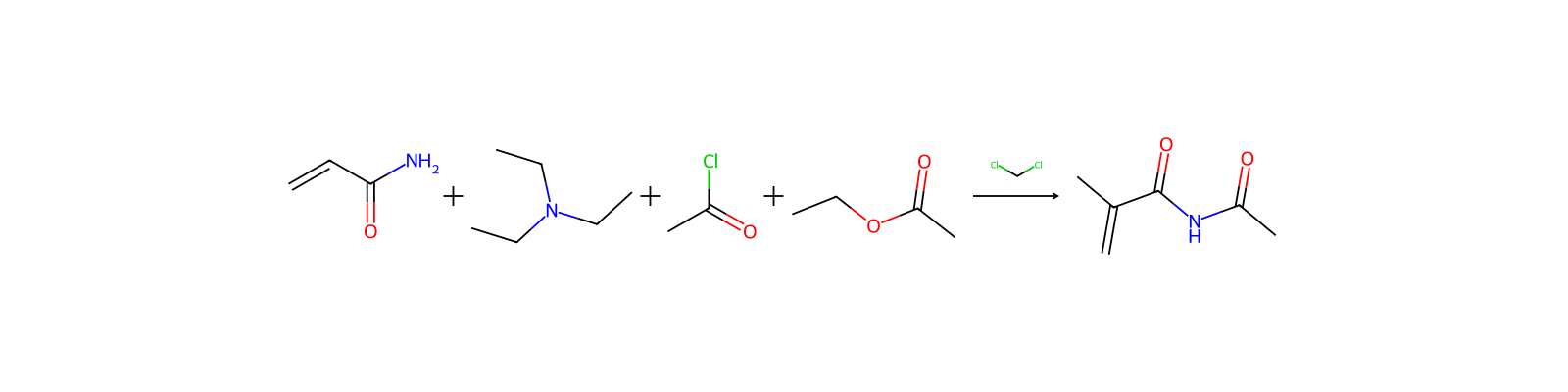


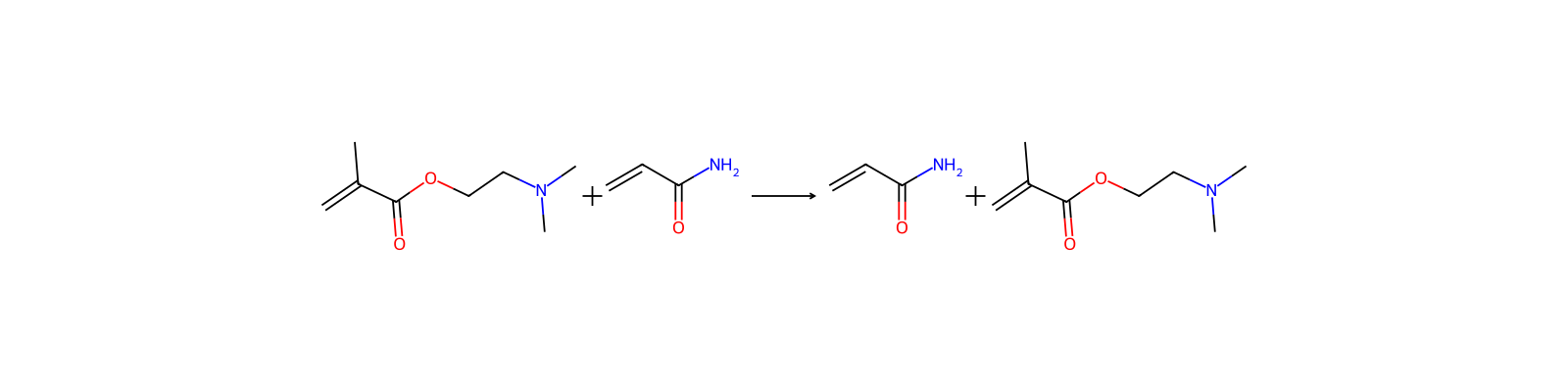
关联笔记
加载中…