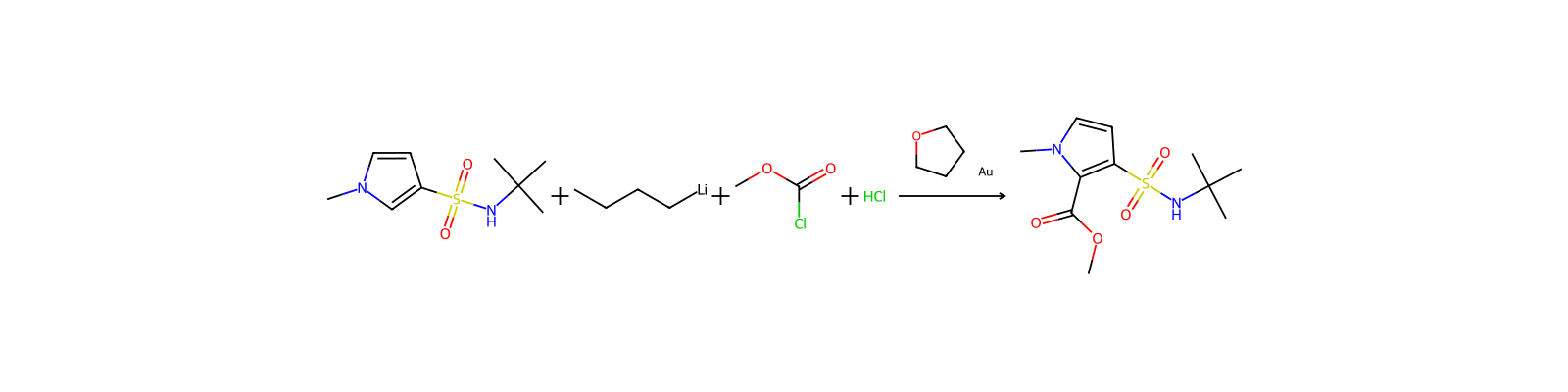
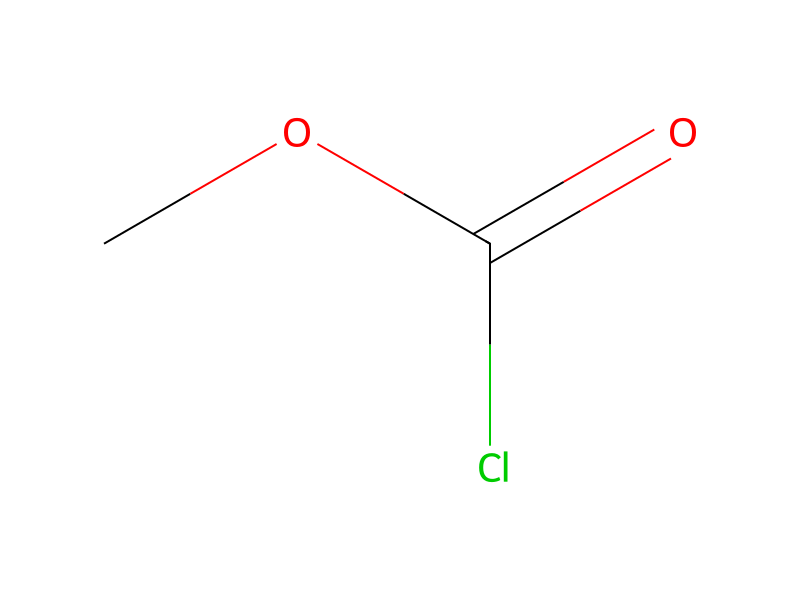
基本信息
- 标准SMILES
COC(=O)Cl- InChIKey
XMJHPCRAQCTCFT-UHFFFAOYSA-N- 分子式
- C2H3ClO2
- 平均分子量
- 94.5 g/mol
- 单同位素质量
- 93.98215702
概述
Methyl chloroformate appears as a colorless liquid with a pungent odor. Flash point 54 °F. Corrosive to metals and tissue. Vapors heavier than air. Very toxic by inhalation. Used to make other chemicals and insecticides.
名称与标识
- 首选名称
- Methyl chloroformate
- IUPAC
- methyl carbonochloridate
- 中文名
- 氯甲酸甲酯
- 英文名
- Methyl chloroformate
- 分子式
- C2H3ClO2
- 分子量
- 94.5
名称与别名
METHYL CHLOROFORMATE79-22-1Methyl chlorocarbonateChloroformic acid methyl esterMethoxycarbonyl chlorideMetilcloroformiatoK-StoffMethylchloorformiaatCarbonochloridic acid, methyl esterFormic acid, chloro-, methyl esterChloroformiate de methyleChlorocarbonic acid methyl ester
展开更多名称
氯甲酸甲氯甲酸钾酯甲酰碳酰氯氯烷酸甲酯氯碳酸甲酯氯甲酸甲酯氯化氢甲酯甲基氯甲烷甲氧基甲酰氯甲基氯甲酸酯Methyl carbonochloridateMCFMethyl Chloroforatetl438CarbonoJACS-79-22-1
Chlorocarbonate de methyleChlorameisensaeure methylesterTL 438DTXSID0024185Methylester kyseliny chlormravenciMethylester kyseliny chloruhliciteRC6VA8OB2NDTXCID004185
数据库标识
- CAS
79-22-1- PubChem CID
- 6586
- DTXSID
DTXSID0024185- ChEMBL
CHEMBL3182300- UNII
- RC6VA8OB2N
- EC Number
- 201-187-3
- Nikkaji
- J3.836I
性质
结构计算性质
- XLogP
- 1.2
- 极性表面积
- 26.3 Ų
- 氢键供体
- 0
- 氢键受体
- 2
- 可旋转键
- 1
- 重原子
- 5
- 形式电荷
- 0
- 复杂度
- 42.9
实验与物化性质
Chemical Classes
Toxic Gases & Vapors -> Acid Halides
Corrosives
SpringerMaterials PropertiesCoriolis coupling
PesticidesPesticide -> EPA IRIS
OdorUnpleasant, acrid
Density
1.223 at 68 °F (EPA, 1998) - Denser than water; will sink
1.223 @ 20 °C/4 °C
Relative density (water = 1): 1.22
1.22 @ 20°C
Color/FormCLEAR LIQUID
Solubility
SOL IN CHLOROFORM, BENZENE, IN ALL PROPORTIONS IN ALCOHOL, ETHER
Solubility in water: poor
CorrosivityCorrodes rubber
Flash Point
54 °F (EPA, 1998)
12 °C
24.4 °C (Tag open cup), 17.8 °C (Tag closed cup)
76 °F (open cup); 73 °F (closed cup)
12 °C
Boiling Point
160 °F at 760 mmHg (EPA, 1998)
71.0 °C
71 °C
70.5 °C @760 [mm Hg]
DecompositionWHEN HEATED TO DECOMPOSITION, EMITS HIGHLY TOXIC FUMES OF METHYL CHLOROFORMATE AND PHOSGENE.
Melting Point
less than -114 °F (USCG, 1999)
Less than -114 °F= less than -81 °C= less than 192 deg K
-61 °C
物理化学性质
- 熔点
- -61 °C · -61°C
- 沸点
- 70 · 70-72 °C(lit.)
- 密度
- 1.223 g/mL · 1.223 g/mL at 25 °C(lit.)
- 蒸气密度
- 3.26 · 3.26 (vs air)
- 蒸气压
- 4.8 psi · 4.8 psi ( 20 °C)
- 折射率
- 20 · n20/D 1.387(lit.)
- 闪点
- 64 °F · 64 °F
- 储存条件
- 0 · Store at 0-5°C
- 溶解度
- Chloroform, Ethyl Acetate
- 形态
- Liquid
- 颜色
- Clear colorless to light yellow
- 气味 (Odor)
- Acrid.
- 水溶解性
- hydrolysis
- Merck
- 13 · 13,6071
- 介电常数
- 12.9 · 12.9
- 稳定性
- Moisture Sensitive
- CAS 数据库
- 79 · 79-22-1(CAS DataBase Reference)
- NIST化学物质信息
- Carbonochloridic acid, methyl ester(79-22-1)
- EPA化学物质信息
- Methyl chlorocarbonate (79-22-1)
化学性质
无色透明液体,具有刺激性气味。 与乙醇、乙醚混溶,溶于苯和氯仿,微溶于水。
安全与法规
GHS分类
GHS Classification
Danger
H225: Highly Flammable liquid and vapor [Danger Flammable liquids]
P210, P233, P240, P241, P242, P243, P260, P264, P270, P271, P280, P284, P301+P317, P301+P330+P331, P302+P352, P302+P361+P354, P303+P361+P353, P304+P340, P305+P354+P338, P316, P317, P320, P321, P330, P362+P364, P363, P370+P378, P403+P233, P403+P235, P405, and P501 (click each P-code to see the statement)
Danger
H225 (100%): Highly Flammable liquid and vapor [Danger Flammable liquids]
P210, P233, P240, P241, P242, P243, P260, P264, P264+P265, P270, P271, P280, P284, P301+P316, P301+P317, P301+P330+P331, P302+P352, P302+P361+P354, P303+P361+P353, P304+P340, P305+P354+P338, P316, P317, P320, P321, P330, P362+P364, P363, P370+P378, P403+P233, P403+P235, P405, and P501 (click each P-code to see the statement)
危害信息
Hazards IdentificationToxic/poison by inhalation (TIH/PIH)
Regulatory Information
Chemical: Carbonochloridic acid, methyl ester
Carbonochloridic acid, methyl ester is listed on the EPA's Chemical Data Reporting (CDR) system. Manufacturers and importers of Carbonochloridic acid, methyl ester are required to report information about their production and use of this chemical to the EPA under the Toxic Substances Control Act (TSCA). (40 eCFR Part 711)
Status: Active Update: 15-07-2020 https://echa.europa.eu/registration-dossier/-/registered-dossier/13903
Methyl chloroformate: HSNO Approval: HSR006728 Approved with controls
The New Jersey Worker and Community Right to Know Act requires public and private employers to provide information about hazardous substances at their workplaces. (N.J.S.A. 34:5A-1 et. seq.)
Other Safety InformationEvaluation - Chemicals that are unlikely to require further regulation to manage risks to human health
DOT LabelPoison Inhalation Hazard Flammable Liquid Corrosive
Fire Hazards
This chemical is very dangerous when exposed to heat sources, sparks, flame, or oxidizers. It will react with water or steam to produce toxic and corrosive fumes. Vapors may travel to a source of ignition and flash back. Withdraw immediately in case of rising sound from venting safety device or any discoloration of tank due to fire. Toxic fumes of phosgene are produced when the material is heated to decomposition. Heat or steam should be avoided. (EPA, 1998)
· HIGHLY FLAMMABLE: Will be easily ignited by heat, sparks or flames.
Highly flammable. Gives off irritating or toxic fumes (or gases) in a fire. Vapour/air mixtures are explosive.
Fire PotentialVERY DANGEROUS WHEN EXPOSED TO HEAT SOURCES, SPARKS, FLAME, OR OXIDIZERS.
Health Hazards
Methyl chloroformate is highly toxic upon inhalation and upon ingestion. A concentration of 1 mg/liter (190 ppm) has been lethal in 10 minutes. It is corrosive and irritating to skin. (EPA, 1998)
· TOXIC and/or CORROSIVE; inhalation, ingestion or contact (skin, eyes) with vapors, dusts or substance may cause severe injury, burns or death.
Hazards Summary
Very toxic by inhalation; Causes burns; [ESIS] A corrosive substance that causes lacrimation and may cause lung edema after inhalation of high concentrations; [ICSC] A concentration of 1 mg/liter (190 ppm) has been lethal in 10 minutes. [CAMEO] Flammable, dangerous fire risk; [Hawley] Very toxic by inhalation and toxic by skin contact and ingestion; Causes burns; Lachrymator; [MSDSonline] See CHLOROFORMATES.
DOT ID and Guide1238 155
Reactive GroupAcyl Halides, Sulfonyl Halides, and Chloroformates
EC ClassificationSymbol: F, T+; R: 11-21/22-26-34; S: (1/2)-14-26-28-36/37-39-45-46-63
UN ClassificationUN Hazard Class: 6.1; UN Subsidiary Risks: 3 and 8; UN Pack Group: I
安全与防护
Fire Fighting
Isolate for 1/2 mile in all directions if tank car or truck is involved in fire. Wear positive pressure breathing apparatus and special protective clothing.
Shut off supply; if not possible and no risk to surroundings, let the fire burn itself out. In other cases extinguish with foam, powder, carbon dioxide, dry sand. In case of fire: keep drums, etc., cool by spraying with water. NO direct contact with water.
First Aid Measures
Fresh air, rest. Half-upright position. Artificial respiration may be needed. Refer for medical attention.
Remove contaminated clothes. Rinse and then wash skin with water and soap. Refer for medical attention .
First rinse with plenty of water for several minutes (remove contact lenses if easily possible), then refer for medical attention.
Rinse mouth. Do NOT induce vomiting. Refer for medical attention .
Accidental Release Measures
· CALL 911. Then call emergency response telephone number on shipping paper. If shipping paper not available or no answer, refer to appropriate telephone number listed on the inside back cover.
· ELIMINATE all ignition sources (no smoking, flares, sparks or flames) from immediate area.
First Aid
Warning: Methyl chloroformate is very irritating and corrosive to the skin, eyes, and mucous membranes. Inhalation exposure for 10 minutes has caused human fatalities at concentrations of 190 ppm. Caution is advised.
General First Aid:
Safe StorageFireproof. Provision to contain effluent from fire extinguishing. Separated from strong oxidants and food and feedstuffs. Dry. Well closed. Keep in a well-ventilated room.
Firefighting HazardsVapor is heavier than air and may travel a considerable distance to a source of ignition and flash back.
Exposure Control and Personal Protection
· Wear positive pressure self-contained breathing apparatus (SCBA).
TIH (Toxic Inhalation Hazard) - Term used to describe gases and volatile liquids that are toxic when inhaled. Some are TIH materials themselves, e.g., chlorine, and some release TIH gases when spilled in water, e.g., chlorosilanes. [ERG 2016].
0.2 [ppm]
Fire Fighting Procedures
Water, dry chem, foam, carbon dioxide. Cool exposed containers with water.
If material on fire or involved in fire: Do not extinguish fire unless flow can be stopped. Use "alcohol" foam, dry chemical or carbon dioxide. Cool all affected containers with flooding quantities of water. Apply water from as far a distance as possible. Do not use water on material itself. If large quantities of combustibles are involved, use water in flooding quantities as spray and fog. Use water spray to knock-down vapors.
Storage ConditionsOWING TO THE FACT THAT THESE CMPD DECOMPOSE EASILY, STORAGE CONTAINERS SHOULD BE VENTED. /CHLOROFORMATES/
Nonfire Spill ResponseExcerpt from ERG Guide 155 [Substances - Toxic and/or Corrosive (Flammable / Water-Sensitive)]:
Disposal Methods
Generators of waste (equal to or greater than 100 kg/mo) containing this contaminant, EPA hazardous waste number U156, must conform with USEPA regulations in storage, transportation, treatment and disposal of waste.
Methyl chloroformate is a waste chemical stream constituent which may be subjected to ultimate disposal by controlled incineration. Incineration, preferably after mixing with another combustible fuel; care must be exercised to assure complete combustion to prevent the formation of phosgene. An acid scrubber is necessary to remove the halo acids produced.
A potential candidate for liquid injection incineration at a temperature range of 650 to 1,600 °C and a residence time of 0.1 to 2 seconds. A potential candidate for rotary kiln incineration at a temperature range of 820 to 1,600 °C and residence times of seconds for liquids and gases, and hours for solids. A potential candidate for fluidized bed incineration at a temperature range of 450 to 980 °C and residence times of seconds for liquids and gases, and longer for solids.
Spillage Disposal
Evacuate danger area! Consult an expert! Personal protection: chemical protection suit including self-contained breathing apparatus. Do NOT let this chemical enter the environment. Collect leaking and spilled liquid in sealable containers as far as possible. Absorb remaining liquid in dry sand or inert absorbent. Then store and dispose of according to local regulations. Do NOT wash away into sewer.
毒理信息
Environmental Fate
TERRESTRIAL FATE: If methyl chloroformate is released to soil, it should rapidly hydrolyze if the soil is moist, based upon the relatively rapid hydrolysis observed in aqueous solution(1,SRC). Since it rapidly hydrolyzes, biodegradation, adsorption, and volatilization from moist soil are not expected to be significant processes, although no data specifically regarding the fate of methyl chloroformate in soil were located(SRC). Based upon a measured vapor pressure of 108.5 mm Hg at 25 °C(2), volatilization from dry near-surface soil or other surfaces may be a significant process(SRC).
AQUATIC FATE: If methyl chloroformate is released to water, it will be expected to hydrolyze relatively rapidly with a calculated half-life of 34.8 min at 19.6 °C(1,SRC). Since it relatively rapidly hydrolyzes, bioconcentration, volatilization, biodegradation, and adsorption to sediment and suspended solids are not expected to be significant processes(SRC).
ATMOSPHERIC FATE: If methyl chloroformate is released to the atmosphere, it will be expected to exist almost entirely in the vapor phase(1) based upon a measured vapor pressure of 108.5 mm Hg at 25 °C(2). It will be susceptible to photooxidation via vapor phase reaction with photochemically produced hydroxyl radicals. An atmospheric half-life of 74 days at an atmospheric concentration of 5X10+5 hydroxyl radicals per cu cm has been calculated for this process based upon an estimated rate constant(3,SRC).
Adverse EffectsDermatotoxin - Skin burns.
Exposure RoutesThe substance can be absorbed into the body by inhalation of its vapour, through the skin and by ingestion.
Signs and Symptoms
Burning sensation. Cough. Laboured breathing. Shortness of breath. Sore throat. Symptoms may be delayed.
Redness. Skin burns. Pain. Blisters.
Redness. Pain. Loss of vision. Severe deep burns.
Abdominal pain. Burning sensation. Shock or collapse.
ICSC Environmental DataThe substance is toxic to aquatic organisms.
EPA IRIS InformationMethyl chlorocarbonate
Soil Adsorption/MobilitySince methyl chloroformate rapidly hydrolyzes in water(1) and presumably in moist soil(SRC), adsorption to soil is not expected to be a significant process(SRC).
Human Toxicity Excerpts
... HIGHLY CORROSIVE AND IRRITANT TO SKIN AND EYES ... .
... IT IS HIGHLY IRRITANT AND CORROSIVE BY INGESTION, INHALATION, OR EYE ... CONTACT. CONCN OF 10 PPM (5.28 MG/CU M) HAVE CAUSED LACRIMATION AND A CONCN OF 190 PPM (1 MG/L) HAS BEEN LETHAL IN 10 MIN.
HUMANS EXPOSED TO METHYL CHLOROFORMATE HAVE EXPERIENCED RESPIRATORY TRACT AND EYE IRRITATION, EVEN PERSISTING AFTER CESSATION OF EXPOSURE. SKIN SENSITIZATION MAY OCCUR, ALTHOUGH EMPLOYEES IN CHEMICAL MANUFACTURING PLANT SHOWED NO HEALTH EFFECTS NOR POSITIVE LAB FINDINGS FROM BLOOD AND LIVER FUNCTION TESTS.
A CHEM PRODUCTION WORKER WAS EXPOSED TO METHYL CHLOROFORMATE, 2-3 INHALATIONS. BRIEF INITIAL IRRITATION, BUT MASSIVE SYMPTOMS OCCURRED AFTER 36 HR: HEAVY COUGH, DYSPNEA & LIGHT LIP CYANOSIS. IMPROVEMENT AND RELAPSES OCCURRED DURING NEXT 9 DAYS, WITH EVENTUAL FULL RECOVERY.
COMPARATIVELY, IRRITANT POTENCY MAY BE ABOUT FIVE TIMES THAT OF CHLORINE AND ONE-HALF THAT OF PHOSGENE.
Artificial Pollution Sources
Methyl chloroformate may be released to the environment as a result of its manufacture and use as an intermediate in organic synthesis and in the preparation of insecticides(1). It also has been used as a military poison gas in World War I(2).
Environmental Biodegradation
No data were located concerning the biodegradation of methyl chloroformate either in natural systems or in laboratory studies(SRC). Since methyl chloroformate hydrolyzes with a calculated half-life of 34.8 min at 19.6 °C(1,SRC), biodegradation probably will not be a significant process in the environment(SRC).
Environmental BioconcentrationSince methyl chloroformate hydrolyzes in water relatively rapidly(1), bioconcentration in aquatic organisms is not expected to be a significant process(SRC).
Volatilization from Water/Soil
Since methyl chloroformate hydrolyzes in water relatively rapidly(1), it is not possible to estimate the half-life for volatilization from aqueous media(SRC). Based upon a measured vapor pressure of 108.5 mm Hg at 25 °C(2), volatilization of methyl chloroformate from surfaces and near-surface dry soil may be significant processes(SRC). In a comparison of relative volatility from wet and dry soil, the evaporation rate of methyl chloroformate was estimated to be approx 3.5 times slower than that of carbon disulfide(3). Since carbon disulfide is known to evaporate quickly from soil, evaporation of methyl chloroformate from soil may be a significant process(SRC). The low-boiling chloroformic esters are highly volatile(4); therefore, evaporation from dry surfaces will occur(SRC).
法规信息
RCRA Requirements
U156; As stipulated in 40 CFR 261.33, when methyl chlorocarbonate, as a commercial chemical product or manufacturing chemical intermediate or an off-specification commercial chemical product or a manufacturing chemical intermediate, becomes a waste, it must be managed according to Federal and/or State hazardous waste regulations. Also defined as a hazardous waste is any residue, contaminated soil, water, or other debris resulting from the cleanup of a spill, into water or on dry land, of this waste. Generators of small quantities of this waste may qualify for partial exclusion from hazardous waste regulations (40 CFR 261.5).
CERCLA Reportable Quantities
Persons in charge of vessels or facilities are required to notify the National Response Center (NRC) immediately, when there is a release of this designated hazardous substance, in an amount equal to or greater than its reportable quantity of 1000 lb or 454 kg. The toll free number of the NRC is (800) 424-8802; In the Washington D.C. metropolitan area (202) 426-2675. The rule for determining when notification is required is stated in 40 CFR 302.4 (section IV. D.3.b).
Releases of CERCLA hazardous substances are subject to the release reporting requirement of CERCLA section 103, codified at 40 CFR part 302, in addition to the requirements of 40 CFR part 355. Methyl Chloroformate is an extremely hazardous substance (EHS) subject to reporting requirements when stored in amounts in excess of its threshold planning quantity (TPQ) of 500 lbs.
DHS Chemicals of Interest (COI)
Methyl chloroformate
1.00
10,000
Flammable chemical that can be released at a facility.
安全数据
- F
- 10-19-21
- wgk
- 2
- tsca
- TSCA listed
- RTECS号
- FG3675000
- 包装类别
- I
- 危险等级
- 6.1
- 安全说明
- 14-26-28-36/37/39-45-63-46-28A-39-36/37
- 海关编码
- 29151300
- 自燃温度
- 485 °C
- 危险品标志
- F,T+
- 危险类别码
- 11-21/22-26-34
- 毒害物质数据
- 79-22-1(Hazardous Substances Data)
- 危险品运输编号
- UN 1238
毒性防护
急性毒性口服- 大鼠 LD50: 60 毫克/ 公斤; 口服- 小鼠 LD50: 67 毫克/ 公斤
职业标准TWA 4.4 毫克/ 立方米
包装储运
可燃性危险特性遇明火、高温、氧化剂易燃; 燃烧产生有毒氯化物烟雾;高热分解有毒光气; 遇水产生腐蚀性气体
储运特性库房通风低温干燥; 与氧化剂分开存放
灭火剂干粉、干砂、二氧化碳、泡沫、1211灭火剂
化学与工业
用途与制造
Uses
Used to make pesticides, pharmaceuticals and other chemicals; Used as a solvent in the photographic industry; [HSDB]
Photographic Processing [Category: Other]
Organic synthesis, insecticides.
... AS A WARFARE AGENT DURING WORLD WAR I. /FORMER USE/
Reactive intermediate to pesticides, pharmaceuticals and other chemicals; pharmaceutical synthesis, agricultural products (herbicides, insecticides)
Used as solvent in the photographic industry ... employed in the production of carbamates that are used to synthesize dyes, drugs, veterinary medicines, herbicides, and insecticides ... . Used as starting material for the synthesis of the preservative velcorin.
ImpuritiesCarbon dioxide, hydrogen chloride, phosgene, and alkyl chlorides; main impurities are corresponding carbonates /Chloroformic esters/
U.S. Production2023: 50,000 - <250,000 lb
Industry UsesIntermediate
Methods of ManufacturingMADE FROM PHOSGENE AND METHYL ALCOHOL
Formulations/Preparations
GRADES OR PURITY: 97+%
Grade: Technical (95% minimum)
Typical specifications of commercial chloroformates: purity, 98%; phosgene, <0.1%, iron, <10 ppm; acidity as HCl, <0.1%; alcohol or phenol, <2% /Chloroformic esters/
Commercial products have concentrations of 97-99 wt% /Chloroformic esters/
General Manufacturing Information
All Other Basic Organic Chemical Manufacturing
Carbonochloridic acid, methyl ester: ACTIVE
Most chloroformate production is used captively and production figures are not available.
应用领域
用途用作有机合成中间体,农药工业用于制取除草剂灭草灵、杀菌剂多菌灵等,也是制药的原料和催泪性毒剂
用途氯甲酸甲酯是杀菌剂多菌灵、苯菌灵和甲基硫菌灵的中间体。
用途农药原料,以用制取除草剂灭草灵、杀菌剂多菌灵等。也是医药原料,过去曾有人用以制取催泪性毒气。
制备方法
生产方法工业上由甲醇与光气进行酯化而得。用间歇法生产时,将光气通入甲醇中,在搪玻璃反应锅内搅拌反应,这种工艺生产能力低,原料消耗高,产品质量差。大量生产时采用连续化工艺。连续化工艺一般采用搪玻璃的反应塔,先在塔中加入甲醇,控制反应温度为20-30℃,然后从塔底同向通气甲醇和光气,得到的氯甲酸甲酯的含量为93%,收率为94%。该法的反应尾气采用冷凝器冷冻捕集。光气化过程大量放热,反应塔一般采用夹套冷却的方式控制反应在25℃左右进行。生产每吨氯甲酸甲酯消耗甲醇约400kg、光气约1500kg。
生产方法其制备方法是由甲醇和光气反应而得。工艺是在反应塔中进行,甲醇从酯化塔底部一侧进入酯化塔,而光气从另一侧进入酯化塔,保持光气对甲醇的摩尔比为(1.05~1.1)∶1,反应温度为35~40℃,此时合成液中氯甲酸甲酯的含量>90%,收率也可达90%以上。反应方程式:CH3OH+COCl2→ClCOOCH3+HCl如果甲醇的摩尔比稍大一些,则可能生成碳酸二甲酯。另外,如果要得到氯甲酸甲酯的产品,反应液冷却到室温,以氮气赶除剩余的光气进行尾气破坏。
上下游产品信息
上游原料
下游产品
试剂价格
- 80082928 · 500ML
- 氯甲酸甲酯methyl chloroformate;methyl chlorocarbonate — 2810元
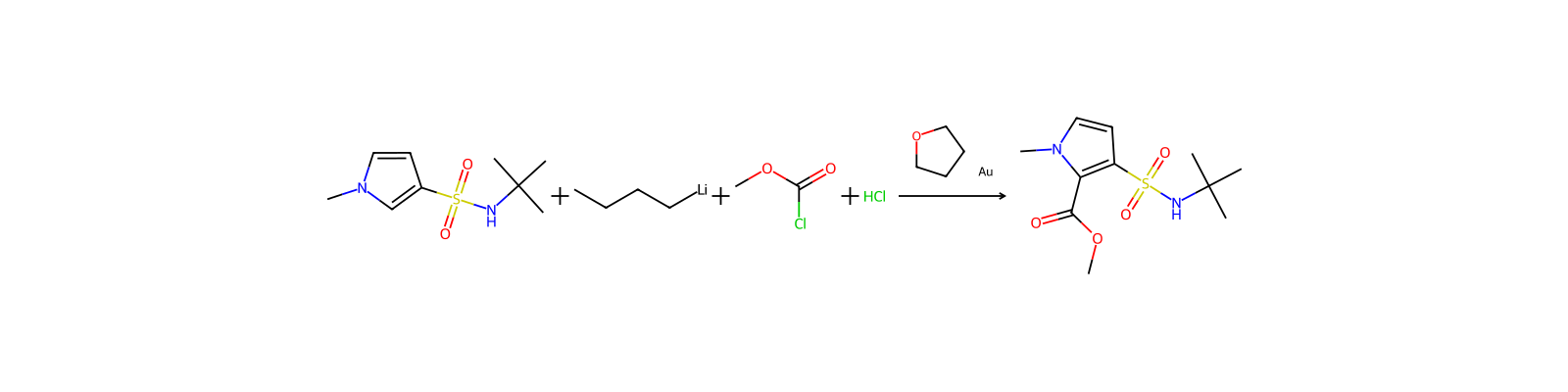
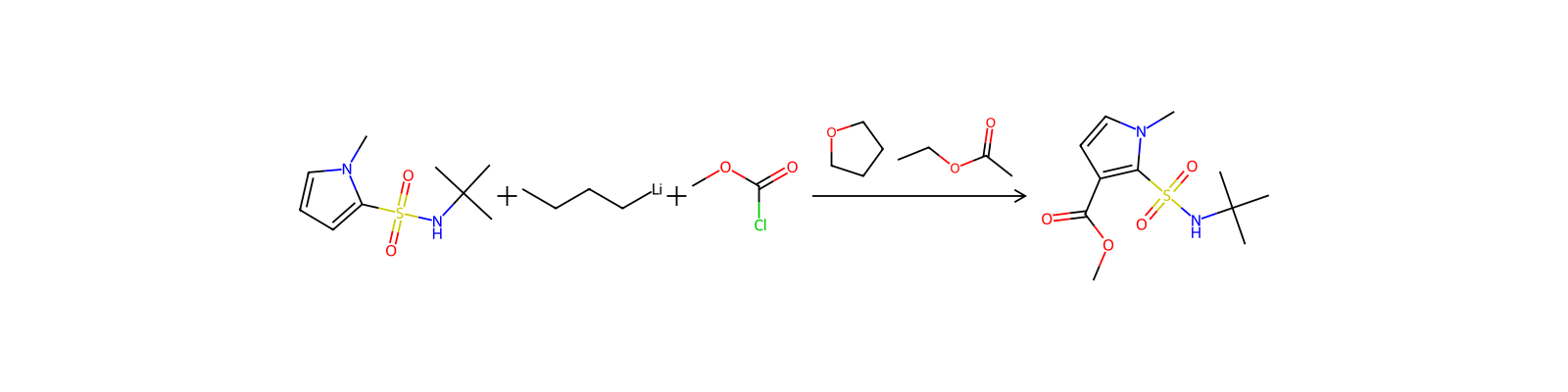
相关反应
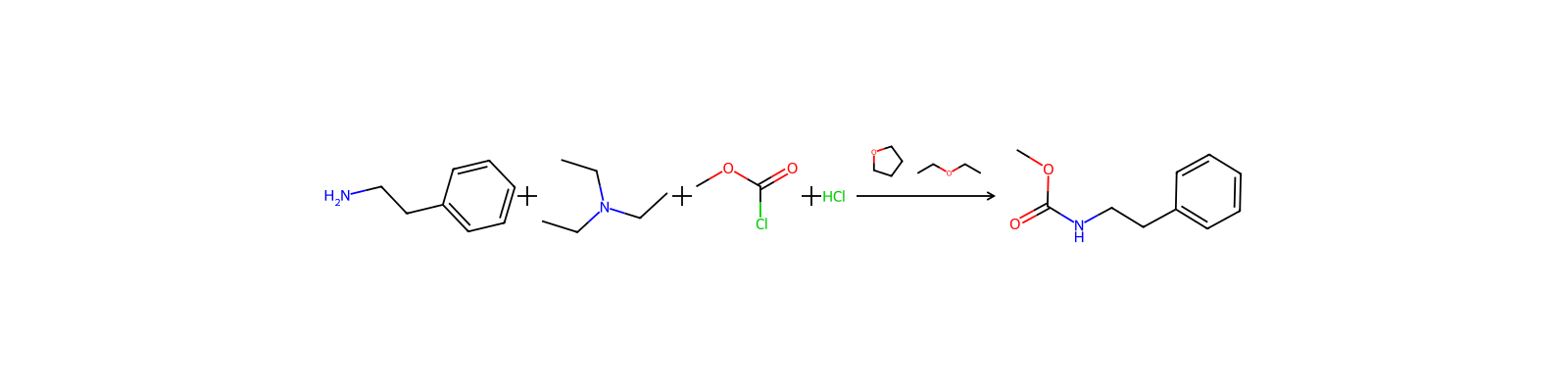
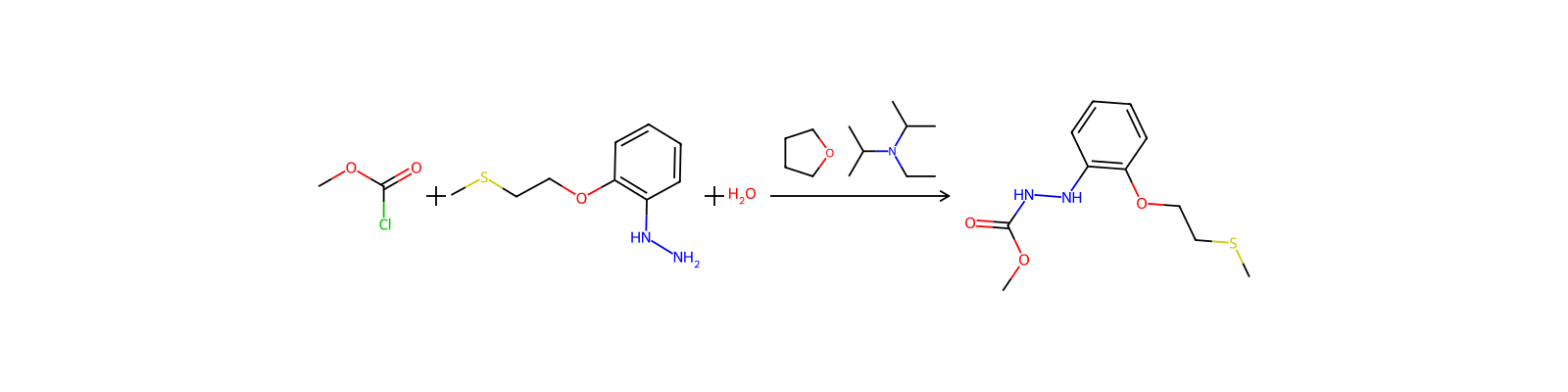
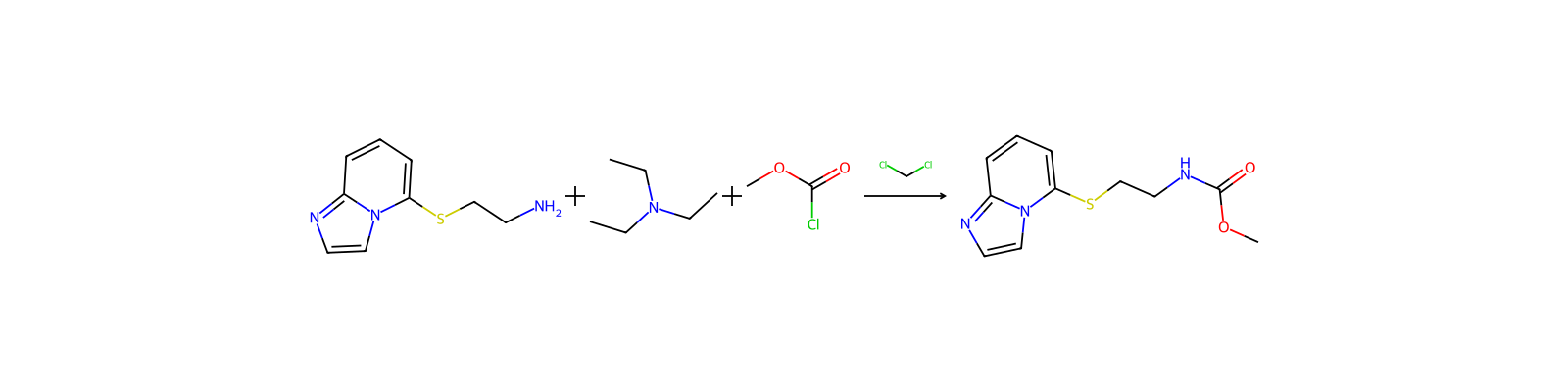
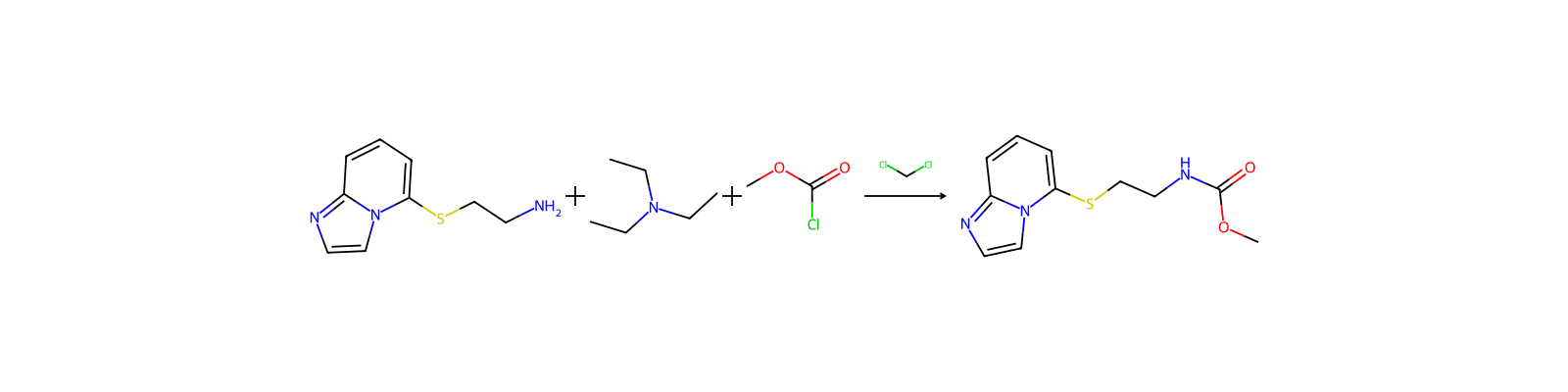
3,575 条

关联笔记
加载中…