
基本信息
- 标准SMILES
O=C1c2ccccc2C(=O)c2c(Cl)cccc21- InChIKey
BOCJQSFSGAZAPQ-UHFFFAOYSA-N- 分子式
- C14H7ClO2
- 平均分子量
- 242.65 g/mol
- 单同位素质量
- 242.01345714
名称与标识
- 首选名称
- 1-Chloroanthraquinone
- IUPAC
- 1-chloroanthracene-9,10-dione
- 中文名
- 1-氯蒽醌
- 英文名
- 1-Chloro anthraquinone
- 分子式
- C14H7ClO2
- 分子量
- 242.66
名称与别名
1-CHLOROANTHRAQUINONE82-44-0Anthraquinone, 1-chloro-1-Chloro-9,10-anthraquinone9,10-Anthracenedione, 1-chloro-1-Chloranthrachinon1-Chloranthrachinon [Czech]alpha-Chloroanthraquinone1-chloro-9,10-Anthracenedionealpha-Monochloroanthraquinone.alpha.-MonochloroanthraquinoneDTXSID7052571
展开更多名称
1-氯蒽醌α-氯蒽醌1-氯代蒽醌α-氯代蒽醌1-氯蒽醌,98%1-CHLOROANTHRACENE-9,10-DIONE1-CHLORO AQTIMTEC-BB SBB0008251-Chloro anthraquino-Chloroanthraquinone1-Chloroantraquinone1-chloro-anthraquinon
HSDB 2565EINECS 201-421-4NSC 30428BRN 191275296S5SQV15VAI3-38116NSC-5138NSC-30428
数据库标识
- CAS
26264-07-3、82-44-0- PubChem CID
- 6709
- DTXSID
DTXSID7052571- ChEMBL
CHEMBL3560876- UNII
- 96S5SQV15V
- EC Number
- 201-421-4
- Nikkaji
- J55.388C
性质
结构计算性质
- XLogP
- 4
- 极性表面积
- 34.1 Ų
- 氢键供体
- 0
- 氢键受体
- 2
- 可旋转键
- 0
- 重原子
- 17
- 形式电荷
- 0
- 复杂度
- 352
实验与物化性质
Chemical ClassesOther Classes -> Aromatic Ketones
SpringerMaterials Properties13C nuclear magnetic resonance spectrum
Color/FormYELLOW NEEDLES FROM TOLUENE OR ALCOHOL
Solubility
INSOL IN WATER; SLIGHTLY SOL IN HOT ALCOHOL; SOL IN NITROBENZENE & HOT AMYL ALCOHOL
Sol in ethanol, benzene, acetic acid
Soluble in oxygenated solvents
Boiling PointSublimes
DecompositionWhen heated to decomp it emits very toxic fumes of /hydrogen chloride and nitrogen oxides/.
Melting Point162 °C
Vapor Pressure0.00000087 [mmHg]
Physical DescriptionYellow solid; [HSDB] Yellow powder; [MSDSonline]
Other Experimental PropertiesUV: 15813 (Sadtler Research Laboratories Spectral Collection) /2-Chloroanthraquinone/
物理化学性质
- 熔点
- 159 · 159-160 °C (lit.)
- 沸点
- 345.65 °C · 345.65°C (rough estimate)
- 密度
- 1.2377 · 1.2377 (rough estimate)
- 折射率
- 1.538 · 1.5380 (estimate)
- 储存条件
- 30 °C · Store below +30°C.
- 溶解度
- Soluble in hot toluene. (almost transparency)
- 形态
- Powder or Chunks
- 颜色
- Light yellow to yellow
- BRN
- 1912752 · 1912752
- Henry's Law Constant
- 4.3 · 4.3×102 mol/(m3Pa) at 25℃, Abraham and Jr. (2019)
- InChI
- InChI=1S/C14H7ClO2/c15-11-7-3-6-10-12(11)14(17)9-5-2-1-4-8(9)13(10)16/h1-7H
- InChIKey
- BOCJQSFSGAZAPQ-UHFFFAOYSA-N
- SMILES
- C1(Cl)=C2C(C(=O)C3=C(C2=O)C=CC=C3)=CC=C1
- CAS 数据库
- 82 · 82-44-0(CAS DataBase Reference)
- NIST化学物质信息
- 9 · 9,10-Anthracenedione, 1-chloro-(82-44-0)
- EPA化学物质信息
- 1 · 1-Chloroanthraquinone (82-44-0)
化学性质
黄色针状结晶。 溶于醋酸、硝基苯、热苯、戊醇,微溶于热乙醇,不溶于水。
安全与法规
GHS分类
GHS Classification
This chemical does not meet GHS hazard criteria for 8.5% (4 of 47) of reports.
Warning
H315 (89.4%): Causes skin irritation [Warning Skin corrosion/irritation]
P261, P264, P264+P265, P271, P280, P302+P352, P304+P340, P305+P351+P338, P319, P321, P332+P317, P337+P317, P362+P364, P403+P233, P405, and P501 (click each P-code to see the statement)
Aggregated GHS information provided per 47 reports by companies from 4 notifications to the ECHA C&L Inventory. Each notification may be associated with multiple companies.
危害信息
Regulatory Information
Chemical: 9,10-Anthracenedione, 1-chloro-
9,10-Anthracenedione, 1-chloro-: Does not have an individual approval but may be used as a component in a product covered by a group standard. It is not approved for use as a chemical in its own right.
Hazards Summary
A skin and eye irritant; [HSDB] Causes abnormal liver function test results after subcutaneous injection of experimental animals; [RTECS] An irritant; Effects in high-dose animal studies include impaired liver function tests; [MSDSonline] See Anthraquinone.
Hazard Classes and CategoriesSkin Irrit. 2 (89.4%)
Skin, Eye, and Respiratory IrritationsA skin, eye irritant.
安全与防护
Disposal Methods
SRP: At the time of review, criteria for land treatment or burial (sanitary landfill) disposal practices are subject to significant revision. Prior to implementing land disposal of waste residue (including waste sludge), consult with environmental regulatory agencies for guidance on acceptable disposal practices.
Preventive Measures
SRP: The scientific literature for the use of contact lenses in industry is conflicting. The benefit or detrimental effects of wearing contact lenses depend not only upon the substance, but also on factors including the form of the substance, characteristics and duration of the exposure, the uses of other eye protection equipment, and the hygiene of the lenses. However, there may be individual substances whose irritating or corrosive properties are such that the wearing of contact lenses would be harmful to the eye. In those specific cases, contact lenses should not be worn. In any event, the usual eye protection equipment should be worn even when contact lenses are in place.
毒理信息
Environmental Fate
TERRESTRIAL FATE: An estimated Koc value of 3500(1,SRC), based on an estimated log Kow of 3.99(2,SRC) suggests that 1-chloroanthraquinone will have only slight mobility in soil(SRC), based upon a recommended classification scheme(3). Under reducing conditions, this compound has been shown to form the chloroanthrone with measured half-lives of <0.4 to 2.4 daysin sediments(4) and this may also occur in soils(SRC). Incomplete information is available regarding the biodegradation potential of 1-chloroanthraquinone; however, this compound was resistant to biodegradation under aerobic conditions using an activated sludge inoculum; only 2.8% of the theoretical BOD was reported following 2 weeks incubation(5). 1-Chloroanthraquinone is not expected to volatilize from moist soil surfaces based on an estimated Henry's Law constant of 2.4X10⁻⁹ atm-cu m/mole(6,SRC).
AQUATIC FATE: Based upon an estimated Koc value of 3500(SRC) from an estimated log Kow(2,SRC), 1-chloroanthraquinone may adsorb to suspended solids and sediments(SRC) based upon a recommended classification scheme(1). In anoxic sediments, 1-chloroanthraquinone has been shown to quickly reduce resulting in the formation of an unspecified chloroanthrone(4). Half-lives of <0.4 to 2.4 days are reported for this compound dependent on the source of the sediment(4). An estimated BCF value of 630(3,SRC), based on an estimated log Kow(2,SRC) and measured BCF values of 118-351 in carp(5) indicate that 1-chloroanthraquinone may bioconcentrate in aquatic organisms(SRC). Incomplete information is available regarding the biodegradation potential of 1-chloroanthraquinone; however, this compound was resistant to biodegradation under aerobic conditions using an activated sludge inoculum; only 2.8% of theoretical BOD was reported following 2 weeks incubation(5). 1-Chloroanthraquinone is not expected to volatilize from water surfaces based on an estimated Henry's Law constant of 2.2X10⁻¹² atm-cu m/mole(SRC), developed using a fragment constant method(6).
ATMOSPHERIC FATE: Based on an estimated vapor pressure value of 8.74X10⁻⁷ mm Hg at 25 °C(1,SRC), 1-chloroanthraquinone will exist in both the vapor phase and the particulate phase in the ambient atmosphere(2,SRC). 1-Chloroanthraquinone will degrade fairly rapidly in the vapor phase by reaction with photochemically produced hydroxyl radicals with an estimated half-life of about 13 days(3,SRC). Particulate phase 1-chloroanthraquinone may be physically removed from the air by wet and dry deposition(SRC).
Adverse EffectsOccupational hepatotoxin - Secondary hepatotoxins: the potential for toxic effect in the occupational setting is based on cases of poisoning by human ingestion or animal experimentation.
Effluent Concentrations1-Chloroanthraquinone was detected in an extract of flyash from a municipal incinerator in Ontario, Canada at unreported concentrations(1).
Soil Adsorption/Mobility
Based on an estimated log Kow of 3.99(1,SRC), the Koc of 1-chloroanthraquinone is estimated as approximately 3500(SRC) using a regression-derived equation(2). According to a suggested classification scheme(3), this estimated Koc value suggests that 1-chloroanthraquinone will have only slight mobility in soil(SRC).
Human Toxicity Excerpts
CAUTION: LOW SYSTEMIC TOXICITY, BUT MAY CAUSE SKIN IRRITATION, SENSITIZATION. /ANTHRAQUINONE/
Chronic neurotoxic effects include vision disturbances. /From table; Quinones/
Artificial Pollution Sources
WASTE WATERS FROM ALPHA-DISULFATION OF ANTHRAQUINONE, WHICH CONTAIN ANTHRAQUINONESULFONIC ACIDS, ARE TREATED TO FORM HALOANTHRAQUINONES.
1-Chloroanthraquinone's production and subsequent use as an intermediate in the production of dyes, including Disperse Red 9, Disperse Red 22, Vat Brown 1, Vat Brown 44, Vat Yellow 28(1), may result in its release to the environment through various waste streams(SRC).
Environmental Biodegradation1-Chloroanthraquinone (100 mg/l), inoculated with activated sludge, had a theoretical BOD of 2.8% after a two week period(1). This suggests that 1-chloroanthraquinone may be resistant to biodegradation(1).
Environmental Bioconcentration
Experimental BCF values of 118-351 were measured using carp(1). An estimated BCF value of 630 was calculated for 1-chloroanthraquinone(SRC), using an estimated log Kow of 3.99(2,SRC) and a recommended regression-derived equation(3). These BCF values suggest that 1-chloroanthraquinone may bioconcentrate in aquatic organisms(SRC).
Volatilization from Water/SoilThe Henry's Law constant for 1-chloroanthraquinone is estimated as 2.36X10⁻⁹ atm-cu m/mole(1,SRC). This indicates that 1-chloroanthraquinone will essentially not volatilize from water surfaces(2,SRC).
Non-Human Toxicity Excerpts
...MICE...UNHARMED BY SINGLE ORAL DOSES OF 5,000 MG/KG. /ANTHRAQUINONE/
ANTHRAQUINONE...HAS BEEN NOTED ONLY IN EXPTL ANIMAL EYES TO CAUSE IRRITATION & INFLAMMATION WHEN APPLIED TO THE EYE. ...IT IS POSSIBLE THAT IRRITATION IS DUE TO MECH ACTION OF POWDER RATHER THAN TO TOXIC EFFECT... /ANTHRAQUINONE/
Anthraquinones (incl 1-chloroanthraquinone) admin orally at 100-200 mg/kg to mice and at 200-400 mg/kg to rats were effective laxatives. Anthraquinones were weak laxatives in mice. In the range tested (100-400 mg/kg), the cmpd were not toxic in rats and mice.
Acute neurotoxic effects reported in animals include convulsions; medullary paralysis. /From table; Quinones/
Environmental Abiotic Degradation
The rate constant for the vapor phase reaction of 1-chloroanthraquinone with photochemically produced hydroxyl radicals has been estimated as 1.3X10⁻¹² cu cm/molecule-sec at 25 °C(1). The half-life of 1-chloroanthraquinone is approximately 13 days based on a concentration of 5X10+5 hydroxyl radicals per cu cm(1,SRC). 1-Chloroanthraquinone, added to lake bottom sediments, resulted in the formation of a chlorine containing anthrone(2). 1-Chloroanthraquinone had measured first-order rate constants of 1.2X10⁻² to 6.5X10⁻²/hr giving half-lives from <0.4 to 2.4 days for this anoxic sediment-water system(2).
Environmental Fate/Exposure Summary
1-Chloroanthraquinone's production and subsequent use as an intermediate in the production of dyes may result in its release to the environment through various waste streams. 1-Chloroanthraquinone may also be introduced directly to the environment as a product of the treatment of waste waters from the alpha-disulfation of anthraquinone. If released to the atmosphere, 1-chloroanthraquinone should exist in both the vapor phase and the particulate phase based on an estimated vapor pressure of 8.7X10⁻⁷ mm Hg. In the vapor phase, 1-chloroanthraquinone will react with hydroxyl radicals with an estimated half-life of about 13 days. Particulate phase 1-chloroanthraquinone may be physically removed from the atmosphere by wet and dry deposition. An estimated Koc of 3500 suggests that 1-chloroanthraquinone will have only slight mobility in soil. It is not expected to volatilize from moist soil surfaces given an estimated Henry's Law constant of 2.4X10⁻⁹ atm-cu m/mol. Incomplete information is available regarding the biodegradation potential of 1-chloroanthraquinone; however, this compound was resistant to biodegradation under aerobic conditions using an activated sludge inoculum; only 2.8% BOD was reported following 2 weeks incubation. In water, 1-chloroanthraquinone is expected to adsorb to organic matter and suspended solids in the water column based on its Koc value. In reducing sediments, this compound will rapidly form the chloroanthrone with measured half-lives for the parent compound of <0.4 to 2.4 days. 1-Chloroanthraquinone may bioconcentrate in aquatic organisms; BCF values of 118-351 were measured in carp, an estimated BCF value of 630 was calculated using an estimated log Kow. (SRC)
安全数据
- wgk
- 3
- tsca
- TSCA listed
- 毒性
- LD50 orally in Rabbit: 15100 mg/kg
- RTECS号
- CB6150000
- 存储类别
- 11 - Combustible Solids
- 安全说明
- 26-37/39-24/25
- 海关编码
- 29147090
- 危险品标志
- Xi
- 危险类别码
- 36/37/38
- 毒害物质数据
- 82-44-0(Hazardous Substances Data)
毒性防护
急性毒性静脉-小鼠 LD50: 56 毫克/公斤
刺激数据眼睛-兔 500 毫克/24小时 轻度
包装储运
可燃性危险特性热分解排出有毒氯化物烟雾
储运特性库房低温通风干燥; 与食品原料分开存放
灭火剂水,二氧化碳, 泡沫, 干粉
化学与工业
药理信息
Metabolism/MetabolitesQuinones (ie, 6,12-dione) have been shown to undergo oxidation-reduction cycles involving quinone, hydroquinone, and molecular oxygen, resulting in the formation of oxygen radicals and semiquinone radicals. /Quinones/
用途与制造
Uses
Used as a chemical intermediate for dyes; [HSDB]
CHEM INTERMEDIATE FOR THE DYES DISPERSE RED 9, VAT BROWN 1, VAT ORANGE 11
Derivatives of 1-chloroanthraquinone include Disperse Red 9, Disperse Red 22, Vat Brown 1, Vat Brown 44, Vat Yellow 28.
U.S. Imports
(1972) 2.91X10+7 G (PRINCPL CUSTMS DISTS)
(1975) 7.09X10+6 G
U.S. Production(1972) 5.17X10+7 G
Methods of Manufacturing
REACTION OF 1-HYDROXYANTHRAQUINONE WITH PHOSPHORUS PENTACHLORIDE IN NITROBENZENE
1-Chloroanthraquinone is prepared from anthraquinone-1-sulfonic acid or from 1-nitro-anthraquinone. Purification by high temperature distillation.
1-Chloroanthraquinone is prepared from anthraquinone-1-sulfonic acid, sodium salt and sodium chlorate (sulfonate displacement).
General Manufacturing Information9,10-Anthracenedione, 1-chloro-: ACTIVE
应用领域
用途用作染料中间体
用途1-氯蒽醌可用作蒽醌还原染料及其他蒽醌染料的中间体,如还原棕BR染料。
制备方法
生产方法蒽醌以硫酸、硝酸配成的混酸进行硝化,再以亚硫酸钠进行磺化,生成蒽醌-1-磺酸钠。在沸腾状态下滴入氯酸钠的盐酸溶液进行氯化,过滤,干燥得成品
上下游产品信息
上游原料
下游产品
试剂价格
- C0653 · 25G
- 1-氯蒽醌1-Chloroanthraquinone — 230元
- C0653 · 500G
- 1-氯蒽醌1-Chloroanthraquinone — 1860元
供应商50 家
国药集团化学试剂有限公司86-21-63210123 · [email protected]
梯希爱(上海)化成工业发展有限公司021-67121386 · [email protected]
上海阿拉丁生化科技股份有限公司400-6206333 13167063860 · [email protected]
Shandong chuangyingchemical Co., Ltd.18853181302 · [email protected]
毕佳索(上海毕得医药科技股份有限公司)400-6005915 · [email protected]
上海麦克林生化科技股份有限公司021-50706066 15221275939 · [email protected]
苏州启航生物科技有限公司18151111370 · [email protected]
河南多贝化工有限公司0370-6999054 17550096163 · [email protected]
上海腾准生物科技有限公司19821570922 · [email protected]
河北创海生物科技有限公司+86-86-13131129325 · [email protected]
上海仲因实业有限公司2537653158 16621191650 · [email protected]
Dayang Chem (Hangzhou) Co.,Ltd.+86-0571-88938639 17705817739 · [email protected]
科瑞迪化学400-821-5857 021-64326257 · [email protected]
衢州明锋化工有限公司0570-3062502 13819002126;13819008176 · [email protected]
Syntechem Co.,Ltd[email protected]
上海迈瑞尔生化科技有限公司4006356688 18621169109 · [email protected]
北京索莱宝科技有限公司010-50973130 17801761073 · [email protected]
上海颖心实验室设备有限公司021-59178156 17002132182 · [email protected]
河南英田生物科技有限公司0370-4053511; 18339993703 · [email protected]
武汉市聚舜化工有限公司027-02783261126 18971318572 · [email protected]
阿法埃莎(中国)化学有限公司400-6106006 · [email protected]
安耐吉化学&3A(安徽泽升科技股份有限公司)400-0056266 · [email protected]
梯希爱(上海)化工贸易有限公司021-61109150 · [email protected]
广东云星生物技术有限公司0751-18902340975/189023400307 18902340307 · [email protected]
上海瀚鸿科技股份有限公司021-54306202 13764082696 · [email protected]
上海泰坦科技股份有限公司400-6009262 15618770481 · [email protected]
合肥天健化工有限公司551-65418679 15856988503;15837135945 · [email protected]
武汉贝乐叶生物医药科技有限公司15871353653 18086118076 · [email protected]
玛雅试剂+86 (573) 82222445 (0)18006601000 452520369 · [email protected]
天津希恩思生化科技有限公司400 638 7771 · [email protected]
Xiamen AmoyChem Co., Ltd+86-86-5926051114 · [email protected]
赛默飞世尔科技(中国)有限公司800-810-5118 · [email protected]
北京伊诺凯科技有限公司400-810-7969 010-59572699 · [email protected]
江苏艾康生物医药研发有限公司025-66113011 13913916777 · [email protected]
TCI AMERICA800-4238616 · [email protected]
TOKYO CHEMICAL INDUSTRY CO., LTD.03-36680489 · [email protected]
TCI Europe320-37350700 · [email protected]
上海贤鼎生物科技有限公司4009209199 · [email protected]
苏州亚科科技股份有限公司0512-87182055 13451648594 · [email protected]
上海将来实业股份有限公司400-0066400 13621662912 · [email protected]
上海毕得医药科技股份有限公司400-164-7117 18317119277 · [email protected]
北京奥秘佳得医药科技有限公司+86-13522808617 · [email protected]
上海爱蝶实业有限公司021-58957966 18930537195 · [email protected]
成都零六生物科技有限公司400-1166-196 13458535857 · [email protected]
池州凯隆进出口贸易有限公司[email protected]
Sigma-Aldrich西格玛奥德里奇(上海)贸易有限公司021-61415566 800-8193336 · [email protected]
郑州科豫隆化工产品有限公司17319789407 17319789407 · [email protected]
上海谱振生物科技有限公司4001650900 13817534909 · [email protected]
广东翁江化学试剂有限公司0751-2815987 13927875076 · [email protected]
厦门志信化学有限公司+86-5922680277 +86-13806087780 · [email protected]
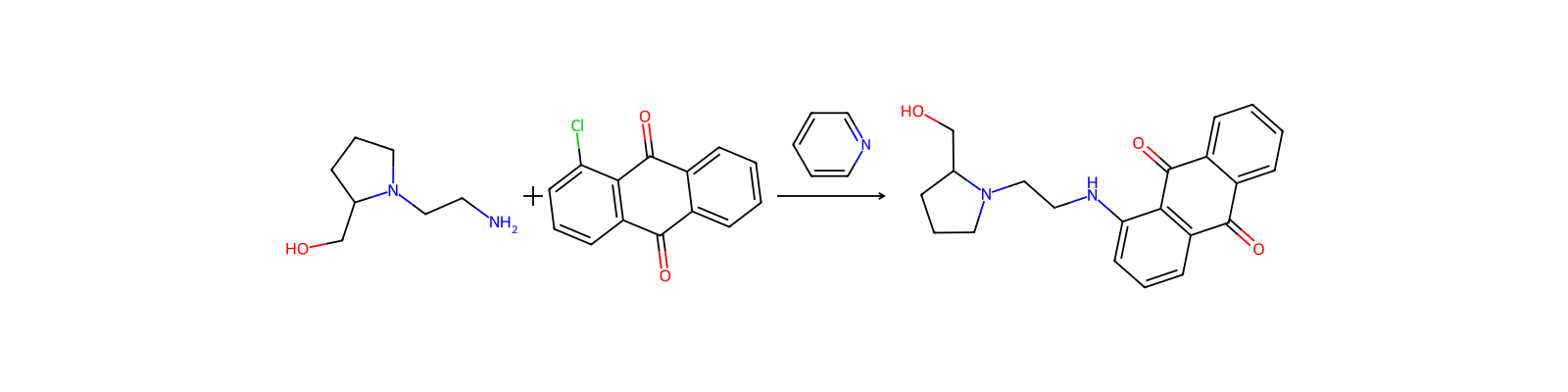
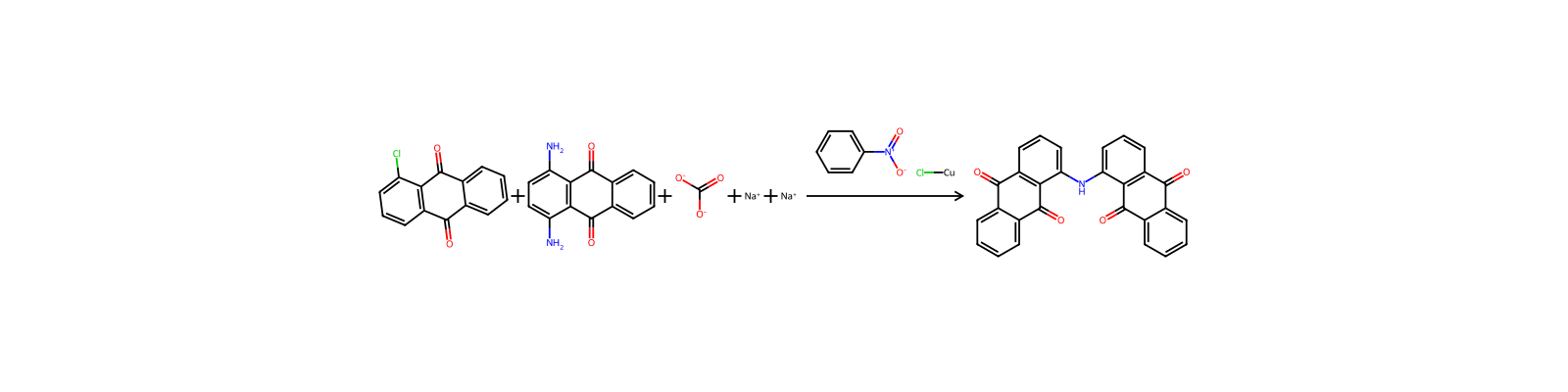
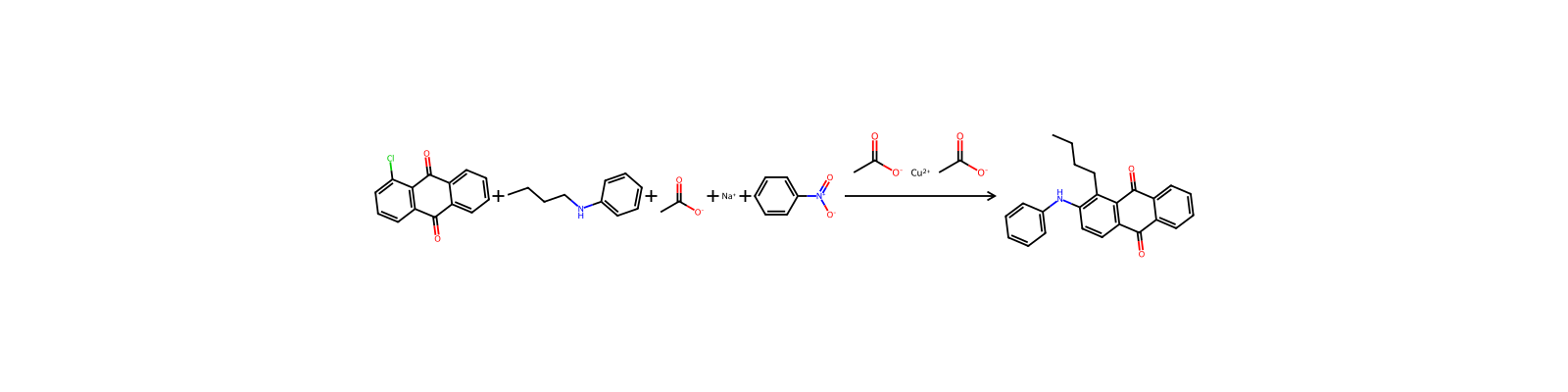
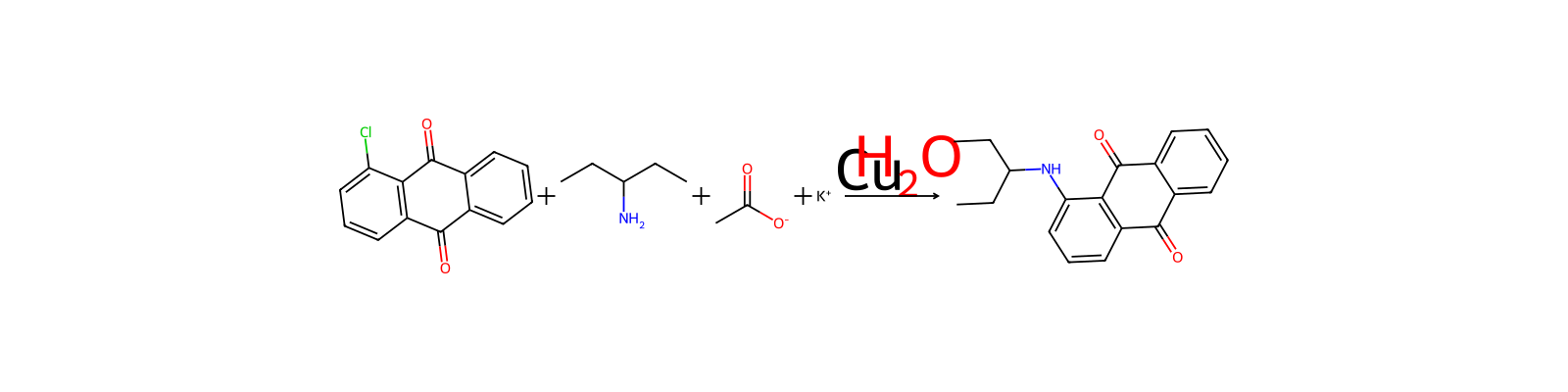
相关反应
27 条

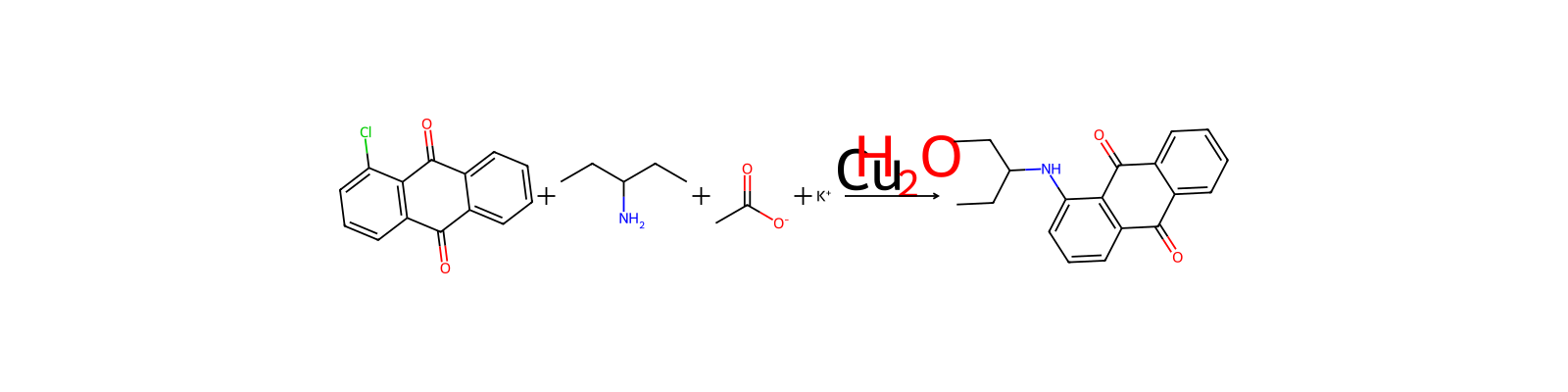
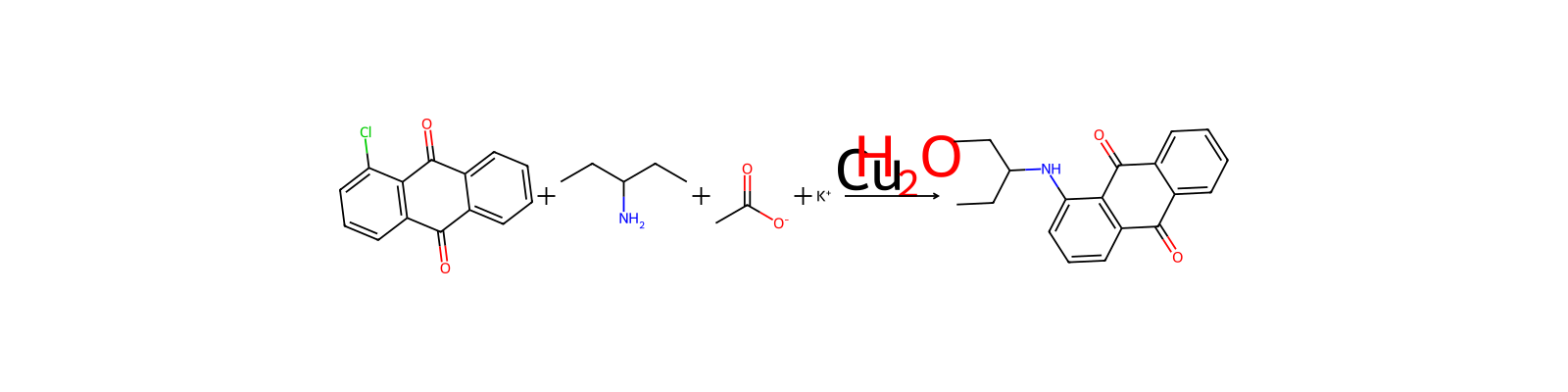
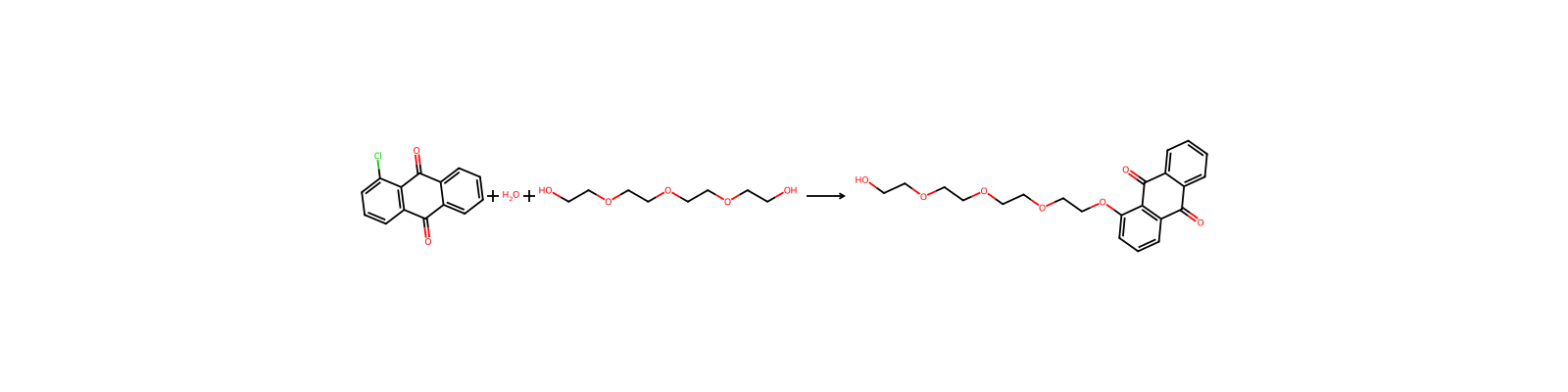
关联笔记
加载中…