

基本信息
- 标准SMILES
O=C(O)c1ccc(C(=O)O)cc1- InChIKey
KKEYFWRCBNTPAC-UHFFFAOYSA-N- 分子式
- C8H6O4
- 平均分子量
- 166.13 g/mol
- 单同位素质量
- 166.02660867
概述
Terephthalic acid is a white powder. (NTP, 1992)
名称与标识
- 首选名称
- Terephthalic Acid
- IUPAC
- terephthalic acid
- 中文名
- 对苯二甲酸
- 英文名
- Terephthalic acid
- 分子式
- C8H6O4
- 分子量
- 166.13
名称与别名
TEREPHTHALIC ACID100-21-0p-Phthalic acid1,4-Benzenedicarboxylic acidbenzene-1,4-dicarboxylic acidp-Dicarboxybenzene1,4-dicarboxybenzeneAcide terephtaliquep-Benzenedicarboxylic acidp-Carboxybenzoic acidTephtholpara-Phthalic acid
展开更多名称
简苯对酞酸苯二甲酸对苯二酸对苯二甲酸对二苯甲酸對苯二甲酐纯对苯二酸松油苯二甲酸对苯二甲酸钾PTATPATEREPHTHALATEbenzenedicarboxylic acidTEREPHTALIC ACIDTerephthalic acid 98%TERPHTHALIC ACID
Kyselina tereftalova4-Carboxybenzoic AcidTA-33MPWR 16262NSC 36973TA 12DTXSID60260806S7NKZ40BQ
数据库标识
- CAS
100-21-0、211863-90-0- PubChem CID
- 7489
- DTXSID
DTXSID6026080- ChEMBL
CHEMBL1374420- ChEBI
CHEBI:15702- UNII
- 6S7NKZ40BQ
- EC Number
- 202-830-0、685-562-0
- Nikkaji
- J3.588B
性质
结构计算性质
- XLogP
- 2
- 极性表面积
- 74.6 Ų
- 氢键供体
- 2
- 氢键受体
- 4
- 可旋转键
- 2
- 重原子
- 12
- 形式电荷
- 0
- 复杂度
- 169
实验与物化性质
Chemical ClassesOther Classes -> Organic Acids
PesticidesEnvironmental transformation -> Pesticide transformation products (metabolite, successor)
LogP
log Kow = 2.00
2.00
1.96
1.68
Density
1.51 (NTP, 1992) - Denser than water; will sink
Specific gravity = 1.522 at 25 °C
Relative density (water = 1): 1.51
1.51
1.51 @25 °C
Color/Form
Needles
White crystals or powder
Solubility
Insoluble (NTP, 1992)
Insoluble in chloroform, ether, acetic acid; slightly soluble in alcohol; soluble in alkalies
Solubilities at 25 °C (g/100 g solvent): water = 0.0017, glacial acetic acid = 0.013, methanol = 0.1, dimethylformamide = 6.7, dimethyl sulfoxide = 19.0
In water, 15 mg/L at 20 °C
0.015 mg/mL at 20 °C
Solubility in water, g/100ml at 20 °C: 0.28
Flash Point
260 °C
500 °F (260 °C) (Open cup)
260 °C
Boiling Point
greater than 572 °F at 760 mmHg (sublimes without melting) (NTP, 1992)
>572 °F (sublimes)
DecompositionWhen heated to decomposition it emits acrid smoke and irritating fumes.
Melting Point
Sublimes (NTP, 1992)
427 °C (sealed tube)
> 300 °C
sublimes
Vapor Pressure
0.0000092 [mmHg]
Vapor pressure: 1.3 kPa at 303 °C; 13.3 kPa at 353 °C; 26.7 kPa at 370 °C; 53.3 kPa at 387 °C; 101.3 kPa at 404 °C
Vapor pressure = 0.097 kPa at 250 °C
6X10-11 mm Hg at 25 °C /Antoine extrapolation from higher temperatures/
Vapor pressure, Pa at 20 °C:
Food Contact Substances
FCS -> FDA Cumulative Estimated Daily Intake (CEDI)
FCS -> FDA Inventory of Food Contact Substances Listed in 21 CFR
物理化学性质
- 熔点
- 300 °C · >300 °C (lit.)
- 沸点
- 214.32 °C · 214.32°C (rough estimate)
- 密度
- 1.58 g/cm3 · 1.58 g/cm3 at 25 °C
- 蒸气压
- 0.01 mm · <0.01 mm Hg ( 20 °C)
- 折射率
- 1.51 · 1.5100 (estimate)
- 闪点
- 260 °C · 260°C
- 储存条件
- Sealed in dry,Room Temperature
- 溶解度
- 15 mg/l · 15mg/l (experimental)
- 酸度系数(pKa)
- 3.51 · 3.51(at 25℃)
- 形态
- Crystalline Powder
- 颜色
- White
- PH值
- 3.36 · 3.36(1 mM solution);2.79(10 mM solution);2.26(100 mM solution)
- 水溶解性
- slightly soluble in water (0,017 g/L at 25°C)
- Merck
- 14 · 14,9162
- BRN
- 1909333 · 1909333
- Henry's Law Constant
- 2.5 · 2.5×107 mol/(m3Pa) at 25℃, HSDB (2015)
- 介电常数
- 1.5 · 1.5(Ambient)
- 暴露限值
- 8 mg/m3; · PC-TWA:8 mg/m3; PC-STEL:15 mg/m3
- 稳定性
- Stable. Combustible. Incompatible with strong oxidizing agents.
- InChI
- 1S/C8H6O4/c9-7(10)5-1-2-6(4-3-5)8(11)12/h1-4H,(H,9,10)(H,11,12)
- InChIKey
- KKEYFWRCBNTPAC-UHFFFAOYSA-N
- SMILES
- OC(=O)c1ccc(cc1)C(O)=O
- LogP
- 2 at · 2 at 25℃
- CAS 数据库
- 100 · 100-21-0(CAS DataBase Reference)
- EPA化学物质信息
- Terephthalic acid (100-21-0)
化学性质
白色针状结晶或粉末。 溶于碱溶液,微溶于热乙醇,不溶于水、乙醚、冰醋酸和氯仿。
安全与法规
GHS分类
GHS Classification
This chemical does not meet GHS hazard criteria for 82.5% (1040 of 1260) of all reports.
Warning
H315 (17.4%): Causes skin irritation [Warning Skin corrosion/irritation]
P261, P264, P264+P265, P271, P280, P302+P352, P304+P340, P305+P351+P338, P319, P321, P332+P317, P337+P317, P362+P364, P403+P233, P405, and P501 (click each P-code to see the statement)
Aggregated GHS information provided per 1260 reports by companies from 13 notifications to the ECHA C&L Inventory. Each notification may be associated with multiple companies.
Not Classified
危害信息
Regulatory Information
Chemical: 1,4-Benzenedicarboxylic acid
Regulation (EC) No 1935/2004 (amended)
1,4-Benzenedicarboxylic acid is listed on the EPA's Chemical Data Reporting (CDR) system. Manufacturers and importers of 1,4-Benzenedicarboxylic acid are required to report information about their production and use of this chemical to the EPA under the Toxic Substances Control Act (TSCA). (40 eCFR Part 711)
TP - indicates a substance that is the subject of a proposed TSCA section 4 test rule.
Status: Active Update: 15-05-2023 https://echa.europa.eu/registration-dossier/-/registered-dossier/15563
Terephthalic acid: Does not have an individual approval but may be used under an appropriate group standard
Other Safety InformationIMAP assessments - 1,4-Benzenedicarboxylic acid: Human health tier I assessment
Fire Hazards
Flash point data for this chemical are not available. It is probably combustible. (NTP, 1992)
Combustible. Finely dispersed particles form explosive mixtures in air.
Fire PotentialCombustible
Health HazardsSYMPTOMS: Symptoms of exposure to this compound may include irritation of the skin and eyes.
Hazards Summary
Practically nontoxic in acute, high-dose animal studies; In high-dose feeding studies in rats, it causes bladder stones and subsequent bladder cancers; The bladder cancers are thought to be secondary to the presence of bladder stones. [ACGIH] A skin and eye irritant; [ICSC] An irritant; Effects in high-dose animal studies include abnormal liver function tests; [MSDSonline]
Reactive GroupAcids, Carboxylic
Special Reports
DOE/ORNL; Support for Establishing Structure-Activity Relationships Between a Series of Phthalate Esters and Toxicity to Aquatic Organisms. Report No. ORNL/TM-9254 Contract No# AC05-84OR21400 (1985)
PIERCE ET AL, PHTHALATE ESTERS IN THE AQUATIC ENVIRONMENT, NATL RES COUNC CAN ASSOC COMM SCI CRITER ENVIRON QUAL PUBL 0 (17583): 1 (1980). THE PHYSICAL-CHEMICAL PROPERTIES, ANALYTICAL DETERMINATION & ENVIRONMENTAL DYNAMICS OF PHTHALATE ESTERS (INDUSTRIAL PLASTICIZERS) ARE REVIEWED. ARTICLE INCLUDES DIBUTYL PHTHALATE.
USEPA; Ambient Water Quality Criteria Doc: Phthalate Esters (1980) EPA 440/5-80-067
USEPA/ECAO; Phthalate Atlas Report (1980)
Nat'l Research Council Canada; Phthalate Esters (1980) NRCC No.17583
Reactivity Profile
TEREPHTHALIC ACID is a carboxylic acid. It donates hydrogen ions if a base is present to accept them. This "neutralization" generates substantial amounts of heat and produces water plus a salt. Insoluble in water but even "insoluble" carboxylic acids may absorb enough water from the air and dissolve sufficiently in it to corrode or dissolve iron, steel, and aluminum parts and containers. May react with cyanide salts to generate gaseous hydrogen cyanide. Will react with solutions of cyanides to cause the release of gaseous hydrogen cyanide. Flammable and/or toxic gases and heat are generated by reaction with diazo compounds, dithiocarbamates, isocyanates, mercaptans, nitrides, and sulfides. React with sulfites, nitrites, thiosulfates (to give H2S and SO3), dithionites (SO2), to generate flammable and/or toxic gases and heat. Reaction with carbonates and bicarbonates generates a harmless gas (carbon dioxide) but still heat. Can be oxidized by strong oxidizing agents and reduced by strong reducing agents. These reactions generate heat. May initiate polymerization reactions; may catalyze (increase the rate of) chemical reactions.
Atmospheric Standards
This action promulgates standards of performance for equipment leaks of Volatile Organic Compounds (VOC) in the Synthetic Organic Chemical Manufacturing Industry (SOCMI). The intended effect of these standards is to require all newly constructed, modified, and reconstructed SOCMI process units to use the best demonstrated system of continuous emission reduction for equipment leaks of VOC, considering costs, non air quality health and environmental impact and energy requirements. Terephthalic acid is produced, as an intermediate or a final product, by process units covered under this subpart.
Chemical DangersReacts violently with strong oxidants. This generates fire and explosion hazard.
Physical DangersDust explosion possible if in powder or granular form, mixed with air.
安全与防护
Fire Fighting
Fires involving this material can be controlled with a dry chemical, carbon dioxide or Halon extinguisher. (NTP, 1992)
Use water spray, foam, powder, carbon dioxide. In case of fire: keep drums, etc., cool by spraying with water.
First Aid Measures
Fresh air, rest.
Remove contaminated clothes. Rinse skin with plenty of water or shower.
First rinse with plenty of water for several minutes (remove contact lenses if easily possible), then refer for medical attention.
Rinse mouth.
First Aid
EYES: First check the victim for contact lenses and remove if present. Flush victim's eyes with water or normal saline solution for 20 to 30 minutes while simultaneously calling a hospital or poison control center. Do not put any ointments, oils, or medication in the victim's eyes without specific instructions from a physician. IMMEDIATELY transport the victim after flushing eyes to a hospital even if no symptoms (such as redness or irritation) develop.
Safe StorageSeparated from strong oxidants.
Exposure Control and Personal Protection5.0 [mg/m3], inhalable fraction[German Research Foundation (DFG)]
Storage ConditionsStore in detached units of noncombustible construction.
Cleanup MethodsRemove all ignition sources. Collect powdered material in the most convenient and safe manner and deposit in sealed containers. Ventilate area after clean up is complete.
Nonfire Spill Response
SMALL SPILLS AND LEAKAGE: Should a spill occur while you are handling this chemical, FIRST REMOVE ALL SOURCES OF IGNITION, then you should dampen the solid spill material with ethanol and transfer the dampened material to a suitable container. Use absorbent paper dampened with ethanol to pick up any remaining material. Seal the absorbent paper, and any of your clothes, which may be contaminated, in a vapor-tight plastic bag for eventual disposal. Solvent wash all contaminated surfaces with ethanol followed by washing with a soap and water solution. Do not reenter the contaminated area until the Safety Officer (or other responsible person) has verified that the area has been properly cleaned.
Disposal Methods
SRP: The most favorable course of action is to use an alternative chemical product with less inherent propensity for occupational harm/injury/toxicity or environmental contamination. Recycle any unused portion of the material for its approved use or return it to the manufacturer or supplier. Ultimate disposal of the chemical must consider: the material's impact on air quality; potential migration in soil or water; effects on animal and plant life; and conformance with environmental and public health regulations.
After material has been contained, scoop up contaminated soil and place in impervious containers. Material may be /disposed of/ in an approved chemical incinerator. If facilities are not available, material may be /disposed of in/ an approved waste chemical landfill. When dilute, amenable to biological treatment at a municipal sewage treatment plant.
Spillage Disposal
Personal protection: particulate filter respirator adapted to the airborne concentration of the substance. Sweep spilled substance into covered containers. If appropriate, moisten first to prevent dusting. Carefully collect remainder. Then store and dispose of according to local regulations.
Preventive Measures
SRP: The scientific literature for the use of contact lenses by industrial workers is inconsistent. The benefits or detrimental effects of wearing contact lenses depend not only upon the substance, but also on factors including the form of the substance, characteristics and duration of the exposure, the uses of other eye protection equipment, and the hygiene of the lenses. However, there may be individual substances whose irritating or corrosive properties are such that the wearing of contact lenses would be harmful to the eye. In those specific cases, contact lenses should not be worn. In any event, the usual eye protection equipment should be worn even when contact lenses are in place.
SRP: Contaminated protective clothing should be segregated in such a manner so that there is no direct personal contact by personnel who handle, dispose, or clean the clothing. Quality assurance to ascertain the completeness of the cleaning procedures should be implemented before the decontaminated protective clothing is returned for reuse by the workers. Contaminated clothing should not be taken home at end of shift, but should remain at employee's place of work for cleaning.
Eye PreventionWear safety goggles.
毒理信息
Interactions
INCR EFFECTIVENESS OF CERTAIN ANTIBIOTICS SUCH AS CHLORTETRACYCLINE.
... Chlorothiacide or dietary bicarbonate abolished terephthalic acid-induced urolithiasis in /male weanling Fisher 344 rats fed 4.0% terephthalic acid in diet for 2 weeks (postnatal days 28-42)/.
(14)C-labeled terephthalic acid may be both secreted and reabsorbed by the nephron, and when infused at 3 or 6 umol/min its excretion efficiency is comparable to that of p-aminohippuric acid and tetraethylammonium. Probenecid significantly inhibited the excretion of (14)C-labeled terephthalic acid. M-Hydroxybenzoic acid significantly decreased the excretion of (14)C-labeled terephthalic acid but was without any significant effect on the excretion of p-aminohippuric acid.
The joint injury actions and mechanisms of terephthalic acid (TPA), ethylene glycol (EG) and/or Dowtherm A (DOW): [SRP: a mixture of biphenyl and biphenyl oxide] on liver in rats were investigated. A subchronic toxicity study was designed by a 2(3) factorial method. Some enzymes, biochemical and morphologic indices reflecting the injury of liver were studied. The results showed that serum ALT and serum total bile acid (TBA) of rats in the combined intoxication groups were significantly higher than those in the groups with single toxic agent and control group. The results of factorial analysis showed that the joint action induced by TPA, EG and/or DOW were characterized as additive (TPA + EG), synergistic (EG + DOW), synergistic (TPA + DOW) and additive(TPA + EG + DOW) actions. The deduction was identified by morphologic observations.
To study injury of liver and kidney among the workers exposed to terephthalic acid(TPA), ethylene glycol(EG) and(or) dowtherm A(DOW), and research for early biological monitoring indexes. By using the method of occupational epidemiology, an investigation of industrial hygiene in a chemical fibre corporation was carried out and the changes of the liver and kidney functions were analyzed among the workers who had been exposed to TPA, EG, DOW.The values of serum gamma-glutamyl traspetidase(GGT) and total bile acid(TBA) in TPA + EG + DOW group men were (35.45 +/- 16.09) U/L, (10.29 +/- 6.76) umol/L respectively and the values of serum alanine transaminase(ALT) and TBA in TPA + EG + DOW group women were(30.68 +/- 8.58) U/L, (9.53 +/- 6.63) umol/L respectively, significantly higher than those in TPA, DOW and control groups(P < 0.05, P < 0.01). Compared with TPA, DOW and control groups, the values of urine N-acetyl-beta-D-glucosaminidase (NAG) and beta 2-2-microglobulim (beta 2-MG) in TPA + EG + DOW group of both men and women increased significantly(P < 0.05, P < 0.01), with (5.68 +/- 4.01) U/mmol Cr and (23.49 +/- 13.44) mg/mol Cr, and(6.68 +/- 4.68) U/mmol Cr and (22.80 +/- 13.00) mg/mol Cr, respectively. Analysis of regression indicated that both liver and renal injuries of the workers were evidently correlated with their exposure to TPA, EG and DOW after adjustment for the confounding factors such as sex, smoking, drinking, etc(P < 0.001). Based on available knowledge, it is reasonable to assume that the joint actions should be considered on the injury of liver and kidney caused by TPA, EG and(or) DOW among the workers. Serum ALT, GGT, TBA, urine NAG and beta 2-MG should be suggested as biomarkers for liver and kidney damage.
Ecotoxicity ValuesLC50; Species: Tetrahymena pyriformis (Ciliate); Conditions: static, 30 °C; Concentration: 800000 ug/L for 24 hr
Environmental Fate
TERRESTRIAL FATE: Based on a classification scheme(1), an estimated Koc value of 79(SRC), determined from a structure estimation method(2), indicates that terephthalic acid is expected to have high mobility in soil(SRC). The pKa1 and pKa2 of terephthalic acid are 3.54 and 4.46 at 25 °C(3), respectively, indicating that this compound will partially exist in anion form in the environment and anions generally do not adsorb more strongly to soils containing organic carbon and clay than their neutral counterparts(4). Volatilization of terephthalic acid from moist soil surfaces is not expected to be an important fate process(SRC) given an estimated Henry's Law constant of 3.9X10⁻¹³ atm-cu m/mole(SRC), using a fragment constant estimation method(2). Terephthalic acid is not expected to volatilize from dry soil surfaces(SRC) based upon an extrapolated vapor pressure of 6X10-11 mm Hg at 25 °C(3). Terephthalic acid, present at 100 mg/L, reached 74.7% of its theoretical BOD in 2 weeks using an activated sludge inoculum at 30 mg/L in the Japanese MITI test which classifies the compound as readily biodegradable(5). Terephthalic acid was determined to be biodegradable using the following biodegradation screening tests: Coupled Units (93% DOC, 1-day), Zahn-Wellens (93% DOC,4-days), Sturm Test (72% CO2 evolution, 28 days), Modified OECD Test (82% DOC, 19-day surface water die-away) and Closed Bottle Test (112% BODT, 30 days)(6).
AQUATIC FATE: Based on a classification scheme(1), an estimated Koc value of 79(SRC), determined from a structure estimation method(2), indicates that terephthalic acid is not expected to adsorb to suspended solids and sediment(SRC). Volatilization from water surfaces is not expected(3) based upon an estimated Henry's Law constant of 3.9X10⁻¹³ atm-cu m/mole(SRC), developed using a fragment constant estimation method(2). According to a classification scheme(4), an estimated BCF of 3(SRC), from its log Kow of 2.00(5) and a regression-derived equation(2), suggests the potential for bioconcentration in aquatic organisms is low(SRC). Terephthalic acid is not expected to undergo hydrolysis in the environment due to the lack of functional groups that hydrolyze under environmental conditions(3). Terephthalic acid, present at 100 mg/L, reached 74.7% of its theoretical BOD in 2 weeks using an activated sludge inoculum at 30 mg/L in the Japanese MITI test which classifies the compound as readily biodegradable(6). Terephthalic acid was determined to be biodegradable using the following biodegradation screening tests: Coupled Units (93% DOC, 1-day), Zahn-Wellens (93% DOC,4-days), Sturm Test (72% CO2 evolution, 28 days), Modified OECD Test (82% DOC, 19-day surface water die-away) and Closed Bottle Test (112% BODT, 30 days)(7).
ATMOSPHERIC FATE: According to a model of gas/particle partitioning of semivolatile organic compounds in the atmosphere(1), terephthalic acid, which has an extrapolated vapor pressure of 6X10-11 mm Hg at 25 °C(2), is expected to exist solely in the particulate phase in the ambient atmosphere; however, one monitoring study has reported its detection in the gas-phase(3). Terephthalic acid absorbs UV light at wavelengths >290 nm(4), and therefore may be susceptible to direct photolysis by sunlight(SRC).
Adverse EffectsOccupational hepatotoxin - Secondary hepatotoxins: the potential for toxic effect in the occupational setting is based on cases of poisoning by human ingestion or animal experimentation.
Exposure RoutesThe substance can be absorbed into the body by inhalation and by ingestion.
Ecotoxicity Excerpts
/AQUATIC SPECIES/ The biodegradation and toxicity of the purified terephthalic acid (PTA) processing wastewater was researched ...The results of bioassay ...and calculation with software Ebis3 showed that the 48hr-LC50 (median lethal concentration) to Daphnia magna for the PTA concentration in the wastewater was only 1/10 of that for the chemical PTA. There were 5 kinds of benzoate pollutants and their toxicities existing in the wastewater at least. The toxicity parameter value of the pure chemical PTA cannot be used to predicate the PTA wastewater toxicity...
/OTHER TERRESTRIAL SPECIES/ By using model Caenorhabditis elegans, the toxicity of purified terephthalic acid (PTA) wastewater was evaluated through a battery of biotest, including life span, days of 50% lethal, generation time, brood size, head thrashes, and body bends. The results revealed that compared with control, the life span and generation time of C. elegans exposed to 660 mg PTA/L were delayed to some degree, and its head thrashes and body bends were inhibited. The procreation function of C. elegans exposed to PTA wastewater was greatly affected, with the brood size being as low as 25% of the normal one. The most sensitive indicator, brood size of C. elegans, might be a potential indicator in evaluating PTA wastewater toxicity.
/PLANTS/ Toxicity of products from polyester hydrolysis such as succinic acid (SA), adipic acid (AA), mandelic acid (MA), terephthalic acid (TA), 1,4-butanediol (1,4-B), ethylene glycol (EG), styrene glycol (SG) and 1,4-cyclohexane dimethanol (1,4-C) was evaluated by phytotoxicity test on germination of young radish seeds ...The phytotoxicity test revealed SG > MA > 1,4-C > AA approximately SA > TA approximately EG > 1,4-B in order of decreasing toxicity taking into consideration the growth behavior after germination as well as the percentage of germination...Tests for the phytotoxicity ...indicated that the aromatic compounds were more harmful than the aliphatic ones...
Signs and Symptoms
Cough.
Redness.
Redness.
Effluent Concentrations
Terephthalic acid was detected at a concentration of 5.3 ppb in the effluent of night soil treatment plant in Japan(1). The concentration of terephthalic acid in the waste water from a dimethyl terephthalate manufacturing plant was 459 mg/L(2).
Soil Adsorption/Mobility
Using a structure estimation method based on molecular connectivity indices(1), the Koc of terephthalic acid can be estimated to be 79(SRC). According to a classification scheme(2), this estimated Koc value suggests that terephthalic acid is expected to have high mobility in soil. The pKa1 and pKa2 of terephthalic acid are 3.54 and 4.46 at 25 °C(3), respectively, indicating that this compound will partially exist in anion form in the environment and anions generally do not adsorb more strongly to soils containing organic carbon and clay than their neutral counterparts(4).
TSCA Test Submissions
Chronic toxicity and oncogenicity were evaluated in groups of male and female Fischer 344 rats (total: 504/sex) ingesting terephthalic acid via the basal diet at nominal doses of 20, 142 and 1000 mg/kg/day for 2 years beginning at age seven weeks. Female rat survival was greater for control groups compared to treatment groups, but a dose-response relationship was not evident. Body weights and food consumption values were lower for high dose males for the duration of the study, with decreased lung, heart, liver and kidney weights at study termination. At six and twelve month sacrifice, relative liver weights were greater for high dose females. At termination, high and mid dose females had decreased heart and kidney weights and increased relative brain weights. Urinalyses, hematology and clinical chemistry evaluations revealed some statistical differences, but a dose-response relationship was not evident. Terephthalic acid induced bladder stones in high dose females, and histopathology of the bladder revealed microconcretions or calculi. The incidence of bladder tumors in high dose females was 19/118. The incidence of squamous metaplasia in the bladder of high dose females was 11/118. Both control and treatment groups had a high incidence of eye lesions, cataracts and uterine adenocarcinomas.
A one-generation reproduction study was conducted in tandem with a 90-day subchronic toxicity study which evaluated the effects on rats of dietary exposure to terephthalic acid (TA). Male and female Wistar and CD rats (number of animals/group not reported) were exposed to TA in the diet at dose levels of 0, 0.03, 0.125, 0.5, 2.0 or 5% at which time 10 breeding pairs from each dietary level were kept on their respective diet throughout mating, gestation, lactation and postweaning periods. There were significant differences observed between treated and control animals in the following: increased mortality of fetuses and neonates (76% of 17 Wistar pups and 96% of 23 CD pups found dead at birth (Day 0) were from groups of parents ingesting 2 and 5% TA), reduction of newborn viability (50% reduction of highest-dose level Wistar male newborns), decreased survivability (50% reduction for male and female CD pups from highest-dose group), decreased body weights (highest-dose level Wistar pups at Days 1 and 21, and highest-dose level CD pups at Day 21), increased unscheduled deaths of F1 weanling rats (prior to scheduled Day 51 sacrifice; confined to highest-dose groups of both strains of rats, associated with high incidence of renal and bladder calculi), and increased incidence of renal and bladder stones (high-dose level, both strains). There were no significant differences observed between treated and control animals in the following: fertility index, and litter size. Other findings observed at necropsy of the pups from treated groups included enlarged ceacum, enlarged or distended ureter, enlarged kidneys, and bladder wall thickening. There were no differences in the sensitivity of the two strains of rats to the oral exposure to TA. Full experimental details and results, or statistical treatments were not reported.
Terephthalic acid (CAS # 100-21-0) was evaluated for reproductive toxicity. The test substance was administered in the diets of adult male and female Wistar and CD rats for 90 days at concentrations of 0% (0 mg/kg/day), 0.03% (18 mg/kg/day), 0.125% (75 mg/kg/day), 0.5% (300 mg/kg/day), 2.0% (1200 mg/kg/day) or 5.0% (3000 mg/kg/day). The number of rats per group was not reported. At 2.0 and 5.0%, toxic effects included reductions in food consumption, body weight, and body weight gain, with CD rats being more sensitive to the test substance. At 5% concentration level, five deaths occurred. On Day 91, 10 male and 10 female rats of each strain from each group were bred and maintained on terephthalic acid diets. There were no treatment-related effects on reproduction or fertility. However, at 2.0 and 5.0% dietary concentration caused lethal effects on newborn and young rats. At 5%, reductions in Day 1 newborn body weights and 21-day survival were noted; and at Day 51 there was an increased incidence of renal and bladder calculi. There were no consistent strain difference.
Terephthalic acid (CAS # 100-21-0) was evaluated for reproductive toxicity. The test substance was administered as a particulate aerosol by inhalation at concentrations of 0, 1.0, 5.0, and 10.0 mg/m3 to four groups of 26 to 27 timed-pregnant primiparous Sprague-Dawley rats. The rats were exposed 6 hrs/day, 7 days/wk on gestation days 6 through 15 for a total of 10 consecutive days. No deaths occurred during the study. Clinical signs at all concentrations, included salivation, scaly tail, and red material around the nose/eyes/face. No significant differences in mean dam body or uterus weights, litter weights or dam body weight gain were evident. No pathological conditions were noted upon gross necropsy, although visible uterine implants were noted in all treatment groups. Embryo-fetotoxicity observations included similar numbers of resorptions in all treatment groups and at 5.0%, skeletal rib anomalies were significantly increased. There were no other significant differences in pup viability or fetal malformations.
A one-generation reproduction study was conducted in tandem with a 90-day subchronic toxicity study which evaluated the effects on rats of dietary exposure to terephthalic acid (TA). Male and female Wistar and CD rats (number of animals/group not reported) were exposed to TA in the diet at dose levels of 0, 0.03, 0.125, 0.5, 2.0 or 5% at which time 10 breeding pairs from each dietary level were kept on their respective diet throughout mating, gestation, lactation and postweaning periods. There were significant differences observed between treated and control animals in the following: increased mortality of fetuses and neonates (76% of 17 Wistar pups and 96% of 23 CD pups found dead at birth (Day 0) were from groups of parents ingesting 2 and 5% TA), reduction of newborn viability (50% reduction of highest-dose level Wistar male newborns), decreased survivability (50% reduction for male and female CD pups from highest-dose group), decreased body weights (highest-dose level Wistar pups at Days 1 and 21, and highest-dose level CD pups at Day 21), increased unscheduled deaths of F1 weanling rats (prior to scheduled Day 51 sacrifice; confined to highest-dose groups of both strains of rats, associated with high incidence of renal and bladder calculi), and increased incidence of renal and bladder stones (high-dose level, both strains). There were no significant differences observed between treated and control animals in the following: fertility index, and litter size. Other findings observed at necropsy of the pups from treated groups included enlarged ceacums, enlarged or distended ureters, enlarged kidneys, and bladder wall thickening.
Atmospheric Concentrations
URBAN/SUBURBAN: Terephthalic acid was qualitatively detected in the gas phase of urban air from Belgium(1). It was also qualitatively detected in the air particulate matter collected from Tokyo, Japan(2). Terephthalic acid was detected in atmospheric aerosol and in rainwater particle extracts from West Los Angeles, CA(3). Samples of urban aerosols over West Los Angeles, Downtown Los Angeles, Pasadena, Riverside, and San Nicholas Island (July-Dec) contained terephthalic acid at annual average concentrations of 1.3, 2.8, 1.5, 0.88, and less than 0.03 ng/cu m, respectively(4). The average atmospheric terephthalic acid concentration in the fine particulates collected at four urban sites in southern California (Sept 8-9, 1993 monitoring) was 5.4 ng/cu m with an overall range of 0.9 to 17.2 ng/cu m(5). Monitoring at 12 sites in southern CA in 1995, as part of the Southern California Children's Health Study, detected terephthalic acid particulate concentrations ranging from 0.256 to 0.7 ng/cu m(6).
RURAL/REMOTE: The average concns of terephthalic acid in the airborne aerosols from two relatively unpolluted mountainous regions of Japan were 11.1 ng/cu m and 3.9 ng/cu m(1). During 1995 air monitoring conducted at the Great Smoky Mountain National Park, TN, terephthalic acid was detected in 1 of 21 daytime samples at a concentration of 9 ng/cu m(1).
SOURCE DOMINATED: Terephthalic acid was detected at concentrations ranging from 20.8 to 99.6 ng/cu m in the particulates collected from a roadway tunnel in Hong Kong during Aug 2003 to Feb 2004 monitoring(1).
Human Toxicity Excerpts
/HUMAN EXPOSURE STUDIES/ A 10 mL application of an oily paste containing 80% terephthalic acid to equal sites on the hand was not irritating. Also, a 24 hour application did not produce any signs of irritation or redness.
/SURVEILLANCE/ Forty-three workers exposed to terephthalic acid(TPA) were selected to study the dermal contamination of TPA and the load of TPA in urine. The results showed that there existed a double logarithmic correlation between dermal contamination of TPA and air TPA concentration and a logarithmic correlation between urinary TPA and total inhaled TPA. Neither dermal TPA contamination nor total TPA exposure exhibited a dose-dependent relationship with urinary TPA. Based on this occupational epidemiology investigation, it was proved that the absorption of TPA is not mainly from dermal exposure.
/ALTERNATIVE and IN VITRO TESTS/ Toxicity of products from polyester hydrolysis such as succinic acid (SA), adipic acid (AA), mandelic acid (MA), terephthalic acid (TA), 1,4-butanediol (1,4-B), ethylene glycol (EG), styrene glycol (SG) and 1,4-cyclohexane dimethanol (1,4-C) was evaluated ...by cytotoxicity test on HeLa cells...Toxicity on HeLa cells decreased /in order/ SG > 1,4-C > MA > TA > SA > AA > EG > 1,4-B. Tests for ...cytotoxicity indicated that the aromatic compounds were more harmful than the aliphatic ones...
法规信息
Atmospheric Standards
This action promulgates standards of performance for equipment leaks of Volatile Organic Compounds (VOC) in the Synthetic Organic Chemical Manufacturing Industry (SOCMI). The intended effect of these standards is to require all newly constructed, modified, and reconstructed SOCMI process units to use the best demonstrated system of continuous emission reduction for equipment leaks of VOC, considering costs, non air quality health and environmental impact and energy requirements. Terephthalic acid is produced, as an intermediate or a final product, by process units covered under this subpart.
安全数据
- wgk
- 3
- tsca
- TSCA listed
- 毒性
- LD50 orally in Rabbit: > 6400 mg/kg
- RTECS号
- WZ0875000
- 存储类别
- 11 - Combustible Solids
- 安全说明
- 26-36
- 海关编码
- 2917 36 00
- 自燃温度
- 925 °F
- 危险品标志
- Xi
- 危险类别码
- 36/37/38
- 毒害物质数据
- 100-21-0(Hazardous Substances Data)
化学与工业
药理信息
Mechanism of Action
/The aim of this study was/ to investgate the metabolism of terephthalic acid (TPA) in rats and its mechanism. Metabolism was evaluated by incubating sodium terephthalate (NaTPA) with rat normal liver microsomes, or with microsomes pretreated by phenobarbital sodium, or with 3-methycholanthrene, or with diet control following a NADPH-generating system. The determination was performed by high performance liquid chromatography (HPLC), and the mutagenic activation was analyzed by umu tester strain Salmonella typhimurium NM2009. Expression of CYP4B1 mRNA was detected by RT-PCR. The amount of NaTPA (12.5-200 uL /per/ L) detected by HPLC did not decrease in microsomes induced by NADPH-generating system. Incubation of TPA (0.025-0.1 mmol /per/ L) with induced or noninduced liver microsomes in an NM2009 umu response system did not show any mutagenic activation. TPA exposure increased the expression of CYP4B 1 mRNA in rat liver, kidney, and bladder. Lack of metabolism of TPA in liver and negative genotoxic data from NM2009 study are consistent with other previous short-term tests...
Biological Half-Life
... The concentrations of urine terephthalic acid(TPA) in rats after single oral administration in dose of 100 mg/kg bw were determined by high pressure liquid chromatography. ... The results showed that the first-order kinetics and two-compartment model were noted on the elimination of TPA. The main toxicokinetic parameters were as follows: Ka = 0.51/hr, half-life ka = 0.488 hr, half-life alpha = 2.446 hr, time to peak = 2.160 hr, Ku = 0.143/hr, half-life beta = 31.551 hr, Xu(max) = 10.00 mg. ...
The pharmacokinetics of (14)C labeled terephthalic acid were determined in Fischer 344 rats after iv and oral administration. After iv injection, the plasma concentration-time data were fitted using a 3-compartment pharmacokinetic model. The avg terminal half-life in rats was 1.2 hr and the average volume of distribution in the terminal phase was 1.3 L/kg.
(14)C-Terephthalic acid has a short elimination half-life (approximately 60-100 minutes) in the plasma; however, the apparent half-life was longer following administration by gavage.
Metabolism/Metabolites
A Rhodococcus species was isolated from soil by enriching for growth with dimethyl terephthalate as the sole carbon source. The organism degraded dimethyl terephthalate by hydrolysis of ester-bonds to free terephthalic acid which in turn was metabolized through protocatechuate by an ortho-cleavage pathway.
No evidence of metabolism of (14)C TPA was obtained by analysis of urine by high-performance liquid chromatography /following an iv dose to Fischer-344 rats/.
MeSH Pharmacological ClassificationSubstances that eliminate free radicals. Among other effects, they protect PANCREATIC ISLETS against damage by CYTOKINES and prevent myocardial and pulmonary REPERFUSION INJURY.
Absorption, Distribution and Excretion
... The concentrations of urine terephthalic acid(TPA) in rats after single oral administration in dose of 100 mg/kg bw were determined by high pressure liquid chromatography. ... The results showed that the first-order kinetics and two-compartment model were noted on the elimination of TPA. ... The excretion rates of TPA in urine were about 50%, 52% and 53% in 0-24 hr, 0-48 hr and 0-72 hr respectively after administration. TPA is well absorbed when given orally and rapidly eliminated via urine. Urine TPA at the end of work shift should be considered as a biomarker of exposure for the occupational workers.
Terephthalic acid is absorbed from the gastrointestinal tract and is excreted in the urine apparently unchanged. Dermal or ocular absorption is negligible.
The pharmacokinetics of (14)C terephthalic acid were determined in Fischer-344 rats after iv and oral administration. After iv injection, the plasma concentration-time data were fitted with a three-compartment pharmacokinetic model. The average terminal half-life in 3 rats was 1.2 + or - 0.4 hr, and the average volume of distribution in the terminal phase was 1.3 + or - 0.3 l/kg. Following administration by gavage, a longer terminal half-life was obtained, indicating that dissolution of (14)C TPA or absorption from the gut may have been partially rate limiting. Recovery of (14)C TPA in the urine following a bolus iv dose was 101 + or - 8%, indicating essentially complete urinary excretion of the compound. No evidence of metabolism of (14)C TPA was obtained by analysis of urine by high-performance liquid chromatography. (14)C TPA was transported to the fetus after administration of the compound to pregnant rats; the concentrations in fetal tissues were low relative to the corresponding maternal tissues. Neonatal rats exposed to 5% TPA in the diet of their dams did not develop calculi until the onset of self-feeding. TPA was rapidly excreted into urine after administration to rats, and excretory mechanisms in the dam provided an effective mechanism of defense against TPA-induced urolithiasis in neonatal rats.
By use of the Sperber in vivo chicken preparation method, infusion of radiolabeled terephthalic acid ([14C]TPA) into the renal portal circulation revealed a first-pass excretion of the unchanged compound into the urine. This model was utilized further to characterize the excretory transport of [14C]TPA and provide information on the structural specificity in the secretion of dicarboxylic acids. At an infusion rate of 0.4 nmol/min. 60% of the [14C]TPA which reached the kidney was directly excreted. An infusion rate of 3 or 6 mumol/min resulted in complete removal of [14C]TPA by the kidney. These results indicate that TPA is both actively secreted and actively reabsorbed when infused at 0.4 nmol/min and that active reabsorption is saturated with the infusion of TPA at higher concentrations. The secretory process was saturated with the infusion of TPA at 40 mumol/mn. The excretory transport of TPA was inhibited by the infusion of probenecid, salicylate, and m-hydroxybenzoic acid, indicating that these organic acids share the same organic anion excretory transport process. m-Hydroxybenzoic acid did not alter the simultaneously measured excretory transport of p-aminohippuric acid (PAH), suggesting that there are different systems involved in the secretion of TPA and PAH. The structural specificity for renal secretion of dicarboxylic acids was revealed by the use of o-phthalic acid and m-phthalic acid as possible inhibitors of TPA secretion. m-Phthalate, but not o-phthalate, inhibited TPA excretory transport, indicating that there is some specificity in the renal secretion of carboxy-substituted benzoic acids. TPA was actively accumulated by rat and human cadaver renal cortical slices.
(14)C-Labeled terephthalic acid may be both secreted and reabsorbed by the nephron, and when infused at 3 or 6 umol/min its excretion efficiency is comparable to that of p-aminohippuric acid and tetraethylammonium.
Tissue LocationsFibroblasts
用途与制造
Uses
Used in wool processing and making plastic films and sheets; Also added to poultry feeds and to certain antibiotics to increase their effectiveness; [HSDB]
Textiles (Fiber & Fabric Manufacturing) [Category: Industry]
Terephthalic acid /is/ ... used almost exclusively to produce saturated polyesters.
Production of linear, crystalline polyester resins, fibers, and films by combination with glycols; reagent for alkali in wool; additive to poultry feeds.
Forms polyesters with glycols which are made into plastic films & sheets; /used/ in analytical chemistry.
Terephthalic acid is an intermediate in the production of oligomeric terephthalic acid esters.
Impurities
TECHNICAL GRADE: MAXIMUM MOISTURE CONTENT 0.5 WT%; POLYMER GRADE SPECIFICATIONS: ASH, 15 PPM (MAX); TOTAL SIGNIFICANT METALS (MOLYBDINUM, CHROMIUM, NICKEL, COBALT, IRON, TIN, MAGNESIUM) 10 PPM (MAX); 4-FORMYLBENZOIC ACID, 25 PPM (MAX); MOISTURE, 0.5% (MAX)
U.S. Exports
(1973) 2.27-3.41X10+10 G
(1975) 4.5X10+10 G
(1982) 1.34X10+11 G /TEREPHTHALIC ACID AND DIMETHYL TEREPHTHALATE/
U.S. Imports
(1972) NEGLIGIBLE
(1975) 3.7X10+9 G (PRINCPL CUSTMS DISTS)
(1984) 8.06X10+7 G
U.S. Production
2023: 5,500,000,000 - <7,000,000,000 lb
(1972) 3.63X10+10 G (FIBER GRADE)
(1975) 4.9X10+11 G
(1985) 3.26X10+7 g
(1990) 7.77 billion lb
For more U.S. Production (Complete) data for TEREPHTHALIC ACID (12 total), please visit the HSDB record page.
Consumption Patterns
CHEM INT FOR POLYETHYLENE TEREPHTHALATE POLYESTERS, OF WHICH 93% IS USED IN POLYESTER FIBERS, AND 7% IS USED IN POLYESTER FILM (1973)
POLYESTER FILMS, 67%; PET FILMS AND PLASTICS, 23%; MISC, 3%; EXPORT, 7% (1982)
287X10+3 tons in the U.S. (1976)
1363X10+3 tons in the U.S. (1989)
Consumer UsesNot Known or Reasonably Ascertainable
Industry UsesAdhesion/cohesion promoter
Methods of Manufacturing
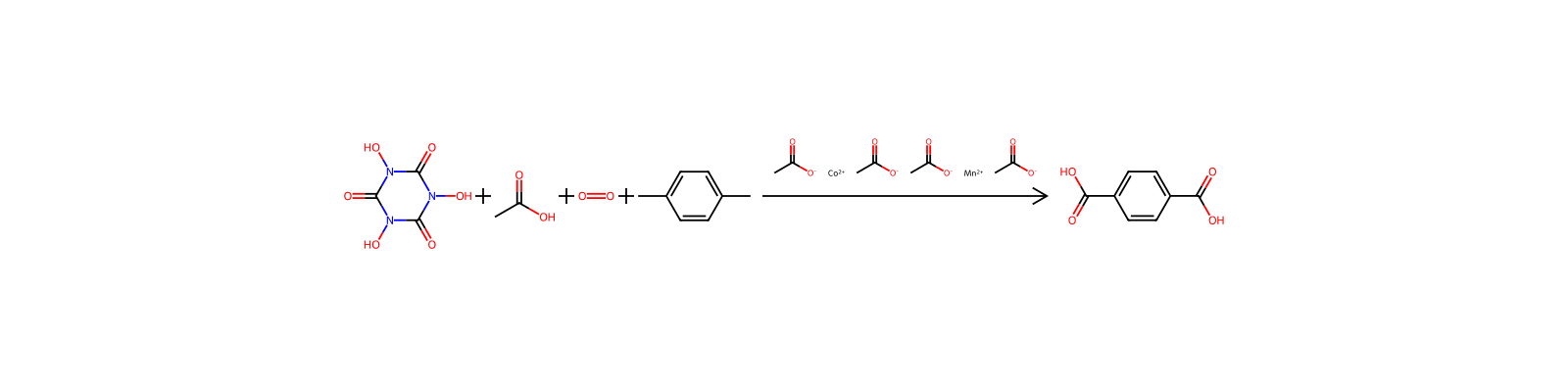
p-Xylene is the feedstock for all terephthalic acid /production/. ... Oxidation catalysts and conditions have been developed which give nearly quantitative oxidation of the methyl groups, leaving the benzene ring virtually untouched. These catalysts are combinations of cobalt, manganese, and bromine, or cobalt with a co-oxidant, e.g., acetaldehyde [75-07-0]. Oxygen is the oxidant in all processes. Acetic acid [64-19-7] is the reaction solvent in all but one process. Given these constant factors, there is only one industrial oxidation process, with different variations, two separate purification processes, and one process which intermixes oxidation and esterification steps.
Produced commercially primarily by the Amoco process. Inhibition of the oxidation of the second methyl group of p-xylene is suppressed with the aid of added bromine-containing promoters as cocatalysts. ... The oxidation takes place in air and produces raw terephthalic acid, which is dissolved at high temperature under pressure in water, hydrated, and thus purified.
Prepared by oxidation of p-methylacetophenone.
(1) Oxidation of para-xylene or of mixed xylenes and other alkyl aromatics (phthalic anhydride); (2) reacting benzene and potassium carbonate over a cadmium catalyst.
Reacting carbon monoxide or methanol with toluene to form various intermediates which, upon oxidation, form terephthalic acid.
Formulations/Preparations
Grades: Commercial; fiber.
Technical grade: 98.5 wt%, min; polymer grade: >98.5 wt% polymer grade: >98.5 wt%
Specifications and typical analyses of purified terephthalic acid: [Table#2254]
Use ClassificationEnvironmental transformation -> Pesticide transformation products (metabolite, successor)
General Manufacturing Information
Printing and Related Support Activities
1,4-Benzenedicarboxylic acid: ACTIVE
US Capacity = 3.2X10+6 tons/yr including dimethyl ester (1978)
应用领域
用途是制造聚酯树脂、薄膜、纤维、绝缘漆和工程塑料等的重要原料
用途该品绝大部分用于生产聚对苯二甲酸乙二酯(聚酯),是聚酯纤维、薄膜、塑料制品、绝缘漆及增塑剂的重要原料,也用于医药、染料及其他产品的生产。
用途用作色谱分析试剂
用途用于制造合成树脂、酸成纤维和增塑剂等
用途有机合成,测定羊毛的残留碱度,气相色谱扫尾剂。加入聚乙二醇200中,可分离分析脂肪酸。
制备方法
生产方法工业上采用最广、最经济的生产方法,是以对二甲苯为原料的高温液相氧化法。对苯二甲酸的其他生产方法还有对二甲苯低温氧化法、苯酐转位法、甲苯氧化歧化法等。1.对二甲苯高温氧化法对二甲苯以乙酸为溶剂,以乙酸钴-乙酸锰为催化剂,以四溴乙烷为助催化剂,于221-225℃,2.5-3.0MPa下氧化生成对苯二甲酸。对苯二甲酸在乙酸中溶解度不大,氧化产物呈泥浆状,经离心分离、干燥后即得粗对苯二甲酸。其中最有害的杂质是对羧基苯甲醛,含量1000-5000ppm。将粗品在280-290℃、约7MPa压力下溶解于水中,然后在把催化剂存在下进行加氢处理,除去对羧基苯甲酸,经结晶、过滤、洗涤、干燥,即得纤维级对苯二甲酸。2.对二甲苯低温氧化法原料对二甲苯在醋酸溶剂中,以醋酸钴(或醋酸锰)及溴化物为催化剂,以三聚乙醛为氧化促进剂,在100-130℃温度和3MPa压力下,用空气一步低温氧化,反应产物用醋酸洗涤,然后干燥得产品对苯二甲酸。
上下游产品信息
上游原料
下游产品
试剂价格
- HY-W010098R · 10 mg
- 对苯二甲酸Terephthalic acid (Standard) — 300元
- HY-W010098R · 25 mg
- 对苯二甲酸Terephthalic acid (Standard) — 450元
供应商50 家
国药集团化学试剂有限公司86-21-63210123 · [email protected]
梯希爱(上海)化成工业发展有限公司021-67121386 · [email protected]
衢州润东化工有限公司0570-8789886 18892685668 · [email protected]
上海阿拉丁生化科技股份有限公司400-6206333 13167063860 · [email protected]
山东艾斯曼新材料有限公司13698626386 13698626386
上海如吉生物科技发展有限公司+86-21-65211385-8001 36031160 · [email protected]
韶远科技(上海)有限公司021-50795510 4000665055 · [email protected]
上海将来实业股份有限公司400-0066400 13621662912 · [email protected]
上海迈瑞尔生化科技有限公司4006356688 18621169109 · [email protected]
大连美仑生物技术有限公司0411-62910999 13889544652 · [email protected]
阿法埃莎(中国)化学有限公司400-6106006 · [email protected]
安耐吉化学&3A(安徽泽升科技股份有限公司)400-0056266 · [email protected]
上海瀚鸿科技股份有限公司021-54306202 13764082696 · [email protected]
南通合润生物科技有限公司18362409333 · [email protected]
嘉兴市艾森化工有限公司0573-85285100 18627885956 · [email protected]
山东西亚化学有限公司13355009207 13355009207 · [email protected]
玛雅试剂+86 (573) 82222445 (0)18006601000 452520369 · [email protected]
四川库利南科技有限公司400-1166-196 18981987031 · [email protected]
天津希恩思生化科技有限公司400 638 7771 · [email protected]
湖南汇百侍生物科技有限公司0731-85526065 13308475853 · [email protected]
斯百全化学(上海)有限公司021-021-021-67601398-809-809-809 15221380277 · [email protected]
上海源叶生物科技有限公司13636370518 · [email protected]
艾科试剂4008-755-333 18080918076 · [email protected]
上海思域化工科技有限公司86-21-34053660 · [email protected]
赛默飞世尔科技(中国)有限公司800-810-5118 · [email protected]
北京伊诺凯科技有限公司400-810-7969 010-59572699 · [email protected]
上海遐瑞医药科技有限公司+86 21 61551611
TOKYO CHEMICAL INDUSTRY CO., LTD.03-36680489 · [email protected]
上海贤鼎生物科技有限公司4009209199 · [email protected]
深圳振强药物研发有限公司0755-66853366 13670046396 · [email protected]
苏州安尼康药物研发有限公司0512-69369885 · [email protected]
广州爱纯医药科技有限公司020-39119399 18927568969 · [email protected]
上海洪创医药科技有限公司18151128828 · [email protected]
北京环宇世纪化学科技有限公司hysj_bj.com
上海将来实业股份有限公司021-61552785 · [email protected]
HBCChem, Inc.+1-510-219-6317 · [email protected]
日照力德士化工有限公司010-51268198 · [email protected]
美岚实业(上海)有限公司021-58958189 · [email protected]
上海石洋化工有限公司021-56795766 · [email protected]
上海爱蝶实业有限公司021-58957966 18930537195 · [email protected]
成都零六生物科技有限公司400-1166-196 13458535857 · [email protected]
广拓化学(上海)有限公司021-60899189-8001 18918189673 · [email protected]
济南鲁欣化工科技有限公司0531-0531-82929600 18615510361 · [email protected]
上海麦克林生化科技股份有限公司15221275939 15221275939 · [email protected]
杭州杰恒化工有限公司0571-87396432 · [email protected]
上海有朋化工有限公司021-69005955 13701776567 · [email protected]
北京海力扬化学科技有限公司13718199399 · [email protected]
北京欣赛维化学科技有限公司010-56218822 13717722232 · [email protected]
四川海诺威科技有限公司13708085536 13708085536 · [email protected]
上海凯赛化工有限公司021-33516722 13701817765 · [email protected]
相关反应
226 条



关联笔记
加载中…