
基本信息
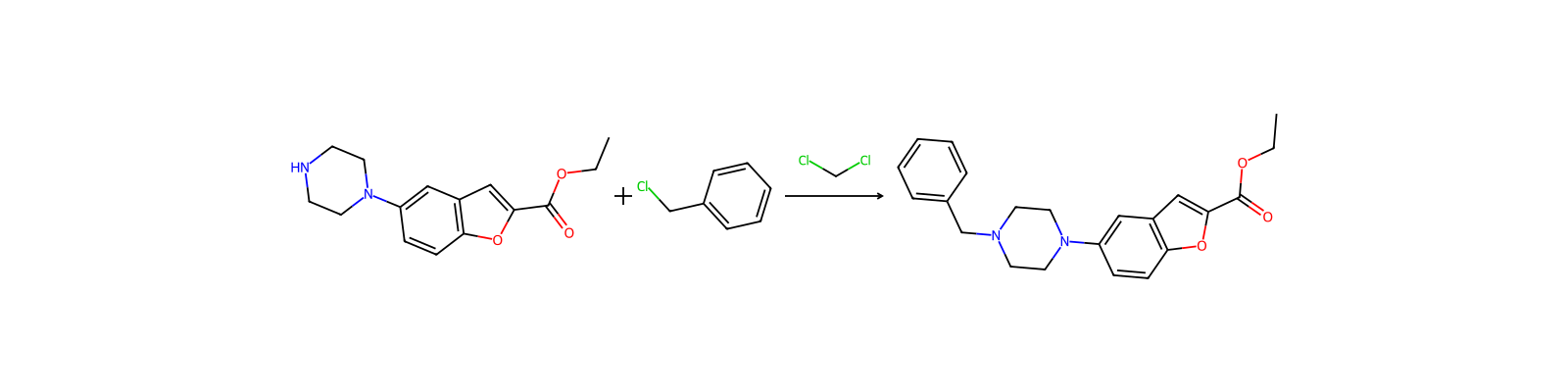
- 标准SMILES
ClCc1ccccc1- InChIKey
KCXMKQUNVWSEMD-UHFFFAOYSA-N- 分子式
- C7H7Cl
- 平均分子量
- 126.58 g/mol
- 单同位素质量
- 126.0236279
概述
Benzyl Chloride can cause cancer according to The World Health Organization's International Agency for Research on Cancer (IARC).
名称与标识
- 首选名称
- Benzyl Chloride
- IUPAC
- chloromethylbenzene
- 中文名
- 氯化苄
- 英文名
- Benzyl chloride
- 分子式
- C7H7Cl
- 分子量
- 126.58
名称与别名
BENZYL CHLORIDE(Chloromethyl)benzene100-44-7Chloromethylbenzenealpha-ChlorotolueneBenzylchlorideBenzylchloridChlorophenylmethaneTolyl chlorideChlorure de benzylealpha-Chlortoluolomega-Chlorotoluene
展开更多名称
氯苄苄氯氯代苄氯甲苯氯化苄苄基氯苄化氯氯化卡氯化苄基苄基化氯BnClBenzileα-ChlorotolueneBzl-ClC6H5CH2ClA-CHLOROTOLUENE
Benzene, (chloromethyl)-RCRA waste number P028Toluene, alpha-chloro-NCI-C06360Benzile (cloruro di)Benzyle (chlorure de)DTXSID0020153Phenylmethyl chloride
数据库标识
- CAS
100-44-7- PubChem CID
- 7503
- DTXSID
DTXSID0020153- ChEMBL
CHEMBL498878- ChEBI
CHEBI:615597- UNII
- 83H19HW7K6
- EC Number
- 202-853-6、905-236-6
- Nikkaji
- J4.007J
性质
结构计算性质
- XLogP
- 2.3
- 极性表面积
- 0 Ų
- 氢键供体
- 0
- 氢键受体
- 0
- 可旋转键
- 1
- 重原子
- 8
- 形式电荷
- 0
- 复杂度
- 55.4
实验与物化性质
Chemical Classes
Hazardous Air Pollutants (HAPs)
Other Classes -> Halogenated Monoaromatics
Carcinogens
SpringerMaterials Properties13C nuclear magnetic resonance spectrum
PesticidesPesticide -> EPA IRIS
LogP
log Kow = 2.30
2.3
2.3
Odor
Rather unpleasant, irritating odor
Pungent, aromatic odor
Density
1.1 at 68 °F (EPA, 1998) - Denser than water; will sink
1.1004 g/cu cm at 20 °C
Relative density (water = 1): 1.1
1.1
1.1004 @ 20°C
1.10
Color/FormColorless to slightly yellow liquid
Solubility
Reaction (NTP, 1992)
In water, 525 mg/L at 25 °C
Miscible with ethanol, ethyl ether, chloroform; slightly soluble in carbon tetrachloride
Miscible in most organic solvents
Soluble in ethanol(>10%), ethyl ether(>10%), and chloroform(>10%)
Solubility in water, g/100ml:
Corrosivity
Corrosive to metal ... .
Corrosive
Flash Point
153 °F (EPA, 1998)
153 °F
153 °F (67 °C) (closed cup)
74 °C (open cup)
67 °C c.c.
153 °F
Endocrine DisruptorsPotential endocrine disrupting compound
Boiling Point
354 °F at 760 mmHg (EPA, 1998)
174 °C
BP: 99 °C at 62 mm Hg
179 °C
354 °F
179 °C @760 [mm Hg]
物理化学性质
- 熔点
- -39 °C · -39 °C
- 沸点
- 179 °C · 179 °C
- 密度
- 1.1 g/mL · 1.1 g/mL at 25 °C(lit.)
- 蒸气密度
- 4.36 · 4.36 (vs air)
- 蒸气压
- 10.3 mm · 10.3 mm Hg ( 60 °C)
- 折射率
- 20 · n20/D 1.538(lit.)
- 闪点
- 165 °F · 165 °F
- 储存条件
- 30 °C · Store below +30°C.
- 溶解度
- 0.46 g/L · soluble0.46g/L at 30°C (Decomposes in contact with water)
- 形态
- Liquid
- 颜色
- Clear colorless to slightly yellow
- 气味 (Odor)
- Pungent, irritating.
- 爆炸极限值(explosive limit)
- 1.1 · 1.1-14%(V)
- 水溶解性
- 0.3 g/L · 0.3 g/L (20 ºC)
- Merck
- 14 · 14,1129
- BRN
- 471308 · 471308
- Henry's Law Constant
- (x 10-4 atmm3/mol): 3.57 at 20.00 °C (inert gas stripping, Hovorka and Dohnal, 1997)
- 介电常数
- 7 · 7.0(13℃)
- 暴露限值
- 1 ppm · ACGIH:TLV-TWA 1 ppm (5.2 mg/m3)OSHA:PEL-TWA 1 ppm (5 mg/m3)NIOSH:REL-Ceiling 1 ppm [15 min]
- 稳定性
- Unstable - inhibitors such as propylene oxide or trimethylamine are usually added to prevent polymerization. Combustible. Incompatible with strong oxidizing agents, water, acids, most common metals, dimethyl sulfoxide. Above flash point vapour-air mixtures are explosive within the limits noted above. Contact with water produces toxic fumes.
- InChI
- 1S/C7H7Cl/c8-6-7-4-2-1-3-5-7/h1-5H,6H2
- InChIKey
- KCXMKQUNVWSEMD-UHFFFAOYSA-N
- SMILES
- ClCc1ccccc1
- LogP
- 2.3 at · 2.3 at 20℃ and pH7
- 表面张力
- 39.36 mN/m · 39.36mN/m at 298.15K
- CAS 数据库
- 100 · 100-44-7(CAS DataBase Reference)
- (IARC)致癌物分类
- 2 A · 2A (Vol. 29, Sup 7, 71) 1999
- NIST化学物质信息
- Benzyl chloride(100-44-7)
- EPA化学物质信息
- Benzyl chloride (100-44-7)
化学性质
无色透明液体,具有强烈刺激性气味。有催泪性。 溶于乙醚、酒精、氯仿等有机溶剂,不溶于水,但能与水蒸气一同挥发。
安全与法规
GHS分类
GHS Classification
Danger
H302: Harmful if swallowed [Warning Acute toxicity, oral]
P203, P260, P261, P264, P264+P265, P270, P271, P280, P301+P317, P302+P352, P304+P340, P305+P354+P338, P316, P317, P318, P319, P321, P330, P332+P317, P362+P364, P403+P233, P405, and P501 (click each P-code to see the statement)
Danger
H302 (100%): Harmful if swallowed [Warning Acute toxicity, oral]
P203, P260, P261, P264, P264+P265, P270, P271, P272, P280, P301+P317, P302+P352, P304+P340, P305+P354+P338, P316, P317, P318, P319, P321, P330, P332+P317, P333+P317, P362+P364, P403+P233, P405, and P501 (click each P-code to see the statement)
危害信息
Regulatory Information
Chemical: Benzene, (chloromethyl)-
Hazard Traits - Carcinogenicity; Dermatotoxicity; Ocular Toxicity; Respiratory Toxicity
List II Chemical: A chemical, other than a List I chemical, specified by regulation that, in addition to legitimate uses, is used in manufacturing a controlled substance in violation of the Act. (21 eCFR 1310.02)
Benzene, (chloromethyl)- is listed on the EPA's Chemical Data Reporting (CDR) system. Manufacturers and importers of Benzene, (chloromethyl)- are required to report information about their production and use of this chemical to the EPA under the Toxic Substances Control Act (TSCA). (40 eCFR Part 711)
Status: Active Update: 29-05-2013 https://echa.europa.eu/registration-dossier/-/registered-dossier/10666
Status: Active Update: 22-08-2022 https://echa.europa.eu/registration-dossier/-/registered-dossier/14202
Other Safety InformationIMAP assessments - Benzene, (chloromethyl)-: Human health tier II assessment
DOT LabelPoison Corrosive
Fire Hazards
It burns but does not ignite readily. It may ignite combustibles. When heated to decomposition, it emits toxic and corrosive fumes. Some organic chlorides decompose to yield phosgene. Incompatible with active metals such as copper, aluminum, magnesium, iron, zinc, and tin and keep from strong oxidizing agents. Avoid contact with acids or acid fumes. Keep separate from oxidizing materials. May become unstable at elevated temperatures and pressures; may react with water resulting in some nonviolent release of energy. Polymerizes with evolution of heat and hydrogen chloride when in contact with all common metals except nickel and lead. (EPA, 1998)
· Combustible material: may burn but does not ignite readily.
Combustible. Gives off irritating or toxic fumes (or gases) in a fire. Above 67 °C explosive vapour/air mixtures may be formed.
Fire Potential
Combustible. Gives off irritating or toxic fumes (or gases) in a fire.
Flammable and moderately explosive when exposed to heat or flame.
Health Hazards
Intensely irritating to skin, eyes, and mucous membranes. Highly toxic; may cause death or permanent injury after very short exposure to small quantities. Has been listed as a direct-acting or primary carcinogen. Large doses cause central nervous system depression. (EPA, 1998)
· TOXIC and/or CORROSIVE; inhalation, ingestion or contact (skin, eyes) with vapors, dusts or substance may cause severe injury, burns or death.
Hazards Summary
Benzyl chloride is used as a chemical intermediate in the manufacture of certain dyes and pharmaceutical products and as a photographic developer. The acute (short-term) effects of benzyl chloride from inhalation exposure in humans consist of severe irritation of the upper respiratory tract, skin, eyes, and mucous membranes, and lung damage along with pulmonary edema (fluid in lungs). Exposure to high concentrations also causes effects on the central nervous system (CNS). Animal data indicate that long- term exposure to benzyl chloride by gavage (placing it experimentally in the stomachs of mice) increased the incidence of benign and malignant tumors at multiple sites and resulted in a significant increase in thyroid tumors in female rats. EPA has classified benzyl chloride as a Group B2, probable human carcinogen.
A mucous membrane and respiratory irritant; [ACGIH] A lachrymator; [CHEMINFO] Corrosive to the eyes; Irritating to the respiratory tract and may cause pulmonary edema; May damage the liver and kidneys and cause CNS depression; [ICSC]
The major hazards encountered in the use and handling of benzyl chloride stem from both its toxicologic and chemical/physical properties. Toxic by all routes (ie, oral, dermal, inhalation), exposure to benzyl chloride may occur occupationally at sites where the substance is used as a chemical intermediate in the synthesis of a wide range of commercial products (eg, dyes, perfumes, resins, plasticizers, and pesticides), or environmentally, from industrial sources, incinerators, and certain floor tiles. This colorless to slightly yellow liquid is an severe irritant to skin, eyes, and mucous membranes. Lung damage, pulmonary edema, permanent eye damage, and CNS depression are all possible. While the OSHA permissible exposure level for benzyl chloride is set at 5 mg/cu m (1 ppm), as an 8-hour time weighted average (TWA), its pungent odor can be detected at levels as low as 0.235 mg/cu m. The manufacturing process should be enclosed as completely as possible, and local exhaust ventilation applied wherever there are point source emissions. In benzyl chloride atmospheres of 10 ppm (the IDLH level) or higher, respirators are required. Respirators considered for selection should include: self-contained, supplied-air with full facepiece, and operated in positive pressure mode, and powered air-purifying with organic vapor and acid gas cartridge. Protective clothing and rubber gloves also should be worn. Any material which contacts the body must be washed away with copious amounts of water. Eyewash and quick drench facilities should be provided for this purpose. While considered to be only a moderate fire hazard (flashpoint: 153 °F), benzyl chloride, if heated to decomposition (in the presence of common metals such as iron, copper, aluminum, and tin), can reach explosive violence. Also, benzyl chloride fires may produce irritating or poisonous gases. Fire fighters must wear a self-contained breathing apparatus, and can extinguish the fire using water spray, alcohol foam, CO2, or dry chemical. Benzyl chloride may ract with water, with some release of energy. Therefore, water should be applied in flooding quantities as a fog from as far a distance as possible. Runoff from fire control water should be prevented from entering water sources and sewers. Benzyl chloride should be stored in a cool, dry, well ventilated location; away from sparks, flames, oxidizing materials, and combustibles, i.e., wood or oil. Packaging materials are limited by the fact benzyl chloride polymerizes (with evolution of heat and hydrochloric acid (HCl) when in contact with all common metals except nickel and lead. If this occurs in a container, there is the possibility of violent rupture. Containers of benzyl chloride may be shipped by air, rail, road, or water, and should be affixed with labels stating, "Poison and Corrosive." Regulatory requirements of the DOT should be consulted before transport. For all benzyl chloride spills, water spray may be needed to knock down vapor. Small spills of benzyl chloride should be taken up with sand or other noncombustible absorbent and placed in containers for later disposal. Large land spills should be deposited in excavated pits, ponds, or other holding areas (fitted with impermeable flexible membrane liners, if possible) for later disposal. Any surface flow should be diked with soil or sand bags, and a "universal" gelling agent applied to immobilize the spill. For water spill, trap the substance at the bottom with sand bag barriers and remove with suction hoses, or apply activated carbon and remove immobilized masses of pollutants and precipitates with mechanical dredges of lifts. Benzyl chloride is a good candidate for liquid injection and rotary forms of incineration. Generators of waste (equal to or greater than 100 kg/mo) containing benzyl chloride (EPA hazardous waste number P028) must conform with USEPA regulations in storage, transportation, treatment and disposal of waste
DOT ID and Guide
1738 156
1738 156
Reactive GroupHalogenated Organic Compounds
EC ClassificationSymbol: T; R: 45-22-23-37/38-41-48/22; S: 53-45; Note: E
UN ClassificationUN Hazard Class: 6.1; UN Subsidiary Risks: 8; UN Pack Group: II
Special Reports
Barber LB et al; Environ Sci Technol 22 (2): 205-11 (1988). Organic pollutant fate in groundwater; Chlorides in groundwater.
Lijinsky W et al; J Nat'l Cancer Inst 76 (6): 1231-5 (1986). Route: oral, gavage; Species: rats and mice.
安全与防护
Fire Fighting
Areas may be entered freely with full-faced mask, self-contained breathing apparatus which provides eye protection, rubber gloves, and hand and arm protection.
Use powder, AFFF, foam, carbon dioxide. In case of fire: keep drums, etc., cool by spraying with water.
First Aid Measures
Fresh air, rest. Half-upright position. Refer for medical attention.
Remove contaminated clothes. Rinse skin with plenty of water or shower. Refer for medical attention .
First rinse with plenty of water for several minutes (remove contact lenses if easily possible), then refer for medical attention.
Rinse mouth. Refer for medical attention .
Accidental Release Measures
· CALL 911. Then call emergency response telephone number on shipping paper. If shipping paper not available or no answer, refer to appropriate telephone number listed on the inside back cover.
· ELIMINATE all ignition sources (no smoking, flares, sparks or flames) from immediate area.
First Aid
Signs and Symptoms of Acute Benzyl Chloride Exposure: Benzyl chloride may be very irritating to the skin, eyes, and mucous membranes. Eye irritation may be severe, and permanent eye damage may result. Lacrimation (tearing) is common. Other signs and symptoms of acute exposure may include headache, dizziness, weakness, fatigue, irritability, itching of the skin, profuse sweating, insomnia, tremors, unsteadiness, and central nervous system depression. Gastrointestinal effects may include nausea, vomiting, cramps, anorexia, and diarrhea. Pulmonary edema and disturbance of liver function may also occur.
General First Aid:
(General first aid procedures)
Safe StorageSeparated from food and feedstuffs and incompatible materials. See Chemical Dangers. Dry. Ventilation along the floor. Store only if stabilized.
Exposure Control and Personal Protection
· Wear positive pressure self-contained breathing apparatus (SCBA).
17.0 [ppm]
Fire Fighting Procedures
Use water spray, dry chemical, foam, or carbon dioxide. Use water to keep fire-exposed containers cool. Approach fire from upwind to avoid hazardous vapors and toxic decomposition products.
If material on fire or involved in fire: Use water in flooding quantities as fog. Cool all affected containers with flooding quantities of water. Apply water from as far a distance as possible. Solid streams of water may be ineffective. Use "alcohol" foam, dry chemical or carbon dioxide.
/If material on fire or involved in fire/ use powder, AFFF /Aqueous Film-Forming Foam/, foam, carbon dioxide.
Inhaltion - /Provide/ fresh air, rest. /Keep person in/ half-upright position. Skin /exposure/ - remove contaminated clothes. Rinse skin with plenty of water or shower. Eyes /exposure/ - First rinse with plenty of water for several minutes (remove contact lenses if easily possible). Ingestion - rinse mouth.
Storage Conditions
Separated from food and feedstuffs and incompatible materials . Ventilation along the floor. Store only if stabilized.
Store in a cool, dry, well-ventilated location. Outside or detached storage is preferred. Store away from oxidizing materials..
Should be closed in tightly closed containers in a cool, well-ventilated area away from sunlight, heat, moisture, active metals, oxidizers. Metal containers involving the transfer of this chemical should be grounded and bonded. ... Drums must be equipped with self-closing valves, pressure vacuum bungs; and flame arresters. Use only non-sparking tools and equipment, especially when opening and closing containers of this chemical. Sources of ignition, such as smoking and open flames, are prohibited where this chemical is used, handled or stored in a manner that could create a potential fire or explosion hazard.
Cleanup Methods
Environmental considerations: Air spill: Apply water spray or mist to knock down vapors. Vapor knockdown water is corrosive or toxic and should be diked for containment.
Environmental considerations: Land spill: Dig a pit, pond, lagoon, or holding area to contain liquid or solid material. /SRP: If time permits, pits, ponds, lagoons, soak holes, or holding areas should be sealed with an impermeable flexible membrane liner./ Dike surface flow using soil, sand bags, foamed polyurethane, or foamed concrete. Apply "universal" gelling agent to immobilize spill.
Environmental considerations: Water spill: Use natural deep water pockets, excavated lagoons, or sand bag barriers to trap material at bottom. Remove trapped material with suction hoses. If dissolved, in region of 10 ppm or greater concentration, apply activated carbon at ten times the spill amount. Use mechanical dredges or lifts to remove immobilized masses of pollutants and precipitates.
Stop or control leak, if this can be done without undue risk. Use water spray to cool and protect personnel. Approach release from upwind. Absorb in noncombustible material for proper disposal.
For more Cleanup Methods (Complete) data for BENZYL CHLORIDE (6 total), please visit the HSDB record page.
Nonfire Spill ResponseExcerpt from ERG Guide 156 [Substances - Toxic and/or Corrosive (Combustible / Water-Sensitive)]:
Disposal Methods
Generators of waste (equal to or greater than 100 kg/mo) containing this contaminant, EPA hazardous waste number P028, must conform with USEPA regulations in storage, transportation, treatment and disposal of waste.
SRP: Wastewater from contaminant suppression, cleaning of protective clothing/equipment, or contaminated sites should be contained and evaluated for subject chemical or decomposition product concentrations. Concentrations shall be lower than applicable environmental discharge or disposal criteria. Alternatively, pretreatment and/or discharge to a permitted wastewater treatment facility is acceptable only after review by the governing authority and assurance that "pass through" violations will not occur. Due consideration shall be given to remediation worker exposure (inhalation, dermal and ingestion) as well as fate during treatment, transfer and disposal. If it is not practicable to manage the chemical in this fashion, it must be evaluated in accordance with EPA 40 CFR Part 261, specifically Subpart B, in order to determine the appropriate local, state and federal requirements for disposal.
Incineration at 1500 °F for 0.5 sec minimum for primary combustion and 2200 °F for 12.0 sec for secondary combustion. Elemental chlorine formation may be alleviated by injection of steam or methane into the combustion process.
A good candidate for liquid injection incineration at a temperature range of 650 to 1,600 °C and a residence time of 0.1 to 2 seconds. A good candidate for rotary kiln incineration at a temperature range of 820 to 1,600 °C and residence times of seconds for liquids and gases, and hours for solids.
Spillage Disposal
Personal protection: chemical protection suit including self-contained breathing apparatus. Do NOT let this chemical enter the environment. Collect leaking and spilled liquid in covered non-metallic containers as far as possible. Absorb remaining liquid in sand or inert absorbent. Then store and dispose of according to local regulations.
毒理信息
Cancer SitesEndocrine
Target OrgansEyes, skin, respiratory system, central nervous system
Ecotoxicity Values
LC50; Species: Penaeus setiferus (white shrimp); Conditions: /static/; Concentration: 7.1 mg/L for 24 hr
LC50; Species: Penaeus setiferus (white shrimp); Conditions: /static/; Concentration: 4.4 mg/L for 48 hr
LC50; Species: Penaeus setiferus (white shrimp); Conditions: /static/; Concentration: 3.9 mg/L for 96 hr
LC50; Species: Pimephales promelas (fathead minnow); Conditions: /static/; Concentration: 11.6 mg/L for 24 hr
For more Ecotoxicity Values (Complete) data for BENZYL CHLORIDE (15 total), please visit the HSDB record page.
Environmental Fate
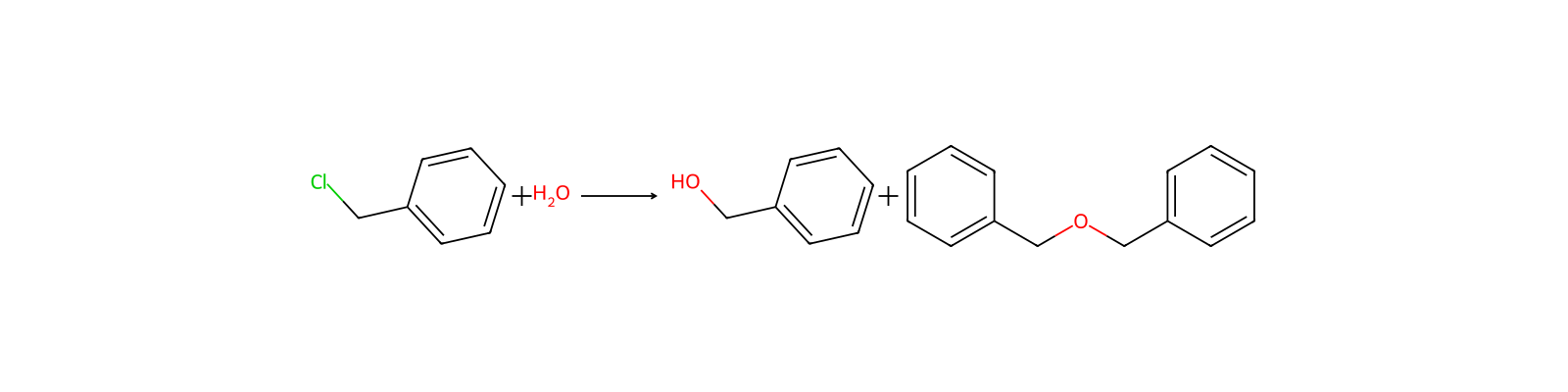
TERRESTRIAL FATE: Based on a classification scheme(1), an estimated Koc value of 100(SRC), determined from a log Kow of 2.30(2) and a regression-derived equation(3), indicates that benzyl chloride is expected to have high mobility in soil(SRC). Volatilization of benzyl chloride from moist soil surfaces is expected to be an important fate process(SRC) given an estimated Henry's Law constant of 4.1X10⁻⁴ atm-cu m/mole(SRC), derived from its vapor pressure, 1.23 mm Hg(4), and water solubility, 525 mg/L(5). Benzyl chloride is expected to volatilize from dry soil surfaces(SRC) based upon its vapor pressure(4). Utilizing the Japanese MITI test, 70.9% of the Theoretical BOD was reached in 2 weeks(6) indicating that biodegradation is an important environmental fate process(SRC). However, because of its rapid reaction in water, the percent biodegradation may be that of the hydrolysis product, benzyl alcohol(6).
AQUATIC FATE: Based on a classification scheme(1), an estimated Koc value of 100(SRC), determined from a log Kow of 2.30(2) and a regression-derived equation(3), indicates that benzyl chloride is not expected to adsorb to suspended solids and sediment(SRC). Volatilization from water surfaces is expected(4) based upon an estimated Henry's Law constant of 4.1X10⁻⁴ atm-cu m/mole(SRC), derived from its vapor pressure, 1.23 mm Hg(5), and water solubility, 525 mg/L(6). Using this Henry's Law constant and an estimation method(4), volatilization half-lives for a model river and model lake are 6 hrs and 5 days, respectively(SRC). Benzyl chloride hydrolyzes in water with a reported half-life of 15 hours reported(7). According to a classification scheme(8), an estimated BCF of 20(SRC), from its log Kow(2) and a regression-derived equation(3), suggests the potential for bioconcentration in aquatic organisms is low(SRC). Utilizing the Japanese MITI test, 70.9% of the Theoretical BOD was reached in 2 weeks(9) indicating that biodegradation is an important environmental fate process(SRC). However, because of its rapid reaction in water, the percent biodegradation may be that of the hydrolysis product, benzyl alcohol(9).
ATMOSPHERIC FATE: According to a model of gas/particle partitioning of semivolatile organic compounds in the atmosphere(1), benzyl chloride, which has a vapor pressure of 1.23 mm Hg at 25 °C(2), is expected to exist solely as a vapor in the ambient atmosphere. Vapor-phase benzyl chloride is degraded in the atmosphere by reaction with photochemically-produced hydroxyl radicals(SRC); the half-life for this reaction in air is estimated to be 7 days(SRC), calculated from its rate constant of 2.90X10⁻¹² cu cm/molecule-sec at 25 °C(3). Benzyl chloride does not contain chromophores that absorb at wavelengths >290 nm(4) and, therefore, is not expected to be susceptible to direct photolysis by sunlight(SRC).
Adverse EffectsNeurotoxin - Other CNS neurotoxin
Exposure Routes
The substance can be absorbed into the body by inhalation, through the skin and by ingestion.
inhalation, ingestion, skin and/or eye contact
Toxicity Summary
Toxic by all routes (ie, oral, dermal, inhalation), exposure to benzyl chloride may occur occupationally at sites where the substance is used as a chemical intermediate in the synthesis of a wide range of commercial products (eg, dyes, perfumes, resins, plasticizers, and pesticides), or environmentally, from air contaminated by industrial sources, incinerators, and certain floor tiles. This colorless to slightly yellow liquid is an extreme irritant to skin, eyes, and mucous membranes. Symptomatology may include severe irritation of the upper respiratory tract (with coughing), conjuctivitis, dizziness, weakness, headache, tremors in eyelids and fingers, increased bilirubin in blood, and decrease in number of leukocytes. Lung damage, pulmonary edema, permanent eye damage, and CNS depression are all possible from severe exposure. While listed in one source as an example of primary carcinogen, IARC reports that inadequate evidence in humans, and only limited evidence in animals prevents benzyl chloride from being classified as to its carcinogenicity to humans. Acute oral dosing of rats led to severe gastritis, hyperkeratosis and hyperplasia of the squamouns stomach, and progressive lesions of the heart (including necrosis of myocardial fibers). In short-term tests, skin sensitization was show in guinea pigs, and both eye and respiratory tract irritation in cats and rabbits. Benzyl chloride tested positive for mutagenicity in Salmonella, E coli, hamster embryonal cell transformation, and S cerevisiae recombination assays. Also, benzyl chloride, given iv to male mice, caused an increase in the degree of alkylation of DNA in the lung, and alkylation of hemoglobin. BD rats, given weekly sc injections of benzyl chloride for 51 weeks, developed injection site sarcomas; with most animals experiencing lung metastases, as well. Another study with sc injected rats, also reported massive local sarcomas. However, benzyl chloride applied twice weekly to the shaved dorsal region of Swiss albino mice for seven months, resulted in no discernible neoplastic changes. A/HE mice, of both sexes, after receiving ip injections thrice weekly for 24 weeks, experienced a statistically insignificant incidence of lung tumors. Benzyl chloride, given orally to Wistar rats from 1-19 days of gestation, produced a high incidence of embryolethality and retarded development in surviving offspring; but, no malformations. Likewise, benzyl chloride, given orally to female Sprague-Dawley rats from day 6 through 15 of gestation, resulted in reduced fetal length, but no toxic symptoms and no major skeletal or visceral abnormalities were seen. Benzyl chloride is absorbed through the lung and gut. Studies with rats showed urinary excretion 80-90% of the substance to occur in 24 hours. Products of benzyl chloride metabolism have been reported to include benzyl mercapturic acid and s-benzylgluthione.
Ecotoxicity Excerpts
/AQUATIC SPECIES/ Mosquito Fish (Gambusia affinis) were exposed for 7 days to 0.05 and 0.5 mg/L of benzyl chloride; chemosensory system had affect at both concentrations, effectiveness was proportionate to exposure concentrations (determination of response to standard stimulant L-serine).
/AQUATIC SPECIES/ Cyprinus carpio (Fish, fresh water) were force-fed /Benzyl chloride/ for 44 hrs. NOEC /No Observable Effect Level/ was 107 - 176 mg/kg bw
/AQUATIC SPECIES/ Benzyl chloride produced differential cytotoxicity for a mutant of Saccharomyces cerevisiae, the extent of which was dependent on the presence of genes regulating DNA repair
Signs and Symptoms
Burning sensation. Cough. Nausea. Headache. Shortness of breath. Dizziness.
MAY BE ABSORBED! Redness. Pain.
Watering of the eyes. Redness. Pain. Blurred vision. Severe deep burns.
Abdominal pain. Diarrhoea. Vomiting. Burning sensation.
irritation eyes, skin, nose; lassitude (weakness, exhaustion); irritability; headache; skin eruption; pulmonary edema
Ongoing Test Status
The following link will take the user to the National Toxicology Program (NTP) Test Agent Search Results page, which tabulates all of the "Standard Toxicology & Carcinogenesis Studies", "Developmental Studies", and "Genetic Toxicity Studies" performed with this chemical. Clicking on the "Testing Status" link will take the user to the status (i.e., in review, in progress, in preparation, on test, completed, etc.) and results of all the studies that the NTP has done on this chemical.[Available from, as of February 18, 2014: http://ntp-apps.niehs.nih.gov/ntp_tox/index.cfm?fuseaction=ntpsearch.searchresults&searchterm=100-44-7]
Effluent Concentrations
Benzyl chloride has been detected in various unidentified industrial effluents(1). In the USA, benzyl chloride is emitted to the atmosphere from its commercial production and use at an estimated rate of 45,000 lbs/year with the emissions originating from scrubber vents, vacuum jets, storage and fugitive emissions, and equipment leaks(2). Stack emissions from waste incineration have been found to contain benzyl chloride(3). Emissions of benzyl chloride from floor tile manufactured with butyl benzyl phthalate have been reported(4).
ICSC Environmental DataThe substance is toxic to aquatic organisms.
法规信息
RCRA Requirements
P028; As stipulated in 40 CFR 261.33, when benzyl chloride, as a commercial chemical product or manufacturing chemical intermediate or an off-specification commercial chemical product or a manufacturing chemical intermediate, becomes a waste, it must be managed according to federal and/or state hazardous waste regulations. Also defined as a hazardous waste is any container or inner liner used to hold this waste or any residue, contaminated soil, water, or other debris resulting from the cleanup of a spill, into water or on dry land, of this waste. Generators of small quantities of this waste may qualify for partial exclusion from hazardous waste regulations (40 CFR 261.5(e)).
TSCA Requirements
Section 8(a) of TSCA requires manufacturers of this chemical substance to report preliminary assessment information concerned with production, exposure, and use to EPA as cited in the preamble in 51 FR 41329. Effective date: 3/11/94; Reporting date: 5/10/94.
Pursuant to section 8(d) of TSCA, EPA promulgated a model Health and Safety Data Reporting Rule. The section 8(d) model rule requires manufacturers, importers, and processors of listed chemical substances and mixtures to submit to EPA copies and lists of unpublished health and safety studies. Benzyl chloride is included on this list. Effective date: 3/11/94; Sunset date: 6/30/98.
Atmospheric Standards
This action promulgates standards of performance for equipment leaks of Volatile Organic Compounds (VOC) in the Synthetic Organic Chemical Manufacturing Industry (SOCMI). The intended effect of these standards is to require all newly constructed, modified, and reconstructed SOCMI process units to use the best demonstrated system of continuous emission reduction for equipment leaks of VOC, considering costs, non air quality health and environmental impact and energy requirements. Benzyl chloride is produced, as an intermediate or a final product, by process units covered under this subpart.
Listed as a hazardous air pollutant (HAP) generally known or suspected to cause serious health problems. The Clean Air Act, as amended in 1990, directs EPA to set standards requiring major sources to sharply reduce routine emissions of toxic pollutants. EPA is required to establish and phase in specific performance based standards for all air emission sources that emit one or more of the listed pollutants. Benzyl chloride is included on this list.
CERCLA Reportable Quantities
Persons in charge of vessels or facilities are required to notify the National Response Center (NRC) immediately, when there is a release of this designated hazardous substance, in an amount equal to or greater than its reportable quantity of 100 lb or 45.4 kg. The toll free number of the NRC is (800) 424-8802. The rule for determining when notification is required is stated in 40 CFR 302.4 (section IV.D.3.b).
Releases of CERCLA hazardous substances are subject to the release reporting requirement of CERCLA section 103, codified at 40 CFR part 302, in addition to the requirements of 40 CFR part 355. Benzyl chloride is an extremely hazardous substance (EHS) subject to reporting requirements when stored in amounts in excess of its threshold planning quantity (TPQ) of 500 lbs.
Clean Water Act Requirements
Benzyl chloride is designated as a hazardous substance under section 311(b)(2)(A) of the Federal Water Pollution Control Act and further regulated by the Clean Water Act Amendments of 1977 and 1978. These regulations apply to discharges of this substance. This designation includes any isomers and hydrates, as well as any solutions and mixtures containing this substance.
State Drinking Water Guidelines(FL) FLORIDA 0.5 ug/l
安全数据
- F
- 8-19
- wgk
- 3
- tsca
- TSCA listed
- 毒性
- LD50 orally in Rabbit: 440 mg/kg
- RTECS号
- XS8925000
- 包装类别
- II
- 危险等级
- 6.1
- 存储类别
- 6.1A - Combustible acute toxic Cat. 1 and 2very toxic hazardous materials
- 安全说明
- 53-45-36/37/39-28-26-36/37
- 海关编码
- 29039990
- 自燃温度
- 585 °C
- 危险品标志
- T,T+
- 危险性类别
- Acute Tox. 3 InhalationAcute Tox. 4 OralCarc. 1BEye Dam. 1Muta. 1BSkin Irrit. 2Skin Sens. 1STOT RE 2 OralSTOT SE 3
- 危险类别码
- 45-22-23-37/38-41-48/22-43-26-46
- 毒害物质数据
- 100-44-7(Hazardous Substances Data)
- 职业暴露限值
- Ceiling: 1 ppm (5 mg/m3) [15-minute]
- 危险品运输编号
- UN 1738
- 立即威胁生命和健康浓度
- 10 ppm
毒性防护
急性毒性口服- 大鼠 LD50: 1231 毫克/ 公斤; 口服- 小鼠 LD50:1500 毫克/ 公斤
职业标准TWA 1 5 毫克/ 立方米; STEL 2 11 毫克/ 立方米
包装储运
爆炸物危险特性与空气混合可爆; 与氧化剂反应激烈和金属存在下爆炸;对皮肤, 眼睛和黏膜有腐蚀作用;
可燃性危险特性明火可燃;与水、氧化剂反应生成有毒腐蚀气体氯化氢;高热分解有毒氯化物气体
储运特性库房通风低温干燥; 与氧化剂、食品添加剂分开存放
灭火剂干粉、泡沫、二氧化碳、砂土
化学与工业
药理信息
Biological Half-Life
Whole body (animal studies): 2-3 days; [TDR, p. 177]
Male Sprague Dawley rats were exposed to benzyl chloride vapor (1.05 mg/L) for 6 hr. ... The absorption half-life was 0.53 hr and the elimination half-life 1.12 hr. ...
In rats receiving (14)C-benzyl chloride in corn oil by gavage, the peak plasma level was reached after 30 min. The distribution half-life was 1.3 hr, while the elimination half-life was 58.5 hr.
... Male Sprague-Dawley-rats were fed single 50mg/kg doses of carbon-14 (C-14) tagged /benzyl chloride/ (BCl). ... half life was 1.3 hours, and elimination took 58.5 hours. ...
Metabolism/Metabolites
Benzyl chloride ... and other compounds with labile halogen atom give mercapturic acids /benzylmercapturic acid/ in which the l-acetylcysteine moiety replaces the labile halogen.
/Benzyl chloride/ can react with tissue proteins and is metabolized in rodents and rabbits to N-acetyl-S-benzylcysteine (benzyl mercapturic acid) through side-chain conjugation and to benzoic acid and the glycine conjugate of benzoic acid (hippuric acid). The percentages of the dose excreted in the urine as benzyl mercapturic acid in rats, guinea-pigs and rabbits, respectively, were 27%, 4% and 49%. Rabbits also excrete about 37% as benzoic acid (17% free acid and 20% conjugated). In rats, 30% of the dose was recovered as the hippuric acid derivative.
Isolation of aralkylmercapturic acids following administration of aralkyl halides, eg benzyl chloride to animals led to the detection of glutathione s-aralkyl transferase.
Yields benzoic acid in rabbits; yields S-benzylglutathione in rat, guinea pig, mouse, man, dog and rabbit /from table/
For more Metabolism/Metabolites (Complete) data for BENZYL CHLORIDE (11 total), please visit the HSDB record page.
Absorption, Distribution and Excretion
In rats receiving (14)C benzyl chloride in corn oil by gavage, the peak plasma level was reached after 30 min. The distribution half-life was 1.3 hr, while the elimination half-life was 58.5 hr. After 48 hr, the higher concentrations were found in the stomach, gastric contents, ileum and duodenum, followed by liver, adrenal, bone marrow and blood. After 72 hr, approximately 76% was excreted in urine and, in expired air, 7% as (14)CO2 and less than 1.3% as benzyl chloride or its metabolites.
Benzyl chloride is absorbed through lung and gastrointestinal tract.
The tissue distribution and excretion of (14)C-labeled benzyl chloride was investigated in adult male and female rats after admin of a single oral dose at 25 mg/kg. Radioactivity was detected in all tissues selected for exam. Elimination of the isotope occurred predominantly in the urine. Female rats excreted the isotope at a faster rate than the males and also maintained slightly lower tissue concentration (with the exception of blood and kidneys). Isotope recovery was achieved at 90% in the urine and feces of female rats at 24 hr, compared with an 80% recovery in the males.
Male Sprague Dawley rats were exposed to benzyl chloride vapor (1.05 mg/L) for 6 hr. Benzyl chloride was absorbed from the lungs into the blood, where most of it was retained. Blood concn of benzyl chloride reached a steady state level between 4 and 6 hr of exposure. Very little benzyl chloride was present in the blood 4 hr after termination of exposure. The absorption half-life was 0.53 hr and the elimination half-life 1.12 hr. Next to the blood, benzyl chloride was present in the adipose tissue and no concentrations of benzyl chloride found in the brain, lungs, pancreas and testis.
For more Absorption, Distribution and Excretion (Complete) data for BENZYL CHLORIDE (10 total), please visit the HSDB record page.
Cellular LocationsMembrane
用途与制造
Uses
Benzyl chloride is used as a chemical intermediate in the manufacture of certain dyes and pharmaceutical, perfume and flavor products. It is also used as a photographic developer. Benzyl chloride has been used as an irritant gas in chemical warfare.
Used in the manufacture of dyes, plasticizers, lubricants, pharmaceuticals, and other organic chemicals; [ACGIH]
... Used mainly to produce plasticizers (e.g., benzyl butyl phthalate), benzyl alcohol, and phenylacetic acid via benzyl cyanide (used in the production of synthetic penicillin). On a smaller scale, it is used to produce quaternary ammonium salts (for disinfectants and phase-transfer catalysts), benzyl esters (benzyl benzoate and benzyl acetate for the flavors and perfumes industry), dyes of the triphenylmethane series, dibenzyl disulfide (antioxidant for lubricants), benzylphenol, and benzylamines.
Manufacture of benzyl compounds, perfumes, pharmaceutical products, dyes, synthetic tannins, and artificial resins
As an irritant gas in chemical warfare (former use)
Manufacture of photographic developer; penicillin precursors; gasoline gum inhibitors; quarternary compounds; intermediates
Impurities
Benzyl chloride is sold in two quality grades, identified as ''benzyl chloride, pure'' and ''benzyl chloride, pure and stabilized''. Their assay is in both cases > 99 %. Impurities include benzal chloride, toluene, chlorotoluene, chlorobenzene, and hydrogen chloride.
Benzyl chloride available in the USA ... has maximum of 1.0% benzal chloride, chlorotoluenes and toluene. ... One stabilized grade of benzyl chloride contained a fixed amount of sodium carbonate solution or propylene oxide.
Benzaldehyde, benzyl alcohol, toluene, chloro derivatives of toluene, and dibenzyl ether are compounds that may be found as impurities in technical benzyl chloride.
U.S. Imports
(1978) 1.09X10+7 G (PRINCPL CUSTMS DISTS)
(1982) 4.64X10+8 G (PRINCPL CUSTMS DISTS)
(1985) 7.69X10+8 g
(1986) 1306664 lb
U.S. Production
2023: 10,000,000 - <50,000,000 lb
4.99X10+10 g (estimate)
(1989) Plant capacities for production of benzyl chloride in the western world totaled 144,200 metric ton/year
Benzyl chloride is listed as a High Production Volume (HPV) chemical (65FR81686). Chemicals listed as HPV were produced in or imported into the U.S. in >1 million pounds in 1990 and/or 1994. The HPV list is based on the 1990 Inventory Update Rule. (IUR) (40 CFR part 710 subpart B; 51FR21438).
Production volumes for non-confidential chemicals reported under the Inventory Update Rule.[Table#1123]
For more U.S. Production (Complete) data for BENZYL CHLORIDE (8 total), please visit the HSDB record page.
Consumption Patterns
/Chem int:/ benzyl phthalate, 62%; benzyl alcohol, 11%; benzyl quaternary ammonium salts, 10%; and pharmaceuticals, 8% (1978)
Chem int for n-butyl benzyl phthalate, 60%; chem int for pharmaceuticals, 12%; chem int for quaternary ammonium salts, 10%; chem int for other benzyl phthalates, 7%; chem int for benzyl alcohol, 6%; other uses, 5% (1981)
Butyl benzyl phthalate, 60%; benzyl alcohol, 12.5%; quaternary ammonium compounds, 11%; benzyl cyanide, 3%; other, including benzyl acetate, benzyl salicylate and benzyl cinnamate, 13.5% (1985)
CHEMICAL PROFILE: Benzyl Chloride. Butyl benzyl phthalate, 65%; benzyl quaternary ammonium compounds, 15%; benzyl alcohol, 10%; miscellaneous, including benzyl acetate, salicylate, propionate and cinnamante, 10%.
CHEMICAL PROFILE: Benzyl chloride. Demand: 1986: 65 million lb; 1987: 67 million lb; 1991 /projected/: 72 million lb (In addition, 1.3 million lb were imported in 1986; exports are minimal).
Industry UsesPlasticizer
Methods of Manufacturing
By passing chlorine over boiling toluene until it has increased 38% in wt. The product is washed with water and separated by fractional distillation.
... Manufactured by the thermal or photochemical chlorination of toluene at 65-100 °C. At lower temperatures the amount of ring-chlorinated by-products is increased. The chlorination is usually carried to no more than about 50% toluene conversion in order to minimize the amount of benzal chloride formed. Once toluene is recycled and the overchlorinated products are removed by distillation, overall yield based on toluene is more than 90%. Various materials, including phosphorus pentachloride, have been reported to catalyze the side-chain chlorination. These compounds and others such as amides also reduce ring chlorination by complexing metallic impurities. ... In commercial practice, chlorination may be carried out either batchwise or continuously.
Formulations/Preparations
Grades: Technical: CP; 95%; redistilled. ... Forms: anhydrous; stabilized (with aqueous sodium carbonate solution).
Benzyl chloride is available in USA as technical and refined grades. Small amount of sodium bicarbonate or lime are generally added as a stabilizer when it is shipped in steel drums. Other stabilizers ... include amines such as triethylamine or dioctylamine, alcohols such as hexyl alcohol and dialkylthioureas.
Benzyl chloride available in the USA has ... a minimum of 98.5% active ingredient.
May be stabilized with 0.25% propylene oxide.
Benzyl chloride is sold in two quality grades, identified as ''benzyl chloride, pure'' and ''benzyl chloride, pure and stabilized''. Their assay is in both cases > 99 %.
Household Products
Cosmetics product ingredient: Benzyl chloride
Information on 2 consumer products that contain Benzyl chloride in the following categories is provided:
DEA Listed Chemicals
Benzyl chloride
A chemical, other than a List I chemical, specified by regulation that, in addition to legitimate uses, is used in manufacturing a controlled substance in violation of the Act. (21 eCFR 1310.02)
General Manufacturing Information
All Other Basic Organic Chemical Manufacturing
Benzene, (chloromethyl)-: ACTIVE
Nearly all uses and applications of benzyl chloride are related to reactions of the active halide substituent. More than two-thirds of benzyl chloride produced is used in the manufacture of benzyl butyl phthalate, a plasticizer used extensively in vinyl flooring and other flexible poly(vinyl chloride) uses such as food packaging.
Because of the limited number of producers and the dominant position of Monsanto, the USA International Trade Commission does not report production or sales of benzyl chloride.
Used in production of drugs of abuse.
应用领域
简介氯化苄又称苄基氯、氯化甲苯,是一种具有强烈刺激性气味的无色液体,与氯仿、乙醇、乙醚等有机溶剂混溶,不溶于水但可以与水蒸汽一起挥发。其蒸汽对眼睛的粘膜有一定的刺激性,是一种很强的催泪剂。同时氯化苄还是一种有机合成的中间体,广泛地应用于染料、农药、合成香料、洗涤剂、增塑剂、医药的合成。
应用氯化苄在工业上用途广泛,主要用于农药、医药、香料、染料助剂、合成助剂领域,用以开发生产苯甲醛、邻苯二甲酸丁苄酯、苯胺、辛硫磷、苄基青霉素、苯甲醇、苯乙腈、苯乙酸等产品。 氯化苄属于卤化苄类刺激性化合物,在农药上,它不仅可以直接合成有机磷杀菌剂稻瘟净、异稻瘟净,而且可以作为其他许多中间体的重要原料,如合成苯乙腈、苯甲酰氯、间苯氧基苯甲醛等,此外,氯化苄在医药、香料、染料助剂、合成树脂等方面都有广泛应用,它是一种重要的化工、医药生产中间体。那么企业在生产过程中所产生的废液或是废弃物中都不可避免含有大量的氯化苄中间体。
用途是制造染料、香料、药物、合成鞣剂、合成树脂等的原料
用途氯化苄是一种重要的有机合成中间体,在农药上,它不仅可以直接合成有机磷杀菌剂稻瘟净、异稻瘟净,而且可以作为其他许多中间体的重要原料,如合成苯乙腈、苯甲酰氯、间苯氧基苯甲醛等,此外,它在医药、香料、染料助剂、合成树脂等方面都有广泛应用。
用途有机合成中间体,广泛用于医药、农药、香料、染料助剂、合成树脂等方面。氯化苄的主要衍生产品如下:(1)苄基步丁胺:氯化苄叔丁胺反应而得。(2)邻苯二甲酸丁苄酯(BBP):先由邻苯二甲酸酐与丁醇生成苯二甲酸单丁酯,再继续与氢氧化钠生成单丁酯钠盐,钠盐与氯化苄生成BBP。广泛用作PVC塑料制品的主增塑剂。(3)苄醇:氯化苄在碱存在下加热水解而得。是氯化苄的重要衍生物之一。是吨位较大的精细化工产品。芳醇制备的苯甲酸苄酯、乙酸苄酯、丙酸苄酯可用作香料、溶剂等。(4)苄基季胺盐:例如十二烷基二甲基苄基氯化铵(洁而灭)、十二烷基二甲基苄基溴化铵(新洁而灭)。苄基季胺盐阳离子表面活性剂主要用作消毒剂、疏水剂、腐蚀抑制剂、去乳化剂、相转移催化剂。(5)苯乙腈:氯化苄和氰化钠缩合而得,是氯化苄的重要衍生物之一,主要用于农药辛硫磷,乙基稻丰散,医药咳必清、地巴唑的生产。用苯乙腈制备的一系列中间体有很多重要用途。例如苯乙酸、苯乙醛、邻乙苯基苯甲酸、2-氯代苯乙酸乙酯、苯乙胺、α-苯乙酰胺、苯乙酸乙酯、β-苯乙醇。(6)二苯甲烷:氯化苄在铝汞齐催化剂存在下与苯反应而得,用于有机合成材料。二苯甲烷经硝酸氧化制得二苯甲酮,主要用作紫外线吸收剂、医药中间体。(7)对氯氯苄:氯化苄低温氯化而得,用于进一步制备对氯苯甲醇、对氯苯甲醛、对氯苯乙腈、对氯苯甲酸、对氯二苯甲烷、对氯氰苄,主要用于医药生产。(8)二苄基硫醚:氯化苄与硫化钠反应而得,用于有机合成。(9)N-甲基苄胺:氯化苄与-甲胺在苯溶剂中反应制得,用作医药中间体。(10)苄胺:氯化苄与乌洛托品反应、或与氨水反应而得,苄胺与甲醛、甲酸反应合成的N,N-二甲基苄胺,是新洁而灭的原料。(11)二苄胺:氯化苄与液氨在乙醇中反应而得,用于有机合成。(12)S-苄基异硫脲:氯化苄与硫脲缩合而得,用作试剂和有机合成的原料。(13)肉桂酸苄酯:由肉桂酸与氯化苄反应或肉桂酸甲酯与过量的苄醇反应而得,用作香料的定香剂和变调剂。(14)邻羟基苯甲酸苄酯:由氯化苄与邻羟基苯甲酸钠和二甲基亚砜制得,在生产香料中是重要的中间体。(15)苯甲醛:氯化苄酸解或碱解而得,是氯化苄重要的衍生物之一。用于生产肉桂酸、肉桂醛、α-戊基肉桂醛、α-乙基肉桂醛、苯丁烯酮等。
用途氯化苄是生产苯甲醇、氰苄、苯乙酸、盐酸苯海明、青霉素、新洁尔灭、乙酸苄酯、苯胺、邻苯二甲酸丁苄酯的重要原料。该产品广泛应用于医药、染料、农药、香料等行业。
用途制造香料、染料和人造树脂。有机合成。
用途用于有机合成
制备方法
制备S1,氯化阶段:将300g甲苯与一定量的催化剂投入反应容器,并滴入0.15g抑制剂,开启尾气吸收装置和搅拌,打开加热装置,开始升温,待反应液升至50℃时,关闭加热装置,打开氯气阀门开始通氯,该反应放热明显,注意降温并维持反应温度在50℃-100℃范围内,在400mL/min-600mL/min的速度下通氯3h-5h,并在通氯过程中跟踪取样分析,待反应液中氯化苄的含量为70%—80%时停止通氯,用氮气赶走系统内多余的氯气和副产氯化氢,降温; S2,精馏阶段:将氯化液投入精馏装置中,并向氯化液中加入一定量的阻聚剂,打开循环冷却水,开启水循环真空泵,待系统真空达到-0.098Mpa时,打开加热装置,开始升温,待气相到达塔顶时,使系统全回流一段时间,然后开始收取前馏分,同时使用气谱进行跟踪,待样品中甲苯含量为0.1%-0.2%时,停止出前馏,收取含量为99.4%-99.8%的氯化苄。
生产方法1.甲苯连续光氯化法将干燥不含铁质的甲苯加到无铁反应器中,在光照下进行高温氯化。然后分馏氯化产物,即得氯化苄,副产氯化氢用水吸收得盐酸,副产α-二氯甲基苯可经水解作用制成苯甲醛。2.甲苯无光热氯化法甲苯先静置6h以上以除去铁质,再经高位槽送入氯化锅中,以蒸气加热至沸腾后停止加热,通入氯气进行氯化,连续反应制得的氯化苄通过底部溢流管冷却后进入贮槽。3.甲苯在催化剂过氧化物存在下与氯化亚砜反应。4.在氯化锌催化下,苯环氯甲基化。
生产方法氯化苄的制备主要由甲苯氯化而得。目前国内外主要有两种方法:光氯化法和无光热氯化法。从工艺操作来分,两种方法又各有间歇操作和连续操作两种。从反应器结构来分,连续操作又可分为水平连续操作和垂直连续操作两种。由于甲苯连续光氯化法具有小批量生产容易上马,反应速度比无光热氯化法快的优点,国内较多厂家采用此工艺。一般采用小型水平串联连续式反应器组。将干燥不含铁质的甲苯加入玻璃氯化瓶中,加热至110℃,使液体缓缓沸腾,按氯气与甲苯质量比为1∶2.5在日光灯照射下通入氯气,于110~120℃进行高温氯化反应至终点。蒸馏回收未反应的甲苯,收集160~180℃馏分即为粗品氯化苄。再经常压分馏,收集176~182℃馏分,即得到氯化苄成品。甲苯无光热氯化法则一般采用大型垂直连续式搪瓷反应釜。此外,甲苯在催化剂过氧化物存在下与氯化亚硫反应,或在氯化锌催化下苯环氯甲基化等,均可制得氯化苄。
上下游产品信息
上游原料
下游产品
试剂价格
- 40509 · 2.5kg
- 苄基氯Benzyl chloride, 99%, pure, stabilized, Thermo Scientific Chemicals — 1636元
- 18085 · 2.5L
- 苄基氯Benzyl chloride, 99.5+%, extra pure, stabilized, Thermo Scientific Chemicals — 988元
供应商50 家
国药集团化学试剂有限公司86-21-63210123 · [email protected]
梯希爱(上海)化成工业发展有限公司021-67121386 · [email protected]
山东旭晨化工科技有限公司0533-15715337262 15715337262 · [email protected]
上海阿拉丁生化科技股份有限公司400-6206333 13167063860 · [email protected]
Career Henan Chemica Co+86-0371-86658258 +86-13203830695 · [email protected]
上海炎泽化工有限公司15345144255 19975051755 · [email protected]
合肥翰刚医药科技有限公司+8618062405514 · [email protected]
VladaChem GmbH+49-7246-3082843 +86-18411632868 · [email protected]
爱斯特(成都)生物制药股份有限公司+86-28-85122536 85324413 · [email protected]
Baoji Guokang Healthchem co.,ltd+8615604608665 15604608665 · [email protected]
山东信恒化工有限公司15269160602 15269160602
Ark Pharm, Inc.847-367-3680 · [email protected]
上海迈瑞尔生化科技有限公司4006356688 18621169109 · [email protected]
阿法埃莎(中国)化学有限公司400-6106006 · [email protected]
安耐吉化学&3A(安徽泽升科技股份有限公司)400-0056266 · [email protected]
上海瀚鸿科技股份有限公司021-54306202 13764082696 · [email protected]
河北缤享新材料科技有限公司+8618633865755 · [email protected]
山东洛克化工有限公司17653113209 13065062079 · [email protected]
上海景颜化工科技有限公司13817811078 · [email protected]
山东西亚化学有限公司13355009207 13355009207 · [email protected]
玛雅试剂+86 (573) 82222445 (0)18006601000 452520369 · [email protected]
HONG KONG IPURE BIOLOGY CO.,LIMITED86 18062405514 18062405514 · [email protected]
四川库利南科技有限公司400-1166-196 18981987031 · [email protected]
天津希恩思生化科技有限公司400 638 7771 · [email protected]
南京维奥化工有限公司Please Send Email 18652950785 · [email protected]
武汉华邦化学新材料有限公司027-83229541 13971313286 · [email protected]
斯百全化学(上海)有限公司021-021-021-67601398-809-809-809 15221380277 · [email protected]
艾科试剂4008-755-333 18080918076 · [email protected]
上海思域化工科技有限公司86-21-34053660 · [email protected]
赛默飞世尔科技(中国)有限公司800-810-5118 · [email protected]
北京伊诺凯科技有限公司400-810-7969 010-59572699 · [email protected]
TCI AMERICA800-4238616 · [email protected]
TOKYO CHEMICAL INDUSTRY CO., LTD.03-36680489 · [email protected]
TCI Europe320-37350700 · [email protected]
枣阳市赐祥医药科技有限公司0710-15671321689 15671321689 · [email protected]
北京环宇世纪化学科技有限公司hysj_bj.com
安徽科迪达化工有限公司0554-2106669 · [email protected]
日照力德士化工有限公司010-51268198 · [email protected]
成都零六生物科技有限公司400-1166-196 13458535857 · [email protected]
湖北瑞今化学有限公司027 83642615 13995607107 · [email protected]
上海麦克林生化科技股份有限公司15221275939 15221275939 · [email protected]
杭州杰恒化工有限公司0571-87396432 · [email protected]
上海兴鲁化工科技有限公司02120970332 · [email protected]
成都润泽本土化工有限公司13096311329 028-88469284 616445927 · [email protected]
凯试(上海)科技有限公司021-50135380 · [email protected]
池州凯隆进出口贸易有限公司[email protected]
Sigma-Aldrich西格玛奥德里奇(上海)贸易有限公司021-61415566 800-8193336 · [email protected]
九鼎化学(上海)科技有限公司4009209199 · [email protected]
厦门志信化学有限公司+86-5922680277 +86-13806087780 · [email protected]
山东智尚新材料有限公司+8617653113209 · [email protected]
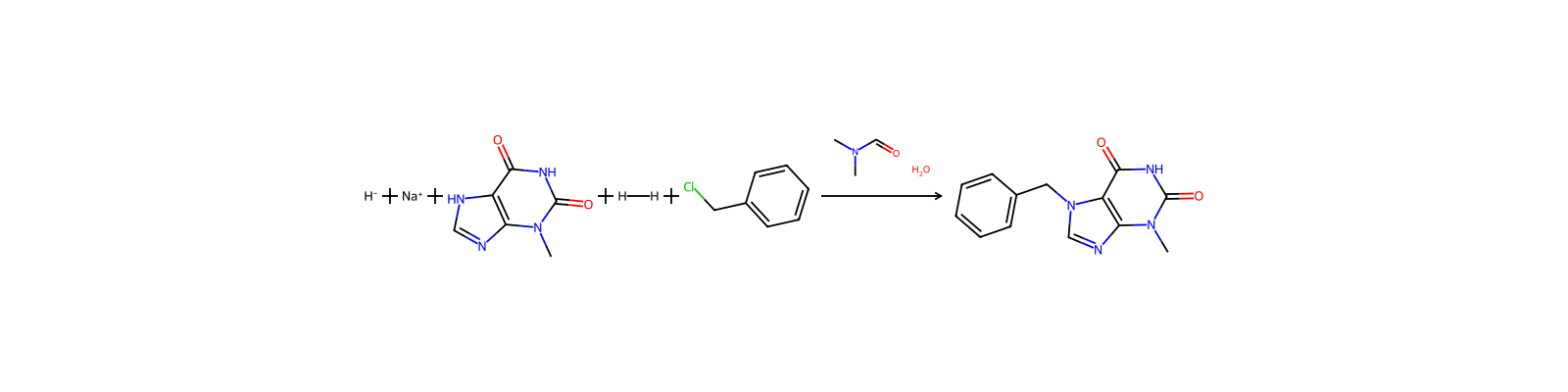
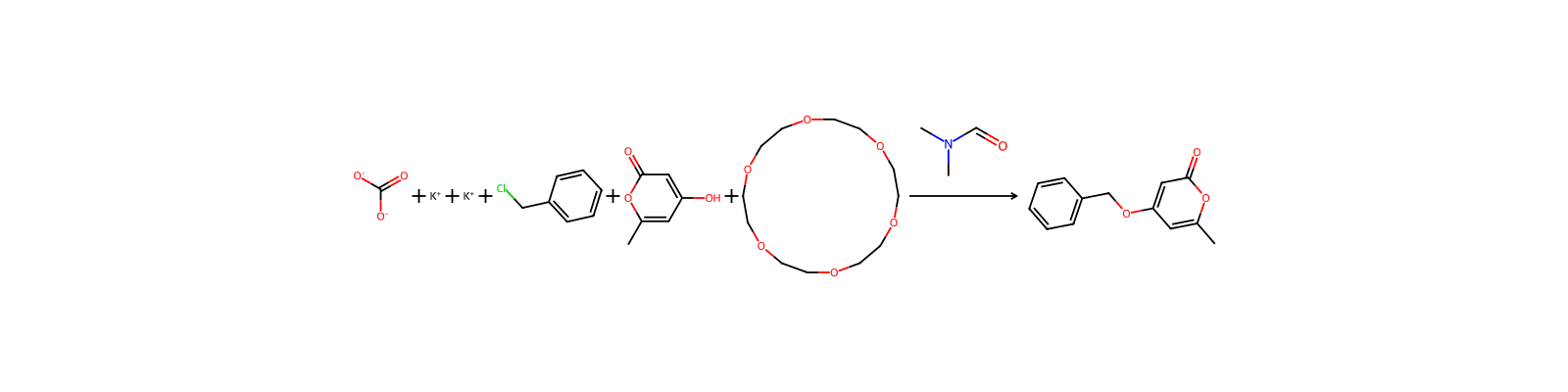
相关反应
2,190 条



关联笔记
加载中…