

基本信息
- 标准SMILES
c1ccc(OP(Oc2ccccc2)Oc2ccccc2)cc1- InChIKey
HVLLSGMXQDNUAL-UHFFFAOYSA-N- 分子式
- C18H15O3P
- 平均分子量
- 310.3 g/mol
- 单同位素质量
- 310.07588097
概述
Triphenyl phosphite is a clear, pale yellow liquid with a clean, pleasant odor. (NTP, 1992)
名称与标识
- 首选名称
- Triphenyl phosphite
- IUPAC
- triphenyl phosphite
- 中文名
- 亚磷酸三苯酯
- 英文名
- Triphenyl phosphite
- 分子式
- C18H15O3P
- 分子量
- 310.28
名称与别名
TRIPHENYL PHOSPHITE101-02-0Phosphorous acid, triphenyl esterTriphenoxyphosphinePhenyl phosphiteAdvance TPPTris(phenoxy)phosphineSumilizer TPP-RTrifenoxyfosfinTrifenylfosfitStabilizer P 36Phosclere T 36
展开更多名称
膦酸苯酯亞膦酸苯酯膦酸三苯酯亚磷酸苯酯亚磷酸三苯酯亞磷酸三苯酯抗氧剂TPP亚磷酸三苯基酯三苯基亚磷酸盐稳定剂TPPITPOP(OPh)3(PhO)3Pp36P 36SK28jp360
EFEDMellite 310P 36 (stabilizer)Sumilizer TTP-RWeston TPPTPP (plasticizer)ADK Stab TPPTP 1 (plasticizer)
数据库标识
- CAS
101-02-0- PubChem CID
- 7540
- DTXSID
DTXSID0026252- ChEMBL
CHEMBL1875503- UNII
- 9P45GRD24X
- EC Number
- 202-908-4
- Nikkaji
- J3.594G
性质
结构计算性质
- XLogP
- 5.5
- 极性表面积
- 27.7 Ų
- 氢键供体
- 0
- 氢键受体
- 3
- 可旋转键
- 6
- 重原子
- 22
- 形式电荷
- 0
- 复杂度
- 247
实验与物化性质
Chemical ClassesOther Classes -> Phosphite Compounds
Polymers
Plastics -> PVC (soft); PVC (rigid)
Plastics -> Heat stabilisers
Plastics -> Other functions -> Other stabiliser
SpringerMaterials PropertiesChemical shift
OdorPleasant odor
Density
1.1844 at 68 °F (NTP, 1992) - Denser than water; will sink
1.1842 @ 20 °C
Relative density (water = 1): 1.18
1.184 @25 °C
Color/FormWater-white to pale yellow solid or oily liquid
Solubility
less than 0.1 mg/mL at 68 °F (NTP, 1992)
Insoluble in water. Very soluble in ethanol, organic solvents.
Solubility in water: none
Flash Point
425 °F (NTP, 1992)
425 °F (218 °C) (OPEN CUP)
218 °C o.c.
Boiling Point
680 °F at 760 mmHg (NTP, 1992)
360 °C
360 °C
DecompositionWhen heated to decomp ... emits toxic fumes of /phosphorus oxides/.
Melting Point
72 to 75 °F (NTP, 1992)
25 °C
22-25 °C
Vapor Density>1 (air = 1)
物理化学性质
- 熔点
- 22 · 22-24 °C (lit.)
- 沸点
- 360 °C · 360 °C (lit.)
- 密度
- 1.184 g/mL · 1.184 g/mL at 25 °C (lit.)
- 蒸气密度
- 10.7 · 10.7 (vs air)
- 蒸气压
- 5 mm · 5 mm Hg ( 205 °C)
- 折射率
- 20 · n20/D 1.59(lit.)
- 闪点
- 425 °F · 425 °F
- 储存条件
- 30 °C · Store below +30°C.
- 溶解度
- 25 mg/mL, · methanol: 25 mg/mL, clear
- 形态
- Liquid
- 颜色
- Clear colorless to pale yellow
- PH值
- 1 · 1 (200g/l, H2O, 20℃)
- 水溶解性
- insoluble
- 敏感性
- Air & Moisture Sensitive
- BRN
- 1079456 · 1079456
- Henry's Law Constant
- 1.8 · 1.8×101 mol/(m3Pa) at 25℃, Zhang et al. (2010)
- 介电常数
- 3.2 · 3.2(24℃)
- 稳定性
- Stable. Combustible. Incompatible with strong oxidizing agents.
- InChI
- 1S/C18H15O3P/c1-4-10-16(11-5-1)19-22(20-17-12-6-2-7-13-17)21-18-14-8-3-9-15-18/h1-15H
- InChIKey
- HVLLSGMXQDNUAL-UHFFFAOYSA-N
- SMILES
- O(P(Oc1ccccc1)Oc2ccccc2)c3ccccc3
- CAS 数据库
- 101 · 101-02-0(CAS DataBase Reference)
- NIST化学物质信息
- Phosphorous acid, triphenyl ester(101-02-0)
- EPA化学物质信息
- Triphenyl phosphite (101-02-0)
化学性质
低于室温时为无色至淡黄色单斜晶体。室温以上时为无色淡黄色透明油状液体,有刺激性气味。 不溶于水,易溶于乙醇、乙醚、丙酮、苯等有机溶剂。
安全与法规
GHS分类
GHS Classification
Warning
H315: Causes skin irritation [Warning Skin corrosion/irritation]
P264, P264+P265, P273, P280, P302+P352, P305+P351+P338, P321, P332+P317, P337+P317, P362+P364, P391, and P501 (click each P-code to see the statement)
Warning
H302 (43.6%): Harmful if swallowed [Warning Acute toxicity, oral]
P260, P261, P264, P264+P265, P270, P272, P273, P280, P301+P317, P302+P352, P305+P351+P338, P319, P321, P330, P332+P317, P333+P317, P337+P317, P362+P364, P391, and P501 (click each P-code to see the statement)
危害信息
Regulatory Information
Chemical: Phosphorous acid, triphenyl ester
Phosphorous acid, triphenyl ester is listed on the EPA's Chemical Data Reporting (CDR) system. Manufacturers and importers of Phosphorous acid, triphenyl ester are required to report information about their production and use of this chemical to the EPA under the Toxic Substances Control Act (TSCA). (40 eCFR Part 711)
Status: Active Update: 28-03-2023 https://echa.europa.eu/registration-dossier/-/registered-dossier/14793
Triphenyl phosphite: Does not have an individual approval but may be used under an appropriate group standard
DOT LabelPoison
Fire Hazards
This chemical is combustible. (NTP, 1992)
Combustible. Gives off irritating or toxic fumes (or gases) in a fire.
Fire Potential
COMBUSTIBLE
COMBUSTIBLE WHEN EXPOSED TO HEAT OR FLAME
Health Hazards
SYMPTOMS: This compound exhibits symptoms similar to those caused by phenols: dizziness muscle weakness; dimness of vision; ringing in the ears; irregular and rapid breathing; weak pulse; shortness of breath. All these may be followed by loss of consciousness, collapse and death.
Hazards Summary
Reacts with water; A skin, eye, and respiratory tract irritant; May cause skin sensitization; High concentrations may cause nervous system effects; [ICSC] An eye and severe skin irritant; A mild sensitizer; Emergency treatment: TOCP and related agents; Following exposure to >6-7 mg/kg of TOCP, patients have acute GI symptoms of vomiting, diarrhea and abdominal pain; After a delay of 8-35 days, patients develop peripheral neuropathy (flaccid paralysis) that resolves over the next 2-3 months in some patients; Some patients remain permanently paralyzed; [HSDB] Causes flaccid paralysis in rats after subcutaneous doses >2000 mg/kg; [RTECS] A skin irritant; [CAMEO] A skin and eye irritant; [eChemPortal: ESIS] An irritant; Harmful if swallowed; Toxic to aquatic organisms; [MSDSonline] See Triorthocresyl phosphate.
Reactive GroupSulfonates, Phosphonates, and Thiophosphonates, Organic
EC ClassificationSymbol: Xi, N; R: 36/38-50/53; S: (2)-28-60-61
Reactivity Profile
Organophosphates, such as TRIPHENYL PHOSPHITE, are susceptible to formation of highly toxic and flammable phosphine gas in the presence of strong reducing agents such as hydrides. Partial oxidation by oxidizing agents may result in the release of toxic phosphorus oxides.
Chemical DangersDecomposes on burning. This produces toxic fumes including phosphorus oxides. Reacts with strong oxidants. Reacts with water.
Air and Water ReactionsInsoluble in water.
NFPA Hazard Classification
0 - Materials that, under emergency conditions, would offer no hazard beyond that of ordinary combustible materials.
1 - Materials that must be preheated before ignition can occur. Materials require considerable preheating, under all ambient temperature conditions, before ignition and combustion can occur.
0 - Materials that in themselves are normally stable, even under fire conditions.
安全与防护
Fire Fighting
Fires involving this compound should be controlled with a dry chemical, carbon dioxide or Halon extinguisher. (NTP, 1992)
Use water spray, powder, foam, carbon dioxide.
First Aid Measures
Fresh air, rest. Refer for medical attention.
Remove contaminated clothes. Rinse and then wash skin with water and soap. Refer for medical attention .
First rinse with plenty of water for several minutes (remove contact lenses if easily possible), then refer for medical attention.
Rinse mouth. Refer for medical attention .
First Aid
EYES: First check the victim for contact lenses and remove if present. Flush victim's eyes with water or normal saline solution for 20 to 30 minutes while simultaneously calling a hospital or poison control center. Do not put any ointments, oils, or medication in the victim's eyes without specific instructions from a physician. IMMEDIATELY transport the victim after flushing eyes to a hospital even if no symptoms (such as redness or irritation) develop.
Safe StorageSeparated from strong oxidants. Well closed.
Fire Fighting Procedures
To fight fire use, use /carbon dioxide/, mist, dry chemical.
WATER OR FOAM MAY CAUSE FROTHING.
Nonfire Spill Response
SMALL SPILLS AND LEAKAGE: If you spill this chemical, FIRST REMOVE ALL SOURCES OF IGNITION. Then, use absorbent paper to pick up all liquid spill material. Your contaminated clothing and absorbent paper should be sealed in a vapor-tight plastic bag for eventual disposal. Solvent wash all contaminated surfaces with 60-70% ethanol followed by washing with a soap and water solution. Do not reenter the contaminated area until the Safety Officer (or other responsible person) has verified that the area has been properly cleaned.
Disposal Methods
SRP: At the time of review, criteria for land treatment or burial (sanitary landfill) disposal practices are subject to significant revision. Prior to implementing land disposal of waste residue (including waste sludge), consult with environmental regulatory agencies for guidance on acceptable disposal practices.
Spillage Disposal
Collect leaking and spilled liquid in sealable containers as far as possible. Absorb remaining liquid in sand or inert absorbent. Then store and dispose of according to local regulations. Personal protection: particulate filter respirator adapted to the airborne concentration of the substance.
Isolation and EvacuationExcerpt from ERG Guide 154 [Substances - Toxic and/or Corrosive (Non-Combustible)]:
Eye PreventionWear safety goggles or face shield.
Fire PreventionNO open flames.
Inhalation RiskNo indication can be given about the rate at which a harmful concentration of this substance in the air is reached on evaporation at 20 °C.
毒理信息
Adverse EffectsNeurotoxin - Other CNS neurotoxin
Exposure RoutesThe substance can be absorbed into the body by inhalation of its aerosol and by ingestion.
Signs and Symptoms
Cough. Sore throat.
Redness. Pain.
Redness. Pain.
TSCA Test Submissions
The ability of triphenyl phosphite to increase the incidence of micronucleated polychromatic erythrocytes was evaluated in the bone marrow of CD-1 mice. Based on preliminary toxicity determinations, three groups of mice (5/sex/group) were treated with total doses of 1250, 2500 and 5000mg/kg of test material as two equal oral administrations separated by an interval of 24 hours. Animals at the highest dose level experienced tremors and 5 mortalities. The incidence of micronucleated cells were analyzed in 1000 polychromatic erythrocytes per animal. The incidence of micronucleated polychromatic erythrocytes and the ratio of normochromatic to polychromatic erythrocytes were comparable to the vehicle control (corn oil).
Human Toxicity Excerpts
...TRIPHENYLPHOSPHITE IS STRONG IRRITANT SUBSTANCE & MILD SENSITIZER.
...TRIPHENYL...PHOSPHITE ARE DELAYED NEUROTOXINS LACKING POTENT ANTI-CHOLINESTERASE PROPERTIES.
NONE OF THESE COMPD /PHOSPHATE & PHOSPHITE ESTERS/ PRODUCES TYPICAL SYMPTOMS ASSOCIATED WITH CHOLINESTERASE INHIBITION...
Non-Human Toxicity Excerpts
...TRIPHENYL PHOSPHITE...PRODUCE/S/ TYPICAL FLACCID PARALYSIS IN CATS, DOGS, & MONKEYS
TREMORS, DIARRHEA, VASODILATATION BY ALL ROUTES; NO PARALYSIS IN SURVIVORS. INHIBITION OF CHOLINESTERASE IN WHOLE BLOOD IN MICE. SKIN & EYE IRRITANT. /FROM TABLE/
TRIPHENYL PHOSPHITE DID NOT SHOW IRRITATING OR RESORPTIVE EFFECTS WHEN APPLIED TO SKIN OF MICE, BUT CAUSED DERMATITIS WHEN APPLIED TO SKIN OF GUINEA PIGS; ALSO HAD SENSITIZING ACTION.
THRESHOLD DOSES CAUSING CHANGES IN FUNCTION OF RABBIT NERVOUS SYSTEM WAS 17 MG/KG FOR TRIPHENYL PHOSPHATE.
For more Non-Human Toxicity Excerpts (Complete) data for TRIPHENYL PHOSPHITE (7 total), please visit the HSDB record page.
Antidote and Emergency Treatment
/SRP:/ Basic treatment: Establish a patent airway. Suction if necessary. Watch for signs of respiratory insufficiency and assist ventilations if necessary. Administer oxygen by nonrebreather mask at 10 to 15 L/min. Monitor for pulmonary edema and treat if necessary ... . Monitor for shock and treat if necessary ... . Anticipate seizures and treat if necessary ... . For eye contamination, flush eyes immediately with water. Irrigate each eye continuously with normal saline during transport ... . Do not use emetics. For ingestion, rinse mouth and administer 5 m1/kg up to 200 ml of water for dilution if the patient can swallow, has a strong gag reflex, and does not drool ... . Administer activated charcoal ... . If product was ingested, protect yourself from contact with vomitus as it may cause burns. /Phosphorus and related compounds/
/SRP:/ Advanced treatment: Consider orotracheal or nasotracheal intubation for airway control in the patient who is unconscious or in respiratory arrest. Positive pressure ventilation techniques with a bag valve mask device may be beneficial. Monitor cardiac rhythm and treat arrhythmias if necessary ... . Start an IV with D5W /SRP: "To keep open", minimal flow rate/. Use lactated Ringer's if signs of hypovolemia are present. Watch for signs of fluid overload. Consider drug therapy for pulmonary edema ... . For hypotension with signs of hypovolemia, administer fluid cautiously. Watch for signs of fluid overload. Treat seizures with diazepam ... . Monitor for signs of hypoglycemia and administer 50% dextrose if necessary. Draw blood sample before administration ... . Use proparacaine hydrochloride to assist eye irrigation ... . /Phosphorus and related compounds/
Toxicity DataLC (rat) > 6,700 mg/m3/4h
Non-Human Toxicity Values
LD50 MICE ORAL 1330 MG/KG
LD50 Rat oral 1600 mg/kg
LD50 Mouse ip 1167 mg/kg
安全数据
- wgk
- 2
- tsca
- TSCA listed
- 毒性
- LD50 oral in rat: 444mg/kg
- RTECS号
- TH1575000
- 包装类别
- III
- 危险等级
- 9
- 存储类别
- 10 - Combustible liquids
- 安全说明
- 28-60-61-28A-26
- 海关编码
- 29209085
- 危险品标志
- Xn,N,Xi
- 危险性类别
- Acute Tox. 4 OralAquatic Acute 1Aquatic Chronic 1Eye Irrit. 2Skin Irrit. 2Skin Sens. 1STOT RE 2
- 危险类别码
- 36/38-50/53
- 毒害物质数据
- 101-02-0(Hazardous Substances Data)
- 危险品运输编号
- UN 3077 9/PG 3
化学与工业
药理信息
Metabolism/Metabolites...LIKELY THAT.../TRIPHENYL PHOSPHITE/ MAY BE HYDROLYZED READILY.
Absorption, Distribution and Excretion
...(32)P-LABELED TRIPHENYL PHOSPHITE (0.3 ML/KG) IP IN CATS, INDICATED CONSIDERABLE HYDROLYSIS & ONLY SMALL AMT OF LABELED PHOSPHORUS IN CNS. ... PRESENCE OF SMALL CONCN OF PHOSPHOROUS ACID IN NERVOUS TISSUE MAY BE RELATED TO DEGENERATIVE CHANGES...
ABSORBED THROUGH GUINEA PIG SKIN. /FROM TABLE/
用途与制造
Uses
Used as a stabilizer/antioxidant (rubber and plastics industries), metal scavenger, epoxy resin diluent, and insecticide synergist; [HSDB] Used as a reducing agent and in paints, lacquers, and varnishes; [IUCLID]
Painting (Pigments, Binders, and Biocides) [Category: Paint]
Chemical intermediate, stabilizer systems for resins, metal scavenger, diluent for epoxy resins.
ANTIOXIDANT FOR SYN RUBBERS
STABILIZER IN RUBBER & PLASTICS INDUSTRY
COLOR STABILIZER IN ALKYD RESINS
U.S. Production2023: 10,000,000 - <25,000,000 lb
Consumer UsesNot Known or Reasonably Ascertainable
Industry UsesStabilizing agent
Methods of Manufacturing
REACTION OF PHOSPHORUS TRICHLORIDE & PHENOL IN THE PRESENCE OF A TERTIARY AMINE
The commercial production method for triphenyl phosphite is believed to be based on the reaction of phenol and phosphorus trichloride in a moisture-free atmosphere.
Use Classification
Plastics -> Polymer Type -> PVC (soft); PVC (rigid)
Plastics -> Heat stabilisers
Plastics -> Other functions -> Other stabiliser
General Manufacturing Information
Synthetic Rubber Manufacturing
Phosphorous acid, triphenyl ester: ACTIVE
TRIPHENYL PHOSPHITE USED TO SYNTHESIZE HERBICIDE N-(O,O-DIPHENYLPHOSPHONOMETHYL)GLYCINE ETHYL ESTER.
TRIPHENYL PHOSPHITE DID NOT REACT WITH FERROUS CYTOCHROME P 450 & ITS DENATURED FORM, CYTOCHROME P 420, TO PRODUCE COMPLEXES HAVING 2 PEAKS IN SORET REGION OF OPTICAL DIFFERENCE SPECTRA.
TPP STRONGLY SYNERGIZED TOXICITY OF MALATHION & DIMETHOATE AGAINST RESISTANT GREEN LEAFHOPPER.
应用领域
用途用作螯合剂、塑料制品防老剂及合成醇酸树酯和聚酯树脂的原料
用途用作合成橡胶和树脂的稳定剂,聚氯乙烯塑料的抗氧剂及醇酸树脂和农药中间体的原料
用途亚磷酸三苯酯是一种辅助抗氧剂,具有光稳定效果,适用于聚氯乙烯、聚丙烯、聚苯乙烯,聚酯、ABS树脂、环氧树脂等。在聚氯乙烯制品中作螯合剂,能使制品保持透明度,并能抑制颜色变化。也可用于亚磷酸三甲酯的生产。
用途抗氧剂、稳定剂TPPi主要适用于聚氯乙烯、聚乙烯、聚丙烯、聚苯乙烯、聚酯、ABS树酯、环氧树酯、合成橡胶等的抗氧稳定剂,用于聚氯乙烯制品中作螯合剂,当以金属为主稳定剂时,配合本品可减少金属氯化物的危害
用途亚磷酸三苯酯是一种螯合剂,广泛用于各种PVC制品中,能使制品保持其透明度并能抑制颜色的变化,同时它可增加主稳定剂的抗氧性和光、热稳定性。另外,本品还用于PE、PP、ABS、SBS等制品中,并可作农药中间体。合成醇酸树脂和聚酯和聚酯树脂的原料。
用途螯合剂。塑料制品防老剂。合成醇酸树脂和聚脂树脂的原料。
用途螯合剂。塑料制品防老剂。合成醇酸树脂和聚酯树 脂的原料。
制备方法
制备一种绿色环保节能型亚磷酸三苯酯制备方法,制备方法包括以下步骤: (1)将熔融苯酚加入搪瓷釜中维持中速搅拌,压力控制在-0.01真空度,保持苯酚在熔融状态下匀速滴加三氯化磷溶液,滴加过程维持温度在25~45℃,控制滴加时间为4h,,滴加完成后升温到130℃并缓慢提高真空度至水喷射泵的极限真空,并在此温度下继续反应5h,此过程中搪瓷釜一直维持中速搅拌,其中,所述苯酚与所述三氯化磷的物质的量之比为3.5:1; (2)将步骤(1)反应过程中产生的HCl脱出经冷凝器进入缓冲罐再经降膜吸收器吸收成盐酸; (3)待反应结束后,破去真空并将温度降到室温后,将搪瓷釜内的物料转移到蒸馏釜进行减压蒸馏分离; (4)首先将蒸馏釜内的真空度提高到罗茨真空机的极限真空,同时将温度缓慢升高,最高温度不超过220℃。在升温过程中进行蒸馏分离,前馏分为苯酚,最先蒸馏出来,经冷凝器冷凝至室温后收集到苯酚接受槽,待苯酚不再蒸馏出来后,收集中馏分为粗亚磷酸三苯酯,经冷凝器冷凝至室温后收集到前馏亚磷酸三苯酯接受槽,后馏分为精亚磷酸三苯酯,在粗亚磷酸三苯酯馏出后1h后进行收集,经冷凝器冷凝至室温后收集到后馏亚磷酸三苯酯接受槽; (5)对步骤(4)蒸馏收集的精亚磷酸三苯酯冷凝并收集装桶,得到成品亚磷酸三苯酯。
生产方法由苯酚和三氯化磷反应得到。原料消耗(kg/t)苯酚(凝固点≥40.4℃) 940三氯化磷(99%) 480
上下游产品信息
上游原料
下游产品
试剂价格
- T0510 · 25G
- 亚磷酸三苯酯Triphenyl Phosphite — 150元
- T0510 · 100G
- 亚磷酸三苯酯Triphenyl Phosphite — 170元
供应商50 家
国药集团化学试剂有限公司86-21-63210123 · [email protected]
梯希爱(上海)化成工业发展有限公司021-67121386 · [email protected]
上海阿拉丁生化科技股份有限公司400-6206333 13167063860 · [email protected]
河北创海生物科技有限公司+86-86-13131129325 · [email protected]
爱斯特(成都)生物制药股份有限公司+86-28-85122536 85324413 · [email protected]
Dayang Chem (Hangzhou) Co.,Ltd.+86-0571-88938639 17705817739 · [email protected]
科瑞迪化学400-821-5857 021-64326257 · [email protected]
上海迈瑞尔生化科技有限公司4006356688 18621169109 · [email protected]
天津中信凯泰化工有限公司022-66880623 · [email protected]
阿法埃莎(中国)化学有限公司400-6106006 · [email protected]
安耐吉化学&3A(安徽泽升科技股份有限公司)400-0056266 · [email protected]
上海瀚鸿科技股份有限公司021-54306202 13764082696 · [email protected]
河北缤享新材料科技有限公司+8618633865755 · [email protected]
上海景颜化工科技有限公司13817811078 · [email protected]
张家港雅瑞化工有限公司0512-58961066 18921980669 · [email protected]
嘉兴市艾森化工有限公司0573-85285100 18627885956 · [email protected]
泰州市苏宁化工有限公司13641586663
山东西亚化学有限公司13355009207 13355009207 · [email protected]
玛雅试剂+86 (573) 82222445 (0)18006601000 452520369 · [email protected]
四川库利南科技有限公司400-1166-196 18981987031 · [email protected]
张家港雅瑞化工有限公司0512-58961066 18921980669 · [email protected]
Connect Chemicals GmbH+49 2102 2077 19 · [email protected]
Hebei Qige Biological Technology Co. Ltd+86 +8618733132031
艾科试剂4008-755-333 18080918076 · [email protected]
上海思域化工科技有限公司86-21-34053660 · [email protected]
赛默飞世尔科技(中国)有限公司800-810-5118 · [email protected]
北京伊诺凯科技有限公司400-810-7969 010-59572699 · [email protected]
上海特伯化学科技有限公司+86-21-60341587 · [email protected]
TOKYO CHEMICAL INDUSTRY CO., LTD.03-36680489 · [email protected]
上海贤鼎生物科技有限公司4009209199 · [email protected]
越林试剂021-62960152 · [email protected]
北京环宇世纪化学科技有限公司hysj_bj.com
上海将来实业股份有限公司021-61552785 · [email protected]
日照力德士化工有限公司010-51268198 · [email protected]
山东强森化工有限公司18805331268 · [email protected]
美岚实业(上海)有限公司021-58958189 · [email protected]
张家港雅瑞化工有限公司0512-58961066 18929180669 · [email protected]
上海爱蝶实业有限公司021-58957966 18930537195 · [email protected]
广拓化学(上海)有限公司021-60899189-8001 18918189673 · [email protected]
上海御略医药科技有限公司021-60345187 13671753212 · [email protected]
上海德榜化工有限公司021-61531158 · [email protected]
上海麦克林生化科技股份有限公司15221275939 15221275939 · [email protected]
杭州杰恒化工有限公司0571-87396432 · [email protected]
上海有朋化工有限公司021-69005955 13701776567 · [email protected]
上海凯赛化工有限公司021-33516722 13701817765 · [email protected]
上海彤源化工有限公司021-021-69182866 13701855675 · [email protected]
成都润泽本土化工有限公司13096311329 028-88469284 616445927 · [email protected]
上海蓝润化学有限公司021-69515658 ; 69515628 13701998368 · [email protected]
上海容立化学科技有限公司021-69992220 13701886816 · [email protected]
上海康拓化工有限公司021-69185552 13701777608 · [email protected]
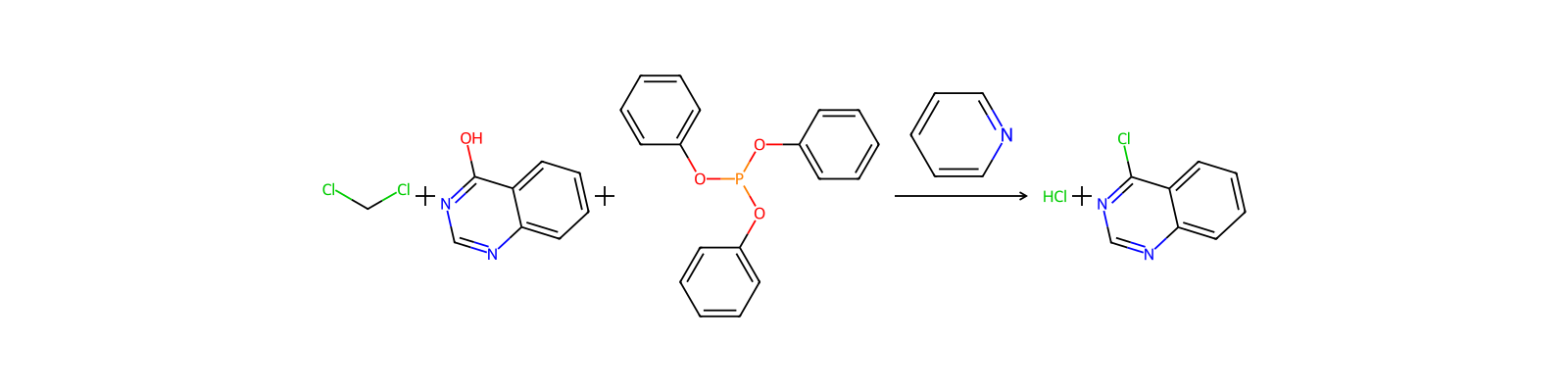
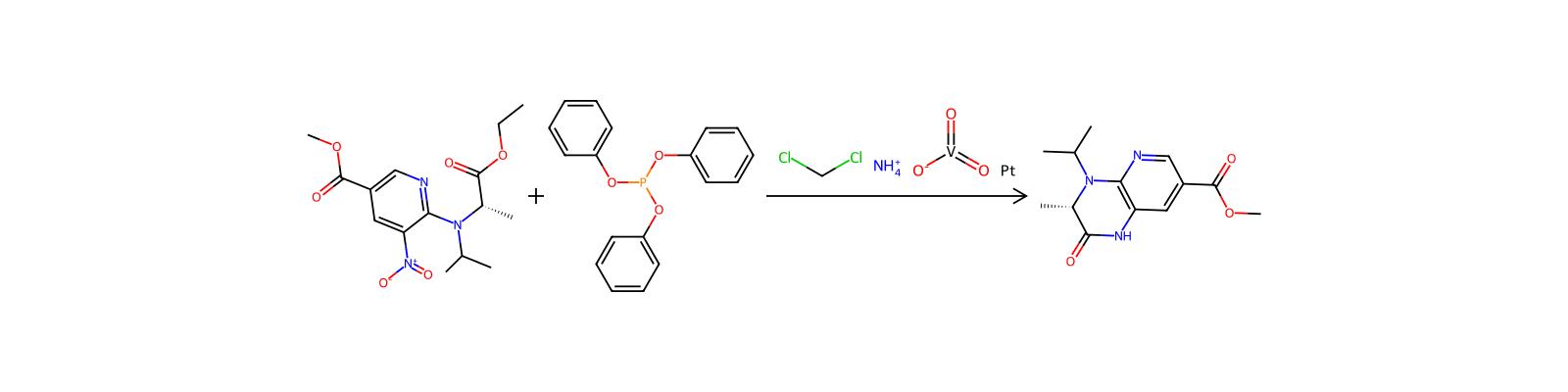
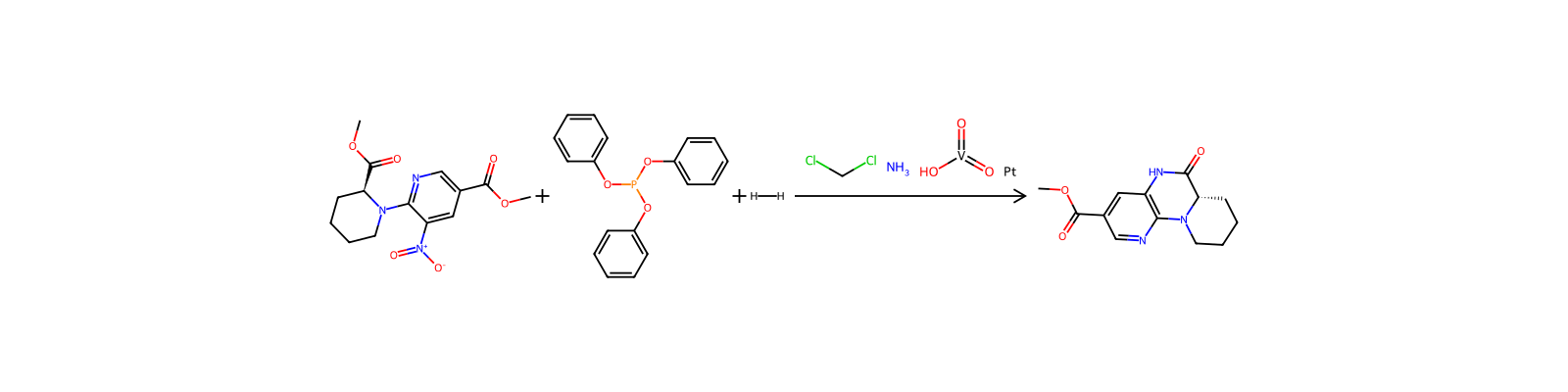
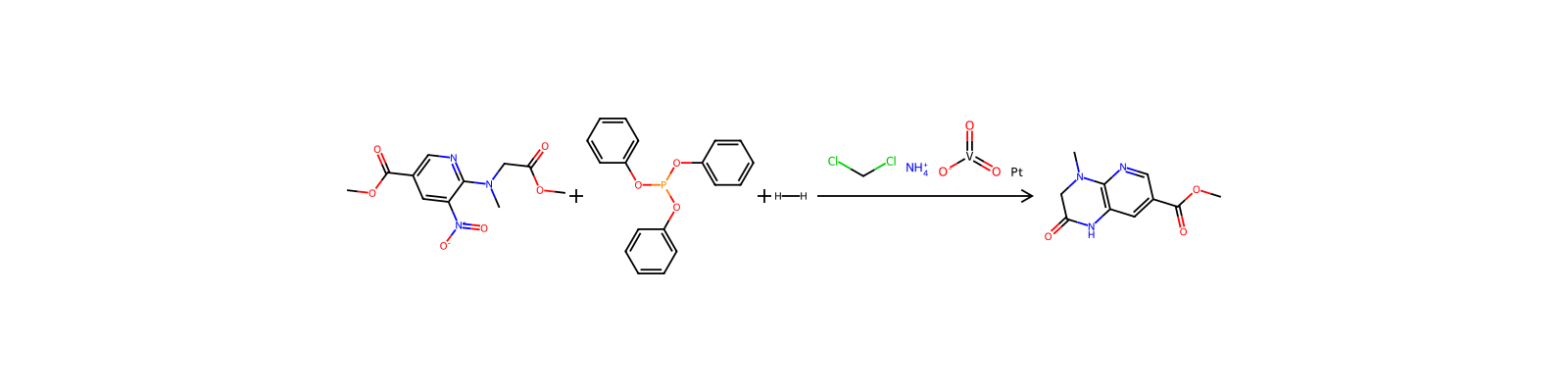
相关反应
321 条



关联笔记
加载中…