
基本信息
- 标准SMILES
COc1ccc(CC(=O)O)cc1- InChIKey
NRPFNQUDKRYCNX-UHFFFAOYSA-N- 分子式
- C9H10O3
- 平均分子量
- 166.17 g/mol
- 单同位素质量
- 166.06299418
概述
4-methoxyphenylacetic acid appears as pale yellow or off white colored flakes. Severely irritates skin and eyes. May be toxic by ingestion.
名称与标识
- 首选名称
- 4-Methoxyphenylacetic Acid
- IUPAC
- 2-(4-methoxyphenyl)acetic acid
- 中文名
- 对甲氧基苯乙酸
- 英文名
- 4-Methoxyphenylacetic acid
- 分子式
- C9H10O3
- 分子量
- 166.17
名称与别名
4-Methoxyphenylacetic acid104-01-82-(4-methoxyphenyl)acetic acidHomoanisic acidBenzeneacetic acid, 4-methoxy-p-Methoxyphenylacetic acid(4-Methoxyphenyl)acetic acid4-Methoxybenzeneacetic acid2-(p-Anisyl)acetic acid(p-Methoxyphenyl)acetic acidp-Anisylacetic acidHomoanisate
展开更多名称
对甲氧基本乙酸对甲氧基苯乙酸四甲氧基苯甲酸对甲氧基苯基乙酸5-甲氧基苯乙酸4-甲氧基苯乙酸4-甲氧基苯基乙酸对甲氧基苯乙酸-29对甲氧基苯乙酸 1KG4-甲氧基苯乙酸/AR4MPAAASISCHEM D13364RARECHEM AL BO 01334-Methoxyphenylacetip-Methioxy-toluicacid4-Methoxyphenylacetic
NSC 27799EINECS 203-166-4Acetic acid, (p-methoxyphenyl)-4-methoxyphenylacetatep-Methoxy-alpha-toluic acidAJP2V8U5K6Homo-p-anisic acidAcetic acid, p-methoxyphenyl-
数据库标识
- CAS
104-01-8- PubChem CID
- 7690
- DTXSID
DTXSID1059288- ChEMBL
CHEMBL1760597- ChEBI
CHEBI:55501- UNII
- AJP2V8U5K6
- EC Number
- 203-166-4
- Nikkaji
- J10.116H
性质
结构计算性质
- XLogP
- 1.4
- 极性表面积
- 46.5 Ų
- 氢键供体
- 1
- 氢键受体
- 3
- 可旋转键
- 3
- 重原子
- 12
- 形式电荷
- 0
- 复杂度
- 148
实验与物化性质
SpringerMaterials PropertiesChemical shift
LogP
1.42
1.48
Solubility18 mg/mL
Boiling Point138.00 to 140.00 °C. @ 3.00 mm Hg
Melting Point87 °C
Physical Description
4-methoxyphenylacetic acid appears as pale yellow or off white colored flakes. Severely irritates skin and eyes. May be toxic by ingestion.
Solid
Collision Cross Section
122.84 Ų [M+H-H2O]+ [CCS Type: TW; Method: calibrated with polyalanine and drug standards]
137.4 Ų [M+H]+ [CCS Type: DT; Method: single field calibrated with Agilent tune mix (Agilent)]
物理化学性质
- 熔点
- 84 · 84-86 °C(lit.)
- 沸点
- 140 °C3 · 140 °C3 mm Hg(lit.)
- 堆积密度
- 440 kg/m3 · 440kg/m3
- 密度
- 1.1708 · 1.1708 (rough estimate)
- 蒸气压
- 0.071 Pa · 0.071Pa at 25℃
- 折射率
- 1.5101 · 1.5101 (estimate)
- 闪点
- 193 °C · 193°C
- 储存条件
- 30 °C · Store below +30°C.
- 溶解度
- 6 g/l · 6g/l
- 酸度系数(pKa)
- 1 · pK1:4.358 (25°C)
- 形态
- Crystalline Powder and Chunks
- 颜色
- White to light yellow
- 水溶解性
- 6 g/L · 6 g/L (20 ºC)
- BRN
- 1101737 · 1101737
- InChI
- 1S/C9H10O3/c1-12-8-4-2-7(3-5-8)6-9(10)11/h2-5H,6H2,1H3,(H,10,11)
- InChIKey
- NRPFNQUDKRYCNX-UHFFFAOYSA-N
- SMILES
- COc1ccc(CC(O)=O)cc1
- LogP
- 1.295 at · 1.295 at 25℃
- CAS 数据库
- 104 · 104-01-8(CAS DataBase Reference)
- NIST化学物质信息
- 4 · Benzeneacetic acid, 4-methoxy-(104-01-8)
- EPA化学物质信息
- 4 · Benzeneacetic acid, 4-methoxy- (104-01-8)
化学性质
白色片状结晶体。熔点为86-88.5℃,沸点140℃(0.4kPa)。溶于乙醇和乙醚。
安全与法规
GHS分类
GHS Classification
Warning
H302 (> 99.9%): Harmful if swallowed [Warning Acute toxicity, oral]
P264, P270, P301+P317, P330, and P501 (click each P-code to see the statement)
Aggregated GHS information provided per 1334 reports by companies from 8 notifications to the ECHA C&L Inventory.
危害信息
Regulatory Information
Chemical: Benzeneacetic acid, 4-methoxy-
Status: Cease Manufacture Update: 30-06-2018 https://echa.europa.eu/registration-dossier/-/registered-dossier/18981
4-Methoxphenylacetic Acid: Does not have an individual approval but may be used under an appropriate group standard
Other Safety InformationIMAP assessments - Benzeneacetic acid, 4-methoxy-: Human health tier I assessment
DOT LabelCorrosive
Fire HazardsExcerpt from ERG Guide 154 [Substances - Toxic and/or Corrosive (Non-Combustible)]:
Health HazardsExcerpt from ERG Guide 154 [Substances - Toxic and/or Corrosive (Non-Combustible)]:
Reactive GroupAcids, Carboxylic
Reactivity Profile
Carboxylic acids donate hydrogen ions if a base is present to accept them. They react in this way with all bases, both organic (for example, the amines) and inorganic. Their reactions with bases, called "neutralizations", are accompanied by the evolution of substantial amounts of heat. Neutralization between an acid and a base produces water plus a salt. Carboxylic acids with six or fewer carbon atoms are freely or moderately soluble in water; those with more than six carbons are slightly soluble in water. Soluble carboxylic acid dissociate to an extent in water to yield hydrogen ions. The pH of solutions of carboxylic acids is therefore less than 7.0. Many insoluble carboxylic acids react rapidly with aqueous solutions containing a chemical base and dissolve as the neutralization generates a soluble salt. Carboxylic acids in aqueous solution and liquid or molten carboxylic acids can react with active metals to form gaseous hydrogen and a metal salt. Such reactions occur in principle for solid carboxylic acids as well, but are slow if the solid acid remains dry. Even "insoluble" carboxylic acids may absorb enough water from the air and dissolve sufficiently in it to corrode or dissolve iron, steel, and aluminum parts and containers. Carboxylic acids, like other acids, react with cyanide salts to generate gaseous hydrogen cyanide. The reaction is slower for dry, solid carboxylic acids. Insoluble carboxylic acids react with solutions of cyanides to cause the release of gaseous hydrogen cyanide. Flammable and/or toxic gases and heat are generated by the reaction of carboxylic acids with diazo compounds, dithiocarbamates, isocyanates, mercaptans, nitrides, and sulfides. Carboxylic acids, especially in aqueous solution, also react with sulfites, nitrites, thiosulfates (to give H2S and SO3), dithionites (SO2), to generate flammable and/or toxic gases and heat. Their reaction with carbonates and bicarbonates generates a harmless gas (carbon dioxide) but still heat. Like other organic compounds, carboxylic acids can be oxidized by strong oxidizing agents and reduced by strong reducing agents. These reactions generate heat. A wide variety of products is possible. Like other acids, carboxylic acids may initiate polymerization reactions; like other acids, they often catalyze (increase the rate of) chemical reactions.
Air and Water ReactionsNo rapid reaction with air. No rapid reaction with water.
Hazard Classes and CategoriesAcute Tox. 4 (> 99.9%)
安全与防护
Fire FightingExcerpt from ERG Guide 154 [Substances - Toxic and/or Corrosive (Non-Combustible)]:
First AidExcerpt from ERG Guide 154 [Substances - Toxic and/or Corrosive (Non-Combustible)]:
Nonfire Spill ResponseExcerpt from ERG Guide 154 [Substances - Toxic and/or Corrosive (Non-Combustible)]:
Isolation and EvacuationExcerpt from ERG Guide 154 [Substances - Toxic and/or Corrosive (Non-Combustible)]:
Personal Protective Equipment (PPE)Excerpt from ERG Guide 154 [Substances - Toxic and/or Corrosive (Non-Combustible)]:
安全数据
- wgk
- 3
- tsca
- TSCA listed
- RTECS号
- AI8960000
- hazard_note
- Irritant
- 存储类别
- 11 - Combustible Solids
- 安全说明
- 26-36
- 海关编码
- 29189090
- 危险品标志
- Xn,Xi
- 危险性类别
- Eye Dam. 1
- 危险类别码
- 22-36/37/38-20/21/22
化学与工业
用途与制造
General Manufacturing InformationBenzeneacetic acid, 4-methoxy-: ACTIVE
应用领域
简介对甲氧基苯乙酸(4-methoxyphenylacetic acid),通常为白色片状晶体,熔点为84-86℃,易溶于热水、乙酸乙酯、乙醇、乙醚等,可溶于冷水。对甲氧基苯乙酸是合成新一代抗抑郁药文发拉新(Venlafaxine)的中间体,也是合成葛根素、异黄酮类等多种心血管药物的关键性中间体。
用途对甲氧基苯乙酸是一种重要的医药中间体,广泛地应用于医药、染料等方面。
用途用于有机合成,用作葛根素的中间体。
制备方法
合成方法关于对甲氧基苯乙酸的合成方法,国内外的报道主要有以下几种: a)氰化法,一般用对甲氧基苄氯和氰化钠反应生成对甲氧基苯乙腈,后者经水解得到对甲氧基苯乙酸,这种方法要使用剧毒的氰化物,因而存在严重的安全隐患; b)苯乙酮重排法,该法常以对甲氧基苯乙酮原料,与硫磺和六水哌嗪反应,经过重排及水解得到对甲氧基苯乙酸,但该法生成的硫化氢剧毒奇臭,收率也不高; c)羰基合成法,该法以对甲氧基氯苄为原料,在催化剂作用下,与CO 反应生成对甲氧基苯乙酸,这种方法的缺点是所使用的催化剂价格昂贵,CO 危害性也较大。
生产方法由对甲氧基苯乙酮为原料制得。将乙醇、硫磺及六水哌嗪加入反应锅中回流4h,然后蒸出乙醇。将所得硫化哌嗪与对甲氧基苯乙酮在135-140℃反应20h,再加入氢氧化钠回流20h。反应结束后,冷至35℃以下,用盐酸调整pH值至8-9。用离心机分出硫磺后,再中和至pH值为3-4,冷却,离心脱水,将所得粗品精制即得对甲氧基苯乙酸。
上下游产品信息
上游原料
下游产品
试剂价格
- A14399 · 100g
- 4-甲氧基苯乙酸, 98+%4-Methoxyphenylacetic acid, 98+% — 221元
- 12602 · 250g
- 4-甲氧基苯乙酸4-Methoxyphenylacetic acid, 99%, Thermo Scientific™ — 730元
供应商50 家
梯希爱(上海)化成工业发展有限公司021-67121386 · [email protected]
衢州润东化工有限公司0570-8789886 18892685668 · [email protected]
上海阿拉丁生化科技股份有限公司400-6206333 13167063860 · [email protected]
上海泰矶林实业有限公司02150630626 17717886015 · [email protected]
爱斯特(成都)生物制药股份有限公司+86-28-85122536 85324413 · [email protected]
上海如吉生物科技发展有限公司+86-21-65211385-8001 36031160 · [email protected]
科瑞迪化学400-821-5857 021-64326257 · [email protected]
Syntechem Co.,Ltd[email protected]
上海迈瑞尔生化科技有限公司4006356688 18621169109 · [email protected]
阿法埃莎(中国)化学有限公司400-6106006 · [email protected]
安耐吉化学&3A(安徽泽升科技股份有限公司)400-0056266 · [email protected]
上海瀚鸿科技股份有限公司021-54306202 13764082696 · [email protected]
上海柯维化学技术有限公司021-64609169 18901607656 · [email protected]
济南德信佳生物科技有限公司0531-82375886 13001715031 · [email protected]
上海景颜化工科技有限公司13817811078 · [email protected]
嘉兴市艾森化工有限公司0573-85285100 18627885956 · [email protected]
Pure Chemistry Scientific Inc.001-857-928-2050 or 1-888-588-9418 · [email protected]
孝感深远化工有限公司15527621225; 15527621225 · [email protected]
Beckmann-Kenko GmbH+49 4241 9308 88 · [email protected]
山东西亚化学有限公司13355009207 13355009207 · [email protected]
玛雅试剂+86 (573) 82222445 (0)18006601000 452520369 · [email protected]
四川库利南科技有限公司400-1166-196 18981987031 · [email protected]
上海耐士化工科技有限公司400-188-0725 +86 21 34310725 13611771617
天津希恩思生化科技有限公司400 638 7771 · [email protected]
湖南汇百侍生物科技有限公司0731-85526065 13308475853 · [email protected]
上海乔木化学科技有限公司021-60451683 15021268886 · [email protected]
河南多贝化工有限公司0370-2785118 17550508557 · [email protected]
斯百全化学(上海)有限公司021-021-021-67601398-809-809-809 15221380277 · [email protected]
北京泰亚杰科技有限公司021-33690831-8001 13552411790;18616022633 · [email protected]
泰州志诚化工科技有限公司0523-82837785 13914525028 · [email protected]
上海思域化工科技有限公司86-21-34053660 · [email protected]
北京世纪裕立化学有限公司010-64446226 13146983882 · [email protected]
赛默飞世尔科技(中国)有限公司800-810-5118 · [email protected]
北京伊诺凯科技有限公司400-810-7969 010-59572699 · [email protected]
上海特伯化学科技有限公司+86-21-60341587 · [email protected]
江苏艾康生物医药研发有限公司025-66113011 13913916777 · [email protected]
TCI AMERICA800-4238616 · [email protected]
TOKYO CHEMICAL INDUSTRY CO., LTD.03-36680489 · [email protected]
TCI Europe320-37350700 · [email protected]
上海贤鼎生物科技有限公司4009209199 · [email protected]
深圳康特腾科技有限公司86-0755-86635001 · [email protected]
越林试剂021-62960152 · [email protected]
上海睿升化工科技有限公司+86-021-50935922
苏州安尼康药物研发有限公司0512-69369885 · [email protected]
广州爱纯医药科技有限公司020-39119399 18927568969 · [email protected]
无锡中坤生化科技有限公司+86 0510-85629785
上海汇凯化学科技有限公司021-61995394 18916691159 · [email protected]
上海洪创医药科技有限公司18151128828 · [email protected]
上海湄水化工科技有限公司021-60549325 18616193163
上海将来实业股份有限公司021-61552785 · [email protected]
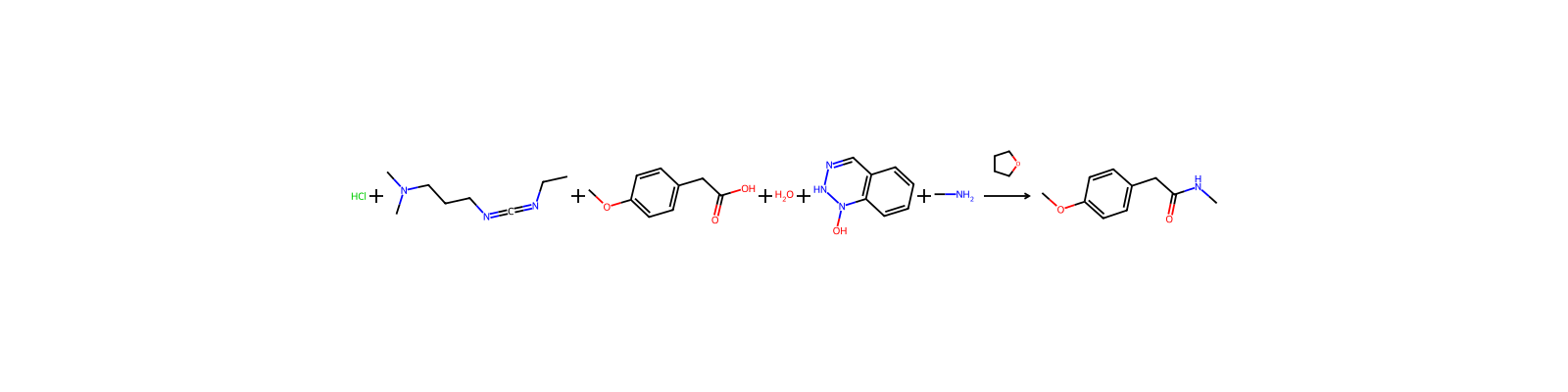
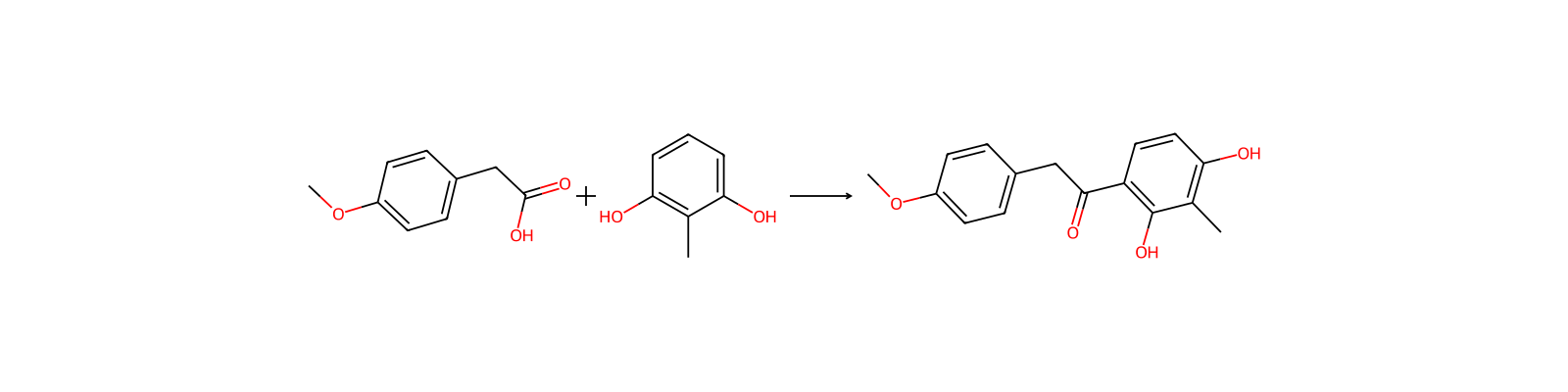
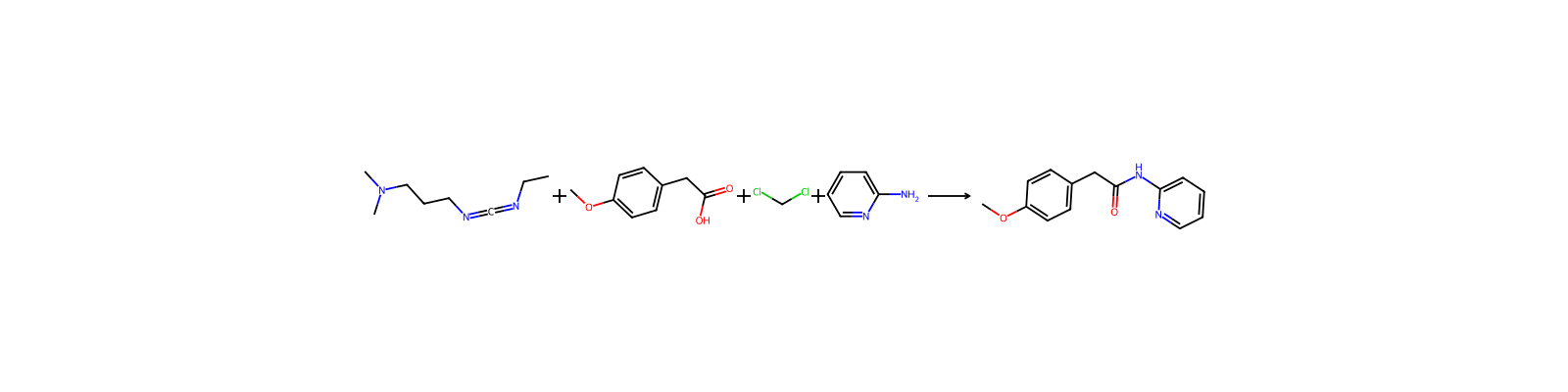
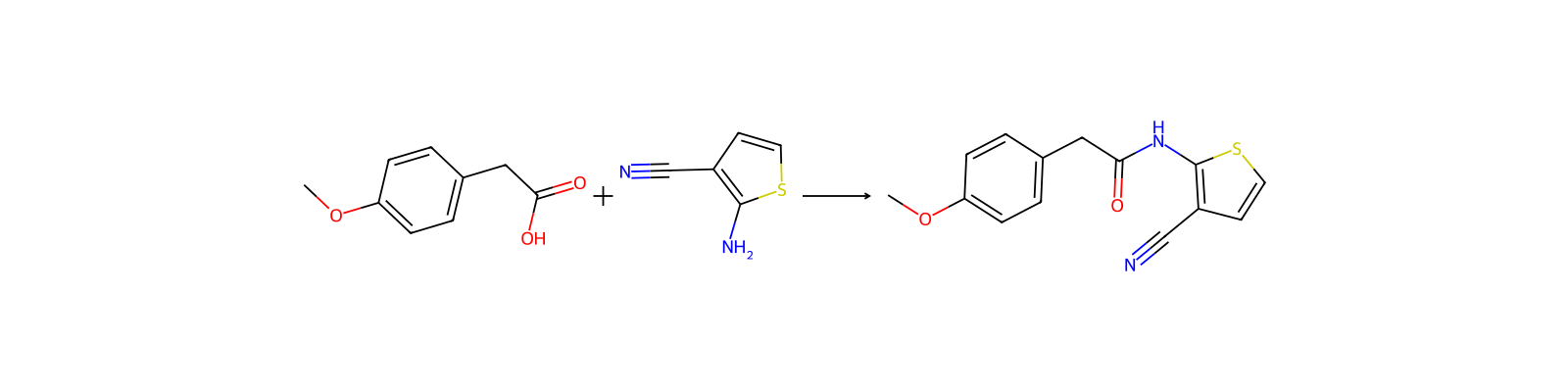
相关反应
1,382 条




关联笔记
加载中…