基本信息
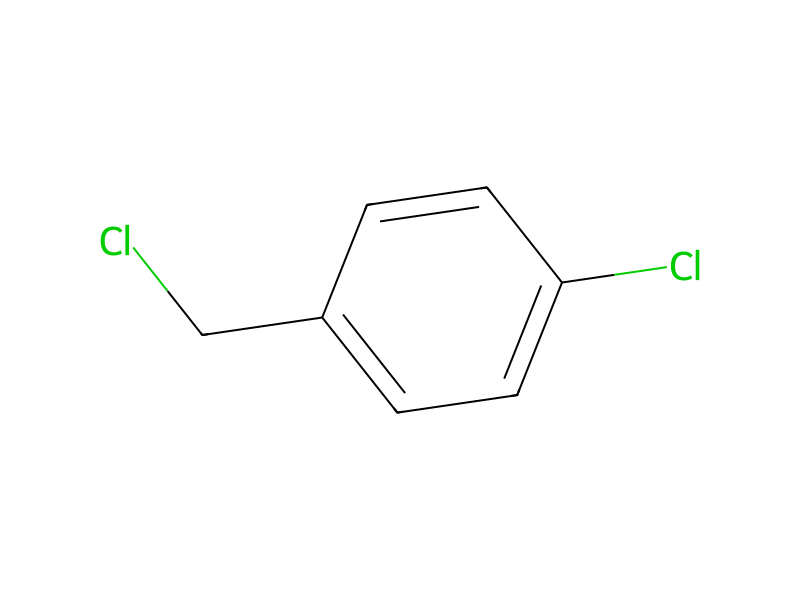
- 标准SMILES
ClCc1ccc(Cl)cc1- InChIKey
JQZAEUFPPSRDOP-UHFFFAOYSA-N- 分子式
- C7H6Cl2
- 平均分子量
- 161.03 g/mol
- 单同位素质量
- 159.98465555
概述
structure in first source
名称与标识
- 首选名称
- 1-Chloro-4-(chloromethyl)benzene
- IUPAC
- 1-chloro-4-(chloromethyl)benzene
- 中文名
- 4-氯氯苄
- 英文名
- 4-Chlorobenzyl chloride
- 分子式
- C7H6Cl2
- 分子量
- 161.03
名称与别名
1-Chloro-4-(chloromethyl)benzene1-CHLORO-4-CHLOROMETHYLBENZENEp,alpha-DichlorotolueneRefChem:4313934-Chlorobenzyl chloride104-83-6p-Chlorobenzyl chloridealpha,4-DichlorotolueneBenzene, 1-chloro-4-(chloromethyl)-4-chlorobenzylchloride(4-Chlorophenyl)methyl chloride1-Chloro-4-chloromethyl-benzene
展开更多名称
对氯苄氯对氯氯苄对氯代氯苄4-氯氯苄对氯苄基氯氯化對氯苄4-氯苄氯对氯苯甲基氯氯化對氯苄基4-氯苄基氯CHLOROBENZYL CHLORIDEPCBCPARA-CHLOROBENZYLCHLORIDEa13-14884p-chlorobenzylAKOS BBS-00003957,4-DichlorotolueneA,P-DICHLOROTOLUENE
alpha,p-Dichlorotoluenep-chlorobenzylchloridep-Chlorophenylmethyl chlorideMFCD00000914NSC 34032.alpha.,p-Dichlorotoluene.alpha.,4-DichlorotolueneQ9HS4N7D3M
数据库标识
- CAS
104-83-6- PubChem CID
- 7723
- DTXSID
DTXSID4051530- UNII
- Q9HS4N7D3M
- EC Number
- 203-242-7
- Nikkaji
- J5.035K
性质
结构计算性质
- XLogP
- 3.2
- 极性表面积
- 0 Ų
- 氢键供体
- 0
- 氢键受体
- 0
- 可旋转键
- 1
- 重原子
- 9
- 形式电荷
- 0
- 复杂度
- 75
实验与物化性质
SpringerMaterials PropertiesDensity
LogP
Log Kow = 3.18
3.18
Density1.270-1.280 AT 25 DEG/15 °C
Color/Form
COLORLESS LIQUID
Colorless needles
Solubility
SOL IN CARBON DISULFIDE; SLIGHTLY SOL IN ALCOHOL
>10% in benzene
>10% in ethyl ether
>10% in acetic acid
For more Solubility (Complete) data for 1-CHLORO-4-CHLOROMETHYLBENZENE (7 total), please visit the HSDB record page.
Boiling Point223 °C
DecompositionWhen heated to decomposition it emits toxic vapors of /hydrogen chloride/.
Melting Point31 °C
Refractive IndexIndex of refraction: 1.5554 @ 20 °C
Other Experimental PropertiesUV: 206 (Sadtler Research Laboratories Spectral Collection) /Benzyl chloride, 2-chloro/
物理化学性质
- 熔点
- 27 · 27-29 °C (lit.)
- 沸点
- 216 · 216-222 °C (lit.)
- 密度
- 1.26 · 1.26
- 闪点
- 208 °F · 208 °F
- 折射率
- 1.5575 · 1.5575
- 储存条件
- Store at RT.
- 溶解度
- insoluble
- 形态
- Crystalline Low Melting Solid
- 比重
- 1.26 · 1.26
- 颜色
- Colorless to white
- 水溶解性
- insoluble
- 敏感性
- Lachrymatory
- BRN
- 471558 · 471558
- Henry's Law Constant
- 2.9 · 2.9×10-2 mol/(m3Pa) at 25℃, HSDB (2015)
- 稳定性
- Moisture Sensitive
- 主要应用
- environmentalpharmaceutical
- InChI
- 1S/C7H6Cl2/c8-5-6-1-3-7(9)4-2-6/h1-4H,5H2
- InChIKey
- JQZAEUFPPSRDOP-UHFFFAOYSA-N
- SMILES
- ClCc1ccc(Cl)cc1
- CAS 数据库
- 104 · 104-83-6(CAS DataBase Reference)
- NIST化学物质信息
- 1 · Benzene, 1-chloro-4-(chloromethyl)-(104-83-6)
- EPA化学物质信息
- 4 · 4-Chlorobenzyl chloride (104-83-6)
化学性质
针状结晶。 溶于乙醚、醋酸、二硫化碳和苯,尚易溶于冷乙醇。
安全与法规
GHS分类
GHS Classification
Danger
H302+H312+H332 (87.5%): Harmful if swallowed, in contact with skin or if inhaled [Warning Acute toxicity, oral; acute toxicity, dermal; acute toxicity, inhalation]
P260, P261, P264, P264+P265, P270, P271, P272, P273, P280, P301+P317, P301+P330+P331, P302+P352, P302+P361+P354, P304+P340, P305+P351+P338, P305+P354+P338, P316, P317, P321, P330, P333+P317, P337+P317, P362+P364, P363, P391, P405, and P501 (click each P-code to see the statement)
Aggregated GHS information provided per 96 reports by companies from 9 notifications to the ECHA C&L Inventory. Each notification may be associated with multiple companies.
Warning
H302: Harmful if swallowed [Warning Acute toxicity, oral]
危害信息
Regulatory Information
Chemical: Benzene, 1-chloro-4-(chloromethyl)-
Status: Active Update: 04-05-2021 https://echa.europa.eu/registration-dossier/-/registered-dossier/5414
4-Chlorobenzyl chloride: Does not have an individual approval but may be used under an appropriate group standard
The New Jersey Worker and Community Right to Know Act requires public and private employers to provide information about hazardous substances at their workplaces. (N.J.S.A. 34:5A-1 et. seq.)
Fire PotentialSLIGHT, WHEN EXPOSED TO HEAT OR FLAME /4-CHLOROTOLUENE/
Hazards Summary
The major hazards encountered in the use and handling of 1-chloro-4-chloromethylbenzene stem from its toxicologic properties. Exposure to this colorless liquid occurs primarily in the occupational setting from its use as an intermediate in the synthesis of organic chemicals, pharmaceuticals, and dyes. Because this material is capable of causing irritation to the skin and eyes, persons involved with 1-chloro-4-chloromethylbenzene should wear boots, protective gloves, and goggles, at a minimum. When entering a contaminated area, also wear a full-face mask self-contained breathing apparatus which provides eye protection. Broken packages containing this substance should not be handled without protective equipment. Washing away any material which may have contacted the body with copious amounts of water, or soap and water is also recommended. This substance is normally stable, even under fire exposure conditions; requiring moderate heating for ignition to occur. Normal procedures may be used to fight a 1-chloro-4-chloromethylbenzene fire; extinguishing with "alcohol" foam, CO2, or dry chemical agents. Water also may be used in flooding quantities as a fog or spray (solid streams may be ineffective) to extinguish the fire and cool containers. The latter should be done from as far a distance as possible. This substance should be stored away from sparks, flames, and other sources of ignition. Containers of 1-chloro-4-chloromethylbenzene may be shipped by air, rail, road, or water, and should be affixed with labels stating, "Keep Away From Food". Regulatory requirements of the DOT should be consulted before transport. For large 1-chloro-4-chloromethylbenzene spills, use water spray to knock down vapor; keeping material out of water sources and sewers by diking, if necessary. Prior to implementing land diposal of waste residue (including waste sludge), consult with environmental regulatory agencies for guidance.
DOT Emergency Guidelines
/GUIDE 153: SUBSTANCES - TOXIC AND/OR CORROSIVE (COMBUSTIBLE)/ Health: TOXIC; inhalation, ingestion, or skin contact with material may cause severe injury or death. Contact with molten substance may cause severe burns to skin and eyes. Avoid any skin contact. Effects of contact or inhalation may be delayed. Fire may produce irritating, corrosive and/or toxic gases. Runoff from fire control or dilution water may be corrosive and/or toxic and cause pollution. /Chlorobenzyl chlorides; Chlorobenzyl chlorides, liquid; Chlorobenzyl chlorides, solid/
/GUIDE 153: SUBSTANCES - TOXIC AND/OR CORROSIVE (COMBUSTIBLE)/ Fire or Explosion: Combustible material: may burn but does not ignite readily. When heated, vapors may form explosive mixtures with air: indoors, outdoors, and sewers explosion hazards. Those substances designated with a "P" may polymerize explosively when heated or involved in a fire. Contact with metals may evolve flammable hydrogen gas. Containers may explode when heated. Runoff may pollute waterways. Substance may be transported in a molten form. /Chlorobenzyl chlorides; Chlorobenzyl chlorides, liquid; Chlorobenzyl chlorides, solid/
/GUIDE 153: SUBSTANCES - TOXIC AND/OR CORROSIVE (COMBUSTIBLE)/ Public Safety: CALL Emergency Response Telephone Number ... . As an immediate precautionary measure, isolate spill or leak area in all directions for at least 50 meters (150 feet) for liquids and at least 25 meters (75 feet) for solids. Keep unauthorized personnel away. Stay upwind. Keep out of low areas. Ventilate enclosed areas. /Chlorobenzyl chlorides; Chlorobenzyl chlorides, liquid; Chlorobenzyl chlorides, solid/
/GUIDE 153: SUBSTANCES - TOXIC AND/OR CORROSIVE (COMBUSTIBLE)/ Protective Clothing: Wear positive pressure self-contained breathing apparatus (SCBA). Wear chemical protective clothing that is specifically recommended by the manufacturer. It may provide little or no thermal protection. Structural firefighters' protective clothing provides limited protection in fire situations ONLY; it is not effective in spill situations where direct contact with the substance is possible. /Chlorobenzyl chlorides; Chlorobenzyl chlorides, liquid; Chlorobenzyl chlorides, solid/
For more DOT Emergency Guidelines (Complete) data for 1-CHLORO-4-CHLOROMETHYLBENZENE (8 total), please visit the HSDB record page.
DOT Hazard Classification
para-Chlorobenzyl chloride, liquid or solid
Marine pollutant
Hazard Classes and Categories
Acute Tox. 4 (96.9%)
Acute toxicity (Oral) - Category 4
Shipment Methods and Regulations
No person may /transport,/ offer or accept a hazardous material for transportation in commerce unless that person is registered in conformance ... and the hazardous material is properly classed, described, packaged, marked, labeled, and in condition for shipment as required or authorized by ... /the hazardous materials regulations (49 CFR 171-177)./
The International Air Transport Association (IATA) Dangerous Goods Regulations are published by the IATA Dangerous Goods Board pursuant to IATA Resolutions 618 and 619 and constitute a manual of industry carrier regulations to be followed by all IATA Member airlines when transporting hazardous materials.
The International Maritime Dangerous Goods Code lays down basic principles for transporting hazardous chemicals. Detailed recommendations for individual substances and a number of recommendations for good practice are included in the classes dealing with such substances. A general index of technical names has also been compiled. This index should always be consulted when attempting to locate the appropriate procedures to be used when shipping any substance or article.
Shipping Name/ Number DOT/UN/NA/IMO
UN 2235; Chlorobenzyl chlorides
IMO 6.1; Chlorobenzyl chlorides
Skin, Eye, and Respiratory IrritationsIRRITATING TO SKIN & EYES.
安全与防护
Fire Fighting Procedures
Do not extinguish fire unless flow can be stopped. Use water in flooding quantities as fog. Solid streams of water may be ineffective. Cool all affected containers with flooding quantities of water. Apply water from as far a distance as possible. Use "alcohol" foam, carbon dioxide, or dry chemical. /4-Chlorotoluene/
Disposal Methods
SRP: At the time of review, criteria for land treatment or burial (sanitary landfill) disposal practices are subject to significant revision. Prior to implementing land disposal of waste residue (including waste sludge), consult with environmental regulatory agencies for guidance on acceptable disposal practices.
Preventive Measures
AVOID PROLONGED BREATHING OF VAPOR. USE WITH ADEQUATE VENTILATION. /4-CHLOROTOLUENE/
If material not on fire and not involved in fire: Keep sparks, flames, and other sources of ignition away. Keep material out of water sources and sewers. Build dikes to contain flow as necessary. /4-Chlorotoluene/
Personnel protection: Avoid breathing vapors. Keep upwind. Wear boots, protective gloves, and goggles. Do not handle broken packages without protective equipment. Wash away any material which may have contacted the body with copious amounts of water or soap and water. /4-Chlorotoluene/
SRP: The scientific literature for the use of contact lenses in industry is conflicting. The benefit or detrimental effects of wearing contact lenses depend not only upon the substance, but also on factors including the form of the substance, characteristics and duration of the exposure, the uses of other eye protection equipment, and the hygiene of the lenses. However, there may be individual substances whose irritating or corrosive properties are such that the wearing of contact lenses would be harmful to the eye. In those specific cases, contact lenses should not be worn. In any event, the usual eye protection equipment should be worn even when contact lenses are in place.
毒理信息
Environmental Fate
TERRESTRIAL FATE: Based on a classification scheme(1), an estimated Koc value of 1,300(SRC), determined from a log Kow of 3.18(2) and a regression-derived equation(3), indicates that 1-chloro-4-chloromethylbenzene is expected to have low mobility in soil(SRC). Volatilization of 1-chloro-4-chloromethylbenzene from moist soil surfaces may be an important fate process(SRC) given an estimated Henry's Law constant of 3.4X10⁻⁴ atm-cu m/mole(SRC), using a fragment constant estimation method(4). Hydrolysis may occur in moist soils based upon an estimated hydrolysis half-life of 25.5 hours at 25 °C(SRC) from this compound's experimental activation energy(5). The potential for volatilization of 1-chloro-4-chloromethylbenzene from dry soil surfaces may exist(SRC) based upon an estimated vapor pressure of 1.9 mm Hg(SRC), determined from a fragment constant method(6). Volatilization from soil surfaces may be attenuated by adsorption(SRC).
AQUATIC FATE: Based on a classification scheme(1), an estimated Koc value of 1,300(SRC), determined from a log Kow of 3.18(2) and a regression-derived equation(3), indicates that 1-chloro-4-chloromethylbenzene is expected to adsorb to suspended solids and sediment in water(SRC). 1-Chloro-4-chloromethylbenzene may volatilize from water surfaces(3,SRC) based upon an estimated Henry's Law constant of 3.4X10⁻⁴ atm-cu m/mole(SRC), developed using a fragment constant estimation method(4). Estimated volatilization half-lives for a model river and model lake(3) are 7.0 hours and 6.0 days, respectively(SRC). The volatilization half-life from a model pond 2 m deep is estimated to be about 3.3 days ignoring adsorption(5); when considering maximum adsorption the volatilization half-life increases to 9.9 days(5). According to a classification scheme(6), an estimated BCF of 150(3,SRC), from a log Kow(2), suggests the potential for bioconcentration in aquatic organisms is high(SRC). Hydrolysis is expected to be an important process in aquatic systems based upon an estimated hydrolysis half-life of 25.5 hours at 25 °C(SRC) from this compound's experimental activation energy(7).
ATMOSPHERIC FATE: According to a model of gas/particle partitioning of semivolatile organic compounds in the atmosphere(1), 1-chloro-4-chloromethylbenzene, which has an estimated vapor pressure of 1.9 mm Hg at 25 °C(2,SRC), is expected to exist solely as a vapor in the ambient atmosphere. Vapor-phase 1-chloro-4-chloromethylbenzene is degraded in the atmosphere by reaction with photochemically-produced hydroxyl radicals(SRC); the half-life for this reaction in air is estimated to be 13 days(3,SRC). 1-Chloro-4-chloromethylbenzene has an adsorption band at 275 nm that extends to about 295 nm(4), suggesting 1-chloro-4-chloromethylbenzene may undergo direct photolysis(SRC).
Soil Adsorption/Mobility
The Koc of 1-chloro-4-chloromethylbenzene is estimated as approximately 1,300(SRC), using a log Kow of 3.18(1) and a regression-derived equation(2). According to a classification scheme(3), this estimated Koc value suggests that 1-chloro-4-chloromethylbenzene is expected to have low mobility in soil.
Artificial Pollution Sources1-Chloro-4-chloromethylbenzene's use as an intermediate for organic chemicals, pharmaceuticals, and dyes(1) may result in its release to the environment through various waste streams(SRC).
Environmental Biodegradation
1-Chloro-4-chloromethylbenzene was dehalogenated by a resting cell suspension of a soil bacterium, a Pseudomonas, that was isolated because of its ability to grow on 1,9-dichlorononane, although the bacterium was not able to grow on 1-chloro-4-chloromethylbenzene(1). Products formed after 24 hr of incubation were p-chlorobenzyl alcohol and p-chlorobenzoic acid(1). The p-chlorobenzyl alcohol was also formed in controls and therefore was produced, at least partially, by chemical hydrolysis(1). 1-Chloro-4-chloromethylbenzene is reported to degrade in a biodegradability screening test utilizing an activated sludge inoculum after 5 to 10 days incubation(2).
Environmental Bioconcentration
An estimated BCF of 150 was calculated for 1-chloro-4-chloromethylbenzene(SRC), using a log Kow of 3.18(1) and a regression-derived equation(2). According to a classification scheme(3), this BCF suggests the potential for bioconcentration in aquatic organisms is high. However, bioconcentration may be attenuated by hydrolysis based upon a hydrolysis half-life of 25.5 hours at 25 °C(SRC), estimated from this compound's experimental activation energy(4).
Volatilization from Water/Soil
The Henry's Law constant for 1-chloro-4-chloromethylbenzene is estimated as 3.4X10⁻⁴ atm-cu m/mole(SRC) using a fragment constant estimation method(1). This Henry's Law constant indicates that 1-chloro-4-chloromethylbenzene is expected to volatilize from water surfaces(2,SRC). Based on this Henry's Law constant, the estimated volatilization half-life from a model river (1 m deep, flowing 1 m/sec, wind velocity of 3 m/sec) is approximately 7.0 hours(2,SRC). The estimated volatilization half-life from a model lake (1 m deep, flowing 0.05 m/sec, wind velocity of 0.5 m/sec) is approximately 6.0 days(2,SRC). The volatilization half-life from a model pond 2 m deep is estimated to be about 3.3 days ignoring adsorption(3); when considering maximum adsorption the volatilization half-life increases to 9.9 days(3). 1-Chloro-4-chloromethylbenzene's Henry's Law constant(1,SRC) indicates that volatilization from moist soil surfaces may occur(SRC). The potential for volatilization of 1-chloro-4-chloromethylbenzene from dry soil surfaces may exist(SRC) based upon an estimated vapor pressure of 1.9 mm Hg(SRC), determined from a fragment constant method(4).
Populations at Special Risk/Individuals who suffer from/ skin, liver, kidney, or chronic respiratory disease, will be at an increased risk if they are exposed to chlorobenzenes. /Chlorobenzenes/
Environmental Abiotic Degradation
The rate constant for the vapor-phase reaction of 1-chloro-4-chloromethylbenzene with photochemically-produced hydroxyl radicals has been estimated as 1.2X10⁻¹² cu cm/molecule-sec at 25 °C(SRC) using a structure estimation method(1). This corresponds to an atmospheric half-life of about 13 days at an atmospheric concentration of 5X10+5 hydroxyl radicals per cu cm(SRC). 1-Chloro-4-chloromethylbenzene has an adsorption band at 275 nm that extends to about 295 nm(2), suggesting 1-chloro-4-chloromethylbenzene may potentially undergo direct photolysis(SRC). Hydrolysis rate constants of 5.69X10⁻⁵/sec and 3.35X10⁻⁴/sec were measured at 42.86 °C and 60.44 °C, respectively(3); these rate constants correspond to hydrolysis half-lives of 3.4 hours and 0.57 hours at 42.86 °C and 60.44 °C, respectively(SRC). A hydrolysis half-life of 25.5 hr(SRC) at 25 °C was extrapolated using the experimental activation energy(3).
Probable Routes of Human Exposure
NIOSH (NOES Survey 1981-1983) has statistically estimated that 5,961 workers (763 of these are female) are potentially exposed to 1-chloro-4-chloromethylbenzene in the US(1). Occupational exposure to 1-chloro-4-chloromethylbenzene may occur through inhalation and dermal contact with this compound at workplaces where 1-chloro-4-chloromethylbenzene is used(SRC).
Environmental Fate/Exposure Summary
1-Chloro-4-chloromethylbenzene's use as an intermediate for organic chemicals, pharmaceuticals, and dyes may result in its release to the environment through various waste streams. If released to air, an estimated vapor pressure of 1.9 mm Hg at 25 °C indicates 1-chloro-4-chloromethylbenzene will exist solely as a vapor in the ambient atmosphere. Vapor-phase 1-chloro-4-chloromethylbenzene will be degraded in the atmosphere by reaction with photochemically-produced hydroxyl radicals; the half-life for this reaction in air is estimated to be 13 days. 1-Chloro-4-chloromethylbenzene has an adsorption band at 275 nm that extends to about 295 nm, suggesting 1-chloro-4-chloromethylbenzene may potentially undergo direct photolysis. If released to soil, 1-chloro-4-chloromethylbenzene is expected to have low mobility based upon an estimated Koc of 1,300. Volatilization from moist soil surfaces may be an important fate process based upon an estimated Henry's Law constant of 3.4X10⁻⁴ atm-cu m/mole. However, hydrolysis may attenuate volatilization from moist soil surfaces. 1-Chloro-4-chloromethylbenzene may potentially volatilize from dry soil surfaces based upon its vapor pressure. However, volatilization from soil surfaces is expected to be attenuated by adsorption to soil. If released into water, 1-chloro-4-chloromethylbenzene is expected to adsorb to suspended solids and sediment in water based upon the estimated Koc. Volatilization from water surfaces may be an important fate process based upon this compound's estimated Henry's Law constant. Estimated volatilization half-lives for a model river and model lake are 7.0 hours and 6.0 days, respectively. Adsorption to suspended solids and sediment in the water column is expected to attenuate volatilization. Hydrolysis is expected to be an important process in aquatic systems and moist soils, based upon an estimated hydrolysis half-life of 25.5 hours at 25 °C. An estimated BCF of 150 suggests the potential for bioconcentration in aquatic organisms is high. However, bioconcentration in aquatic organisms may be attenuated by hydrolysis. Occupational exposure to 1-chloro-4-chloromethylbenzene may occur through inhalation and dermal contact with this compound at workplaces where 1-chloro-4-chloromethylbenzene is used. (SRC)
安全数据
- F
- 19-21
- wgk
- 2
- tsca
- TSCA listed
- RTECS号
- XT0720000
- hazard_note
- Corrosive/Lachrymatory
- 包装类别
- III
- 危险等级
- 6.1
- 存储类别
- 6.1C - Combustible acute toxic Cat.3toxic compounds or compounds which causing chronic effects
- 安全说明
- 26-36/37/39-45-29-61-36/37
- 海关编码
- 29049090
- 危险品标志
- C,N,Xn
- 危险性类别
- Acute Tox. 4 DermalAcute Tox. 4 InhalationAcute Tox. 4 OralAquatic Chronic 2Skin Sens. 1
- 危险类别码
- 34-51/53-20/21/22-52/53-43-22
- 毒害物质数据
- 104-83-6(Hazardous Substances Data)
- 危险品运输编号
- UN 3427 6.1/PG III (CHLOROBENZYL CHLORIDES, SOLID)
毒性防护
急性毒性大鼠-未报 LD50: 1075 毫克/公斤; 小鼠-未报 LD50: 1156 毫克/公斤
职业标准STEL 0.5 毫克/立方米
包装储运
爆炸物危险特性与空气混合可爆炸
可燃性危险特性明火可燃; 受热分解有毒氯化物和氮氧化物气体; 遇水放出氯化物毒雾
储运特性库房通风低温干燥; 与含水物品分开储运
灭火剂二氧化碳、泡沫, 干粉
化学与工业
药理信息
Mechanism of Action
Twenty dichloromethyl compounds have been tested as potential mechanism based inactivators of the major phenobarbital inducible isozyme of rat liver cytochrome p450 in a reconstituted system. With the exception of dichloromethane and dichloroacetamide, all the compounds decreased the ethoxycoumarin deethylase activity of the enzyme in a time and NADPH dependent manner.
Metabolism/MetabolitesYIELDS P-CHLOROBENZOIC ACID & PROBABLY S-(P-CHLOROBENZYL)-L-CYSTEINE IN RABBIT. /FROM TABLE/
用途与制造
UsesINTERMEDIATE FOR ORGANIC CHEMICALS, PHARMACEUTICALS & DYES
General Manufacturing Information
Benzene, 1-chloro-4-(chloromethyl)-: ACTIVE
THE ALGICIDE, 1-(4-CHLOROBENZYL)-2-METHYLAZIRIDINE, IS PREPARED BY REACTION OF 4-CHLOROBENZYL CHLORIDE WITH 2-METHYLAZIRIDINE IN METHANOL AT ROOM TEMP IN PRESENCE OF POTASSIUM CARBONATE.
应用领域
用途用于医药工业,也用作农药杀灭菊酯的中间体
用途对氯氯苄是制备氰戊菊酯、戊菊酯、禾草丹、多效唑等的中间体,在医药工业上用于制造乙胺嘧啶。4-氯氯苄是一种氯化苄衍生物,用于制备各种生物活性化合物,如支气管扩张剂和抗菌剂。
用途有机合成中间体。可用于制对氯苯甲醇、对氯苯甲醛、对氯苯乙腈、对氯苯甲酸等。医药工业用于制乙胺嘧啶等,此外,在染料工业中亦有应用。对氯氯苄与盐酸吡啶缩合,可得到2-(对氯苯甲基)吡啶,([4350-41-8])。该品还用于杀螨剂氯杀的生产,也是杀灭菊酯的原料。
制备方法
生产方法1.氯苄低温氯化法氯化反应在硫磺和铁粉存在下进行。硫磺与铁粉比为9:1,反应温度15-17℃,反应液相对密度增至1.22时,氯化结束。所得粗品经减压蒸馏而得成品,收率(按氯苄计)80.8%,含量94.4%。2.对氯甲苯高温氯化法先将对氯甲苯投入反应器中,在100℃开始缓慢通氯氯化,以后温度升至115℃左右将所得对氯氯苄粗品经水洗,减压蒸馏,收集110-120℃(97.325kPa)馏分即为成品。3.由氯苯与氯化氢、多聚甲醛等反应而得将氯苯、多聚甲醛、磷酸、氯化锌混合,通入氯化氢反应,温度为40-45℃,反应时间约2h。然后用苯提取,碳酸钠中和,干燥,提纯而得成品。此外,对氯甲苯在偶氮二异丁腈的催化下经光照氯化而得。
生产方法其制备方法可以用对氯甲苯、氯化硫酰与过氧化苯甲酰为催化剂进行氯化,反应温度85℃,反应搅拌2h,进行后处理可以得到对氯氯苄。也可以用对氯甲苯加热至100℃,用紫外线照射进行光氯化,反应温度135~140℃,通入定量的氯气,反应时间约5h,水层减压蒸馏,收集126~148℃/8~13.3kPa粗馏分,再经精馏,收集80~84℃/160Pa馏分为对氯氯苄,收率87%。此外,也可用对氯甲苯为原料,在惰性溶剂中加入偶氮二异丁腈为催化剂,在回流情况下通氯气进行氯化,反应结束后,蒸去溶剂,再减压蒸馏得产品对氯氯苄。
上下游产品信息
上游原料
下游产品
试剂价格
- D0421 · 25G
- 4-氯苄氯4-Chlorobenzyl Chloride — 40元
- D0421 · 500G
- 4-氯苄氯4-Chlorobenzyl Chloride — 390元
供应商50 家
国药集团化学试剂有限公司86-21-63210123 · [email protected]
梯希爱(上海)化成工业发展有限公司021-67121386 · [email protected]
上海阿拉丁生化科技股份有限公司400-6206333 13167063860 · [email protected]
合肥翰刚医药科技有限公司+8618062405514 · [email protected]
温州共赢化学有限公司+86-0086-577-64498589 +86-15355981851 · [email protected]
河北创海生物科技有限公司+86-86-13131129325 · [email protected]
爱斯特(成都)生物制药股份有限公司+86-28-85122536 85324413 · [email protected]
Dayang Chem (Hangzhou) Co.,Ltd.+86-0571-88938639 17705817739 · [email protected]
科瑞迪化学400-821-5857 021-64326257 · [email protected]
淄博联碳化学有限公司0533-0533-13695336297 13695336297 · [email protected]
Syntechem Co.,Ltd[email protected]
上海迈瑞尔生化科技有限公司4006356688 18621169109 · [email protected]
阿法埃莎(中国)化学有限公司400-6106006 · [email protected]
安耐吉化学&3A(安徽泽升科技股份有限公司)400-0056266 · [email protected]
石家庄斯迪亚诺精细化工有限公司0311-89250318 13582355795 · [email protected]
上海瀚鸿科技股份有限公司021-54306202 13764082696 · [email protected]
上海柯维化学技术有限公司021-64609169 18901607656 · [email protected]
嘉兴市艾森化工有限公司0573-85285100 18627885956 · [email protected]
合肥天健化工有限公司551-65418679 15856988503;15837135945 · [email protected]
山东西亚化学有限公司13355009207 13355009207 · [email protected]
唐山默内德贸易有限公司0315-8309571 15633399667 · [email protected]
玛雅试剂+86 (573) 82222445 (0)18006601000 452520369 · [email protected]
四川库利南科技有限公司400-1166-196 18981987031 · [email protected]
天津希恩思生化科技有限公司400 638 7771 · [email protected]
艾科试剂4008-755-333 18080918076 · [email protected]
上海思域化工科技有限公司86-21-34053660 · [email protected]
赛默飞世尔科技(中国)有限公司800-810-5118 · [email protected]
北京伊诺凯科技有限公司400-810-7969 010-59572699 · [email protected]
北京清露源科技有限公司+86 (10) 6333-0989 · [email protected]
TCI AMERICA800-4238616 · [email protected]
TOKYO CHEMICAL INDUSTRY CO., LTD.03-36680489 · [email protected]
TCI Europe320-37350700 · [email protected]
卡迪亚医药科技有限公司0371-86615086 18203638366 0371-86159066 13526786601
上海贤鼎生物科技有限公司4009209199 · [email protected]
深圳康特腾科技有限公司86-0755-86635001 · [email protected]
苏州安尼康药物研发有限公司0512-69369885 · [email protected]
北京环宇世纪化学科技有限公司hysj_bj.com
上海湄水化工科技有限公司021-60549325 18616193163
上海将来实业股份有限公司021-61552785 · [email protected]
安徽科迪达化工有限公司0554-2106669 · [email protected]
HBCChem, Inc.+1-510-219-6317 · [email protected]
日照力德士化工有限公司010-51268198 · [email protected]
美岚实业(上海)有限公司021-58958189 · [email protected]
上海石洋化工有限公司021-56795766 · [email protected]
上海爱蝶实业有限公司021-58957966 18930537195 · [email protected]
成都零六生物科技有限公司400-1166-196 13458535857 · [email protected]
广拓化学(上海)有限公司021-60899189-8001 18918189673 · [email protected]
上海御略医药科技有限公司021-60345187 13671753212 · [email protected]
上海麦克林生化科技股份有限公司15221275939 15221275939 · [email protected]
杭州杰恒化工有限公司0571-87396432 · [email protected]
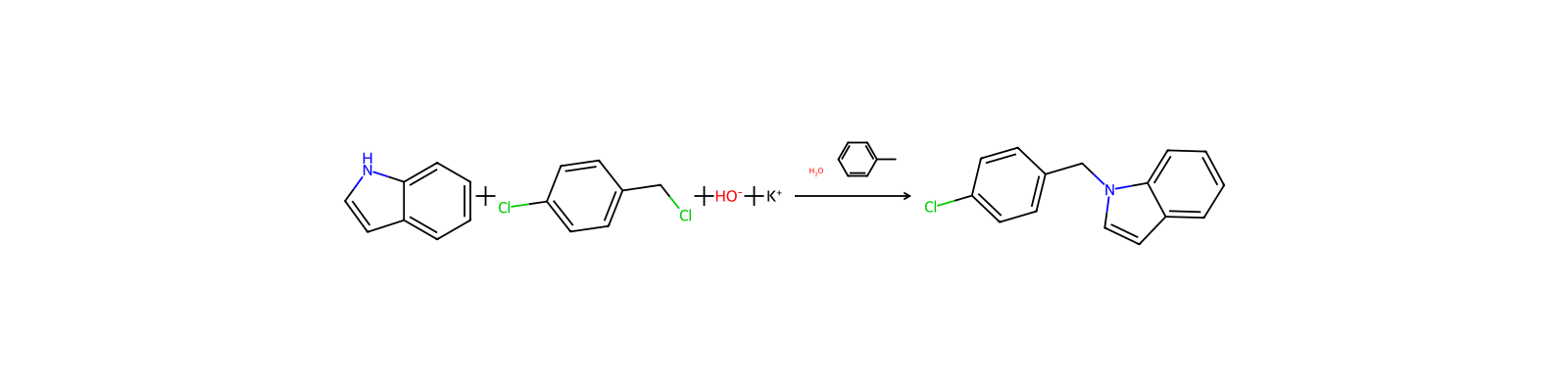
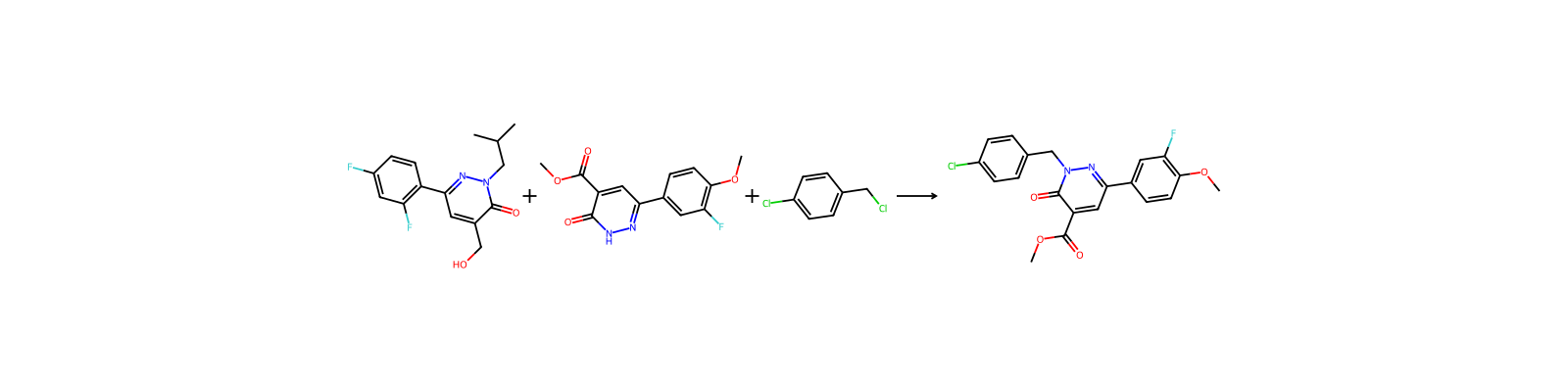
相关反应
573 条





关联笔记
加载中…