基本信息
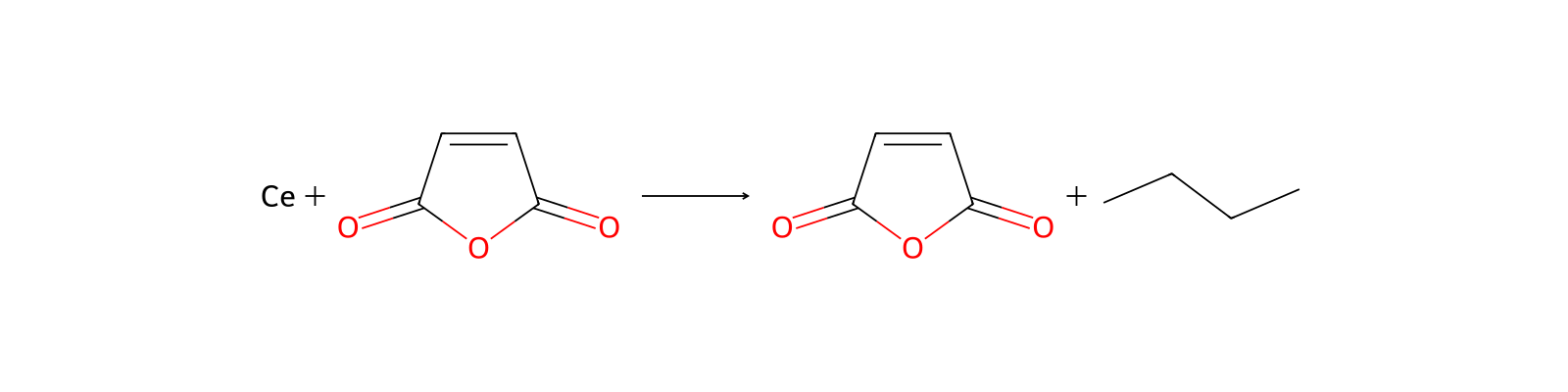
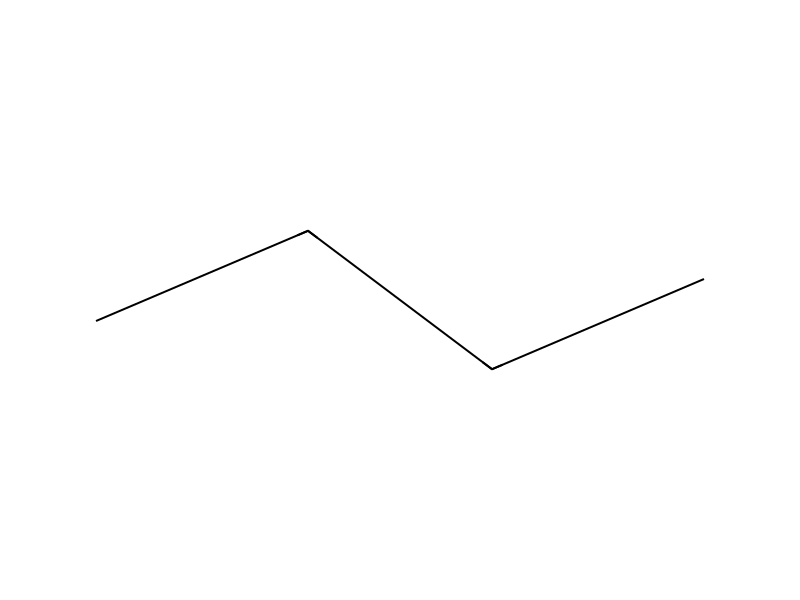
- 标准SMILES
CCCC- InChIKey
IJDNQMDRQITEOD-UHFFFAOYSA-N- 分子式
- C4H10
- 平均分子量
- 58.12 g/mol
- 单同位素质量
- 58.07825032
概述
Butane is a colorless gas with a faint petroleum-like odor. For transportation it may be stenched. It is shipped as a liquefied gas under its vapor pressure. Contact with the liquid can cause frostbite. It is easily ignited. Its vapors are heavier than air. Any leak can be either liquid or vapor. Under prolonged exposure to fire or intense heat the containers may rupture violently and rocket. It is used as a fuel, an aerosol propellant, in cigarette lighters, and to make other chemicals.
名称与标识
- 首选名称
- Butane
- IUPAC
- butane
- 中文名
- 正丁烷
- 英文名
- n-Butane
- 分子式
- C4H10
- 分子量
- 58.12
名称与别名
BUTANEn-Butane106-97-8DiethylMethylethylmethaneButanenButaniButyl hydrideHC 600A 21 (lowing agent)R 600n-Butan
展开更多名称
丁烷正丁烷高纯正丁烷正丁烷气体正丁烷 4N甲基乙基甲烷甲醇中正丁烷甲醇中的正丁烷标准溶液丁烷-R600(工业级)正丁烷(置于无阀气瓶中)r600BataneBUTANES1-Butanen-BataneNormal butanebutane(liquefiedgas)
6LV4FOR43RE943an-C4H10INS NO.943DTXSID7024665INS-943E-943R-600
数据库标识
- CAS
106-97-8- PubChem CID
- 7843
- DTXSID
DTXSID7024665- ChEMBL
CHEMBL134702- ChEBI
CHEBI:37808- UNII
- 6LV4FOR43R
- EC Number
- 203-448-7
- Nikkaji
- J4.041J
性质
结构计算性质
- XLogP
- 2.9
- 极性表面积
- 0 Ų
- 氢键供体
- 0
- 氢键受体
- 0
- 可旋转键
- 1
- 重原子
- 4
- 形式电荷
- 0
- 复杂度
- 2
实验与物化性质
Chemical Classes
Flammable agents - 4th degree
Volatile Organic Compound (VOC)
SolventsSolvents -> Aliphatics, Saturated (<C12)
Cosmetics
Cosmetics ingredient -> Other (Specify)
Cosmetic ingredients (Butane) -> CIR (Cosmetic Ingredient Review)
Cosmetic ingredients (n-Butane) -> CIR (Cosmetic Ingredient Review)
Propellant
SpringerMaterials PropertiesCoriolis coupling
LogP
log Kow = 2.89
2.89
2.74
OdorFaint, disagreeable odor
Food AdditivesPROPELLANT -> FDA Substance added to food
Density
0.6 at 32 °F (USCG, 1999) - Less dense than water; will float
0.573 g/cu cm at 25 °C (p>1 atm)
Liquid density (at saturation pressure; 15.6 °C), kg/cu m: 583.0 /from table/
Relative density (water = 1): 0.6
0.6 at 32 °F
0.599 @25 °C
Viscosity7.5 at 300 K; 9.9 at 400 K; 12.2 at 500 K; 14.5 at 600 K (all in uPa.s) (gas)
Color/FormColorless gas [Note: Shipped as a liquefied compressed gas. A liquid below 31 degrees F]
Solubility
61 mg/L at 68 °F (NTP, 1992)
In water, 61.2 mg/L at 25 °C
Very soluble in ethanol, ethyl ether, chloroform
Solubility in water, g/100ml at 20 °C: 0.0061
Slight
CorrosivityHas no corrosive action on metals
物理化学性质
- 熔点
- 138 °C · −138 °C(lit.)
- 沸点
- 0.5 °C · −0.5 °C(lit.)
- 密度
- 0.579 g/mL · 0.579 g/mL at 20 °C(lit.)
- 蒸气密度
- 2.11 · 2.11 (vs air)
- 蒸气压
- 3.21 · 3.21, 1.26, and 0.66 mM at 4, 25, and 50 °C, respectively (Kresheck et al., 1965)
- 折射率
- 1.3326 · 1.3326
- 闪点
- 45 · 45
- 溶解度
- 1 · Chloroform: Sparingly soluble: 1-10 mg/mlMethanol: Slightly soluble: 0.1-1 mg/ml
- 形态
- gas
- 气味 (Odor)
- faint disagreeable odor
- Flame Color
- Bright blue
- 嗅觉阈值(Odor Threshold)
- 1200 ppm · 1200ppm
- 水溶解性
- 73.24 mg/L · 73.24mg/L(25 ºC)
- 比热容
- 2.42 J/ · Cp(liquid): 2.42 J/(g·K), at 25℃
- Merck
- 1515 · 1515
- BRN
- 969129 · 969129
- Henry's Law Constant
- 3 · (atmm3/mol): 0.356 at 5 °C, 0.454 at 10 °C, 0.568 at 15 °C, 0.695 at 20 °C, 0.835 at 25 °C (Ben-Naim et al., 1973)
- 介电常数
- 1.4 · 1.4(-1℃)
- 暴露限值
- 800 ppm · TLV-TWA 800 ppm (~1920 mg/m3) (ACGIH), 500 ppm (1200 mg/m3) (MSHA).
- 稳定性
- Stable. Extremely flammable. Readily forms explosive mixtures with air. Note low flash point. Incompatible with strong oxidizing agents, strong acids, strong alkalies.
- 化妆品成分功效
- PROPELLANT
- 化妆品成分评估
- n-Butane (106-97-8)
- InChI
- 1S/C4H10/c1-3-4-2/h3-4H2,1-2H3
- InChIKey
- IJDNQMDRQITEOD-UHFFFAOYSA-N
- SMILES
- CCCC
- LogP
- 2.89 · 2.890
- CAS 数据库
- 106 · 106-97-8(CAS DataBase Reference)
- EPA化学物质信息
- Butane (106-97-8)
化学性质
无色可燃性气体。 不溶于水,易溶于乙醇、乙醚、氯仿及其他烃类。
安全与法规
GHS分类
GHS Classification
Danger
H220: Extremely flammable gas [Danger Flammable gases]
P203, P210, P222, P280, P377, P381, and P403 (click each P-code to see the statement)
Danger
H220: Extremely flammable gas [Danger Flammable gases]
P203, P210, P222, P280, P318, P377, P381, P403, P405, and P501 (click each P-code to see the statement)
危害信息
Regulatory Information
Chemical: Butane
Hazard Traits - Carcinogenicity; Genotoxicity
Butane is listed on the EPA's Chemical Data Reporting (CDR) system. Manufacturers and importers of Butane are required to report information about their production and use of this chemical to the EPA under the Toxic Substances Control Act (TSCA). (40 eCFR Part 711)
Status: Active Update: 02-03-2023 https://echa.europa.eu/registration-dossier/-/registered-dossier/15434
Butane: HSNO Approval: HSR000989 Approved with controls
The New Jersey Worker and Community Right to Know Act requires public and private employers to provide information about hazardous substances at their workplaces. (N.J.S.A. 34:5A-1 et. seq.)
Other Safety InformationIMAP assessments - Butane: Human health tier I assessment
DOT LabelFlammable Gas
Fire Hazards
Excerpt from ERG Guide 115 [Gases - Flammable (Including Refrigerated Liquids)]:
· EXTREMELY FLAMMABLE.
· EXTREMELY FLAMMABLE.
Extremely flammable. Gas/air mixtures are explosive.
Fire Potential
Highly flammable, dangerous fire ... risk.
Flammable in the presence of an oxidizing gas (eg air), a source of ignitino, and when the concentration of the gas is between the lower and upper explosive limits. Keep away from heat/sparks/open flame/hotsurface/oxidizing gas. No smoking.
Very dangerous fire hazard when exposed to heat, flame...
Health Hazards
High exposure produces drowsiness but no other evidence of systemic effect. (USCG, 1999)
· Vapors may cause dizziness or asphyxiation without warning, especially when in closed or confined areas.
· Vapors may cause dizziness or asphyxiation without warning, especially when in closed or confined areas.
Hazards Summary
Possible frostbite from contact with liquid; [NIOSH] TLV Basis is CNS impairment; Caused drowsiness in 6 men and 6 women after exposure to 1% (10,000 ppm) for 10 minutes; The median effective concentration (EC50) for producing cardiac sensitization in anesthetized dogs was 7% (70,000 ppm). No symptoms in 53 refinery workers exposed to 1 to 8 ppm for 11 years; Deaths in butane gas abusers were attributed to hypoxia and cardiac failure. [ACGIH: Butane, isomers] A chemical abused by inhaling (lighter fluid); may be abused by teenagers because it is cheap and available; Butane is in the list of Some volatile substances which may be abused by inhalation published on the web site of the U.N. International Drug Control Programme, indicating its potential to cause narcosis in workers. [Reference #1] In confined space spill, may displace air and act as simple asphyxiant; Inhalation of high concentrations may cause CNS effects; [ICSC]
DOT ID and Guide
1011 115
1075 115
1011 115
1075 115
FDA Requirements
Substance added directly to human food affirmed as generally recognized as safe (GRAS).
Butane used as a general purpose food additive in animal drugs, feeds, and related products is generally recognized as safe when used in accordance with good manufacturing or feeding practice.
Reactive GroupHydrocarbons, Aliphatic Saturated
EC ClassificationSymbol: F+; R: 12; S: (2)-9-16-33; Note: C
UN ClassificationUN Hazard Class: 2.1
安全与防护
Fire Fighting
Excerpt from ERG Guide 115 [Gases - Flammable (Including Refrigerated Liquids)]:
Shut off supply; if not possible and no risk to surroundings, let the fire burn itself out. In other cases extinguish with powder, carbon dioxide. In case of fire: keep cylinder cool by spraying with water. Combat fire from a sheltered position.
First Aid Measures
Fresh air, rest. Artificial respiration may be needed. Refer for medical attention.
ON FROSTBITE: rinse with plenty of water, do NOT remove clothes. Refer for medical attention .
First rinse with plenty of water for several minutes (remove contact lenses if easily possible), then refer for medical attention.
Accidental Release Measures
· CALL 911. Then call emergency response telephone number on shipping paper. If shipping paper not available or no answer, refer to appropriate telephone number listed on the inside back cover.
· ELIMINATE all ignition sources (no smoking, flares, sparks or flames) from immediate area.
· CALL 911. Then call emergency response telephone number on shipping paper. If shipping paper not available or no answer, refer to appropriate telephone number listed on the inside back cover.
· ELIMINATE all ignition sources (no smoking, flares, sparks or flames) from immediate area.
First Aid
EYES: First check the victim for contact lenses and remove if present. Flush victim's eyes with water or normal saline solution for 20 to 30 minutes while simultaneously calling a hospital or poison control center. Do not put any ointments, oils, or medication in the victim's eyes without specific instructions from a physician. If symptoms (such as redness or irritation) develop, immediately transport the victim to a hospital.
General First Aid:
General First Aid:
(General first aid procedures)
Safe StorageFireproof. Cool.
Firefighting HazardsOn loss of containment this substance can cause suffocation by lowering the oxygen content of the air in confined areas... Rapid evaporation of the liquied may cause frostbite. The substance may cause effects on the central nervous system.
Exposure Control and Personal Protection
· Wear positive pressure self-contained breathing apparatus (SCBA).
· Wear positive pressure self-contained breathing apparatus (SCBA).
1000.0 [ppm]
Fire Fighting Procedures
Use water spray, alcohol-resistant foam, dry chemical or carbon dioxide.
Use water spray to cool unopened containers.
Wear self contained breathing apparatus for fire fighting if necessary.
Storage Conditions
Butane in liquid form may be stored both above and below ground. Besides storage in liquefied form under its vapor pressure at normal atmospheric temperatures, refrigerated liquid storage at atmospheric pressure may be used. Such systems are closed and insulated, and the liquid petroleum gas vapor is circulated through pumps and compressors to serve as the refrigerant for the system. Butane may be stored in pits in the earth capped by metal domes and in underground chambers.
Storage temp: ambient; venting: safety relief.
Cleanup MethodsEvacuate danger area! Consult an expert! Personal protection: self-contained breathing apparatus. Ventilation. Remove all ignition sources. NEVER direct water jet on liquid.
Nonfire Spill ResponseExcerpt from ERG Guide 115 [Gases - Flammable (Including Refrigerated Liquids)]:
Disposal Methods
Burn in a chemical incinerator equipped with an afterburner and scrubber but exert extra care in igniting as this material is highly flammable. Offer surplus and non-recyclable solutions to a licensed disposal company. Contact a licensed professional waste disposal service to dispose of this material.
SRP: Wastewater from contaminant suppression, cleaning of protective clothing/equipment, or contaminated sites should be contained and evaluated for subject chemical or decomposition product concentrations. Concentrations shall be lower than applicable environmental discharge or disposal criteria. Alternatively, pretreatment and/or discharge to a permitted wastewater treatment facility is acceptable only after review by the governing authority and assurance that "pass through" violations will not occur. Due consideration shall be given to remediation worker exposure (inhalation, dermal and ingestion) as well as fate during treatment, transfer and disposal. If it is not practicable to manage the chemical in this fashion, it must be evaluated in accordance with EPA 40 CFR Part 261, specifically Subpart B, in order to determine the appropriate local, state and federal requirements for disposal.
毒理信息
Body Burden
n-Butane was detected in 6 of 12 samples of mothers breast milk from the cities of Bayonne NJ, Jersey City NJ, Bridgeville PA and Baton Rouge LA(1). According to the Total Exposure Assessment Methodology (TEAM) conducted in New Jersey, 2 of 12 personal breath samples contained n-butane(2). The background measurements utilized as a set of controls for air expired from humans contained n-butane in 8 of 20 samples collected over 18 mo(3). Butane was detected in human breath samples at concentrations between 1 to 10 ppb(4).
TreatmentTreatment for butane poisoning is supportive and symptomatic. Stimulants should not be administered. Recovery normally occurs quickly once exposure has ceased but support of the cardiovascular and respiratory systems may be needed. (L1284)
Interactions
... Mixing butane and isobutylene produced an additive ... /CNS depressant/ effect in 2 of 12 mice and a potentiating effect in the remaining 10 animals. In rats, the butane-isobutylene mixture showed a summation of effects in 9 of 12 animals and a potentiation of effects in the remaining animals.
... Exposure of dogs to 1-20% n-butane for ... 2 min to 2 hr hypersensitized the heart to ventricular fibrillation induced by epinephrine. /In a separate study/ ... exposure of dogs to concn of 15-90% for 10 min caused the heart to be sensitized to epinephrine-induced arrhythmias.
Target Organscentral nervous system
Health EffectsButane targets the central nervous system and cardiovascular system. Inhalation of butane can cause frostbite which can result in death from asphyxiation and ventricular fibrillation. (L1283, L1284)
Environmental Fate
TERRESTRIAL FATE: Based on a classification scheme(1), an estimated Koc value of 40(SRC), determined from a log Kow of 2.89(2) and a regression-derived equation(3), indicates that n-butane is expected to have high mobility in soil(SRC). Volatilization of n-butane from moist soil surfaces is expected to be an important fate process(SRC) given an estimated Henry's Law constant of 0.95 atm-cu m/mole(SRC), derived from its vapor pressure, 1820 mm Hg(4) and water solubility, 61.2 mg/L(5). The potential for volatilization of n-butane from dry soil surfaces may exist(SRC) based upon its vapor pressure(4). While volatilization from soil surfaces is expected to be the predominant fate process of n-butane released to soil, this compound is also susceptible to biodegradation(SRC). A biodegradation rate of 1.8 mg C/day/kg dry soil(6) suggests that biodegradation may be an important environmental fate process in soil(SRC).
AQUATIC FATE: Based on a classification scheme(1), an estimated Koc value of 40(SRC), determined from a log Kow of 2.89(2) and a regression-derived equation(3), indicates that n-butane is not expected to adsorb to suspended solids and sediment(SRC). Volatilization from water surfaces is expected(4) based upon an estimated Henry's Law constant of 0.95 atm-cu m/mole(SRC), derived from its vapor pressure, 1820 mm Hg(5) and water solubility, 61.2 mg/L(6). Using this Henry's Law constant and an estimation method(3), volatilization half-lives for a model river and model lake are 50 minutes and 3 days, respectively(SRC). According to a classification scheme(7), an estimated BCF of 40(SRC), from its log Kow(2) and a regression-derived equation(3), suggests the potential for bioconcentration in aquatic organisms is moderate(SRC). Photolysis(8) or hydrolysis(4) of n-butane in aquatic systems are not expected to be important environmental fate process in water(SRC). While volatilization from water surfaces is expected to be the predominant fate process in water, this compound is also susceptible to biodegradation(SRC). Complete biodegradation was reported in 34 days using an activated sludge inoculum(9), suggesting biodegradation may be an important environmental fate process in water(SRC).
ATMOSPHERIC FATE: According to a model of gas/particle partitioning of semivolatile organic compounds in the atmosphere(1), n-butane, which has a vapor pressure of 1820 mm Hg at 25 °C(2), is expected to exist solely as a gas in the ambient atmosphere. Gas-phase n-butane is degraded in the atmosphere by reaction with photochemically-produced hydroxyl radicals(SRC); the half-life for this reaction in air is estimated to be 6.3 days(SRC), calculated from its rate constant of 2.54X10⁻¹² cu cm/molecule-sec at 25 deg(3). Experimental data showed that 7.7% of the n-butane fraction in a dark chamber reacted with nitrogen oxide to form the corresponding alkyl nitrate(4,5), suggesting nighttime reactions with radical species and nitrogen oxides may contribute to the atmospheric transformation of n-butane(SRC). Based on data for iso-octane and n-hexane(6), n-butane is not expected to absorb UV light at wavelengths >290 nm and, therefore, is not expected to be susceptible to direct photolysis by sunlight(SRC).
Food Survey Values
Butane, not specified as n-butane, was detected in beef volatiles at an unreported concentration(1). n-Butane emission rates from hamburger meat charbroiling over a natural gas-fired grill was 107,000 ug/kg of meat cooked(2). Butane comprised of 14.4, 24.42, 10.25 and 6.23 ppbC% of nonmethane organic carbon emissions monitored in restaurants, tortillerias, rotisseries and near food frying operations in Mexico City, respectively(3).
Adverse EffectsNeurotoxin - Acute solvent syndrome
Exposure Routes
The substance can be absorbed into the body by inhalation.
inhalation, skin and/or eye contact (liquid)
Inhalation (L1283)
Milk Concentrationsn-Butane was detected in 6 of 12 samples of mothers breast milk from the cities of Bayonne NJ, Jersey City NJ, Bridgeville PA and Baton Rouge LA(1).
Toxicity Summary
Safe in the present practices of use and concentration. Ingredient, concentration, and use information are available in documents discoverable at https://cir-reports.cir-safety.org
n-Butane is a colorless, flammable gas at room temperature. It occurs as a component in natural gas from which it is refined. n-Butane is used as fuel, refrigerant and aerosol propellant. The acute toxicity of n-butane has been studied after inhalation exposure in experimental animals. LC50 (4h) was 658 mg/l in rats and LC50 (2h) was 680 mg/l in mice. In dogs, lethal concentrations ranged from 474 to 592 mg/l. A concentration of 308 mg/l caused light anesthesia in mice within 25 minutes, and an exposure to 521 mg/l had similar effect within one minute. n-Butane ... sensitiz/ed/ the myocardium to epinephrine-induced cardiac arrhythmias in dogs after inhalation. No reports on acute toxicity of n-butane in experimental animals by other administration routes were located in the available literature. In a 21-day inhalation toxicity study of a mixture of n-butane, isobutane, n-penta and isopentane, containing 25% of each, the absence of toxicity was evident up to 11.8 mg/l which was the highest concentration tested. The study was performed in Sprague-Dawley rats which were exposed 6 hours per day over three weeks for a total of 15 exposures. No long-term studies using pure n-butane were located in the available literature. No mutagenic activity was observed in several tests in Salmonella typhimurium strains TA 1535, TA 1537, TA 1538, TA 98 and TA 100 with or without the addition of an exogenous metabolism system. No studies on carcinogenicity, reproduction toxicity and teratogenicity, immunotoxicity or allergy were located in the available literature. Several reports on human exposure to n-butane were available. The increasing abuse of volatile substances, n-butane being among them, increases the risk of sudden death in connection to inhalation of the gas. The range of concentrations that may lead to "high" feelings or to death has been noted to be very narrow. The use of a oven cleaner containing n-butane as propellant has caused transient myoclonus in one patient. No other physical abnormalities were noted. An aerosol spray which contained n-butane as propellant, was reported to cause deep frostbite symptoms ir the skin when sprayed directly on it. Because of the anesthetic effect of n-butane, truck drivers and terminal operators from different loading facilities and service stations were examined for exposure gasoline vapours containing 90 to 92 percent n-butane, isobutane, n-pentane and isopentane. Exposures to the gasoline vapor were substantially lower than the established ACGIH threshold values (300 ppm or 0.89 mg/l for gasoline, and 800 ppm or 1.9 mg/l for n-butane). Occupational exposure of 53 male refinery workers for an average of 11 years to n-butane (concentration varied from 0.0004 mg/l to 0.0178 mg/l) did not cause any clinical symptoms in the workers. ... In conclusion, exposure to low concentrations of n-butane has not been reported to cause adverse effects in humans. It is anesthetic to both humans and experimental animals. Sudden death may occur when n-butane is inhaled at high concentrations. The safety margin between anesthetic and lethal concentrations appears to be very narrow. Chronic exposure to n-butane has been reported to cause some symptoms in the central nervous system. Critical effects might be lethality when inhaled in high doses, and effects on the central nervous system in chronically exposed individuals.
Butane is a simple asphyxiant and causes toxicity by displacing oxygen. It also affects the central nervous system by enhancing glycine receptors and inhibiting N-methyl-d-aspartate (NMDA) receptors. (L1284, A352)
Average Daily Intake
According to the National Ambient Volatile Organic Compounds (VOCs) Database, the median urban atmospheric concn of n-butane is 9.174 ppbV for 546 samples(1). Based upon this figure and the value for average daily inhalation by a human adult of 20 cu m of air, the average daily intake of n-butane via air is 183 mg.
法规信息
FDA Requirements
Substance added directly to human food affirmed as generally recognized as safe (GRAS).
Butane used as a general purpose food additive in animal drugs, feeds, and related products is generally recognized as safe when used in accordance with good manufacturing or feeding practice.
FIFRA Requirements
Residues of butane are exempted from the requirement of a tolerance when used in accordance with good agricultural practice as inert (or occasionally active) ingredients in pesticide formulations applied to growing crops or to raw agricultural commodities after harvest. Use: Propellant.
Residues of butane are exempted from the requirement of a tolerance when used in accordance with good agricultural practice as inert (or occasionally active) ingredients in pesticide formulations applied to animals. Use: propellant.
DHS Chemicals of Interest (COI)
Butane
1
10000
Flammable chemical that can be released at a facility.
安全数据
- F
- 4.5-31
- wgk
- -
- tsca
- TSCA listed
- 毒性
- LC50 (inhalation) for mice 680 gm/m3/2-h, rats 658 gm/m3/4-h (quoted, RTECS, 1985).
- RTECS号
- EJ4200000
- hazard_note
- Extremely Flammable
- 危险等级
- 2.1
- 存储类别
- 2A - Gases
- 安全说明
- 9-16-45-53
- 海关编码
- 2901100000
- 危险品标志
- F+,F,T
- 危险性类别
- Flam. Gas 1Press. Gas Liquefied gas
- 危险类别码
- 12-46-45
- DOT Classification
- 2.1 (Flammable gas)
- 毒害物质数据
- 106-97-8(Hazardous Substances Data)
- 职业暴露等级
- A
- 职业暴露限值
- TWA: 800 ppm (1900 mg/m3)
- 危险品运输编号
- UN 1011
- 立即威胁生命和健康浓度
- 1,600 ppm (>10% LEL)
毒性防护
毒性GRAS(FDA,§184. 1165,2000)。ADI未作规定(FAO/WHO,2001)。LC50 658g/m3 (大鼠,4h,吸入); LC 680g/m。(小鼠,2h,吸人)。
急性毒性吸入-大鼠LC50:658000毫克/立方米/4小时; 吸入-小鼠LC50:680000毫克/立方米/2小时
职业标准TWA 1900毫克/立方米; STEL 2350毫克/立方米
包装储运
爆炸物危险特性与空气混合明火、受热可爆
可燃性危险特性明火、受热可燃; 燃烧产生刺激烟雾
储运特性库房通风低温干燥; 轻装轻卸; 与氧气、空气等助燃气体钢瓶分开存放
灭火剂雾状水、二氧化碳、四氯化碳、二氧化碳
化学与工业
药理信息
Mechanism of Action
...Not infrequently intentional butane inhalation results in high morbidity and mortality. A fatal outcome of butane abuse can be caused by asphyxia, cardiac arrhythmia or trauma. The reported number of cases in which death was the consequence of pure butane inhalation is limited, and in most cases a mixture of propellants was involved. This report covers two cases of sudden death due to the sniffing of a cigarette lighter refill containing butane. Autopsy was followed by toxicological, pathohistological and immunohistochemical analysis. Butane gas was confirmed in samples of blood, urine, brain and lungs... Histology showed almost identical changes in the lungs and heart in both cases. The morphology of heart damage on standard H/E stains was of special interest because it displayed all the characteristics of chronic and acute myocardial hypoxia found in the absence of atherosclerotic heart disease. In order to confirm early cardiac death caused by asphyxia due to butane inhalation a panel of immunohistochemical agents was used...
Biological Half-Life
Based on kinetic studies ... with ethane and n-pentane, the elimination half-life of n-butane can be expected to be closer to that of n-pentane (half life= 0.13 hr, at nonsaturating concn).
Its elimination half-life is 0.13 hr at nonsaturating concns.
Metabolism/Metabolites
A study was conducted to establish whether volatile hydrocarbons, such as propane, n-butane and iso-butane, are metabolized in mice or not. In mice having inhaled these gases, isopropanol and acetone were yielded from propane, sec-butanol and methyl ethyl ketone from n-butane, and tert-butanol from iso-butane as the respective metabolites. In addition, liver microsomes were found to contain the enzymic system participating in these metabolisms. In vitro reactions with liver microsomes produced isopropanol from propane, sec-butanol from n-butane, and tert-butanol from iso-butane. It was assumed that hydrocarbons were first converted to (omega-1)-alcohols by microsomal enzyme system and then to corresponding ketones by alcohol dehydrogenase.
Microsomal enzyme systems have been found that oxidize butane to its parent alcohol.
Hydroxylation of butane ... /occurs/ in rat liver microsomes to yield 2-butanol as the major metabolite. n-Butane is the lowest molecular weight alkane ... demonstrated to substrate-bind with cytochrome p450. ... If 2-butanol is the major metabolite formed in mammals, it would be expected to be eliminated in expired air. ... 2-Butanol may also be conjugated with glucuronic acid or be oxidized to methyl ethyl ketone which in turn is expired.
Purified liquefied petroleum gas (LPG), a mixture of butane, isobutane, and propane, is commonly abused by inhalation. Little is known about the mammalian metabolism of these substances. Metabolism of other hydrocarbons, including n-hexane and cyclohexane, has been studied in vitro using a range of liver preparations, with metabolites analyzed by static headspace techniques... Cyclohexanol and cyclohexanone were formed from cyclohexane and 1-, 2-, and 3-hexanol and 2-hexanone from n-hexane as predicted. Secondary alcohols are found for the other compounds studied, except for propene and isobutane, together with 2-propanone and 2-butanone from propane and n-butane, respectively. Samples from three individuals who died following LPG abuse contained a range of putative n-butane metabolites: n-butanol, 2-butanol, 2,3-butanediol, 3-hydroxy-2-butanone, and 2,3-butanedione. To /the authors/ knowledge, the last three compounds have not been proposed as metabolites of n-butane in man. These might be produced through similar metabolic pathways to those of n-hexane and n-heptane...
Absorption, Distribution and Excretion
Inhalation studies ... in which rats and mice were exposed to lethal concn (27.8-29%) revealed that n-butane is absorbed and distributed to various tissues. After 4 hr of respiratory exposure, surviving rats were sacrificed ... concn of butane were ... highest in perinephric fat (2086 ppm), then brain (750 ppm), spleen (522 ppm), liver (492 ppm), and kidney (441 ppm). In mice exposed to 2 hr of butane vapors, the brain levels of n-butane were found to be 779 ppm. In both rats and mice the brain levels of n-butane correlated with the degree of CNS depression ... Dermal absorption of n-butane vapors has not been reported. However, dermal penetration of butane would not be expected to occur to any large extent since skin contact is transient because of volatility.
Because of its volatile nature, elimination of butane by exhalation can be anticipated.
用途与制造
Uses
CIR ingredient: Butane
CIR ingredient: n-Butane
Used as an aerosol propellant, fuel, and chemical intermediate; present in natural gas and liquefied petroleum gas (LPG); [ACGIH]
Petroleum Production and Refining [Category: Industry]
As producer gas; raw material for motor fuels, in the manufacture of synthetic rubbers.
Organic synthesis, raw material for synthetic rubber and high-octane liquid fuels, fuel for household and many industrial purposes; manufacture of ethylene; solvent; refrigerant; standby and enricher gas; propellant in aerosols; pure grades used in calibrating instruments; food additive.
U.S. Exports
(1972) 7.7X10+10 G
(1975) 4.23X10+11 G
(1984) 3.27X10+8 g
(1987) 8.25X10+4 bbl
(1988) 5.01X10+4 bbl
U.S. Imports
(1972) 1.48X10+12 G
(1975) 1.69X10+12 G (INCL PROPANE MIXTS)
(1984) 5.17X10+9 g
(1986) 3.87X10+7 bbl
U.S. Production
2023: 90,000,000,000 - <95,000,000,000 lb
(1975) 3.24-3.84X10+13 G
(1984) 1.08X10+12 g
(1987) 2.03X10+9 lb
Butane is listed as a High Production Volume (HPV) chemical (65FR81686). Chemicals listed as HPV were produced in or imported into the U.S. in >1 million pounds in 1990 and/or 1994. The HPV list is based on the 1990 Inventory Update Rule. (IUR) (40 CFR part 710 subpart B; 51FR21438).
For more U.S. Production (Complete) data for n-Butane (8 total), please visit the HSDB record page.
Consumption PatternsAbout 90% as a gasoline blending additive; about 4% as a chem int for butadiene; about 3% as a chem int for ethylene; about 3% as a chem int for acetic acid & its by-products & for maleic anhydride (1975)
Consumer UsesIntermediate
Industry UsesFuels and fuel additives
Methods of Manufacturing
Butanes are naturally occurring alkane hydrocarbons that are produced primarily in association with natural gas processing and certain refinery operations such as catalytic cracking and catalytic reforming. The term butanes includes the two structural isomers, n-butane [106-97-8], CH3CH2CH2CH3, and isobutane [75-28-5], (CH3)2CHCH3 (2-methylpropane).
Butanes are recovered from raw natural gas and from petroleum refinery streams that result from catalytic cracking, catalytic reforming, and other refinery operations. The most common separation techniques are based on a vapor-liquid, two-phase system by which liquid butane is recovered from the feed gas. /Butanes/
Prepared from C2H5I /ethyl iodide/ and sodium amalgam.
/n-Butane is/ ... obtained from natural gas by fractionation following absorption in oil, adsorption to surface-active agents, or refrigeration.
Recovered from LPG /liquefied petroleum gas/ by distillation.
Formulations/Preparations
Grades: Research, 99.99 mole %; pure 99 mole %; technical 95 mole %, also available in various mixtures with isobutane, propane, pentanes, etc.
Propane is the principal ingredient of bottled gas particularly in northern states, whereas butane with its considerably higher boiling and freezing points is more widely used in warmer southern states. Mixtures of the two are also common.
Household Products
Cosmetics product ingredient: Butane (containing greater than or equal to 0,1 % butadiene (203-450-8))
Information on 1 consumer products that contain n-butane in the following categories is provided:
Information on 1784 consumer products that contain Butane in the following categories is provided:
Use Classification
Food additives
Food Additives -> PROPELLANT -> JECFA Functional Classes
Cosmetics -> Propellant
General Manufacturing Information
Agriculture, Forestry, Fishing and Hunting
Butane: ACTIVE
应用领域
用途可以脱氢制丁二烯,氧化制乙酸、顺丁烯二酸酐,也可与硫起气相反应生成噻吩等
用途主要用作石化企业分析检测仪器的标准气
用途正丁烷除直接用作燃料外,还用作溶剂、致冷剂和有机合成原料。丁烷在催化剂存在下脱氢生成丁烯或丁二烯,在硫酸或无水氢氟酸存在下异构成为异丁烷,异丁烷催化脱氢生成异丁烯,异丁烷可作为烃化剂与烯烃反应生成抗爆性能好的支链烃。丁烷经催化氧化可制顺丁烯二酸酐、乙酸、乙醛等;经卤化可制卤代丁烷;经硝化可得硝基丁烷;在高温下催化可制取二硫化碳;经水蒸气转化可制取氢气。此外,丁烷还可做马达燃料掺和物以控制挥发成分;也可做重油精制脱沥青剂;油井中蜡沉淀剂;用于二次石油回收的流溢剂,树脂发泡剂,海水转化为新鲜水的致冷剂,以及烯烃剂格勒聚合溶剂等。
制备方法
生产方法油田气、湿天然气和裂化气中都含有正丁烷,经分离而得。(1)从油田气和湿天然气分离 将其加压冷凝分离,可得含丙烷、丁烷的液化石油气,再用蒸馏法分离得到丁烷。(2)从石油裂解的C4馏份分离 由炼厂常温减压蒸馏所得气体,经重整、催化裂化、焦化、热裂化、加氢裂化所得液体气都可得到大量C4馏分,由重整、加氢裂化和常减压蒸馏所得C4馏分主要为丁烷(正丁烷和异丁烷)。乙烯装置副产的C4馏分中也含丁烷,例如石脑油中等深度裂解产物中丁烷的收率为0.19 %(重量),占C4馏分的6.5%。由催化裂化装置来的尾气,经分馏,分离出C3馏分、异丁烯和C5馏分以后,从塔底送入前乙腈萃取蒸馏塔,由塔顶得到90%以上的正丁烷。
上下游产品信息
上游原料
下游产品
供应商50 家
北京华美互利生物化工010-56205725 · [email protected]
南通润丰石油化工有限公司66017690 19952660367 · [email protected]
安徽旺山旺水特种气体有限公司15906197626 · [email protected]
江西核研院新材料有限公司18901398682 18901398682 · [email protected]
茂名市雄大化工有限公司18607606943 13929797612
湖南省华中特种气体有限公司0734-8755555 15674722888 · [email protected]
上海迈瑞尔生化科技有限公司4006356688 18621169109 · [email protected]
江苏普乐司生物科技有限公司0513-66017706 18551496367 · [email protected]
尚澜气体(上海)有限公司4001882517 13323475516 · [email protected]
上海嘉斯保气体有限公司13218776790 13218776790 · [email protected]
济南市万理气体有限公司13245484555 · [email protected]
时美拓特种气体(上海)有限公司15757158480 · [email protected]
淄博桓明新材料有限公司15264351707 15264351707 · [email protected]
艾科试剂4008-755-333 18080918076 · [email protected]
TOKYO CHEMICAL INDUSTRY CO., LTD.03-36680489 · [email protected]
PT CHEM GROUP LIMITED+86-85511178; +86-85511178 · [email protected]
成都零六生物科技有限公司400-1166-196 13458535857 · [email protected]
成都润泽本土化工有限公司13096311329 028-88469284 616445927 · [email protected]
池州凯隆进出口贸易有限公司[email protected]
Sigma-Aldrich西格玛奥德里奇(上海)贸易有限公司021-61415566 800-8193336 · [email protected]
昆山中莱特贸易有限公司0512-55170668 13913095008;13770601296 · [email protected]
上海辰楚化学有限公司13651748127
江苏奥维新材料科技有限公司13335217656; 13335217656
茂图气体设备(上海)有限公司17301833415 · [email protected]
陕西缔都医药化工有限公司+86-29-81139210 +86-17392587031 · [email protected]
舟山广兴化学有限公司15698059122 15698059122 · [email protected]
武汉易司拓普科技有限公司18086015167 17702779303 · [email protected]
山东西亚化学有限公司4009903999 13395398332 · [email protected]
上海众巍化学有限公司18824865657 · [email protected]
奥博瑞(天津)科技有限公司022-65675308 18310521067 · [email protected]
成都康巴斯生物科技有限公司18582381569 · [email protected]
河南天孚化工有限公司+86-0371-55170693 +86-19937530512 · [email protected]
厦门盈融达化工有限公司+86-0592-6210733 · [email protected]
career henan chemical co+86-0371-86658258 · [email protected]
海蔚化学86-21-51086038 · [email protected]
ANHUI WITOP BIOTECH CO., LTD+8618071025641 · [email protected]
XIAMEN AMITY INDUSTRY AND TRADE CO., LTD.+8618950047208 · [email protected]
广州市粤佳气体有限公司400-6377517 19876107228 · [email protected]
SHANGHAI KEAN TECHNOLOGY CO., LTD.+8613817748580 · [email protected]
武汉吉鑫益邦生物科技有限公司59768661 13297943853 · [email protected]
佛山市智程气体有限公司18098161577 · [email protected]
上海宝杨宝欣生物科技有限公司021-56698539 19921169802 · [email protected]
上海安谱实验科技股份有限公司18502138905 · [email protected]
江苏润丰合成科技有限公司0513-66017678 18551497631 · [email protected]
山东宏洋化学有限公司13153556338 15588356897 · [email protected]
Hefei TNJ Chemical Industry Co.,Ltd.+86-0551-65418671 +86-189 4982 3763 · [email protected]
江苏雷恩环保科技有限公司66814573 16651336298 · [email protected]
陕西缔都化学有限公司17691182729 17392216275 · [email protected]
亚索试剂400-873-6778 18660992876 · [email protected]
上海国缘化工有限公司0512-55170668; 13913095008 · [email protected]
相关反应
77 条





关联笔记
加载中…