
基本信息
- 标准SMILES
CC(C)NC(C)C- InChIKey
UAOMVDZJSHZZME-UHFFFAOYSA-N- 分子式
- C6H15N
- 平均分子量
- 101.19 g/mol
- 单同位素质量
- 101.12044948
名称与标识
- 首选名称
- Diisopropylamine
- IUPAC
- N-propan-2-ylpropan-2-amine
- 英文名
- Diisopropylamine
- 分子式
- C6H15N
- 分子量
- 101.19
名称与别名
DIISOPROPYLAMINE108-18-9N,N-DiisopropylamineN-(1-Methylethyl)-2-propanamine2-Propanamine, N-(1-methylethyl)-DTXSID9025085BR9JLI40NONSC-6758DTXCID905085RefChem:5756203-558-5N-isopropylpropan-2-amine
展开更多名称
diisopropyl amineN-propan-2-ylpropan-2-amineBis(Propan-2-Yl)Aminebis(isopropyl)amineN-Isopropyl-1-amino-2-methylethaneNSC 6758MFCD00008862N-(propan-2-yl)propan-2-amine
数据库标识
- CAS
108-18-9- PubChem CID
- 7912
- DTXSID
DTXSID9025085- ChEMBL
CHEMBL1450356- UNII
- BR9JLI40NO
- EC Number
- 203-558-5
- Nikkaji
- J1.496F
性质
结构计算性质
- XLogP
- 1.4
- 极性表面积
- 12 Ų
- 氢键供体
- 1
- 氢键受体
- 1
- 可旋转键
- 2
- 重原子
- 7
- 形式电荷
- 0
- 复杂度
- 33
实验与物化性质
pHStrongly alkaline
LogP
log Kow= 1.4
1.64
Odor... Ammonia or fish-like odor.
Density
0.717 at 68 °F (USCG, 1999) - Less dense than water; will float
0.7169 @ 20 °C/4 °C
Relative density (water = 1): 0.72
0.72
0.715 @ 20°C
0.72
Viscosity0.40 cP @ 25 °C
Color/FormColorless liquid ...
Solubility
Slightly soluble (NTP, 1992)
Very soluble in acetone, benzene, ether, and ethanol.
In water, 1.1X10+5 mg/l @ 25 °C
Solubility in water, g/l: 10 (slightly soluble)
Miscible
CorrosivityMAY ATTACK SOME FORMS OF PLASTIC
Flash Point
30 °F (NTP, 1992)
-1 °C
30 °F (-1 °C)(OPEN CUP)
-6 °C o.c.
20 °F
20 °F
Boiling Point
183 °F at 760 mmHg (NTP, 1992)
84 °C @ 760 mm Hg
84 °C
183 °F
183 °F
DecompositionWhen heated to decomposition it emits toxic fumes of nitroxides.
Melting Point
-78 °F (NTP, 1992)
-61 °C
-61 °C
-78 °F
-61 °C
-141 °F
物理化学性质
- 熔点
- -61 °C · -61 °C
- 沸点
- 84 °C · 84 °C
- 密度
- 0.7169 g/cm3 · 0.7169 g/cm3
- 酸度系数(pKa)
- 10.76 · 10.76±0.29(Predicted)
安全与法规
GHS分类
GHS Classification
Danger
H225: Highly Flammable liquid and vapor [Danger Flammable liquids];H302: Harmful if swallowed [Warning Acute toxicity, oral];H314: Causes severe skin burns and eye damage [Danger Skin corrosion/irritation];H332: Harmful if inhaled [Warning Acute toxicity, inhalation]
P210, P233, P240, P241, P242, P243, P260, P261, P264, P270, P271, P280, P301+P317, P301+P330+P331, P302+P361+P354, P303+P361+P353, P304+P340, P305+P354+P338, P316, P317, P321, P330, P363, P370+P378, P403+P235, P405, and P501 (click each P-code to see the statement)
Danger
危害信息
Regulatory Information
Chemical: 2-Propanamine, N-(1-methylethyl)-
2-Propanamine, N-(1-methylethyl)- is listed on the EPA's Chemical Data Reporting (CDR) system. Manufacturers and importers of 2-Propanamine, N-(1-methylethyl)- are required to report information about their production and use of this chemical to the EPA under the Toxic Substances Control Act (TSCA). (40 eCFR Part 711)
Status: Active Update: 30-08-2022 https://echa.europa.eu/registration-dossier/-/registered-dossier/13145;Status: Active Update: 18-08-2022 https://echa.europa.eu/registration-dossier/-/registered-dossier/33964
2-Propanamine, N-(1-methylethyl)-: HSNO Approval: HSR001132 Approved with controls
The New Jersey Worker and Community Right to Know Act requires public and private employers to provide information about hazardous substances at their workplaces. (N.J.S.A. 34:5A-1 et. seq.)
DOT LabelFlammable Liquid Corrosive
Fire Hazards
Special Hazards of Combustion Products: Toxic oxides of nitrogen may form in fires.;Behavior in Fire: Vapor is heavier than air and may travel to a source of ignition and flash back. (USCG, 1999)
· Flammable/combustible material.;· May be ignited by heat, sparks or flames.;· Vapors may form explosive mixtures with air.;· Vapors may travel to source of ignition and flash back.;· Most vapors are heavier than air. They will spread along the ground and collect in low or confined areas (sewers, basements, tanks, etc.).;· Vapor explosion hazard indoors, outdoors or in sewers.;· Those substances designated with a (P) may polymerize explosively when heated or involved in a fire.;· Runoff to sewer may create fire or explosion hazard.;· Containers may explode when heated.;· Many liquids will float on water.
Highly flammable. Gives off irritating or toxic fumes (or gases) in a fire. Vapour/air mixtures are explosive. Risk of fire and explosion on contact with strong oxidizing agents.
Fire PotentialFlammable; severe fire hazard
Health Hazards
Inhalation of vapors causes irritation, sometimes with nausea and vomiting; can also cause burns to the respiratory system. Ingestion causes irritation of mouth and stomach. Vapor irritates eyes; liquid causes severe burn, like caustic. Contact with skin causes irritation. (USCG, 1999)
· May cause toxic effects if inhaled or ingested.;· Contact with substance may cause severe burns to skin and eyes.;· Fire will produce irritating, corrosive and/or toxic gases.;· Vapors may cause dizziness or asphyxiation, especially when in closed or confined areas.;· Runoff from fire control or dilution water may cause environmental contamination.
Hazards Summary
Liquid causes first degree burns on short exposure; [CHRIS] Corrosive to skin; [Quick CPC] Diisopropylamine is a severe pulmonary irritant in acute and chronic animal studies. At concentrations of 25 to 50 ppm, workers have experienced transient corneal injury, nausea, and headache. [ACGIH] A corrosive substance that causes lacrimation and may cause lung edema after inhalation of high concentrations; [ICSC]
DOT ID and Guide
1158 132
1158 132
Reactive GroupAmines, Phosphines, and Pyridines
UN ClassificationUN Hazard Class: 3; UN Subsidiary Risks: 8; UN Pack Group: II
Reactivity AlertsHighly Flammable
OSHA StandardsPermissible Exposure Limit: Table Z-1 8-hr Time-Weighted Avg: 5 ppm (20 mg/cu m). Skin Designation.
Reactivity Profile
DIISOPROPYLAMINE can react violently with oxidizing agents and strong acids. Readily eutralizes acids in exothermic reactions to form salts plus water. May be incompatible with isocyanates, halogenated organics, peroxides, phenols (acidic), epoxides, anhydrides, and acid halides. Flammable gaseous hydrogen may be generated in combination with strong reducing agents, such as hydrides.
安全与防护
Fire Fighting
Excerpt from ERG Guide 132 [Flammable Liquids - Corrosive]:;Some of these materials may react violently with water.;SMALL FIRE: Dry chemical, CO2, water spray or alcohol-resistant foam.;LARGE FIRE: Water spray, fog or alcohol-resistant foam. If it can be done safely, move undamaged containers away from the area around the fire. Dike runoff from fire control for later disposal. Do not get water inside containers.;FIRE INVOLVING TANKS, RAIL TANK CARS OR HIGHWAY TANKS: Fight fire from maximum distance or use unmanned master stream devices or monitor nozzles. Cool containers with flooding quantities of water until well after fire is out. Withdraw immediately in case of rising sound from venting safety devices or discoloration of tank. ALWAYS stay away from tanks in direct contact with flames. For massive fire, use unmanned master stream devices or monitor nozzles; if this is impossible, withdraw from area and let fire burn. (ERG, 2024)
Use alcohol-resistant foam, water, powder, carbon dioxide. In case of fire: keep drums, etc., cool by spraying with water.
First Aid Measures
Fresh air, rest. Half-upright position. Artificial respiration may be needed. Refer immediately for medical attention.
Wear protective gloves when administering first aid. Remove contaminated clothes. Rinse skin with plenty of water or shower for at least 15 minutes. Refer immediately for medical attention.
Rinse with plenty of water for several minutes (remove contact lenses if easily possible). Refer immediately for medical attention.
Rinse mouth. Give nothing to drink. Do NOT induce vomiting. Refer immediately for medical attention.
Accidental Release Measures
· CALL 911. Then call emergency response telephone number on shipping paper. If shipping paper not available or no answer, refer to appropriate telephone number listed on the inside back cover.;· Keep unauthorized personnel away.;· Stay upwind, uphill and/or upstream.;· Ventilate closed spaces before entering, but only if properly trained and equipped.
· ELIMINATE all ignition sources (no smoking, flares, sparks or flames) from immediate area.;· All equipment used when handling the product must be grounded.;· Do not touch or walk through spilled material.;· Stop leak if you can do it without risk.;· Prevent entry into waterways, sewers, basements or confined areas.;· A vapor-suppressing foam may be used to reduce vapors.;· Absorb with earth, sand or other non-combustible material.;· For hydrazine, absorb with DRY sand or inert absorbent (vermiculite or absorbent pads).;· Use clean, non-sparking tools to collect absorbed material.;Large Spill;· Dike far ahead of liquid spill for later disposal.;· Water spray may reduce vapor, but may not prevent ignition in closed spaces.
First Aid
EYES: First check the victim for contact lenses and remove if present. Flush victim's eyes with water or normal saline solution for 20 to 30 minutes while simultaneously calling a hospital or poison control center. Do not put any ointments, oils, or medication in the victim's eyes without specific instructions from a physician. IMMEDIATELY transport the victim after flushing eyes to a hospital even if no symptoms (such as redness or irritation) develop.;SKIN: IMMEDIATELY flood affected skin with water while removing and isolating all contaminated clothing. Gently wash all affected skin areas thoroughly with soap and water. If symptoms such as redness or irritation develop, IMMEDIATELY call a physician and be prepared to transport the victim to a hospital for treatment.;INHALATION: IMMEDIATELY leave the contaminated area; take deep breaths of fresh air. If symptoms (such as wheezing, coughing, shortness of breath, or burning in the mouth, throat, or chest) develop, call a physician and be prepared to transport the victim to a hospital. Provide proper respiratory protection to rescuers entering an unknown atmosphere. Whenever possible, Self-Contained Breathing Apparatus (SCBA) should be used; if not available, use a level of protection greater than or equal to that advised under Protective Clothing.;INGESTION: DO NOT INDUCE VOMITING. Volatile chemicals have a high risk of being aspirated into the victim's lungs during vomiting which increases the medical problems. If the victim is conscious and not convulsing, give 1 or 2 glasses of water to dilute the chemical and IMMEDIATELY call a hospital or poison control center. IMMEDIATELY transport the victim to a hospital. If the victim is convulsing or unconscious, do not give anything by mouth, ensure that the victim's airway is open and lay the victim on his/her side with the head lower than the body. DO NOT INDUCE VOMITING. IMMEDIATELY transport the victim to a hospital. (NTP, 1992)
General First Aid:;· Call 911 or emergency medical service.;· Ensure that medical personnel are aware of the material(s) involved, take precautions to protect themselves and avoid contamination.;· Move victim to fresh air if it can be done safely.;· Administer oxygen if breathing is difficult.;· If victim is not breathing:;-- DO NOT perform mouth-to-mouth resuscitation; the victim may have ingested or inhaled the substance.;-- If equipped and pulse detected, wash face and mouth, then give artificial respiration using a proper respiratory medical device (bag-valve mask, pocket mask equipped with a one-way valve or other device).;-- If no pulse detected or no respiratory medical device available, provide continuous compressions. Conduct a pulse check every two minutes or monitor for any signs of spontaneous respirations.;· Remove and isolate contaminated clothing and shoes.;· For minor skin contact, avoid spreading material on unaffected skin.;· In case of contact with substance, remove immediately by flushing skin or eyes with running water for at least 20 minutes.;· For severe burns, immediate medical attention is required.;· Effects of exposure (inhalation, ingestion, or skin contact) to substance may be delayed.;· Keep victim calm and warm.;· Keep victim under observation.;· For further assistance, contact your local Poison Control Center.;· Note: Basic Life Support (BLS) and Advanced Life Support (ALS) should be done by trained professionals.;Specific First Aid:;· For corrosives, in case of contact, immediately flush skin or eyes with running water for at least 30 minutes. Additional flushing may be required.
(General first aid procedures);Eye: Irrigate immediately - If this chemical contacts the eyes, immediately wash (irrigate) the eyes with large amounts of water, occasionally lifting the lower and upper lids. Get medical attention immediately.;Skin: Water wash immediately - If this chemical contacts the skin, immediately wash the contaminated skin with water. If this chemical penetrates the clothing, immediately remove the clothing and wash the skin with water. If symptoms occur after washing, get medical attention immediately.;Breathing: Respiratory support;Swallow: Medical attention immediately - If this chemical has been swallowed, get medical attention immediately.
Safe StorageFireproof. Separated from strong oxidants, strong acids and food and feedstuffs. Store only in original container. Store in an area without drain or sewer access.
Firefighting HazardsVapors are heavier than air and may travel to a source of ignition and flash back.
Exposure Control and Personal Protection
· Wear positive pressure self-contained breathing apparatus (SCBA).;· Wear chemical protective clothing that is specifically recommended by the manufacturer when there is NO RISK OF FIRE.;· Structural firefighters' protective clothing provides thermal protection but only limited chemical protection.
Fire Fighting Procedures
Use dry chemical, "alcohol resistant" foam, carbon dioxide, or water spray. Water may be ineffective. Use water spray to keep fire-exposed containers cool. Approach fire from upwind to avoid hazardous vapors and toxic decomposition products.
Use dry chemical, alcohol foam or carbon dioxide fire fighting agents. Water may be ineffective, but effective to keep fire-exposed containers cool, to disperse the vapors, to flush spills away from exposures, to dilute spills to nonflammable mixtures and thus to prevent the spread of fires. Wear complete protective clothing.
Storage Conditions
Store in a cool, dry, well-ventilated location. Separate from acids; oxidizing material, plastics.
Protect containers against physical damage. Keep containers well closed. In factories, store in standard combustible liquid storage rooms or cabinets.
Cleanup Methods
1. REMOVE ALL IGNITION SOURCES. 2. VENTILATE AREA OF SPILL OR LEAK. 3. FOR SMALL QUANTITIES, ABSORB ON PAPER TOWELS. EVAPORATE IN SAFE PLACE (SUCH AS FUME HOOD). ALLOW SUFFICIENT TIME FOR EVAPORATING VAPORS TO COMPLETELY CLEAR HOOD DUCTWORK. BURN PAPER IN SUITABLE LOCATION AWAY FROM COMBUSTIBLE MATERIALS. LARGE QUANTITIES CAN BE RECLAIMED OR COLLECTED AND ATOMIZED IN A SUITABLE COMBUSTION CHAMBER EQUIPPED WITH AN APPROPRIATE EFFLUENT GAS CLEANING DEVICE.
DIISOPROPYLAMINE SHOULD NOT BE ALLOWED TO ENTER A CONFINED SPACE, SUCH AS A SEWER, BECAUSE OF THE POSSIBILITY OF AN EXPLOSION. SEWERS DESIGNED TO PRECLUDE THE FORMATION OF EXPLOSIVE CONCN OF...VAPORS ARE PERMITTED.
Eliminate all ignition sources. Stop or control the leak, if this can be done without undue risk. Use water spray to cool and disperse vapors, protect personnel, and dilute spills to form nonflammable mixtures. Absorb in noncombustible material for proper disposal.
Nonfire Spill Response
Excerpt from ERG Guide 132 [Flammable Liquids - Corrosive]:;ELIMINATE all ignition sources (no smoking, flares, sparks or flames) from immediate area. All equipment used when handling the product must be grounded. Do not touch or walk through spilled material. Stop leak if you can do it without risk. Prevent entry into waterways, sewers, basements or confined areas. A vapor-suppressing foam may be used to reduce vapors. Absorb with earth, sand or other non-combustible material. For hydrazine, absorb with DRY sand or inert absorbent (vermiculite or absorbent pads). Use clean, non-sparking tools to collect absorbed material.;LARGE SPILL: Dike far ahead of liquid spill for later disposal. Water spray may reduce vapor, but may not prevent ignition in closed spaces. (ERG, 2024)
Disposal Methods
SRP: At the time of review, criteria for land treatment or burial (sanitary landfill) disposal practices are subject to significant revision. Prior to implementing land disposal of waste residue (including waste sludge), consult with environmental regulatory agencies for guidance on acceptable disposal practices.
DIISOPROPYLAMINE MAY BE DISPOSED OF BY ATOMIZING IN A SUITABLE COMBUSTION CHAMBER EQUIPPED WITH AN APPROPRIATE EFFLUENT GAS CLEANING DEVICE.
毒理信息
Target OrgansEyes, skin, respiratory system
Environmental Fate
TERRESTRIAL FATE: Based on a classification scheme(1), an estimated Koc value of 140(SRC) from a log Kow of 1.4(2) and a regression derived equation(3) indicates that diisopropylamine is expected to have high mobility in soil(SRC). A pKa value of 11.07(4) indicates that the protonated form of diisopropylamine will be the dominant species in moist soil surfaces and cations generally adsorb to organic carbon and clays more strongly than their neutral counterparts(SRC). Volatilization of diisopropylamine from moist soil surfaces is not expected to be an important fate process since the cation will not volatilize. The potential for volatilization of diisopropylamine from dry soil surfaces may exist(SRC) based upon a vapor pressure of 79.4 mm Hg at 25 °C(5). Based on screening tests(6,7), biodegradation may be an important fate process in soil, providing sufficient acclimation has occured. However, high concns of diisopropylamine (> 50 ppm) appear to be toxic to microorganisms and, thus, may reduce biodegradation(6,7).
AQUATIC FATE: Based on a classification scheme(1), an estimated Koc value of 140(SRC) from a log Kow of 1.4(2) and a regression derived equation(3) indicates that diisopropylamine is not expected to adsorb to suspended solids and sediment in water(SRC). A pKa value of 11.07(4) indicates that the protonated form of diisopropylamine will be the predominant species in water and cations generally adsorb more strongly than their neutral counterparts. Volatilization from water surfaces is not expected to be important fate process(SRC) since the protonated form is not expected to volatilize at environmental pH. According to a classification scheme(5), an estimated BCF of 2(SRC), from its log Kow(2) and a regression-derived equation(6), suggests the potential for bioconcentration in aquatic organisms is low(SRC). Based on screening tests(7,8), biodegradation may be an important fate process in aquatic systems providing sufficient acclimation has occurred.
ATMOSPHERIC FATE: According to a model of gas/particle partitioning of semivolatile organic compounds in the atmosphere(1), diisopropylamine, which has a vapor pressure of 79.4 mm Hg at 25 °C(2), is expected to exist solely as a vapor in the ambient atmosphere. Vapor-phase diisopropylamine is degraded in the atmosphere by reaction with photochemically-produced hydroxyl radicals(SRC); the half-life for this reaction in air is estimated to be 4 hours(SRC), from its rate constant of 9.7X10⁻¹¹ cu cm/molecule-sec at 25 °C(3). Diisopropylamine is not expected to directly photolyze due to the lack of absorption in the environmental UV spectrum(SRC).
Food Survey ValuesDiisopropylamine was detected in raw beef at a concn of 0.05 ug/kg(1).
Adverse EffectsDermatotoxin - Skin burns.;Lacrimator (Lachrymator) - A substance that irritates the eyes and induces the flow of tears.;Toxic Pneumonitis - Inflammation of the lungs induced by inhalation of metal fumes or toxic gases and vapors.
Exposure Routes
Serious local effects by all routes of exposure.
inhalation, skin absorption, ingestion, skin and/or eye contact
Toxicity Summary
On the basis of the data presented in this report, the CIR Expert Panel concludes that Diisopropylamine is safe as a cosmetic ingredient as presently used. Diisopropylamine should not be used in products containing N-nitrosating agents.
Safe for use in cosmetics, with qualifications
Signs and Symptoms
Cough. Sore throat. Burning sensation. Shortness of breath. Laboured breathing.
Redness. Pain. Serious skin burns.
Redness. Pain. Blurred vision. Severe burns.
Burns in mouth and throat. Burning sensation behind the breastbone. Abdominal pain. Vomiting. Shock or collapse.
irritation eyes, skin, respiratory system; nausea, vomiting; headache; visual disturbance
ICSC Environmental DataThe substance is harmful to aquatic organisms.
Medical Surveillance
Employees should be screened for history of certain medical conditions which might place the employee at increased risk from diisopropylamine exposure. /These are/ ... chronic respiratory disease ... skin disease ... /and/ eye disease. ... Any employee developing the above-listed conditions should be referred for further medical examination.
Soil Adsorption/Mobility
The Koc of diisopropylamine was estimated as 140(SRC), using a log Kow of 1.4(1) and a regression-derived equation(2). According to a classification scheme(3), this estimated Koc value suggests that diisopropylamine is expected to have high mobility in soil(SRC). The pKa of diisopropylamine is 11.07(4), indicating that the protonated form will be the predominant species in moist soils and cationic molecules generally adsorb to organic carbon and clays more strongly than their neutral counterparts(SRC).
TSCA Test Submissions
Diisopropylamine (CAS # 108-18-9) was evaluated for dermal sensitization in Harlet guinea pigs (5/sex) inducted with 0.3 ml occluded topical applications of 10% (v/v) test solution to shaved backs, 6 hours/day, 3 days/week for 3 weeks. Upon a third application, increasing dermal irritation required reduction of dosage to 0.3 ml of a 5% (v/v) solution, which continued to produce irritation ranging from moderate to severe. Two weeks later, the non-irritating dermal challenge upon virgin application sites produced no such signs of irritation, confirming cumulative irritation without dermal sensitization. Conversely, dermal irritation acquired during induction with DCNB (positive control) was identified as delayed hypersensitivity upon challenge 2 weeks later, which produced universal dermal irritation in response to an otherwise non-irritating dose.
Acute inhalation toxicity was evaluated in groups of 10 Sprague-Dawley rats (5 male and 5 female) exposed to diisopropylamine at analytical concentrations of 0, 5.0 and 5.3 mg/l of air for four hours. Mortality was observed in one male rat in the 5.3 mg/l group and the LC50 for both sexes was considered to be greater than 5.3 mg/l. Clinical observations of animals at one or both exposure levels immediately following exposure and during the 14 day post-exposure period included labored breathing, tremors, high-pitched respiratory sounds, partially or completely closed eyes, nasal and ocular discharges and encrustation, ocular opacity, and pitted/raised corneal surface. After an initial body weight decrease in most exposed animals on post-exposure day 2, all animals gained weight and exceeded their pre-exposure weights by post-exposure day 14. Gross necropsy revealed corneal opacity.
Diisopropylamine (CAS # 108-18-9) was evaluated in hepatocyte primary culture DNA repair assay. Isolated liver cells from Fischer-344 rats cultured in triplicate were exposed simultaneously to tritiated thymidine plus 10 concentrations of diisopropylamine ranging from 0.1 to 5000 ug/ml (cytotoxic concentration in preliminary assay), and 6 concentrations in the replicate assay from 10 to 2500 ug/ml for 18-21 hours at 37 degrees C. Each culture, washed and swelled in hypotonic solution, fixed and mounted on slides, was then dipped in autoradiographic emulsion and the cells exposed at -20 degrees C for 7 days, then developed and stained in methylgreen Pyronin Y. Thirty cells/culture, a total of 90 morphologically intact cells for each assay, were then subjected to quantitative autoradiographic grain counting to determine the net nuclear grain count (the nuclear count adjusted for background cytoplasmic uptake). Net grain counts were negative for all concentrations of test material and solvent control, reflecting a lack of diisopropylamine-induced DNA damage. Conversely, 2-AAF (the positive control) produced 39.9 and 51.2 net grain counts, respectively, in preliminary and replicate assays.
Diisopropylamine (CAS # 108-18-9) was evaluated for subchronic dermal toxicity in groups of Charles River CD(SD)BR rats (3/sex/group) exposed 5 consecutive days/week for 1 month to 15, 50 or 150 mg/kg applications, undiluted doses at or below the established NOEL in range-finding study. A plastic collar hindered ingestion of test material during treatment. Volatility analysis of the undiluted test material under the conditions of study established that evaporation would results in diminished diisopropylamine availability at the sites of application (application site and manner of occlusion, if any, were unspecified). No overt effects of treatment were noted, other than mild dryness at the application sites and may have been attributable to repeated dosing and evaporation. Terminal necropsy revealed significantly decreased absolute (19%) and relative (12%) heart weights and increased absolute (4-5%) and relative (10-14%) testes weights in mid- and high-dose males. There was neither lost bodyweight nor any microscopic changes indicative of expressed toxicity in these organs. A dose-response relationship was not established for mild splenic congestion in females of all treatment groups and hematological and clinical chemistry findings were not clinically or biologically significant.
Subchronic inhalation toxicity was evaluated in groups of 15 female and 15 male Charles River CD(SD)BR rats exposed to diisopropylamine vapor at mean concentrations (measured with an automatic infrared analyzer system) of 0, 0.1, 0.6 and 2.0 mg/l for 6 h/d, 5 d/week for about 4 weeks. The test atmosphere was generated by metering the test material through a nebulizer and introducing the resulting vapor along with air into the test chamber. There were 3 mortalities in the high-dose group. Clinical observations included eye and respiratory tract irritation and decreased body weights in mid- and high-dose rats and dose-related corneal keratopathy. Hematological studies revealed dose-dependent decreases in mean corpuscular volume, serum chloride, total protein, and albumin as well as dose-dependent increases in serum cholesterol in both sexes; increased red blood cell counts, hemoglobin, and hematocrit measurements in high-dose males and mid- and high-dose females; and lowered white blood cell counts (reduced absolute number of lymphocytes) in treated males. Necropsy revealed inflammatory lesions in the nasal passages of males and females at all levels, thymic and seminal vesicle atrophy in high-dose males, and inflammatory lesions in the trachea, lung and corneas of high-dose males and females.
Natural Pollution SourcesDiisopropylamine was detected as a volatile constituent of raw beef(1).
法规信息
Regulatory Information
Chemical: 2-Propanamine, N-(1-methylethyl)-
2-Propanamine, N-(1-methylethyl)- is listed on the EPA's Chemical Data Reporting (CDR) system. Manufacturers and importers of 2-Propanamine, N-(1-methylethyl)- are required to report information about their production and use of this chemical to the EPA under the Toxic Substances Control Act (TSCA). (40 eCFR Part 711)
Status: Active Update: 30-08-2022 https://echa.europa.eu/registration-dossier/-/registered-dossier/13145;Status: Active Update: 18-08-2022 https://echa.europa.eu/registration-dossier/-/registered-dossier/33964
2-Propanamine, N-(1-methylethyl)-: HSNO Approval: HSR001132 Approved with controls
The New Jersey Worker and Community Right to Know Act requires public and private employers to provide information about hazardous substances at their workplaces. (N.J.S.A. 34:5A-1 et. seq.)
安全数据
- 包装类别
- II
- 危险等级
- 3
- 危险品运输编号
- UN 1158
化学与工业
用途与制造
Uses
CIR ingredient: Diisopropylamine
Used as a catalyst and chemical intermediate; [ACGIH] Many aliphatic amines are used as curing agents for epoxy resins. [Sullivan, p. 473]
Plastic Composites Manufacturing [Category: Industry]
CATALYST; INTERMEDIATE
MEDICATION
Chemical intermediate in the synthesis of pharmaceuticals and pesticides (e.g. Diallate, Fenamiphos, and Triallate)
U.S. Production
2023: 50,000 - <250,000 lb;2022: 50,000 - <250,000 lb;2021: <50,000 lb;2020: 250,000 - <550,000 lb
(1970) 5.45X10+8 G
(1975) PROBABLY GREATER THAN 4.54X10+5 G
(1983) 5,861,000 pounds
Industry UsesAbrasives;Cleaning agent;Intermediate
Methods of Manufacturing
REACTION OF AMMONIA WITH ISOPROPYL ALCOHOL
From isopropyl chloride and ammonia
Formulations/Preparations
GRADES OR PURITY: COMMERCIAL, 100%.
Grade: Technical.
General Manufacturing Information
Pharmaceutical and Medicine Manufacturing;Computer and Electronic Product Manufacturing;All Other Basic Organic Chemical Manufacturing
2-Propanamine, N-(1-methylethyl)-: ACTIVE
供应商50 家
国药集团化学试剂有限公司86-21-63210123 · [email protected]
北京华美互利生物化工010-56205725 · [email protected]
梯希爱(上海)化成工业发展有限公司021-67121386 · [email protected]
上海阿拉丁生化科技股份有限公司400-6206333 13167063860 · [email protected]
爱斯特(成都)生物制药股份有限公司+86-28-85122536 85324413 · [email protected]
Baoji Guokang Healthchem co.,ltd+8615604608665 15604608665 · [email protected]
Hebei Yanxi Chemical Co., Ltd.+86-17531190177 · [email protected]
山东乐立新材料有限公司18906359122 · [email protected]
武汉捷又顺化工科技有限公司18062118104; 18062118104
Syntechem Co.,Ltd[email protected]
上海迈瑞尔生化科技有限公司4006356688 18621169109 · [email protected]
济南源茂化工有限公司15665725027 18854103888 · [email protected]
阿法埃莎(中国)化学有限公司400-6106006 · [email protected]
安耐吉化学&3A(安徽泽升科技股份有限公司)400-0056266 · [email protected]
上海瀚鸿科技股份有限公司021-54306202 13764082696 · [email protected]
上海景颜化工科技有限公司13817811078 · [email protected]
池州捷峰生物科技有限公司0566-8928158 · [email protected]
上海泰坦科技股份有限公司400-6009262 15618770481 · [email protected]
雅帝興業有限公司+86-561-5269788, 5209788
山东西亚化学有限公司13355009207 13355009207 · [email protected]
玛雅试剂+86 (573) 82222445 (0)18006601000 452520369 · [email protected]
四川库利南科技有限公司400-1166-196 18981987031 · [email protected]
天津希恩思生化科技有限公司400 638 7771 · [email protected]
南京维奥化工有限公司Please Send Email 18652950785 · [email protected]
斯百全化学(上海)有限公司021-021-021-67601398-809-809-809 15221380277 · [email protected]
艾科试剂4008-755-333 18080918076 · [email protected]
上海思域化工科技有限公司86-21-34053660 · [email protected]
赛默飞世尔科技(中国)有限公司800-810-5118 · [email protected]
北京伊诺凯科技有限公司400-810-7969 010-59572699 · [email protected]
江苏艾康生物医药研发有限公司025-66113011 13913916777 · [email protected]
TOKYO CHEMICAL INDUSTRY CO., LTD.03-36680489 · [email protected]
北京环宇世纪化学科技有限公司hysj_bj.com
上海将来实业股份有限公司021-61552785 · [email protected]
安徽科迪达化工有限公司0554-2106669 · [email protected]
HBCChem, Inc.+1-510-219-6317 · [email protected]
成都迈斯克医药科技有限公司028-84552636 18084815636 · [email protected]
日照力德士化工有限公司010-51268198 · [email protected]
美岚实业(上海)有限公司021-58958189 · [email protected]
上海爱蝶实业有限公司021-58957966 18930537195 · [email protected]
成都零六生物科技有限公司400-1166-196 13458535857 · [email protected]
湖北瑞今化学有限公司027 83642615 13995607107 · [email protected]
广拓化学(上海)有限公司021-60899189-8001 18918189673 · [email protected]
雷丁试剂0510-85629785 18013409632 · [email protected]
上海御略医药科技有限公司021-60345187 13671753212 · [email protected]
上海鑫圭生物科技有限公司15121041756 · [email protected]
上海麦克林生化科技股份有限公司15221275939 15221275939 · [email protected]
杭州杰恒化工有限公司0571-87396432 · [email protected]
上海有朋化工有限公司021-69005955 13701776567 · [email protected]
上海凯赛化工有限公司021-33516722 13701817765 · [email protected]
上海彤源化工有限公司021-021-69182866 13701855675 · [email protected]
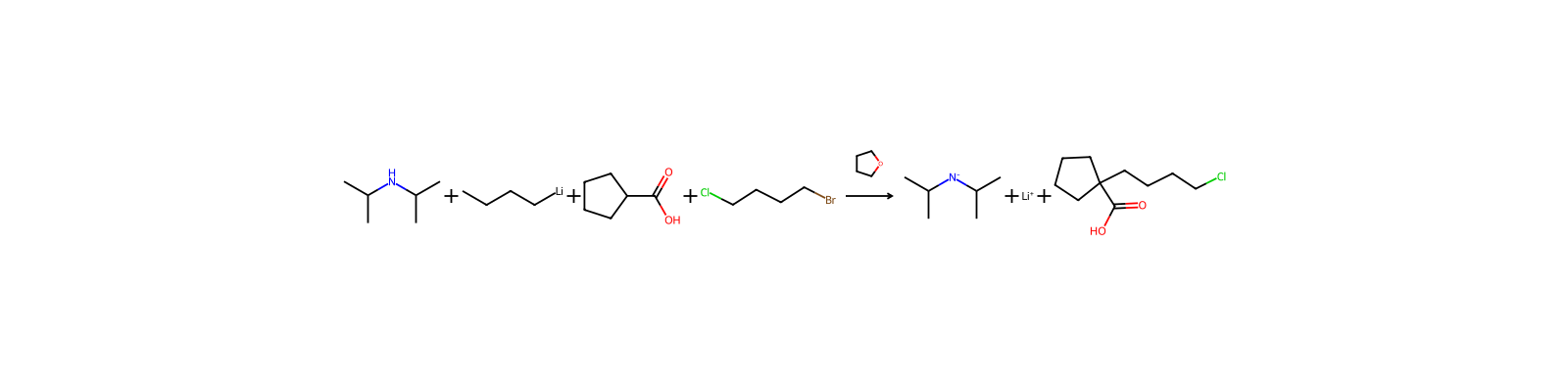
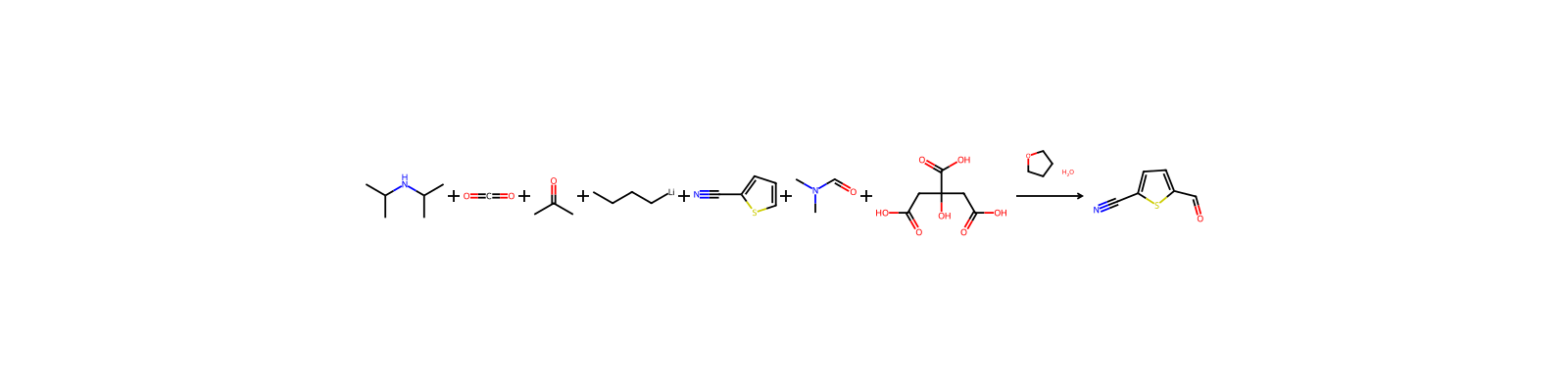
相关反应
7,681 条





关联笔记
加载中…