
基本信息
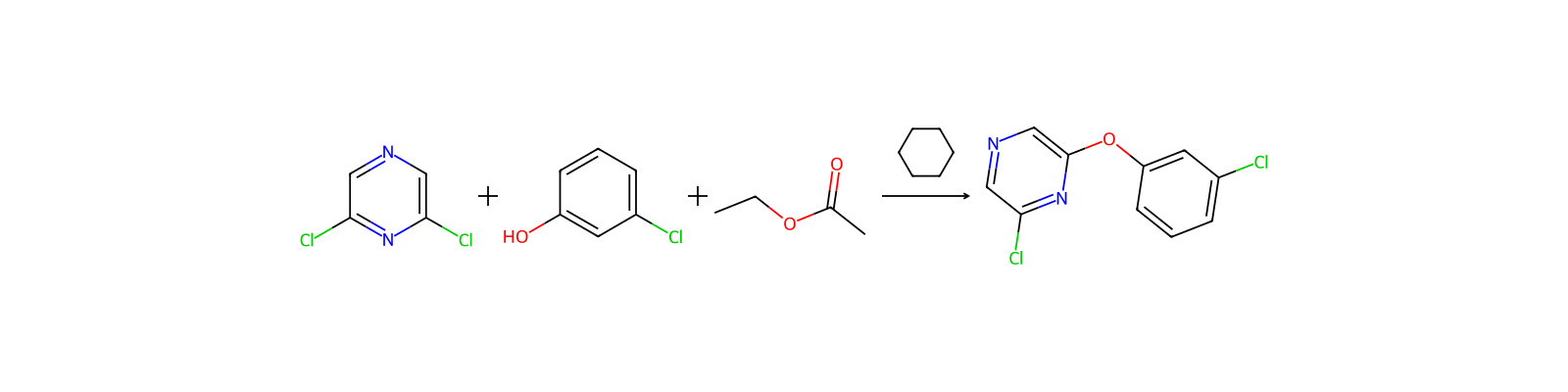
- 标准SMILES
Oc1cccc(Cl)c1- InChIKey
HORNXRXVQWOLPJ-UHFFFAOYSA-N- 分子式
- C6H5ClO
- 平均分子量
- 128.55 g/mol
- 单同位素质量
- 128.00289246
概述
M-chlorophenol appears as white crystals with an odor of phenol. Sinks in and slowly dissolves in water. (NTP, 1992)
名称与标识
- 首选名称
- 3-Chlorophenol
- IUPAC
- 3-chlorophenol
- 中文名
- 3-氯苯酚
- 英文名
- 3-Chlorophenol
- 分子式
- C6H5ClO
- 分子量
- 128.56
名称与别名
3-Chlorophenol108-43-0m-ChlorophenolPhenol, 3-chloro-Phenol, m-chloro-3-Hydroxychlorobenzenem-Chlorophenic acidmeta-Chlorophenol3-Chloro-1-hydroxybenzeneDTXSID4024800Z2Z7M2FTADNSC-59700
展开更多名称
間氯酚间氯酚3-氯酚间氯苯酚间羟基氯苯3-氯苯酚间氯(苯)酚3-羟基氯苯间氯苯酚 固体间氯酚,间氯苯酚MONOCHLOROPHENOL3-Chlorphenol3-MONOCHLOROPHENOL3-Cl-phenol3-chloro-phenom-chloro-phenoPhenol,3-chloro-
DTXCID004800CHEBI:38855m-monochlorophenolmeta-monochlorophenolRefChem:93526203-582-6NSC 597003-Chloro-Phenol
数据库标识
- CAS
108-43-0- PubChem CID
- 7933
- DTXSID
DTXSID4024800- ChEMBL
CHEMBL41172- ChEBI
CHEBI:38855- UNII
- Z2Z7M2FTAD
- EC Number
- 203-582-6
- Nikkaji
- J368I
性质
结构计算性质
- XLogP
- 2.5
- 极性表面积
- 20.2 Ų
- 氢键供体
- 1
- 氢键受体
- 1
- 可旋转键
- 0
- 重原子
- 8
- 形式电荷
- 0
- 复杂度
- 74.9
实验与物化性质
Chemical Classes
Other Classes -> Chlorophenols
Corrosives
DrugsPharmaceuticals -> Listed in ZINC15
SpringerMaterials Properties13C nuclear magnetic resonance spectrum
LogP
log Kow = 2.5
2.47/2.52
Odor
Odor similar to phenol
Strong medicinal odor
TasteStrong medicinal taste
Density
1.245 at 113 °F (NTP, 1992) - Denser than water; will sink
1.245 at 45 °C
Relative density (water = 1): 1.245
1.245 @ 45°C
Viscosity11.55 cP at 25 °C
Color/Form
Needles
White crystals
Solubility
10 to 50 mg/mL at 59 °F (NTP, 1992)
Slightly sol in chloroform; soluble in ethanol and ether; very sol in benzene
Soluble in caustic alkali
In water, 2.60X10+4 mg/L at 20 °C
Solubility in water, g/100ml at 20 °C: 2.6
Flash Point
greater than 233.6 °F (NTP, 1992)
Flash point > 112 °C
>112 °C (closed cup)
>112 °C
Boiling Point
417 °F at 760 mmHg (NTP, 1992)
214 °C
214 °C
物理化学性质
- 熔点
- 31 · 31-34 °C (lit.)
- 沸点
- 214 °C · 214 °C (lit.)
- 密度
- 1.218 g/mL · 1.218 g/mL at 25 °C (lit.)
- 蒸气压
- 1 hPa · 1 hPa (44 °C)
- 折射率
- 20 · n20/D 1.563(lit.)
- 闪点
- 230 °F · >230 °F
- 储存条件
- 30 °C · Store below +30°C.
- 溶解度
- Soluble in ethanol and ether.
- 酸度系数(pKa)
- 8.85 · 8.85(at 25℃)
- 形态
- Liquid After Melting
- 颜色
- Clear yellow to brownish
- 气味 (Odor)
- distinct phenol-like odor
- PH值
- 3.5 · 3.5 (27.7g/l, H2O, 20℃)
- 水溶解性
- 27.7 g/L · 27.7 g/L (20 ºC)
- Merck
- 14 · 14,2154
- BRN
- 1634401 · 1634401
- Henry's Law Constant
- 7.2 · 7.2×100 mol/(m3Pa) at 25℃, Chao et al. (2017)
- 稳定性
- Stable. Combustible. Incompatible with acid chlorides, oxidizing agents, acid anhydrides. Discolours in air.
- InChI
- 1S/C6H5ClO/c7-5-2-1-3-6(8)4-5/h1-4,8H
- InChIKey
- HORNXRXVQWOLPJ-UHFFFAOYSA-N
- SMILES
- Oc1cccc(Cl)c1
- CAS 数据库
- 108 · 108-43-0(CAS DataBase Reference)
- NIST化学物质信息
- 3 · Phenol, 3-chloro-(108-43-0)
- EPA化学物质信息
- m-Chlorophenol (108-43-0)
化学性质
3-氯苯酚为白色针状结晶,m.p.33~35℃,b.p.214℃,n20D 1.5630,相对密度 1.218,微溶于水,易溶于醇、醚、甘油。其具有显著的酸性,受3号位氯原子的吸电子影响,其酸性比苯酚的酸性要弱。
安全与法规
GHS分类
GHS Classification
Warning
H302: Harmful if swallowed [Warning Acute toxicity, oral]
P261, P264, P270, P271, P273, P280, P301+P317, P302+P352, P304+P340, P317, P321, P330, P362+P364, P391, and P501 (click each P-code to see the statement)
Warning
H302 (98.3%): Harmful if swallowed [Warning Acute toxicity, oral]
P261, P264, P270, P271, P273, P280, P301+P317, P302+P352, P304+P340, P317, P321, P330, P362+P364, P391, and P501 (click each P-code to see the statement)
危害信息
Regulatory Information
Chemical: Phenol, 3-chloro-
3-Chlorophenol: Does not have an individual approval but may be used under an appropriate group standard
The New Jersey Worker and Community Right to Know Act requires public and private employers to provide information about hazardous substances at their workplaces. (N.J.S.A. 34:5A-1 et. seq.)
DOT LabelPoison
Fire Hazards
This chemical is probably combustible. (NTP, 1992)
Combustible. Gives off irritating or toxic fumes (or gases) in a fire.
Health Hazards
SYMPTOMS: Symptoms of exposure to this compound include irritation, burns and corrosion of the eyes, skin, mucous membranes and upper respiratory tract. It may also cause restlessness, increase in rate of respiration, motor weakness, tremors, clonic convulsions, dyspnea, coma and death.
Hazards Summary
A skin, eye, and respiratory tract irritant; [ICSC] Adverse effects are similar to those of phenol; [HSDB] A corrosive substance that can cause injury to the skin, eyes, mucous membranes, and upper respiratory tract; May cause convulsions; [CAMEO] See Phenol. See CHLOROPHENOLS.
The major hazards encountered in the use and handling of 3-chlorophenol stem from its toxicologic properties. Toxic by all routes (ie, ingestion, inhalation, dermal absorption), exposure to this white crystalline substance may occur from its use as a chemical intermediate. Effects from exposure can include burns to the skin and eyes, weakness, headache, dizziness, shock, and death from cardiac or pulmonary failure. Contact with 3-chlorophenol should be protected against by wearing a self-contained breathing apparatus, and chemical protective clothing specifically recommended by the shipper or producer. However, if contact does occur, immediately flush affected skin or eyes with running water for at least 15 minutes, and remove and isolate contaminated clothing. While 3-chlorophenol does not ignite easily, it can burn, producing irritating and poisonous gases. For small fires involving 3-chlorophenol, extinguish with dry chemical, CO2, Halon, water spray, or standard foam. Runoff from fire control water may give off poisonous gases, and should be controlled by diking, as necessary. 3-Chlorophenol may be shipped via air, rail, road, or water in containers bearing the label, "Keep away from food." Small spills of 3-chlorophenol may be taken up with sand or other noncombustible absorbent and placed into containers for later disposal. Prior to implementing land disposal of waste residue (including waste sludge), consult with environmental regulatory agencies for guidance.
Reactive GroupPhenols and Cresols
EC ClassificationSymbol: Xn, N; R: 20/21/22-51/53; S: (2)-28-61; Note: C
UN ClassificationUN Hazard Class: 6.1; UN Pack Group: III
Special Reports
USEPA; Ambient Water Quality Criteria Doc: Chlorinated Phenols (1980) EPA 440/5-80-032.
Nat'l Research Council Canada; Chlorinated Phenols (1982) NRCC No 18578
Environmental Protection Service; Chlorophenols and Their Impurities in the Canandian Environment Report EPS 3-EC-81-2 (1981).
U.S. Dept Health & Human Services/Agency for Toxic Substances & Disease Registry; Toxicological Profile for Chlorophenols PB/99/166639 (July 1999). Available from the Database Query page at: http://www.atsdr.cdc.gov/toxpro2.html# as of October 28, 2008
Reactivity ProfileM-CHLOROPHENOL is incompatible with acid chlorides, acid anhydrides and oxidizing agents (NTP, 1992).
Atmospheric Standards
This action promulgates standards of performance for equipment leaks of Volatile Organic Compounds (VOC) in the Synthetic Organic Chemical Manufacturing Industry (SOCMI). The intended effect of these standards is to require all newly constructed, modified, and reconstructed SOCMI process units to use the best demonstrated system of continuous emission reduction for equipment leaks of VOC, considering costs, non air quality health and environmental impact and energy requirements. Chlorophenols are produced as an intermediate or final product by process units covered under this subpart. /Chlorophenols/
Chemical DangersDecomposes on heating. This produces toxic and corrosive fumes of hydrogen chloride (see ICSC 0163) and chlorine (see ICSC 0126). Reacts with oxidants.
安全与防护
Fire Fighting
Fires involving this material can be controlled with a dry chemical, carbon dioxide or Halon extinguisher. (NTP, 1992)
Use water spray, foam, powder, carbon dioxide.
First Aid Measures
Fresh air, rest. Refer for medical attention.
Remove contaminated clothes. Rinse and then wash skin with water and soap. Refer for medical attention .
First rinse with plenty of water for several minutes (remove contact lenses if easily possible), then refer for medical attention.
Rinse mouth. Induce vomiting (ONLY IN CONSCIOUS PERSONS!). Refer for medical attention .
First Aid
EYES: First check the victim for contact lenses and remove if present. Flush victim's eyes with water or normal saline solution for 20 to 30 minutes while simultaneously calling a hospital or poison control center. Do not put any ointments, oils, or medication in the victim's eyes without specific instructions from a physician. IMMEDIATELY transport the victim after flushing eyes to a hospital even if no symptoms (such as redness or irritation) develop.
Safe StorageSeparated from strong oxidants and food and feedstuffs. Well closed.
Fire Fighting Procedures
Use dry chemical, carbon dioxide, or foam extinguishers. Vapors are heavier than air and well collect in low areas. ...Vapors in confined areas may explode when exposed to fire. Containers may explode in fire. Storage containers and parts of containers may rocket great distances, in many directions. ...From a secure, explosion-proof location, use water spray to cool exposed containers. If cooling streams are ineffective (venting sound increases in volume and pitch, tank discolors, or shows any signs of deforming), withdraw immediately to a secure position. /Monochlorophenols/
Storage Conditions
Store in tightly closed containers in a cool, well ventilated area. Metal containers involving the transfer of this chemical should be grounded and bonded. Where possible, automatically pump liquid from drums or other storage containers to precess containers. Drums must be equipped with self-closing valves, pressure vacuum bungs, and flame arresters. Use only non-sparking tools and equipment, especially when opening and closing containers of this chemical. Sources of ignition such as smoking and open flames, are prohibited where this chemical is used, handled, or stored in a manner that could create a potential fire or explosion hazard. /Monochlorophenols/
Cleanup Methods
Phenolic cmpd in wastewater are oxidized with hydrogen peroxide catalyzed by iron(3+)-iron(2+). When the wt ratio of phenol:hydrogen peroxide is 1:3 and iron 5-100 ppm, more than 95% of the phenols are removed in 30 min from a 500 ppm phenol soln at pH 5-6 and 25-50 °C. /Phenolic cmpd/
Evacuate and restrict persons not wearing protective equipment from area of spill or leak until cleanup is complete. Remove all ignition sources. Ventilate area of spill or leak. Absorb liquids in vermiculite, dry sand, earth, peat, carbon, or a similar material and deposit in sealed containers. Collect powdered material in the most convenient and safe manner and deposit in sealed containers. It may be necessary to contain and dispose of this chemical as a hazardous waste. /Monochlorophenols/
Nonfire Spill Response
SMALL SPILLS AND LEAKAGE: If you spill this chemical, you should dampen the solid spill material with water, then transfer the dampened material to a suitable container. Use absorbent paper dampened with water to pick up any remaining material. Seal your contaminated clothing and the absorbent paper in a vapor-tight plastic bag for eventual disposal. Wash all contaminated surfaces with a soap and water solution. Do not reenter the contaminated area until the Safety Officer (or other responsible person) has verified that the area has been properly cleaned.
Disposal Methods
SRP: The most favorable course of action is to use an alternative chemical product with less inherent propensity for occupational exposure or environmental contamination. Recycle any unused portion of the material for its approved use or return it to the manufacturer or supplier. Ultimate disposal of the chemical must consider: the material's impact on air quality; potential migration in soil or water; effects on animal, aquatic, and plant life; and conformance with environmental and public health regulations.
Chemical Treatability of m-Chlorophenol; Concentration Process: Biological Treatment; Chemical Classification: Phenols; Scale of Study: Laboratory Scale Type of Wastewater Used: Pure Compound (one solute in a solvent) Results of Study: 100% reduction in 28 hours; (Biodegradation by mutant Pseudomonas species).
Chemical Treatability of m-Chlorophenol with 13% NaCl Concentration Process: Resin Absorption; Chemical Classification: Phenols; Scale of Study: Unknown; Type of Wastewater Used: Industrial Wastewater Results of Study: At zero leakage sorption capacity was 0.07 lb/lb; (15 minute contact time Amberlite XAD-4 used).
A) Dissolve in such combustible solvent as alcohols, benzene etc. Spray the solvent into the furnace with afterburner and scrubber. B) Pour into sodium bicarbonate or a mixture of sand-soda ash (9:1). After mixing, transfer into a paper carton filled with packing paper. Burn more efficiently in the furnace with an afterburner and scrubber. Recommendable method: Incineration. Not recommendable method: Discharge to sewer.
Spillage Disposal
Personal protection: particulate filter respirator adapted to the airborne concentration of the substance. Do NOT let this chemical enter the environment. Sweep spilled substance into covered containers. If appropriate, moisten first to prevent dusting. Carefully collect remainder. Then store and dispose of according to local regulations.
Preventive Measures
SRP: Contaminated protective clothing should be segregated in such a manner so that there is no direct personal contact by personnel who handle, dispose, or clean the clothing. Quality assurance to ascertain the completeness of the cleaning procedures should be implemented before the decontaminated protective clothing is returned for reuse by the workers. Contaminated clothing should not be taken home at end of shift, but should remain at employee's place of work for cleaning.
Immediately wash contaminated areas of skin with concentrated soap solution. Contaminated gloves, clothing, shoes should be removed without delay and disposed by incineration.
SRP: Contaminated protective clothing should be segregated in such a manner so that there is no direct personal contact by personnel who handle, dispose, or clean the clothing. Quality assurance to ascertain the completeness of the cleaning procedures should be implemented before the decontaminated protective clothing is returned for reuse by the workers. Contaminated clothing should not be taken home at end of shift, but should remain at employee's place of work for cleaning.
Isolation and EvacuationExcerpt from ERG Guide 153 [Substances - Toxic and/or Corrosive (Combustible)]:
毒理信息
Ecotoxicity Values
EC50; Species: Pseudokirchneriella subcapitata (Green algae, exponential growth phase, 50000 cells/mL); Conditions: freshwater, static, 21 °C; Concentration: 29000 ug/L for 96 hr; Effect: growth, general /formulated product/
EC50; Species: Daphnia magna (Water flea, age <72 hr) Conditions: freshwater, static, 20 °C, pH 7.8-8.2, hardness 200 mg/L CaCO3, dissolved oxygen > or = 2.27 mg/L; Concentration: 15780 ug/L for 24 hr (95% confidence interval: 13800-17750 ug/L); Effect: intoxication, immobilization />95% purity/
LC50; Species: Oncorhynchus mykiss (Rainbow trout); Conditions: freshwater, renewal,14.5-15.5 °C, pH 8.0, dissolved oxygen 9.5-10.4 mg/L; Concentration: 10,000 ug/L for 48 hr /formulated product/
LC50; Species: Oryzias latipes (Medaka); Conditions: freshwater, static; Concentration: 4500 ug/L for 96 hr (95% confidence interval: 3300-6100 ug/L) /formulated product/
LD50 Oncorhynchus mykiss (Rainbow trout, weight 10-40 g) injection, ip, 5.04 mmol/kg
Environmental Fate
TERRESTRIAL FATE: Based on a classification scheme(1), an experimental Koc value of 350(2) indicates that 3-chlorophenol is expected to have moderate mobility in soil(SRC). The pKa of 3-chlorophenol is 9.12(3), indicating that this compound will partially exist in an anion form in the environment and anions generally do not adsorb more strongly to soils containing organic carbon and clay than their neutral counterparts(4). Volatilization of 3-chlorophenol from moist soil surfaces is not expected to be an important fate process(SRC) given a Henry's Law constant of 3.45X10⁻⁷ atm-cu m/mole for the neutral species(5). 3-Chlorophenol is not expected to volatilize from dry soil surfaces(SRC) based upon a vapor pressure of 0.125 mm Hg(6). 3-Chlorophenol is expected to biodegrade in both aerobic and anaerobic soils with biodegradation half-lives ranging from 15 to 160 days(6-8).
AQUATIC FATE: Based on a classification scheme(1), an experimental Koc value of 350(2) and a regression-derived equation(3), indicates that 3-chlorophenol is not expected to adsorb to suspended solids and sediment(SRC). Volatilization from water surfaces is not expected(3) based upon a Henry's Law constant of 3.45X10⁻⁷ atm-cu m/mole for the neutral species(4). According to a classification scheme(5), a measured BCF range of 5.1 to 16(6) suggests the potential for bioconcentration in aquatic organisms is low(SRC). 3-Chlorophenol has a reported half-life of 36 days in water(7), degraded 6% after 40 days in farm stream water, degraded 56% after 30 days in farm stream sediments(8), and degraded 31.7% after 5 days in Chinese river water(9), indicating that biodegradation of 3-chlorophenol in aquatic environments may be limited under certain conditions(SRC).
ATMOSPHERIC FATE: According to a model of gas/particle partitioning of semivolatile organic compounds in the atmosphere(1), 3-chlorophenol, which has a vapor pressure of 0.125 mm Hg at 25 °C(2), is expected to exist solely as a vapor in the ambient atmosphere. Vapor-phase 3-chlorophenol is degraded in the atmosphere by reaction with photochemically-produced hydroxyl radicals(SRC); the half-life for this reaction in air is estimated to be 1.4 days(SRC), calculated from its rate constant of 2.4X10⁻¹¹ cu cm/molecule-sec at 25 °C(SRC) that was derived using a structure estimation method(3). 3-Chlorophenol absorbs light in the deep UV, but since there is some overlap between its absorption spectrum and the tropospheric solar spectrum, degradation by natural sunlight is possible(4).
Adverse EffectsNeurotoxin - Other CNS neurotoxin
Exposure RoutesThe substance can be absorbed into the body by inhalation of its vapour, through the skin and by ingestion.
Ecotoxicity Excerpts/AQUATIC SPECIES/ EC50 Chlorella pyrenoidosa (algae) exposed to concn at 500,000 ug/l, /time not specified, resulted in/ complete destruction of chlorophyll. /Monochlorophenols/
Signs and Symptoms
Cough. Sore throat.
Redness. Pain.
Redness. Pain.
Effluent Concentrations
3-Chlorophenol has been detected in the effluent of a pulp mill in Canada at concentrations of 90, 91 and 93 ug/L(1). In the analysis of chlorinated sewage treatment plant effluents, 3-chlorophenol was found at a concentration of 0.5 ug/L(2).
ICSC Environmental DataThis substance may be hazardous to the environment. Special attention should be given to fish.
Soil Adsorption/Mobility
The Koc of 3-chlorophenol in soil was reported as 350(1). According to a classification scheme(2), this Koc value suggests that 3-chlorophenol is expected to have moderate mobility in soil(SRC). The pKa of 3-chlorophenol is 9.12(3), indicating that this compound will partially exist in the anion form in the environment and anions generally do not adsorb more strongly to soils containing organic carbon and clay than their neutral counterparts(4). Chlorophenols can be irreversibly immobilized by covalent bonding to soil organic matter (SOM). Irreversible binding increased with the addition of hydrogen peroxide and under anoxic conditions(5).
Natural Pollution Sources3-CHlorophenol's presence in soil may be due to natural de novo synthesis or chloroperoxidase (CPO)-catalyzed chlorination of aromatic structures(1).
Human Toxicity Excerpts
/SIGNS AND SYMPTOMS/ Caution: ingestion causes incr then decr of respiration, blood pressure, urinary output; fever; increased bowel action; motor weakness; collapse with convulsions & death. Causes lung, liver, kidney damage; contact dermatitis. ... Dust causes sneezing.
/SIGNS AND SYMPTOMS/ 1. Burning pain in mouth and throat. White necrotic lesions in mouth, esophagus and stomach. Abdominal pain, vomiting, ... and bloody diarrhea. 2. Pallor, sweating, weakness, headache, dizziness, tinnitus. 3. Shock: Weak irregular pulse, hypotension, shallow respirations, cyanosis, pallor, and a profound fall in body temperature. 4. Possibly fleeting excitement and confusion, followed by unconsciousness ... 5. Stentorous breathing, mucous rales, rhonchi, frothing at nose and mouth and other signs of pulmonary edema are sometimes seen. Characteristic odor of phenol on the breath. 6. Scanty, dark-colored ... urine ... moderately severe renal insufficiency may appear. 7. Methemoglobinemia, Heinz body hemolytic anemia and hyperbilirubinemia have been reported ... 8. Death from respiratory, circulatory, or cardiac failure. 9. If spilled on skin, pain is followed promptly by numbness. The skin becomes blanched, and a dry opaque eschar forms over the burn. When the eschar sloughs off, a brown stain remains. /Phenol/
Artificial Pollution Sources
Chlorination of polluted & natural water can produce ... chlorophenols. /Chlorophenols/
3-Chlorophenol's production and use in organic synthesis(1) may result in its release to the environment through various waste streams(SRC).
法规信息
Atmospheric Standards
This action promulgates standards of performance for equipment leaks of Volatile Organic Compounds (VOC) in the Synthetic Organic Chemical Manufacturing Industry (SOCMI). The intended effect of these standards is to require all newly constructed, modified, and reconstructed SOCMI process units to use the best demonstrated system of continuous emission reduction for equipment leaks of VOC, considering costs, non air quality health and environmental impact and energy requirements. Chlorophenols are produced as an intermediate or final product by process units covered under this subpart. /Chlorophenols/
Clean Water Act RequirementsToxic pollutant designated pursuant to section 307(a)(1) of the Federal Water Pollution Control Act and is subject to effluent limitations. /Chlorinated phenols/
State Drinking Water Guidelines(FL) FLORIDA 10 ug/l
安全数据
- F
- 9
- wgk
- 2
- tsca
- TSCA listed
- 毒性
- LD50 orally in rats: 0.57 g/kg (Deichmann)
- RTECS号
- SK2450000
- 包装类别
- III
- 危险等级
- 6.1
- 存储类别
- 6.1C - Combustible acute toxic Cat.3toxic compounds or compounds which causing chronic effects
- 安全说明
- 28-61-28A
- 海关编码
- 29081000
- 自燃温度
- >600 °C
- 危险品标志
- Xn,N
- 危险性类别
- Acute Tox. 4 DermalAcute Tox. 4 InhalationAcute Tox. 4 OralAquatic Chronic 2Eye Dam. 1Skin Irrit. 2
- 危险类别码
- 20/21/22-51/53
- 毒害物质数据
- 108-43-0(Hazardous Substances Data)
- 危险品运输编号
- UN 2020 6.1/PG 3
毒性防护
急性毒性口服-大鼠 LD50: 570 毫克/公斤;口服-小鼠LD50: 521 毫克/公斤
包装储运
可燃性危险特性遇明火可燃;与氧化剂反应;受热分解有毒氯化物烟雾
储运特性库房通风低温干燥; 与氧化剂、食品添加剂分开存放
灭火剂二氧化碳、泡沫、砂土、雾状水
化学与工业
药理信息
Metabolism/Metabolites
M-CHLOROPHENOL YIELDS M-CHLOROANISOLE IN GUINEA PIGS. YIELDS 4-CHLOROCATECHOL IN RABBITS. YIELDS M-CHLOROPHENYL-BETA-D-GLUCURONIDE & M-CHLOROPHENYL SULFATE IN RABBITS.
... Various chlorophenols are formed as intermediate metabolites during the microbiological degradation of the herbicides 2,4-D & 2,4,5-T and pesticides Silvex, Ronnel, lindane, and benzene hexachloride. /Chlorophenols/
Mammalian metabolism of chlorobenzene yields 3-chlorophenol as /one of/ the major products.
Absorption, Distribution and Excretion... ABSORBED FROM ... GASTROINTESTINAL TRACT & ... PARENTERAL SITES OF INJECTION. ... EXCRETED AS CONJUGATES OF SULFURIC & GLUCURONIC ACID. /CHLOROPHENOLS/
用途与制造
Uses
Used as an intermediate in organic synthesis; [Hawley] Used as a biocide, veterinary antiseptic, and disinfectant for homes, hospitals, and farms; [Merck Index] Used as a soil sterilant; [CHEMINFO]
Using Disinfectants or Biocides [Category: Clean]
Intermediate in organic synthesis
Impurities... Chlorinated 2-phenoxyphenols, chlorinated diphenylethers, and chlorinated dibenzofurans occur as impurities in technical grade[s] of chlorophenols. /Chlorophenols/
U.S. Imports
(1977) 7.01X10+6 G (PRINCPL CUSTMS DISTS)
(1986) 3.33X10+5 lb
U.S. Production(1982) PROBABLY GREATER THAN 2.27X10+6 G
Methods of Manufacturing
... FROM DIAZOTIZED M-CHLOROANILINE
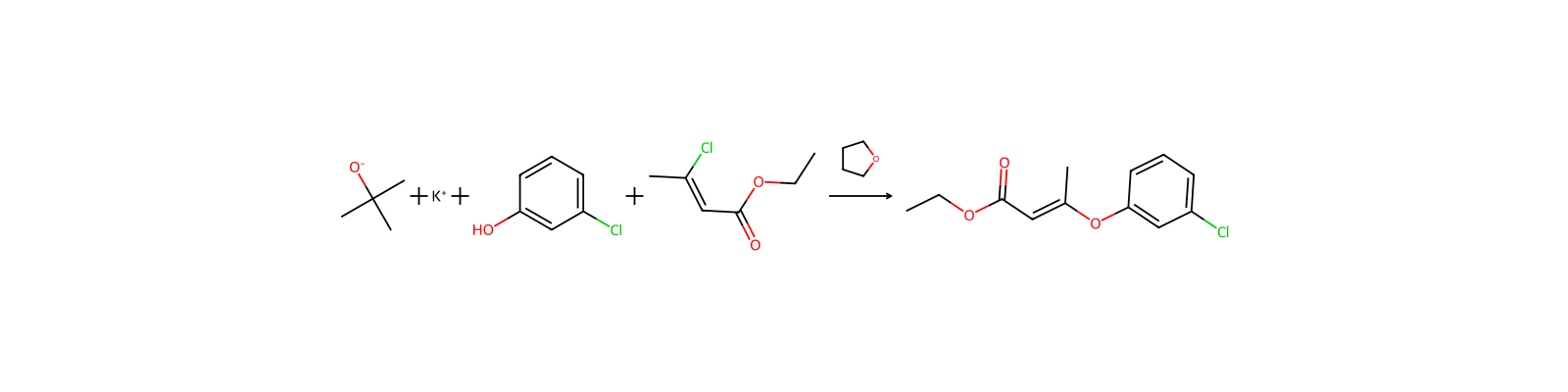
BY HYDROLYSIS OF 1,3-DICHLOROBENZENE WITH CUPRIC SALTS & HYDROXYLAMINE; BY VAPOR PHASE HYDROLYSIS OF 1,2,4-TRICHLOROBENZENE IN THE PRESENCE OF A PHOSPHATE CATALYST
The mono-, di-, or trihalogenated phenols having at least one chlorine atom in a meta position ... cannot be obtained by the chlorination of phenol, but must be made by other types of reactions, such as hydrolysis, sulfonation, hydrodechlorination, hydroxylation, and alkylation. /Mono-, Di-, and Trichlorophenols with Chlorine in a Meta Position/
General Manufacturing Information
Phenol, 3-chloro-: ACTIVE
The preparation of agricultural chemicals consumes 80-90% of chlorophenol production. /Chlorophenols/
应用领域
用途3-氯苯酚是一种具有抗真菌活性的卤苯酚。3-氯苯酚是制备各种生物活性化合物的常用构件。研究表明,3-氯苯酚可用于植物活性炭的再生。
用途3-氯酚可用于有机合成, 间氯苯酚还用于显微分析。
用途用于制药、染料工业及有机合成,也用作消毒剂
用途对氯苯酚又称4-氯苯酚,是重要的医药、农药和染料中间体,在农药上可用以合成三唑酮、三唑醇、萘乙酸(对氯苯氧乙酸)、丙虫磷、毒鼠磷、杀螟腈、苯腈磷、杀螨脒、螨卵酯、除螨酯、咪菌酮等品种。
用途间氯苯酚是植物生长调节剂调果酸的中间体。
用途该品可用于有机合成,其异构体邻氯苯酚和对氯苯酚在农药、染料、医药工业上占有重要地位,用它替代邻氯苯酚或对氯苯酚可以开发出性能优异的农药、医药及染料产品,文献也曾报道过以间氯苯酚为原料合成了具有生物活性的抗生素药物和农用杀菌剂,间氯苯酚还用于显微分析。
制备方法
生产方法由间氯苯胺用通常方法重氮化,得到的重氮盐经水解生成间氯酚。在搅拌下,将重氮盐滴加到140℃的硫酸水溶液(2份浓硫酸,1份水)中,将反应物进行水蒸气蒸馏,蒸馏液分出油层和水层,水层用乙醚萃取,将萃取液与油层合并,用无水硫酸钠干燥,滤去干燥剂,回收乙醚后得间氯酚粗品,用30℃石油醚重结晶即得成品。
生产方法其制备方法是由苯酚直接氯化,氯化剂为次氯酸钠,得到间氯苯酚、对氯苯酚和邻氯苯酚,进行分离而得到间氯苯酚。也可以用间氯苯胺重氮化,可以得到纯度较高的间氯苯酚。
生产方法其制备方法有以下三种。二氯硫酰作为氯化剂使苯酚氯化将苯酚加热熔融后,温度降到40℃,慢慢加入二氯硫酰,约需40~50h,边搅拌边滴加二氯硫酰,待二氯硫酰加完后,再升温至30~40℃保温数小时,冷至室温,用水洗涤,再用碳酸钠洗涤和水洗涤得到的邻位和对位产品,然后减压蒸馏,分离,冷却结晶得到产品。对氯苯胺重氮化将对氯苯胺加入到反应器中,加入水、亚硝酸钠和硫酸,在0℃左右进行重氮化得到重氮盐,然后将重氮盐进行水解即得产品。用氯气直接氯化将苯酚加热熔融后加入铁粉等催化剂,控制一定的温度通入氯气,通入的氯气量要控制,通氯气结束后再保温数小时,冷却进行洗涤等后处理,然后再在减压下进行蒸馏,分离邻氯苯酚和对氯苯酚,冷却得到产品。综上所述,3种方法中对氯苯胺重氮化法由于工艺复杂,成本较高,且废水较多,工业上已很少使用;二氯硫酰法在铁催化剂存在下进行氯化反应时间长,生产能力低,用二氯硫酰成本较高,但该方法对位异构体产率较高,达70%~75%,目前还有不少工厂采用此法;最近我国用氯气直接氯化法工艺流程简单,无须溶剂,投资少,同时成本较低,是一条经济合理的工艺路线,但该法生产对氯苯酚对设备腐蚀严重。
上下游产品信息
上游原料
下游产品
试剂价格
- C0242 · 25G
- 3-氯苯酚3-Chlorophenol — 290元
- C0242 · 100g
- 3-氯苯酚3-Chlorophenol — 790元
供应商50 家
国药集团化学试剂有限公司86-21-63210123 · [email protected]
梯希爱(上海)化成工业发展有限公司021-67121386 · [email protected]
上海阿拉丁生化科技股份有限公司400-6206333 13167063860 · [email protected]
保定秉承新材料有限公司17531190177 · [email protected]
温州共赢化学有限公司+86-0086-577-64498589 +86-15355981851 · [email protected]
河北创海生物科技有限公司+86-86-13131129325 · [email protected]
河北展药生物科技有限公司15369953316 +8615369953316 · [email protected]
爱斯特(成都)生物制药股份有限公司+86-28-85122536 85324413 · [email protected]
Dayang Chem (Hangzhou) Co.,Ltd.+86-0571-88938639 17705817739 · [email protected]
Hebei Yanxi Chemical Co., Ltd.+86-17531190177 · [email protected]
科瑞迪化学400-821-5857 021-64326257 · [email protected]
Syntechem Co.,Ltd[email protected]
河北秒变生物科技有限公司17733850068
上海迈瑞尔生化科技有限公司4006356688 18621169109 · [email protected]
阿法埃莎(中国)化学有限公司400-6106006 · [email protected]
太原市瑞和丰科贸有限公司+86 351 7031519 · [email protected]
上海德默医药科技有限公司400-021-7337 2355568890 · [email protected]
安耐吉化学&3A(安徽泽升科技股份有限公司)400-0056266 · [email protected]
上海瀚鸿科技股份有限公司021-54306202 13764082696 · [email protected]
嘉兴市艾森化工有限公司0573-85285100 18627885956 · [email protected]
Pure Chemistry Scientific Inc.001-857-928-2050 or 1-888-588-9418 · [email protected]
Beckmann-Kenko GmbH+49 4241 9308 88 · [email protected]
苏州施亚生物科技有限公司86(512)5235 8471 17715136450 · [email protected]
山东西亚化学有限公司13355009207 13355009207 · [email protected]
玛雅试剂+86 (573) 82222445 (0)18006601000 452520369 · [email protected]
四川库利南科技有限公司400-1166-196 18981987031 · [email protected]
天津希恩思生化科技有限公司400 638 7771 · [email protected]
南京维奥化工有限公司Please Send Email 18652950785 · [email protected]
斯百全化学(上海)有限公司021-021-021-67601398-809-809-809 15221380277 · [email protected]
艾科试剂4008-755-333 18080918076 · [email protected]
上海思域化工科技有限公司86-21-34053660 · [email protected]
赛默飞世尔科技(中国)有限公司800-810-5118 · [email protected]
北京伊诺凯科技有限公司400-810-7969 010-59572699 · [email protected]
TCI AMERICA800-4238616 · [email protected]
TOKYO CHEMICAL INDUSTRY CO., LTD.03-36680489 · [email protected]
TCI Europe320-37350700 · [email protected]
上海贤鼎生物科技有限公司4009209199 · [email protected]
深圳康特腾科技有限公司86-0755-86635001 · [email protected]
越林试剂021-62960152 · [email protected]
上海倍卓生物科技有限公司021-61119791,13386096464 · [email protected]
上海湄水化工科技有限公司021-60549325 18616193163
安徽科迪达化工有限公司0554-2106669 · [email protected]
日照力德士化工有限公司010-51268198 · [email protected]
美岚实业(上海)有限公司021-58958189 · [email protected]
上海爱蝶实业有限公司021-58957966 18930537195 · [email protected]
成都零六生物科技有限公司400-1166-196 13458535857 · [email protected]
广拓化学(上海)有限公司021-60899189-8001 18918189673 · [email protected]
上海麦克林生化科技股份有限公司15221275939 15221275939 · [email protected]
杭州杰恒化工有限公司0571-87396432 · [email protected]
上海嵩爰化工科技有限公司010-1234567 18521000990 · [email protected]
相关反应
292 条




关联笔记
加载中…