
基本信息
- 标准SMILES
c1c[nH]cn1- InChIKey
RAXXELZNTBOGNW-UHFFFAOYSA-N- 分子式
- C3H4N2
- 平均分子量
- 68.08 g/mol
- 单同位素质量
- 68.03744813
概述
1H-imidazole is an imidazole tautomer which has the migrating hydrogen at position 1. It is a conjugate base of an imidazolium cation. It is a conjugate acid of an imidazolide. It is a tautomer of a 4H-imidazole.
名称与标识
- 首选名称
- Imidazole
- IUPAC
- 1H-imidazole
- 中文名
- 咪唑
- 英文名
- Imidazole
- 分子式
- C3H4N2
- 分子量
- 68.08
名称与别名
imidazole1H-Imidazole288-32-4GlyoxalineImidazolIminazoleMiazole1,3-DiazoleImutexGlyoxalin1,3-Diaza-2,4-cyclopentadienePyrro(b)monazole
展开更多名称
咪啉咪唑引朵甘啉咁噁啉甘恶啉咁恶啉甘噁啉间二氮IMDIMZLMIDAZOLEImidazoie1H-Imidazol
GlioksalFormamidine, N,N'-vinylene-Pyrro[b]monazoleMethanimidamide, N,N'-1,2-ethenediyl-DTXSID2029616N,N'-vinyleneformamidine7GBN705NH1N,N'-1,2-ethenediylmethanimidamide
数据库标识
- CAS
288-32-4- PubChem CID
- 795
- DTXSID
DTXSID2029616- ChEMBL
CHEMBL540- ChEBI
CHEBI:16069- UNII
- 7GBN705NH1
- EC Number
- 206-019-2
- Nikkaji
- J2.566F
性质
结构计算性质
- XLogP
- -0.1
- 极性表面积
- 28.7 Ų
- 氢键供体
- 1
- 氢键受体
- 1
- 可旋转键
- 0
- 重原子
- 5
- 形式电荷
- 0
- 复杂度
- 28.1
实验与物化性质
Chemical ClassesNitrogen Compounds -> Imidazoles
DrugsPharmaceuticals -> Listed in ZINC15
CosmeticsBuffering
pHpH 10.5 for 38 g/L at 20 °C
SpringerMaterials Properties15N nuclear magnetic resonance spectrum
PesticidesEnvironmental transformation -> Pesticide transformation products (metabolite, successor)
LogP
log Kow = -0.08
-0.08
-0.02
-0.08
OdorAmine-like odor
Density
Density: 1.0303 g/cu m at 101 °C
Relative density (water = 1): 1.03
1.0303 @ 101°C
Viscosity2.617 mm²/s at 100 °C
Color/Form
Monoclinic prisms from benzene
Colorless crystals
Colorless-yellow solid
Solubility
Very soluble in water
In water, 241 g/100 g at 20 °C
In water, 2060 g/kg H2O at 19 °C
In water, 663 g/L at 20 °C
Very soluble in ethanol; soluble in diethyl ether, acetone, pyridine; slightly soluble in benzene
Solubility in water, g/100ml at 20 °C: 63.3 (good)
物理化学性质
- 熔点
- 88 · 88-91 °C(lit.)
- 沸点
- 256 °C · 256 °C(lit.)
- 堆积密度
- 500 · 500-600kg/m3
- 密度
- 1.01 g/mL · 1.01 g/mL at 20 °C
- 蒸气压
- 1 mm · <1 mm Hg ( 20 °C)
- 折射率
- 1.4801 · 1.4801
- 闪点
- 293 °F · 293 °F
- 储存条件
- 30 °C · Store below +30°C.
- 溶解度
- 2 O: · H2O: 0.1 M at 20 °C, clear, colorless
- 形态
- crystalline
- 酸度系数(pKa)
- 6.953 · 6.953(at 25℃)
- 比重
- 1.03 · 1.03
- 颜色
- white
- 气味 (Odor)
- Amine like
- PH值
- 9.5 · 9.5-11.0 (25℃, 50mg/mL in H2O)
- 酸碱指示剂变色ph值范围
- 9.5 · 9.5 - 11
- 水溶解性
- 633 g/L · 633 g/L (20 ºC)
- 最大波长(λmax)
- 260 nm · λ: 260 nm Amax: 0.10λ: 280 nm Amax: 0.10
- 敏感性
- Hygroscopic
- Merck
- 14 · 14,4912
- BRN
- 103853 · 103853
- Henry's Law Constant
- 3.3 · 3.3×103 mol/(m3Pa) at 25℃, Du et al. (2017)
- 介电常数
- 23 · 23.0(Ambient)
- 稳定性
- Stable. Incompatible with acids, strong oxidizing agents. Protect from moisture.
- 化妆品成分功效
- BUFFERING
- InChI
- 1S/C3H4N2/c1-2-5-3-4-1/h1-3H,(H,4,5)
- InChIKey
- RAXXELZNTBOGNW-UHFFFAOYSA-N
- SMILES
- c1c[nH]cn1
- LogP
- -0.02 at · -0.02 at 25℃
- CAS 数据库
- 288 · 288-32-4(CAS DataBase Reference)
- NIST化学物质信息
- 1 H-Imidazole · 1H-Imidazole(288-32-4)
- EPA化学物质信息
- Imidazole (288-32-4)
化学性质
咪唑是分子结构中含有两个间位氮原子的五元芳杂环化合物,咪唑环中的1-位氮原子的未共用电子对参与环状共轭,氮原子的电子密度降低,使这个氮原子上的氢易以氢离子形式离去。因而咪唑具有弱酸性,可与强碱形成盐。 咪唑环中的3-位氮原子的未共用电子对不参与共轭,而占据sp2杂化轨道,可以接受质子,与强酸形成盐。咪唑的碱性略强于吡唑和吡啶。 咪唑环中存在互变异构现象。1-位氮原子上的氢可以转移到3-位氮原子上,所以,分别在4-位与5-位有相同取代基的咪唑衍生物是互变异构体。 咪唑对酸稳定,有抗氧化性。咪唑的衍生物广泛存在于自然界中。如组胺、组氨酸、苯并咪唑等。 咪唑的酰基化合物中有一些令人感兴趣的试剂。例如1-乙酰咪唑是一种稳定的酰化剂。与吡咯反应,生成1-乙酰吡咯。再者在通常情况下,1-乙酰基咪唑利用格氏试剂及还原剂可生成酮和醛。N,N′-羰基二咪唑与羧基反应,生成有用的试剂酰基咪唑。咪唑与天然化合物之间的关系极为密切。例如与嘧啶环缩合后,得到嘌呤衍生物,除作为像6-氨基嘌呤、鸟嘌呤等核酸的碱基外,还存在于生物体中的尿酸、咖啡碱和茶碱中。咪唑的催化作用,如加速酶的水解等,正在研究中。对皮肤引起过敏性,其毒性与二元胺相近。大鼠经口LD501880mg/kg。
无色棱形结晶,呈弱碱性。 易溶于水、乙醇、乙醚、氯仿、吡啶,微溶于苯,难溶于石油醚。
安全与法规
GHS分类
GHS Classification
Danger
H302: Harmful if swallowed [Warning Acute toxicity, oral]
P203, P260, P264, P270, P280, P301+P317, P301+P330+P331, P302+P361+P354, P304+P340, P305+P354+P338, P316, P318, P321, P330, P363, P405, and P501 (click each P-code to see the statement)
This chemical does not meet GHS hazard criteria for 0.2% (2 of 945) of reports.
Danger
H302 (97.9%): Harmful if swallowed [Warning Acute toxicity, oral]
危害信息
Regulatory Information
Chemical: 1H-Imidazole
Hazard Traits - Reproductive Toxicity
1H-Imidazole is listed on the EPA's Chemical Data Reporting (CDR) system. Manufacturers and importers of 1H-Imidazole are required to report information about their production and use of this chemical to the EPA under the Toxic Substances Control Act (TSCA). (40 eCFR Part 711)
Status: Active Update: 21-08-2020 https://echa.europa.eu/registration-dossier/-/registered-dossier/2052
Imidazole: Does not have an individual approval but may be used under an appropriate group standard
Other Safety InformationIMAP assessments - 1H-Imidazole: Human health tier II assessment
Fire HazardsCombustible. Gives off irritating or toxic fumes (or gases) in a fire. Finely dispersed particles form explosive mixtures in air.
Fire PotentialCombustible.
Hazards Summary
Corrosive to skin and irritating to eyes in rabbits--may cause permanent eye injury; A 90-day oral study of rats showed histopathological changes of the liver and kidney at 180 mg/kg/day; No evidence of neurotoxicity; No effects on sperm parameters or toxicity to male or female reproductive organs observed in the 90-day study; Teratogenicity and developmental toxicity observed at doses maternally toxic in rats; [OECD SIDS] No increase in abnormalities of offspring in rats dosed 240 mg/kg by gavage during embryogenesis (non-standard study, no information on maternal toxicity); [REPROTOX] Causes burns; Inhalation may cause corrosive injuries to upper respiratory tract and lungs; Harmful by ingestion; May be toxic to human reproduction and cause harm to the unborn child; [Sigma-Aldrich MSDS]
UN ClassificationUN Hazard Class: 8; UN Pack Group: III
Chemical DangersDecomposes on burning. This produces toxic fumes including nitrogen oxides. The solution in water is a weak base. Reacts violently with strong acids.
Physical DangersDust explosion possible if in powder or granular form, mixed with air.
Packaging and LabellingDo not transport with food and feedstuffs.
Toxic Combustion ProductsGives off irritating or toxic fumes (or gases) in a fire.
Hazard Classes and Categories
Acute Tox. 4 (97.9%)
Acute toxicity (ingestion) - category 4
Acute toxicity (Oral) - Category 4
Reproductive toxicity - Category 1B
Repr. 1B
Explosive Limits and PotentialDust explosion possible if in powder or granular form, mixed with air.
安全与防护
Fire FightingUse water spray, foam, powder, carbon dioxide. In case of fire: keep drums, etc., cool by spraying with water.
First Aid Measures
Fresh air, rest. Refer for medical attention.
Remove contaminated clothes. Rinse skin with plenty of water or shower. Refer immediately for medical attention.
Rinse with plenty of water (remove contact lenses if easily possible). Refer immediately for medical attention.
Rinse mouth. Rest. Do NOT induce vomiting. Give one or two glasses of water to drink. Refer immediately for medical attention.
Safe StorageSeparated from strong acids and food and feedstuffs.
Fire Fighting Procedures
Suitable extinguishing media: Use water spray, alcohol-resistant foam, dry chemical or carbon dioxide.
Advice for firefighters: Wear self-contained breathing apparatus for firefighting if necessary.
Use water spray, foam, powder, carbon dioxide. In case of fire: keep drums, etc., cool by spraying with water.
Storage Conditions
Keep container tightly closed in a dry and well-ventilated place. Storage class (TRGS 510): 6.1D: Non-combustible, acute toxic Cat.3 / toxic hazardous materials or hazardous materials causing chronic effects.
Separated from strong acids and food and feedstuffs.
Cleanup Methods
ACCIDENTAL RELEASE MEASURES: Personal precautions, protective equipment and emergency procedures: Use personal protective equipment. Avoid dust formation. Avoid breathing vapors, mist or gas. Ensure adequate ventilation. Evacuate personnel to safe areas. Avoid breathing dust. Environmental precautions: Prevent further leakage or spillage if safe to do so. Do not let product enter drains. Methods and materials for containment and cleaning up: Pick up and arrange disposal without creating dust. Sweep up and shovel. Keep in suitable, closed containers for disposal.
Personal protection: complete protective clothing including self-contained breathing apparatus. Sweep spilled substance into covered containers. Then wash away with plenty of water.
Disposal Methods
SRP: Recycle any unused portion of the material for its approved use or return it to the manufacturer or supplier. Ultimate disposal of the chemical must consider: the material's impact on air quality; potential migration in air, soil or water; effects on animal, aquatic and plant life; and conformance with environmental and public health regulations. If it is possible or reasonable use an alternative chemical product with less inherent propensity for occupational harm/injury/toxicity or environmental contamination.
Product: Contact a licensed professional waste disposal service to dispose of this material. Dissolve or mix the material with a combustible solvent and burn in a chemical incinerator equipped with an afterburner and scrubber. Offer surplus and non-recyclable solutions to a licensed disposal company; Contaminated packaging: Dispose of as unused product.
Spillage DisposalPersonal protection: complete protective clothing including self-contained breathing apparatus. Sweep spilled substance into covered containers. Then wash away with plenty of water.
Preventive Measures
ACCIDENTAL RELEASE MEASURES: Personal precautions, protective equipment and emergency procedures: Use personal protective equipment. Avoid dust formation. Avoid breathing vapors, mist or gas. Ensure adequate ventilation. Evacuate personnel to safe areas. Avoid breathing dust. Environmental precautions: Prevent further leakage or spillage if safe to do so. Do not let product enter drains.
Precautions for safe handling: Further processing of solid materials may result in the formation of combustible dusts. The potential for combustible dust formation should be taken into consideration before additional processing occurs. Avoid contact with skin and eyes. Avoid formation of dust and aerosols. Provide appropriate exhaust ventilation at places where dust is formed.
Appropriate engineering controls: Handle in accordance with good industrial hygiene and safety practice. Wash hands before breaks and at the end of workday.
Gloves must be inspected prior to use. Use proper glove removal technique (without touching glove's outer surface) to avoid skin contact with this product. Dispose of contaminated gloves after use in accordance with applicable laws and good laboratory practices. Wash and dry hands.
For more Preventive Measures (Complete) data for Imidazole (7 total), please visit the HSDB record page.
Eye PreventionWear face shield or eye protection in combination with breathing protection if powder.
Fire PreventionNO open flames. Closed system, dust explosion-proof electrical equipment and lighting. Prevent deposition of dust.
Inhalation RiskNo indication can be given about the rate at which a harmful concentration of this substance in the air is reached on evaporation at 20 °C.
毒理信息
Environmental Fate
TERRESTRIAL FATE: Based on a classification scheme(1), an estimated Koc value of 19(SRC), determined from a log Kow of -0.08(2) and a regression-derived equation(3), indicates that imidazole is expected to have very high mobility in soil(SRC). The pKa of imidazole is 7.0(4), indicating that this compound will exist partially in cation form and cations generally adsorb more strongly to soils containing organic carbon and clay than their neutral counterparts(5). Volatilization of the neutral species of imidazole from moist soil surfaces may be an important fate process(SRC) given an estimated Henry's Law constant of 3.8X10⁻⁶ atm-cu m/mole(6)(SRC), using a fragment constant estimation method(6). Imidazole's neutral species is not expected to volatilize from dry soil surfaces(SRC) based upon an estimated vapor pressure of 4.44X10⁻² mm Hg at 25 °C(SRC), determined from a fragment constant method(3). Volatilization is not expected for the cationic form because cations do not volatilize(SRC). A 90% of theoretical BOD using activated sludge in the Japanese MITI test(7) suggests that biodegradation is an important environmental fate process in soil(SRC).
AQUATIC FATE: Based on a classification scheme(1), an estimated Koc value of 19(SRC), determined from a log Kow of -0.08(2) and a regression-derived equation(3), indicates that imidazole is not expected to adsorb to suspended solids and sediment(SRC). Volatilization of the neutral species from water surfaces may be expected(4) based upon an estimated Henry's Law constant of 3.8X10⁻⁶ atm-cu m/mole(SRC), developed using a fragment constant estimation method(5). Using this Henry's Law constant and an estimation method(4), volatilization half-lives for a model river and model lake are 8 days and 62 days, respectively(SRC). A pKa of 7.0(6) indicates imidazole will exist partially in the cation form at pH values of 5 to 9 and, therefore, volatilization of the ion from water surfaces is not expected to be an important fate process because cations do not volatilize(SRC). According to a classification scheme(7), an estimated BCF of 3(SRC), from its log Kow(2) and a regression-derived equation(3), suggests the potential for bioconcentration in aquatic organisms is low(SRC). A 90% of theoretical BOD using activated sludge in the Japanese MITI test(8) suggests that biodegradation is an important environmental fate process in water(SRC).
ATMOSPHERIC FATE: According to a model of gas/particle partitioning of semivolatile organic compounds in the atmosphere(1), imidazole, which has an estimated vapor pressure of 4.44X10⁻² mm Hg at 25 °C(SRC), determined from a fragment constant method(2), is expected to exist solely as a vapor in the ambient atmosphere. Vapor-phase imidazole is degraded in the atmosphere by reaction with photochemically-produced hydroxyl radicals(SRC); the half-life for this reaction in air is estimated to be 11 days(SRC), calculated from its rate constant of 3.6X10⁻¹¹ cu cm/molecule-sec at 25 °C(3). Imidazole does not absorb at light wavelengths >240 nm(4) and, therefore, is not expected to be susceptible to direct photolysis by sunlight, since sunlight consists of wavelengths above 290 nm(SRC).
Adverse EffectsOccupational hepatotoxin - Secondary hepatotoxins: the potential for toxic effect in the occupational setting is based on cases of poisoning by human ingestion or animal experimentation.
Exposure RoutesThe substance can be absorbed into the body by ingestion.
Toxicity Summary
IDENTIFICATION AND USE: Imidazole, an organic alkaloid, is an important pharmacophore in drug discovery. Imidazole is used as a Karl Fischer reagent in analytical chemistry and a reagent in synthetic organic chemistry. It is also used in the biological control of pests, especially fabric-feeding insects, often in combination with dl-p-fluorophenylalanine. HUMAN STUDIES: Autophagic events are induced by imidazole in HEC-1B cells. Accumulation of autophagic vacuoles in imidazole-treated cells was verified by conversion of LC3 protein, as well as confocal and transmission electron microscopy. Furthermore, imidazole blocked autophagic degradation by impairing maturation of autophagosomes into autolysosomes. Concurrently, imidazole treatment induced apoptosis in HEC-1B cells, accompanied by activation of caspase 9 and 3. The proapoptotic effect was mediated by increased Bim expression. Moreover, imidazole upregulated the protein level of FoxO3a and induced its increased nuclear localization. In addition, siRNA-mediated silencing of FoxO3a effectively attenuated imidazole-induced Bim upregulation and cell death, indicating direct involvement of this pathway in the imidazole-induced apoptosis. ANIMAL STUDIES: When 80% Imidazole was applied to the intact rabbit skin as an aqueous paste for 1 or 4 hours under occlusive dressing skin reactions were noted as early as one hour after removal of the dressing. Focal necrosis developed overnight in all animals and was described as leather-like at the end of the observation period. The application of 0.1 g of unchanged imidazole to the rabbit's eye (Draize test) affected conjunctiva, cornea, and the nictating membrane of the animals. In rats, the symptoms of acute oral exposure were described as convulsions and disequilibria with lateral posture. Deaths occurred within one day. Apathy and accelerated respiration was noted in survivors. Imidazole was given daily by gavage to rats at 20, 60, and 180 mg/kg bodyweight per day. Liver and the male kidney were identified as target organs in the animal groups receiving 180 mg/kg bw per day as substantiated by significantly increased relative liver weights in males and females which correlated with minimal to slight centrilobular liver cell hypertrophy in males and females, and by a significant increase of absolute and relative kidney weight in high-dose males that was accompanied by an accumulation of alpha2u-microglobulin in the epithelia and lumina of the proximal tubules of the male rat renal cortex. No changes of the male and female reproductive organs including sperm quality were noted in a rat 3-month study. In a developmental study in rats, the incidence of external malformations (anasarca and/or cleft palate) was significantly increased. About 10% of the high dose fetuses (180 mg/kg) were affected while no such changes were observed in the control. Skeletal malformations were also statistically significantly increased: 7.8% affected fetuses per litter were noted in the high dose group compared to 1.1% in the control. The incidences of shortened scapula, bent radius, bent ulna, malpositioned and bipartite sternebrae were statistically significantly increased. Soft tissue variations (dilated renal pelvis and ureter) were significantly increased in fetuses from high dose dams compared to controls (27% vs. 6.4%). The incidences of skeletal variations, mainly delays of the ossification process, were statistically significantly increased from 91% in the control group to 98.4% in the high dose group. Imidazole was not mutagenic when tested with Salmonella typhimurium TA 1535, TA 100, TA 1537, and TA 98 both in the presence and absence of metabolic activation.
Signs and Symptoms
Cough. Sore throat. Burning sensation.
Redness. Pain. Serious skin burns.
Redness. Pain. Blurred vision. Temporary loss of vision.
Sore throat. Burning sensation in the throat and chest.
Ongoing Test Status
EPA has released the Interactive Chemical Safety for Sustainability (iCSS) Dashboard. The iCSS Dashboard provides an interactive tool to explore rapid, automated (or in vitro high-throughput) chemical screening data generated by the Toxicity Forecaster (ToxCast) project and the federal Toxicity Testing in the 21st century (Tox21) collaboration. /The title compound was tested by ToxCast and/or Tox21 assays/[USEPA; ICSS Dashboard Application; Available from, as of August 9, 2018: http://actor.epa.gov/dashboard/]
Soil Adsorption/Mobility
The Koc of imidazole is estimated as 19(SRC), using a log Kow of -0.08(1) and a regression-derived equation(2). According to a classification scheme(3), this estimated Koc value suggests that imidazole is expected to have very high mobility in soil. The first pKa of imidazole is 7.0(4), indicating that this compound will exist partially in cation form in the environment and cations generally adsorb more strongly to soils containing organic carbon and clay than their neutral counterparts(5).
Human Toxicity Excerpts
/ALTERNATIVE and IN VITRO TESTS/ Imidazole, an organic alkaloid, is an important pharmacophore in drug discovery. Anti-neoplastic potential of imidazole derivatives has been documented in several studies; however, mechanisms by which tumor cells respond to these stimuli remain to be elucidated. Autophagy and apoptosis have key roles in tumorigenesis and tumor treatment. In this study, we systematically examined autophagic events induced by imidazole in HEC-1B cells. Accumulation of autophagic vacuoles in imidazole-treated cells was verified by conversion of LC3 protein, as well as confocal and transmission electron microscopy. Furthermore, imidazole blocked autophagic degradation by impairing maturation of autophagosomes into autolysosomes. Concurrently, imidazole treatment induced apoptosis in HEC-1B cells, accompanied by activation of caspase 9 and 3. The proapoptotic effect was mediated by increased Bim expression. Moreover, imidazole upregulated the protein level of FoxO3a and induced its increased nuclear localization. In addition, siRNA-mediated silencing of FoxO3a effectively attenuated imidazole-induced Bim upregulation and cell death, indicating direct involvement of this pathway in the imidazole-induced apoptosis. Taken together, our data provided a molecular link between imidazoles and anticancer therapies; understanding of these properties of imidazole is essential for development of effective cancer therapeutics using imidazoles.
Artificial Pollution Sources
Imidazole's production and use as a chemical intermediate in the production of pharmaceuticals, pesticides, dye intermediates, auxiliaries for textile dyeing and finishing, photographic chemicals and corrosion inhibitors(1), and its use as a buffering agent in cosmetics(2) may result in its release to the environment through various waste streams(SRC). Imidazole has been identified as a constituent of tobacco, tobacco smoke, and tobacco smoke substitute(3).
Environmental Biodegradation
AEROBIC: Imidazole, present at 100 mg/L, reached 90% of its theoretical BOD(NH3) in 4 weeks using an activated sludge inoculum at 30 mg/L in the Japanese MITI test(1). Other screening studies give similar results, imidazole reached 98% degradation after 18 days meeting the 10-day window criteria in the OECD 301A DOC Die-Away test(2), and is confirmed to be readily biodegradable.
Environmental Bioconcentration
An estimated BCF of 3 was calculated in fish for imidazole(SRC), using a log Kow of -0.08(1) and a regression-derived equation(2). According to a classification scheme(3), this BCF suggests the potential for bioconcentration in aquatic organisms is low(SRC).
Volatilization from Water/Soil
The Henry's Law constant for the neutral species of imidazole is estimated as 3.8X10⁻⁶ atm-cu m/mole(SRC) using a fragment constant estimation method(1). This Henry's Law constant indicates that the neutral species of imidazole may volatilize from water surfaces(2). Based on this Henry's Law constant, the volatilization half-life from a model river (1 m deep, flowing 1 m/sec, wind velocity of 3 m/sec)(2) is estimated as 8 days(SRC). The volatilization half-life from a model lake (1 m deep, flowing 0.05 m/sec, wind velocity of 0.5 m/sec)(2) is estimated as 62 days(SRC). Imidazole's Henry's Law constant indicates that volatilization of the neutral species from moist soil surfaces may occur(SRC). A pKa of 7.0(3) indicates imidazole will exist partially in the cation form at pH values of 5 to 9 and, therefore, volatilization of the ion from water surfaces is not expected to be an important fate process because cations do not volatilize(SRC).
安全数据
- wgk
- 1
- tsca
- TSCA listed
- 毒性
- LD50 in mice (mg/kg): 610 i.p.; 1880 orally (Nishie)
- RTECS号
- NI3325000
- 包装类别
- III
- 危险等级
- 8
- 存储类别
- 6.1C - Combustible acute toxic Cat.3toxic compounds or compounds which causing chronic effects
- 安全说明
- 26-36/37/39-45-22-36-27-53
- 海关编码
- 29332990
- 自燃温度
- 480 °C
- 危险品标志
- C,Xi,T
- 危险性类别
- Acute Tox. 4 OralEye Dam. 1Repr. 1BSkin Corr. 1C
- 危险类别码
- 36/38-63-34-22-20/21/22-61
- 毒害物质数据
- 288-32-4(Hazardous Substances Data)
- 危险品运输编号
- UN 2923 8/PG 3
化学与工业
药理信息
Biological Half-Life... Elimination half-life /in humans/ was approximately 1.8 to 3 hours.
Metabolism/Metabolites
Response of enzymes involved in liver drug metabolism to imidazole treatment was determined in several studies. No increase in total microsomal P450 content was observed after a 4 day i.p. administration of 200 mg/kg bw per day in female Sprague-Dawley rats. Statistically significantly increased activities of 7-ethoxycoumarin-O-deethylase (1.7-fold) and Aminopyrine-N-demethylase (1.26-fold) were noted whereas aniline and p-nitrophenol hydroxylases were insignificantly reduced. New Zealand White rabbits treated with imidazole (200 mg/kg bw, 4 days) showed increased total p450-content in liver (1.24-fold) compared with controls and a 4.47-fold increase of the isozyme 3a. No significant changes were noted in pretreated Syrian Hamsters of both sexes (200 mg/kg bw, 4 days) with respect to relative liver weight, total microsomal p450-content, microsomal and cytosolic enzyme activities involved in phase I (demethylation of p-nitroanisole and ethylmorphine, NADPH-Cytochrome C-reductase) and phase II drug metabolism (sulfotransferase, glutathione transferase).
MeSH Pharmacological ClassificationCompounds or agents that combine with an enzyme in such a manner as to prevent the normal substrate-enzyme combination and the catalytic reaction.
Absorption, Distribution and Excretion
Imidazole reached peak plasma levels within 15 to 30 minutes in rats dosed with approximately 17 mg/kg bw and disappeared within 4 hours. Similar results were obtained for imidazole with ITF 182, a novel drug called Selezen that consists of the salt of protonated imidazole and 2-hydroxybenzoate in 1:1 molar quantities, with doses containing up to 66 mg imidazole/kg bw. The pharmacokinetic parameters were determined in human studies with ITF 182 in single (248 mg of imidazole) and multiple dose (3 single doses per day) studies. The pharmacokinetic parameters were comparable between different experiments, i.e. single or multiple dosing, oral or rectal applications, or oral tablet or oral drops did not exert marked influences. The main pharmacokinetic parameters in humans after oral intake may be summarized as follows: maximum plasma levels were reached after approximately 3 hours, elimination half-life was approximately 1.8 to 3 hours. Bioavailability was complete. Protein binding was determined to range between 5 to 15 %. In contrast, no effects were noted in a pilot study after dermal application.
Tissue LocationsAdrenal Cortex
Cellular LocationsCytoplasm
用途与制造
Uses
Used as an intermediate (pharmaceuticals, pesticides, dye intermediates, auxiliaries for textile dyeing and finishing, photographic chemicals, and corrosion inhibitors) and hardener for epoxy resins; Also used in process regulators, anti-freeze agents, photographic applications, laboratory applications, glues/adhesives, cement fillers or sealing compounds, paints, varnishes, lacquers, consumer cleaning and washing agents, swimming pool applications, and in publishing, printing, and reproduction of recorded media; [OECD SIDS]
Textiles (Fiber & Fabric Manufacturing) [Category: Industry]
Karl Fischer reagent in analytical chemistry. Reagent in synthetic organic chemistry.
... the bulk of imidazole produced is used in the preparation of biologically active compounds.
Biological control of pests, especially fabric-feeding insects, often in combination with dl-p-fluorophenylalanine, an amino-acid inhibitor; also as a contact insecticide in an oil spray.
In the chemical industry as an intermediate in the production of pharmaceuticals, pesticides, dye intermediates, auxiliaries for textile dyeing and finishing, photographic chemicals and corrosion inhibitors.
U.S. Production
2023: 50,000 - <250,000 lb
Non-confidential 2016 Chemical Data Reporting (CDR) information on the production and use of chemicals manufactured or imported into the United States. Chemical: Imidazole:
Industry UsesIntermediate
Methods of Manufacturing
In the generally applicable Radziszewski reaction, a 1,2-dicarbonyl compound is condensed with an aldehyde and ammonia ... in a molar ratio of 1:1: 2, respectively. Replacement of a molar equivalent of ammonia with a primary amine ... leads to the corresponding 1-substituted imidazoles. ... The reaction is usually carried out in water or a water-alcohol mixture at 50-100 °C. Work-up may involve the usual processes (e.g., distillation, extraction, and crystallization). Distillation leads to imidazole with a purity > 99%. The yield is generally 60-85%.
Prepared by the action of ammonia on glyoxal; ... from glyoxal, ammonia, and formaldehyde; ... vapor phase synthesis from formamide and ethylenediamine in the presence of a dehydrogenation catalyst.
Use Classification
Environmental transformation -> Pesticide transformation products (metabolite, successor)
Cosmetics -> Buffering
General Manufacturing Information
All Other Basic Organic Chemical Manufacturing
1H-Imidazole: ACTIVE
应用领域
用途咪唑类主要用作环氧树脂的固化剂,在日本占咪唑类消费量的一半以下,其用量为环氧树脂的0.5%-10%咪唑类化合物可用作抗真菌药、抗霉剂、低血糖治疗药、人造血浆等,还可用作治疗、人造血浆等,还可用作治疗滴虫病及火鸡黑头病的药物。咪唑类抗真菌药双氯苯咪唑、益康唑、酮康唑、克霉唑的生产中,咪唑是主要原料之一。由咪唑和2,4,ω-三氯苯乙酮为主要原料可制得果实杀菌剂伊迈唑。将2,4,ω-三氯苯乙酮加入无水甲醇中,加热回流,滴加溴素。待溶液颜色逐渐消失后冷却至0℃,加入咪唑,激烈搅拌3h。然后减压蒸去甲醇。剩余液倒入水中,用二氯甲烷萃取,萃取液回收二氯甲烷后加入稀硝酸成盐,用水重结晶后再用氨水处理得到2',4'-二氯-2-咪唑苯乙酮。再进一步用硼氢化钠还原成相应的醇,最后在氢氧化钠和二甲基甲酰胺存在下,用烯丙基氯基化而制得伊迈唑(Enilconazde,也称恩康唑)。伊迈唑与双氯苯咪唑(咪康唑)的结构和生产方法有一些共同之处。双氯苯咪唑是广谱护真菌药物,伊迈唑也是抗真菌药,但广泛用作水果的防腐剂(也称Imazalil)。
用途咪唑可用作环氧树脂固化剂、可提高制品的弯曲、拉伸、压缩等机械性能,提高绝缘的电性能,提高耐化学药剂的化学性能,广泛用于计算机、电器;作为铜的防锈剂而用于印刷电路版和集成电路;用作医药原料,用于制造抗真菌药、抗霉剂、低血糖治疗药、人造血浆、滴虫治疗药、支气管哮喘治疗药、防斑疹剂等;用作农药原料,用于硼酸制剂的增效剂、制取杀虫剂和杀菌剂;此外,咪唑也用作脲醛树脂固化剂、摄影药物、粘合剂、涂料、橡胶硫化剂、防静电剂等的原料; 有机合成中间体。
用途钴的测定。有机合成。用于抗新陈代谢、抗组织胺。医药农药中间体,咪唑是农药抑霉唑、咪鲜胺等杀菌剂的中间体,也是医药抗真菌药双氯苯咪唑、益康唑、酮康唑、克霉唑的中间体。用作环氧树脂的固化剂;用作咪唑衍生物甘宝素、羰基二咪唑等原料;在pH 6.2-7.8范围内有效的缓冲液;用于天冬氨酸、谷氨酸滴定。
制备方法
生产方法咪唑由乙二醛经环合、中和而得。其制备方法是将乙二醛、甲醛、硫酸铵投入反应锅,搅拌加热至85~88℃,保温4h,冷至50~60℃,用石灰水中和至pH=10以上,加热至85~90℃,排氨1h以上,稍冷,过滤,滤饼用热水洗涤,合并洗滤液,减压浓缩至无水蒸出时,继续蒸馏至低沸物全部蒸完,收集105~160℃/133~266Pa馏分得咪唑。收率约45%。另一种制法是用邻苯二胺为原料,加入到甲酸中搅拌加热,在95~98℃保温2h,降温到50~60℃,用10%NaOH调节至pH=10,降至室温,过滤水洗,干燥得苯并咪唑。在搅拌下将苯并咪唑投入浓硫酸,升温至100℃,慢慢滴入H2O2。加毕,在140~150℃搅拌反应1h,降温至40℃,加水稀释,析出结晶,过滤,水洗,干燥,得4,5-二羧基咪唑。将4,5-二羧基咪唑与氧化铜混合,加热至100~280℃,放出大量二氧化碳气体,收集馏出液,即得白色块状物粗品,用苯重结晶得精品咪唑,收率76%。
上下游产品信息
上游原料
下游产品
试剂价格
- HY-D0837R · 50 mg
- 咪唑Imidazole (Standard) — 350元
- HY-D0837R · 100 mg
- 咪唑Imidazole (Standard) — 530元
供应商50 家
国药集团化学试剂有限公司86-21-63210123 · [email protected]
北京华美互利生物化工010-56205725 · [email protected]
梯希爱(上海)化成工业发展有限公司021-67121386 · [email protected]
上海阿拉丁生化科技股份有限公司400-6206333 13167063860 · [email protected]
爱斯特(成都)生物制药股份有限公司+86-28-85122536 85324413 · [email protected]
南京兰亚化工贸易有限公司+86-25-8331-5620 · [email protected]
韶远科技(上海)有限公司021-50795510 4000665055 · [email protected]
科瑞迪化学400-821-5857 021-64326257 · [email protected]
Syntechem Co.,Ltd[email protected]
上海迈瑞尔生化科技有限公司4006356688 18621169109 · [email protected]
大连美仑生物技术有限公司0411-62910999 13889544652 · [email protected]
阿法埃莎(中国)化学有限公司400-6106006 · [email protected]
武汉凯威斯科技有限公司86-027-67849912 · [email protected]
上海瀚鸿科技股份有限公司021-54306202 13764082696 · [email protected]
上海柯维化学技术有限公司021-64609169 18901607656 · [email protected]
上海景颜化工科技有限公司13817811078 · [email protected]
嘉兴市艾森化工有限公司0573-85285100 18627885956 · [email protected]
池州捷峰生物科技有限公司0566-8928158 · [email protected]
Pure Chemistry Scientific Inc.001-857-928-2050 or 1-888-588-9418 · [email protected]
上海泰坦科技股份有限公司400-6009262 15618770481 · [email protected]
上海隆盛化工有限公司58099637 13585536065 · [email protected]
MedChemexpress LLC021-58955995 · [email protected]
孝感深远化工有限公司15527621225; 15527621225 · [email protected]
山东西亚化学有限公司13355009207 13355009207 · [email protected]
唐山默内德贸易有限公司0315-8309571 15633399667 · [email protected]
玛雅试剂+86 (573) 82222445 (0)18006601000 452520369 · [email protected]
四川库利南科技有限公司400-1166-196 18981987031 · [email protected]
天津希恩思生化科技有限公司400 638 7771 · [email protected]
湖南汇百侍生物科技有限公司0731-85526065 13308475853 · [email protected]
河南多贝化工有限公司0370-2785118 17550508557 · [email protected]
斯百全化学(上海)有限公司021-021-021-67601398-809-809-809 15221380277 · [email protected]
北京泰亚杰科技有限公司021-33690831-8001 13552411790;18616022633 · [email protected]
泰州志诚化工科技有限公司0523-82837785 13914525028 · [email protected]
上海源叶生物科技有限公司13636370518 · [email protected]
艾科试剂4008-755-333 18080918076 · [email protected]
深圳菲斯生物科技有限公司0755-83725681-603
上海思域化工科技有限公司86-21-34053660 · [email protected]
赛默飞世尔科技(中国)有限公司800-810-5118 · [email protected]
北京伊诺凯科技有限公司400-810-7969 010-59572699 · [email protected]
Wuhan NCE Biomedical Co.,Ltd.4000-027-021 |24 +86-13986109188 | +86-15623472865 | +81-08033611988
南京诺利斯医药科技有限公司13901585132 · [email protected]
上海健超生物科技有限公司150-2103-5486 18017383231 · [email protected]
TCI AMERICA800-4238616 · [email protected]
TOKYO CHEMICAL INDUSTRY CO., LTD.03-36680489 · [email protected]
TCI Europe320-37350700 · [email protected]
卡迪亚医药科技有限公司0371-86615086 18203638366 0371-86159066 13526786601
上海贤鼎生物科技有限公司4009209199 · [email protected]
深圳振强药物研发有限公司0755-66853366 13670046396 · [email protected]
深圳康特腾科技有限公司86-0755-86635001 · [email protected]
越林试剂021-62960152 · [email protected]
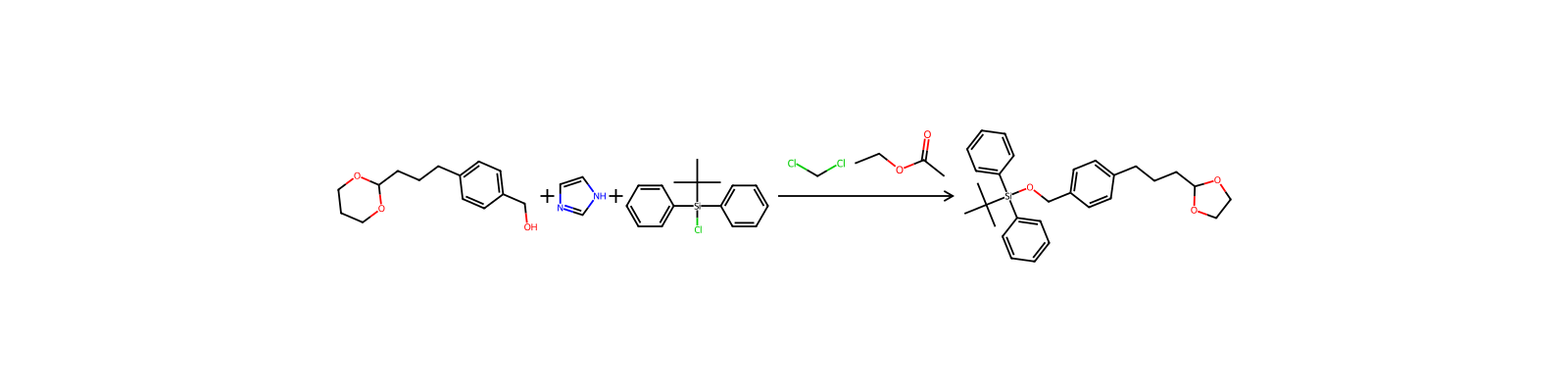
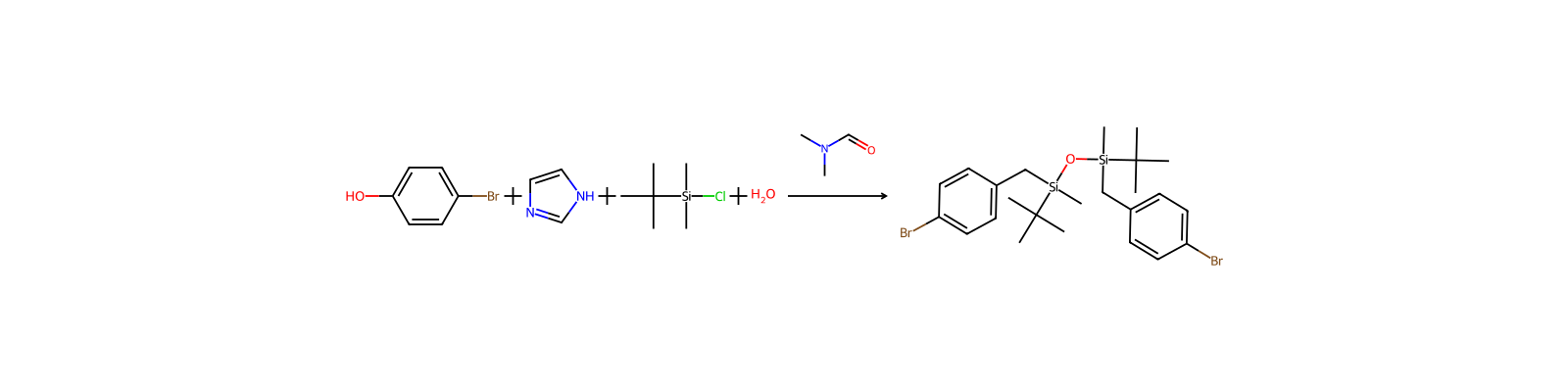
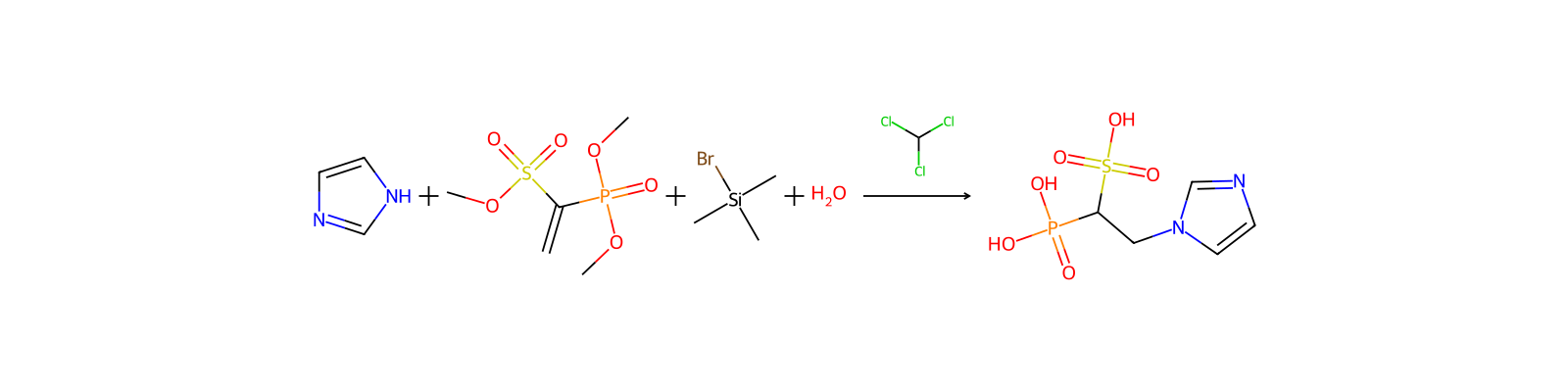
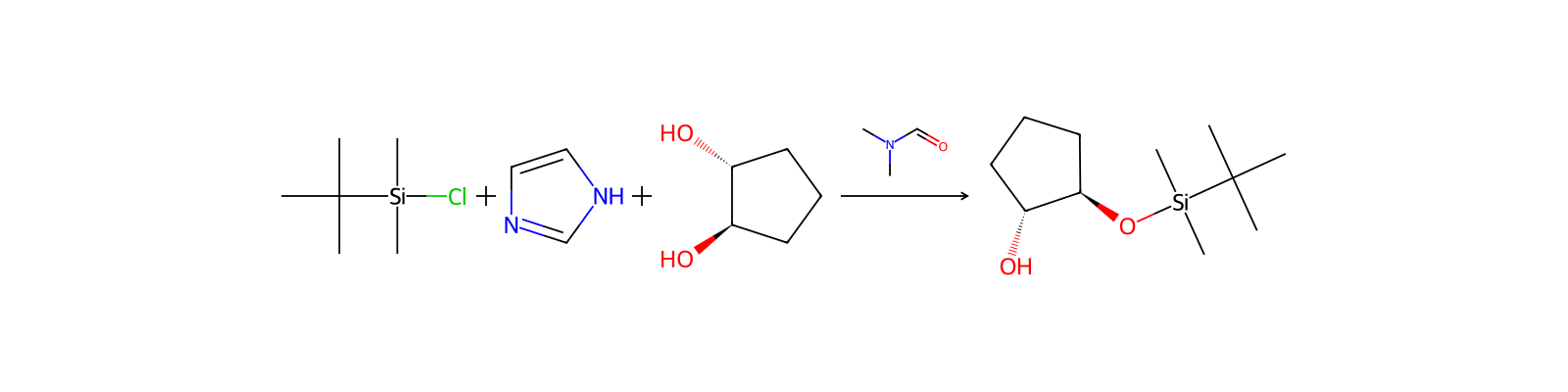
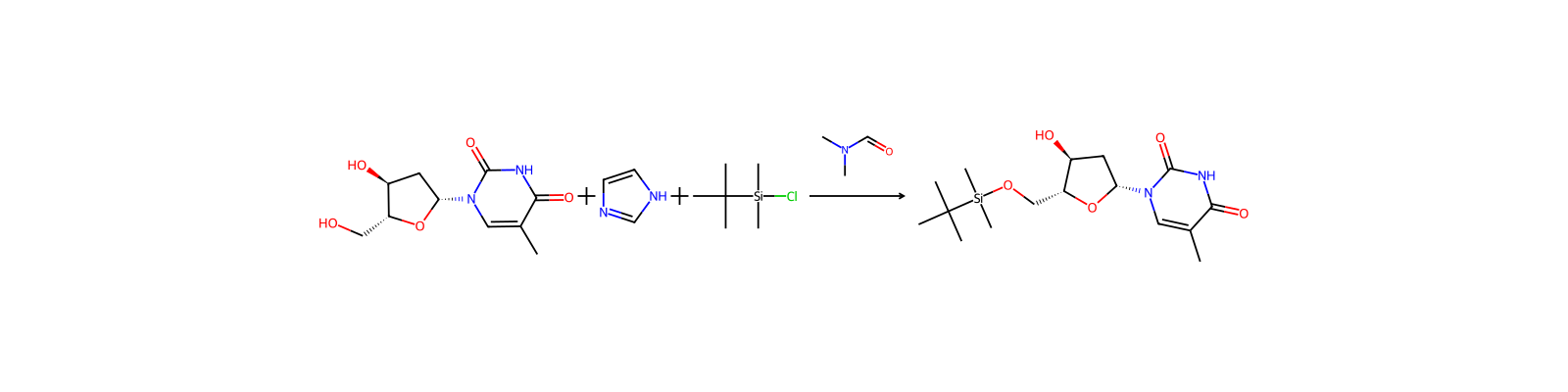
相关反应
9,335 条



关联笔记
加载中…