

基本信息
- 标准SMILES
CCCCNCCCC- InChIKey
JQVDAXLFBXTEQA-UHFFFAOYSA-N- 分子式
- C8H19N
- 平均分子量
- 129.24 g/mol
- 单同位素质量
- 129.15174961
概述
Di-n-butylamine appears as a yellow-colored liquid with a amine-like odor. Denser than water. Very corrosive, may burn skin, eyes, and mucous membranes. Flash point 125 °F. Combustible. Produce toxic oxides of nitrogen when burned. Used to make other chemicals.
名称与标识
- 首选名称
- Dibutylamine
- IUPAC
- N-butylbutan-1-amine
- 中文名
- 二正丁胺
- 英文名
- Dibutylamine
- 分子式
- C8H19N
- 分子量
- 129.24
名称与别名
DIBUTYLAMINE111-92-2Di-n-butylamineN-Butyl-1-butanamine1-Butanamine, N-butyl-Dibutilaminan-DibutylamineAI3-15329AI3-52649DTXSID70249522194M2LA21DTXCID504952
展开更多名称
二丁胺正二丁胺二丁基氨二丁基胺二正丁胺二正丁基胺二丁胺,AR二正丁胺AR二正丁胺CPN,N-二丁胺DNBAn,n-dibutylamineDibutylaminDibuthylamine(n-C4H9)2NH
RefChem:586542203-921-8N-butylbutan-1-amineDi-(n-butyl)amineDIBUTYL-AMINEdi-Normal-butylamineMFCD00009429UN2248
数据库标识
- CAS
111-92-2- PubChem CID
- 8148
- DTXSID
DTXSID7024952- ChEMBL
CHEMBL3184528- UNII
- 2194M2LA21
- EC Number
- 203-921-8
- Nikkaji
- J2.886J
性质
结构计算性质
- XLogP
- 2.8
- 极性表面积
- 12 Ų
- 氢键供体
- 1
- 氢键受体
- 1
- 可旋转键
- 6
- 重原子
- 9
- 形式电荷
- 0
- 复杂度
- 37.8
实验与物化性质
Chemical Classes
Nitrogen Compounds -> Amines, Aliphatic
Corrosives
SpringerMaterials Properties15N nuclear magnetic resonance spectrum
PesticidesEnvironmental transformation -> Pesticide transformation products (metabolite, successor)
LogP
log Kow= 2.83
2.83
2.68
OdorAMMONIA-LIKE ODOR
Density
0.759 at 68 °F (USCG, 1999) - Less dense than water; will float
0.7601 @ 20 °C/4 °C
Density (at 20 °C): 0.76 g/cm³
Relative density of the vapour/air-mixture at 20 °C (air = 1): 1.01
0.7613 @ 20°C
Color/Form
Liquid
Colorless
Solubility
Soluble (NTP, 1992)
Sol in alcohol
Very sol in ether and ethanol; sol in acetone
3500 mg/l in water @ 25 °C
Solubility in water, g/100ml: 0.35 (slightly soluble)
Flash Point
125 °F (NTP, 1992)
57 °C
57 °C (open cup)
51.6 °C (open cup)
47 °C
Boiling Point
318 to 320 °F at 760 mmHg (NTP, 1992)
159-160 °C
159 °C
159.6 °C @760 [mm Hg]
Decomposition
When heated to decomp it emits toxic fumes of /nitrogen oxides/.
Products of decomposition include carbon monoxide, carbon dioxide, hydrocarbons, & oxides of nitrogen as well as amine vapors.
Melting Point
-76 to -74 °F (NTP, 1992)
-60 to -59 °C
-59 °C
-61.9 °C
物理化学性质
- 熔点
- 62 °C · −62 °C(lit.)
- 沸点
- 159 °C · 159 °C(lit.)
- 密度
- 0.767 g/mL · 0.767 g/mL at 25 °C(lit.)
- 蒸气密度
- 4.46 · 4.46 (vs air)
- 蒸气压
- 1.9 mm · 1.9 mm Hg ( 20 °C)
- 折射率
- 20 · n20/D 1.417(lit.)
- 闪点
- 106 °F · 106 °F
- 储存条件
- 30 °C · Store below +30°C.
- 溶解度
- 3.8 g/L · water: soluble3.8g/L at 20°C
- 形态
- Liquid
- 酸度系数(pKa)
- 11.25 · 11.25(at 21℃)
- 颜色
- White
- 气味 (Odor)
- Weak ammonia.
- PH值
- 11.1 · 11.1 (1g/l, H2O, 20℃)
- 爆炸极限值(explosive limit)
- 0.6 · 0.6-6.8%(V)
- 水溶解性
- 4.05 g/L · 4.05 g/L (25 ºC)
- 比热容
- 2.27 J/ · Cp(liquid): 2.27 J/(g·K), at 25℃
- Merck
- 14 · 14,3032
- BRN
- 506001 · 506001
- Henry's Law Constant
- 1.3 · 1.3×10-1 mol/(m3Pa) at 25℃, Brockbank (2013)
- 介电常数
- 3 · 3.0(20℃)
- 稳定性
- Stable. Combustible. Incompatible with strong oxidizing agents, most common metals, strong acids. Vapours may flow over surfaces to a distant source of ignition. Can form explosive mixtures with air.
- InChI
- 1S/C8H19N/c1-3-5-7-9-8-6-4-2/h9H,3-8H2,1-2H3
- InChIKey
- JQVDAXLFBXTEQA-UHFFFAOYSA-N
- SMILES
- CCCCNCCCC
- LogP
- 2.1 at · 2.1 at 23℃
- CAS 数据库
- 111 · 111-92-2(CAS DataBase Reference)
- NIST化学物质信息
- 1 · 1-Butanamine, N-butyl-(111-92-2)
- EPA化学物质信息
- Dibutylamine (111-92-2)
化学性质
二正丁胺纯品为无色液体,m.p. -60℃(-61.9℃),b.p. 159℃(48℃/1.73kPa),n20D 1.4177,相对密度 0.767(20℃),f.p. 41℃,溶于水、丙酮和苯,极易溶于乙醇和乙醚。
安全与法规
GHS分类
GHS Classification
Danger
H226: Flammable liquid and vapor [Warning Flammable liquids]
P210, P233, P240, P241, P242, P243, P260, P262, P264, P264+P265, P270, P271, P280, P284, P301+P316, P301+P330+P331, P302+P352, P302+P361+P354, P303+P361+P353, P304+P340, P305+P354+P338, P316, P317, P320, P321, P330, P361+P364, P363, P370+P378, P403+P233, P403+P235, P405, and P501 (click each P-code to see the statement)
Danger
H226 (100%): Flammable liquid and vapor [Warning Flammable liquids]
P210, P233, P240, P241, P242, P243, P260, P261, P262, P264, P264+P265, P270, P271, P280, P284, P301+P316, P301+P317, P301+P330+P331, P302+P352, P302+P361+P354, P303+P361+P353, P304+P340, P305+P354+P338, P316, P317, P320, P321, P330, P361+P364, P362+P364, P363, P370+P378, P403+P233, P403+P235, P405, and P501 (click each P-code to see the statement)
危害信息
Regulatory Information
Chemical: 1-Butanamine, N-butyl-
1-Butanamine, N-butyl- is listed on the EPA's Chemical Data Reporting (CDR) system. Manufacturers and importers of 1-Butanamine, N-butyl- are required to report information about their production and use of this chemical to the EPA under the Toxic Substances Control Act (TSCA). (40 eCFR Part 711)
Status: Active Update: 01-07-2021 https://echa.europa.eu/registration-dossier/-/registered-dossier/13527
1-Butanamine, N-butyl-: Does not have an individual approval but may be used under an appropriate group standard
The New Jersey Worker and Community Right to Know Act requires public and private employers to provide information about hazardous substances at their workplaces. (N.J.S.A. 34:5A-1 et. seq.)
DOT LabelCorrosive Flammable Liquid
Fire Hazards
Special Hazards of Combustion Products: Toxic oxides of nitrogen may form in fires. (USCG, 1999)
· Flammable/combustible material.
Flammable. Gives off irritating or toxic fumes (or gases) in a fire. Above 47 °C explosive vapour/air mixtures may be formed. Risk of fire and explosion on contact with strong acids or strong oxidizing agents.
Fire PotentialFLAMMABLE LIQUID WHEN EXPOSED TO HEAT OR FLAME ... .
Health Hazards
Inhalation causes irritation of nose, throat, and lungs; coughing; nausea; headache. Ingestion causes irritation of mouth and stomach. Contact with eyes causes irritation. Contact with skin causes irritation and dermatitis. (USCG, 1999)
· May cause toxic effects if inhaled or ingested.
Hazards SummaryCorrosive to skin; [Quick CPC] Causes severe burns to the eyes and skin; High inhalation exposure can cause pulmonary edema; [HSDB] A corrosive substance that can cause pulmonary edema; [ICSC]
DOT ID and Guide2248 132
Reactive GroupAmines, Phosphines, and Pyridines
UN ClassificationUN Hazard Class: 8; UN Subsidiary Risks: 3; UN Pack Group: II
TSCA Requirements
Pursuant to section 8(d) of TSCA, EPA promulgated a model Health and Safety Data Reporting Rule. The section 8(d) model rule requires manufacturers, importers, and processors of listed chemical substances and mixtures to submit to EPA copies and lists of unpublished health and safety studies. Dibutylamine is included on this list.
Reactivity Profile
DI-N-BUTYLAMINE neutralizes acids in exothermic reactions to form salts plus water. May be incompatible with isocyanates, halogenated organics, peroxides, phenols (acidic), epoxides, anhydrides, and acid halides. Flammable gaseous hydrogen may be generated in combination with strong reducing agents, such as hydrides.
Chemical Dangers
Decomposes on burning. This produces toxic fumes including nitrogen oxides. The substance is a strong base. Reacts violently with strong oxidants. This generates fire and explosion hazard. Attacks some metals and some plastics. Solutions in water slowly etch glass.
安全与防护
Fire Fighting
Excerpt from ERG Guide 132 [Flammable Liquids - Corrosive]:
Use alcohol-resistant foam, water, powder, carbon dioxide. In case of fire: keep drums, etc., cool by spraying with water.
First Aid Measures
Fresh air, rest. Half-upright position. Artificial respiration may be needed. Refer immediately for medical attention.
Wear protective gloves when administering first aid. Remove contaminated clothes. Rinse skin with plenty of water or shower for at least 15 minutes. Refer immediately for medical attention .
Rinse with plenty of water for several minutes (remove contact lenses if easily possible). Refer immediately for medical attention.
Rinse mouth. Give nothing to drink. Do NOT induce vomiting. Refer immediately for medical attention.
Accidental Release Measures
· CALL 911. Then call emergency response telephone number on shipping paper. If shipping paper not available or no answer, refer to appropriate telephone number listed on the inside back cover.
· ELIMINATE all ignition sources (no smoking, flares, sparks or flames) from immediate area.
First Aid
EYES: First check the victim for contact lenses and remove if present. Flush victim's eyes with water or normal saline solution for 20 to 30 minutes while simultaneously calling a hospital or poison control center. Do not put any ointments, oils, or medication in the victim's eyes without specific instructions from a physician. IMMEDIATELY transport the victim after flushing eyes to a hospital even if no symptoms (such as redness or irritation) develop.
General First Aid:
Safe StorageFireproof. Store only in original container. Separated from strong oxidants, strong acids and food and feedstuffs. Store in an area without drain or sewer access. Provision to contain effluent from fire extinguishing.
Exposure Control and Personal Protection
· Wear positive pressure self-contained breathing apparatus (SCBA).
173.0 [ppm]
Fire Fighting Procedures
Use water spray, dry chemical, foam, or carbon dioxide. Use water spray to keep fire-exposed containers cool.
USE WATER SPRAY, DRY CHEM, "ALCOHOL" FOAM, OR CARBON DIOXIDE. USE WATER SPRAY TO KEEP FIRE-EXPOSED CONTAINERS COOL. IF LEAK OR SPILL HAS NOT IGNITED, USE WATER SPRAY TO DISPERSE VAPORS & TO PROTECT MEN ATTEMPTING TO STOP LEAK. WATER SPRAY MAY BE USED TO FLUSH SPILLS AWAY FROM EXPOSURES.
Storage ConditionsSeparate from oxidizing materials, acids, and sources of halogens. Store in a cool, dry, well-ventilated location. Outside or detached storage is peferred.
Nonfire Spill ResponseExcerpt from ERG Guide 132 [Flammable Liquids - Corrosive]:
Disposal Methods
SRP: At the time of review, criteria for land treatment or burial (sanitary landfill) disposal practices are subject to significant revision. Prior to implementing land disposal of waste residue (including waste sludge), consult with environmental regulatory agencies for guidance on acceptable disposal practices.
Spillage Disposal
Remove all ignition sources. Personal protection: complete protective clothing including self-contained breathing apparatus. Do NOT let this chemical enter the environment. Cover the spilled material with inert absorbent or sand. Then store and dispose of according to local regulations. Wash away remainder with plenty of water.
Preventive Measures
SRP: Local exhaust ventilation should be applied wherever there is an incidence of point source emissions or dispersion of regulated contaminants in the work area. Ventilation control of the contaminant as close to its point of generation is both the most economical and safest method to minimize personnel exposure to airborne contaminants.
SRP: The scientific literature for the use of contact lenses in industry is conflicting. The benefit or detrimental effects of wearing contact lenses depend not only upon the substance, but also on factors including the form of the substance, characteristics and duration of the exposure, the uses of other eye protection equipment, and the hygiene of the lenses. However, there may be individual substances whose irritating or corrosive properties are such that the wearing of contact lenses would be harmful to the eye. In those specific cases, contact lenses should not be worn. In any event, the usual eye protection equipment should be worn even when contact lenses are in place.
毒理信息
Body BurdenDibutylamine was found in the expired air of 6.5% of a sample of 54 carefully selected normal, healthy, nonsmoking adults who resided in urban areas(1). The geometric mean concn level was 0.218 ng/l(1).
Interactions
Nitrite ... is used as a food additive in meats and smoked fish. Some fish, vegetables, and fruit juices contain secondary amines. The acidic environment of the stomach facilitates a chemical reaction between nitrite and secondary amines, leading to the formation of carcinogenic nitrosamines. /Secondary amines/
Environmental Fate
TERRESTRIAL FATE: Based on a classification scheme(1), an estimated Koc value of 825(SRC) for the unprotonated form from a log Kow of 2.83(2) and a regression derived equation(3) indicates that dibutylamine is expected to have low mobility in soil(SRC). A pKa value of 11.39(4) indicates that the protonated form of dibutylamine will be the dominant species in moist soil surfaces and cations generally adsorb strongly to soils. Volatilization of dibutylamine from moist soil surfaces is not expected to be an important fate process since the cation is not expected to volatilize. The potential for volatilization of dibutylamine from dry soil surfaces may exist(SRC) based upon a vapor pressure of 2.59 mm Hg at 25 °C(5). 94-97% of the theoretical BOD was achieved for dibutylamine using an activated sludge inoculum during a 4 week incubation period(6).
AQUATIC FATE: Based on a classification scheme(1), an estimated Koc value of 825(SRC) from a log Kow of 2.83(2) and a regression derived equation(3) indicates that dibutylamine is expected to adsorb to suspended solids and sediment in water(SRC). A pKa value of 11.39(4) indicates that the protonated form of dibutylamine will be the predominant species in water. Volatilization from water surfaces is not expected to be important fate process(SRC) since the protonated form will not volatilize at environmental pH. According to a classification scheme(5), an estimated BCF of 30(SRC), from its log Kow(2) and a regression-derived equation(6), suggests the potential for bioconcentration in aquatic organisms is moderate(SRC). In a screening study, dibutylamine completely degraded within 14 days at 10 ppm with both an activated sludge and freshwater sediment inoculum(7).
ATMOSPHERIC FATE: According to a model of gas/particle partitioning of semivolatile organic compounds in the atmosphere(1), dibutylamine, which has a vapor pressure of 2.59 mm Hg at 25 °C(2), is expected to exist solely as a vapor in the ambient atmosphere. Vapor-phase dibutylamine is degraded in the atmosphere by reaction with photochemically-produced hydroxyl radicals(SRC); the half-life for this reaction in air is estimated to be 4 hours(SRC), from its rate constant of 8.98X10⁻¹¹ cu cm/molecule-sec at 25 °C(3). Dibutylamine is not expected to directly photolyze due to the lack of absorption in the environmental UV spectrum(SRC).
Food Survey Values
... Amines from decomposing fish have been suspected as a cause of keratitis. ... /Amines/
Dibutylamine was detected in pepperoni at a concn of 3.4 ppm(1). An average dibutylamine concn of 10 ppb was found in 3 samples of cod roe; however, it was not detected in samples of fish sausage, baked ham, spinach, or miso(2).
Adverse EffectsDermatotoxin - Skin burns.
Exposure RoutesSerious local effects by all routes of exposure.
Signs and Symptoms
Cough. Sore throat. Burning sensation. Shortness of breath. Laboured breathing.
Redness. Pain. Serious skin burns.
Redness. Pain. Blurred vision. Severe burns.
Burns in mouth and throat. Burning sensation behind the breastbone. Abdominal pain. Vomiting. Shock or collapse.
Effluent Concentrations
In a comprehensive survey of wastewater from 4000 industrial and publicly owned treatment works (POTWs) sponsored by the Effluent Guidelines Division of the U.S. EPA, dibutylamine was identified in discharges of the following industrial category (frequency of occurrence, median concn in ppb): iron and steel mfg (4; 170.4), plastics and synthetics (1; 89.1), electronics (1; 6723.3)(1). Dibutylamine was reported to be released from effluent of sewage treatment plants(2).
ICSC Environmental DataThe substance is toxic to aquatic organisms.
Soil Adsorption/Mobility
The Koc of dibutylamine was estimated as 825(SRC), using a log Kow of 2.83(1) and a regression-derived equation(2). According to a classification scheme(3), this estimated Koc value suggests that dibutylamine is expected to have low mobility in soil(SRC). The pKa of dibutylamine is 11.73(4), indicating that the protonated form will be the predominant species in moist soils and cations are expected to adsorb strongly to soil surfaces.
TSCA Test Submissions
Acute inhalation toxicity was evaluated in groups of 5 male and 5 female Sprague-Dawley albino rats exposed to dibutylamine at actual concentrations of 0.76, 1.08, 1.18, 1.39 or 3.91 mg/l of air for 4 hours. Mortality was observed in 2 animals in the 0.76 mg/l dose group, 4 in the 1.18 mg/l dose group, and all 10 in both the 1.39 and 3.91 mg/l dose groups. The LC50 value was calculated to be 1.15 mg/l (standard error of 0.095 mg/l) by the log probit method of Miller and Tainter. Clinical observations included excessive salivation, lacrimation, gasping, convulsions, abnormal breathing, ataxia, lethargy, rales, and staining of the urogenital area. Gross necropsy revealed lung congestion in decedents.
The inhibition of nonspecific esterase activity, and/or inhibition of aromatic amino acid esterase activity, and/or potential effects on specific cellular functions (phagocytosis, immunoglobin G synthesis, and inflammatory and immune mediator release) were evaluated with organic chemicals added to human peripheral blood monocytes. Di-n-butylamine stimulated monocyte alpha- naphthyl acetate esterase activity by 104% at a concentration of 1 mM, and 116% at 0.25 mM and stimulated monocyte aromatic amino acid esterase activity by 103% at 250 uM. Only the low-dose value for alpha-naphthyl acetate esterase stimulation was considered to be statistically significant.
The dermal sensitization potential of di-n-butylamine (CAS # 111-92-2) was evaluated in 10 CF1(BR) mice inducted with 3 daily 0.1 ml topical applications of a 0.1% (v/v in ethanol) test solution to clipped abdomens. A group of 10 mice likewise inducted over 3 days with 0.1 ml dermal applications of 0.5% (w/v) DNCB served as the positive control. Challenge and rechallenge were administered 7 and 14 days later in .01 ml dermal applications of a 25% (v/v) solution to both dorsal and ventral surfaces of the left and right ears respectively of inducted test mice. The thickness of treated left ears relative to that of solvent control (ethanol) right ears indicated the degree of sensitization. One animal challenged with di-n-butylamine exhibited a positive sensitization response (20% increase in ear thickness over control) at 48-hour evaluation only. None of either test or irritation control groups had responded to challenge by the 24-hour evaluation and none responded to rechallenge. Conversely, 60% and 50% positive response in the DCNB-inducted and challenged groups at 24-hour and 48-hour evaluations, respectively, confirmed the validity of the test system.
The clastogenic potential of di-n-butylamine (CAS # 111-92-2) was evaluated by incidence of micronucleated polychromatic erythrocytes in bone marrow of Harlan Sprague-Dawley ICR mice (20/sex/group) administered single oral gavage doses at 55, 110, or 220 mg/kg bodyweight. Mortality occurred among high-dose males (3/20) and females (1/20), and lethargy was observed in both males and females of all treatment groups. While treated mice exhibited slight reductions in polychromatic erythrocytes to erythrocyte ratios (up to 19%) relative to vehicle control (corn oil) animals, there was no significant increase in micronucleated polychromatic erythrocytes at 24, 48 or 72-hour post-treatment examination in either male or female treated mice when compared to controls.
Natural Pollution Sources
There is some indication that dibutylamine may occur naturally in some soils(1) and food items(2). Amines are produced by microbial processes in decaying organic matter and dibutylamine's emission from sewage treatment plants(3) suggests that it may also be a product of microbial metabolism(SRC).
法规信息
TSCA Requirements
Pursuant to section 8(d) of TSCA, EPA promulgated a model Health and Safety Data Reporting Rule. The section 8(d) model rule requires manufacturers, importers, and processors of listed chemical substances and mixtures to submit to EPA copies and lists of unpublished health and safety studies. Dibutylamine is included on this list.
安全数据
- F
- 10
- wgk
- 1
- tsca
- TSCA listed
- 毒性
- LD50 orally in rats: 550 mg/kg (Smyth)
- RTECS号
- HR7780000
- 包装类别
- II
- 危险等级
- 8
- 存储类别
- 3 - Flammable liquids
- 安全说明
- 45-36/37/39-28A-26-23
- 海关编码
- 2921 19 99
- 自燃温度
- 594 °F
- 危险品标志
- Xn,T
- 危险性类别
- Acute Tox. 2 InhalationAcute Tox. 3 DermalAcute Tox. 4 OralEye Dam. 1Flam. Liq. 3Skin Corr. 1A
- 危险类别码
- 10-20/21/22-35-23-21/22
- 毒害物质数据
- 111-92-2(Hazardous Substances Data)
- 危险品运输编号
- UN 2248
毒性防护
急性毒性口服- 大鼠 LD50: 189 毫克/ 公斤; 口服- 小鼠 LD50: 290 毫克/ 公斤
刺激数据皮肤- 兔子 10 毫克/ 24小时 重度; 眼- 兔子 250 微克 重度
包装储运
可燃性危险特性遇明火、高温、强氧化剂可燃; 燃烧排放有毒氮氧化物烟雾
储运特性包装完整、轻装轻卸; 库房通风、远离明火、高温、与氧化剂、酸分开存放
灭火剂泡沫、干粉、二氧化碳、砂土
化学与工业
药理信息
Absorption, Distribution and ExcretionAMINES ARE WELL ABSORBED FROM GUT & RESPIRATORY TRACT. /ALIPHATIC AMINES/
用途与制造
Uses
Used as a corrosion inhibitor and chemical intermediate; [HSDB]
Corrosion inhibitor; intermediate for emulsifiers, rubber accelerators, dyes, insecticides, flotation agent, inhibitor for butadiene
U.S. Exports(1972) 1.87X10+9 GRAMS (INCL OTHER ALKYLAMINES)
U.S. Imports(1972) 3.7X10+8 GRAMS (INCL OTHER ALKYLAMINES)
U.S. Production
2023: 10,000,000 - <50,000,000 lb
(1972) 1.7X10+9 GRAMS
(1975) PROBABLY GREATER THAN 9.08X10+5 GRAMS
(1981) 6,279X10+3 lb
(1985) 4,141X10+3 lb
Consumer UsesAnti-adhesive/cohesive
Industry UsesChemical reaction regulator
Methods of Manufacturing
By reaction of butanol or butyl chloride with ammonia
From butyl bromide & ammonia with separation of the mono-, di-, & tributylamines formed.
Formulations/PreparationsGrade: technical
Household ProductsInformation on 1 consumer products that contain Dibutylamine in the following categories is provided:
Use ClassificationEnvironmental transformation -> Pesticide transformation products (metabolite, successor)
General Manufacturing Information
All Other Basic Organic Chemical Manufacturing
1-Butanamine, N-butyl-: ACTIVE
应用领域
用途二正丁胺是一种有机合成原料,在农药上可用来合成丁硫克百威,还可用于染料、橡胶硫化促进剂(BZTP)、防老化剂(NBC)、POP聚合催化剂、抗腐蚀剂、药物以及油品添加剂二丁基二硫代氨基甲酸盐(钼、铅、锑、锌)的生产。
用途用于生产医药、农药、染料、矿物浮选剂、乳化剂以及精细化学品的中间体等。用作腐蚀称职制剂,橡胶促进剂,杀虫剂,阻聚剂等。
用途二正丁胺用于石油添加剂、橡胶促进剂、矿物浮选剂、腐蚀抑制剂、乳化剂、杀虫剂、阻聚剂及染料等。
制备方法
生产方法二正丁胺有两种生产方法。正丁醇法由正丁醇与氨作用而得。反应方程式如下:n-C4H9OH+NH3+H2→n-C4H9NH2+(n-C4H9)2NH+(n-C4H9)3N工艺过程为:将正丁醇、氨气、氢气经流量计控制,按配比通入不锈钢反应塔,塔内填充铜镍酸性白土催化剂,反应温度在200℃左右。反应结束后将反应气体冷凝,得到的粗产品含一丁胺2%~4.82%、二丁胺17%~26%、三丁胺31%~61%,通过精馏分离可得一丁胺、二丁胺和三丁胺。石灰氮(氰氨化钙)法反应方程式如下:CaCN[NaOH]→Na2NCN[C4H9Br]→(C4H9)2NCN[H2O]→[H2SO4](C4H9)2NH工艺过程为:将石灰氮悬浮在冰水中,慢慢加入冷却的氢氧化钠溶液,温度保持在25℃以下,剧烈搅拌1h,得到氰氨化钠溶液。向此溶液中加入溴丁烷乙醇溶液,搅拌回流2.5h,然后进行蒸馏,将剩余物冷却吸滤,滤饼用乙醇洗涤,将滤液和洗液合并,用苯萃取,将萃取液用无水硫酸钙干燥,经蒸除苯后将剩余物减压蒸馏,收集147~151℃/4.66kPa馏分,得二丁基氰胺。依次将水和浓硫酸、二丁基氰胺加入反应器,缓慢回流6h,冷却,沿器壁倒入冷却的氢氧化钠溶液(流至反应器底部而不与反应物料混合),使游离胺分离;然后加热,将胺和水一起蒸出。向馏出物中加入粒状氢氧化钾,并用冰冷却,分出胺层,干燥,蒸馏,收集157~160℃馏分得成品。
生产方法由正丁醇与氨反应而得。从石灰氮(氰氨化钙)出发,经氢氧化钠、二丁基、氰氨也可得到二丁胺。
上下游产品信息
上游原料
下游产品
试剂价格
- D0218 · 25ML
- 二丁胺Dibutylamine — 210元
- D0218 · 100ML
- 二正丁胺Dibutylamine — 260元
相关反应
347 条

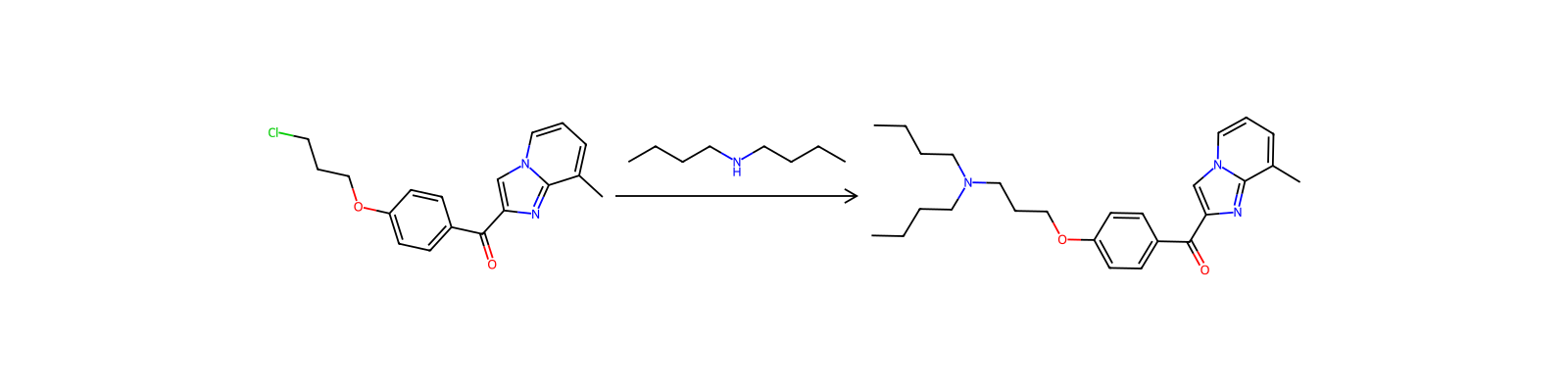
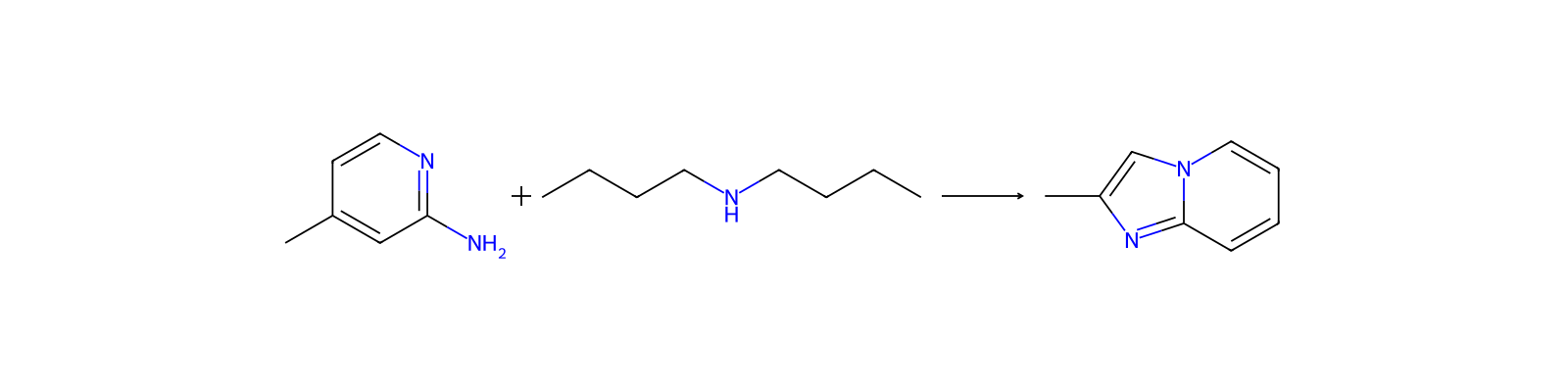

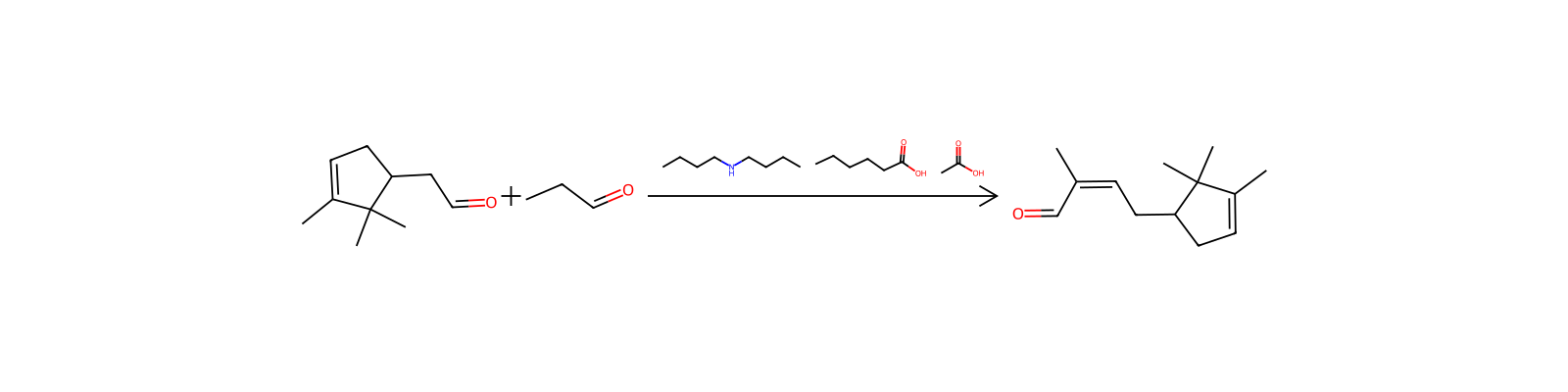


关联笔记
加载中…