
基本信息
- 标准SMILES
CO- InChIKey
OKKJLVBELUTLKV-UHFFFAOYSA-N- 分子式
- CH4O
- 平均分子量
- 32.042 g/mol
- 单同位素质量
- 32.02621475
名称与标识
- 首选名称
- Methanol
- IUPAC
- methanol
- 中文名
- (5BETA,17BETA)-17-羟基-17-(甲基-D3)-2'H-雄甾-2-烯并[3,2-C]吡唑-5'(1'H)-酮
- 英文名
- 2'H-Androst-2-eno[3,2-c]pyrazol-5'(1'H)-one, 17-hydroxy-17-(methyl-d3)-, (5α,17β)- (9CI)
- 分子式
- C21H32N2O2
- 分子量
- 344.5
名称与别名
methanolmethyl alcohol67-56-1wood alcoholMethylolWood naphthaMethyl hydroxideMonohydroxymethaneMethylalkoholAlcool methyliqueMethyl hydrateAlcohol, methyl
展开更多名称
木酒精银行费用3'-羟基噻唑-D3甲醇 99.5% AR甲醇 99.5% AR3'-羟基司坦唑-D3含 0.1% 乙酸的甲醇含 0.1% 甲酸的甲醇含 0.1% 乙酸铵的甲醇含 0.1% 三氟乙酸的甲醇MENTHOL CRYSTALMETHANOMETHYNOLWATER STANDARD3’-Hydroxystanozolol-d33'-HYDROXYSTANOZOLOL-D3Methanol with 0.1% acetic acidBETZ 1004ALCOHOL C1
MetanoloMeOHAlcool metilicoMetylowy alkoholCH3OHRcra waste number U154MetanolAlcohol,methyl
数据库标识
- CAS
170082-17-4、67-56-1- PubChem CID
- 887
- DTXSID
DTXSID2021731- ChEMBL
CHEMBL14688- ChEBI
CHEBI:17790- UNII
- Y4S76JWI15
- EC Number
- 106-533-6、200-659-6
- Nikkaji
- J2.287.162E、J2.364G
性质
结构计算性质
- XLogP
- -0.5
- 极性表面积
- 20.2 Ų
- 氢键供体
- 1
- 氢键受体
- 1
- 可旋转键
- 0
- 重原子
- 2
- 形式电荷
- 0
- 复杂度
- 2
实验与物化性质
LogP
log Kow = -0.77
-0.77
-0.74
Odor
Slight alcoholic odor when pure; repulsive, pungent odor when crude
Characteristic pungent odor
Density
0.792 at 68 °F (USCG, 1999) - Less dense than water; will float
0.8100 at 0 °C/4 °C; 0.7866 at 25 °C/4 °C
Relative density (water = 1): 0.79
0.79
0.7914 @ 20°C
0.79
Viscosity
0.544 mPa.s at 25 °C
0.544 mPa at 25 °C
Color/Form
Colorless liquid
Clear, colorless liquid
Solubility
greater than or equal to 100 mg/mL at 70 °F (NTP, 1992)
Miscible with water at 25 °C
Miscible with water at 20 °C
Miscible with ethanol, ether, benzene, most organic solvents and ketones
Soluble in acetone, chloroform
1000 mg/mL at 25 °C
Flash Point
52 °F (NTP, 1992)
52 °F (NFPA, 2010)
54 °F
9.7 °C (49.5 °F) - closed cup
15.6 °C (open cup) /from table/
52 °F (11 °C) (closed cup)
Boiling Point
148.3 °F at 760 mmHg (NTP, 1992)
64.7 °C at 760 mm Hg
64.00 to 65.00 °C. @ 760.00 mm Hg
65 °C
147 °F
64.6 °C @760 [mm Hg]
Decomposition
Hazardous decomposition products formed under fire conditions: Carbon oxides
When heated to decomposition it emits acrid smoke and irritating fumes.
Melting Point
-144 °F (NTP, 1992)
-97.8 °C
-97.6 °C
-98 °C
-144 °F
-97.53 °C
Vapor Density
1.11 (NTP, 1992) - Heavier than air; will sink (Relative to Air)
1.11 (Air = 1)
Relative vapor density (air = 1): 1.1
1.11
Odor Threshold
Odor Threshold Low: 4.2 [ppm];Odor Threshold High: 5960.0 [ppm];Detection odor threshold from AIHA (mean = 160 ppm)
The air odor threshold for methanol has been reported as 100 ppm. A level of 2,000 ppm ... is barely detectable.
Low threshold= 13.1150 mg/cu m; High threshold= 26840 mg/cu m; Irritating concn= 22875 mg/cu m.
物理化学性质
- 熔点
- 98 °C · −98 °C(lit.)
- 沸点
- 64.7 °C · 64.7 °C(lit.)
- 密度
- 1.053 g/mL · 1.053 g/mL at 20 °C
- 蒸气密度
- 1.11 · 1.11 (vs air)
- 蒸气压
- 410 mm · 410 mm Hg ( 50 °C)
- 折射率
- 20 · n20/D 1.329(lit.)
- 闪点
- 72 °F · 72 °F
- 储存条件
- -20 °C · -20°C
- 溶解度
- DMSO (Slightly), Ethanol (Slightly), Methanol (Slightly)
- 形态
- liquid
- 颜色
- 10 · <10(APHA)
- InChIKey
- SWPAIUOYLTYQKK-HIGDOIFTNA-N
- SMILES
- C[C@]12CC3C(NNC=3C[C@]1([H])CC[C@@]1([H])[C@]3([H])CC[C@@](O)(C([H])([H])[H])[C@@]3(C)CC[C@]21[H])=O |&1:1,9,13,15,19,25,29,r|
- CAS 数据库
- 170082 · 170082-17-4(CAS DataBase Reference)
化学性质
无色透明易燃易挥发的极性液体。纯品略带乙醇气味,粗品刺鼻难闻。能与水、乙醇、乙醚、苯、酮类和大多数其他有机溶剂混溶。
安全与法规
GHS分类
GHS Classification
Danger
H225: Highly Flammable liquid and vapor [Danger Flammable liquids];H301: Toxic if swallowed [Danger Acute toxicity, oral];H311: Toxic in contact with skin [Danger Acute toxicity, dermal];H331: Toxic if inhaled [Danger Acute toxicity, inhalation];H370 **: Causes damage to organs [Danger Specific target organ toxicity, single exposure]
P210, P233, P240, P241, P242, P243, P260, P261, P262, P264, P270, P271, P280, P301+P316, P302+P352, P303+P361+P353, P304+P340, P308+P316, P316, P321, P330, P361+P364, P370+P378, P403+P233, P403+P235, P405, and P501 (click each P-code to see the statement)
This chemical does not meet GHS hazard criteria for < 0.1% (4 of 7623) of reports.
危害信息
Regulatory Information
Chemical: Methanol
Hazard Traits - Developmental Toxicity; Neurotoxicity;Authoritative List - CA TACs; NTP OHAT - Repr. or Dev. Toxicants; OEHHA RELs; Prop 65;Report - regardless of intended function of ingredient in the product
Regulation (EC) No 258/1997
Methanol is listed on the EPA's Chemical Data Reporting (CDR) system. Manufacturers and importers of Methanol are required to report information about their production and use of this chemical to the EPA under the Toxic Substances Control Act (TSCA). (40 eCFR Part 711)
Status: Active Update: 17-05-2023 https://echa.europa.eu/registration-dossier/-/registered-dossier/15569;Status: Active Update: 26-05-2023 https://echa.europa.eu/registration-dossier/-/registered-dossier/23030
Restricted substance: Methanol;EC: 200-659-6;Restriction condition document: PDF link
Other Safety Information
IMAP assessments - Methanol: Human health tier II assessment;IMAP assessments - Methanol: Environment tier I assessment
- Indoor Air: Methanol can be released into indoor air as a liquid spray (aerosol).;- Water: Methanol can be used to contaminate water.;- Food: Methanol may be used to contaminate food.;- Outdoor Air: Methanol can be released into outdoor air as a liquid spray (aerosol).;- Agricultural: If methanol is released into the air as a liquid spray (aerosol), it has the potential to contaminate agricultural products.
DOT Label
Flammable Liquid Poison (international)
Flammable Liquid Corrosive
Fire Hazards
Behavior in Fire: Containers may explode. (USCG, 1999)
Excerpt from ERG Guide 132 [Flammable Liquids - Corrosive]:;Flammable/combustible material. May be ignited by heat, sparks or flames. Vapors may form explosive mixtures with air. Vapors may travel to source of ignition and flash back. Most vapors are heavier than air. They will spread along the ground and collect in low or confined areas (sewers, basements, tanks, etc.). Vapor explosion hazard indoors, outdoors or in sewers. Those substances designated with a (P) may polymerize explosively when heated or involved in a fire. Runoff to sewer may create fire or explosion hazard. Containers may explode when heated. Many liquids will float on water. (ERG, 2024)
· HIGHLY FLAMMABLE: Will be easily ignited by heat, sparks or flames.;CAUTION: Methanol (UN1230) will burn with an invisible flame. Use an alternate method of detection (thermal camera, broom handle, etc.);· Vapors may form explosive mixtures with air.;· Vapors may travel to source of ignition and flash back.;· Most vapors are heavier than air. They will spread along the ground and collect in low or confined areas (sewers, basements, tanks, etc.).;· Vapor explosion and poison hazard indoors, outdoors or in sewers.;· Those substances designated with a (P) may polymerize explosively when heated or involved in a fire.;· Runoff to sewer may create fire or explosion hazard.;· Containers may explode when heated.;· Many liquids will float on water.
· HIGHLY FLAMMABLE: Will be easily ignited by heat, sparks or flames.;CAUTION: Methanol (UN1230) will burn with an invisible flame. Use an alternate method of detection (thermal camera, broom handle, etc.);· Vapors may form explosive mixtures with air.;· Vapors may travel to source of ignition and flash back.;· Most vapors are heavier than air. They will spread along the ground and collect in low or confined areas (sewers, basements, tanks, etc.).;· Vapor explosion and poison hazard indoors, outdoors or in sewers.;· Those substances designated with a (P) may polymerize explosively when heated or involved in a fire.;· Runoff to sewer may create fire or explosion hazard.;· Containers may explode when heated.;· Many liquids will float on water.
Highly flammable. Vapour/air mixtures are explosive. Risk of fire and explosion on contact with incompatible substances.
Fire PotentialDangerous fire hazard when exposed to heat, flame or oxidizers.
Health Hazards
Exposure to excessive vapor causes eye irritation, head- ache, fatigue and drowsiness. High concentrations can produce central nervous system depression and optic nerve damage. 50,000 ppm will probably cause death in 1 to 2 hrs. Can be absorbed through skin. Swallowing may cause death or eye damage. (USCG, 1999)
Excerpt from ERG Guide 132 [Flammable Liquids - Corrosive]:;May cause toxic effects if inhaled or ingested. Contact with substance may cause severe burns to skin and eyes. Fire will produce irritating, corrosive and/or toxic gases. Vapors may cause dizziness or asphyxiation, especially when in closed or confined areas. Runoff from fire control or dilution water may cause environmental contamination. (ERG, 2024)
· TOXIC; may be fatal if inhaled, ingested or absorbed through skin.;· Inhalation or contact with some of these materials will irritate or burn skin and eyes.;· Methyl chloroacetate (UN2295) is an eye irritant/lachrymator (causes flow of tears).;· Fire will produce irritating, corrosive and/or toxic gases.;· Vapors may cause dizziness or asphyxiation, especially when in closed or confined areas.;· Runoff from fire control or dilution water may cause environmental contamination.
· TOXIC; may be fatal if inhaled, ingested or absorbed through skin.;· Inhalation or contact with some of these materials will irritate or burn skin and eyes.;· Methyl chloroacetate (UN2295) is an eye irritant/lachrymator (causes flow of tears).;· Fire will produce irritating, corrosive and/or toxic gases.;· Vapors may cause dizziness or asphyxiation, especially when in closed or confined areas.;· Runoff from fire control or dilution water may cause environmental contamination.
Hazards Summary
Methanol is released to the environment during industrial uses and naturally from volcanic gases, vegetation, and microbes. Exposure may occur from ambient air and during the use of solvents. Acute (short-term) or chronic (long-term) exposure of humans to methanol by inhalation or ingestion may result in blurred vision, headache, dizziness, and nausea. No information is available on the reproductive, developmental, or carcinogenic effects of methanol in humans. Birth defects have been observed in the offspring of rats and mice exposed to methanol by inhalation. EPA has not classified methanol with respect to carcinogenicity.
Methanol poisoning can cause blindness and death. The lethal oral dose in humans is 2 to 8 ounces. Most cases have occurred after ingestion. Methanol poisoning after inhalation or skin absorption in the workplace has been reported. [ACGIH] Symptoms of methanol poisoning include initial CNS depression and vomiting followed by metabolic acidosis and severe vision impairment 8-24 hours later. Coma, respiratory failure, and death may ensue. [CHEMINFO] In high-dose reproductive studies in animals, methyl alcohol causes testicular damage and birth defects. [Frazier, p. 179-80] Patients may present with inebriation and gastritis. There is a characteristic latency of 6-30 hours after exposure. Combined osmolar and anion gaps suggest poisoning by methanol or ethylene glycol, but also may occur in severe alcoholic ketoacidosis or diabetic ketoacidosis. [Olson, p. 35, 314-5]
DOT ID and Guide
1230 131
1230 131
1230 131
FDA Requirements
Methyl alcohol is an indirect food additive for use only as a component of adhesives.
Methyl alcohol may be present in the following foods under the conditions specified: (a) In spice oleoresins as a residue from the extraction of spice, at a level not to exceed 50 parts per million. (b) In hops extract as a residue from the extraction of hops, at a level not to exceed 2.2 percent by weight; Provided, That: (1) The hops extract is added to the wort before or during cooking in the manufacture of beer. (2) The label of the hops extract specifies the presence of methyl alcohol and provides for the use of the hops extract only as prescribed by paragraph (b)(1) of this section.
Reactive Group
Alcohols and Polyols
Alcohols and Polyols;Amines, Phosphines, and Pyridines
UN ClassificationUN Hazard Class: 3; UN Subsidiary Risks: 6.1; UN Pack Group: II
Explosion Hazards
- Mixtures of methanol vapor and air are explosive.;- Lower explosive (flammable) limit in air (LEL), 6.0%; upper explosive (flammable) limit in air (UEL), 36%.;- Agent presents a vapor explosion and poison (toxic) hazard indoors, outdoors, or in sewers.;- Run-off to sewers may create an explosion hazard.;- Containers may explode when heated.
安全与防护
Fire Fighting
Excerpt from ERG Guide 131 [Flammable Liquids - Toxic]:;CAUTION: The majority of these products have a very low flash point. Use of water spray when fighting fire may be inefficient. CAUTION: Methanol (UN1230) will burn with an invisible flame. Use an alternate method of detection (thermal camera, broom handle, etc.).;SMALL FIRE: Dry chemical, CO2, water spray or alcohol-resistant foam.;LARGE FIRE: Water spray, fog or alcohol-resistant foam. If it can be done safely, move undamaged containers away from the area around the fire. Dike runoff from fire control for later disposal. Avoid aiming straight or solid streams directly onto the product.;FIRE INVOLVING TANKS, RAIL TANK CARS OR HIGHWAY TANKS: Fight fire from maximum distance or use unmanned master stream devices or monitor nozzles. Cool containers with flooding quantities of water until well after fire is out. Withdraw immediately in case of rising sound from venting safety devices or discoloration of tank. ALWAYS stay away from tanks in direct contact with flames. For massive fire, use unmanned master stream devices or monitor nozzles; if this is impossible, withdraw from area and let fire burn. (ERG, 2024)
Excerpt from ERG Guide 132 [Flammable Liquids - Corrosive]:;Some of these materials may react violently with water.;SMALL FIRE: Dry chemical, CO2, water spray or alcohol-resistant foam.;LARGE FIRE: Water spray, fog or alcohol-resistant foam. If it can be done safely, move undamaged containers away from the area around the fire. Dike runoff from fire control for later disposal. Do not get water inside containers.;FIRE INVOLVING TANKS, RAIL TANK CARS OR HIGHWAY TANKS: Fight fire from maximum distance or use unmanned master stream devices or monitor nozzles. Cool containers with flooding quantities of water until well after fire is out. Withdraw immediately in case of rising sound from venting safety devices or discoloration of tank. ALWAYS stay away from tanks in direct contact with flames. For massive fire, use unmanned master stream devices or monitor nozzles; if this is impossible, withdraw from area and let fire burn. (ERG, 2024)
Use water spray, powder, alcohol-resistant foam, carbon dioxide. In case of fire: keep drums, etc., cool by spraying with water.
- Methanol is highly flammable.;- The agent will be easily ignited by heat, sparks, or flames.;- Fire will produce irritating, corrosive, and/or toxic gases.;- Vapors may travel to the source of ignition and flash back.;- Run-off to sewers may create a fire hazard.;- Caution: The agent has a very low flash point. Use of water spray when fighting fires may be inefficient.;- For small fires, use dry chemical, carbon dioxide, water spray, or alcohol-resistant foam.;- For large fires, use water spray, fog, or alcohol-resistant foam. Move containers from the fire area if it is possible to do so without risk to personnel. Dike fire control water for later disposal; do not scatter the agent. Use water spray or fog; do not use straight streams.;- For fire involving tanks or car/trailer loads, fight the fire from maximum distance or use unmanned hose holders or monitor nozzles. Cool containers with flooding quantities of water until well after the fire is out. Withdraw immediately in case of rising sound from venting safety devices or discoloration of tanks. Always stay away from tanks engulfed in fire.;- For massive fire, use unmanned hose holders or monitor nozzles; if this is impossible, withdraw from the area and let the fire burn.;- Run-off from fire control or dilution water may cause pollution.;- If the situation allows, control and properly dispose of run-off (effluent).
First Aid Measures
Fresh air, rest. Refer for medical attention.
Rinse contaminated clothes (fire hazard) with plenty of water. Refer for medical attention .
First rinse with plenty of water for several minutes (remove contact lenses if easily possible), then refer for medical attention.
Do NOT induce vomiting. Give one or two glasses of water to drink. Refer immediately for medical attention.
Accidental Release Measures
· CALL 911. Then call emergency response telephone number on shipping paper. If shipping paper not available or no answer, refer to appropriate telephone number listed on the inside back cover.;· Keep unauthorized personnel away.;· Stay upwind, uphill and/or upstream.;· Ventilate closed spaces before entering, but only if properly trained and equipped.
· ELIMINATE all ignition sources (no smoking, flares, sparks or flames) from immediate area.;· All equipment used when handling the product must be grounded.;· Do not touch or walk through spilled material.;· Stop leak if you can do it without risk.;· Prevent entry into waterways, sewers, basements or confined areas.;· A vapor-suppressing foam may be used to reduce vapors.;Small Spill;· Absorb with earth, sand or other non-combustible material and transfer to containers for later disposal.;· Use clean, non-sparking tools to collect absorbed material.;Large Spill;· Dike far ahead of liquid spill for later disposal.;· Water spray may reduce vapor, but may not prevent ignition in closed spaces.
First Aid
EYES: First check the victim for contact lenses and remove if present. Flush victim's eyes with water or normal saline solution for 20 to 30 minutes while simultaneously calling a hospital or poison control center. Do not put any ointments, oils, or medication in the victim's eyes without specific instructions from a physician. IMMEDIATELY transport the victim after flushing eyes to a hospital even if no symptoms (such as redness or irritation) develop.;SKIN: IMMEDIATELY flood affected skin with water while removing and isolating all contaminated clothing. Gently wash all affected skin areas thoroughly with soap and water. If symptoms such as redness or irritation develop, IMMEDIATELY call a physician and be prepared to transport the victim to a hospital for treatment.;INHALATION: IMMEDIATELY leave the contaminated area; take deep breaths of fresh air. If symptoms (such as wheezing, coughing, shortness of breath, or burning in the mouth, throat, or chest) develop, call a physician and be prepared to transport the victim to a hospital. Provide proper respiratory protection to rescuers entering an unknown atmosphere. Whenever possible, Self-Contained Breathing Apparatus (SCBA) should be used; if not available, use a level of protection greater than or equal to that advised under Protective Clothing.;INGESTION: DO NOT INDUCE VOMITING. Volatile chemicals have a high risk of being aspirated into the victim's lungs during vomiting which increases the medical problems. If the victim is conscious and not convulsing, give 1 or 2 glasses of water to dilute the chemical and IMMEDIATELY call a hospital or poison control center. IMMEDIATELY transport the victim to a hospital. If the victim is convulsing or unconscious, do not give anything by mouth, ensure that the victim's airway is open and lay the victim on his/her side with the head lower than the body. DO NOT INDUCE VOMITING. IMMEDIATELY transport the victim to a hospital. (NTP, 1992)
Excerpt from ERG Guide 132 [Flammable Liquids - Corrosive]:;Refer to the "General First Aid" section. Specific First Aid: For corrosives, in case of contact, immediately flush skin or eyes with running water for at least 30 minutes. Additional flushing may be required. In case of burns, immediately cool affected skin for as long as possible with cold water. Do not remove clothing if adhering to skin. (ERG, 2024)
General First Aid:;· Call 911 or emergency medical service.;· Ensure that medical personnel are aware of the material(s) involved, take precautions to protect themselves and avoid contamination.;· Move victim to fresh air if it can be done safely.;· Administer oxygen if breathing is difficult.;· If victim is not breathing:;-- DO NOT perform mouth-to-mouth resuscitation; the victim may have ingested or inhaled the substance.;-- If equipped and pulse detected, wash face and mouth, then give artificial respiration using a proper respiratory medical device (bag-valve mask, pocket mask equipped with a one-way valve or other device).;-- If no pulse detected or no respiratory medical device available, provide continuous compressions. Conduct a pulse check every two minutes or monitor for any signs of spontaneous respirations.;· Remove and isolate contaminated clothing and shoes.;· For minor skin contact, avoid spreading material on unaffected skin.;· In case of contact with substance, remove immediately by flushing skin or eyes with running water for at least 20 minutes.;· For severe burns, immediate medical attention is required.;· Effects of exposure (inhalation, ingestion, or skin contact) to substance may be delayed.;· Keep victim calm and warm.;· Keep victim under observation.;· For further assistance, contact your local Poison Control Center.;· Note: Basic Life Support (BLS) and Advanced Life Support (ALS) should be done by trained professionals.;Specific First Aid:;· Wash skin with soap and water.
General First Aid:;· Call 911 or emergency medical service.;· Ensure that medical personnel are aware of the material(s) involved, take precautions to protect themselves and avoid contamination.;· Move victim to fresh air if it can be done safely.;· Administer oxygen if breathing is difficult.;· If victim is not breathing:;-- DO NOT perform mouth-to-mouth resuscitation; the victim may have ingested or inhaled the substance.;-- If equipped and pulse detected, wash face and mouth, then give artificial respiration using a proper respiratory medical device (bag-valve mask, pocket mask equipped with a one-way valve or other device).;-- If no pulse detected or no respiratory medical device available, provide continuous compressions. Conduct a pulse check every two minutes or monitor for any signs of spontaneous respirations.;· Remove and isolate contaminated clothing and shoes.;· For minor skin contact, avoid spreading material on unaffected skin.;· In case of contact with substance, remove immediately by flushing skin or eyes with running water for at least 20 minutes.;· For severe burns, immediate medical attention is required.;· Effects of exposure (inhalation, ingestion, or skin contact) to substance may be delayed.;· Keep victim calm and warm.;· Keep victim under observation.;· For further assistance, contact your local Poison Control Center.;· Note: Basic Life Support (BLS) and Advanced Life Support (ALS) should be done by trained professionals.;Specific First Aid:;· Wash skin with soap and water.
(General first aid procedures);Eye: Irrigate immediately - If this chemical contacts the eyes, immediately wash (irrigate) the eyes with large amounts of water, occasionally lifting the lower and upper lids. Get medical attention immediately.;Skin: Water flush promptly - If this chemical contacts the skin, flush the contaminated skin with water promptly. If this chemical penetrates the clothing, immediately remove the clothing and flush the skin with water promptly. If irritation persists after washing, get medical attention.;Breathing: Respiratory support;Swallow: Medical attention immediately - If this chemical has been swallowed, get medical attention immediately.
Safe StorageSeparated from incompatible materials. Cool. Fireproof. Keep in a well-ventilated room.
Firefighting HazardsVapors may travel long distances to ignition sources and flashback. Vapors in confined areas may explode when exposed to fire.
Exposure Control and Personal Protection
· Wear positive pressure self-contained breathing apparatus (SCBA).;· Wear chemical protective clothing that is specifically recommended by the manufacturer when there is NO RISK OF FIRE.;· Structural firefighters' protective clothing provides thermal protection but only limited chemical protection.
· Wear positive pressure self-contained breathing apparatus (SCBA).;· Wear chemical protective clothing that is specifically recommended by the manufacturer when there is NO RISK OF FIRE.;· Structural firefighters' protective clothing provides thermal protection but only limited chemical protection.
Biological Exposure Indices (BEI) [ACGIH] - Methanol in urine = 15 mg/L; sample at end of shift;
100.0 [ppm]
Fire Fighting Procedures
Suitable extinguishing media: Use water spray, alcohol-resistant foam, dry chemical or carbon dioxide.
Advice for firefighters: Wear self-contained breathing apparatus for firefighting if necessary.
If material on fire or involved in fire: Do not extinguish fire unless flow can be stopped. Use water in flooding quantities as fog. Solid streams of water may be ineffective. Cool all containers with flooding quantities or water. Apply water from as far a distance as possible. Use "alcohol" foam, dry chemical or carbon dioxide.
Storage Conditions
Keep container tightly closed in a dry and well-ventilated place. Containers which are opened must be carefully resealed and kept upright to prevent leakage.
When large amounts of methanol are stored in enclosed 14 Methanol spaces, monitoring by means of lower explosion limit monitors is desirable.
Permanently installed fire-extinguishing equipment should be provided in large storage facilities. Water cannons are generally installed in storage tank farms to cool steel constructions and neighboring tanks in the event of fire. Large tanks should have permanently installed piping systems for alcohol-resistant fire-extinguishing foams.
Small-Scale Storage. Small amounts (</= 10 L) of methanol for laboratory and industrial use are stored in glass bottles or sheet-metal cans; amounts up to 200 L are stored and transported in steel drums. Some plastic bottles and containers cannot be used because of their permeability and the danger of dissolution of plasticizers. High-density polyethylene and polypropylene are suitable, whereas poly(vinyl chloride) and polyamides are unsuitable.
For more Storage Conditions (Complete) data for Methanol (6 total), please visit the HSDB record page.
Cleanup Methods
ACCIDENTAL RELEASE MEASURES: Personal precautions, protective equipment and emergency procedures: Wear respiratory protection. Avoid breathing vapors, mist or gas. Ensure adequate ventilation. Remove all sources of ignition. Evacuate personnel to safe areas. Beware of vapors accumulating to form explosive concentrations. Vapors can accumulate in low areas. Environmental precautions: Prevent further leakage or spillage if safe to do so. Do not let product enter drains. Methods and materials for containment and cleaning up: Contain spillage, and then collect with an electrically protected vacuum cleaner or by wet-brushing and place in container for disposal according to local regulations.
General Spill Actions: Stop or reduce discharge of material if this can be done without risk. Eliminate all sources of ignition. Avoid skin contact and inhalation. A fluorocarbon water foam can be applied to the spill to diminish vapor and fire hazard. Hycar and carbopol, which are absorbent materials, have shown possible applicability for vapor suppression and/or containment of methanol in spill situations. Leaking containers should be removed to the outdoors or to an isolated, well-ventilated area and the contents transferred to other suitable containers. The following materials are recommended for plugging leaks of methanol: polyester (eg Glad bag), imid polyester (eg brown-in-bag), stafoam urethane foam, sea-going epoxy putty, and MSA urethane.
Spills on Land: Contain if possible by forming mechanical or chemical barriers to prevent spreading. Absorb on sand, vermiculite or other absorbent and shovel into metal containers for disposal. Application of universal gelling agent to immobilize the spill, or the use of fly ash or cement powder to absorb the liquid bulk should also be considered. Other recommended sorbent materials are activated carbon and a universal sorbent material.
Spills in Water: After containment, a universal gelling agent can be injected to solidify trapped mass to increase the effectiveness of berms. Activated carbon can be applied at 10% the spilled amount over region occupied by 10 mg/L or greater concentrations. Then use mechanical dredges or lifts to remove immobilized masses of pollutants.
For more Cleanup Methods (Complete) data for Methanol (8 total), please visit the HSDB record page.
Nonfire Spill Response
Excerpt from ERG Guide 131 [Flammable Liquids - Toxic]:;ELIMINATE all ignition sources (no smoking, flares, sparks or flames) from immediate area. All equipment used when handling the product must be grounded. Do not touch or walk through spilled material. Stop leak if you can do it without risk. Prevent entry into waterways, sewers, basements or confined areas. A vapor-suppressing foam may be used to reduce vapors.;SMALL SPILL: Absorb with earth, sand or other non-combustible material and transfer to containers for later disposal. Use clean, non-sparking tools to collect absorbed material.;LARGE SPILL: Dike far ahead of liquid spill for later disposal. Water spray may reduce vapor, but may not prevent ignition in closed spaces. (ERG, 2024)
Excerpt from ERG Guide 132 [Flammable Liquids - Corrosive]:;ELIMINATE all ignition sources (no smoking, flares, sparks or flames) from immediate area. All equipment used when handling the product must be grounded. Do not touch or walk through spilled material. Stop leak if you can do it without risk. Prevent entry into waterways, sewers, basements or confined areas. A vapor-suppressing foam may be used to reduce vapors. Absorb with earth, sand or other non-combustible material. For hydrazine, absorb with DRY sand or inert absorbent (vermiculite or absorbent pads). Use clean, non-sparking tools to collect absorbed material.;LARGE SPILL: Dike far ahead of liquid spill for later disposal. Water spray may reduce vapor, but may not prevent ignition in closed spaces. (ERG, 2024)
Disposal Methods
Generators of waste (equal to or greater than 100 kg/mo) containing this contaminant, EPA hazardous waste number U154 and F003, must conform with USEPA regulations in storage, transportation, treatment and disposal of waste.
SRP: Wastewater from contaminant suppression, cleaning of protective clothing/equipment, or contaminated sites should be contained and evaluated for subject chemical or decomposition product concentrations. Concentrations shall be lower than applicable environmental discharge or disposal criteria. Alternatively, pretreatment and/or discharge to a permitted wastewater treatment facility is acceptable only after review by the governing authority and assurance that "pass through" violations will not occur. Due consideration shall be given to remediation worker exposure (inhalation, dermal and ingestion) as well as fate during treatment, transfer and disposal. If it is not practicable to manage the chemical in this fashion, it must be evaluated in accordance with EPA 40 CFR Part 261, specifically Subpart B, in order to determine the appropriate local, state and federal requirements for disposal.
Product: Burn in a chemical incinerator equipped with an afterburner and scrubber but exert extra care in igniting as this material is highly flammable. Offer surplus and non-recyclable solutions to a licensed disposal company. Contact a licensed professional waste disposal service to dispose of this material. Contaminated packaging: Dispose of as unused product.
Disposal: Waste methanol must never be discharged directly into sewers or surface waters. Large quantities of waste methanol can either be disposed of at licensed waste solvent disposal company or reclaimed by filtration and distillation. It can also be incinerated.
For more Disposal Methods (Complete) data for Methanol (7 total), please visit the HSDB record page.
毒理信息
Body Burden
Methanol was detected in 1 of 12 samples of human milk collected from volunteers in 4 USA cities(1). Methanol has been detected in expired human air(2-4); in one study, it was detected in 3.6% of 387 expired air samples collected from 54 volunteers at a geometric mean concentration of 0.549 ng/L(4).
A survey was conducted in the second half of a work week on 39 male workers who were occupationally exposed to styrene in combination with methanol and methyl acetate during the production of plastic buttons. Time-weighted average exposure during an 8-h shift to styrene (Sty-A) and methyl acetate was monitored by carbon cloth-equipped personal samplers and to methanol by water-equipped ones. Urine samples were collected near the end of the shift and analyzed for mandelic (MA-U) and phenylglyoxylic acids (PhGA-U) by HPLC. Geometric mean styrene concentration was 12.4 ppm (micrograms/g) with the maximum of 46 ppm, whereas the values for methanol and methyl acetate in combination were 23.5 ppm and 229 ppm, respectively. The relationship of MA-U and PhGA-U with Sty-A was examined by linear regression analysis. The equations for the regression lines were compared with the results from a previous survey (Ikeda et al. 1983) in which workers were exposed only to styrene, and the methods employed were identical with that in the present study. The comparison showed no evidence to suggest that styrene metabolism is suppressed by coexposure to methanol and methyl acetate at low concentrations below the current occupational exposure limit of 200 ppm.
Low-level inhalation exposures to methanol cause small increases in blood and urine formate levels. A study was conducted of 20 workers in a printing office who were exposed to an estimated methanol concentration between 111 and 174 mg/cu m throughout the work day. During the day, the blood level of formate increased an average of 4.7 mg/L (3.2 mg/L before the work shift to 7.9 mg/L when work ended), and urinary formate increased an average of 7.1 mg/L. A control group maintained relatively stable levels throughout the day of 5.3 mg/L of blood and 11.8 mg/L of urine.
... Twenty workers were exposed throughout the day to 120 mg/cu m of methanol. At the end of the day, blood and urine levels of methanol were 8.9 and 21.8 mg/L, respectively; a control group had a mean blood and urine level of <0.6 and 1.1 mg/L, respectively. Urinary formic acid was significantly higher in the workers (29.9 mg/L) than in the controls (12.7 mg/L).
A fatal case involving a 41-yr-old man who had ingested a large quantity of methanol disclosed a broad distribution of methanol in postmortem tissues and fluids. The highest content of methanol was found in the kidney (5.13 g/kg) followed by the liver (4.18 g/kg), vitreous humor (3.9 g/L), heart (3.45 g/kg), urine (3.43 g/L), pericardial fluid (3.29 g/L), blood (2.84 g/L) and stomach contents (2.21 g/L).
Interactions
Methanol is a toxic alcohol that can cause significant morbidity and mortality in overdose, while ethanol is a readily available and effective antidote. Little is known about the pharmacokinetics of methanol in the presence of ethanol and vice versa. This paper explores the influence of methanol and ethanol on the pharmacokinetics of each other along with the effect of continuous venovenous hemodiafiltration (CVVHD) on alcohol removal. Multiple plasma, urine and dialysate samples were collected from a 42-year-old male who ingested 166 g of methanol. Methanol and ethanol concentrations in both plasma and urine were assayed and the concentration-time data were modelled using nonlinear mixed-effects modelling software NONMEM VI. Simulations were performed using the final model parameters in MATLAB software where a variety of initial doses and ethanol infusions were assessed. The final model included a competitive metabolic interaction between methanol and ethanol as well as first-order elimination due to renal, CVVHD and an additional non-renal non-CVVHD mechanism. Simulations from the model show a loading dose of 28.4 g/70 kg of ethanol results in a target plasma concentration of 1 g/L. Due to the competitive interaction between methanol and ethanol, higher amounts of methanol require lower maintenance doses of ethanol but for longer. CVVHD was shown to increase the dose rate of ethanol required but to decrease the duration of the maintenance phase. ...
The drug 4-methylpyrazole (4-MP; fomepizole) is a competitive ADH inhibitor and an effective antidote for methanol and ethylene glycol poisoning. The concentration at which 4-MP inhibits 50% of ADH is 0.1 umol/L. The drug is used iv and orally and is eliminated by Michaelis-Menten kinetics.
... Ranitidine /was tested/ as an antidote for methanol acute toxicity and compared with ethanol and 4-methyl pyrazole (4-MP). This study was conducted on 48 Sprague-Dawley rats, divided into 6 groups, with 8 rats in each group (one negative control group [C1], two positive control groups [C2, C3] and three test groups [1, 2 and 3]). C2, C3 and all test groups were exposed to nitrous oxide by inhalation, then, C3 group was given methanol (3 g/kg orally). The three test groups 1, 2 and 3 were given ethanol (0.5 g/kg orally), 4-MP (15 mg/kg intraperitoneally) and ranitidine (30 mg/kg intraperitoneally), respectively, 4 hr after giving methanol. Rats were sacrificed and heparinized, cardiac blood samples were collected for blood pH and bicarbonate. Non-heparinized blood samples were collected for formate levels by high performance liquid chromatography. Eye balls were enucleated for histological examination of the retina. Ranitidine corrected metabolic acidosis (p = 0.025), decreased formate levels (p = 0.014) and improved the histological findings in the retina induced by acute methanol toxicity.
... The effect of lycopene on methanol-induced liver injury /was evaluated/ and ... the results /compared/ with those after fomepizole, which is used in treatment of methanol intoxication. Experiments were carried out with 30 female Wistar rats weighting 180-200 g. Rats were injected with an ip dose of 3 g/kg methanol as a 50% solution in isotonic saline once for intoxication. Rats were pretreated with fomepizole (50 mg/kg) and/or lycopene (10 mg/kg) before methanol. After 24 hr all the drug-treated and intoxicated rats were sacrificed under anesthesia. Malondialdehyde (MDA) levels were determined in order to assess lipid peroxidation, and caspase-3 activity was determined by immunostaining of liver tissues to evaluate apoptosis. Methanol administration significantly increased the MDA level and caspase-3 activity in liver. Pretreatment with lycopene and/or fomepizole decreased the MDA levels significantly. Similarly, lycopene and fomepizole decreased methanol-induced caspase-3 activity. The findings of the present study demonstrate that methanol intoxication causes hepatic toxicity in rats and that this is likely a result of reactive oxygen species and apoptosis induction. Lycopene has protective effects against methanol-induced hepatic injury similar to fomepizole. It was demonstrated for the first time that both lycopene and fomepizole prevent methanol-induced hepatic injury by reducing the increase of lipid oxidation and caspase-3 activation.
For more Interactions (Complete) data for Methanol (17 total), please visit the HSDB record page.
Target Organs
Developmental;Nervous
Eyes, skin, respiratory system, central nervous system, gastrointestinal tract
Health Effects
Acute methanol poisoning in humans is characterized by an asymptomatic period of 12h to 24h followed by formic acidemia, ocular toxicity, coma, and in extreme cases death. Visual disturbances develop between 18h to 48h after ingestion and range from mild photophobia and blurred vision to markedly reduced visual acuity and complete blindness. (T10)
Ecotoxicity Values
EC50; Species: Chlorella fusca ssp. vacuolata (Green Algae) strain 21115; Conditions: freshwater, static, 28 °C, pH 6.9; Concentration: 0.77 umol/L for 24 hr; Effect: decreased population growth rate /100% purity/
EC50; Species: Chlorella pyrenoidosa (Green Algae) 65000-78000 cells/mL; Conditions: static, 25 °C; Concentration: 3.6 umol/L for 24 hr (95% confidence interval: 3.46-3.74 ug/L; Effect: general growth
EC50; Species: Pseudokirchneriella subcapitata (Green Algae) 15000 cells/mL; Conditions: freshwater, static, 24 °C; Concentration: 3010 ug/L for 48 hr (95% confidence interval: 1910-5570 ug/L); Effect: physiology photosynthesis /99% purity formulation/
EC50; Species: Pseudokirchneriella subcapitata (Green Algae) 15000 cells/mL; Conditions: freshwater, static, 24 °C; Concentration: >60400 ug/L for 48 hr; Effect: population growth rate /99% purity formulation/
For more Ecotoxicity Values (Complete) data for Methanol (48 total), please visit the HSDB record page.
Environmental Fate
TERRESTRIAL FATE: Based on a classification scheme(1), a measured Koc value of 2.75(2) indicates that methanol is expected to have very high mobility in soil(SRC). Volatilization of methanol from moist soil surfaces is expected to be an important fate process(SRC) given a Henry's Law constant of 4.55X10⁻⁶ atm-cu m/mole(3). Methanol is expected to volatilize from dry soil surfaces(SRC) based upon a vapor pressure of 127 mm Hg(4). Biodegradation half-lives of 1 and 3.2 days measured in a sandy silt loam and sandy loam from Texas and Mississippi, respectively(5), suggest that biodegradation is an important environmental fate process in soil(SRC).
AQUATIC FATE: Based on a classification scheme(1), a measured Koc value of 2.75(2) indicates that methanol is not expected to adsorb to suspended solids and sediment(SRC). Volatilization from water surfaces is expected(3) based upon a Henry's Law constant of 4.55X10⁻⁶ atm-cu m/mole(4). Using this Henry's Law constant and an estimation method(3), volatilization half-lives for a model river and model lake are 4.6 and 35 days, respectively(SRC). According to a classification scheme(5), a BCF of <10 measured in fish(6) suggests that bioconcentration in aquatic organisms is low(SRC). Methanol lacks functional groups that hydrolyze or absorb light under environmentally relevant conditions(3), therefore hydrolysis and photolysis are not expected to be important environmental fate processes(SRC). Methanol has been shown to undergo rapid biodegradation in a variety of screening studies using sewage seed and activated sludge inoculum(7-10), which suggests that biodegradation is an important environmental fate process in water(SRC).
ATMOSPHERIC FATE: According to a model of gas/particle partitioning of semivolatile organic compounds in the atmosphere(1), methanol, which has a vapor pressure of 127 mm Hg at 25 °C(2), is expected to exist solely as a vapor in the ambient atmosphere. Vapor-phase methanol is degraded in the atmosphere by reaction with photochemically-produced hydroxyl radicals(SRC); the half-life for this reaction in air is estimated to be 17 days(SRC), calculated from its rate constant of 9.0X10⁻¹³ cu cm/molecule-sec at 25 °C(3). The major degradation product from reaction with hydroxyl radicals is formaldehyde(4).
Food Survey Values
Methanol has been identified as a volatile component of dried legumes (concentration 1.5-7.9 ppm), baked potatoes, and roasted filbert nuts(1-3). Methanol was identified, not quantified, in the volatile flavor components of fresh grapefruit(4). Methanol was detected at levels of 7-126 ppm in fresh squeezed orange juice(5).
Some distilled fruit spirits contain, normally, high quantities of methanol. ...
Adverse Effects
Neurotoxin - Other CNS neurotoxin;Reproductive Toxin - A chemical that is toxic to the reproductive system, including defects in the progeny and injury to male or female reproductive function. Reproductive toxicity includes developmental effects. See Guidelines for Reproductive Toxicity Risk Assessment.
Exposure Routes
The substance can be absorbed into the body by inhalation, through the skin and by ingestion.
inhalation, skin absorption, ingestion, skin and/or eye contact
Methanol can be absorbed into the body by inhalation, ingestion, skin contact, or eye contact. Ingestion is an important route of exposure.
Oral (T10)
Milk ConcentrationsENVIRONMENTAL: Methanol was detected in 1 of 12 samples of human milk collected from volunteers in 4 USA cities(1).
Toxicity Summary
Based on the data presented in this safety assessment, the CIR Expert Panel concludes that Methyl Alcohol is safe as used to denature alcohol used in cosmetic products.
Safe for use in cosmetics, with qualifications
IDENTIFICATION AND USE: Methanol is a clear colorless liquid, used in hydraulic fracturing mixtures. It is also used as dehydrator of natural gas; fuel for utility plants (methyl fuel); feedstock for manufacture of synthetic proteins by continuous fermentation; source of hydrogen for fuel cells, home-heating-oil extender. HUMAN STUDIES: Humans (and non-human primates) are uniquely sensitive to methanol poisoning. Nearly all of the available information on methanol toxicity in humans relates to the consequences of acute rather than chronic exposures. A vast majority of poisonings involving methanol have occurred from drinking adulterated beverages and from methanol-containing products. The minimum lethal dose of methanol in the absence of medical treatment is between 0.3 and 1 g/kg. Wide interindividual variability of the toxic dose is a prominent feature in acute methanol poisoning. Two important determinants of human susceptibility to methanol toxicity appear to be (1) concurrent ingestion of ethanol, which slows the entrance of methanol into the metabolic pathway, and (2) hepatic folate status, which governs the rate of formate detoxification. The symptoms and signs of methanol poisoning, which may not appear until after an asymptomatic period include visual disturbances, nausea, abdominal and muscle pain, dizziness, weakness and disturbances of consciousness ranging from coma to clonic seizures. Visual disturbances range from mild photophobia and misty or blurred vision to markedly reduced visual acuity and complete blindness. In extreme cases death results. The principal clinical feature is severe metabolic acidosis of the anion-gap type. ANIMAL STUDIES: The rate of metabolic detoxification, or removal of formate is vastly different between rodents and primates and is the basis for the dramatic differences in methanol toxicity observed between rodents and primates. The acute and short term toxicity of methanol varies greatly between different species, toxicity b
"Toxic alcohols" is a collective term that refers to several hydroxylated aliphatic compounds that can cause significant metabolic and systemic toxicity. This includes methanol, ethylene glycol, diethylene glycol, and isopropyl alcohol. Methanol is among the most dangerous toxic alcohols, potentially producing significant morbidity and mortality in heavily exposed individuals who are left untreated. It is found in various household and industrial agents, and methanol poisoning may be due to accidental or intentional ingestions. Accidental poisonings have been due to distillation and fermentation errors, and as the result of beverage contamination. Examples of products that contain methanol include windshield wiper fluid, industrial solvents, some types of antifreeze, carburetor cleaner, etc. The exposures to methanol can cause varying degrees of toxicity and the management strategies range from close laboratory monitoring to antidotal therapy and dialysis. The primary treatment is fomepizole, and ethanol may be administered if fomepizole is not an option.
The target of methanol in the eye is the retina, specifically the optic disk and optic nerve. Muller cells and rod and cone cells are altered functionally and structurally, because cytochrome oxidase activity in mitochondria is inhibited, resulting in a reduction in ATP. (T10)
Ecotoxicity Excerpts
/AQUATIC SPECIES/ At 40,000-80,000 mg/L, methanol killed Chironomus dorsalis meig larvae within 2 days; 500-20,000 mg/L within 26 days. 50-200 mg/L delayed imago emergence; at emergence, limb defects or hemorrhages were observed. 250 mg/L cause morphological changes in larval development.
/AQUATIC SPECIES/ ... The mussel, Mytilus edulis, /was exposed/ to methanol concentrations of 1, 2, 3, 5 and 10% (v/v) for 96 hr. All the mussels in both the 5 and 10% exposure groups died within 13.5 hr. Sublethal narcotic effects such as slow movement and sporadic filter feeding were reported in mussels exposed to 2 and 3%. Mussels exposed to 1% methanol exhibited no adverse effects during the 96-hr exposure period.
/AQUATIC SPECIES/ The effect of methanol on the fertilization of chum salmon (Oncorhynchus keta) ova was examined at methanol exposure levels of 0.001% to 10% by volume (7.9 to 79,000 mg/L). Both gametes (sperm and unfertilized ova) and fertilized eggs were exposed to methanol for brief periods. Exposures up to and including 1% methanol did not significantly affect fertilization, survival to hatching, hatching time, alevin size at hatch or physical deformities among alevins, although a methanol concentration of 10% was lethal in most cases.
/AQUATIC SPECIES/ Ninety-six-hour acute toxicity tests revealed cladoceran crustacea Moina micrura as the most sensitive to methanol (LC50, 4.82 g/L), followed by freshwater teleost Oreochromis mossambicus (LC50, 15.32 g/L) and oligochaete worm Branchiura sowerbyi (LC50, 54.89 g/L). The fish, when exposed to lethal concentrations of methanol, showed difficulties in respiration and swimming. The oligochaete body wrinkled and fragmented under lethal exposure of methanol. Effects of five sublethal concentrations of methanol (0, 23.75, 47.49, 736.10, and 1527.60 mg/L) on the feeding rate of the fish and on its growth and reproduction were evaluated by separate bioassays. Ninety-six-hour bioassays in the laboratory showed significant reduction in the appetite of fish when exposed to 736.10 mg/L or higher concentrations of methanol. Chronic toxicity bioassays (90 days) in outdoor enclosures showed a reduction in growth, maturity index and fecundity of fish at 47.49 mg/L or higher concentrations of methanol. Primary productivity, phytoplankton population, and alkalinity of water were also reduced at these concentrations. Chronic exposure to 1527.60 mg/L methanol resulted in damages of the epithelium of primary and secondary gill lamellae of the fish. The results revealed 23.75 mg/L as the no-observed-effect concentration (NOEC) of methanol to freshwater aquatic ecosystem.
For more Ecotoxicity Excerpts (Complete) data for Methanol (6 total), please visit the HSDB record page.
法规信息
Regulatory Information
Chemical: Methanol
Hazard Traits - Developmental Toxicity; Neurotoxicity;Authoritative List - CA TACs; NTP OHAT - Repr. or Dev. Toxicants; OEHHA RELs; Prop 65;Report - regardless of intended function of ingredient in the product
Regulation (EC) No 258/1997
Methanol is listed on the EPA's Chemical Data Reporting (CDR) system. Manufacturers and importers of Methanol are required to report information about their production and use of this chemical to the EPA under the Toxic Substances Control Act (TSCA). (40 eCFR Part 711)
Status: Active Update: 17-05-2023 https://echa.europa.eu/registration-dossier/-/registered-dossier/15569;Status: Active Update: 26-05-2023 https://echa.europa.eu/registration-dossier/-/registered-dossier/23030
Restricted substance: Methanol;EC: 200-659-6;Restriction condition document: PDF link
FDA Requirements
Methyl alcohol is an indirect food additive for use only as a component of adhesives.
Methyl alcohol may be present in the following foods under the conditions specified: (a) In spice oleoresins as a residue from the extraction of spice, at a level not to exceed 50 parts per million. (b) In hops extract as a residue from the extraction of hops, at a level not to exceed 2.2 percent by weight; Provided, That: (1) The hops extract is added to the wort before or during cooking in the manufacture of beer. (2) The label of the hops extract specifies the presence of methyl alcohol and provides for the use of the hops extract only as prescribed by paragraph (b)(1) of this section.
RCRA Requirements
U154; As stipulated in 40 CFR 261.33, when methanol, as a commercial chemical product or manufacturing chemical intermediate or an off-specification commercial chemical product or a manufacturing chemical intermediate, becomes a waste, it must be managed according to Federal and/or State hazardous waste regulations. Also defined as a hazardous waste is any residue, contaminated soil, water, or other debris resulting from the cleanup of a spill, into water or on dry land, of this waste. Generators of small quantities of this waste may qualify for partial exclusion from hazardous waste regulations (40 CFR 261.5).
F003; When methanol is a spent solvent, it is classified as a hazardous waste from a nonspecific source (F003), as stated in 40 CFR 261.31, and must be managed according to State and/or Federal hazardous waste regulations.
FIFRA Requirements
Residues of methyl alcohol are exempted from the requirement of a tolerance when used in accordance with good agricultural practice as inert (or occasionally active) ingredients in pesticide formulations applied to growing crops or to raw agricultural commodities after harvest. Use: solvent.
Residues of methyl alcohol are exempted from the requirement of a tolerance when used in accordance with good agricultural practice as inert (or occasionally active) ingredients in pesticide formulations applied to growing crops only. Use: synergist.
Residues of methyl alcohol are exempted from the requirement of a tolerance when used in accordance with good agricultural practice as inert (or occasionally active) ingredients in pesticide formulations applied to animals. Use: solvent, cosolvent.
As the federal pesticide law FIFRA directs, EPA is conducting a comprehensive review of older pesticides to consider their health and environmental effects and make decisions about their continued use. Under this pesticide reregistration program, EPA examines newer health and safety data for pesticide active ingredients initially registered before November 1, 1984, and determines whether the use of the pesticide does not pose unreasonable risk in accordance to newer saftey standards, such as those described in the Food Quality Protection Act of 1996. Pesticides for which EPA had not issued Registration Standards prior to the effective date of FIFRA '88 were divided into three lists based upon their potential for human exposure and other factors, with List B containing pesticides of greater concern than those on List C, and with List C containing pesticides of greater concern than those on List D. Methyl alcohol is found on List D. Case No: 4003; Pesticide type: insecticide, fungicide, herbicide, antimicrobial; Case Status: RED Approved 3/95; OPP has made a decision that some/all uses of the pesticide are eligible for reregistration, as reflected in a Reregistration Eligibility Decision (RED) document .; Active ingredient (AI): methyl alcohol; AI Status: The active ingredient is no longer contained in any registered products. Thus, we characterize it as "cancelled."
Atmospheric Standards
This action promulgates standards of performance for equipment leaks of Volatile Organic Compounds (VOC) in the Synthetic Organic Chemical Manufacturing Industry (SOCMI). The intended effect of these standards is to require all newly constructed, modified, and reconstructed SOCMI process units to use the best demonstrated system of continuous emission reduction for equipment leaks of VOC, considering costs, non air quality health and environmental impact and energy requirements. Methanol is produced, as an intermediate or a final product, by process units covered under this subpart.
Listed as a hazardous air pollutant (HAP) generally known or suspected to cause serious health problems. The Clean Air Act, as amended in 1990, directs EPA to set standards requiring major sources to sharply reduce routine emissions of toxic pollutants. EPA is required to establish and phase in specific performance based standards for all air emission sources that emit one or more of the listed pollutants. Methanol is included on this list.
CERCLA Reportable Quantities
Persons in charge of vessels or facilities are required to notify the National Response Center (NRC) immediately, when there is a release of this designated hazardous substance, in an amount equal to or greater than its reportable quantity of 5000 lb or 2270 kg. The toll free number of the NRC is (800) 424-8802. The rule for determining when notification is required is stated in 40 CFR 302.4 (section IV. D.3.b).
State Drinking Water Guidelines
(FL) FLORIDA 5,000 ug/L
(MN) MINNESOTA 3000 ug/L
(NH) NEW HAMPSHIRE 4,000 ug/L
(WI) WISCONSIN 5000 ug/L
安全数据
- F
- 3-10
- wgk
- 2
- RTECS号
- PC1400000
- 包装类别
- II
- 危险等级
- 3
- 存储类别
- 6.1C - Combustible acute toxic Cat.3toxic compounds or compounds which causing chronic effects
- 安全说明
- 7-16-36/37-45-36/37/39-22-53
- 海关编码
- 29051100
- 危险品标志
- T,F,Xn
- 危险性类别
- Carc. 2Repr. 1B
- 危险类别码
- 11-23/25-36/38-39/23/24/25-23/24/25-63-38-19-61-60
- 危险品运输编号
- UN 1230
化学与工业
药理信息
Mechanism of Action
... The metabolic mechanisms of methanol toxicity /are/ reviewed. ... It is noted that the most severe toxicity occurs many hours following peak blood and tissue methanol concentrations so that these do not necessarily provide an accurate indication of toxicity. Individual differences are seen both in this latent period and in individual susceptibility to methanol. This susceptibility may depend on the activity of folic acid requiring metabolic reactions involved in formate metabolism, formate being an intermediate produced during methanol oxidation and responsible for many toxic effects of methanol. Studies of the characteristics of methanol poisoning in non-primates and monkeys are examined. Despite the ingestion of lethal doses of methanol, non-primates generally do not develop significant metabolic acidosis nor impairment of vision, and no consistent histopathology has been demonstrated in these species. In monkeys, results suggest that the latent period represents a period of compensated metabolic acidosis; when compensatory mechanisms are exhausted, blood pH begins to drop. Formate accumulates and produces acidosis in the methanol poisoned monkey, but not in the rat, apparently due to a slower rate of formate metabolism to carbon dioxide in the monkey. ... Studies demonstrating the role of alcohol dehydrogenase in methanol metabolism in the monkey are reported; however, the catalase/peroxidative system which participates in methanol metabolism in rats apparently does not function in the monkey. Formaldehyde and formate metabolism are also examined. The regulation of the rate of formate metabolism is governed by regulation of the hepatic tetrahydrofolate concentrations. ... Further research is needed to determine what step or process it is which places the primate at a distinct liability in the metabolic disposition of one carbon moieties.
Methanol toxicity is observed in monkeys and humans but is not seen in rats or mice. The expression of methanol poisoning is related to the ability of an animal to metabolize formate to carbon dioxide. Since the rate of formate oxidation is related to hepatic tetrahydrofolate content and the activites of folate dependent enzymes, studies were designed to determine hepatic concentrations of hepatic tetrahydrofolate and activites of folate dependent enzymes of human liver and livers of species considered insensitive to methanol poisoning. An excellent correlation between hepatic tetrahydrofolate and maximal rates of formate oxidation has been observed. In human liver, levels were only 50% of those observed for rat liver and similar to those found in monkey liver. Total folate was also lower (60% decreased) in human liver than that found in rat or monkey liver. Interestingly, mouse liver contains much higher hepatic tetrahydrofolate and total folate than rat or monkey liver. This is consistent with higher formate oxidation rates in this species. A second important observation has been made. 10-Formyltetrahydrofolate dehydrogenase activity, the enzyme catalyzing the final step of formate oxidation to carbon dioxide, was markedly reduced in both monkey and human liver. Thus, two mechanisms may be operative in explaining low formate oxidation in species susceptible to methanol toxicity, low hepatic tetahydrofolate levels and reduced hepatic 10-formyltetrahydrofolate dehydrogenase activity.
Formic acid, the toxic metabolite of methanol, has been hypothesized to produce retinal and optic nerve toxicity by disrupting mitochondrial energy production. It has been shown in vitro to inhibit the activity of cytochrome oxidase, a vital component of the mitochondrial electron transport chain involved in ATP synthesis. Inhibition occurs subsequent to the binding of formic acid to the ferric heme iron of cytochrome oxidase, and the apparent inhibition constant is between 5 and 30 mM. Concentrations of formate present in the blood and tissues of methanol-intoxicated humans, non-human primates and rodent models of methanol-intoxication are within this range. Studies conducted in methanol-sensitive rodent models have revealed abnormalities in retinal and optic nerve function and morphology, consistent with the hypothesis that formate acts as a mitochondrial toxin. In these animal models, formate oxidation is selectively inhibited by dietary or chemical depletion of folate coenzymes, thus allowing formate to accumulate to toxic concentrations following methanol administration. Methanol-intoxicated rats developed formic acidemia, metabolic acidosis and visual toxicity analogous to the human methanol poisoning syndrome.
In addition to neurofunctional changes, bioenergetic and morphological alterations indicative of formate-induced disruption of retinal energy metabolism have been documented in methanol-intoxicated rats. Morphological studies, coupled with cytochrome oxidase histochemistry, revealed generalized retinal edema, photoreceptor and /retinal pigment epithelium/ (RPE) vacuolation, mitochondrial swelling and a reduction in cytochrome oxidase activity in photoreceptor mitochondria from methanol intoxicated rats. The most striking structural alterations observed in the retinas of methanol-intoxicated rats were vacuolation and mitochondrial swelling in inner segments of the photoreceptor cells. Photoreceptor mitochondria from methanol-intoxicated rats were swollen and expanded to disrupted cristae and showed no evidence of cytochrome oxidase reaction product. In contrast, photoreceptor mitochondria from control animals showed normal morphology with well-defined cristae and were moderately reactive for cytochrome oxidase reaction product. These findings are consistent with disruption of ionic homoeostasis in the photoreceptors, secondary to inhibition of mitochondrial function. Biochemical measurements also showed a significant reduction in retinal and brain cytochrome oxidase activity and ATP concentrations in methanol-intoxicated rats relative to control animals. Surprisingly, no differences from control values were observed in hepatic, renal or cardiac cytochrome oxidase activity or ATP concentrations in methanol-intoxicated rats. The reduction in retinal function, inhibition of retinal, optic nerve and brain cytochrome oxidase activity, depletion of retinal and brain ATP concentrations, and mitochondrial disruption produced in methanol-intoxicated rats are consistent with the hypothesis that formate acts as a mitochondrial toxin with selectivity for the retina and brain.
For more Mechanism of Action (Complete) data for Methanol (6 total), please visit the HSDB record page.
Biological Half-Life
... The mean plasma half-life of methanol during fomepizole treatment was 52 hr (range 22-87); the higher the serum methanol, the longer the half-life. ...
Biological half-life of methanol elimination in expired air is 1.5 hr after either oral or dermal application.
... Experiments were made during the morning after /human volunteers/ had consumed 1000-1500 mL red wine (9.5% weight/volume ethanol, 100 mg/L methanol) the previous evening. The washout of methanol from the body coincided with the onset of hangover. The concentrations of ethanol and methanol in blood were determined indirectly by analysis of end-expired alveolar air. In the morning when blood-ethanol dropped below the Km of liver alcohol dehydrogenase of about 100 mg/L (2.2 mM), the disappearance half-life of ethanol was 21, 22, 18 and 15 min in 4 test subjects, respectively. The corresponding elimination half-lives of methanol were 213, 110, 133 and 142 min in these same individuals. ...
Urinary methanol levels decreased exponentially with a half-life of about 2.5 to 3 hr in four volunteers exposed by inhalation to 102, 205, or 300 mg/cu m for 8 hr.
For more Biological Half-Life (Complete) data for Methanol (7 total), please visit the HSDB record page.
Metabolism/Metabolites
We recently showed that methanol emitted by wounded plants might function as a signaling molecule for plant-to-plant and plant-to-animal communications. In mammals, methanol is considered a poison because the enzyme alcohol dehydrogenase (ADH) converts methanol into ... formaldehyde /and other products/. However, the detection of methanol in the blood and exhaled air of healthy volunteers suggests that methanol may be a chemical with specific functions rather than a metabolic waste product. Using a genome-wide analysis of the mouse brain, we demonstrated that an increase in blood methanol concentration led to a change in the accumulation of mRNAs from genes primarily involved in detoxification processes and regulation of the alcohol/aldehyde dehydrogenases gene cluster. To test the role of ADH in the maintenance of low methanol concentration in the plasma, we used the specific ADH inhibitor 4-methylpyrazole (4-MP) and showed that intraperitoneal administration of 4-MP resulted in a significant increase in the plasma methanol, ethanol and formaldehyde concentrations. Removal of the intestine significantly decreased the rate of methanol addition to the plasma and suggested that the gut flora may be involved in the endogenous production of methanol. ADH in the liver was identified as the main enzyme for metabolizing methanol because an increase in the methanol and ethanol contents in the liver homogenate was observed after 4-MP administration into the portal vein. Liver mRNA quantification showed changes in the accumulation of mRNAs from genes involved in cell signaling and detoxification processes. We hypothesized that endogenous methanol acts as a regulator of homeostasis by controlling the mRNA synthesis.
Many studies have reported that methanol toxicity to primates is mainly associated with its metabolites, formaldehyde (FA) and formic acid. While methanol metabolism and toxicology have been best studied in peripheral organs, little study has focused on the brain and no study has reported experimental evidence that demonstrates transformation of methanol into FA in the primate brain. In this study, three rhesus macaques were given a single intracerebroventricular injection of methanol to investigate whether a metabolic process of methanol to FA occurs in nonhuman primate brain. Levels of FA in cerebrospinal fluid (CSF) were then assessed at different time points. A significant increase of FA levels was found at the 18th hour following a methanol injection. Moreover, the FA level returned to a normal physiological level at the 30th hour after the injection. These findings provide direct evidence that methanol is oxidized to FA in nonhuman primate brain and that a portion of the FA generated is released out of the brain cells. This study suggests that FA is produced from methanol metabolic processes in the nonhuman primate brain and that FA may play a significant role in methanol neurotoxicology.
Methanol is among the most common short-chain alcohols in fermenting fruits, the natural food and oviposition sites of the fruit fly Drosophila melanogaster. Our previous results showed that cytochrome P450 monooxygenases (CYPs) were associated with methanol detoxification in the larvae. Catalases, alcohol dehydrogenases (ADHs), esterases (ESTs) and glutathione S-transferases (GSTs) were specifically inhibited by 3-amino-1,2,4-triazole (3-AT), 4-methylpyrazole (4-MP), triphenyl phosphate (TPP) and diethylmeleate (DEM), respectively. CYPs were inhibited by piperonyl butoxide (PBO) and 1-aminobenzotriazole (1-ABT). In the present paper, the involvements of these enzymes in methanol metabolism were investigated in female and male adults by determining the combination indices of methanol and their corresponding inhibitors. When PBO, 1-ABT, 3-AT, 4-MP and TPP were individually mixed with methanol, they exhibited significant synergism to the mortality of the adults after 72 hr of dietary exposure. In contrast, the DEM and methanol mixture showed additive effects. Moreover, methanol exposure dramatically increased CYP activity and up-regulated mRNA expression levels of several Cyp genes. Bioassays using different strains revealed that the variation in ADH activity and RNAi-mediated knockdown of alpha-Est7 significantly changed LC50 values for methanol. These results suggest that CYPs, catalases, ADHs and ESTs are partially responsible for methanol elimination in adults. It seems that there are some differences in methanol metabolism between larvae and adults, but not between female and male adults.
Metabolism of methanol occurs in a three-step process initially involving oxidation to formaldehyde by hepatic alcohol dehydrogenase, which is a saturable rate-limiting process. In the second step, formaldehyde is oxidized by aldehyde dehydrogenase to formic acid or formate depending on the pH. In the third step, formic acid is detoxified by a folate-dependent pathway to carbon dioxide. Elimination of methanol from the blood appears to be slow in all species, especially when compared to ethanol. In humans, urinary methanol concentrations have been found to be proportional to the concentration of methanol in blood.
For more Metabolism/Metabolites (Complete) data for Methanol (18 total), please visit the HSDB record page.
Methanol is metabolized to formaldehyde by alcohol dehydrogenase, then from that to formate by formaldehyde dehydrogenase, and then to carbon dioxide by limited H4 folate. (T10)
MeSH Pharmacological ClassificationLiquids that dissolve other substances (solutes), generally solids, without any change in chemical composition, as, water containing sugar. (Grant & Hackh's Chemical Dictionary, 5th ed)
Absorption, Distribution and Excretion
Methanol is absorbed following inhalation or ingestion, and inhalation is the major route of absorption in the occupational environment. There is no agreement on the potential risk of dermal exposure to methanol. Methanol is uniformly distributed according to the relative water content of the tissue.
Methyl alcohol is readily absorbed from GI and respiratory tracts.
The rate of absorption /of methanol from the gastrointestinal tract is approximately/... 8.4 mg/sq cm/hr. Time to peak serum concentration... after ingestion /is/... 30-60 minutes for methanol... .
... Under ... experimental conditions in man following ingestion and inhalation, dosages of 71-84 mg/kg orally resulted in blood levels of 4.7-7.6 mg/100 mL ... 2-3 hr afterward. urine/blood concentration ratio was ... constant at about 1.3. ... Inhalation of ... 500-1000 ppm ... for ... 3-4 hr gave urine concentration of about 1-3 mg/100 mL. ...
For more Absorption, Distribution and Excretion (Complete) data for Methanol (27 total), please visit the HSDB record page.
Tissue LocationsAdrenal Gland;Brain;Epidermis;Erythrocyte;Fibroblasts;Hair;Intestine;Kidney;Liver;Neuron;Pancreas;Platelet;Prostate;Skeletal Muscle;Spleen;Testis
Cellular LocationsEndoplasmic reticulum;Extracellular;Lysosome
用途与制造
Uses
CIR ingredient: Methyl Alcohol
Methanol is primarily used as an industrial solvent for inks, resins, adhesives, and dyes. It is also used as a solvent in the manufacture of cholesterol, streptomycin, vitamins, hormones, and other pharmaceuticals. Methanol is also used as an antifreeze for automotive radiators, an ingredient of gasoline (as an antifreezing agent and octane booster), and as fuel for picnic stoves. Methanol is also an ingredient in paint and varnish removers. Methanol is also used as an alternative motor fuel.
Used as a solvent, alcohol denaturant, antifreeze, and chemical intermediate; [ACGIH] Naturally present in blood and urine and in fruits and vegetables; [CHEMINFO] Used in paint removers, windshield-washing solutions, and duplication fluids; [Olson, p. 314]
Semiconductor Manufacturing [Category: Industry];Painting (Solvents) [Category: Paint];Silk-Screen Printing [Category: Other]
Sculpturing plastics [Category: Hobbies];Smoking cigarettes [Category: Food & Drugs]
Both oil base and water base fracturing fluids are being used in the fracturing industry. Water base, which includes alcohol-water mixtures and low strength acids, make up the majority of treating fluids. The common chemicals added to these fluids are polymers for viscosity development, crosslinkers for viscosity enhancement, pH control chemicals, gel breakers for polymer degradation following the treatment, surfactants, clay stabilizers, alcohol, bactericides, fluid loss additives and friction reducer. /Hydraulic fracturing/
ImpuritiesIn addition to water, typical impurities include acetone and ethanol.
U.S. Exports
(1984) 1.95X10+10 g
(1987) 1.2X10+6 gal
32 million gallons in 2000, 52 million gallons in 2001
U.S. Imports
(1983) 6.74X10+7 g
(1984) 5.13X10+8 g
17.72X10+6 gal /For producing synthetic natural gas (SNG) or for use as fuel/
3.59X10+8 gal /NSPF/
1.421 billion gallons in 2000, 1.816 billion gallons in 2001
U.S. Production
2023: 20,000,000,000 - <25,000,000,000 lb;2022: 20,000,000,000 - <25,000,000,000 lb;2021: 20,000,000,000 - <25,000,000,000 lb;2020: 20,000,000,000 - <25,000,000,000 lb
(1984) 3.72X10+12 g
5.00X10+9 lb /Synthetic/
(1990) 8.35 billion lb
(1991) 8.71 billion lb
For more U.S. Production (Complete) data for Methanol (16 total), please visit the HSDB record page.
Consumption Patterns
39% FOR FORMALDEHYDE; 12% EXPORTED; 8% FOR SOLVENT USAGE; 6% FOR DIMETHYL TEREPHTHALATE; 6% FOR METHYL HALIDES; 4% FOR METHYL METHACRYLATE; 3% FOR ACETIC ACID; 3% FOR METHYLAMINES; 1% FOR FORMALDEHYDE INHIBITOR; 17% MISC (1973)
CHEMICAL PROFILE: Methanol. Formaldehyde, 27%; MTBE /methyl tert-butyl ether/, 25%; acetic acid, 11%; chloromethanes, 7%; solvents, 8%; methyl halides, 4%; methyl methacrylates, 4%; methylamines, 3%; methylene chloride, 2%; utility power, 1%; miscellaneous and exports, 2%.
CHEMICAL PROFILE: Methanol. Demand: 1985: 1.29 billion gallons; 1986: 1.35 billion gallons; 1990 /projected/: 1.6 billion gallons.
CHEMICAL PROFILE: Methanol. Formaldehyde, 27%; MTBE /methyl tert-butyl ether/, 26%; acetic acid, 11%; chloromethanes, 7%; solvents, 7%; methyl halides, 4%; methylmethacrylates, 4%; methylamines, 3%; methylene chloride, 2%; miscellaneous and exports, 9%.
For more Consumption Patterns (Complete) data for Methanol (8 total), please visit the HSDB record page.
Consumer Uses
Other;Anti-adhesive/cohesive;Anti-freeze agent;Solvent;Fuel agents;Fuel;Monomers;Processing aids not otherwise specified;Catalyst;Not Known or Reasonably Ascertainable;Diluent;Soil amendments (fertilizers);Cleaning agent;Plasticizer;Intermediate;Pigment
Industry Uses
Chain transfer agent;Freeze-thaw additive;Other;Anti-freeze agent;Anti-adhesive/cohesive;Solvent;Fuel agents;Fuel;Plating agent;Surfactant (surface active agent);Monomers;Processing aids not otherwise specified;Soil amendments (fertilizers);Catalyst;Not Known or Reasonably Ascertainable;Corrosion inhibitor;Diluent;Cleaning agent;Plasticizer;Fragrance
Methods of Manufacturing
Methanol is currently produced on an industrial scale exclusively by catalytic conversion of synthesis gas according to the principles of the low-pressure (LP) methanol process (5-10 MPa). The main advantages of the low-pressure processes are lower investment and production costs, improved operational reliability, and greater flexibility in the choice of plant size.
All commercial methanol processes employ a synthesis loop. ... This configuration overcomes equilibrium conversion limitations at typical catalyst operating conditions. ... A recycle system that gives high overall conversions is feasible because product methanol and water can be removed from the loop by condensation. The makeup synthesis gas is compressed, mixed with recycled gas, and preheated against the converter effluent gas before entering the converter. The converter effluent is first used to heat the saturator water or boiler feedwater before being returned to the loop interchanger and then on to a cooler, which condenses the crude methanol-water mixture. Noncondensable gases are disengaged in a catchpot for recycle. A purge is taken from this recycle to remove excess hydrogen, methane, and other inerts. The crude methanol mixture is sent forward to the distillation section for the final purification.
By high-pressure catalytic synthesis from carbon monoxide and hydrogen; partial oxidation of natural gas hydrocarbons; several processes for making methanol by gasification of wood, peat, and lignite have been developed but have not yet proved out commercially; from methane with molybdenum catalyst (experimental).
Formulations/Preparations
Methanol for Laboratory Use. Methanol is available commercially in various purity grades for fine chemicals: 1. "Purum" quality (>99.0%). This quality corresponds to commercial grade AA methanol. Methanol with this specification typically has a purity of = 99.85%. 2. "Puriss. p.a." quality (>99.8%). This methanol has a certified analytical quality with specifications in terms of water content and evaporation residues. 3. Highest purity, e.g., CHROMASOLV Methanol (= 99.9%). This methanol is extremely pure and can be used for spectroscopic or semiconductor applications.
Commercial Methanol. In addition to laboratory grades, commercial methanol is generally classified according to ASTM purity grades A, AA, and IMPCA specification.
Federal specifications for pure methanol in the United States:[Table#274]
Grade: Technical, CP (99.85%), electronic (used to clean and dry components), fuel.
In addition to laboratory grades, commercial methanol is generally classified according to ASTM purity grades A, AA, and IMPCA specification.
Household Products
Cosmetics product ingredient: Methanol (Methyl alcohol);Source: Methanol can be distilled from wood, but it is more typically made through industrial chemical processes. Product formulators add methanol to alcohol-based cosmetic products in order to discourage people from consuming them recreationally. Methanol is also used to dissolve solid chemicals and as an ingredient in fragrances.;Potential health impacts: People may be exposed to methanol through ingestion, inhalation, or by absorption through the skin, depending on the specific product. Studies of pregnant mice and rats exposed to methanol by inhalation found developmental effects among offspring, especially to the skeleton and the central nervous system. The National Toxicology Program (NTP) has concluded that methanol is a developmental toxin in animals. NTP also considers methanol a developmental toxin in humans at low blood levels (above 10 mg/L). When consumed in sufficient quantities, methanol can also affect the central nervous system and cause blindness. California Proposition 65 lists methanol as a developmental toxin.;Product count: 157
Information on 312 consumer products that contain Methanol in the following categories is provided:;• Auto Products;• Commercial / Institutional;• Hobby/Craft;• Home Maintenance;• Inside the Home;• Landscaping/Yard;• Personal Care;• Pesticides
Use Classification
Food Additives -> EXTRACTION_SOLVENT -> JECFA Functional Classes
Food Additives -> EXTRACTION_SOLVENT -> JECFA Functional Classes
Cosmetics -> Denaturant; Solvent
SOLVENTS
应用领域
用途用作基本有机原料、溶剂及防冻剂。主要用于制甲醛、香精、染料、医药、火药、防冻剂等。
供应商50 家
国药集团化学试剂有限公司86-21-63210123 · [email protected]
梯希爱(上海)化成工业发展有限公司021-67121386 · [email protected]
上海阿拉丁生化科技股份有限公司400-6206333 13167063860 · [email protected]
合肥翰刚医药科技有限公司+8618062405514 · [email protected]
上海光铧科技有限公司13801626616 · [email protected]
河北创海生物科技有限公司+86-86-13131129325 · [email protected]
T&W GROUP021-61551611 13296011611 · [email protected]
上海迈瑞尔生化科技有限公司4006356688 18621169109 · [email protected]
北京华威锐科化工有限公司0757-86329057 18934348241 · [email protected]
江苏普乐司生物科技有限公司0513-66017706 18551496367 · [email protected]
阿法埃莎(中国)化学有限公司400-6106006 · [email protected]
安耐吉化学&3A(安徽泽升科技股份有限公司)400-0056266 · [email protected]
上海景颜化工科技有限公司13817811078 · [email protected]
池州捷峰生物科技有限公司0566-8928158 · [email protected]
上海泰坦科技股份有限公司400-6009262 15618770481 · [email protected]
Zhejiang J&C Biological Technology Co.,Limited+1-2135480471 · [email protected]
合肥天健化工有限公司551-65418679 15856988503;15837135945 · [email protected]
沈阳依莱普克斯化工有限公司024-31124838 15840046119
南京美博生物科技有限公司025-58619198 · [email protected]
山东西亚化学有限公司13355009207 13355009207 · [email protected]
武汉盈邦医药有限公司+86-13296627870; +86-13971566811 · [email protected]
玛雅试剂+86 (573) 82222445 (0)18006601000 452520369 · [email protected]
HONG KONG IPURE BIOLOGY CO.,LIMITED86 18062405514 18062405514 · [email protected]
天津希恩思生化科技有限公司400 638 7771 · [email protected]
Xiamen AmoyChem Co., Ltd+86-86-5926051114 · [email protected]
斯洋(辽宁)生化制品有限公司+86-15221114306; +86-15221114306 · [email protected]
斯百全化学(上海)有限公司021-021-021-67601398-809-809-809 15221380277 · [email protected]
艾科试剂4008-755-333 18080918076 · [email protected]
上海思域化工科技有限公司86-21-34053660 · [email protected]
赛默飞世尔科技(中国)有限公司800-810-5118 · [email protected]
北京伊诺凯科技有限公司400-810-7969 010-59572699 · [email protected]
北京清露源科技有限公司+86 (10) 6333-0989 · [email protected]
TCI AMERICA800-4238616 · [email protected]
TOKYO CHEMICAL INDUSTRY CO., LTD.03-36680489 · [email protected]
TCI Europe320-37350700 · [email protected]
越林试剂021-62960152 · [email protected]
上海倍卓生物科技有限公司021-61119791,13386096464 · [email protected]
北京环宇世纪化学科技有限公司hysj_bj.com
成都迈斯克医药科技有限公司028-84552636 18084815636 · [email protected]
成都零六生物科技有限公司400-1166-196 13458535857 · [email protected]
上海恒岳化工科技有限公司51691706 13391095697 · [email protected]
上海德榜化工有限公司021-61531158 · [email protected]
上海麦克林生化科技股份有限公司15221275939 15221275939 · [email protected]
江苏艾康生物医药研发有限公司025-66028182 17714375163 · [email protected]
池州凯隆进出口贸易有限公司[email protected]
Sigma-Aldrich西格玛奥德里奇(上海)贸易有限公司021-61415566 800-8193336 · [email protected]
九鼎化学(上海)科技有限公司4009209199 · [email protected]
厦门志信化学有限公司+86-5922680277 +86-13806087780 · [email protected]
上海博景化工有限公司021-37199966 13681836088 · [email protected]
sgtlifesciences pvt ltd+91-8790379245 · [email protected]
相关反应
229,860 条

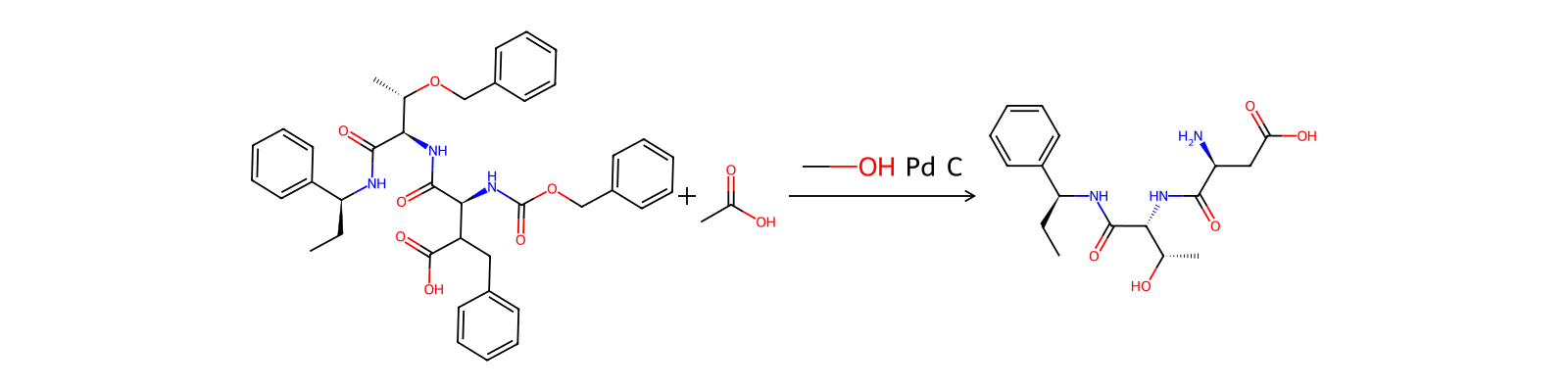
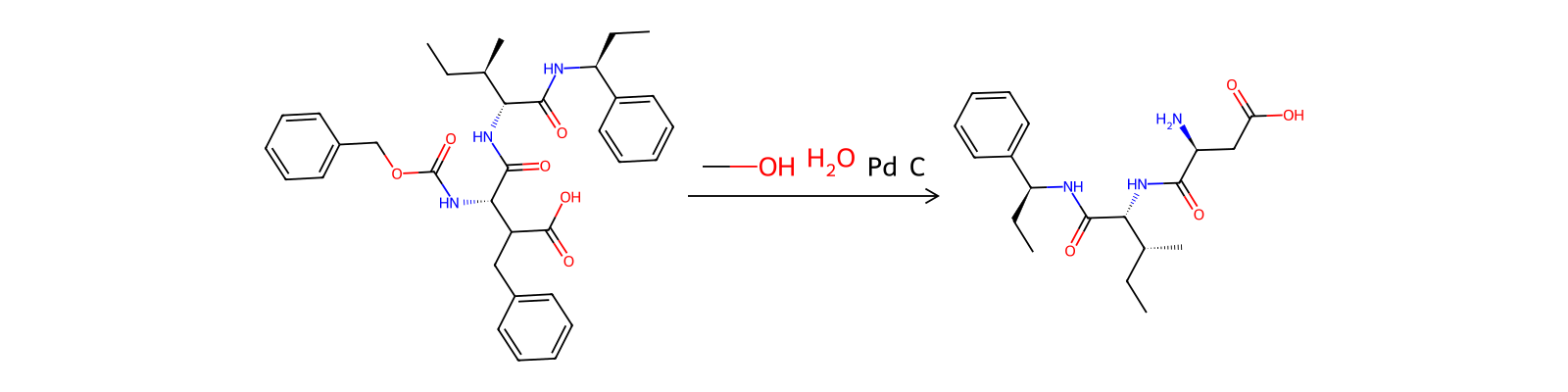

关联笔记
加载中…