基本信息
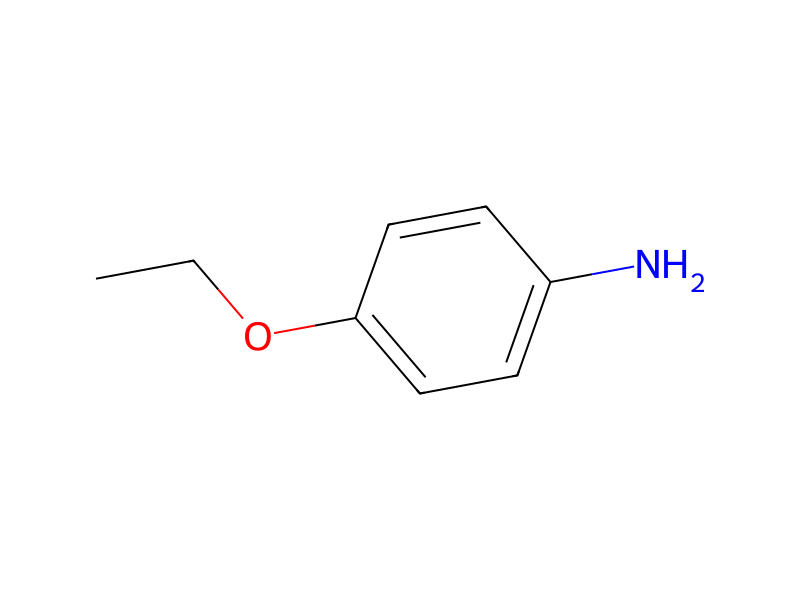
- 标准SMILES
CCOc1ccc(N)cc1- InChIKey
IMPPGHMHELILKG-UHFFFAOYSA-N- 分子式
- C8H11NO
- 平均分子量
- 137.18 g/mol
- 单同位素质量
- 137.08406397
概述
P-phenetidine is a colorless to dark red liquid. (NTP, 1992)
名称与标识
- 首选名称
- 4-Ethoxyaniline
- IUPAC
- 4-ethoxyaniline
- 中文名
- 对乙氧基苯胺
- 英文名
- Phenetidine
- 分子式
- C8H11NO
- 分子量
- 137.18
名称与别名
p-Phenetidine4-ETHOXYANILINE156-43-4Phenetidine4-Aminophenetolep-Ethoxyanilinep-Phenetidinp-AminophenetoleBenzenamine, 4-ethoxy-Phenethidine1-Amino-4-ethoxybenzeneAniline, p-ethoxy-
展开更多名称
胺苯乙醚乙氧苯胺對乙氧苯胺間乙氧苯胺氨基苯乙醚对氨基苯乙醚对乙氧基苯胺对氨基本乙醚4-氨基苯乙醚4-乙氧基苯胺PARA PHENETIDINEethoxyanilinep-Aminophenolethylether4-EthoxyanilinPARA-PHENETIDIN
4-Phenetidine4-AminoethoxybenzeneEthyl p-aminophenolDTXSID00258649TSL224ZSECP 5685NSC-3116DTXCID505864
数据库标识
- CAS
156-43-4- PubChem CID
- 9076
- DTXSID
DTXSID0025864- ChEMBL
CHEMBL250969- ChEBI
CHEBI:85505- UNII
- 9TSL224ZSE
- EC Number
- 205-855-5
- Nikkaji
- J2.032J
性质
结构计算性质
- XLogP
- 1.2
- 极性表面积
- 35.3 Ų
- 氢键供体
- 1
- 氢键受体
- 2
- 可旋转键
- 2
- 重原子
- 10
- 形式电荷
- 0
- 复杂度
- 87.3
实验与物化性质
Chemical ClassesNitrogen Compounds -> Amines, Aromatic
SpringerMaterials PropertiesBoiling point
LogP
1.24
1.24
Density
1.0652 at 61 °F (NTP, 1992) - Denser than water; will sink
1.1 g/cm³
Relative density of the vapour/air-mixture at 20 °C (air = 1): 1.0
Solubility
5 to 10 mg/mL at 68 °F (NTP, 1992)
Solubility in water, g/100ml at 20 °C: 2 (moderate)
Flash Point
240 °F (NTP, 1992)
120 °C c.c.
Boiling Point
482 °F at 760 mmHg (NTP, 1992)
253-255 °C
Melting Point
36 to 39 °F (NTP, 1992)
2.4 °C
Vapor Density
4.73 (NTP, 1992) - Heavier than air; will sink (Relative to Air)
Relative vapor density (air = 1): 4.7
Vapor Pressure
3.48 mmHg at 77 °F (NTP, 1992)
0.01 [mmHg]
Vapor pressure, Pa at 50 °C: 10
Physical Description
P-phenetidine is a colorless to dark red liquid. (NTP, 1992)
CBI
Colorless liquid; Turns red to brown on air and light exposure; [Merck Index] Brown liquid with an unpleasant odor; [Alfa Aesar MSDS]
COLOURLESS LIQUID. TURNS DARK RED ON EXPOSURE TO AIR AND LIGHT.
Collision Cross Section139.8 Ų [M+H]+ [CCS Type: DT; Buffer gas: N2; Ionization: ESI+; Dataset: TOXCAST; Source Identifier: DTXSID0025864]
物理化学性质
- 熔点
- 2 · 2-5 °C(lit.)
- 沸点
- 250 °C · 250 °C(lit.)
- 密度
- 1.065 g/mL · 1.065 g/mL at 25 °C(lit.)
- 蒸气压
- 2.93 Pa · 2.93Pa at 25℃
- 折射率
- 20 · n20/D 1.559(lit.)
- 闪点
- 240 °F · 240 °F
- 储存条件
- 2 · 2-8°C
- 溶解度
- 20 g/l · 20g/l
- 形态
- A liquid
- 酸度系数(pKa)
- 5.2 · 5.2(at 28℃)
- 颜色
- Clear Yellow
- PH值
- 8 · 8 (1g/l, H2O, 20℃)
- 水溶解性
- practically insoluble
- 敏感性
- Air Sensitive
- Merck
- 14 · 14,7228
- BRN
- 606666 · 606666
- 介电常数
- 7.3 · 7.3(21℃)
- 稳定性
- Stable, but light and air sensitive. Combustible. Incompatible with strong oxidizing agents.
- 化妆品成分功效
- HAIR DYEING
- InChI
- 1S/C8H11NO/c1-2-10-8-5-3-7(9)4-6-8/h3-6H,2,9H2,1H3
- InChIKey
- IMPPGHMHELILKG-UHFFFAOYSA-N
- SMILES
- CCOc1ccc(N)cc1
- CAS 数据库
- 156 · 156-43-4(CAS DataBase Reference)
- NIST化学物质信息
- 4 · 4-Ethoxyaniline(156-43-4)
- EPA化学物质信息
- p-Phenetidine (156-43-4)
化学性质
无色油状可燃液体。暴露于空气和日光中逐渐变成红色至棕色。 不溶于水和无机酸,溶于乙醇、乙醚和氯仿等。
安全与法规
GHS分类
GHS Classification
Warning
H302: Harmful if swallowed [Warning Acute toxicity, oral]
P203, P261, P264, P264+P265, P270, P271, P272, P280, P301+P317, P302+P352, P304+P340, P305+P351+P338, P317, P318, P321, P330, P333+P317, P337+P317, P362+P364, P405, and P501 (click each P-code to see the statement)
Warning
H302 (100%): Harmful if swallowed [Warning Acute toxicity, oral]
P203, P261, P264, P264+P265, P270, P271, P272, P280, P301+P317, P302+P352, P304+P340, P305+P351+P338, P317, P318, P321, P330, P333+P317, P337+P317, P362+P364, P405, and P501 (click each P-code to see the statement)
危害信息
Regulatory Information
Chemical: Benzenamine, 4-ethoxy-
Benzenamine, 4-ethoxy- is listed on the EPA's Chemical Data Reporting (CDR) system. Manufacturers and importers of Benzenamine, 4-ethoxy- are required to report information about their production and use of this chemical to the EPA under the Toxic Substances Control Act (TSCA). (40 eCFR Part 711)
Status: Active Update: 08-05-2020 https://echa.europa.eu/registration-dossier/-/registered-dossier/10853
Phenetidine: Does not have an individual approval but may be used under an appropriate group standard
Other Safety InformationIMAP assessments - Benzenamine, 4-ethoxy-: Human health tier II assessment
DOT LabelPoison
Fire Hazards
This compound is combustible. (NTP, 1992)
Combustible.
Health HazardsSYMPTOMS: Symptoms of exposure to this compound may include cyanosis, hypothermia, headache, drowsiness, vomiting, nephritis and irritation of the alimentary tract.
Hazards Summary
An eye irritant; May induce methemoglobinemia; [ICSC] Causes methemoglobinemia in repeated-dose oral studies of rats; [RTECS] Toxic by ingestion, inhalation, and skin absorption; May cause contact irritation, cyanosis, hypothermia, headache, drowsiness, vomiting, nephritis, and alimentary tract irritation; [NTP] Case report of methemoglobinemia from occupational exposure; Sensitizing in 2 of 3 maximization tests of guinea pigs; Not a lung sensitizer in guinea pigs; Some evidence of skin sensitization in humans; [IUCLID] A strong eye irritant; May cause skin sensitization; Harmful by ingestion, inhalation, and skin absorption; Suspected mutagen; [Alfa Aesar MSDS] See m-Phenetidine. See p-Anisidine.
Reactive GroupEthers
EC ClassificationSymbol: Xn; R: 20/21/22-36-43-68; S: (2)-36/37-46
UN ClassificationUN Hazard Class: 6.1; UN Pack Group: III
Reactivity ProfileP-PHENETIDINE reacts vigorously with powerful oxidizers.
Chemical DangersOn combustion, forms nitrogen oxides. Reacts with strong oxidants.
Physical DangersThe vapour mixes well with air, explosive mixtures are easily formed.
安全与防护
Fire Fighting
Fires involving this material can be controlled with a dry chemical, carbon dioxide or Halon extinguisher. (NTP, 1992)
Use powder, alcohol-resistant foam, water spray, carbon dioxide.
First Aid Measures
Fresh air, rest.
Remove contaminated clothes. Rinse and then wash skin with water and soap.
Rinse with plenty of water (remove contact lenses if easily possible).
Rinse mouth. Seek medical attention if you feel unwell.
First Aid
EYES: First check the victim for contact lenses and remove if present. Flush victim's eyes with water or normal saline solution for 20 to 30 minutes while simultaneously calling a hospital or poison control center. Do not put any ointments, oils, or medication in the victim's eyes without specific instructions from a physician. IMMEDIATELY transport the victim after flushing eyes to a hospital even if no symptoms (such as redness or irritation) develop.
Safe StorageSeparated from strong oxidants and food and feedstuffs.
Nonfire Spill Response
SMALL SPILLS AND LEAKAGE: If you spill this chemical, FIRST REMOVE ALL SOURCES OF IGNITION. Then, use absorbent paper to pick up all liquid spill material. Your contaminated clothing and absorbent paper should be sealed in a vapor-tight plastic bag for eventual disposal. Solvent wash all contaminated surfaces with 60-70% ethanol followed by washing with a soap and water solution. Do not reenter the contaminated area until the Safety Officer (or other responsible person) has verified that the area has been properly cleaned.
Spillage Disposal
Personal protection: filter respirator for organic gases and vapours adapted to the airborne concentration of the substance. Collect leaking liquid in sealable containers. Absorb remaining liquid in sand or inert absorbent. Then store and dispose of according to local regulations.
Isolation and EvacuationExcerpt from ERG Guide 153 [Substances - Toxic and/or Corrosive (Combustible)]:
Eye PreventionWear safety goggles.
Fire PreventionNO open flames.
Inhalation RiskNo indication can be given about the rate at which a harmful concentration of this substance in the air is reached on evaporation at 20 °C.
Skin PreventionProtective gloves.
Ingestion PreventionDo not eat, drink, or smoke during work.
毒理信息
Adverse EffectsMethemoglobinemia - The presence of increased methemoglobin in the blood; the compound is classified as secondary toxic effect
Exposure RoutesThe substance can be absorbed into the body by inhalation of its vapour and by ingestion.
Signs and SymptomsRedness.
ICSC Environmental DataEnvironmental effects from the substance have not been investigated adequately.
Toxicity DataLCLo (rat) = 487 mg/m3/4hr
安全数据
- F
- 8-10
- wgk
- 1
- tsca
- TSCA listed
- 毒性
- LD50 orl-rat: 580 mg/kg GISAAA 35(8),28,70
- RTECS号
- SI6465500
- hazard_note
- Irritant
- 包装类别
- III
- 危险等级
- 6.1
- 存储类别
- 6.1C - Combustible acute toxic Cat.3toxic compounds or compounds which causing chronic effects
- 安全说明
- 28-36/37-45-46
- 海关编码
- 29222200
- 危险品标志
- T,Xi,Xn
- 危险性类别
- Acute Tox. 4 DermalAcute Tox. 4 InhalationAcute Tox. 4 OralEye Irrit. 2Muta. 2Skin Sens. 1
- 危险类别码
- 23/24/25-33-68-43-36-20/21/22
- 危险品运输编号
- UN 2311 (PHENETIDINES)
毒性防护
急性毒性口服-大鼠 LD50: 540 毫克/公斤; 口服-小鼠 LD50: 530 毫克/公斤
刺激数据皮肤-兔子 500 毫克 轻度; 眼睛-兔子 100 毫克 中度
包装储运
可燃性危险特性明火可燃; 受热放出有毒苯胺类气体
储运特性库房通风低温干燥; 与食品原料分开储运
灭火剂雾状水、二氧化碳、砂土、干粉
化学与工业
用途与制造
UsesUsed to make acetophenetidine, phenocoll, dulcin, and dyes; [Merck Index] Used to make fine chemicals; [ExPub: ECHA REACH Registrations]
U.S. Production2023: 50,000 - <250,000 lb
Industry UsesOther
General Manufacturing Information
Explosives Manufacturing
Benzenamine, 4-ethoxy-: ACTIVE
应用领域
用途用作医药、染料、食品防腐剂、饲料添加剂、橡胶防老剂的中间体
用途该品用于生产橡胶防老剂AW,即6-乙氧基-2,2,4-三甲基-1,2-二氢化喹啉。也用于饲料和食品,可防止脂肪、蛋白质在贮存过程中氧化变质,还用于维生素A和维生素E等药品的保存。作为饲料和食品抗氧化剂时,称乙氧喹([91-53-27])。在医药方面,用于生产解热镇痛药非那西丁、安痨息和消毒防腐药利凡诺。在染料方面,该品是色酚AS-VL、茜素红5G和坚牢酸性蓝R的中间体。
用途测定铜、铁、锰、钒、锌、铬酸盐和氰化物。氧化还原指示剂。有机合成。染料制造。
制备方法
生产方法1.由对硝基苯乙醚([100-29-8])还原而得。将硫化钠、硫磺加水升温至138-142℃,溶液静置澄清后加入还原锅内。加热搅拌,于5-6.5h内均匀缓慢加完对硝基苯乙醚,在132-134℃常压反应3h,在138-140℃加压(0.1MPa以下)反应10-12h。加水搅拌后静置1h。分去下层硫代硫酸钠母液,上层油层分净残渣,减压蒸馏,收集168-170℃(5.33kPa)馏分,得含量99%的对乙氧基苯胺。收率95%以上。也可采用加氢还原,以镍作催化剂,在130-140℃,0.6MPa压力下通氢反应,对硝基苯乙醚还原为对乙氧基苯胺。另外,以硝基苯为原料,在硫酸存在下,采用氧化镍为催化剂,二甲亚砜为促进剂,与无水乙醇乙氧基化,并还原一步制得对乙氧基苯胺。2.对氨基苯酚法 经与氯乙烷反应制得。
上下游产品信息
上游原料
下游产品
试剂价格
- P0090 · 25G
- 对乙氧基苯胺p-Phenetidine — 120元
- P0090 · 500G
- 对乙氧基苯胺p-Phenetidine — 440元
供应商50 家
国药集团化学试剂有限公司86-21-63210123 · [email protected]
梯希爱(上海)化成工业发展有限公司021-67121386 · [email protected]
上海阿拉丁生化科技股份有限公司400-6206333 13167063860 · [email protected]
Shandong chuangyingchemical Co., Ltd.18853181302 · [email protected]
玉门市海鼎化工有限公司09376971818 13079324666 · [email protected]
温州共赢化学有限公司+86-0086-577-64498589 +86-15355981851 · [email protected]
河北创海生物科技有限公司+86-86-13131129325 · [email protected]
T&W GROUP021-61551611 13296011611 · [email protected]
Baoji Guokang Healthchem co.,ltd+8615604608665 15604608665 · [email protected]
Dayang Chem (Hangzhou) Co.,Ltd.+86-0571-88938639 17705817739 · [email protected]
科瑞迪化学400-821-5857 021-64326257 · [email protected]
Syntechem Co.,Ltd[email protected]
上海迈瑞尔生化科技有限公司4006356688 18621169109 · [email protected]
上海辅欣医药科技有限公司+86-021-021-50872116 · [email protected]
武汉易泰科技有限公司上海分公司18930552037 · [email protected]
阿法埃莎(中国)化学有限公司400-6106006 · [email protected]
安耐吉化学&3A(安徽泽升科技股份有限公司)400-0056266 · [email protected]
武汉凯威斯科技有限公司86-027-67849912 · [email protected]
上海瀚鸿科技股份有限公司021-54306202 13764082696 · [email protected]
山东洛克化工有限公司17653113209 13065062079 · [email protected]
嘉兴市艾森化工有限公司0573-85285100 18627885956 · [email protected]
武汉盈邦医药有限公司+86-13296627870; +86-13971566811 · [email protected]
玛雅试剂+86 (573) 82222445 (0)18006601000 452520369 · [email protected]
四川库利南科技有限公司400-1166-196 18981987031 · [email protected]
天津希恩思生化科技有限公司400 638 7771 · [email protected]
Connect Chemicals GmbH+49 2102 2077 19 · [email protected]
艾科试剂4008-755-333 18080918076 · [email protected]
上海思域化工科技有限公司86-21-34053660 · [email protected]
赛默飞世尔科技(中国)有限公司800-810-5118 · [email protected]
北京伊诺凯科技有限公司400-810-7969 010-59572699 · [email protected]
上海特伯化学科技有限公司+86-21-60341587 · [email protected]
TCI AMERICA800-4238616 · [email protected]
TOKYO CHEMICAL INDUSTRY CO., LTD.03-36680489 · [email protected]
TCI Europe320-37350700 · [email protected]
上海贤鼎生物科技有限公司4009209199 · [email protected]
山东艾特化工有限公司18615658326 18615658326 · [email protected]
北京环宇世纪化学科技有限公司hysj_bj.com
上海湄水化工科技有限公司021-60549325 18616193163
上海将来实业股份有限公司021-61552785 · [email protected]
日照力德士化工有限公司010-51268198 · [email protected]
美岚实业(上海)有限公司021-58958189 · [email protected]
上海爱蝶实业有限公司021-58957966 18930537195 · [email protected]
广拓化学(上海)有限公司021-60899189-8001 18918189673 · [email protected]
上海御略医药科技有限公司021-60345187 13671753212 · [email protected]
上海麦克林生化科技股份有限公司15221275939 15221275939 · [email protected]
上海嵩爰化工科技有限公司010-1234567 18521000990 · [email protected]
凯试(上海)科技有限公司021-50135380 · [email protected]
Sigma-Aldrich西格玛奥德里奇(上海)贸易有限公司021-61415566 800-8193336 · [email protected]
成都瑞欧克科技有限公司028-64353063 · [email protected]
厦门志信化学有限公司+86-5922680277 +86-13806087780 · [email protected]
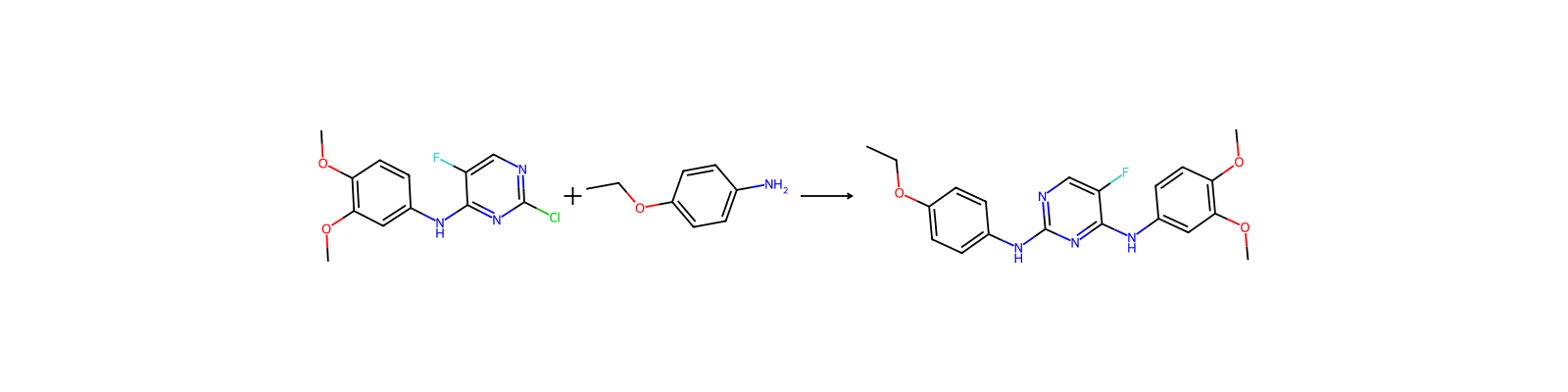
相关反应
258 条
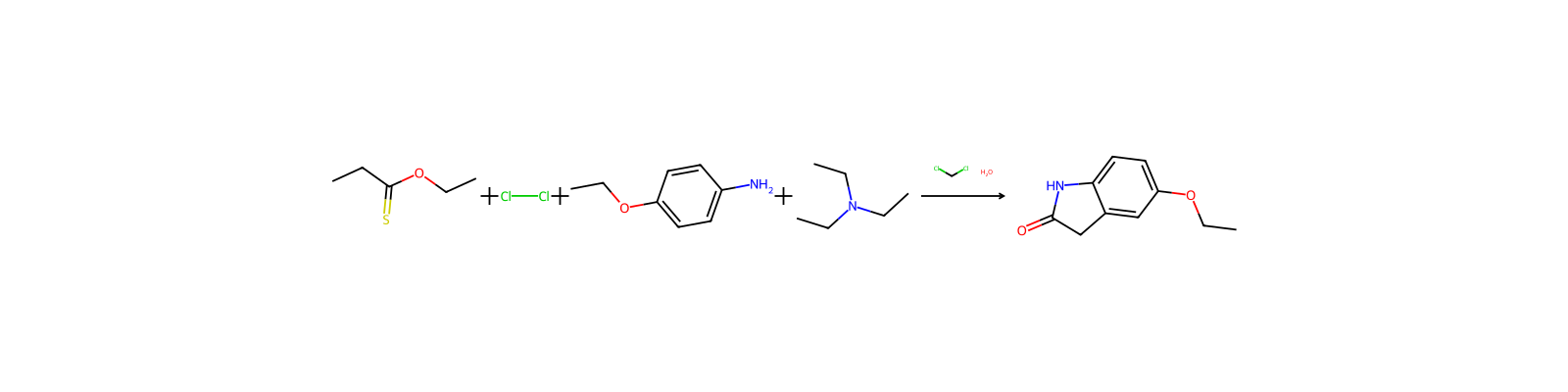
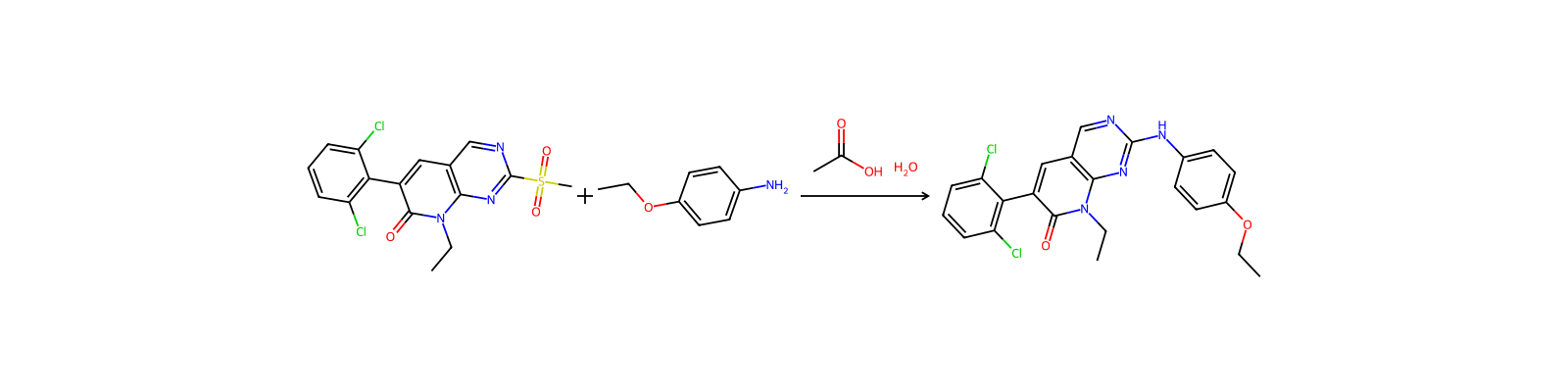


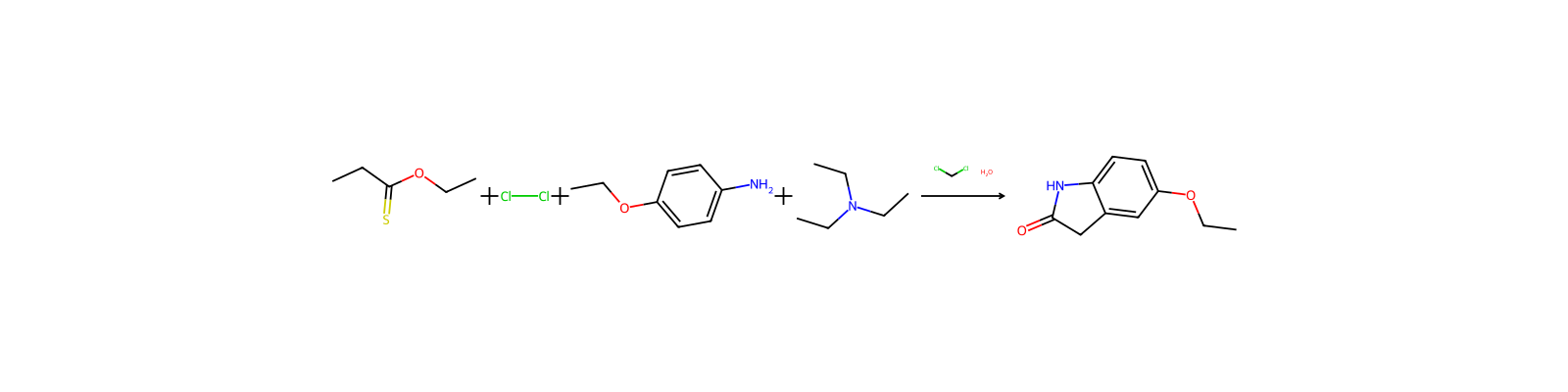
关联笔记
加载中…