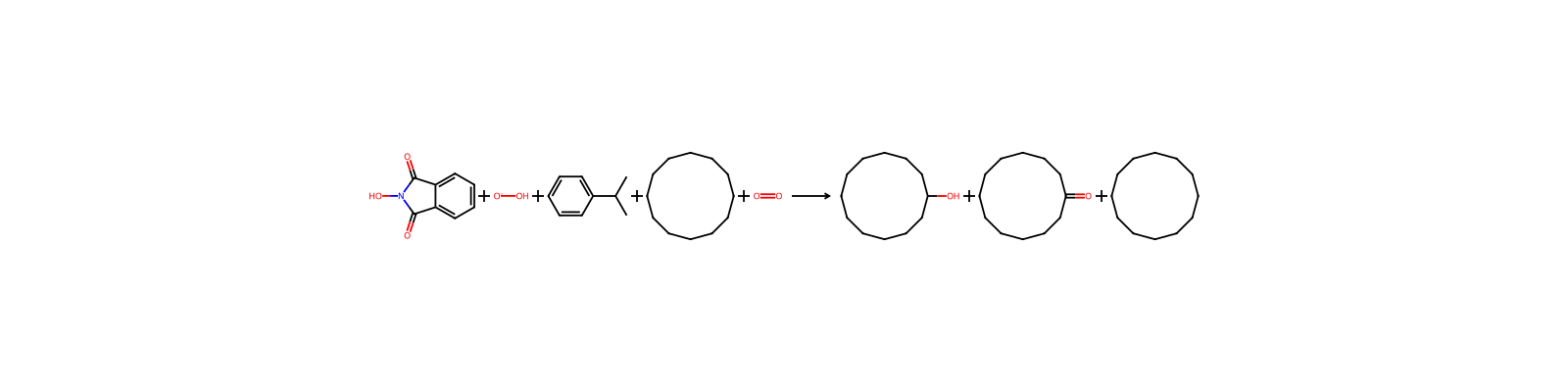
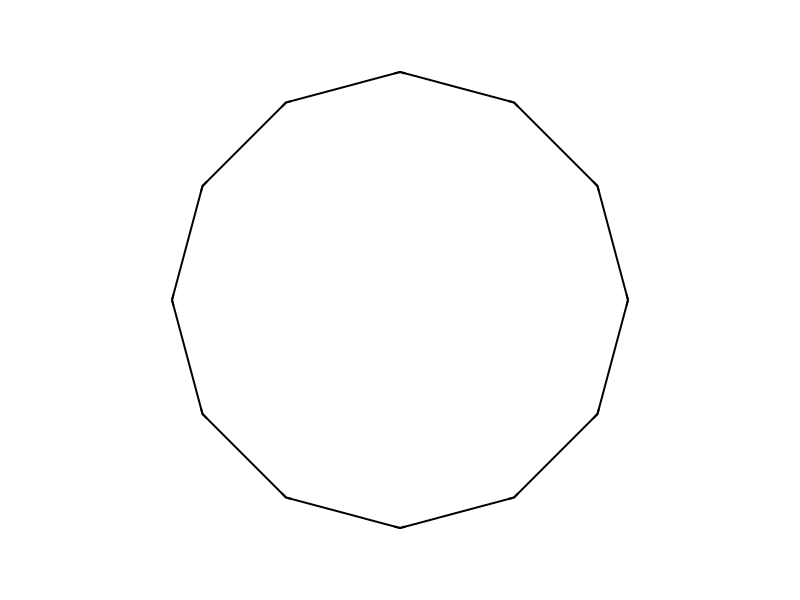
基本信息
- 标准SMILES
C1CCCCCCCCCCC1- InChIKey
DDTBPAQBQHZRDW-UHFFFAOYSA-N- 分子式
- C12H24
- 平均分子量
- 168.32 g/mol
- 单同位素质量
- 168.18780077
概述
cyclododecane has been reported in Terminalia chebula with data available.
名称与标识
- 首选名称
- Cyclododecane
- IUPAC
- cyclododecane
- 中文名
- 环十二烷
- 英文名
- CYCLODODECANE
- 分子式
- C12H24
- 分子量
- 168.32
名称与别名
CYCLODODECANE294-62-2EINECS 206-033-9DTXSID9021552HSDB 5557UNII-97CN13ZD83BRN 1901008CYCLODODECANE [HSDB]97CN13ZD83EC 206-033-94-05-00-00169 (Beilstein Handbook Reference)DTXCID401552
展开更多名称
环十二烷yclododecaneCyclododecane>Phenyl Acetate Impurity 70Cyclododecane in isooctaneCYCLODODECANE ISO 9001:2015 REACH
RefChem:129446206-033-9DDTBPAQBQHZRDW-UHFFFAOYSA-NInChI=1/C12H24/c1-2-4-6-8-10-12-11-9-7-5-3-1/h1-12HCyclododecanMFCD00014258AKOS006227986CAS-294-62-2
数据库标识
- CAS
294-62-2- PubChem CID
- 9268
- DTXSID
DTXSID9021552- ChEMBL
CHEMBL3185808- UNII
- 97CN13ZD83
- EC Number
- 206-033-9
- Nikkaji
- J43.296B
性质
结构计算性质
- XLogP
- 6.7
- 极性表面积
- 0 Ų
- 氢键供体
- 0
- 氢键受体
- 0
- 可旋转键
- 0
- 重原子
- 12
- 形式电荷
- 0
- 复杂度
- 43
实验与物化性质
Chemical ClassesOther Classes -> Aliphatics, Saturated (>C11)
SpringerMaterials PropertiesSchoenflies notation
Density0.82 g/cu cm at 80 °C
Color/FormNeedles from alcohol
SolubilityInsoluble in water; very soluble in alcohol, ethyl ether
Boiling Point247 °C
Melting Point60.4 °C
Vapor Pressure
0.03 [mmHg]
0.0295 mm Hg at 25 °C
Physical DescriptionColorless crystals; [MSDSonline]
物理化学性质
- 熔点
- 59 · 59-61°C
- 沸点
- 111 °C · 111 °C / 17mmHg
- 密度
- 0.79 · 0.790
- 蒸气压
- 9.83 Pa · 9.83Pa at 20℃
- 折射率
- 1.486 · 1.4860 (estimate)
- 闪点
- 88 ℃ · 88℃
- 储存条件
- Sealed in dry,Room Temperature
- 外观
- White to off-white Solid
- 水溶解性
- 16 μg/L · 16μg/L at 20℃
- Henry's Law Constant
- 6.4 · 6.4×10-6 mol/(m3Pa) at 25℃, HSDB (2015)
- 稳定性
- Stable. Combustible. Incompatible with strong oxidizing agents.
- InChI
- InChI=1S/C12H24/c1-2-4-6-8-10-12-11-9-7-5-3-1/h1-12H2
- InChIKey
- DDTBPAQBQHZRDW-UHFFFAOYSA-N
- SMILES
- C1CCCCCCCCCCC1
- LogP
- 7.6 at · 7.6 at 25℃
- CAS 数据库
- 294 · 294-62-2(CAS DataBase Reference)
- EPA化学物质信息
- Cyclododecane (294-62-2)
化学性质
无色结晶。熔点60-61℃,沸点118℃(2.40kPa),相对密度0.871(20/4℃)。
安全与法规
GHS分类
GHS Classification
This chemical does not meet GHS hazard criteria for 75% (3 of 4) of all reports.
H413 (25%): May cause long lasting harmful effects to aquatic life [Hazardous to the aquatic environment, long-term hazard]
P273, and P501 (click each P-code to see the statement)
Aggregated GHS information provided per 4 reports by companies from 2 notifications to the ECHA C&L Inventory.
危害信息
Regulatory Information
Status: Active Update: 18-02-2013 https://echa.europa.eu/registration-dossier/-/registered-dossier/2097
Cyclododecane: Does not have an individual approval but may be used under an appropriate group standard
Hazards SummaryMay cause irritation; [MSDSonline]
Special ReportsEuropean Commission, ESIS; IUCLID Dataset, Cyclododecane (294-62-2) (2000 CD-ROM edition).[Available from the Database Query page as of March 3, 2009: http://ecb.jrc.ec.europa.eu/IUCLID-DataSheets/294622.pdf]
Hazard Classes and CategoriesAquatic Chronic 4 (25%)
安全与防护
Disposal Methods
SRP: The most favorable course of action is to use an alternative chemical product with less inherent propensity for occupational exposure or environmental contamination. Recycle any unused portion of the material for its approved use or return it to the manufacturer or supplier. Ultimate disposal of the chemical must consider: the material's impact on air quality; potential migration in soil or water; effects on animal, aquatic, and plant life; and conformance with environmental and public health regulations.
毒理信息
Body Burden
The expired air of 62 non-smoking humans was examined for the presence of environmental pollutants and other chemical constituents(1); cyclododecane was detected in the expired air of all three subject groups (diabetic, pre-diabetic and control)(1).
Ecotoxicity Values
EC50; Species: Daphnia pulex (Water flea, neaonate <24 hr old); Conditions: freshwater, static, 17 °C, hard water; Concentration: 21000 ug/L for 48 hr; Effect: intoxication, immobilization /> or =96% purity/
EC50; Species: Scenedesmus subspicatus (Algae); Concentration: >2.1 mg/L for 72 hr; Effect: No effects on biomass or growth rate were observed. The range of test concentrations was limited by the water solubility. /Conditions of bioassay not specified in source examined/
Environmental Fate
TERRESTRIAL FATE: Based on a classification scheme(1), an estimated Koc value of 5,300(SRC), determined from a structure estimation method(2), indicates that cyclododecane is expected to be immobile(SRC). Volatilization of cyclododecane from moist soil surfaces is expected to be an important fate process(SRC) given an estimated Henry's Law constant of 1.54 atm-cu m/mole(SRC), using a fragment constant estimation method(3). However, adsorption to soil is expected to attenuate volatilization(SRC). Cyclododecane is not expected to volatilize from dry soil surfaces(SRC) based upon an estimated vapor pressure of 2.9X10⁻² mm Hg at 25 °C(SRC), determined from a fragment constant method(4). A 6% of theoretical BOD using activated sludge in the Japanese MITI test(5), suggests that biodegradation is not an important environmental fate process in soil(SRC).
AQUATIC FATE: Based on a classification scheme(1), an estimated Koc value of 5,300(SRC), determined from a structure estimation method(2), indicates that cyclododecane is expected to adsorb to suspended solids and sediment(SRC). Volatilization from water surfaces is expected(3) based upon an estimated Henry's Law constant of 1.54 atm-cu m/mole(SRC), developed using a fragment constant estimation method(4). Using this Henry's Law constant and an estimation method(3), volatilization half-lives for a model river and model lake are 4 hours and 5 days, respectively(SRC). However, volatilization from water surfaces is expected to be attenuated by adsorption to suspended solids and sediment in the water column. The estimated volatilization half-life from a model pond is 9 years if adsorption is considered(5). According to a classification scheme(6), a BCF range of 1,100-14,400(7) suggests that bioconcentration in aquatic organisms is very high, provided the compound is not metabolized by the organism(SRC). A 6% of theoretical BOD using activated sludge in the Japanese MITI test(7), suggests that biodegradation is not an important environmental fate process in water(SRC).
ATMOSPHERIC FATE: According to a model of gas/particle partitioning of semivolatile organic compounds in the atmosphere(1), cyclododecane, which has an estimated vapor pressure of 0.029 mm Hg at 25 °C(SRC), determined from a fragment constant method(2), is expected to exist solely as a vapor in the ambient atmosphere. Vapor-phase cyclododecane is degraded in the atmosphere by reaction with photochemically-produced hydroxyl radicals(SRC); the half-life for this reaction in air is estimated to be 23 hours(SRC), calculated from its rate constant of 1.7X10⁻¹¹ cu cm/molecule-sec at 25 °C(SRC) that was derived using a structure estimation method(3). Cyclododecane does not contain chromophores that absorb at wavelengths >290 nm(4) and therefore is not expected to be susceptible to direct photolysis by sunlight(SRC).
Ecotoxicity Excerpts
/AQUATIC SPECIES/ We have provided a hazard ranking for 19 classes of compounds representing many of the nearly 500 organic compounds identified by gas chromatography-mass spectrometry in lake trout (Salvelinus namaycush) and walleye (Stizostedion vitreum vitreum) from the Great Lakes and Lake St. Clair. We initially made a provisional hazard ranking based on available published and unpublished information on aquatic toxicity, bioaccumulation, occurrence and sources. Acute toxicity tests with Daphnia pulex at 17 °C in reconstituted hard water were performed with 30 compounds representative of the 19 classes that were highest in the provisional ranking. The resulting toxicity data, along with information on the compounds' occurrence in Great Lakes fish and their sources, were ranked and weighted and then used in calculating the revised hazard ranking. The 10 most hazardous classes, in descending order, are as follows (values shown are mean 48-hr EC50s, in ug/mL): arene halides (e.g., polychlorinated biphenyls, DDT), 0.0011; phthalate esters, 0.133; chlorinated camphenes (toxaphene), 0.0082; polyaromatic hydrocarbons (PAHs; e.g., dimethyl-naphthalene) and reduced derivatives, 1.01; chlorinated fused polycyclics (e.g., trans-nonachlor), 0.022; nitrogen-containing compounds (e.g., O-methylhydroxylamine), 1.35; alkyl halides (e.g., (bromomethyl)cyclohexene), 10.1; cyclic alkanes (e.g., cyclododecane), 20.9; silicon-containing compounds (e.g., dimethyldiethoxy silane), 1.25; and heterocyclic nitrogen compounds (e.g., nicotine), 2.48. We recommend that chronic bioassays be conducted with fish and invertebrates to determine the sublethal effects of the following classes of compounds, for which few toxicity data are available: PAHs, heterocyclic nitrogen compounds, other nitrogen-containing compounds, alkyl halides, cyclic alkanes and silicon-containing compounds. Information from these types of studies will aid researchers in determining the possible causal role these contaminants play in the decline and reproductive impairment of Great Lakes fish.
Effluent ConcentrationsAverage cyclododecane emissions from PVC cushion vinyl floor covering three days and four weeks old were, 56 and 31 ug/sq m-hr, respectively(1).
Soil Adsorption/Mobility
Using a structure estimation method based on molecular connectivity indices(1), the Koc of cyclododecane can be estimated to be 5,300(SRC). According to a classification scheme(2), this estimated Koc value suggests that cyclododecane is expected to be immobile in soil.
Human Toxicity Excerpts
/SIGNS AND SYMPTOMS/ Cyclooctane and other volatile cycloalkanes are CNS depressants and have been identified as aspiration hazards.
/OTHER TOXICITY INFORMATION/ Cyclododecane is not a skin irritant.
Artificial Pollution SourcesCyclododecane's production and use as a chemical intermediate(1) may result in its release to the environment through various waste streams(SRC). Its use as a mothproof agent(1) will result in its direct release to the environment(SRC).
Environmental BiodegradationAEROBIC: Cyclododecane, present at 100 mg/L, reached 6% of its theoretical BOD in 2 weeks using an activated sludge inoculum at 30 mg/L in the Japanese MITI test(1).
Sediment/Soil ConcentrationsSEDIMENT: Cyclododecane was detected not quantified in sediments collected from Tobin Lake (collection date not reported) near the Saskatchewan-Manitoba border in Canada(1).
Environmental Bioconcentration
A BCF range of 1,100-11,1000 and 1,800-14,400 was measured in fish for cyclododecane using a test chemical concentration of 30 and carp (Cyprinus carpio) which were exposed over an 10-week period(1). According to a classification scheme(2), these BCF values suggest the potential for bioconcentration in aquatic organisms is very high(SRC), provided the compound is not metabolized by the organism(SRC).
Volatilization from Water/Soil
The Henry's Law constant for cyclododecane is estimated as 1.54 atm-cu m/mole(SRC) using a fragment constant estimation method(1). This Henry's Law constant indicates that cyclododecane is expected to volatilize rapidly from water surfaces(2). Based on this Henry's Law constant, the volatilization half-life from a model river (1 m deep, flowing 1 m/sec, wind velocity of 3 m/sec)(2) is estimated as 4 hours(SRC). The volatilization half-life from a model lake (1 m deep, flowing 0.05 m/sec, wind velocity of 0.5 m/sec)(2) is estimated as 5 days(SRC). However, volatilization from water surfaces is expected to be attenuated by adsorption to suspended solids and sediment in the water column. The estimated volatilization half-life from a model pond is 9 years if adsorption is considered. Cyclododecane's Henry's Law constant indicates that volatilization from moist soil surfaces may occur(SRC). Cyclododecane is not expected to volatilize from dry soil surfaces(SRC) based upon an estimated vapor pressure of 0.029 mm Hg(SRC), determined from a fragment constant method(4).
安全数据
- tsca
- TSCA listed
- RTECS号
- GV2295000
- 包装类别
- III
- 危险等级
- 4.1
- 安全说明
- 24/25
- 海关编码
- 29021990
- 毒害物质数据
- 294-62-2(Hazardous Substances Data)
- 危险品运输编号
- 1325
化学与工业
用途与制造
Uses
Used as an intermediate for the production of chemicals to make polyamides, polyesters, synthetic lubricating oils, and nylon 12; as a high-purity solvent; as a mothproofing agent; [HSDB]
Intermediate for the production of chemicals used to make polyamides, polyesters, synthetic lubricating oils, and nylon 12; high-purity solvent. Also used as a moth proofing agent
An intermediate for the production of nylon 12
U.S. Production
Cyclododecane is listed as a High Production Volume (HPV) chemical (65FR81686). Chemicals listed as HPV were produced in or imported into the U.S. in >1 million pounds in 1990 and/or 1994. The HPV list is based on the 1990 Inventory Update Rule. (IUR) (40 CFR part 710 subpart B; 51FR21438).
Production volumes for non-confidential chemicals reported under the Inventory Update Rule. [Table#5435]
Methods of Manufacturing
Cyclododecane is produced by liquid-phase hydrogenation of 1,5,9-cyclododecatriene over nickel catalysts.
Cyclododecane ... is obtained by catalytic hydrogenation of 1,5,9-cyclododecatriene.
General Manufacturing Information
Cyclododecane: ACTIVE
THE SUBLIMATING COMPOUND CYCLODODECANE CAN BE EMULSIFIED IN WATER IN THE PRESENCE OF SURFACTANTS. THE EMULSION CAN BE USED TO EMULSIFY PESTICIDES.
应用领域
用途有机中间体,用作尼龙的单体、十二内酰胺的中间体。
制备方法
生产方法1.环十二碳三烯加氢制取。也可由石油裂解所得C4馏分中的1,3-丁二烯直接进行三聚成环十二碳三烯,再经加氢而得。加氢所用催化剂为骨架镍,在压力1.961-2.941MPa、反应温度80-100℃条件下进行。整个反应过程较长,操作复杂。2.以环十二酮为原料,用锌汞齐和盐酸进行还原制得。
上下游产品信息
上游原料
下游产品
试剂价格
- C0554 · 5G
- 环十二烷Cyclododecane — 90元
- C0554 · 25G
- 环十二烷Cyclododecane — 190元
供应商50 家
梯希爱(上海)化成工业发展有限公司021-67121386 · [email protected]
上海阿拉丁生化科技股份有限公司400-6206333 13167063860 · [email protected]
Shandong chuangyingchemical Co., Ltd.18853181302 · [email protected]
湖北万得化工有限公司15377098680 15377098680 · [email protected]
Hebei Chuanghai Biotechnology Co., Ltd+86-17732866630 · [email protected]
Hebei Zhuanglai Chemical Trading Co Ltd+86-16264648883 · [email protected]
毕佳索(上海毕得医药科技股份有限公司)400-6005915 · [email protected]
杭州鼎燕化工有限公司13588754826 13588754826 · [email protected]
河北创海生物科技有限公司+86-86-13131129325 · [email protected]
陕西缔都化学有限公司029-029-81123119 17391733320 · [email protected]
Dayang Chem (Hangzhou) Co.,Ltd.+86-0571-88938639 17705817739 · [email protected]
Syntechem Co.,Ltd[email protected]
上海迈瑞尔生化科技有限公司4006356688 18621169109 · [email protected]
北京索莱宝科技有限公司010-50973130 17801761073 · [email protected]
武汉易泰科技有限公司上海分公司18930552037 · [email protected]
安耐吉化学&3A(安徽泽升科技股份有限公司)400-0056266 · [email protected]
梯希爱(上海)化工贸易有限公司021-61109150 · [email protected]
上海瀚鸿科技股份有限公司021-54306202 13764082696 · [email protected]
淄博容纳生物科技有限公司+86-86-13583358881 +8618560316533 · [email protected]
武汉丰泰威远科技有限公司+86-27-8746-5837 +86-18627785180 · [email protected]
武汉丰泰威远科技有限公司027-87465837 19945049750 · [email protected]
湖北微斯汀科技有限公司027-61182895 13367240285 · [email protected]
上海毕楷科技有限公司18516304666
广东大小化工有限公司1866-171603 18666171603 · [email protected]
玛雅试剂+86 (573) 82222445 (0)18006601000 452520369 · [email protected]
Hebei Zhuanglai Chemical Trading Co.,Ltd13343047651 · [email protected]
广东元丰化学试剂有限公司0751-2829979 13376591640 · [email protected]
深圳市倍素特科技有限公司[email protected] · [email protected]
江苏艾康生物医药研发有限公司025-66113011 13913916777 · [email protected]
TCI AMERICA800-4238616 · [email protected]
TOKYO CHEMICAL INDUSTRY CO., LTD.03-36680489 · [email protected]
TCI Europe320-37350700 · [email protected]
成都麦卡希化工有限公司028-85632863 18108198598 · [email protected]
江阴兆盛化工有限公司+86 0510-86023607 · [email protected]
苏州亚科科技股份有限公司0512-87182055 13451648594 · [email protected]
PT CHEM GROUP LIMITED+86-85511178; +86-85511178 · [email protected]
Qingdao Dexin Chemical Co., Ltd+86-15553333686 · [email protected]
上海笛柏生物科技有限公司400-008-9730,021-54359730 400-008-9730 · [email protected]
重庆星灿医药科技有限公司13594048950 19923294409 · [email protected]
湖南华腾制药有限公司400-8592883 · [email protected]
上海马氏化学科技有限公司19916721580 · [email protected]
上海麦克林生化科技股份有限公司15221275939 15221275939 · [email protected]
池州凯隆进出口贸易有限公司[email protected]
九鼎化学(上海)科技有限公司4009209199 · [email protected]
上海谱振生物科技有限公司4001650900 13817534909 · [email protected]
广东翁江化学试剂有限公司0751-2886766 13927870850 · [email protected]
上海玻尔化学试剂有限公司19102157732 · [email protected]
上海珈得尔化学技术有限公司021-4007787-550 400-7787-550 · [email protected]
上海源叶生物科技有限公司13636370518 · [email protected]
成都标样生物科技有限公司028-81700200 13308200041 · [email protected]
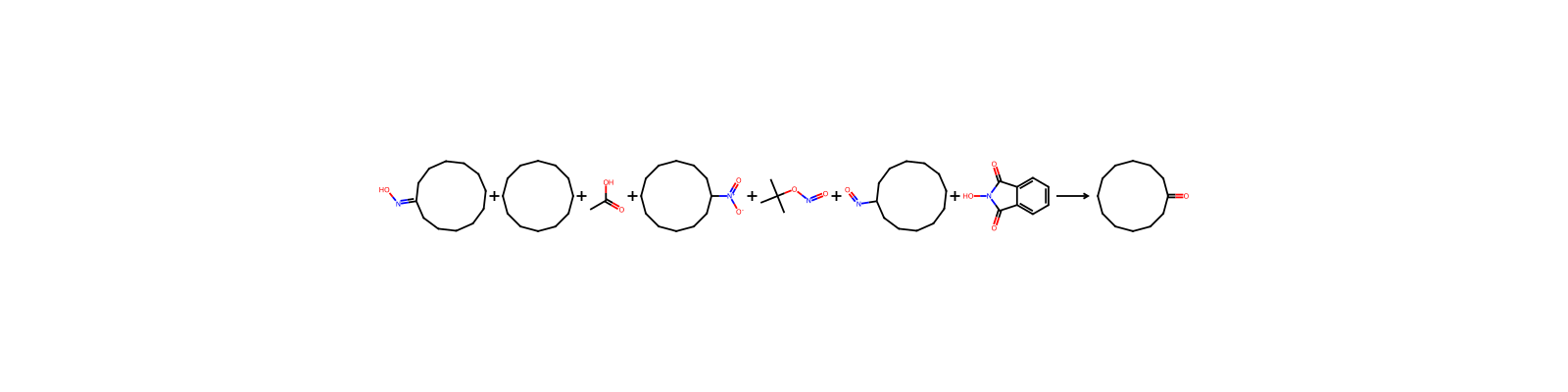
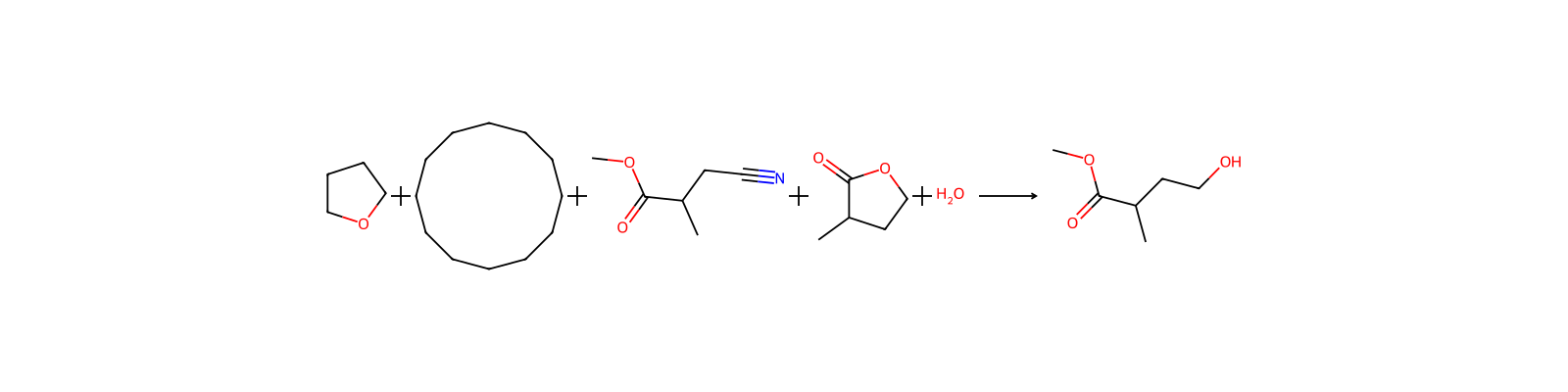
相关反应
54 条




关联笔记
加载中…