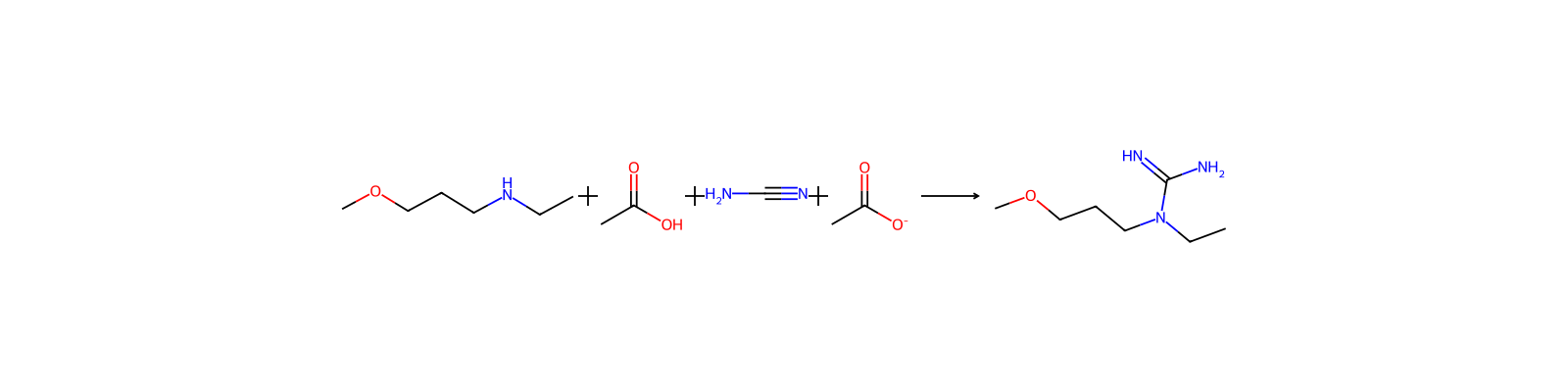
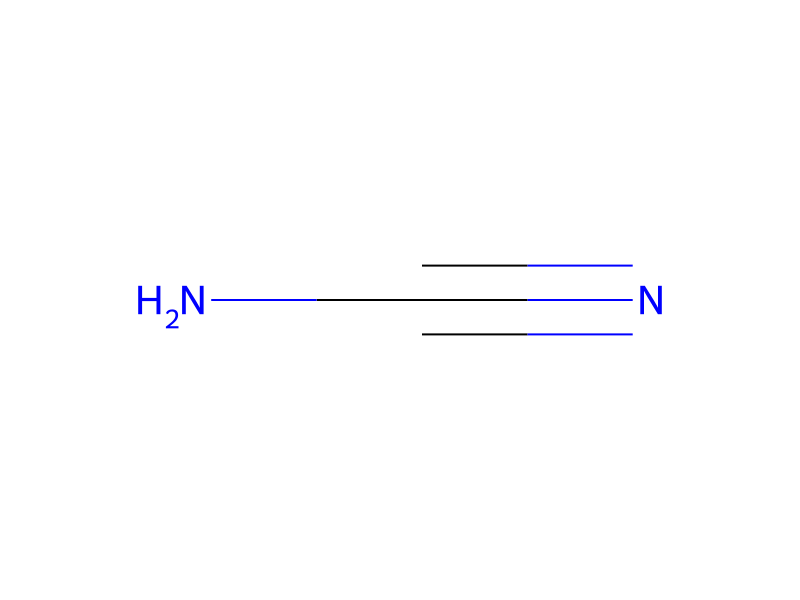
基本信息
- 标准SMILES
N#CN- InChIKey
XZMCDFZZKTWFGF-UHFFFAOYSA-N- 分子式
- CH2N2
- 平均分子量
- 42.04 g/mol
- 单同位素质量
- 42.02179806
概述
Cyanamide appears as colorless deliquescent crystals. Mp: 45 °C; bp: 260 °C. Density: 1.282 g cm-3. Quite soluble in water (77 g / 100 g solution at 15 °C). Soluble in butanol, methyl ethyl ketone, ethyl acetate, alcohols, phenols, amines, ethers. Note: The term "cyanamide" is also used to refer to the important compound calcium cyanamide, which is a different chemical.
名称与标识
- 首选名称
- Cyanamide
- IUPAC
- cyanamide
- 中文名
- 氰胺
- 英文名
- Cyanamide
- 分子式
- CH2N2
- 分子量
- 42.04
名称与别名
CYANAMIDE420-04-2Hydrogen cyanamideAmidocyanogenCarbamonitrileCyanoamineaminoformonitrileCyanogenamideAlzogurCyanogen nitrideN-CyanoamineTsAKS
展开更多名称
氰胺氰氨氨腈腈胺氨基氰单氰胺氨基腈胺甲腈(单)氰胺晶体单氰胺CARBODIIMIDEH2NCNCYANAMIDAminonitrileCyanamide solutioncianamida hidrogenadacianamida
NH2CNUSAF EK-1995NSC 24133CarbodiamideDTXSID9034490NSC-2413321CP7826LCDTXCID7014490
数据库标识
- CAS
20890-10-2、2669-76-3、420-04-2- PubChem CID
- 9864
- DTXSID
DTXSID9034490- ChEMBL
CHEMBL56279- ChEBI
CHEBI:16698- UNII
- 21CP7826LC
- EC Number
- 206-992-3
- Nikkaji
- J2.584D
性质
结构计算性质
- XLogP
- -0.3
- 极性表面积
- 49.8 Ų
- 氢键供体
- 1
- 氢键受体
- 2
- 可旋转键
- 0
- 重原子
- 3
- 形式电荷
- 0
- 复杂度
- 29.3
实验与物化性质
Chemical Classes
Nitrogen Compounds -> Cyanamides
Flammable agents - 3rd degree
SpringerMaterials Properties15N nuclear magnetic resonance spectrum
Pesticides
Herbicides, Plant Growth Regulators
Active substance -> EU Pesticides database: Not approved
Environmental transformation -> Pesticides (parent, predecessor)
LogPlog Kow = -0.82 (20 °C)
Density
1.28 (NIOSH, 2024) - Denser than water; will sink
1.282 g/cu cm at 20 °C
Relative density (water = 1): 1.28
1.28
1.282 @ 20°C
1.28
Color/Form
Orthorhombic, elongated, six-sided tablets from dimethyl phthalate
Crystallizes from a variety of solvents as somewhat unstable, colorless, orthorhombic, deliquescent crystals.
Deliquescent crystals
Cyanamide forms colorless, orthorhombic crystals or long transparent needles (from water), large platelike crystals when allowed to crystallize spontaneously from water, and crystals from dimethyl phthalate solution.
Solubility
78 % at 59 °F (NIOSH, 2024)
In butanol 28.8; ethyl acetate 42.4, methyl ethyl ketone 50.5 (all g/100 g at 20 °C); sol in phenols, amines, ethers, ketones; very sparingly soluble in benzene, halogenated hydrocarbons; practically insoluble in cyclohexane.
Slightly soluble in carbon disulfide
Cyanamide is completely soluble in water at 43 °C and has a minimum solubility at -15 °C; highly soluble in polar organic solvents, such as alcohols, ethers, esters, nitriles and amides, but less soluble in nonpolar solvents like saturated, halogenated, or aromatic hydrocarbons. Ketones are not recommended as solvents for cyanamide, because they tend to react under certain circumstances.
In chloroform 2.4 g/kg, 20 °C
CorrosivityNon-corrosive, as far as known
Flash Point
286 °F (NIOSH, 2024)
286 °F; 141 °C (closed cup)
141 °C
286 °F
286 °F
Endocrine DisruptorsPotential endocrine disrupting compound
Boiling Point
500 °F at 760 mmHg (Decomposes) (NIOSH, 2024)
140 °C at 19 mm Hg
Boiling point at 19 mm Hg is 140 °C
at 0.067kPa: 83 °C
500 °F (decomposes)
Decomposition
When heated to decomposition ... it emits toxic fumes of cyanide and nitroxides.
260 °C
物理化学性质
- 熔点
- 45 · 45-46 °C (lit.)
- 沸点
- 83 °C/0.5 · 83 °C/0.5 mmHg (lit.)
- 密度
- 1 · 1,282 g/cm3
- 蒸气压
- 1 Pa · 1Pa at 24.95℃
- 折射率
- 1.405 · 1.405
- 闪点
- 230 °F · >230 °F
- 储存条件
- 2 · 2-8°C
- 溶解度
- 10 %, · ethanol: soluble10%, clear to hazy, colorless to faintly yellow
- 形态
- Crystalline solid
- 酸度系数(pKa)
- 1.1 · 1.1(at 29℃)
- 比重
- 1.282 · 1.282
- 外观
- White to off-white Solid
- 水溶解性
- 775 g/L · 775 g/L
- 敏感性
- Hygroscopic
- Merck
- 14 · 14,2684
- BRN
- 1732569 · 1732569
- Henry's Law Constant
- 3.7 · 3.7×104 mol/(m3Pa) at 25℃, HSDB (2015)
- 暴露限值
- 0.58 ppm · EU LTEL:0.58 ppm(1 mg/m3)
- 稳定性
- Unstable - heat sensitive. Incompatible with strong oxidizing agents, strong reducing agents, bases, acids, iron and its salts, steel, brass, lead, moisture. Reacts with acids to produce very toxic gas.
- InChI
- 1S/CH2N2/c2-1-3/h2H2
- InChIKey
- XZMCDFZZKTWFGF-UHFFFAOYSA-N
- SMILES
- NC#N
- LogP
- -0.72 at · -0.72 at 20℃
- CAS 数据库
- 420 · 420-04-2(CAS DataBase Reference)
- NIST化学物质信息
- Cyanamide(420-04-2)
- EPA化学物质信息
- Cyanamide (420-04-2)
化学性质
氰胺纯品为透明液体,m.p.-115℃,b.p.-8.5℃,可溶于醇类、酚类、胺类、醚类中,易溶于苯、卤代烃中,15℃时在水中可溶77.5%。高浓度氰胺很不稳定,易聚合,常加入稳定剂。一般商品为50%氰胺溶液,n20D 1.4050,相对密度 1.082。
安全与法规
GHS分类
GHS Classification
Danger
H301: Toxic if swallowed [Danger Acute toxicity, oral]
P203, P260, P261, P262, P264, P264+P265, P270, P272, P273, P280, P301+P316, P301+P330+P331, P302+P352, P302+P361+P354, P304+P340, P305+P354+P338, P316, P317, P318, P319, P321, P330, P333+P317, P361+P364, P362+P364, P363, P405, and P501 (click each P-code to see the statement)
Danger
H301+H311 (53.2%): Toxic if swallowed or in contact with skin [Danger Acute toxicity, oral; acute toxicity, dermal]
P203, P260, P261, P262, P264, P264+P265, P270, P272, P273, P280, P301+P316, P301+P330+P331, P302+P352, P302+P361+P354, P304+P340, P305+P351+P338, P305+P354+P338, P316, P317, P318, P319, P321, P330, P332+P317, P333+P317, P337+P317, P361+P364, P362+P364, P363, P405, and P501 (click each P-code to see the statement)
危害信息
Regulatory Information
Chemical: Cyanamide
Commission Regulation (EC) No 33/2008
Cyanamide is listed on the EPA's Chemical Data Reporting (CDR) system. Manufacturers and importers of Cyanamide are required to report information about their production and use of this chemical to the EPA under the Toxic Substances Control Act (TSCA). (40 eCFR Part 711)
Hydrogen cyanamide (Cyanamide) is listed in the dataset of EPA Human Health Benchmarks for Pesticides under the Safe Drinking Water Act (40 eCFR 141)
2008/745
Status: Active Update: 03-11-2022 https://echa.europa.eu/registration-dossier/-/registered-dossier/15823
DOT LabelPoison
Fire Hazards
Excerpt from ERG Guide 154 [Substances - Toxic and/or Corrosive (Non-Combustible)]:
Combustible only at increased temperature. Gives off irritating or toxic fumes (or gases) in a fire.
Fire PotentialCyanamide may burn, but does not readily ignite.
Health HazardsExcerpt from NIOSH Pocket Guide for Cyanamide:
Hazards Summary
The TLV basis for cyanamide is skin and eye irritation; May cause antabuse-like effect in exposed workers who ingest alcohol; [ACGIH] Allergic contact dermatitis has been reported. [Allergic contact dermatitis from cyanamide: report of 3 cases. Goday Bujan JJ, et al. Contact Dermatitis. 1994 Nov;31(5):331-2. No abstract available. Abstract in NIOSHTIC # 192164] Can cause liver injury after ingestion; [HSDB] Danger of skin sensitization; [MAK]
Reactive GroupAmines, Phosphines, and Pyridines
EC ClassificationSymbol: T; R: 21-25-36/38-43; S: (1/2)-3-22-36/37-45
UN ClassificationUN Hazard Class: 6.1; UN Pack Group: III
FIFRA Requirements
New Active Ingredients ... includes chemicals not previously registered as pesticides, as well as pesticide active ingredients initially registered after November 1, 1984 and that currently have active product registrations. By law, these pesticides must meet new safety standards, such as those described in the Food Quality Protection Act of 1996 and, if new safety standards are met, will be reviewed again on a 15-year cycle. Hydrogen Cyanamide is designated by EPA as a New Pesticide Active Ingredient. Active Ingredient Number: 014002; Type of Pesticide: Conventional: Plant growth regulator; Use Site: Food use; Year: 1993.
The USEPA has published the Hydrogen Cyanamide (Cyanamide) Final Work Plan Registration Review - May 2008 in Docket EPA-HQ-OPP-2007-1014-0008. This Work Plan announces EPA's intention to conduct a comprehensive ecological risk assessment, including an endangered species assessment for all cyanamide uses and to complete a drinking water assessment. To date, the assessments have not been posted.
Reactivity AlertsPolymerizable
Reactivity Profile
CYANAMIDE is the amide of cyanic acid. Non-flammable but combustible (flash point: 140 °C). Decomposes on warming above 49 °C. Emits toxic fumes of CN- and NOx when heated to decomposition or on contact with acids or acid fumes (Hazardous Chemicals Desk Reference, p. 353 (1987)). Contact with moisture, acids or bases may cause a violent reaction at temperatures above about 40 °C. Dry solid may polymerize at temperatures above 122 °C. Rapid or explosive polymerization may occur during the evaporation of aqueous solutions. Reacts explosively with strong oxidizing agents and strong reducing agents. Attacks various metals (International Chemical Safety Card).
安全与防护
Fire Fighting
Excerpt from ERG Guide 154 [Substances - Toxic and/or Corrosive (Non-Combustible)]:
Use carbon dioxide, dry powder, dry sand, water spray. Combat fire from a sheltered position.
First Aid Measures
Fresh air, rest. Seek medical attention if you feel unwell.
Remove contaminated clothes. Rinse skin with plenty of water or shower. Refer for medical attention .
First rinse with plenty of water for several minutes (remove contact lenses if easily possible), then refer for medical attention.
Rinse mouth. Give one or two glasses of water to drink. Do NOT induce vomiting. Refer for medical attention .
First Aid
Excerpt from NIOSH Pocket Guide for Cyanamide:
(General first aid procedures)
Safe Storage
Separated from food and feedstuffs and incompatible materials. See Chemical Dangers. Cool. Store at maximum 20 °C, never exceed 30 °C. Dry. Well closed. Keep in a well-ventilated room. Store only if stabilized. Store in stainless steel, polyethylene or polypropylene.
Exposure Control and Personal Protection0.35 [mg/m3] (can also occur as vapor and aerosol)[German Research Foundation (DFG)]
Fire Fighting Procedures
Use dry chemical or CO2 extinguishers. Containers may explode in fire. If material or contaminated runoff enters waterways, notify downstream users or potentially contaminated waters. Notify local health and fire officials and pollution control agencies. From a secure, explosion-proof location, use water spray to cool exposed containers. If cooling streams are ineffective (venting sound increases in volume and pitch, tank discolors or shows any signs of deforming), withdraw immediately to a secure position ... The only respirators recommended for fire fighting are self-contained breathing apparatuses that have full facepieces and are operated in a pressure-demand or other positive-pressure mode.
Storage Conditions
The commercial 50% solution produced by Degussa AG is stabilized by a special buffer system to a pH between 4.0 and 4.6. Typically, it contains less than 1.5 % dicyandiamide, less than 0.5% urea, and less than 0.1 % thiourea. This solution is stable for at least 3 months if stored at a temperature below 20 °C. Prolonged storage leads to an increase in the pH and thus to instability of the solution. If a pH of 5.2 has been reached, the product should be used quickly, above pH 5.5 it should be discarded immediately by mixing it with at least the double volume of water. Otherwise, a thermal runaway reaction leading to temperatures above 100 °C and potential bursting of the container may occur.
The commercial crystalline Cyanamide F1000 from Degussa AG contains a special stabilizer system to ensure safe handling and transportation. It can be stored at least for 3 months at or below 20 °C. Temperatures above 40 °C must be avoided in any case.
Store in tightly closed containers in a cool well-ventilated area away from acids or acid fumes. Cyanamide can be stored in glass containers if it is stabilized with phosphoric, acetic, sulfuric, or boric acid; it attacks iron and steel, copper and brass. Sources of ignition, such as smoking and open flames, are prohibited where cyanamide is used, handled, or stored in a manner that could create a potential fire or explosion hazard. Wherever cyanamide is used, handled, manufactured, or stored, use explosion-proof electrical equipment and fittings.
Soln can be stored in glass, provided they are stabilized with phisphoric, acetic, sulfuric, or boric acid.
Solid is stored in a cool, dry, place. Liquid is stored in pH4 added with phosphoric acid, sulfuric acid, or boric acid.
Cleanup Methods
Spill handling: evacuate persons not wearing protective equipment from area of spill or leak until clean-up is complete. Remove all ignition sources. Ventilate area of spill or leak. Collect powdered material in the most convenient and safe manner and deposit in sealed containers. Absorb liquids in vermiculite, dry sand, earth, peat, carbon, or a similar material and deposit in sealed containers. It may be necessary to contain and dispose of this chemical as a hazardous waste. Keep cyanamide out of a confined space, such as a sewer, because of the possibility of an explosion, unless the sewer is designed to prevent the build-up of explosive concentrations. If material or contaminated runoff enters waterways, notify downstream users of potentially contaminated waters. Contact your Department of Environmental Protection or your regional office of the federal EPA for specific recommendations.
Nonfire Spill ResponseExcerpt from ERG Guide 154 [Substances - Toxic and/or Corrosive (Non-Combustible)]:
Disposal Methods
SRP: The most favorable course of action is to use an alternative chemical product with less inherent propensity for occupational harm/injury/toxicity or environmental contamination. Recycle any unused portion of the material for its approved use or return it to the manufacturer or supplier. Ultimate disposal of the chemical must consider: the material's impact on air quality; potential migration in soil or water; effects on animal and plant life; and conformance with environmental and public health regulations.
Spillage Disposal
Personal protection: complete protective clothing including self-contained breathing apparatus. Do NOT let this chemical enter the environment. Vacuum spilled material with specialist equipment. Carefully collect remainder. Then store and dispose of according to local regulations.
Preventive Measures
The worker should immediately wash the skin when it becomes contaminated.
Work clothing that becomes wet or significantly contaminated should be removed and replaced.
Workers whose clothing may have become contaminated should change into uncontaminated clothing before leaving the work premises.
Local exhaust or breathing protection.
For more Preventive Measures (Complete) data for Cyanamide (8 total), please visit the HSDB record page.
毒理信息
Interactions
Systemic absorption after taking alc causes nausea, headache, vertigo, fall in blood pressure, & transitory intense redness of face.
Rats fed ethanol (150 mL/L) for 3 mo & diet contaminated with calcium cyanamide showed 2-fold higher activity of low km acetaldehyde dehydrogenase in liver, higher rate of alc elimination & 2-3 times lower acetaldehyde levels in blood during alc elimination.
Blood pressure response after alc admin was studied in relation to blood acetaldehyde levels in rats pretreated with cyanamide. Cyanamide inhibited low-km aldehyde dehydrogenase in liver & caused & incr acetaldehyde level in blood.
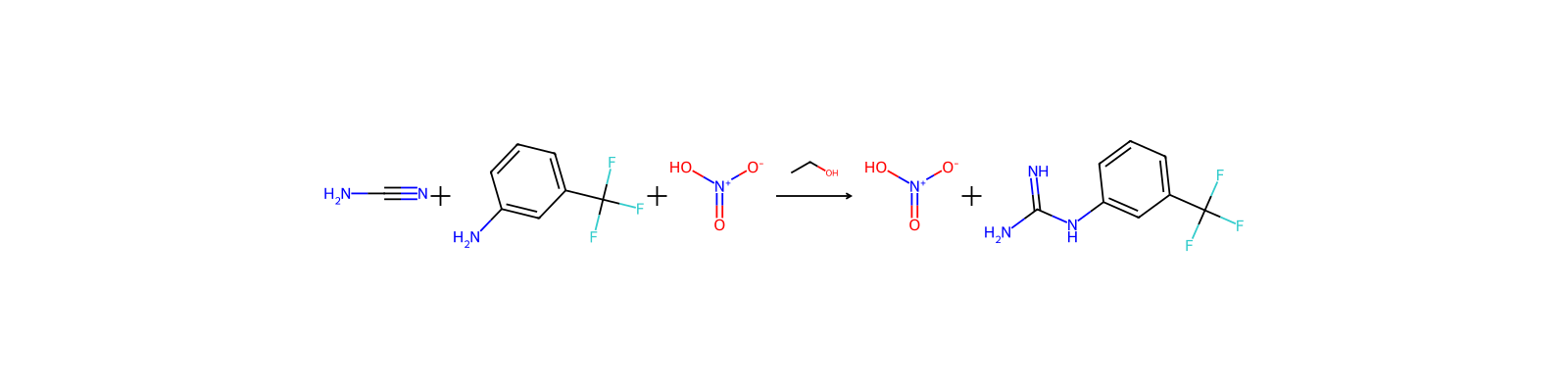
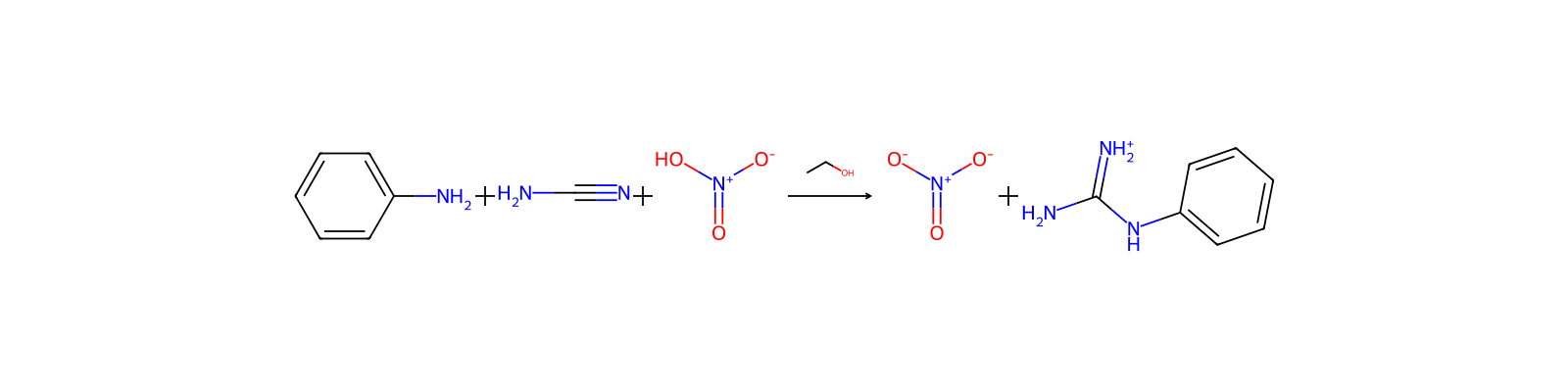
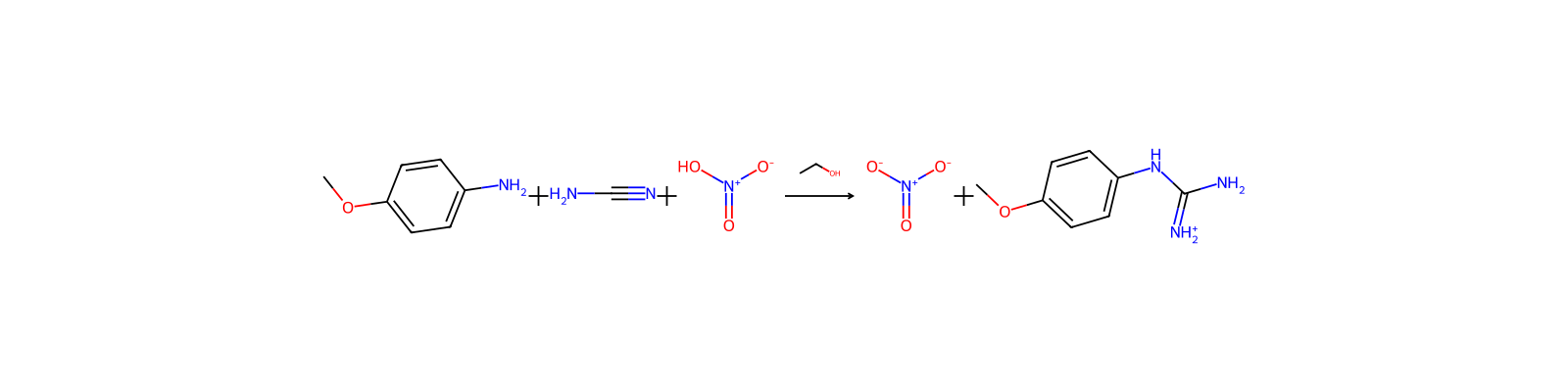
Cyanamide reacted with amino & thiol groups to form guanidino & isothiouronium cmpd respectively under physiological conditions. Possible mode of action of cyanamide on alcohol metabolism are discussed.
Target OrgansEyes, skin, respiratory system, central nervous system
Ecotoxicity Values
LD50 Colinus virginianus (Bobwhite quail) 173 mg/kg
LD50 Honey bee oral > 36.2 ug a.i./bee
LC50; Species: Anas platyrhynchos (Mallard duck); Concentration: > 5000 ppm for 8 days /Conditions of bioassay not given/
LC50; Species: Colinus virginianus (Bobwhite quail); Concentration: > 5000 ppm for 8 days /Conditions of bioassay not given/
For more Ecotoxicity Values (Complete) data for Cyanamide (17 total), please visit the HSDB record page.
Environmental Fate
TERRESTRIAL FATE: Based on a classification scheme(1), estimated Koc values of 4.7 and 7.3(SRC), determined from a structure estimation method(2) and a log Kow of -0.82(3) with a regression-derived equation(2), respectively, indicate that cyanamide is expected to have very high mobility in soil(SRC). Volatilization of cyanamide from moist soil surfaces is not expected to be an important fate process(SRC) given an estimated Henry's Law constant of 2.66X10⁻¹⁰ atm-cu m/mole(SRC), derived from its vapor pressure, 3.75X10⁻³ mm Hg(3), and water solubility, 7.8X10+5 mg/L(3). In soil, cyanamide is converted to nitrogenous compounds which are rapidly taken up(3). In aqueous conditions, cyanamide decomposes by hydrolysis to urea and by dimerization to dicyanamide(4,5). Cyanamide does not absorb at wavelengths >290 nm(4) and therefore is not expected to be susceptible to direct photolysis on sunlit soil or plant(SRC).
AQUATIC FATE: Based on a classification scheme(1), estimated Koc values of 4.7 and 7.3(SRC), determined from a structure estimation method(2) and a log Kow of -0.82(3) with a regression-derived equation(2), respectively, indicate that cyanamide is not expected to adsorb to suspended solids and sediment(SRC). Volatilization of cyanamide from water surfaces is not expected(4) given an estimated Henry's Law constant of 2.66X10⁻¹⁰ atm-cu m/mole(SRC), derived from its vapor pressure, 3.75X10⁻³ mm Hg(3), and water solubility, 7.8X10+5 mg/L(3). Cyanamide decomposes in water by hydrolysis to urea in acidic conditions and by dimerization to dicyanamide in alkaline conditions(5,6). Cyanamide does not absorb at wavelengths >290 nm(5) and therefore is not expected to be susceptible to direct photolysis on sunlit water(SRC).
ATMOSPHERIC FATE: According to a model of gas/particle partitioning of semivolatile organic compounds in the atmosphere(1), cyanamide, which has a vapor pressure of 3.75X10⁻³ mm Hg at 20 °C(2), will exist solely as a vapor in the ambient atmosphere. The rate constant for the vapor-phase reaction of cyanamide with photochemically-produced hydroxyl radicals can not be estimated; therefore, the half-life for this reaction in the atmosphere can not be estimated(SRC). Cyanamide does not absorb at wavelengths >290 nm(4) and therefore is not expected to be susceptible to direct photolysis by sunlight(SRC).
Adverse EffectsOccupational hepatotoxin - Secondary hepatotoxins: the potential for toxic effect in the occupational setting is based on cases of poisoning by human ingestion or animal experimentation.
Exposure Routes
The substance can be absorbed into the body by inhalation of its aerosol, through the skin and by ingestion.
inhalation, skin absorption, ingestion, skin and/or eye contact
Toxicity Summary
Organic nitriles decompose into cyanide ions both in vivo and in vitro. Consequently the primary mechanism of toxicity for organic nitriles is their production of toxic cyanide ions or hydrogen cyanide. Cyanide is an inhibitor of cytochrome c oxidase in the fourth complex of the electron transport chain (found in the membrane of the mitochondria of eukaryotic cells). It complexes with the ferric iron atom in this enzyme. The binding of cyanide to this cytochrome prevents transport of electrons from cytochrome c oxidase to oxygen. As a result, the electron transport chain is disrupted and the cell can no longer aerobically produce ATP for energy. Tissues that mainly depend on aerobic respiration, such as the central nervous system and the heart, are particularly affected. Cyanide is also known produce some of its toxic effects by binding to catalase, glutathione peroxidase, methemoglobin, hydroxocobalamin, phosphatase, tyrosinase, ascorbic acid oxidase, xanthine oxidase, succinic dehydrogenase, and Cu/Zn superoxide dismutase. Cyanide binds to the ferric ion of methemoglobin to form inactive cyanmethemoglobin. (L97)
Ecotoxicity Excerpts/BIRDS and MAMMALS/ A reproductive study ... showed no adverse effects in bobwhite quail up to 300 ppm in the feed.
Signs and Symptoms
Cough. Shortness of breath.
MAY BE ABSORBED! Redness. Pain.
Redness. Pain.
Burning sensation. Sore throat. Abdominal pain.
irritation eyes, skin, respiratory system; eye, skin burns; miosis, salivation, lacrimation (discharge of tears), twitching; Antabuse-like effects
Effluent ConcentrationsCyanamide was found to be present in the wastewater from nitroguanidine processes after 271 days of operation of a continuous-flow columns. Concentrations in continuous-flow soil column effluent columns ranged from 0 to 1.7 mg/L(1).
ICSC Environmental DataThe substance is toxic to aquatic organisms. It is strongly advised not to let the chemical enter into the environment.
Soil Adsorption/Mobility
Using a structure estimation method based on molecular connectivity indices(1), the Koc of cyanamide can be estimated to be 4.7(SRC). The Koc of cyanamide can also be estimated as 7.3(SRC), using a log Kow of -0.82(2) and a regression-derived equation(1). According to a classification scheme(3), these estimated Koc values suggest that cyanamide is expected to have very high mobility in soil.
法规信息
FIFRA Requirements
New Active Ingredients ... includes chemicals not previously registered as pesticides, as well as pesticide active ingredients initially registered after November 1, 1984 and that currently have active product registrations. By law, these pesticides must meet new safety standards, such as those described in the Food Quality Protection Act of 1996 and, if new safety standards are met, will be reviewed again on a 15-year cycle. Hydrogen Cyanamide is designated by EPA as a New Pesticide Active Ingredient. Active Ingredient Number: 014002; Type of Pesticide: Conventional: Plant growth regulator; Use Site: Food use; Year: 1993.
The USEPA has published the Hydrogen Cyanamide (Cyanamide) Final Work Plan Registration Review - May 2008 in Docket EPA-HQ-OPP-2007-1014-0008. This Work Plan announces EPA's intention to conduct a comprehensive ecological risk assessment, including an endangered species assessment for all cyanamide uses and to complete a drinking water assessment. To date, the assessments have not been posted.
安全数据
- wgk
- 2
- tsca
- TSCA listed
- 毒性
- LD50 i.p. in male mice: 200-300 mg/kg (Doull)
- RTECS号
- GS5950000
- 包装类别
- III
- 危险等级
- 8
- 存储类别
- 6.1C - Combustible acute toxic Cat.3toxic compounds or compounds which causing chronic effects
- 安全说明
- 3-22-36/37-45-26
- 海关编码
- 29269090
- 危险品标志
- T
- 危险性类别
- Acute Tox. 3 DermalAquatic Chronic 3Carc. 2Eye Dam. 1Repr. 2Skin Corr. 1BSkin Sens. 1STOT RE 2
- 危险类别码
- 21-25-36/38-43
- 毒害物质数据
- 420-04-2(Hazardous Substances Data)
- 职业暴露等级
- B
- 职业暴露限值
- TWA: 2 mg/m3
- 危险品运输编号
- UN 2811 6.1/PG 3
毒性防护
毒性1,对皮肤有刺激和腐蚀性,可导致严重皮炎,摄人或吸人可引起黏膜刺激、短暂脸红、头痛、眩晕、呼吸急促、心动过速和高血压等症状。 2,致突变试验:对家兔皮肤轻度刺激性,眼睛重度刺激性,该原药对豚鼠皮肤变态反应试验属弱致敏类药物。 3,大鼠90d亚慢性喂饲试验最大无作用剂量0.2mg/kg/d。单氰胺原药和50%水溶液均属中等毒,使用时要注意安全操作。
化学与工业
药理信息
Biological Half-Life... Elimination half life and total plasma clearance values were 51.7 8.8 min and 14.4 2.7 mL/kg/min respectively. ...
Metabolism/Metabolites
Cyanide was detected as a product of cyanamide oxidation by bovine liver catalase in vitro under conditions that also produced an active aldehyde dehydrogenase (AlDH) inhibitor. Cyanide formation was directly related to both cyanamide and catalase concentrations and was also dependent on incubation time. The apparent Km for this reaction was 172 microM. Cyanide formation was blocked by ethanol, a known substrate for catalase Compound I. The toxic effects of cyanamide in the dog, a species with limited capacity to conjugate cyanamide by N-acetylation, may be causally related to enhancement of this catalase-mediated pathway for cyanamide metabolism.
The main urinary metabolite of hydrogen cyanamide (cyanamide) in rat and man is acetylcyanamide (n-acetylcyanamide). An analytical method was developed to determine acetylcyanamide in the urine with a limit of quantification of <10 ug/l (mean recovery 96.1% using spikes of 20 ug/l; relative standard deviation < 4%. This methodology is based upon ion chromatography using column-switch techniques and UV detection. It could be demonstrated that in rats an average of 45.6% of oral applied cyanamide (10 mg/kg) was excreted in the urine as acetylcyanamide. In male human volunteers a mean of 40% of oral admin cyanamide (mean dose 0.25 mg/kg body weight) was excreted via the urine as acetylcyanamide. The same group of volunteers participated in skin absorption study with dermal application of the above cyanamide dose onto a skin surface area of 32 sq cm. Within an application period of 6 hr an average cyanamide quantity of 2.3 mg, was available for skin absorption. A mean portion of 7.7% of this quantity was found as acetylcyanamide in the urine of the participants. Findings from literature state that cyanamide is metabolized in vitro to cyanide. According to examinations performed in vivo, however, such a metabolic pathway seems to be irrelevant for man. In comparisons with the control values there was no significant incr of both the cyanide concn in the blood and the thiocyanate concentrations in the urine of the above volunteers after the described oral cyanamide admin.
Organic nitriles are converted into cyanide ions through the action of cytochrome P450 enzymes in the liver. Cyanide is rapidly absorbed and distributed throughout the body. Cyanide is mainly metabolized into thiocyanate by either rhodanese or 3-mercaptopyruvate sulfur transferase. Cyanide metabolites are excreted in the urine. (L96)
Absorption, Distribution and Excretion
A pharmacokinetic and dynamic study of cyanamide, an inhibitor of aldehyde dehydrogenase (ALDH) used as an adjuvant in the aversive therapy of chronic alcoholism, has been carried out in man after oral administrations. ... Blood ALDH activity were estimated after oral administration of 0.3, 1 and 1.5 mg/kg of cyanamide. One i.v. administration of 1 mg/kg was performed in order to determine the absolute bioavailability and the main pharmacokinetic parameters. Elimination half life and total plasma clearance values were 51.7 8.8 min and 14.4 2.7 mL/kg/min respectively. After oral administrations of 0.3, 1 and 1.5 mg/kg a rapid absorption rate was estimated with a Tmax values range of 10.5 to 15.5 min. The extent of absorption was not complete, oral bioavailability being 53%, 70% and 81% respectively. The presence of a first pass-effect is suggested. The inhibitory activity of cyanamide on blood ALDH reached the maximum value 4 hr after its administration and decreased progressively throughout six days period. The cyanamide plasma levels time course did not correlated with the pharmacodynamic time course responses.
用途与制造
Uses
Used in the organic synthesis of dicyandiamide in melamine manufacturing; also used in fumigants, metal cleaners, ore refining, and synthetic rubber production; [ACGIH]
Farming (Pesticides) [Category: Industry]
For cyanamide (USEPA/OPP Pesticide Code: 014002) ACTIVE products with label matches. /SRP: Registered for use in the U.S. but approved pesticide uses may change periodically and so federal, state and local authorities must be consulted for currently approved uses./
Early post-emergence control of broad-leaved weeds in alliums (onions, leeks, chives, shallots, and garlic) and bulb flowers. Also used to remove side shoots and inhibit sprouting in hops and vines.
Agrochemistry: Cyanamide is used as a plant growth regulator and budbreaking agent (Dormex) to compensate for the lack of frost and to improve the budbreak of grapes and other fruit crops in areas with mild winters. Cyanamide has a significant fungicidal and herbicidal potential and is used in pig farming to overcome sanitary problems related with the pig manure.
Cyanamide is the key raw material for many herbicides, fungicides, and insecticides. It is used to produce the herbicides Amitrol and Hexazinone and builds up the pyrimidine or 1,3,5-triazine subunit for a vast number of sulfonylurea herbicides like Bensulfuron or Metsulfuron methyl. The benzimidazole fungicides Carbendazim and Benomyl and the pyrimidine fungicides Cyprodinil, Pyrimethanil, and Mepanipyrim are based on cyanamide, as well as the pyrimidine insecticides Bupyrimate and Dimethirimol and neonicotinoids like Acetamiprid. Many fungicidal and biocidal guanidine and biguanide compounds like Dodine, Guazatine and Iminooctadine are based on cyanamide chemistry.
Impurities
Dicyandiamide ... /is/ the main impurity in cyanamide.
Cyanamide, especially in solution, always contains the dimer.
U.S. Production
2023: 260,000 lb
According to the 2006 TSCA Inventory Update Report, the 2006 Production Volume for cyanamide (CAS 420-04-2) was 1 to <10 million lbs (aggregated Import + Manufacture).
Production volumes for non-confidential chemicals reported under the Inventory Update Rule. [Table#3243]
Production volume for non-confidential chemicals reported under the 2006 Inventory Update Rule. Chemical: Cyanamide. Aggregated National Production Volume: 1 to < 10 million lbs.
Consumption Patterns100% AS A CHEM INT (CAPTIVELY) FOR DICYANDIAMIDE IN MELAMINE MFR
Industry UsesIntermediate
Methods of Manufacturing
Prepared commercially by continuous carbonation of calcium cyanamide in water according to the equations: 2CaNCN + 2H2O = Ca(HNCN)2 + Ca(OH)2; Ca(HNCN)2 + CO2 + H2O = 2H2NCN + CaCO3.
Cyanamide is manufactured from calcium cyanamide by continuous carbonation in an aqueous medium. In the continuous cyanamide process, the amount of calcium cyanamide and water added is equivalent to the aqueous cyanamide removed.
Formulations/Preparations
Cyanamide is sold as anhydrous, aqueous 50%, and calcium cyanamide. Anhydrous and aqueous 50% cyanamide contain a buffering additive, usually 2% sodium biphosphate to stabilize the pH and prevent formation of dicyanamide and urea.
Emulsifiable concentrate
Cyanamide in 50% aqueous solution: cyanamide = 50%; dicyandiamide, urea, and related compounds max. 4%; Iron max. 300 mg/L; calcium max. 100 mg/L; stabilizer max. 2%.
Cyanamide, crystalline, min 98%; dicyandiamide max. 1%; water max.
For more Formulations/Preparations (Complete) data for Cyanamide (7 total), please visit the HSDB record page.
Use ClassificationEnvironmental transformation -> Pesticides (parent, predecessor)
General Manufacturing Information
Pesticide, Fertilizer, and Other Agricultural Chemical Manufacturing
Cyanamide: ACTIVE
CYANAMIDE IS A NAME APPLIED BOTH TO CARBODIIMIDE & TO CALCIUM DERIVATIVE, CALCIUM CYANAMIDE.
应用领域
用途氰胺是重要的农药中间体,可以制备杀菌剂多菌灵、苯菌灵、甲基嘧菌胺、嘧菌胺,杀虫剂抗蚜威、嘧啶氧磷,除草剂绿磺隆、甲磺隆、甲嘧磺隆、醚苯磺隆、苄嘧磺隆、吡嘧磺隆、环嗪酮等。
用途在医药工业用作生产盐酸阿糖胞苷的原料,在染料工业用于生产中间体3-氨基-5-羟基-1,2,4-三氮唑。此外,还用作有机合成及塑料的原料,生产氰脲酰胺、双氰胺、氰氨基甲酸甲酯等。
用途液体单氰胺用于工业原料、医药、农药中间体、农业肥料、植物调节剂、食物添加剂等
用途用于制氰尿酰胺等
制备方法
生产方法1.由石灰氮与硫酸反应而得。2.尿素法。
生产方法其制备方法是以石灰氮为原料,与硫酸作用而制得。在反应釜中投入水,以冰盐水冷却,投入石灰氮,保持温度在0~15℃之间,滴加5%硫酸溶液,调节pH=6,保持20min,过滤、水洗,再返回反应釜中,再加入石灰氮,重复上述操作2次,将得到的过滤液进行薄膜浓缩,保持一定的温度,浓缩后含量达到50%~55%,得到50%氰胺溶液。反应方程式:CaCN2+H2O+H2SO4→NH2CN+CaSO4
上下游产品信息
上游原料
下游产品
试剂价格
- L03744 · 25g
- 氨基氰, 98+%, stab.Cyanamide, 98+%, stab. — 542元
- L03744 · 5g
- 氨基氰, 98+%, stab.Cyanamide, 98+%, stab. — 242元
供应商50 家
国药集团化学试剂有限公司86-21-63210123 · [email protected]
衢州润东化工有限公司0570-8789886 18892685668 · [email protected]
山东旭晨化工科技有限公司0533-15715337262 15715337262 · [email protected]
上海阿拉丁生化科技股份有限公司400-6206333 13167063860 · [email protected]
爱斯特(成都)生物制药股份有限公司+86-28-85122536 85324413 · [email protected]
韶远科技(上海)有限公司021-50795510 4000665055 · [email protected]
科瑞迪化学400-821-5857 021-64326257 · [email protected]
Syntechem Co.,Ltd[email protected]
上海迈瑞尔生化科技有限公司4006356688 18621169109 · [email protected]
阿法埃莎(中国)化学有限公司400-6106006 · [email protected]
安耐吉化学&3A(安徽泽升科技股份有限公司)400-0056266 · [email protected]
上海瀚鸿科技股份有限公司021-54306202 13764082696 · [email protected]
上海景颜化工科技有限公司13817811078 · [email protected]
嘉兴市艾森化工有限公司0573-85285100 18627885956 · [email protected]
上海忆嵘生物科技有限公司18049974220 · [email protected]
苏州施亚生物科技有限公司86(512)5235 8471 17715136450 · [email protected]
山东西亚化学有限公司13355009207 13355009207 · [email protected]
玛雅试剂+86 (573) 82222445 (0)18006601000 452520369 · [email protected]
四川库利南科技有限公司400-1166-196 18981987031 · [email protected]
天津希恩思生化科技有限公司400 638 7771 · [email protected]
河南萬象化工有限公司(优势生产供应!)0371-56669001 13949088811 · [email protected]
斯百全化学(上海)有限公司021-021-021-67601398-809-809-809 15221380277 · [email protected]
艾科试剂4008-755-333 18080918076 · [email protected]
上海思域化工科技有限公司86-21-34053660 · [email protected]
赛默飞世尔科技(中国)有限公司800-810-5118 · [email protected]
江苏艾康生物医药研发有限公司025-66113011 13913916777 · [email protected]
上海贤鼎生物科技有限公司4009209199 · [email protected]
深圳振强药物研发有限公司0755-66853366 13670046396 · [email protected]
深圳康特腾科技有限公司86-0755-86635001 · [email protected]
越林试剂021-62960152 · [email protected]
上海宸香医药科技有限公司021-20960837 · [email protected]
上海将来实业股份有限公司021-61552785 · [email protected]
南京克迪特贸易有限公司025-52164950 · [email protected]
日照力德士化工有限公司010-51268198 · [email protected]
郑州鸿晟医药科技有限公司0371-0371-13526885213 15637198702 · [email protected]
美岚实业(上海)有限公司021-58958189 · [email protected]
上海爱蝶实业有限公司021-58957966 18930537195 · [email protected]
成都零六生物科技有限公司400-1166-196 13458535857 · [email protected]
广拓化学(上海)有限公司021-60899189-8001 18918189673 · [email protected]
雷丁试剂0510-85629785 18013409632 · [email protected]
湖南华腾制药有限公司400-8592883 · [email protected]
上海创赛科技有限公司400-6087598 15021221957 · [email protected]
上海御略医药科技有限公司021-60345187 13671753212 · [email protected]
上海麦克林生化科技股份有限公司15221275939 15221275939 · [email protected]
杭州杰恒化工有限公司0571-87396432 · [email protected]
上海嵩爰化工科技有限公司010-1234567 18521000990 · [email protected]
上海有朋化工有限公司021-69005955 13701776567 · [email protected]
北京海力扬化学科技有限公司13718199399 · [email protected]
北京欣赛维化学科技有限公司010-56218822 13717722232 · [email protected]
四川海诺威科技有限公司13708085536 13708085536 · [email protected]
相关反应
950 条
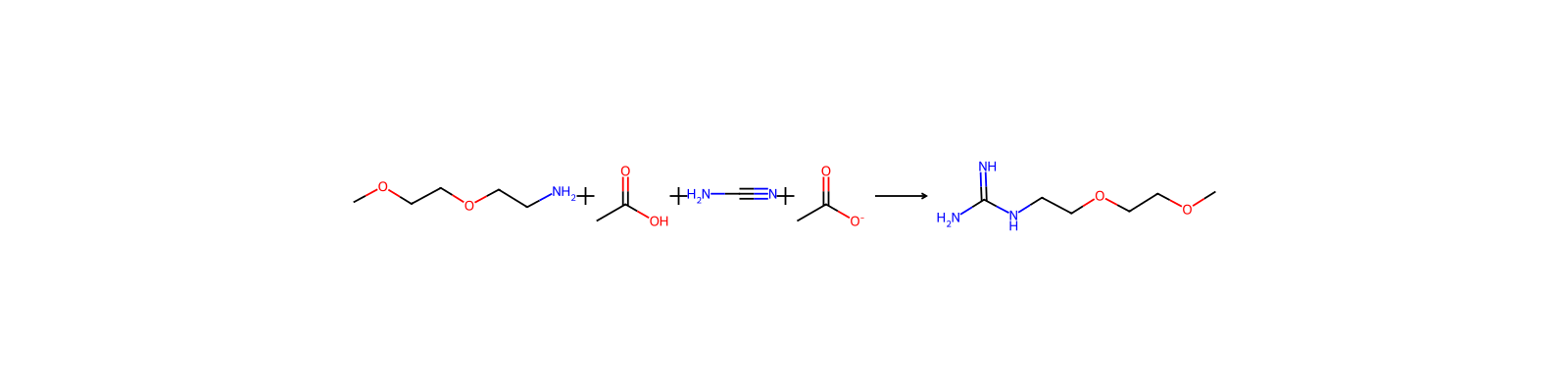
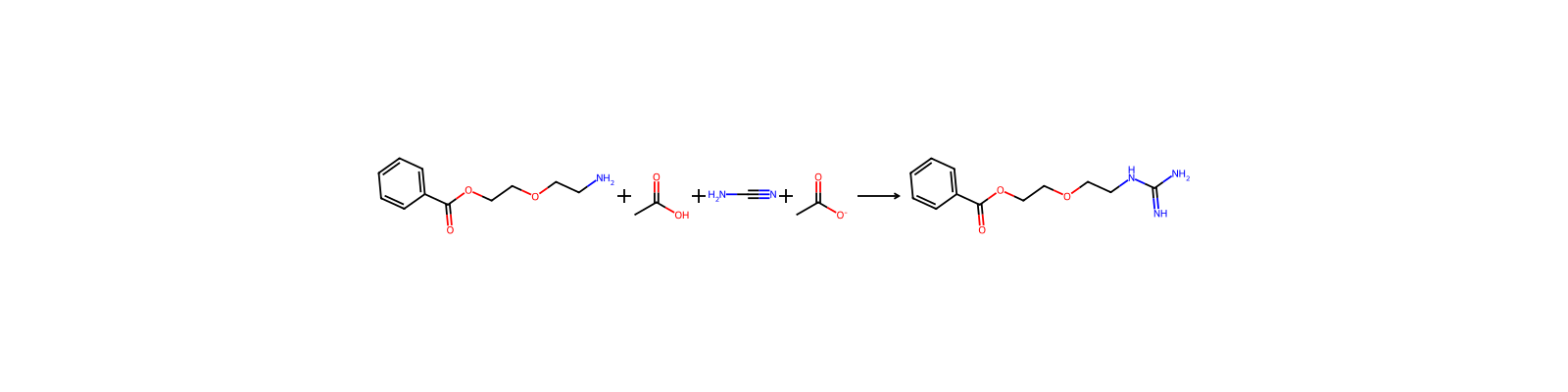


关联笔记
加载中…